HOME>NEWS>What Makes Fiberglass Reinforced UPVC Roofing Sheet the Strongest Long-Term Choice?
What Makes Fiberglass Reinforced UPVC Roofing Sheet the Strongest Long-Term Choice?
2025-12-25 11:50:22
SHARE TO:
When people check industrial roofing systems, they focus on solid build, ability to handle weather and other stresses, and how well it lasts over time. Fiberglass reinforced UPVC roof sheets meet these needs in a big way. Their layered setup and smart material design provide a tough option for places that face physical, chemical, and weather issues.
Builders want roofing that lasts long and needs little upkeep. This has pushed for better material choices.Jieli, a top maker from China, shows this with its modern factory setup and focus on good quality. It makes fiberglass reinforced UPVC sheets built for the toughest spots around the world.
The Role of Material Composition in Roofing Strength
The base of strong build starts with the tiny building blocks. PVC roof sheet/UPVC roof sheet, ASA UPVC roof sheet, and ASA synthetic resin roof tile use PVC as the main part. They give features like keeping heat and sound in, no rust, and resistance to chemicals. PVC holds its shape well against heat changes. So, it stays steady over years, unlike old metal types.
A mix of layers, made by a special method called Structural Composition: Triple-Layer Co-extrusion Technology + Fiberglass Layer, gives the item its toughness and staying power. Fiber glass reinforced UPVC roof sheet is our Patent tech product. It adds a fiberglass mesh inside the PVC/UPVC sheet. This setup boosts the sheet’s pull strength, hit resistance, weight hold, and ability to handle weather shifts. The added layer greatly raises pull strength and hit resistance. These matter a lot in areas with strong winds or dropping objects.
The multi-layer co-extrusion method bonds these parts evenly. It stops layers from coming apart as time passes. Also, it keeps the material whole during heat ups and downs.
How Fiberglass Reinforcement Enhances Structural Integrity
Adding fiberglass to UPVC sheets lifts the weight it can carry by a lot. Fibre glass in the middle will increase 30% tensile strength and support 20% longer purlin distance. So, your build can have bigger gaps between supports. This cuts down on frame costs while keeping things safe.
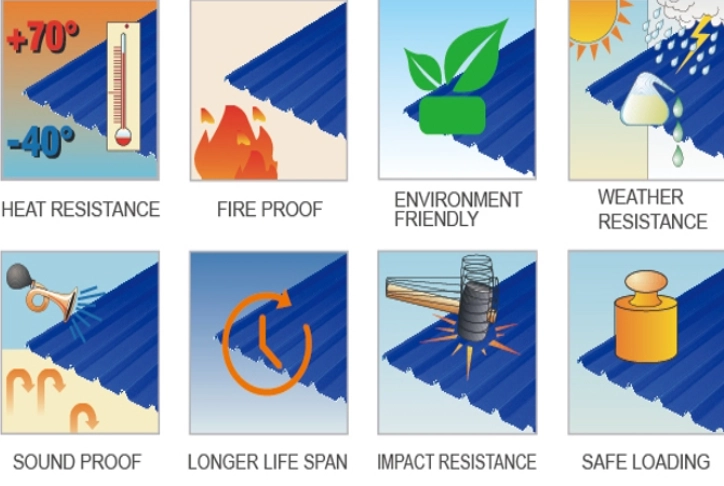
The material mix also handles very hot and cold weather well. It works from -40°C to 80°C. The four-layer build keeps it from cracking or weakening in big weather swings. Fibre glass will make the roof tiles more stable under weather and temperature change.
Plus, in spots with harsh chemicals like factories or beach areas, these sheets beat metals. They fight rust, breaks, or getting brittle as years go by. This helps keep the building’s cover strong.
Analyzing the Multi-Layer Co-Extrusion Technology in T1130
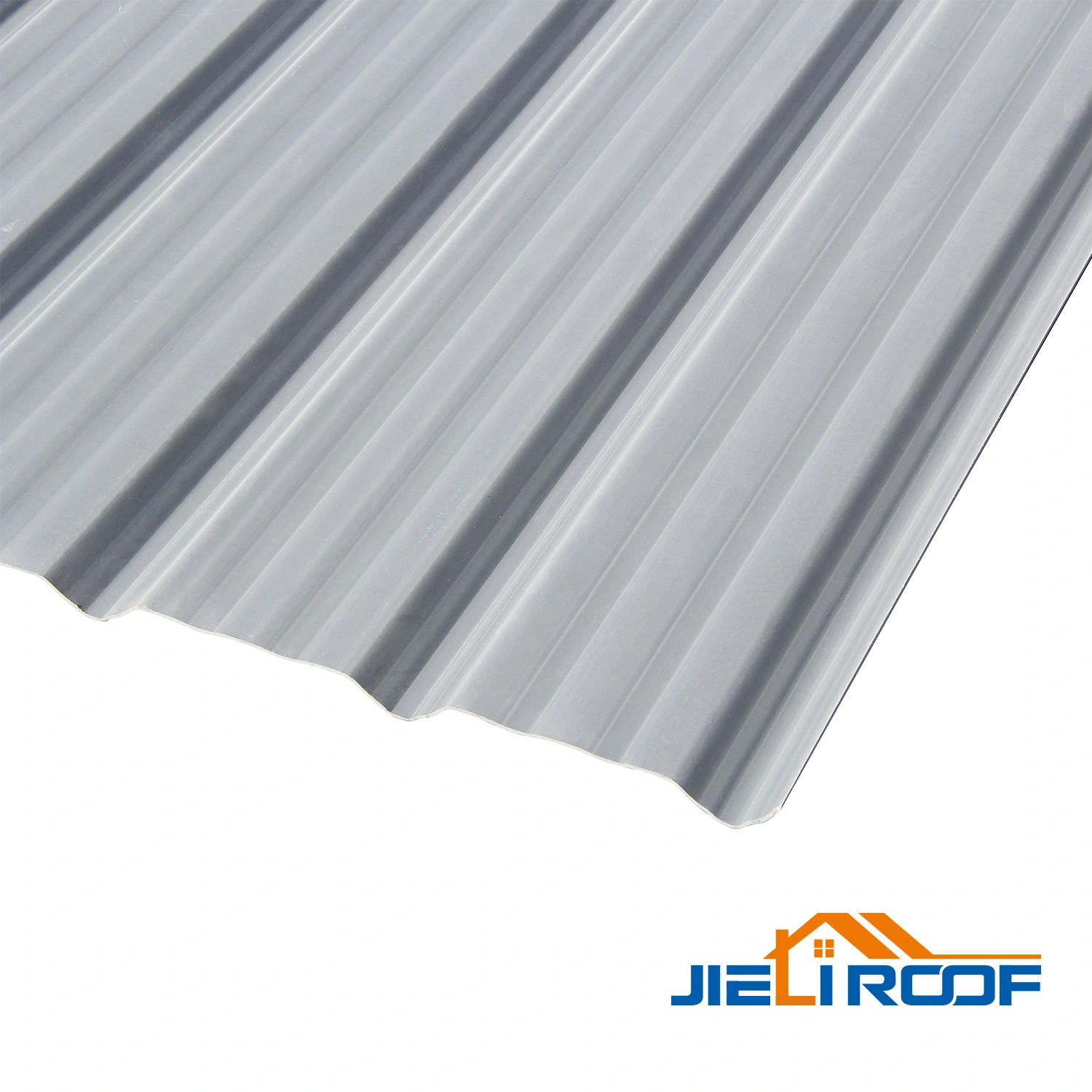
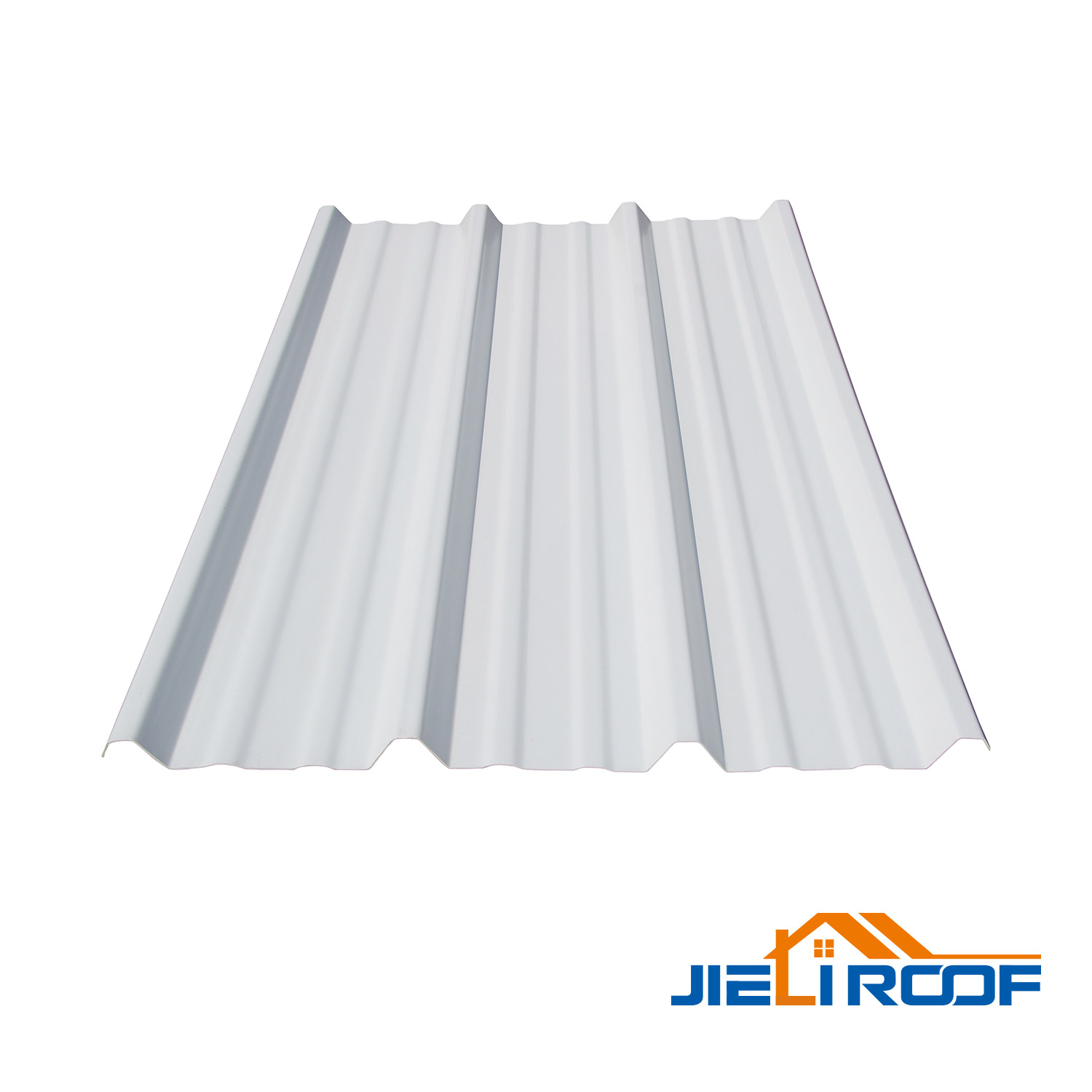
To get steady work over many years, co-extrusion is key. The T1130 profile roofing sheet uses four clear layers. They mix safety with smart build for best results.
The top layer gets treated with ASA to fight UV harm and keep bright colors.
The second layer is UPVC, which offers outstanding strength, impact resistance, heat insulation, and sound insulation performance.
The third layer is a Fiberglass reinforcing layer, which enhances high-temperature resistance, strength, impact resistance, tensile resistance, and load-bearing performance.
The bottom layer is UPVC, which is corrosion-resistant, moisture-proof, and enhances structural stability.
This setup makes T1130 tough and useful in many high-demand jobs. It fits ceilings, wall covers, and factory roofs well.
Benefits of One-Piece Shingle Design in Roofing Applications
A smooth one-piece shingle look boosts water blocking. It cuts down spots where leaks might start during setup. The way pieces lock together makes sure they touch tight. You don’t need much glue or extra screws.
For looks, it gives an even surface that makes the whole building match better. Contractors like it because setup goes quicker. They deal with fewer overlaps and line-ups. This means lower work costs.
Performance Characteristics That Define Long-Term Reliability
Resistance to Environmental Stressors
These panels do well in tough chemical and wet spots. UPVC roof sheet is hard to burn. It puts out its own fire. The fire rating is B1. This meets strict factory fire rules. Their fight against rust makes them great for beach areas, chemical plants, or animal farms. There, acid air or salt speeds up metal wear. The sheets handle water well too. They keep working in heavy rains or flood zones. This protects inside spaces from getting wet and unsafe. Overall, their build stands up to daily wear from nature. It ensures the roof lasts without quick fixes. In places with strong acids or salt, metals fail fast. But these sheets stay strong. They avoid the common problems that plague other options in such settings.
Thermal and Acoustic Insulation Capabilities
These materials help save energy. The thermal conductivity of PVC material is 0.325w/m.k. This is about 1/2000 of color steel sheet. It keeps inside cooler under hot sun. Sound blocking is a big plus too. UPVC roof sheet is sound insulation. It can reduce 25~30 Db. This suits factories or storage near cities. There, cutting noise is important. The low heat pass-through means less cooling needs in summer. In winter, it holds warmth better. For noise, the thick layers trap sounds from rain or wind. This creates quieter spaces inside. Workers benefit from less distraction. Building owners save on energy bills over time.
Mechanical Properties Supporting Longevity
Fiberglass adds strong hit resistance to these sheets. It handles hail or flying bits in storms without breaking. The steady growth rate keeps joints in place over years. This avoids shifts that cause leaks in metal roofs from heat moves.
Tailored Specifications for Diverse Industrial Needs
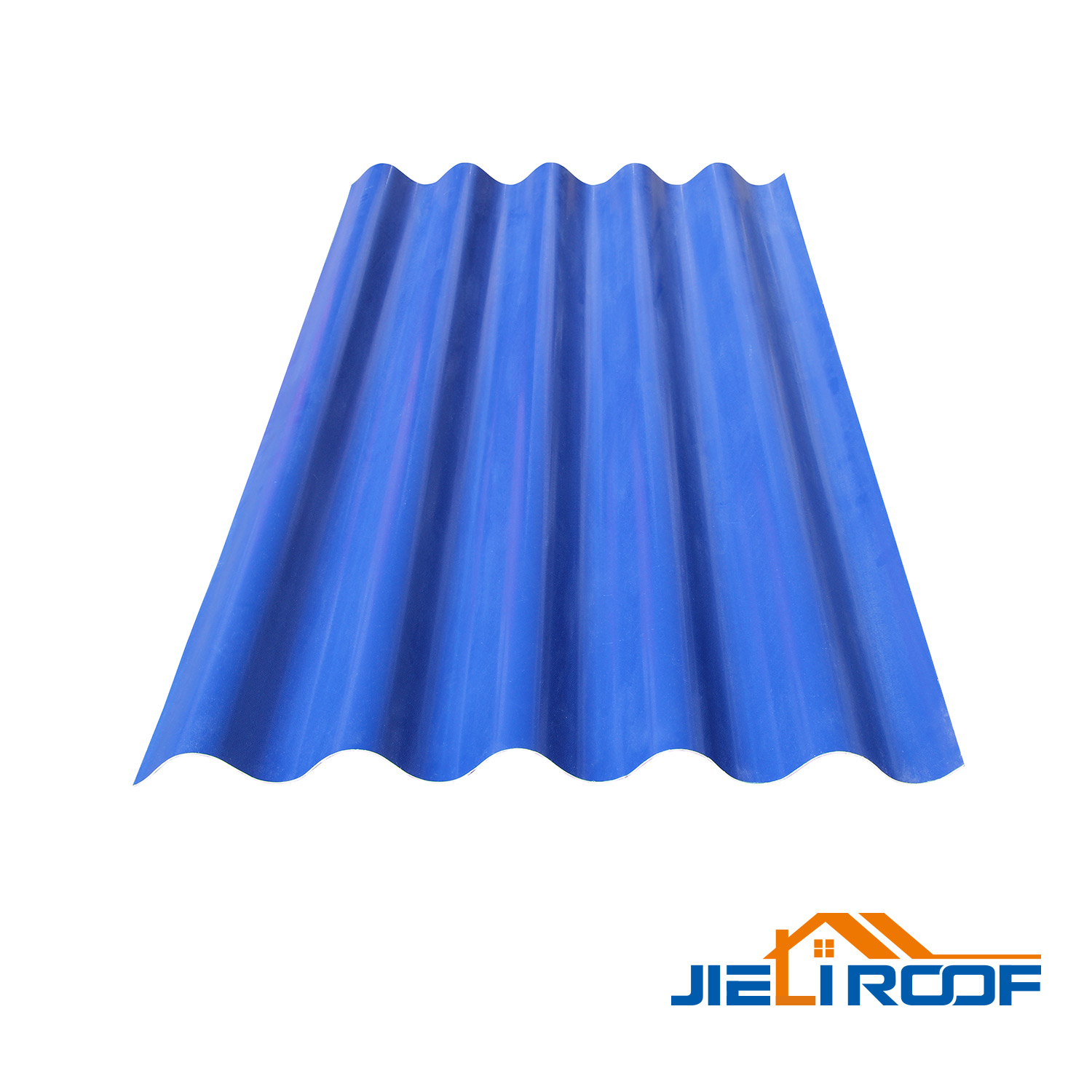
Color choices let you fit roof panels to building styles or company looks. Lengths go up to 11.8 meters to save space in shipping containers. Thickness options match different jobs:
2.0–2.5mm: Civil constructions and small warehouses
2.5–3.0mm: Factories and logistics centers
3.0–3.5mm: Humid or coastal installations
3.5–4.0mm+: Farms or chemical industries requiring high corrosion resistance
These picks ensure the right fit for each site’s demands. Thinner ones work for light use. Thicker versions handle heavy stress. Colors help with branding. Long lengths cut cuts on site. This setup makes projects smoother and cheaper to run.
Efficient Coverage and Installation Advantages
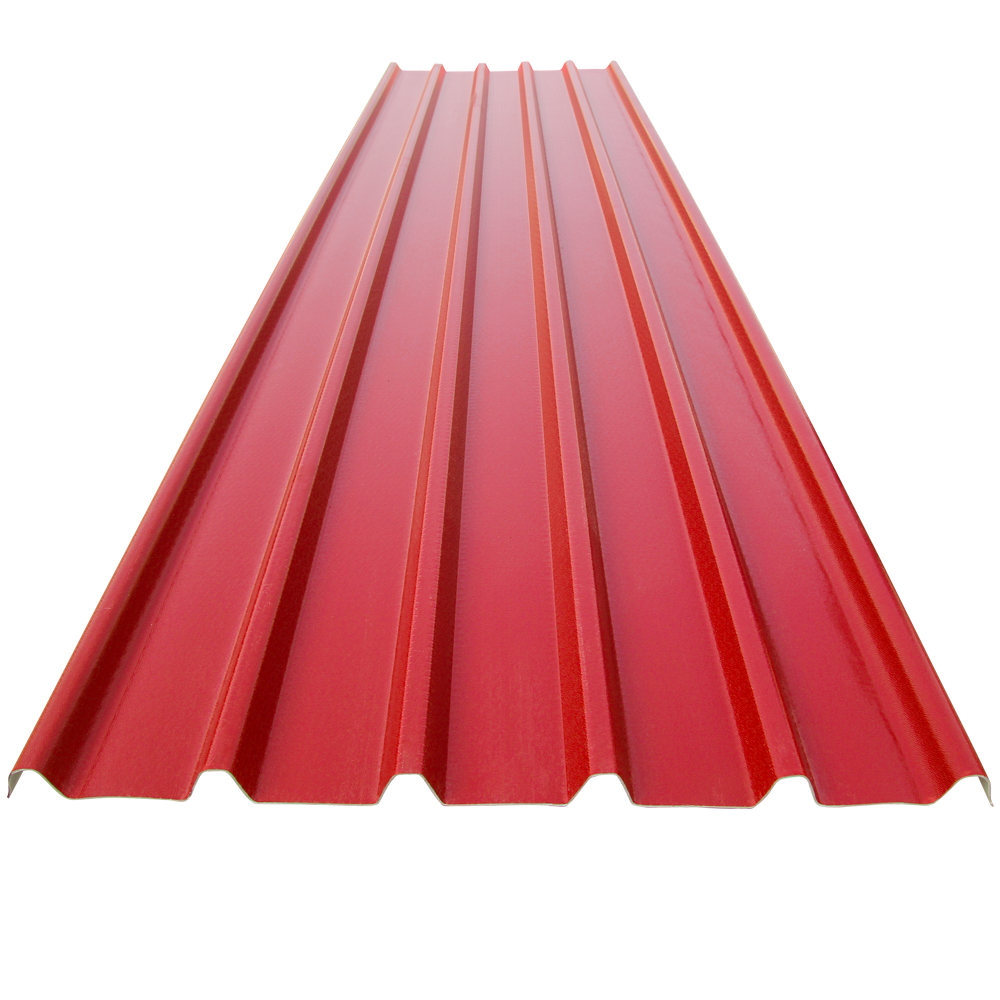
With a total width of 1130mm and an effective width of 1050mm, these panels cut waste from overlaps in setup. This raises speed at the job site. At just 5.5–6.5 kg/㎡, their light weight eases load on supports. It also makes it easy for Contractors to move them around.
Comparing T1130 with Traditional Roofing Materials
Advantages Over Metal Roofing Sheets
Metal panels rust with time, mainly in salt areas. Fiberglass reinforced UPVC sheets stay rust-free forever. Color steel sheet is easy to rust. It passes heat quick and makes loud noise in rain and wind.
Plus, their better sound block ends the usual bang from steel roofs in bad weather.
Benefits Compared to Conventional PVC Sheets
Regular UPVC roofing misses inner strength. So, it falls short in pull and hit resistance. But fiberglass reinforced panels give better mechanical power. They keep some bend too. Their life span beats basic types. It gives 25–30 years of use with little care needed.
Application Scenarios Across Industrial Sectors
Use Cases Demonstrating Material Versatility
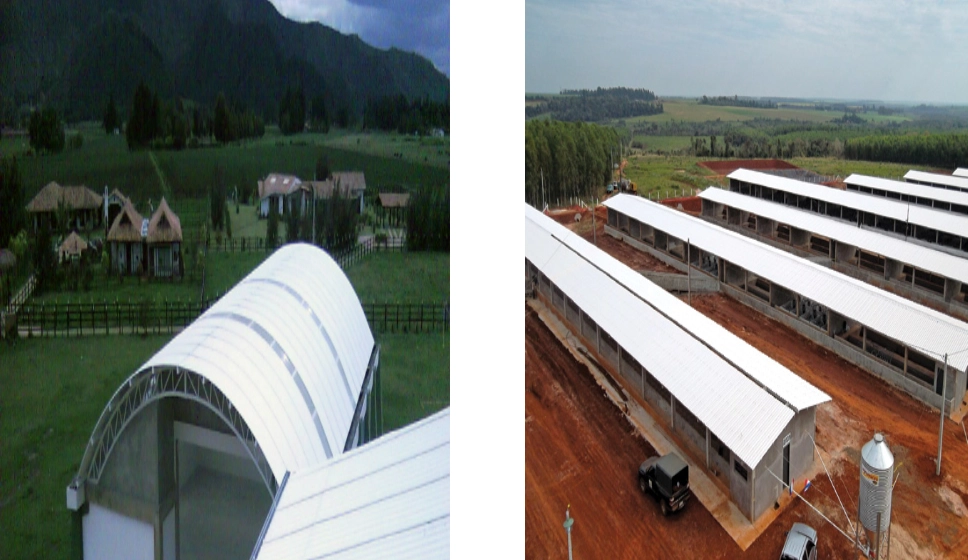
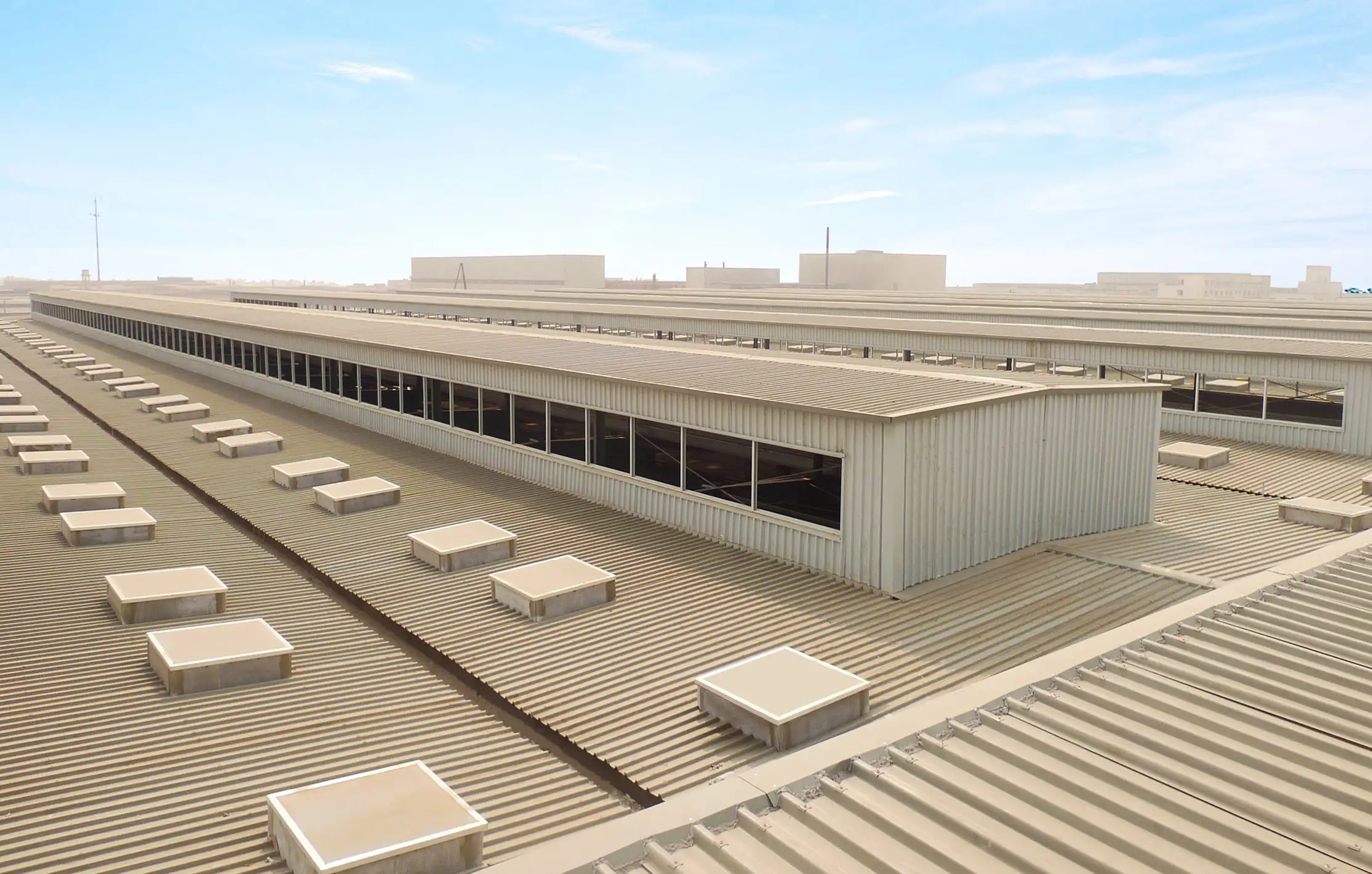
In factory buildings like storage hubs or work shops, the balance of strength and light weight matters most. This product gives that without weak spots. For wall or ceiling jobs, these sheets insulate heat. They also give a neat, even look. This fits energy-saving changes in factories or business spots. In logistics, they cover large areas fast. In farms, they resist wet and chemicals. Workshops use them for safe, quiet spaces. The versatility shows in many setups, from heavy industry to light commercial.
Jieli’s Commitment to Quality and Service Excellence
With government-authorized testing labs equipped for full-spectrum evaluations—from raw material to finished product—your project benefits from uncompromising quality assurance. This lab is also authorized by Government as the testing center of UPVC roofing products.
Each order undergoes rigorous batch testing including tensile strength, aging simulations, and impact resistance checks before dispatch. You also receive detailed installation manuals and warranty documentation tailored for your use case.
For consultation or orders, visit their UPVC Roofing Sheet T1130 page or connect via their official website contact form for personalized recommendations based on your project requirements.
FAQ
Q: Can fiberglass reinforced UPVC sheets be used in coastal environments? A: Yes. Their corrosion resistance makes them ideal for marine atmospheres where salt spray would degrade metal alternatives quickly.
Q: How do they perform under high temperatures?
A: The fiberglass-reinforced structure maintains integrity up to 80°C without deforming or losing strength.
Q: Are they suitable for sound-sensitive environments like urban warehouses?
A: Absolutely. These sheets reduce noise by up to 30 dB compared to metal roofing systems.






 +86 0535 6278701 / +86 15653505862

 When people check