HOME>NEWS>Corrosion Resistant Roofing Solutions: The Ultimate Guide to TSP Film Coated Steel for Industrial Protection
Corrosion Resistant Roofing Solutions: The Ultimate Guide to TSP Film Coated Steel for Industrial Protection
2025-12-29 15:46:11
SHARE TO:
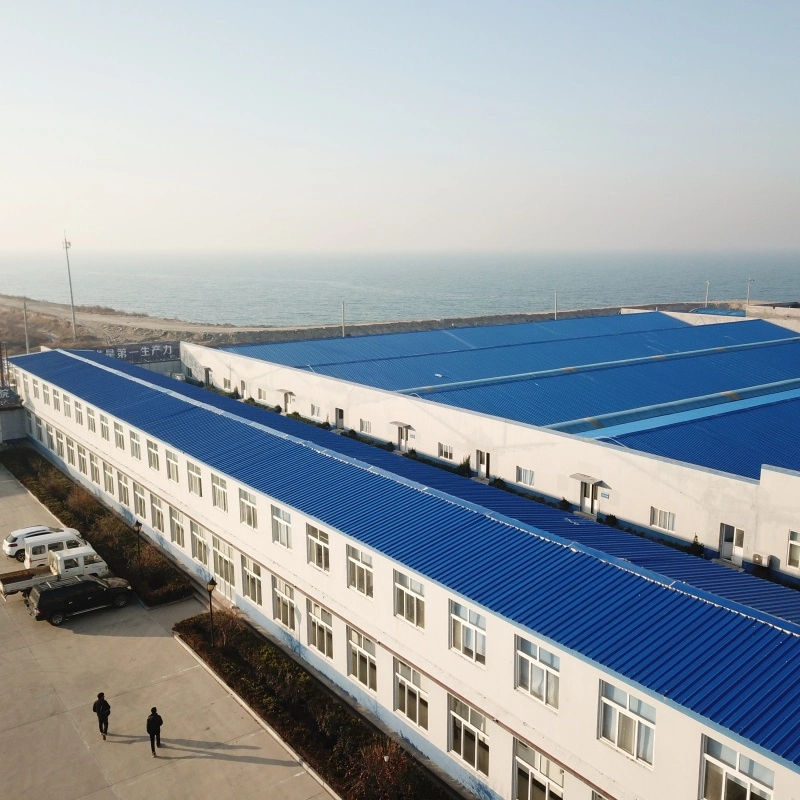
In the high-stakes world of industrial management, the integrity of your facility’s roof is often the last thing on your mind—until it becomes the only thing. If you are managing a chemical processing plant, a coastal storage facility, or a heavy manufacturing hub, you know that the roof is not just a shelter; it is a critical asset under constant siege. You deal with harsh realities: acid rain, salt mist, and industrial fumes that eat away at standard building materials. The choice you make today regarding your roofing material will dictate your maintenance budget for the next decade.
As an industry leader, we understand that you need a partner with the capacity to deliver, not just a vendor who makes promises. At Jieli, we operate 22 production lines, ensuring stable production and on-time delivery. Even for large orders requiring multiple containers, we guarantee timely shipment. For example, we supplied 220 containers of roofing products for a government housing project in Venezuela, which fully demonstrates our capability to efficiently handle large-scale demands. When you choose to work with us, you are securing more than just a product; you are securing a supply chain that moves with precision and speed.
The Hidden Crisis in Your Current Infrastructure
You might be familiar with the cycle of frustration associated with traditional metal roofing. You install a new color-coated steel roof, and it looks pristine. However, within months, you notice the first signs of discoloration. A year later, rust spots appear. Two years in, you are scheduling patch repairs and calculating the cost of downtime.
This happens because of the microscopic flaws in traditional materials. Standard painted metal, no matter how thickly coated, relies on spray-painting or powder-coating technologies. During the curing process, the paint undergoes “chain scission,” creating microscopic pores and uneven coverage. To the naked eye, the surface looks smooth. To a chloride ion or an acidic molecule, it looks like a sieve.
The Mechanism of Failure
When you are located near the coast, salt spray carries chloride ions that land on your roof. These ions are small enough to migrate through the micro-holes in the paint. Once they reach the steel substrate, they destroy the passivation film, triggering rapid pitting and crevice corrosion.
In industrial zones, sulfur and nitrogen oxides mix with atmospheric moisture to form weak acid rain. This solution seeps through the paint’s pores, reacting with the metal base to create expanding sulfates and nitrates. This reaction pushes the paint off from the inside—a phenomenon you recognize as bubbling or peeling. Once the barrier is breached, your roof is defenseless.
A Fundamental Shift: TSP Film Coated Technology
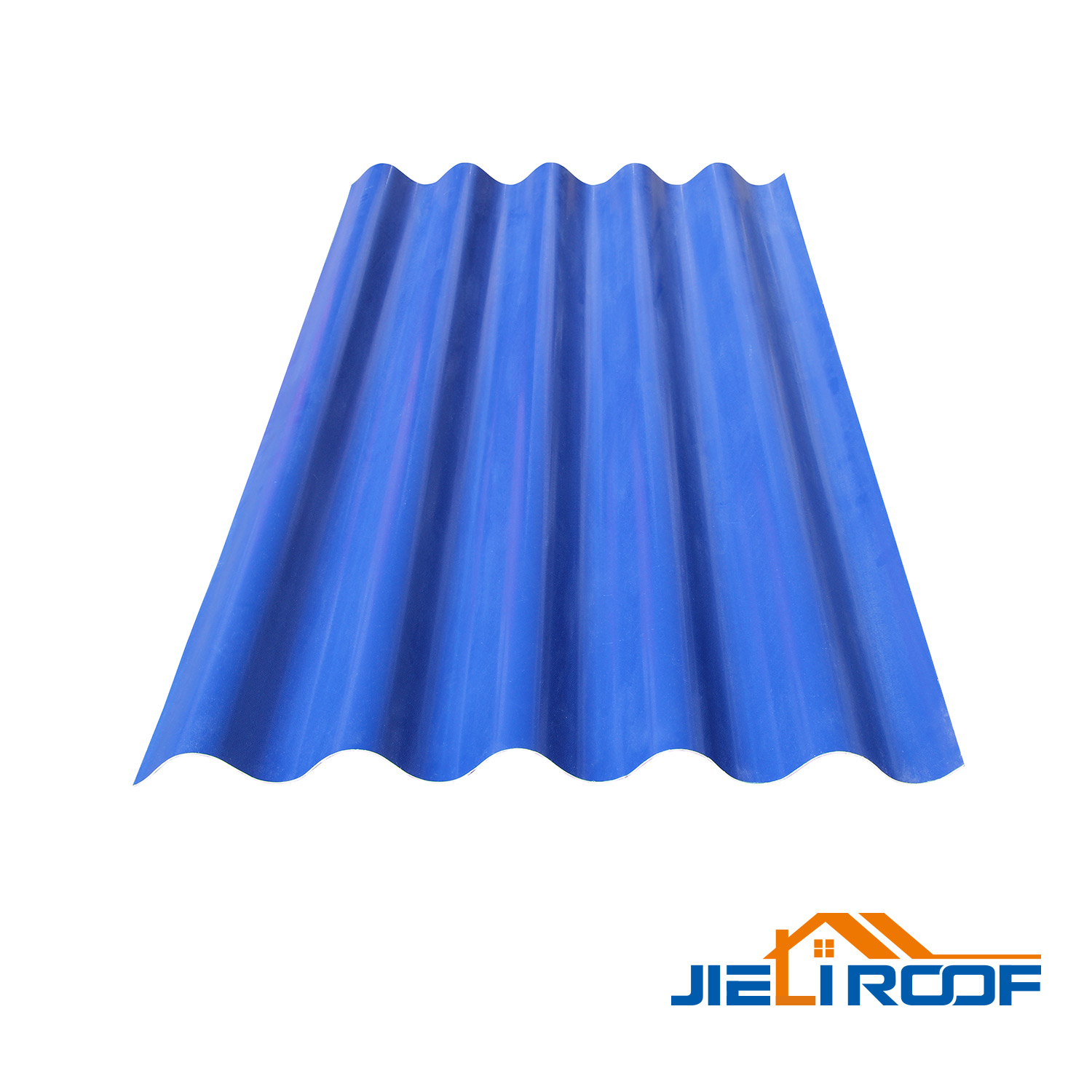
If the problem is the microscopic permeability of paint, the solution must be an impenetrable barrier. We have shifted the industry toward a more advanced technology TSP.This is not just another plastic tile, nor is it standard metal roofing. It represents a hybrid engineering marvel designed specifically for environments where standard materials disintegrate. The core concept is simple: instead of spraying a liquid coating onto steel, we thermally bond a solid, modified polyester film onto the metal substrate using a proprietary adhesive developed since 2016.
The Science of the TSP Airtight Seal
The primary advantage you gain with TSP technology is the “Zero-Pinhole” barrier. The TSP lamination process ensures a completely continuous surface. Because the protective layer of TSP is a solid film rather than a cured liquid, there are absolutely no micro-holes.
Imagine wrapping your facility in a TSP industrial-grade shield that completely isolates the steel core from the outside world. Whether your environment deals with salt spray, acid rain, or alkaline dust, the corrosive agents simply cannot touch the metal protected by TSP. This airtight seal effectively eliminates the electrochemical reactions that cause rust.
Extreme Chemical Resistance of TSP
While stainless steel resists moisture, it often struggles against strong chemical attacks, particularly from chlorine and strong acids. The modified polyester film we use in our TSP products excels in these extremes.
Our rigorous laboratory testing on TSP demonstrates its capability:
Diverse Acids: TSP resists 20% Sulfuric Acid, 15% Hydrochloric Acid, 20% Hydrofluoric Acid (HF), and 20% Nitric Acid (HNO3) without degradation.
Alkalis: TSP withstands 5% Sodium Hydroxide and Ammonia exposure.
Gaseous Pollutants: TSP remains unaffected by Chlorine and intense salt mist environments.
In immersion tests lasting 168 hours, while other materials faded or swelled, the TSP film showed no physical changes. For you, this means a TSP roof retains its integrity even if your production process involves aggressive chemical emissions.
Data-Driven Performance of TSP
In the industrial sector, we believe claims mean nothing without data. You need proof that an investment will hold up. The performance of ourTSP film-coated solution is backed by CNAS-certified testing.
Salt Spray Endurance: In standardized testing involving exposure to 5% NaCl at 50°C for 1,000 hours, our TSP sheets showed zero rusting. For coastal facilities, this TSP metric is the most critical predictor of longevity.
Safety and Insulation: Our TSP product achieves an A Grade Fire Rating, providing the highest level of fire safety for hazardous industrial sites. Furthermore, TSP offers excellent Acoustic Insulation (25~30 Db), significantly reducing noise pollution from rain or industrial machinery.
Temperature and Weather Resilience:Extreme temperature fluctuations can cause thermal stress. Our TSP film remains stable from -40°C to 160°C. TSP has passed the Freeze-thaw Resistance Test (50 cycles) without any hollowing or cracking. Even when subjected to boiling water for 6 hours, TSP shows no shrinkage or delamination.
Adhesion Strength: The proprietary adhesive we use for TSP has achieved an A5 classification (the highest rating) in cross-grid cutting tests. With a surface hardness of 60 Hv, TSP is also remarkably resistant to mechanical scratches.
The Economic Logic for Your Business
When you evaluate the Total Cost of Ownership, the argument for switching to TSP film-coated steel becomes undeniable.
Reduced Structural Costs
Some facility managers consider switching to full plastic (UPVC) tiles to avoid rust, but they often encounter structural weakness. Plastic tiles require frequent support beams (purlins) to prevent sagging. By retaining a high-quality galvanized steel core, our TSP product maintains the high load-bearing capacity of metal. This allows you to use longer truss spans with TSP, significantly reducing the amount of steel framework required. You get the chemical immunity of plastic with the structural strength of steel through TSP.
Zero Maintenance ROI
The initial price of a material is only a fraction of its true cost. If you install a cheaper metal roof that requires re-painting every three years, you are losing money. With a TSP “set it and forget it” solution, you eliminate these recurring maintenance costs. The Return on Investment for TSP is typically realized within the first few years by avoiding the repairs that traditional roofs would require.
Service and Support
We believe that choosing TSP is only half the battle. We are here to guide you through every step of the process. From helping you determine the optimal TSP thickness to advising on the correct color for heat reflection, our technical support for TSP is robust.
We provide detailed installation manuals for TSP and help you calculate the exact quantity of accessories you need, ensuring a complete, watertight TSP system. We view your project’s success as our own. If you have a specific challenge regarding TSP application, we will do our best to provide the solution.
Taking the Next Step with TSP
We have seen too many industrial projects suffer from short-sighted material choices. TSP technology now exists to permanently solve the corrosion problem. By combining the strength of steel with the impenetrability of advanced TSP polymer films, you can build a facility that stands the test of time.
We are ready to help you transition your facility to this superior TSP standard. Contact us directly to discuss your project. Let us secure your assets with TSP for the long term.
FAQ
Q: Can TSP Film Coated Steel handle highly corrosive acid or alkali environments compared to stainless steel?
A: Yes. While stainless steel can suffer from pitting in the presence of chloride ions, our TSP modified polyester film is chemically inert. Tests show TSP withstands 20% H2SO4, 20% HF, and 5% NaOH with zero degradation, making TSP superior for chemical plants and pickling workshops.
Q: Will the TSP film peel off or delaminate over time?
A: No. We use a proprietary adhesive for TSP that achieves an A5 bonding classification—the highest standard. TSP passes rigorous 50-cycle freeze-thaw tests and boiling water tests without any delamination or bubbling, ensuring the TSP film stays fused to the steel.
Q: How does the TSP service life compare to standard color-coated steel?
A: In corrosive environments, traditional color-coated steel often fails within 3-5 years. Our TSP film-coated steel is designed to provide over 15 years of maintenance-free service, typically lasting 2-3 times longer than standard alternatives in harsh industrial or coastal settings.






 +86 0535 6278701 / +86 15653505862