HOME>NEWS>How Can Farms Keep Cattle Loading Areas Dry Without Blocking Trailer Access?
How Can Farms Keep Cattle Loading Areas Dry Without Blocking Trailer Access?
2026-11-23 00:00:13
SHARE TO:
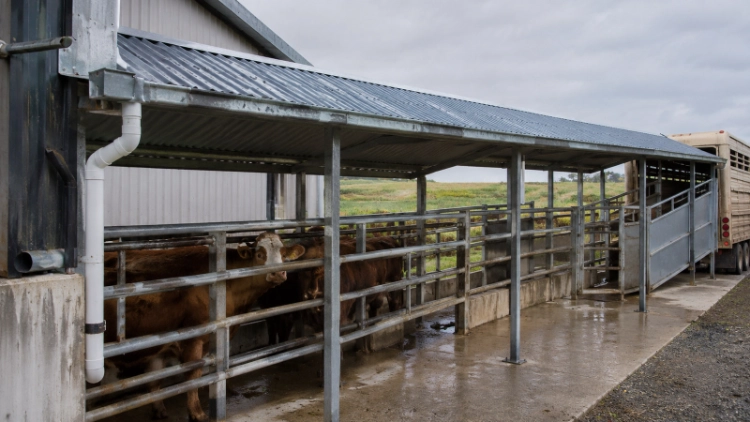
Rain can make a cattle loading area difficult to use long before it causes a visible roof problem. A wet ramp, a puddle at the trailer threshold or runoff crossing the handler’s standing area can slow animal movement and complicate loading. At the same time, a canopy placed too low or too close to the race can obstruct a trailer or gate. The roof layout has to protect the working route without narrowing it.
A farm planning a new loading shelter or replacing an exposed cattle handling canopy needs to study trailer approach, animal flow, drainage and maintenance access together. TSP film-coated steel can be considered where a steel-based roof is required in a damp agricultural setting, but the result depends on the supporting frame, edge details and the way the loading area is used.
Where Does the Roof Need to Protect the Loading Route?
Begin at the collecting pen, not at the ridge. Cattle usually move from a holding area through a race, across a loading ramp and into a trailer. The plan should identify which parts are exposed during waiting, which gates must swing freely and where staff stand to release or redirect an animal. A short roof over the final ramp can still leave the collecting pen wet and slippery.
The point where the ramp meets a trailer deserves its own drawing. Different vehicles may arrive with different door heights, tailgate arrangements and approach angles. A canopy that works for one trailer may interfere with another. Record the actual vehicles used on the farm before fixing eave height or placing the last column.
Cattle handling facilities may be used only at particular times of year, but those days can involve repeated groups, long queues and intensive cleaning. The cover should protect the working sequence without creating a dark, confined corner that causes cattle to stop. Daylight, open sides and the direction of animal travel remain important even when the sheet itself is suitable.
How Should the Canopy Fit Gates, Rails and Trailer Clearance?
A handling-race roof needs a structural grid that follows the gate layout. Posts should not block the operator position beside a sliding gate, drafting gate or squeeze chute. Before selecting roof sheet lengths, overlay the proposed column locations on the equipment supplier’s plan and check the clear working envelope at each operating point.
The trailer approach may require a higher clear opening than the rest of the race. Instead of carrying one low eave across the entire building, a designer may need a raised bay or a shorter overhang at the loading end. That decision belongs in the section drawing alongside the trailer swept path, rather than being improvised after the roofing order arrives.
Roof bracing, downpipes and service cables must be kept away from animal contact. Even a component positioned outside the rail can be damaged by equipment, gates or a reversing vehicle. The roof supplier can advise on panel profiles and accessories, while the project engineer remains responsible for structural clearances and local design loads.
Avoid using the roof sheets as a substitute for an engineered frame. The roof panel, purlins, rafters and posts each perform different jobs. Their connections must be checked as a system, particularly where a narrow canopy is exposed to wind from several sides.
Why Does Water Management Matter at a Cattle Ramp?
A roof can transfer a large area of rainfall to a small discharge point. If a downpipe releases water beside the loading ramp, the surface may remain muddy even though the animals are under cover. Draw the gutter falls and downpipe outlets before deciding the final sheet layout. Discharge should reach a suitable drain or other approved site system.
The lower end of a ramp can collect wash water, manure and rainfall arriving from adjoining yards. The roof cannot solve an inadequate floor gradient. Separate the roof drainage plan from the floor drainage plan and identify where their routes meet. This also helps the contractor avoid placing a downpipe over a drain cover that must be lifted for cleaning.
Wind-driven rain is another concern. A narrow canopy may protect against vertical rainfall while leaving the waiting area exposed from the side. The farm should compare prevailing storm direction with the open sides and decide whether a limited side screen is useful. Any screen must preserve sightlines, ventilation and safe movement.
At roof edges, specify gutters, closures and flashings as part of the package. An unfinished cut edge or an improvised overlap can become the first repair point, particularly where wet animal air and cleaning mist reach the underside.
What Makes TSP Relevant to This Farm Structure?
TSP steel roof sheets combine a galvanized steel substrate with protective film on both faces. The underside matters at a loading shelter because damp air, manure residues and periodic washdown can reach the roof even when it is not directly above an enclosed barn. The product is intended for corrosion-conscious industrial and agricultural applications, rather than acting as a complete moisture-control system by itself.
The film-coated construction does not eliminate the need to protect cut edges, penetrations and fixings. A sheet can have a suitable surface while the completed canopy still fails at a poorly detailed joint. Buyers should therefore request the coating system description and the recommended compatible accessories, not just a square-meter price.
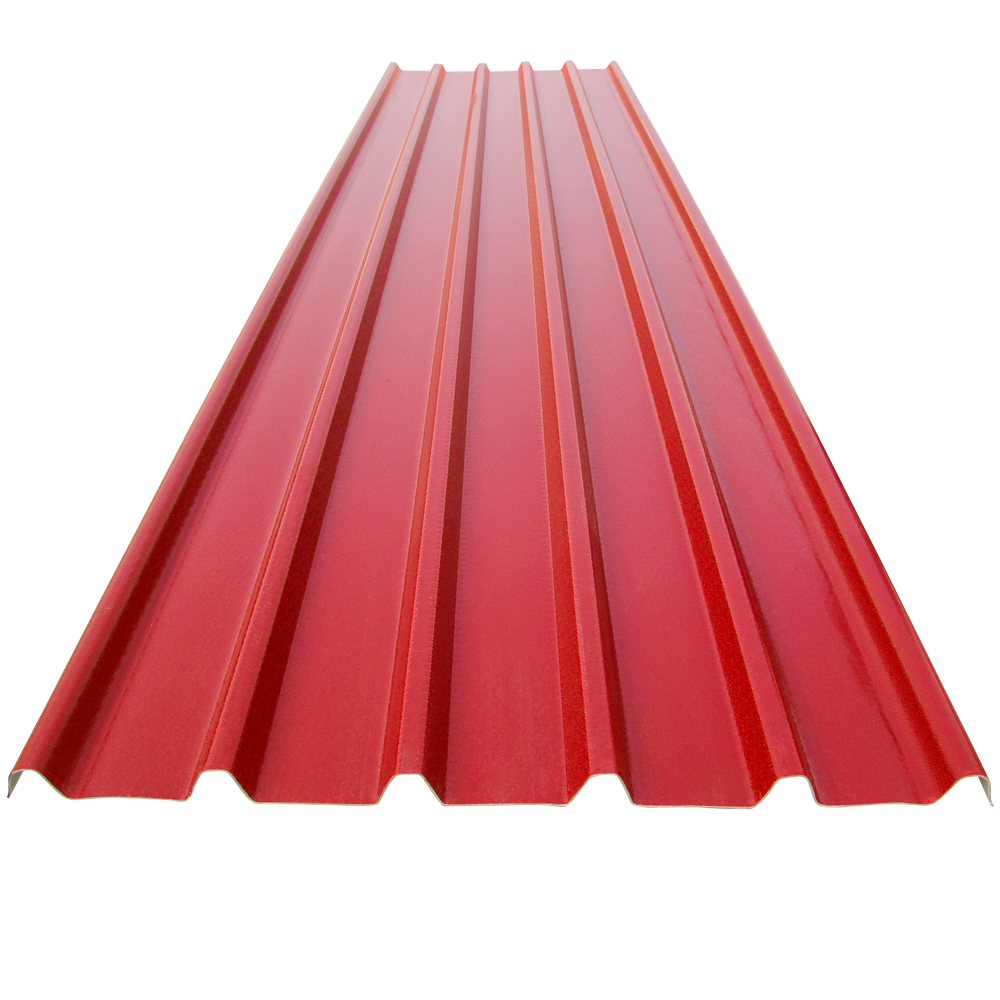
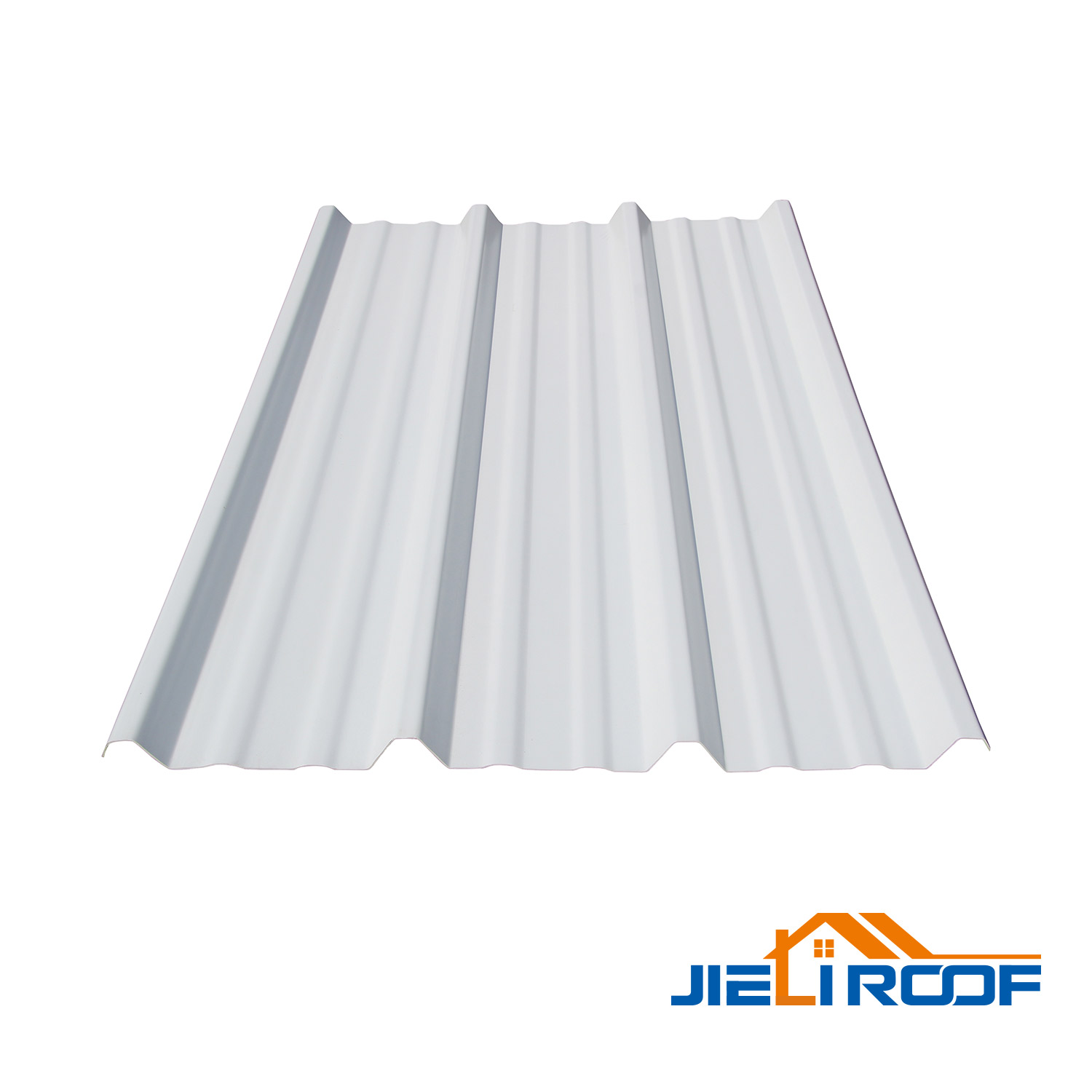
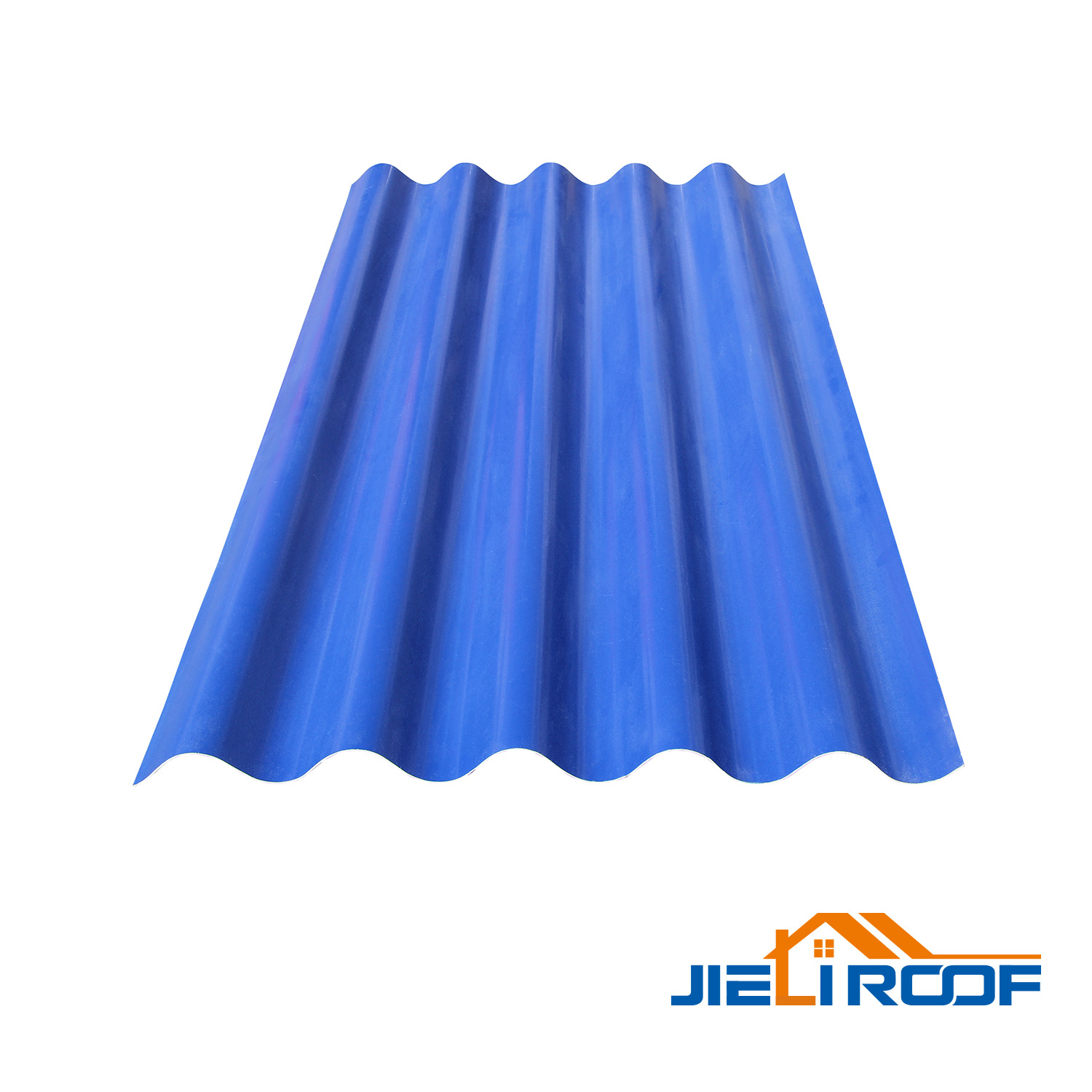
Jieli offers a TSP steel roof sheet range with several trapezoidal profiles. For a loading shelter, profile choice should follow the purlin arrangement, roof slope, usable cover width and the required sheet lengths. The published TSP product data describe the finished film-coated sheet as a steel-based roofing product; they do not establish the allowable span of every possible canopy.
A buyer can review TSP Trapezoidal 950 as one published profile option. Its dimensions and available lengths are product-specific and should be checked against the actual structural drawings. The profile name is not a reason to change a suitable support layout merely to match a catalogue illustration.
How Can Installation Avoid Interrupting Livestock Work?
On an operating farm, roof installation may compete with animal movements, feed deliveries and vehicle access. The site plan should identify a temporary route for cattle and trucks while the working area is closed. This matters especially where the loading race is the only practical exit for a group of animals.
Materials should be unloaded away from the animal route and kept clear of gates. Long sheets need a safe handling plan so that installers do not swing panels across occupied pens. A simple construction sequence can separate frame repairs, purlin installation, sheet fixing, gutter work and final inspection.
Before reopening, check for loose fasteners, sharp offcuts, temporary bracing, tools and debris. Confirm that every gate opens fully and that no gutter or post reduces the trailer clearance. The person responsible for livestock handling should attend the handover, not just the roofing contractor.
The first heavy rainfall provides useful evidence. Inspect the ramp surface, gutter outlets and the join between the canopy and adjoining buildings. If water concentrates at the gate threshold, document the location and correct the drainage path rather than simply adding sealant to the nearest roof lap.
What Should Be Included in the Roofing Inquiry?
A useful quotation package starts with a plan showing collecting pens, race rails, gate swings, the ramp, trailer approach and any existing structures. Add a section drawing with the highest vehicle, proposed roof edge and finished ground level. Photographs from the trailer approach and the underside of any existing roof help identify hidden conflicts.
Include the site location, expected wind and weather exposure, roof slope, structural support arrangement and the surfaces exposed to washdown. Ask the supplier to identify sheet profiles, effective coverage, accessories, fastener recommendations and packaging lengths. Keep structural design approval with the appropriate project professional.
The Jieli roofing manufacturer website provides product information across industrial and agricultural roofing materials. The farm should use this information to narrow a specification, then have the actual drawings reviewed rather than assuming that a product photograph represents a complete engineered loading canopy.
A procurement comparison should separate roof sheet supply from framing, gutters, installation, site access and temporary livestock handling. Two quotations may appear to cover the same area while including very different responsibilities. An itemized scope prevents those differences from surfacing only after work begins.
Conclusion
A cattle loading shelter works when its roof follows the handling route. Trailer clearance, gate movement, drainage and cleaning access deserve attention before profile selection. TSP film-coated steel can be considered where a steel-based canopy needs protection in a damp agricultural setting, provided the joints, frame and accessories are designed for the actual site.
For a project-specific discussion, send the loading-ramp drawings to Jieli with the trailer dimensions, gate layout, support plan and drainage requirements. These details are more useful than asking for a roof-sheet price without the working conditions.
FAQ
Q1. Can TSP roofing be used above an open-sided cattle loading race?
Yes, it can be considered as a steel-based roofing option, subject to the structural design, weather exposure, fastening details and compatible accessories. Open sides make wind loading and drainage particularly important.
Q2. Should the roof cover the entire handling race or only the loading ramp?
The answer depends on where animals queue, where handlers work and how the trailer connects to the ramp. A plan of the full movement route is needed before deciding the roof footprint.
Q3. Does a corrosion-resistant sheet remove the need for gutter and fixing maintenance?
No. Gutters, cut edges, flashings, fixings and drainage outlets still need inspection. The protective sheet construction does not make the whole canopy maintenance-free.






 +86 0535 6278701 / +86 15653505862