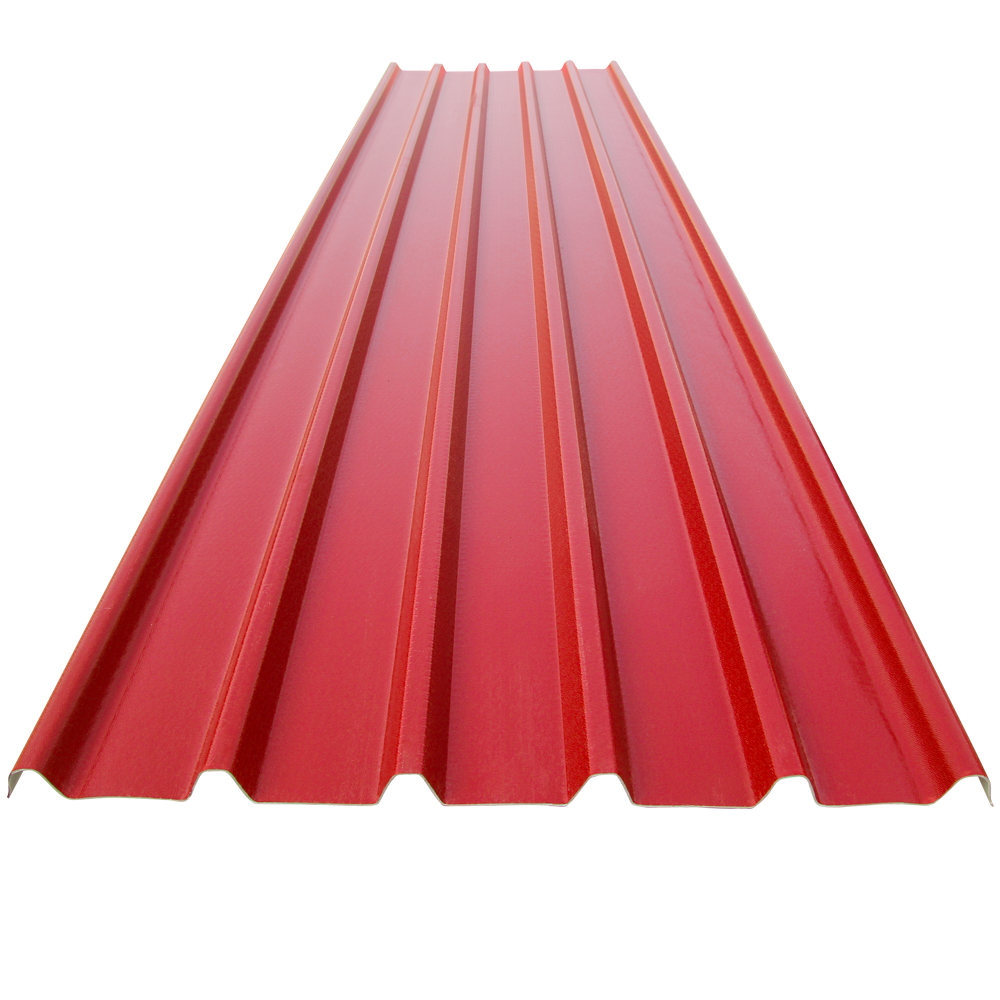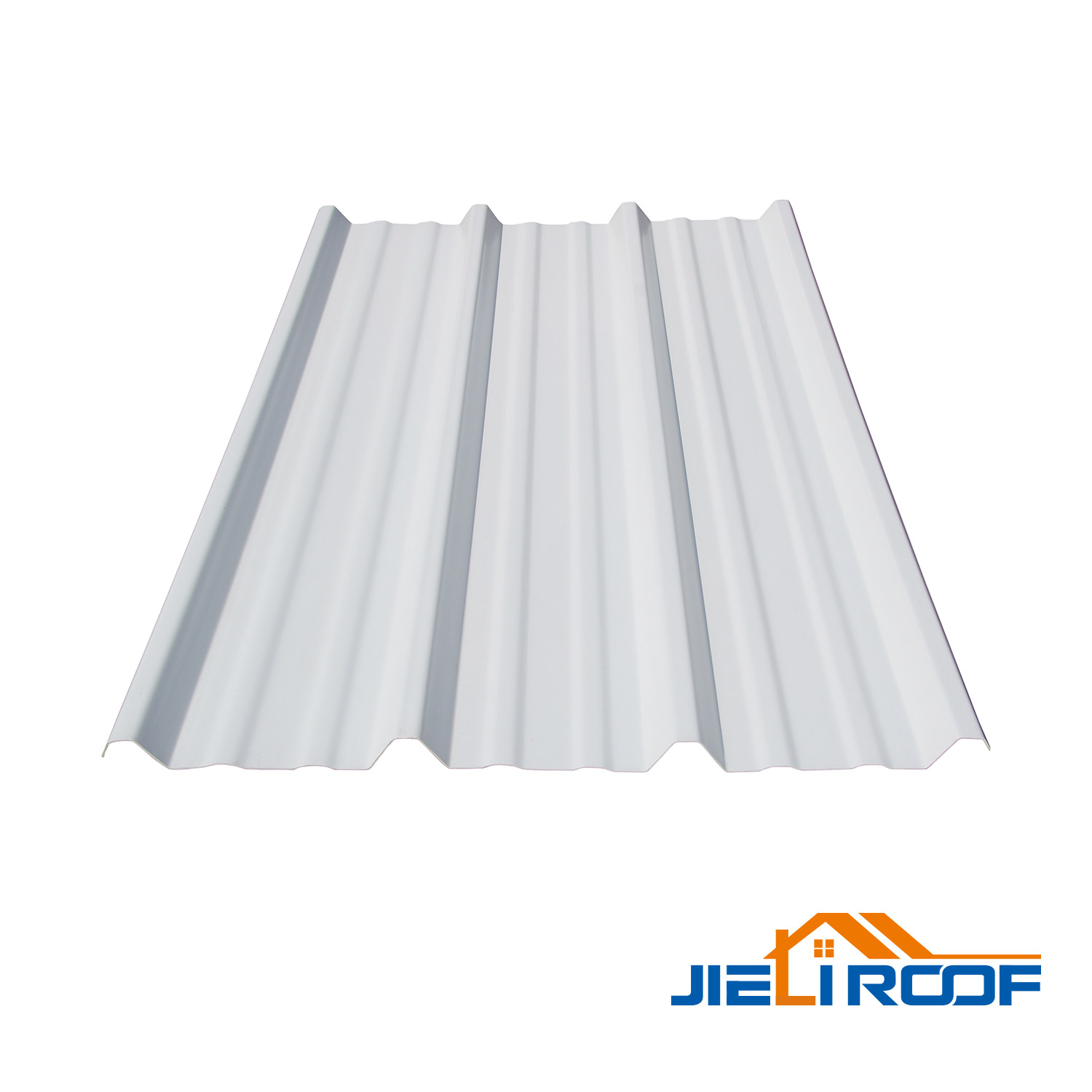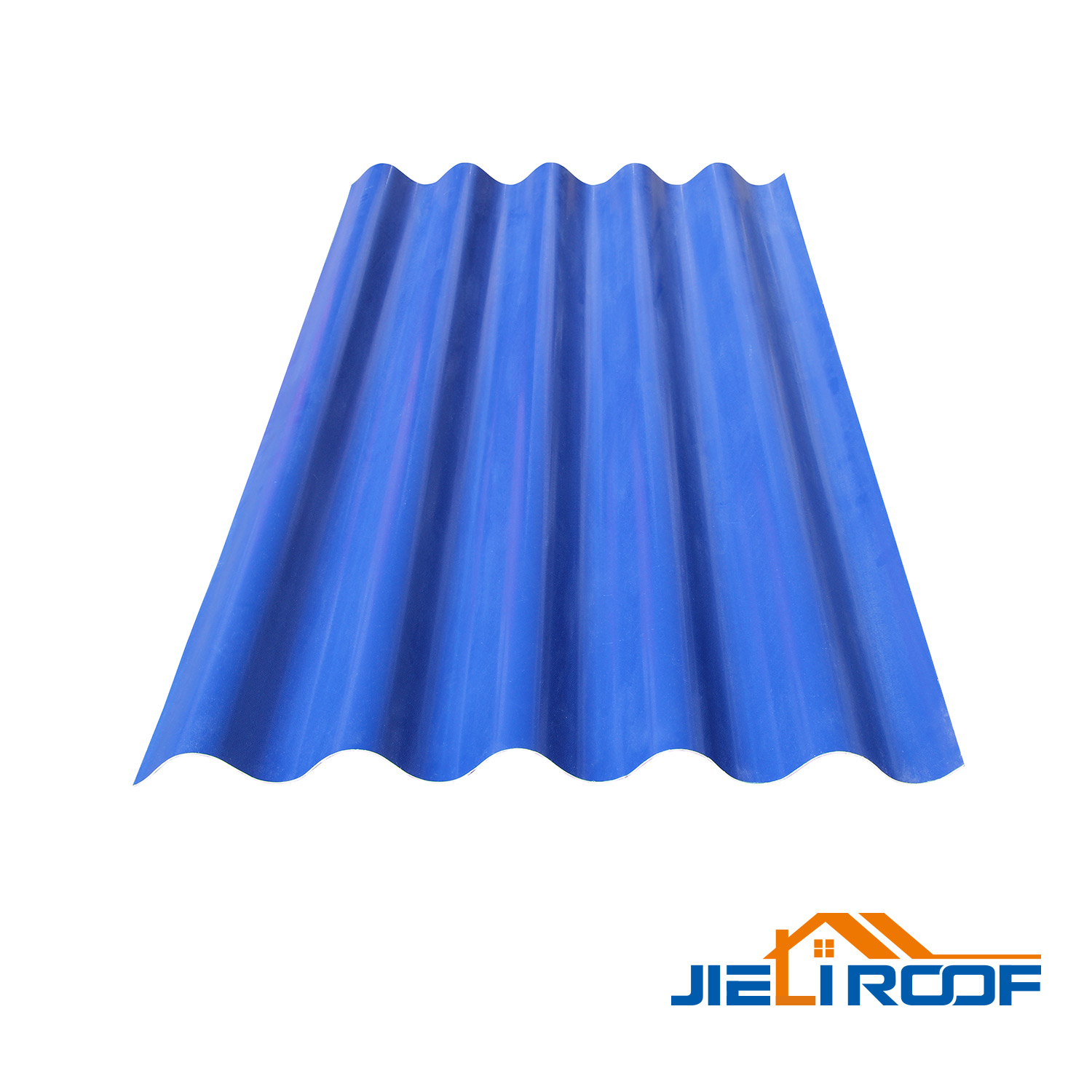


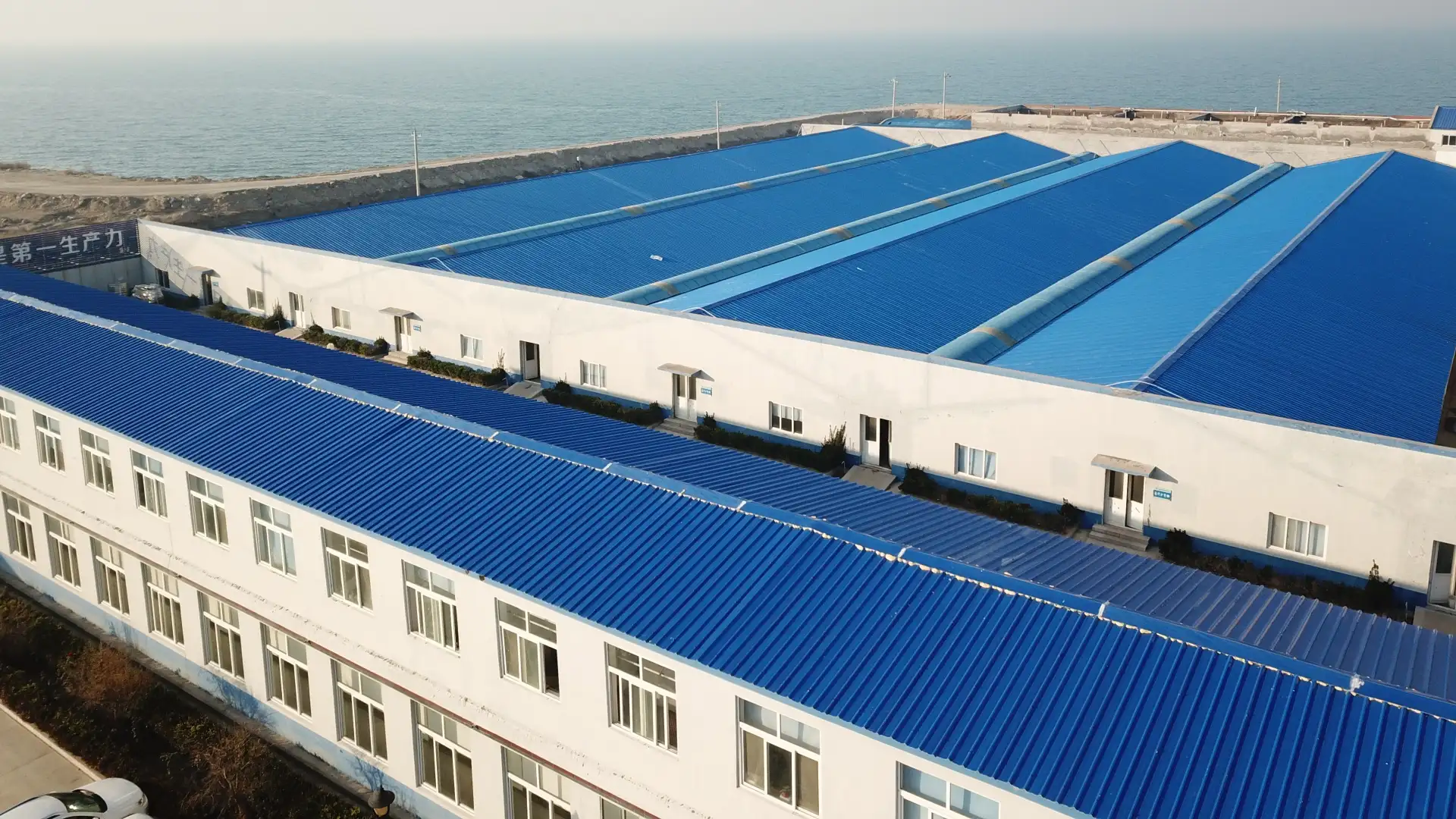
In heavy industrial environments, the degradation of roofing envelopes due to electrochemical corrosion is a commonly faced engineering problem. The facility managers experience a rapid deterioration cycle wherein the conventional metal substrates deteriorate within two to three years of exposure. This deterioration is primarily caused by exposure to high concentrations of corrosive substances, including chloride ions, sulfur compounds, and nitrogen oxides.
While stainless steel is generally considered the standard for corrosion resistance, its properties can be compromised in certain aggressive chemical environments, particularly those containing high acids and bases. In answer to the limitations of various materials, the field has progressed towards composite materials. TSP Film Coated Steel Sheet represents an important advancement in material technology, utilizing a plastic film laminate to achieve properties unattainable through metallurgical means.
Reliability in industrial construction necessitates a robust supply chain and rigorous quality control. We operate as a global logistics hub for industrial construction materials, supported by 22 advanced production lines that ensure production stability and delivery punctuality.
Our commitment to quality is substantiated by our in-house testing laboratory, which is authorized by the government as a testing center for roofing products and holds CMA certification. This facility conducts comprehensive analysis covering raw materials, formula validation, and finished product inspection. We perform rigorous batch testing for aging, tensile strength, impact resistance, and loading capacity to ensure compliance with CNAS and UL standards.
This technical precision has established Jieli as a supplier for significant international infrastructure projects. Notable examples include the Flat Roof Reconstruction projects for both the 2008 Summer Olympics and 2022 Winter Olympics in Beijing. Furthermore, we demonstrated our capacity for large-scale logistics by supplying 220 containers of roofing products for a government housing project in Venezuela in 2012. Since 2012, we have also served as a primary supplier for Sodimac, the largest building material chain in Latin America.
To select an appropriate anti-corrosion roofing sheet, one must analyze the failure mechanisms of standard materials. In chemical plants and coastal industrial zones, the roof is subjected to continuous chemical attack.
Industrial environments present multiple corrosive threats:
Acid Deposition: Sulfur compounds and nitrogen oxides react with atmospheric moisture to form sulfuric and nitric acids (acid rain), which chemically attack metal surfaces.
Chloride Pitting: In marine environments, chloride ions penetrate the passivation film of metals, inducing pitting and crevice corrosion.
Thermal Fatigue: Extreme temperature fluctuations induce thermal stress, leading to stress corrosion cracking in rigid materials.
Conventional anticorrosion techniques for steel, such as color painting or powder coating, are based on spraying techniques. The spraying techniques, irrespective of the thickness of the coating material, inherently produce non-uniform coatings, resulting in chain scission and microholes. These microholes act as a medium for the penetration of corrosive electrolytes, resulting in the oxidation of the steel material and leading to delamination failure.
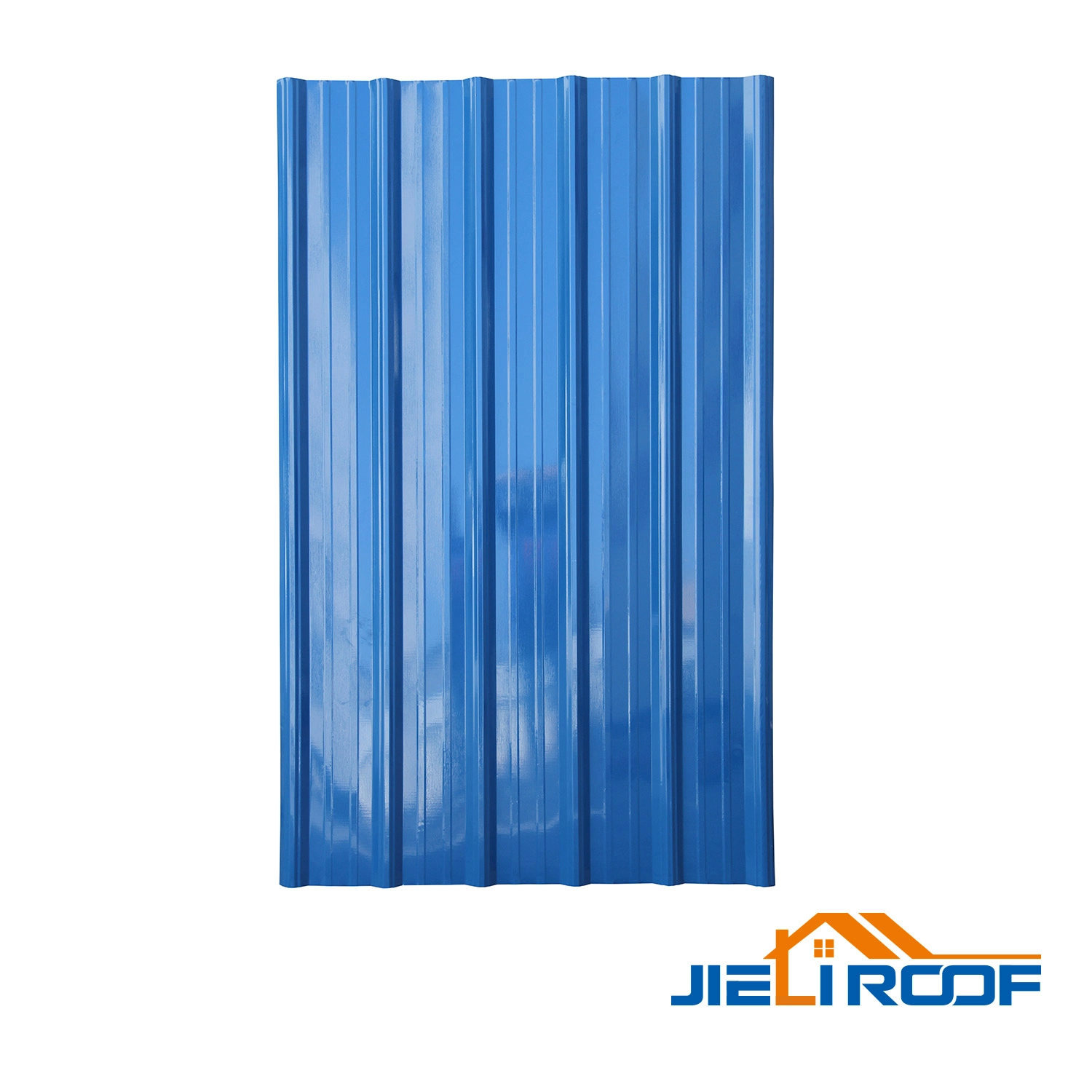
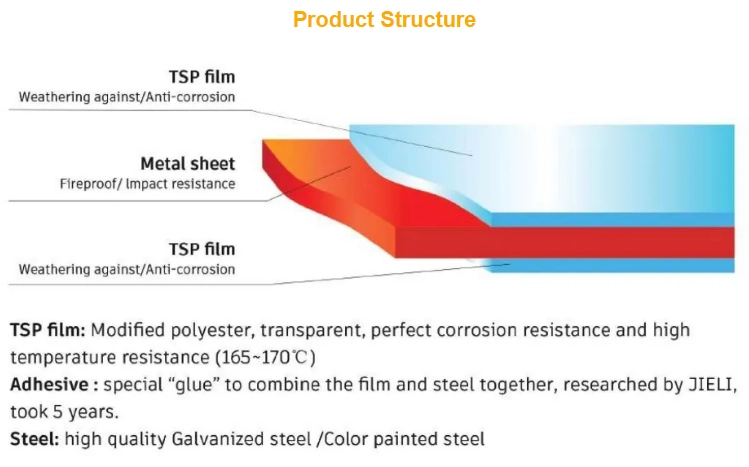
Recognizing the limitations of spray-applied coatings, we developed the TSP Film Coated Steel technology, officially researched from 2016. This material is not a paint application but a composite laminate structure consisting of:
Barrier Layer: A transparent, modified polyester film engineered for chemical inertness and high temperature resistance (165~170℃).
Adhesive Layer: A proprietary bonding agent developed over five years to ensure permanent interfacial adhesion between the film and substrate.
Structural Core: High-quality galvanized or color-painted steel.
The defining technical advantage is the “airtight seal” achieved by the film bonding process. Unlike sprayed coatings, the polymer film is continuous and free of any microholes, effectively isolating the steel substrate from all external corrosive media.
We subjected TSP sheets to rigorous comparative testing against standard industry materials to validate their performance in chemical plant roofing applications.
While stainless steel resists atmospheric oxidation, it is vulnerable to specific strong acids. In contrast, TSP sheets demonstrated superior chemical stability in CNAS-verified immersion tests. Samples were submerged for 168 hours in various aggressive solutions with the following results:
|
Chemical Reagent |
Concentration |
Test Result (168 Hours) |
|
Sulfuric Acid (H2SO4) |
20% |
No fading, swelling, or separation |
|
Hydrochloric Acid (HCl) |
15% |
Passed, with no corrosion |
|
Hydrofluoric Acid (HF) |
20% |
Passed |
|
Sodium Hydroxide (NaOH) |
5% |
Passed |
|
Nitric Acid (HNO3) |
20% |
Passed |
This data confirms that TSP offers broad-spectrum resistance suitable for complex chemical environments.
To simulate marine and high-salinity industrial conditions, we conducted a Salt Spray Test at 50°C with a 5% NaCl concentration.
Traditional Color Steel: Exhibited severe rusting.
TSP Film Coated Steel: After 1000 hours, the material showed “No rusting”.
While UPVC provides corrosion resistance, it suffers from a high coefficient of thermal expansion, making it unsuitable for long-span steel structures due to buckling risks. TSP combines the chemical resistance of polymers with the mechanical stability of steel. The modified polyester film remains stable at temperatures of 165~170°C, and the system functions effectively within a working temperature range of -40°C to 160°C. This stability allows Contractors to utilize TSP on large-span industrial trusses where UPVC is contra-indicated.
TSP is engineered for high-corrosion sectors, including chemical processing, metallurgy, paper manufacturing, and fertilizer production.
Fire Safety: The material achieves an A Grade fire rating, characterized as hard to burn and self-extinguishing.
Structural Integrity: It maintains the high load-bearing capacity and impact resistance required for industrial roofing.
Service Life: The elimination of micro-pore corrosion significantly extends the service life, supported by a 15-year warranty.
The reliance on stainless steel or traditional painted metals for environments with high concentrations of acid, alkali, and salt is often insufficient. The presence of micro-defects in spray coatings and the specific chemical vulnerabilities of metal alloys necessitate a composite approach.
TSP Film Coated Steel Sheet provides a technically superior solution by fusing a chemically inert, zero-microhole polymer film to a structural steel core. This composition resolves the pitting corrosion issues inherent to traditional materials while maintaining the structural advantages of steel. For facility managers seeking to break the cycle of frequent roof replacement, TSP offers a scientifically validated alternative.
Please contact us to review technical specifications or to request a consultation regarding your facility’s specific corrosion parameters.
Q: What is the manner of difference between the Film Bonding process and electrostatic powder coating in terms of technology used?
A: Electrostatic powder coating is based on particle deposition; hence, microscopic discontinuities (microholes) occur. In Film Bonding, a thermal lamination technique is used to apply a continuous, solidified modified polyester film to the substrate. This produces a zero-microhole barrier that hermetically seals the substrate from corrosive electrolytes.
Q: How does the specific performance of TSP in hydrochloric acid environments compare to that of standard metals?
A: In immersion tests conducted by CNAS laboratory testing, TSP samples exposed to 15% hydrochloric acid (HCl) solution for 168 hours have not swollen, delaminated, or chemically degraded. In comparison, standard metals tend to rapidly oxidize on their surface and lose mass under the same conditions.
Q: Does the installation of TSP require specialized equipment for Contractors? A: No, it is not. The process of installation is the same as that of regular metal roofing systems. The steel core provides the usual properties, which make it possible to use long-span purlins. However, the protective film should not be damaged during the fastening process.
TSP vs. Stainless Steel: Why is Polymer Film the Superior Choice for Strong Acid & Alkali Chemical Plants?



 +86 0535 6278701 / +86 15653505862