

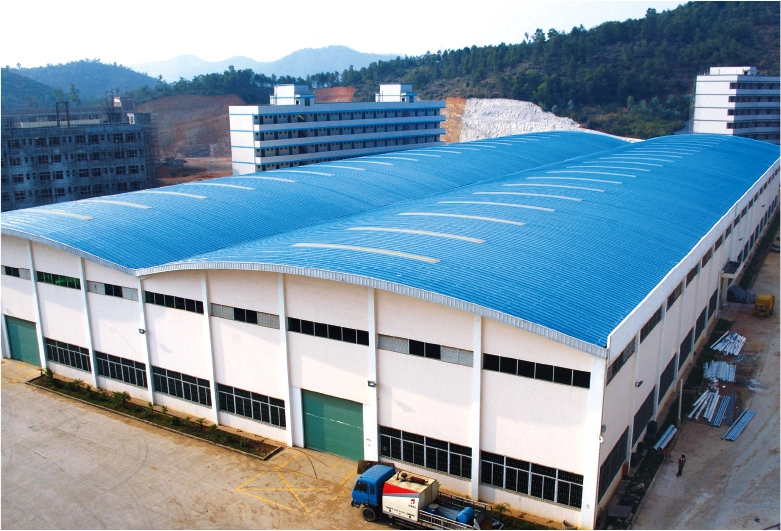
Since starting in 1992, JIELI has grown into a major global player in building materials. We are more than just a manufacturer; we are a partner dedicated to the promise of “supply both roof and solution” for clients everywhere. Our factory runs 22 automatic production lines, giving us the stable capacity to ship orders on time, no matter the size. This isn’t just talk; our history proves it. For example, we successfully delivered 220 containers of roofing products for a massive government housing project in Venezuela. This logistical win shows JIELI can easily handle huge demands and complex shipping routes. We also run a Government Authorized Roof Sheet Test Lab approved by CNAS. Every sheet leaving our plant passes strict quality rules, from raw ingredients to the final product check. Whether you are stocking a chain of stores or building a chemical plant, our team supports you with technical plans, loading checks, and solid warranties. We invite you to experience service where expert skill meets a partner you can trust.
As we head into 2026, factory owners face tougher challenges than ever. You can’t settle for just any roof; you need lasting protection against wilder weather. The choice usually comes down to two options: old-school Metal Roofing Sheets (color steel) or modern UPVC Roofing Sheets.
Metal has been the standard for years, but its flaws are hard to ignore in industrial settings. It rusts, lets heat through easily, and turns rain into a deafening noise. In contrast, our synthetic resin solutions are built to solve these exact problems. It’s not just about the upfront price; it’s about how long it works. For sectors like chemical processing or warehousing, UPVC‘s ability to resist chemical wear gives it a clear edge over metal, which inevitably rusts. Many factory bosses tell us they switched after seeing metal fail too soon, and now they enjoy roofs that last.
Safety is the foundation of any factory. A common mistake is thinking metal is safest because “steel doesn’t burn.” But in a real fire, paint on steel sheets often catches fire, and metal conducts heat fast, spreading flames to other parts of the building.
Our UPVC roofing solutions handle fire safety differently. They are engineered to be “hard to burn” and carry a B1 Grade fire rating. This means the material slows down flames and self-extinguishes once the fire source is removed.
A key number is the Oxygen Index, which is ≥ 32.4 for our sheets. Since air is only about 21% oxygen, our material won’t burn under normal conditions. This adds a passive guard for your plant, giving workers more time to escape and firefighters a better chance to control the situation.
This is where the battle between metal and UPVC is decided. In 2026, industrial areas face more pollution and acid rain.
Metal roofs rely entirely on a thin coat of paint or zinc. Once that scratches, the iron below is exposed. In coastal or industrial zones, this triggers “pitting corrosion”—tiny holes that grow into leaks. We’ve seen chemical plant roofs need full replacement in just two or three years due to this rust.
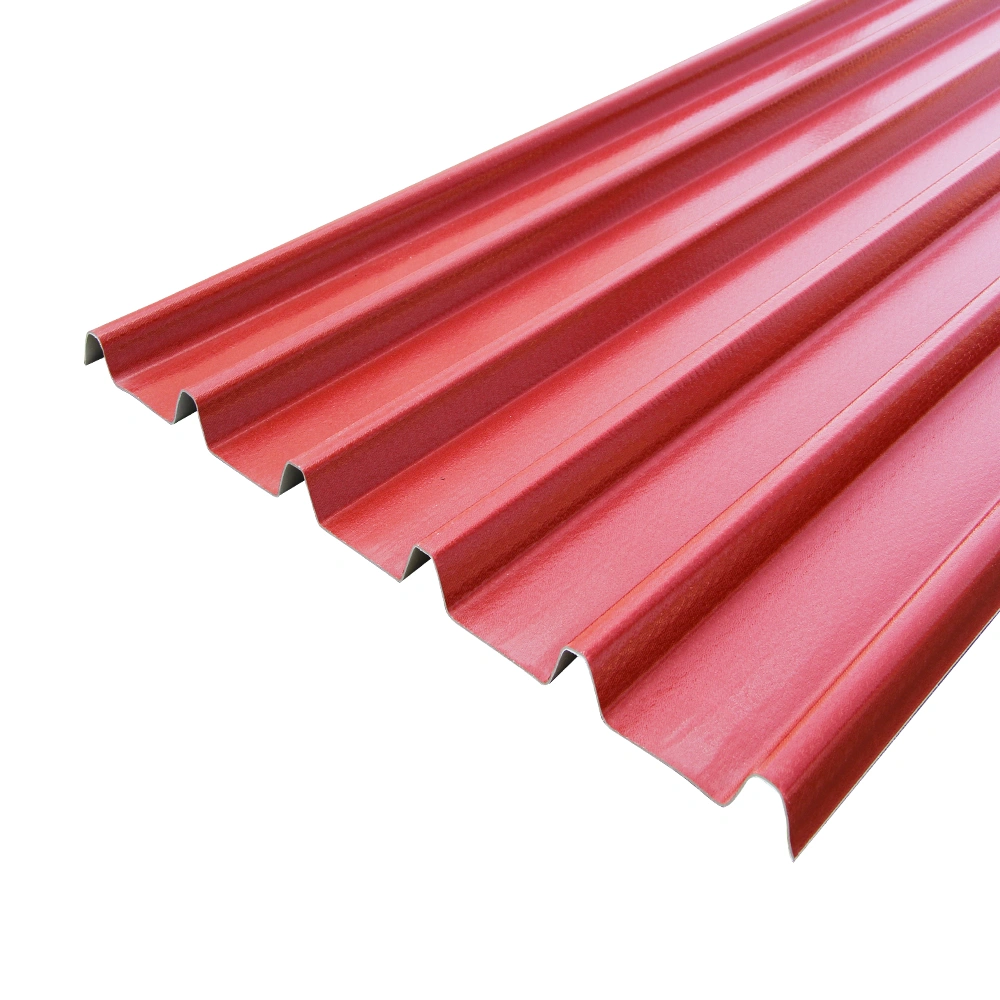
Our sheets are immune to this harm. They resist acids, bases, and salts naturally. You could soak our sheet in 10% sulfuric acid for 24 hours, and it would remain unchanged. This makes them the only smart pick for:
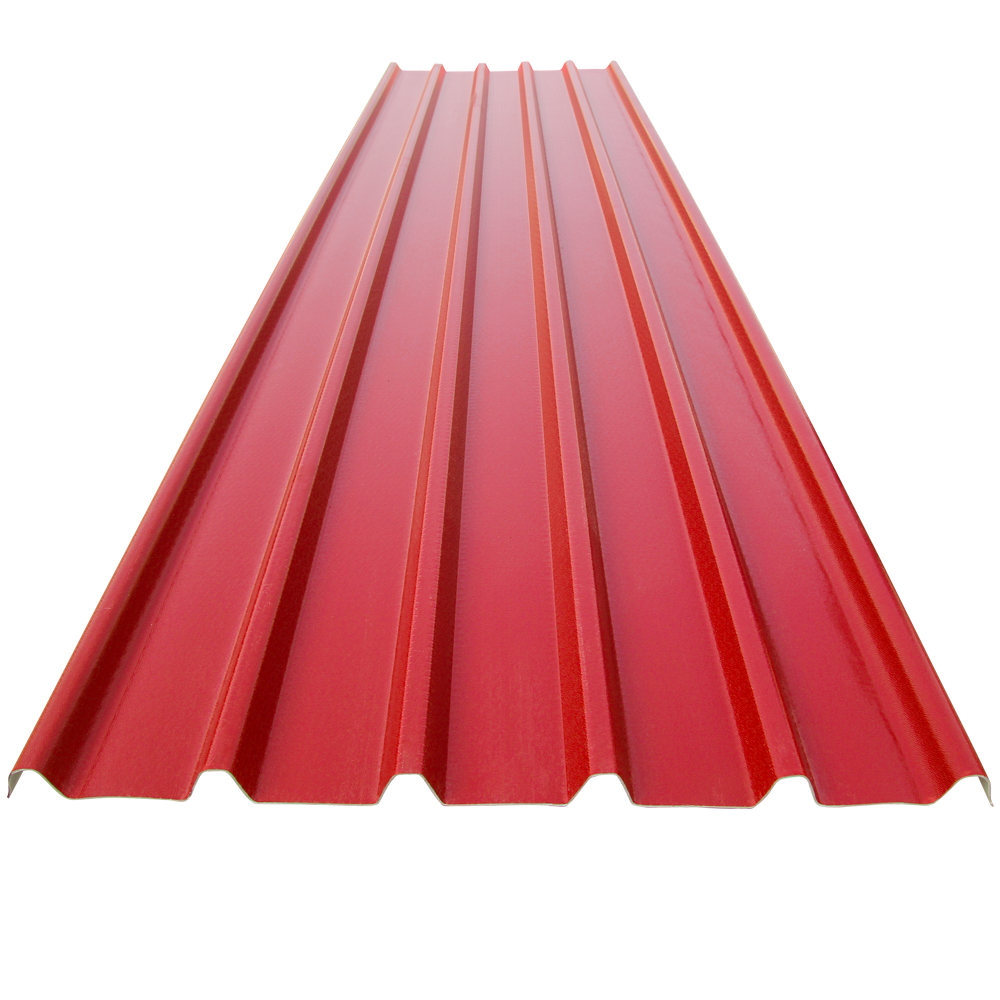
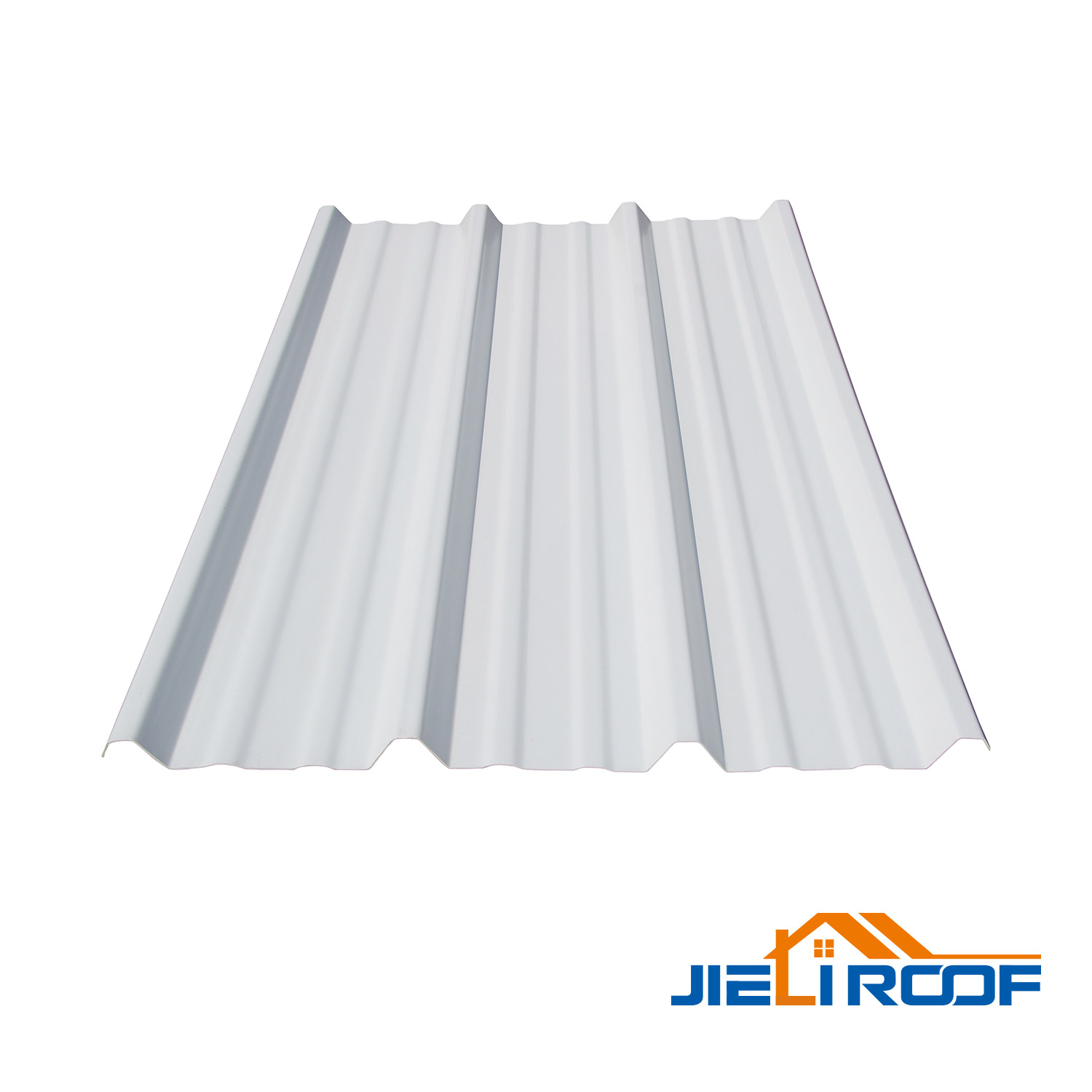
For the best mix of drainage and durability, we highly recommend our UPVC Roofing Sheet T940. Its trapezoidal shape speeds up water runoff, preventing pooling even in heavy storms. Its 940mm width (880mm effective cover) offers a cost-effective installation, and the tight overlap ensures no water sneaks in.
Our product isn’t just a plastic sheet; it’s a smart composite using Triple-Layer Co-extrusion Technology plus a Fiberglass Layer.
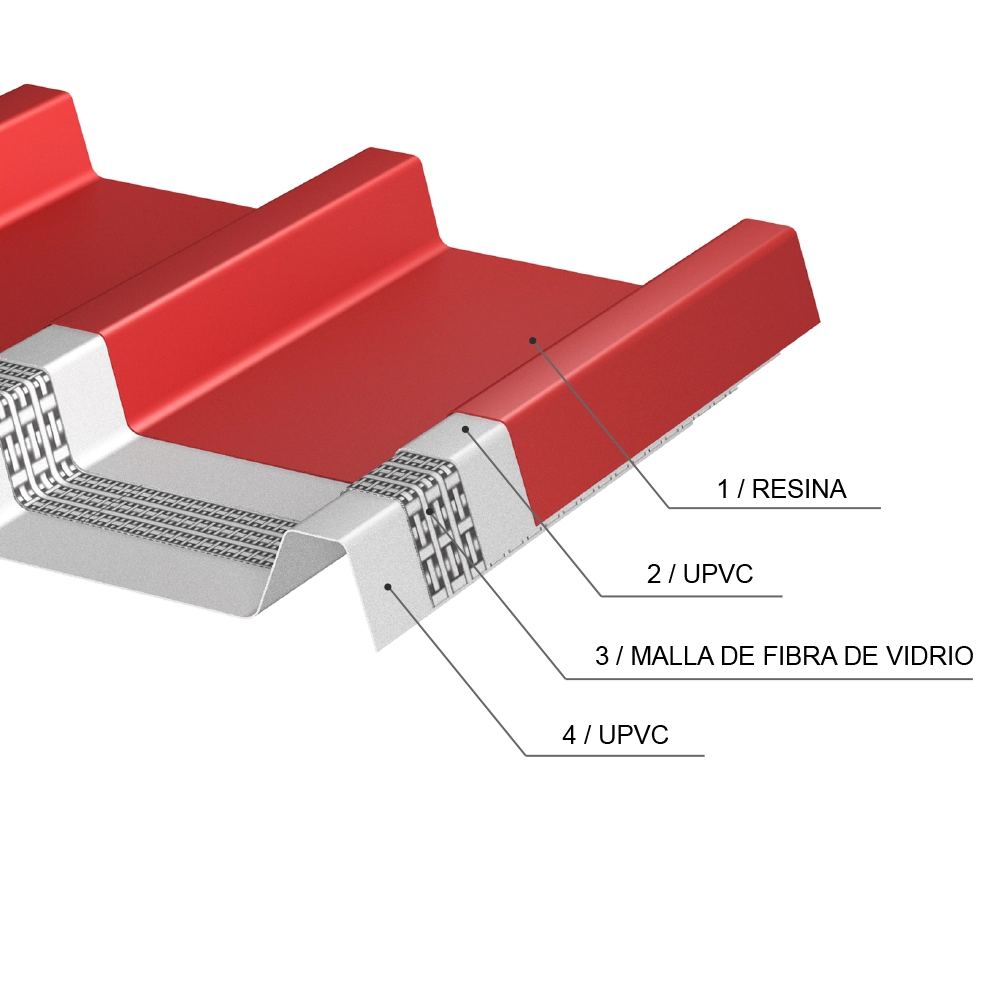
These sheets have four useful layers built in:
This structure allows our sheets to perform from -40°C to 80°C, keeping their shape in freezing winters or scorching summers.
The comfort inside your factory affects productivity. Metal roofs act like heaters in summer and drums in rain.
Heat Insulation: Our UPVC’s thermal conductivity is 0.325 w/m.k, about 1/2000th that of steel. It acts as a shield, keeping your factory much cooler in summer without extra air conditioning costs.
Sound Insulation: Factory noise is bad enough without rain adding to it. Metal roofs amplify rain noise to over 70-80 dB. Our UPVC sheets dampen this sound by 25~30 dB, absorbing the impact for a quieter, more focused workspace.
Time is money. Our T940 sheets are designed to install as easily as metal, but safely.
Because they are light but tough, contractors handle them easily. You don’t need the fragile “white foam” insulation layers often required under metal, as our sheets insulate naturally. This speeds up the job. Also, the edges aren’t razor-sharp like steel, reducing injuries. Once installed, maintenance is near zero—no painting, no rust patching. We back this with a warranty of up to 10 years, depending on the grade.
When you count the total cost—materials, fast installation, energy savings, and no rust replacements—our UPVC solution is far cheaper than metal over the building’s life.
We are here to help your project win. We don’t just sell and disappear; we partner with you. If you are ready to upgrade to a roof that fights fire, blocks water, and ignores rust, we are ready. We have the capacity and know-how to deliver exactly what you need. Contact us to analyze your blueprints, recommend the right thickness (2.0mm to 3.0mm), and calculate accessories. Contact us today, and let’s protect your assets for decades to come.
Q: Can these roofing sheets really withstand heavy industrial loads and snow?
A: Yes. Thanks to the integrated fiberglass layer and our quality UPVC formula, they handle heavy weights without cracking or sagging. They are perfect for heavy snow zones or roof maintenance access.
Q: How does installation compare to metal roofing?
A: It’s similar but safer and simpler. Contractors use standard screws and overlaps. Since sheets are lighter and lack sharp steel edges, work goes faster. Plus, you skip installing extra insulation rolls.
Q: Will the color fade quickly in the sun?
A: No. The top layer is made of ASA, a premium material designed to block UV rays. This keeps the color bright and the material strong, even after years of harsh sunlight.
UPVC vs Metal Roofing Sheets Which Is the Best Fireproof and Waterproof Solution for Industrial Buildings in 2026



 +86 0535 6278701 / +86 15653505862