

When picking a roofing material for an industrial project or big building, you often face a key choice: stick with common metal roofing or try newer synthetic options? In tough weather, chemical wear, or wet coastal spots, this pick affects more than the building’s first look—it shapes upkeep expenses and the structure’s durability for many years ahead.
Before getting into details, consider a top player in this area. As a roofing systems specialist, firsthand experience shows how Jieli has shifted the market with smart advances. Started in 1992, it runs 22 modern automated production lines now. So, for any size project, it ensures steady output and prompt delivery. Even big orders needing dozens or hundreds of containers get shipped on schedule. For example, it delivered 220 containers of roofing items for a government housing effort in Venezuela. Such ability to manage large needs well stands as the best promise for your project schedule.
If work in chemical plants, animal farms, or seaside storage has been part of your routine, you probably noticed metal roofs full of rust after only a few years. Metal seems sturdy, yet its makeup leaves it open to acids, bases, and salt mist.
Metal roofing counts on outer coatings for safety. But workers must cut or drill panels during setup. These bare spots start the rust. And once water and harsh gases get in, rust grows fast from within, causing holes and drips. For your setup, this leads to costly fixes or a full roof swap well before the planned time ends. The ongoing repairs add up quickly. Plus, in busy industrial sites, leaks can halt operations and raise safety risks. Over time, these issues turn a simple roof into a major expense drain.
Metal reacts poorly to heat changes too. In places with hot days and cold nights, panels stretch and shrink a lot. This repeated motion widens screw spots and ruins seals, causing leaks in the structure even without rust. If the site sees big daily temp swings, this heat wear becomes a steady problem. It not only shortens roof life but also boosts energy use inside the building. Workers face discomfort, and equipment may suffer from uneven conditions. Choosing better materials helps avoid these daily hassles.
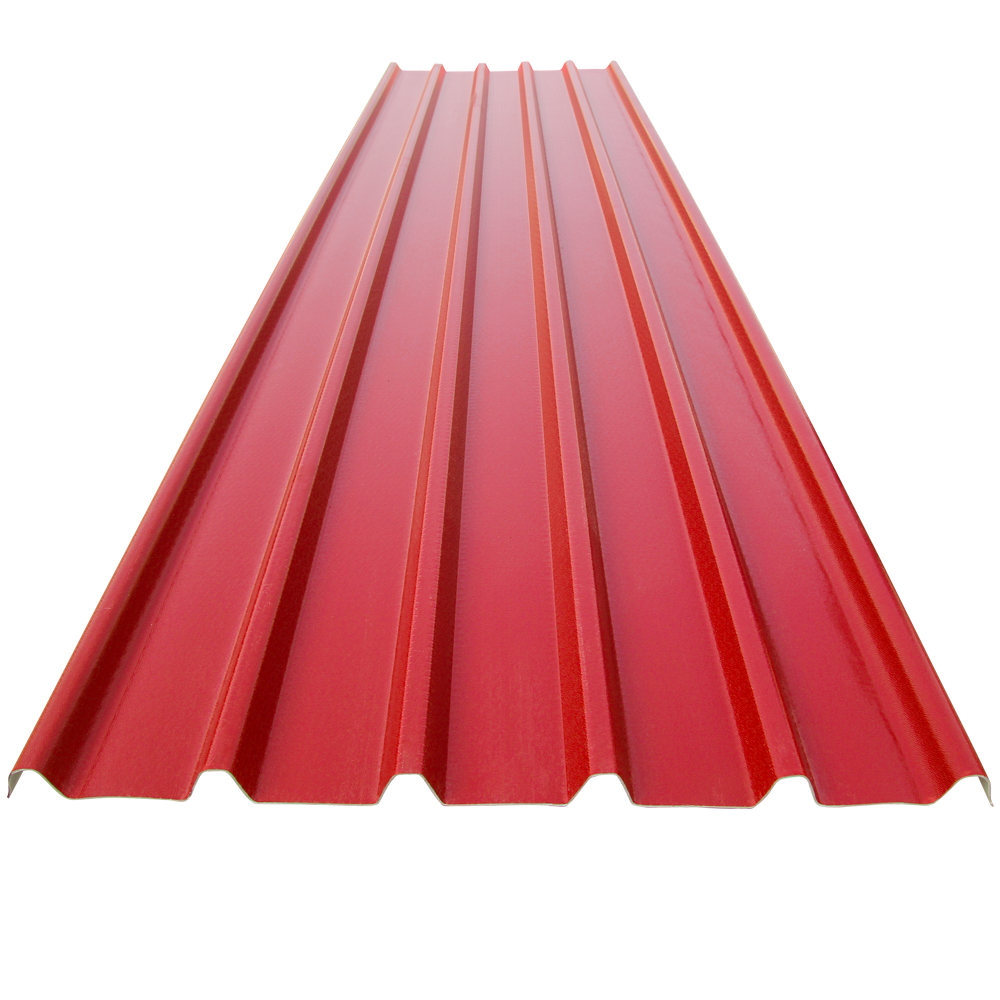
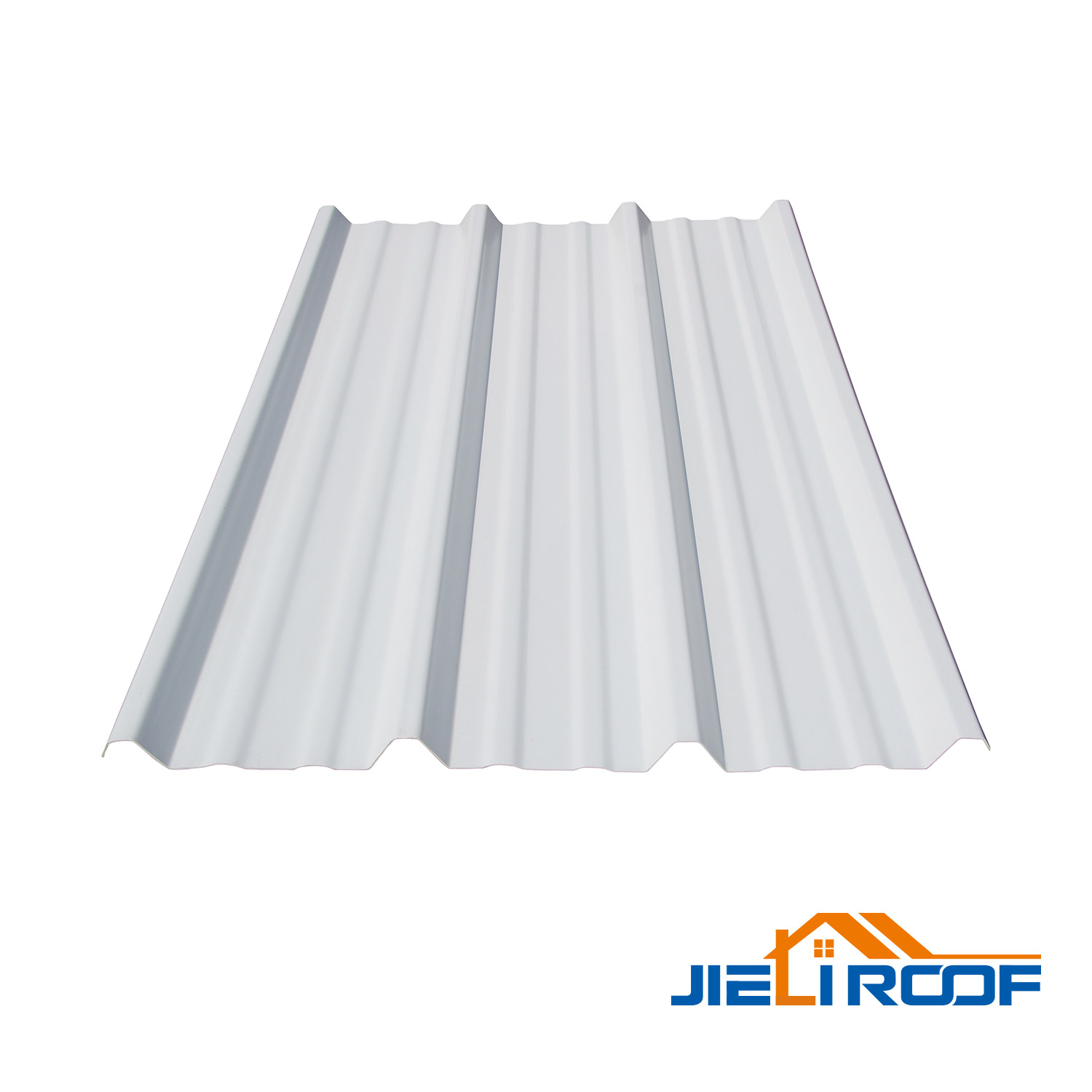
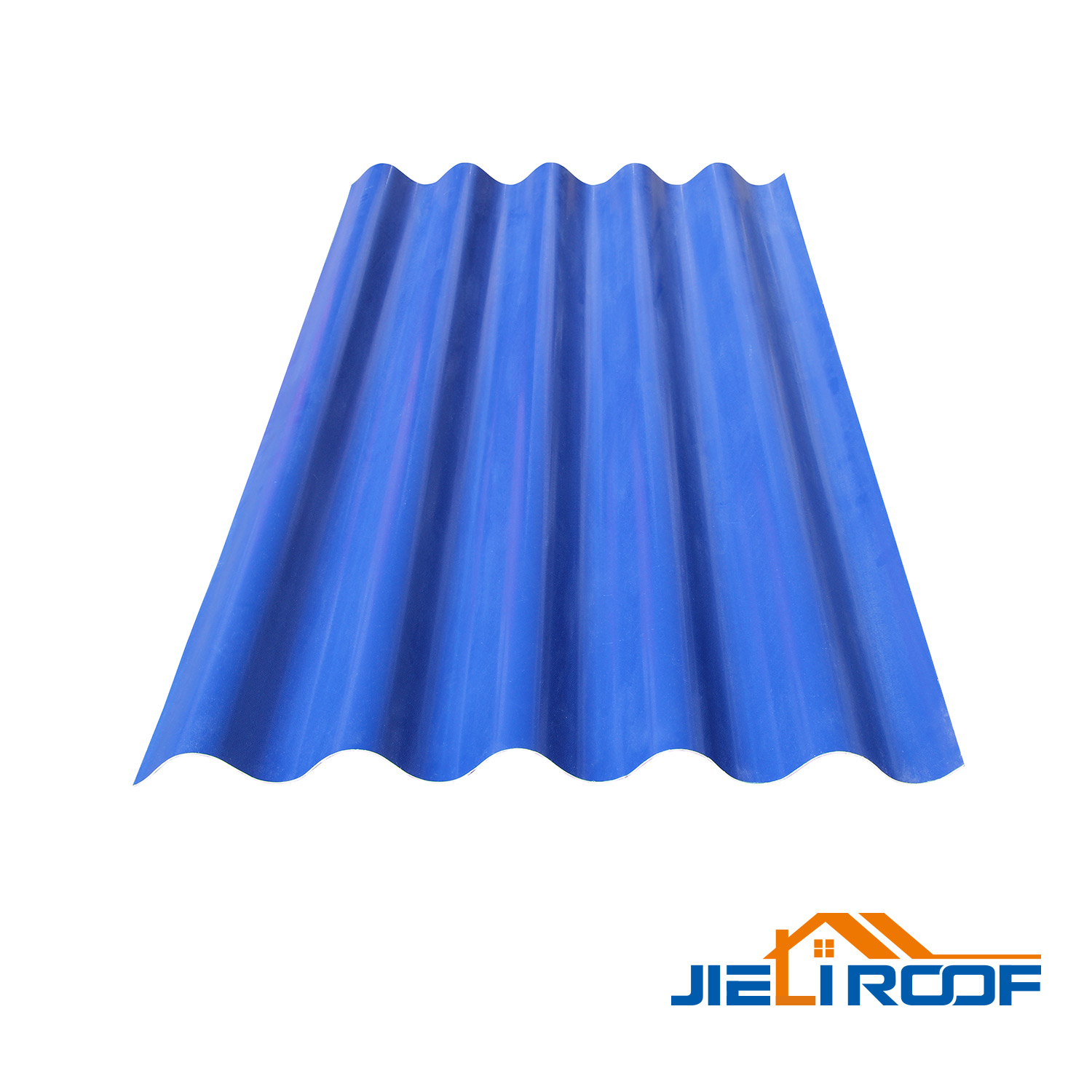
To fix metal’s built-in issues, experts created a mix of top material know-how. Check out Glass Fiber Reinforced UPVC Roof Sheet. It goes beyond basic plastic; this high-quality item uses a special triple-layer co-extrusion method and fiberglass support.
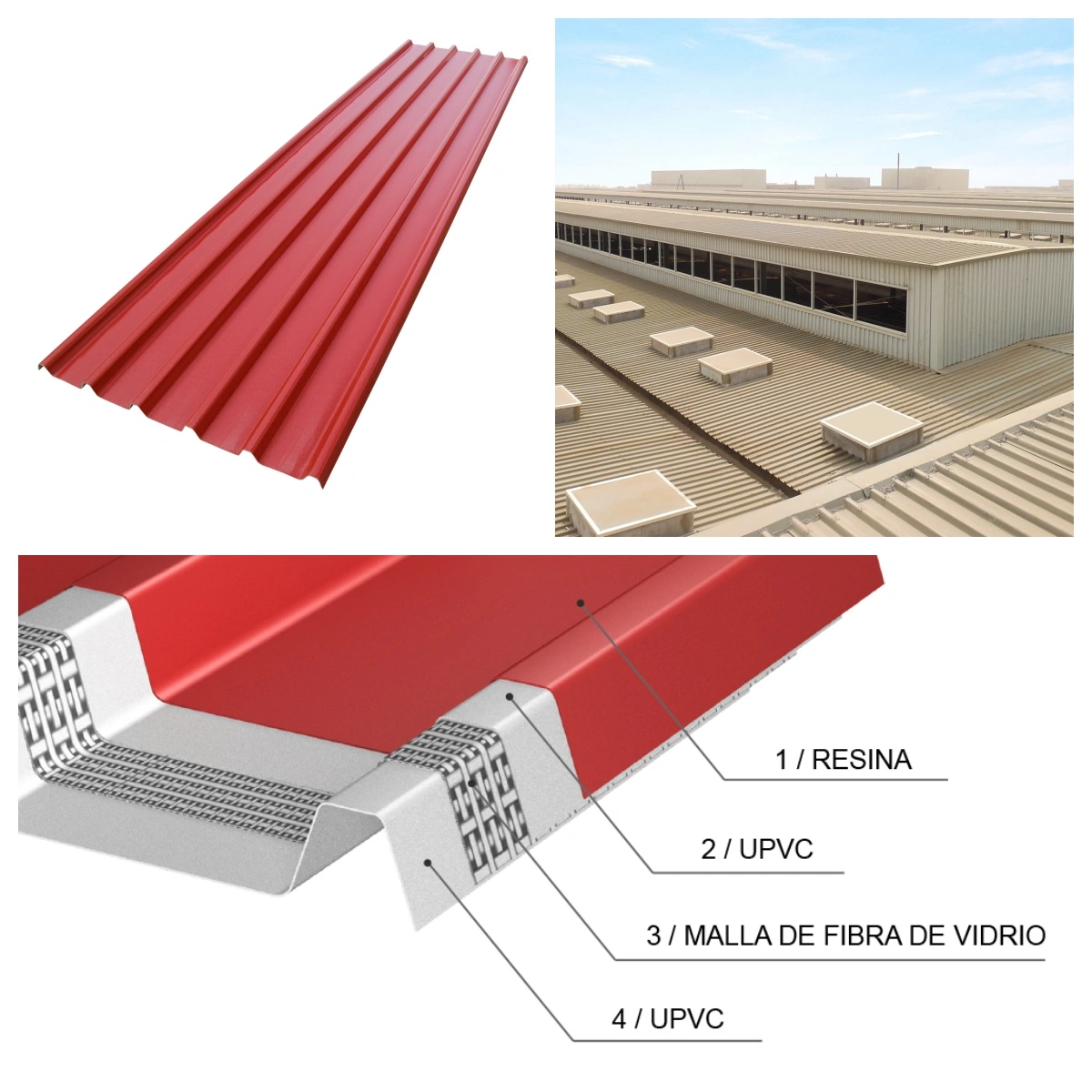
Each part of these sheets targets certain problems:
Top Layer (ASA Layer): This acts as the roof’s shield against sun. With ASA treatment, it blocks UV damage and holds color well. Under strong light, it stays firm without fading or cracking.
Second Layer (UPVC Layer): It gives solid toughness. At the same time, it offers good block against heat and noise.
Third Layer (Fiberglass Reinforcing Layer): This serves as the key boost. Adding fiberglass raises heat tolerance, pull strength, and weight handling a great deal. It works like steel bars in concrete, keeping the sheet steady and shape-true in hard settings. Without it, the material might bend or fail under pressure, but this layer ensures reliability across various loads and weather shifts.
Bottom Layer (UPVC Layer): It focuses on fighting corrosion and blocking water. This adds to the whole setup’s firmness and makes the roof tough from base to top.
With triple-layer co-extrusion plus fiberglass, these sheets handle temps from -40°C to 80°C. So, in cold far-north areas or hot near-equator zones, the material stays firm. This range covers most industrial needs without worry. It avoids the warping or cracking that plagues other options in extreme swings. For global projects, this feature saves on custom fixes and ensures steady performance year-round.
Engineers check roofing by main measures. See how this strengthened material does in actual use.
UPVC stays neutral to chemicals, unlike metal. Tests show these sheets barely change after 24 hours in 10% sulfuric acid or sodium hydroxide. In spots like chemical sites, acid baths, or salt fields, it offers 30 years or more of calm use. No need for pesky rust-proof coatings. This cuts down on regular checks and fixes. Over decades, it lowers overall costs and keeps operations smooth without shutdowns for roof care.
Working under metal feels hot in summer and loud in rain. Metal passes heat easily, making inside spaces too warm. But UPVC blocks heat well with low conductivity. It also softens rain sounds, creating a calmer spot for staff. This improves work conditions and cuts cooling needs. In noisy industrial areas, the quiet helps focus and safety.
Some think plastic lacks power, but fiberglass changes that. These sheets take hits and hold weights superbly. With wider beam spacing, they manage snow loads or worker steps without lasting marks, unlike metal’s dents. This strength suits heavy-use sites. It allows fewer supports, saving build costs, and handles daily wear without quick failure.
Everyone wants an easy-to-run project. While on-site setup help isn’t offered, the items are made for simple use.
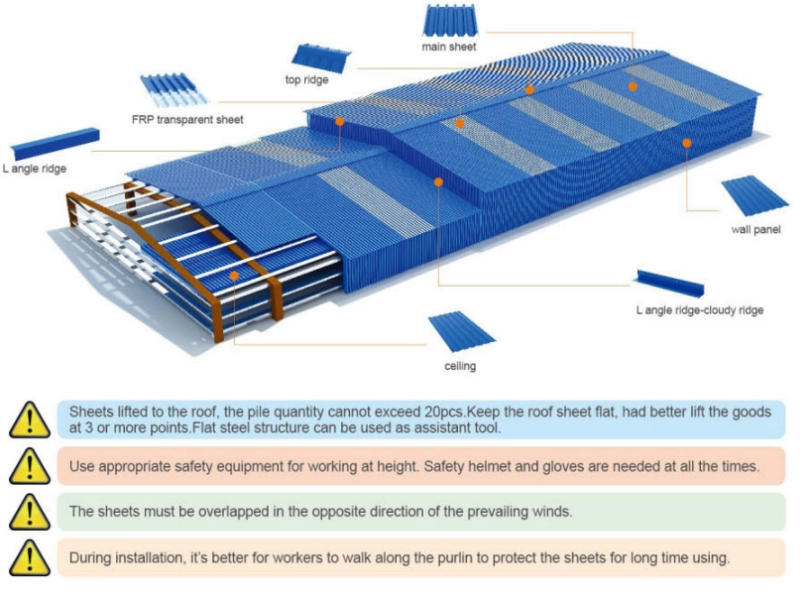
These sheets weigh less than metal, so handling is straightforward. Tell workers to step on beams to avoid harm. The smooth face cleans itself in rain, washing off dirt. Follow the full setup guide and fit seals right, and leaks become a thing of the past. Light weight speeds up the job and reduces lift risks. Self-cleaning means less cleaning effort later. Proper seals ensure long-term dryness without extra steps.
Metal roofs cost a lot yearly for rust paint and seals. This four-layer sheet needs almost no care. Just clear leaf-clogged drains now and then. Rarely touch the roof. So, total ownership cost drops below metal’s. No paint jobs mean less labor and material spend. It frees budget for other project parts and avoids surprise repair bills over time.
The facts show the winner plainly. Metal has served long, but advanced blends take over in tough industrial fields. For lasting guard against wear, cooler insides, and years free of fix troubles, pick this fiberglass-strengthened four-layer UPVC sheet.
For questions on products or custom fits for your project, reach out. Sharing know-how to pick the right roofing setup is a pleasure.
Q: What is the expected lifespan of these fiberglass-reinforced roof sheets?
A: In standard industrial environments, thanks to the triple-layer co-extrusion technology and the ASA anti-aging top layer, you can expect a service life of over 30 years with very stable performance.
Q: Can they withstand hail or extreme wind?
A: Absolutely. The internal fiberglass reinforcing layer significantly improves toughness and strength. In tests, a 1kg steel ball dropped from 2 meters height leaves the tile without any cracks, making it very reliable against harsh weather.
Q: Do I need special tools or skills for installation?
A: Not at all. Standard portable drills and saws will do the job. They are easier to cut than metal, and best of all, the cut edges don’t need anti-rust treatment, saving you both time and labor.
UPVC vs. Metal Roofing Which Material Wins in High-Corrosion Industrial Environments



 +86 0535 6278701 / +86 15653505862