

In industrial construction, selecting the right partner is just as crucial as the material itself. As a premier roofing manufacturer, Jieli has built a reputation on capacity and trust. We operate 22 state-of-the-art production lines, ensuring stable flows and on-time delivery for projects of any magnitude. This scale allows us to handle massive logistical challenges that would overwhelm smaller suppliers, guaranteeing that even colossal orders are shipped on schedule. We believe a manufacturer should be a strategic resource, providing the certainty that every order is delivered with excellence.
At first glance, the snow-filled hills of a winter game spot and the wet, hard setup of a big pig farm seem to share nothing. One shows a test of physics, fighting the hard weight of snow and the weak state caused by cold freezes. The other shows a test of chemistry, battling the hidden but steady hit of ammonia and acid that wears at metal.
Yet, when builders for the 2022 Winter Olympics in Beijing and setup heads for Agrosuper in Chile (the world’s largest pork maker) looked for a roof fix, they picked the same pick. They left old metal covers and took a new, planned fix: Fiberglass UPVC Roof Sheets.
This change marks a big turn in factory and farm building. It shows that the time of just taking that “roofs will rust” or “stuff will break” is over. As a special UPVC roofing sheets manufacturer, we have seen up close how these high-work stuff is fixing long-standing problems for builders and job owners around the world.
To appreciate the solution, we must first look at the specific problems these iconic projects faced.
For the 2022 Winter Olympics flat-to-slope roof reconstruction projects, the environmental conditions were unforgiving. The roofing material had to withstand temperatures dropping well below freezing, conditions where standard plastics become brittle and prone to cracking under impact. Furthermore, the snow load resistance was non-negotiable. A heavy accumulation of snow exerts massive downward pressure. If the roof sheet deforms or bows too much, it risks structural failure or leakage. Traditional steel sheets, while strong, transmit cold rapidly (poor insulation) and are heavy to transport and install in difficult terrain.
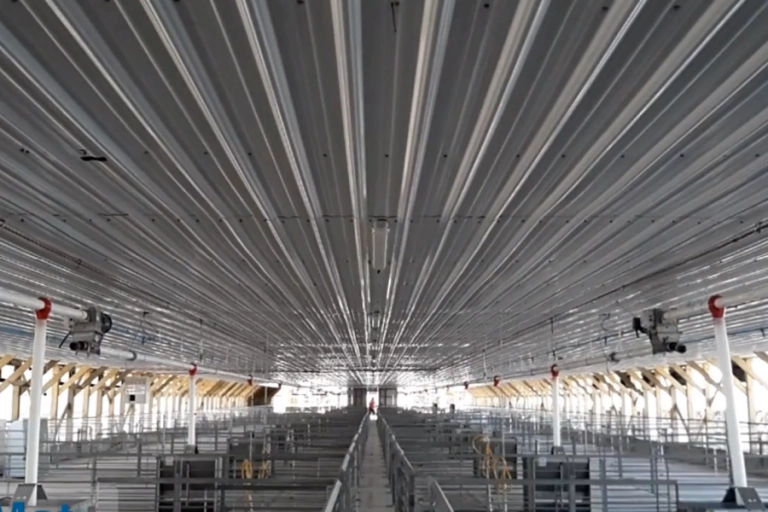
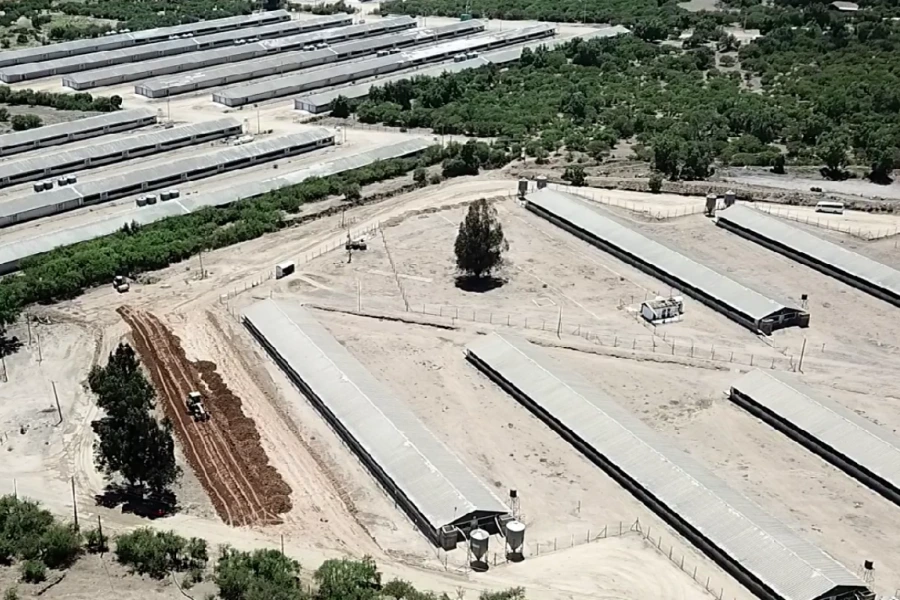
In the agricultural sector, specifically roofing for farm / poultry house applications, the enemy is corrosion. Agrosuper, operating massive pig farming facilities, faced a highly corrosive environment. Animal waste produces ammonia gas, which, when combined with moisture and humidity, creates a caustic atmosphere that aggressively attacks metal. In such environments, standard color steel sheets often show signs of rust within months and may need total replacement in just a few years. The client needed a material that was effectively an anti-corrosion roof tile, capable of surviving decades without degrading.
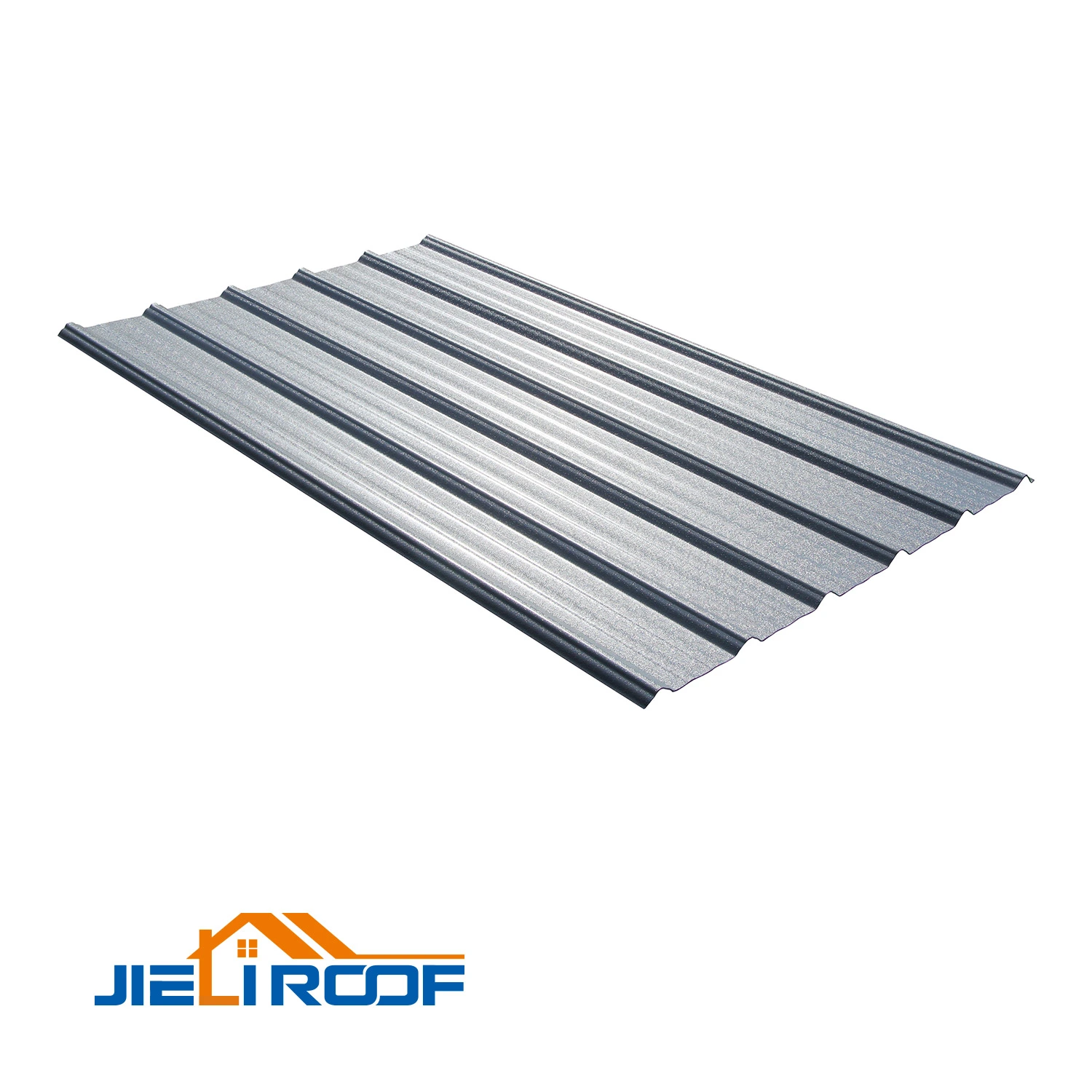
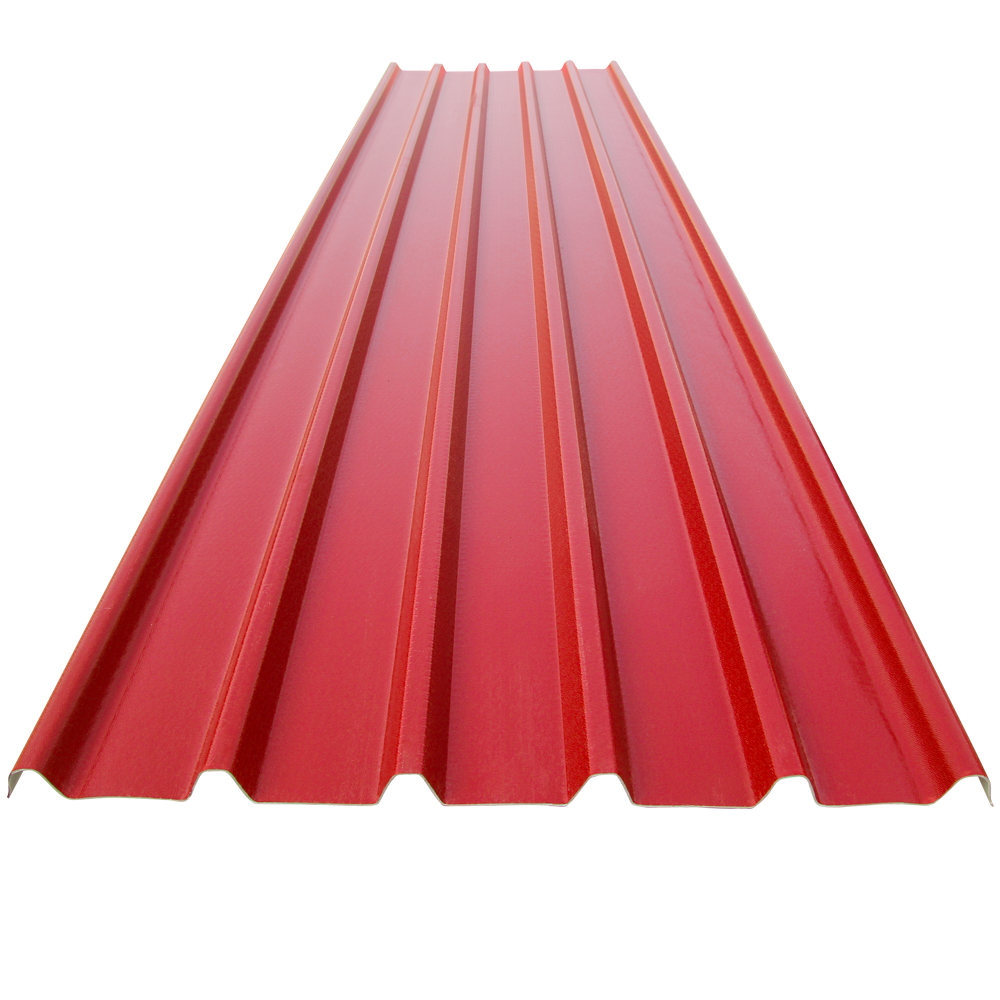
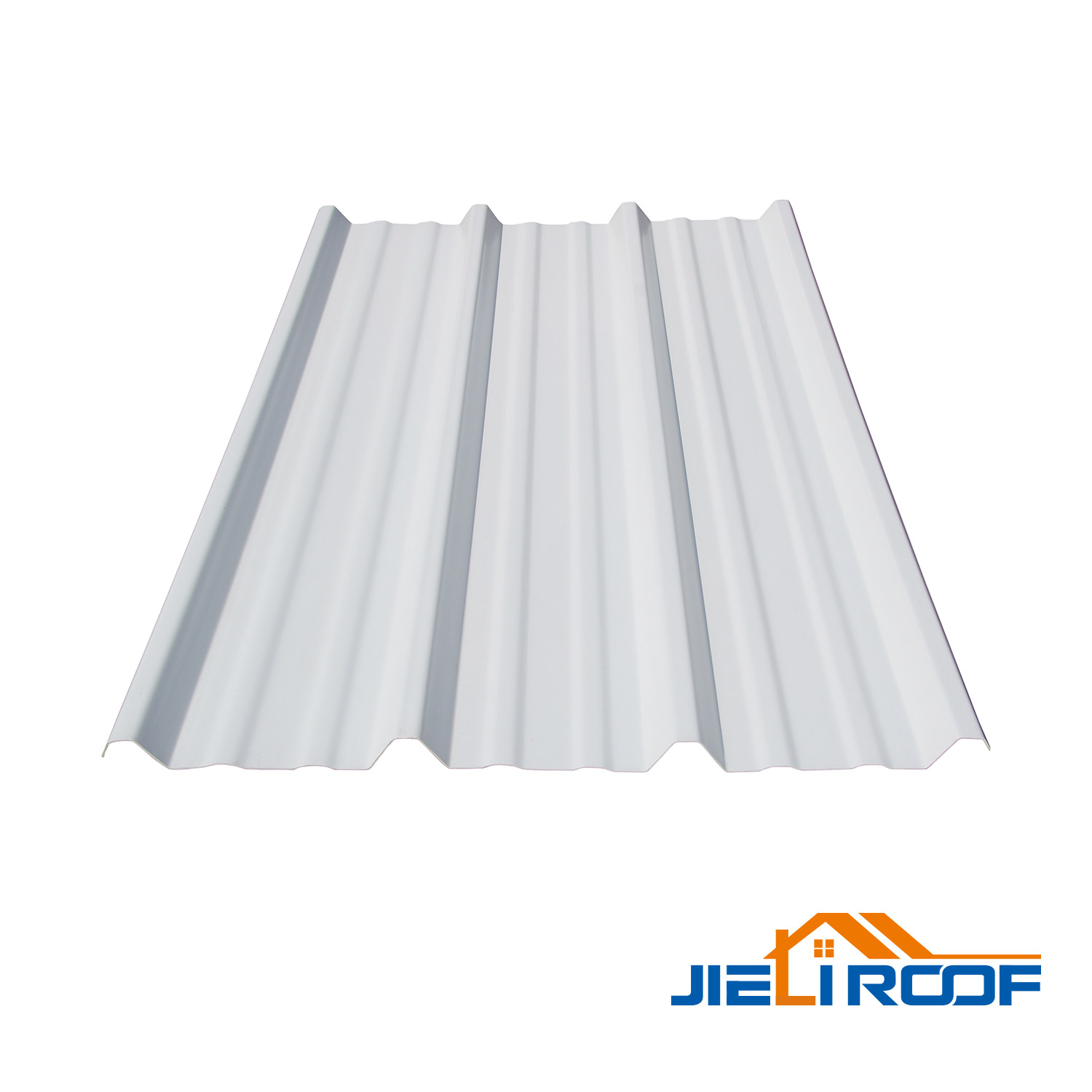
The solution to both these extremes lies in our proprietary technology. This is not standard PVC; it is a composite engineered for resilience. Our Glass Fiber Reinforced UPVC Roof Sheet T1130 utilizes a patent-protected manufacturing process that integrates a high-strength glass fiber mesh into the resin body.
We utilize a Triple-Layer Co-extrusion Technology combined with a specific Fiberglass Layer. This structure is what gives the product its “soft steel” characteristics—tough yet flexible.
These sheets have four useful layers built in:
This sophisticated layering ensures that the product performs exceptionally well across a wide temperature range, from -40°C to 80°C. Unlike standard plastic tiles that might warp in heat or crack in deep freezes, the fiberglass mesh acts like the steel rebar in concrete, holding the matrix together and limiting thermal expansion and contraction.
Why are these big jobs turning to our backup fixes? The pick often comes down to three key parts: top power, full wear fight, and long life.
In industrial roofing solutions, the cost of the steel build (purlins and trusses) often beats the cost of the roof sheet itself. Old plastic tiles often need purlins set very close to stop bending, which raises building costs.
Our backed sheets, mainly shapes like the T1130 and T940, change this math. The put-in fiberglass net raises pull power by 30% and hit fight by 50%. This build steady lets for a bigger purlin space than normal UPVC sheets. For the Winter Olympics job, this meant the roof could hold heavy snow loads without needing a too-thick and heavy steel frame under. It gave the safety of steel with the gains of a man-made material.
For Agrosuper, the pick was just about chem live. Our stuff does not change with chem. It does not react with acids, bases, or salts. While a scratch on a painted steel roof turns into a rust spot that at last eats through the sheet, our UPVC stuff stays the same through its thick.
In side tests, our resin tiles have shown a work life that can hit 3~5 times that of traditional color steel tiles in wear setups. For a farm owner, this translates to big savings in care and change costs. You put it in once, and it works for years.
One of the old gripes about plastic roofing is heat growth, the “creak” sound roofs make as they warm up, and the risk of ripping around screw holes. The fiberglass layer in our sheets effectively prevents heat growth. This makes sure that the roof stays in size steady if it bakes in the Chilean summer or freezes in the Beijing winter. It stops the length growth that rips screw holes and causes leaks.
We know that good stuff is only half the math; the team behind the stuff matters as much.
Production Power: As said before, with 22 production lines, we are not a small shop. We are a bulk maker able to send country-level base jobs. If you need a few hundred meters for a store or thousands of meters for a home growth, our output stays steady and the same.
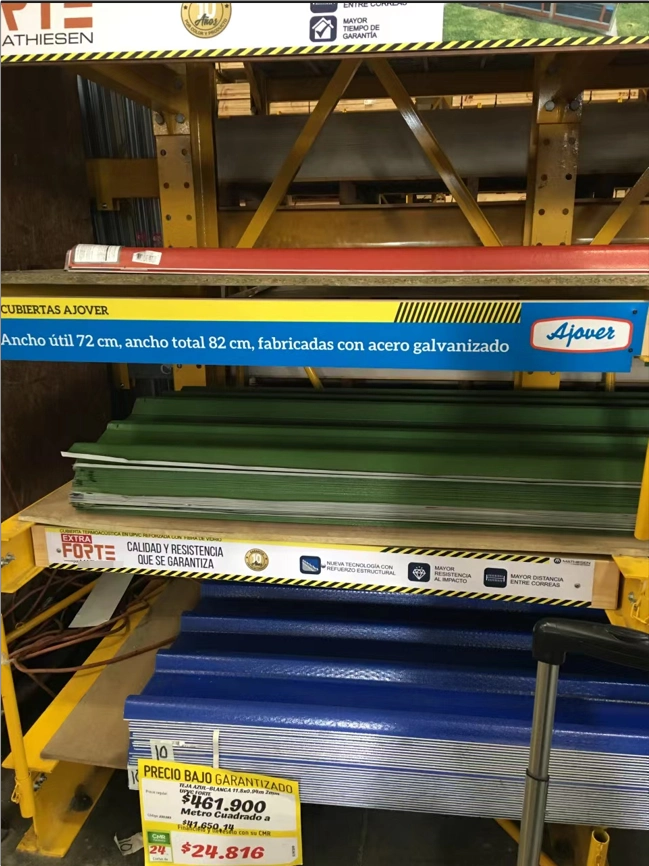
Global Trust: Our reach goes far past China. Other than the Winter Olympics and Agrosuper, we have worked as a long-time seller for big groups like Sodimac (the biggest home fix store in Latin America) and the Venezuelan government’s home jobs. These team-ups build on years of steady worth.
Certified Quality: We don’t just say worth; we show it. We have a country-level test lab fixed by CNAS. Every lot of base stuff gets tested before making, and finished goods go through hard tests for age, pull power, and hit fight before they leave our plant.
We see ourselves as part of your job team. We do not just sell you a good and go away. Our goal is to give a full UPVC roof sheet supply to help that makes sure your job wins.
We help with the job plan and the amount counts to cut waste. We give change in terms of color, length, and thickness (from 2.0mm to 4.0mm) to fit your clear air and money plan. We know that seeing is true, which is why we like to send free samples so you can check the quality of the fiberglass back and the ASA cover before you join.
We stand by our goods with a firm 10-year warranty, giving you peace of mind that your purchase is safe. If you build a chem plant, a pig farm, or a game spot, we have the tech skill to lead you to the right shape and spec.
If you stand ready to raise your roofing to a fix that mixes the power needed for the Olympics with the strong need for factory farming, contact us now. Let us help you build a roof that lasts.
Q: Is the Fiberglass UPVC roof sheet noisy when it rains?
A: No, it is truly much quieter than metal roofing. The UPVC stuff works as a sound stop. Tests show that our roof sheets can cut noise by 25 to 30 decibels compared to color steel sheets. This makes for a much nicer setup inside the build, if it is a factory or an animal safe.
Q: Is the installation difficult? Do I need special tools?
A: The put-in step is very like that of color steel sheets, so most builders know the way. You just cover the sheets one by one and fix them with screws. We give full put-in books to make sure your team gets it right. No special or costly machines needed, making it a money-saving pick for put-in.
Q: Is the product fire-resistant?
A: Yes, safety comes first. Our UPVC roof sheets are classified as hard to burn and self-extinguish. They have a fire rate of B1. This means that if a fire source goes out, the stuff will stop burning on its own, adding an extra layer of safety to your factory or farm spot.
Why Did the Winter Olympics and Agrosuper Farms Choose Fiberglass UPVC Roof Sheets?



 +86 0535 6278701 / +86 15653505862