

As factory building rules change in 2026, the need for good-work roof items in Latin America has hit a key change point. The area’s special weather—marked by strong near-equator sun rays, eating shore air, and big heat changes—needs more than basic cover. We have noticed that old metal roofs and simple plastics no longer work to meet the hard safety and lasting needs of new storehouses and plants. Plan leaders now pick items that give checked building strength and a clear fight against weather stress.
In this tough field, picking a sure team member is as key as choosing the item. Since starting in 1994, we have established ourselves as a base in the world roof field. At Jieli, we run 22 new make lines, making sure steady production and on-time delivery for even the biggest factory needs. Our work size lets us promise quick shipping for big orders with many boxes. A top sample of our skill was the delivery of 220 boxes of roof items for a government home plan in Venezuela. This big win shows our pro skill to manage high-amount needs while keeping exact and quality. With more than 30 years of know and a firm 10-year promise, we work on giving built answers that go beyond simple build items, acting as a people-first tech friend for every builder we help.
The factory growth over Latin American lands like Chile, Mexico, and Brazil in 2026 is pushing the need for better building covers. Basic UPVC roof parts, while good in mild weather, often meet problems when open to the steady 40°C to 50°C heat in warm factory areas. We have seen that without the right adhesion strength, roof parts can get heat growth, leading to bending or hold failure. To fix this, our study has aimed at making better the body traits of plastics to make sure they stay steady under the hardest settings.
Building steadily is the main worry for any wide factory plan. Builders need to be sure that the roof will not only protect the things inside but also keep its form over many years. This is where good-work “anti-eat tiles” become key. Unlike old color steel tiles, which may last just a few years in high-salt shore spots before rust, new add plastics are built to stand these strong settings without getting worse.
The breakthrough that defines our 2026 product line is the integration of glass fiber reinforcement. This patented technology allows us to produce a sheet that is significantly stronger than traditional alternatives. By embedding a specialized fiberglass mesh into the core of the panel, we create what essentially is “soft rebar” for your roof. This internal skeleton prevents the material from becoming brittle and provides the flexibility needed to absorb energy from impacts, such as heavy hail or accidental debris.
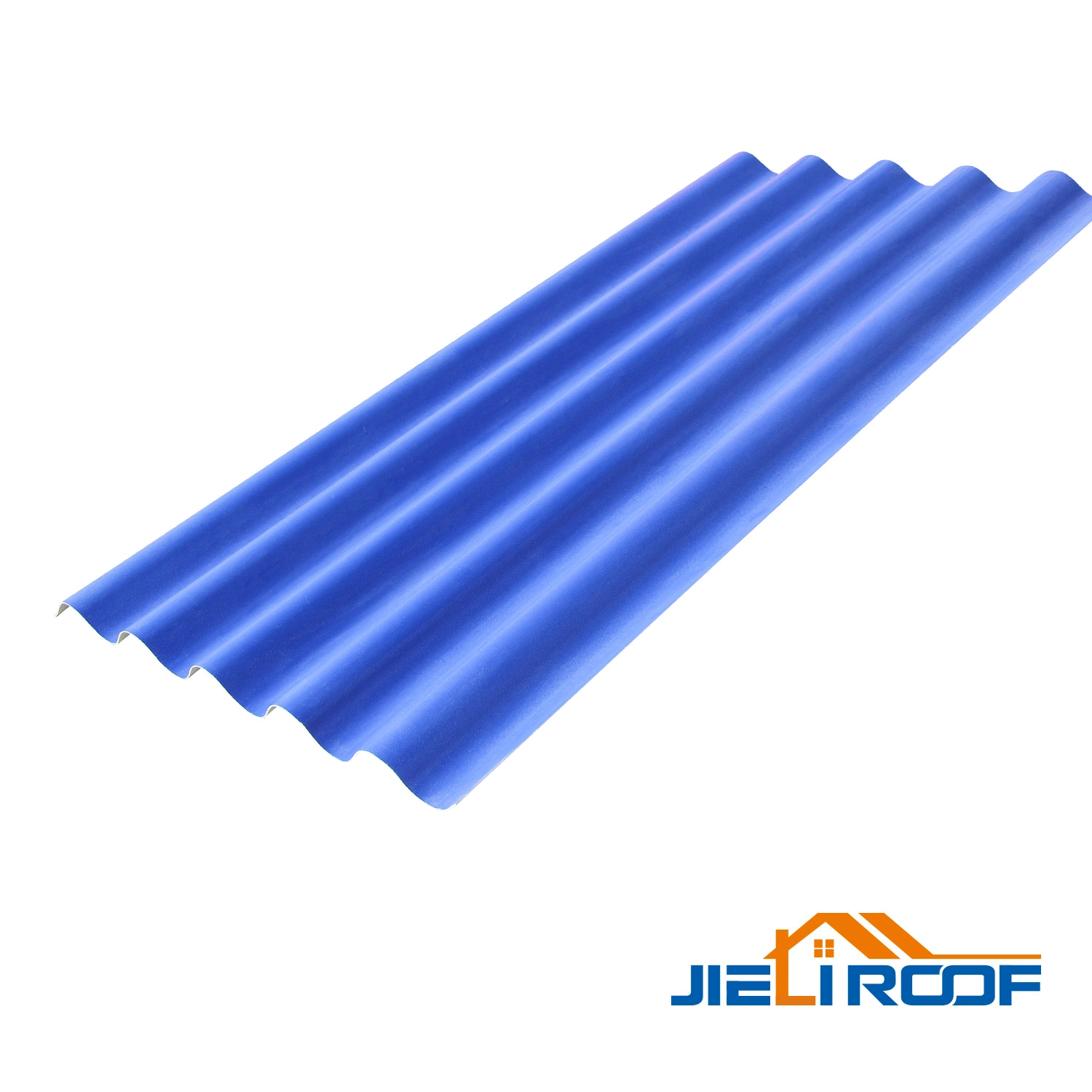
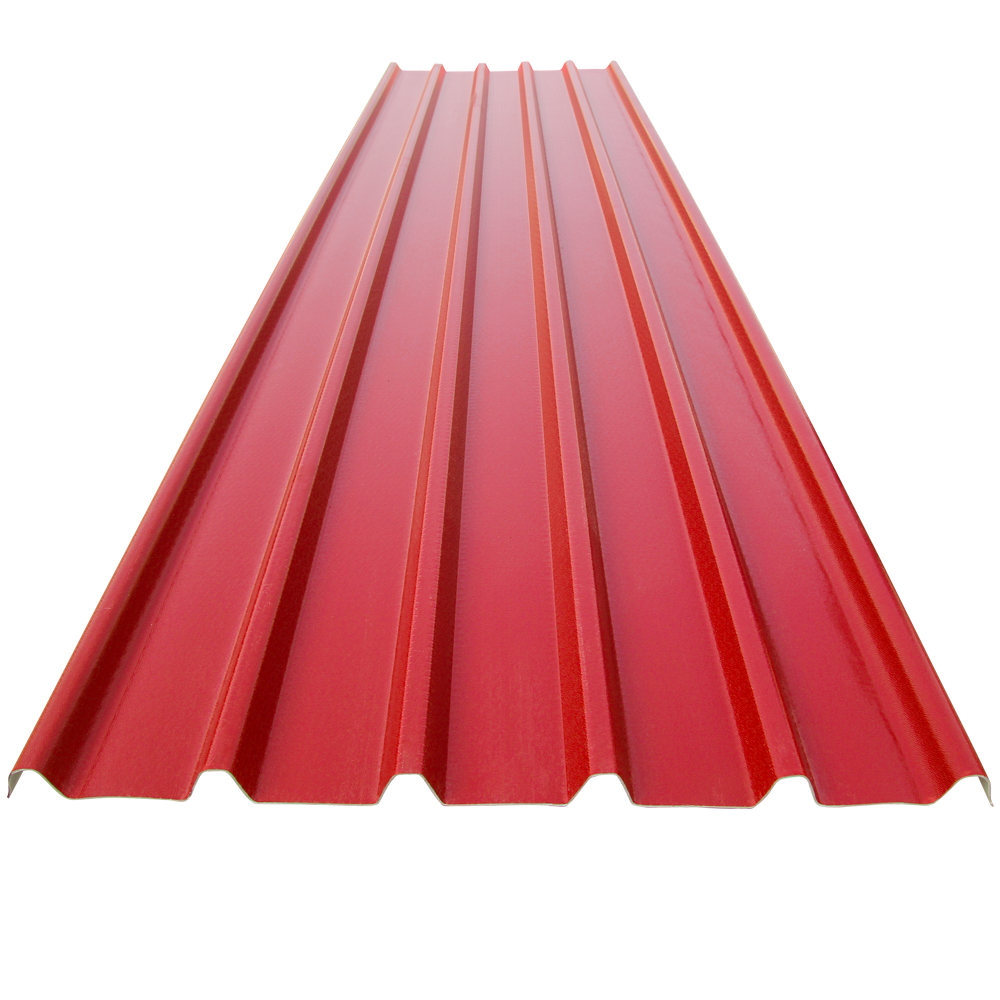
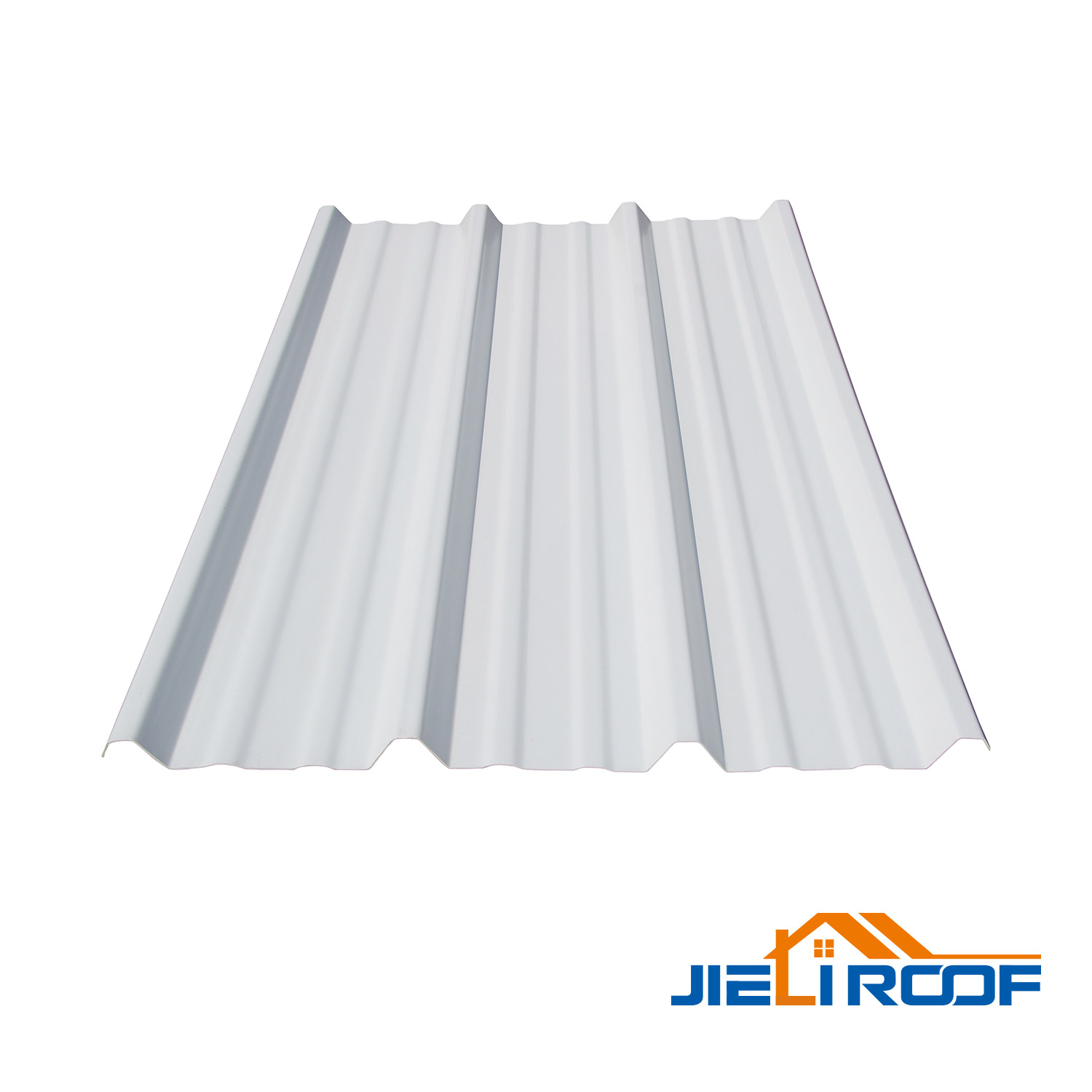
The Glass Fiber Reinforced UPVC Roof Sheet BW920 is the pinnacle of this engineering effort. By adding this fiberglass layer, we have achieved a 50% increase in impact resistance and a 30% increase in load-bearing capacity compared to standard UPVC. This makes it an ideal choice for industrial UPVC roof panels for projects where high-temperature resistance and structural strength are non-negotiable. This patented tech is unique to our facility in China, allowing us to provide a solution that circumvents the limitations of traditional roofing.
To provide the comprehensive protection required by 2026 industrial standards, we utilize a specialized structural composition: Triple-Layer Co-extrusion Technology combined with a high-strength Fiberglass Layer. These sheets have four useful layers built in, each playing a critical role in the overall performance of the roof:
The top layeris treated with premium weather-resistant engineering resin (ASA/PMMA) to fight UV harm. This ensures the roof maintains its bright colors and resists aging, even under the intense Latin American sun.
The second layerconsists of high-quality UPVC. This layer offers outstanding strength, impact resistance, and acts as a primary barrier for heat and sound insulation.
The third layeris the Fiberglass reinforcing layer. This acts like the bone of the roof sheet, enhancing high-temperature resistance, tensile strength, and load-bearing performance. It ensures the sheet holds its shape even when the distance of the truss is large.
The bottom layeris a specialized UPVC formulation that is highly corrosion-resistant and moisture-proof, further enhancing the overall structural stability and protecting the interior of the building.
One of the standout features of this reinforced material is its operational temperature range, which spans from -40°C to 80°C. This adaptability is crucial for the diverse geography of Latin America, from the freezing altitudes of the Andes to the sweltering heat of the Amazon basin. Because the fiberglass mesh is evenly distributed throughout every corner of the sheet, it prevents the thermal expansion that typically causes traditional plastic roofing to buckle.
Chemical resilience is another area where this technology excels. In many industrial applications, such as chemical plants or food processing factories, the atmosphere is highly corrosive. Our resin tiles have been tested to remain unchanged after 168 hours of immersion in 10% acid, alkali, and salt solutions. This durability ensures that the roof will not rust, fade, or require frequent replacement, offering a service life that can be up to 35 times longer than traditional color steel tiles in corrosive environments.
In big factory storehouses, handling the inside heat is a major work cost. The heat block number of our item is 0.325/(m.K), which is about 1/2000 that of color steel. This means the roof well stops outside heat from coming into the workspace, keeping the inside much cooler. This “heat block” works right leads to lower energy costs for cool systems.
Also, noise cut is a big plus for both worker ease and safety. With a sound block mark of 30dB, our parts greatly cut the noise from heavy warm rains and wind. Builders often say that this makes a much better work setting inside the plant compared to the loud noise under metal roofs in a storm.
From a put-in view, these add UPVC parts give a smooth look. Though we do not give on-site put-in help, the item is built to be easy for pro teams. The high pull strength and hit fight mean the parts are less likely to get hurt during handling on the build site. This sure cuts waste and makes sure that plan times are met.
Safety is also made better through our B1 fire-fight grade mark. The item is hard to burn and has self-end fire traits, which is a key safety part for factory and trade buildings in 2026. Mixed with the fact that these parts do not gather water and give great waterproofing, they show full safety for any plant.
The long-term financial benefits of choosing reinforced UPVC are clear. By significantly extending the maintenance cycle and providing a 10-year warranty, we help project owners reduce their total cost of ownership. The color-stable surface prevents the “faded look” that often diminishes the professional appearance of industrial parks after only a few months of sun exposure. Our commitment to quality means we inspect every step—from raw material and formula to production and finished products—ensuring that every batch meets our rigorous standards.
We believe that seeing and feeling the material is the best way to appreciate its quality. For those interested in testing our “soft rebar” technology, we are happy to provide free samples so you can experience the 50% impact resistance firsthand. Our goal is to ensure that your industrial projects are built to last, regardless of how extreme the weather becomes.
We focus on being more than just a manufacturer; we aim to be a strategic partner in your project’s success. Our technical engineers are available to assist with project drawings and calculate the exact quantities and lengths required, ensuring that you only order what you need. This level of service is essential for large-scale government and industrial projects where efficiency is paramount.
If you are looking for a roofing solution that combines the best of polymer science with structural reinforcement, we are ready to assist. Our focus on quality and innovation ensures that your investment is protected by a roof that won’t rust, won’t fade, and won’t fail.
Q: Does the fiberglass layer make the sheet more difficult for Contractors to cut and install?
A: No, the fiberglass mesh is integrated into the core of the UPVC, so it maintains a smooth surface. Contractors can use standard tools for cutting and fixing. The added structural stability actually makes it easier to install over longer purlin distances without the sheet sagging.
Q: How does the service life compare to traditional metal roofing in a coastal industrial zone?
A: In highly corrosive coastal areas, our fiberglass reinforced UPVC can last up to 3~5 times longer than traditional color steel tiles. While metal sheets may rust through in 2-3 years, our product remains rust-free and maintains its structural integrity and color for over a decade.
Q: Can this material handle the weight of maintenance personnel on the roof?
A: Yes. The integration of the fiberglass mesh increases the load-bearing capacity by 30%. This makes the roof much safer for Contractors who need to perform maintenance on HVAC systems or solar panels, as it significantly reduces the risk of the material cracking under weight.
Why is 50% stronger UPVC roofing essential for 2026 LatAm projects?



 +86 0535 6278701 / +86 15653505862