

Welcome to our look at roofing options that work well in hot, wet areas. Tropical places face tough weather all the time. Heat, rain, and salt air test any roof hard. Many builders deal with roofs that fail too soon. This guide shows why UPVC sheets beat metal ones in these spots. We focus on real benefits for your projects. At Jieli, we know these challenges from years of work. Our products help keep buildings safe and dry. As you read, you will see how smart choices save time and money. Now, let’s explore the details step by step.
Years of checking roofs in some of the wettest, sunniest parts of the world teach a lot about how materials hold up. If you ever stood under a metal roof on a hot tropical day, you know how hot it gets inside. The noise from a quick rain can be very loud. But more than that, real problems happen up top. Metal does not mix well with tropical weather.
Life in a tropical area means you fight three main foes every day: strong UV rays, lots of moisture, and air full of salt.Metal sheets, even the coated kind, have a basic flaw in these spots. They depend on a thin cover to stop rust. As soon as that cover gets scratched while putting it up or worn by sour rain, trouble begins.
What we have seen proves that a metal roof near the sea in tropics can start to break down in just five years. Rust begins at the screw spots and where sheets join. In time, it eats the whole thing. Also, metal grows a lot when hot. The sun makes sheets expand. Cool nights make them shrink. This back-and-forth pulls on the screws. Holes get bigger. Water finds a way in. You need a material that does not just take the hits. Instead, it should be made to fight back against these weather forces.
Tropical storms impose additional strain on roofing systems, as fierce winds carry salt from the ocean that clings tenaciously to surfaces and thereby accelerates the process of deterioration. Consequently, metal fasteners become loose more rapidly than expected, while leaks that begin as minor issues eventually expand into larger problems. These recurring repairs consume substantial portions of budgets, and builders often dedicate countless hours to mending the components that fail, which in turn diverts their teams away from other essential tasks. Over the course of several years, these accumulating expenses mount swiftly and become burdensome. By transitioning to more effective alternatives, however, one can break free from this ongoing pattern of maintenance challenges. UPVC manages all these environmental pressures seamlessly without unnecessary complications, eliminating the need to constantly address areas affected by corrosion and providing instead a reliable and enduring protective layer that performs consistently.
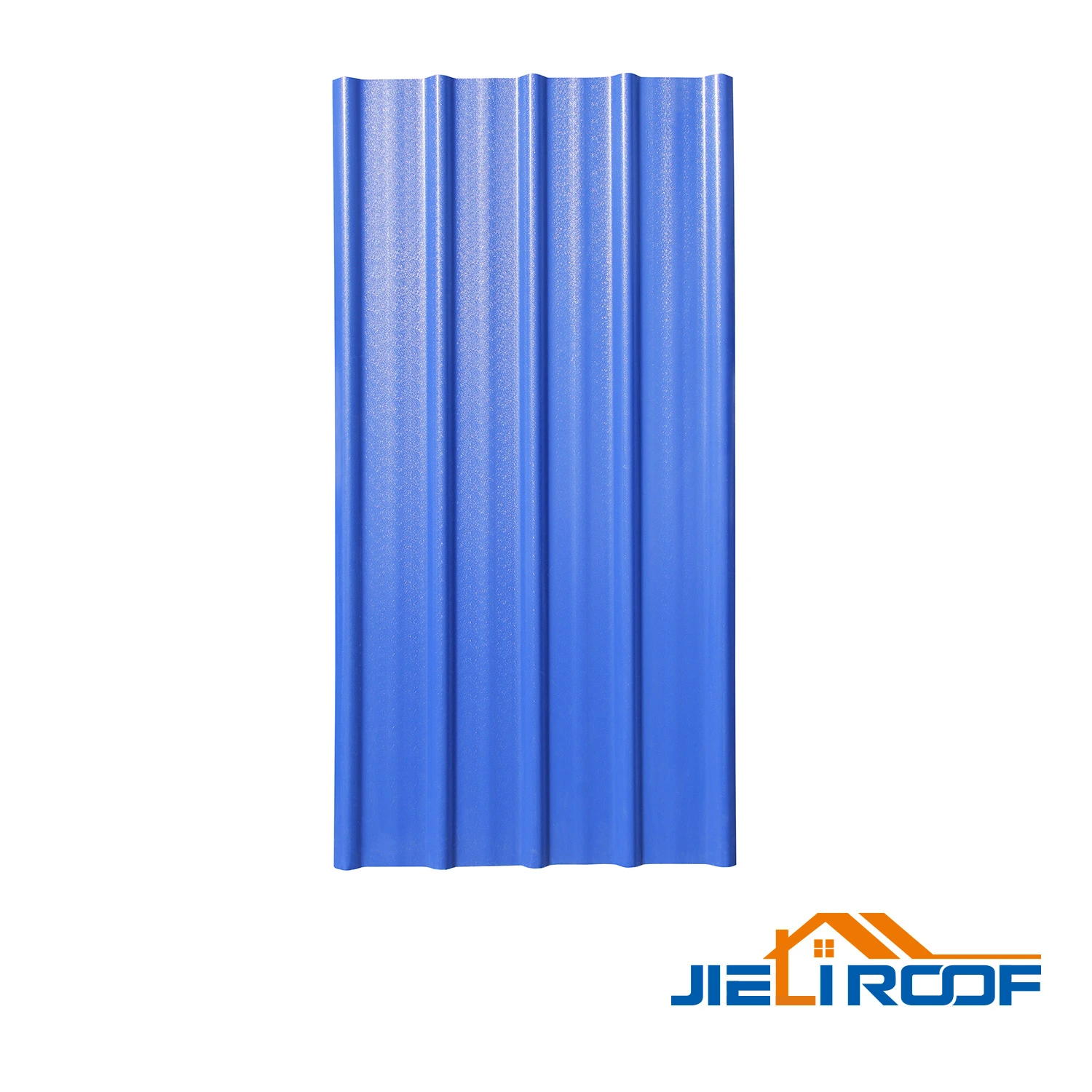
The fix for these issues is a certain kind of UPVC roofing. This is not a basic plastic panel. It is a smart build with four layers made to last where others give out.
Let’s look at what goes on inside these sheets to understand their worth. These sheets include four key layers at the core:
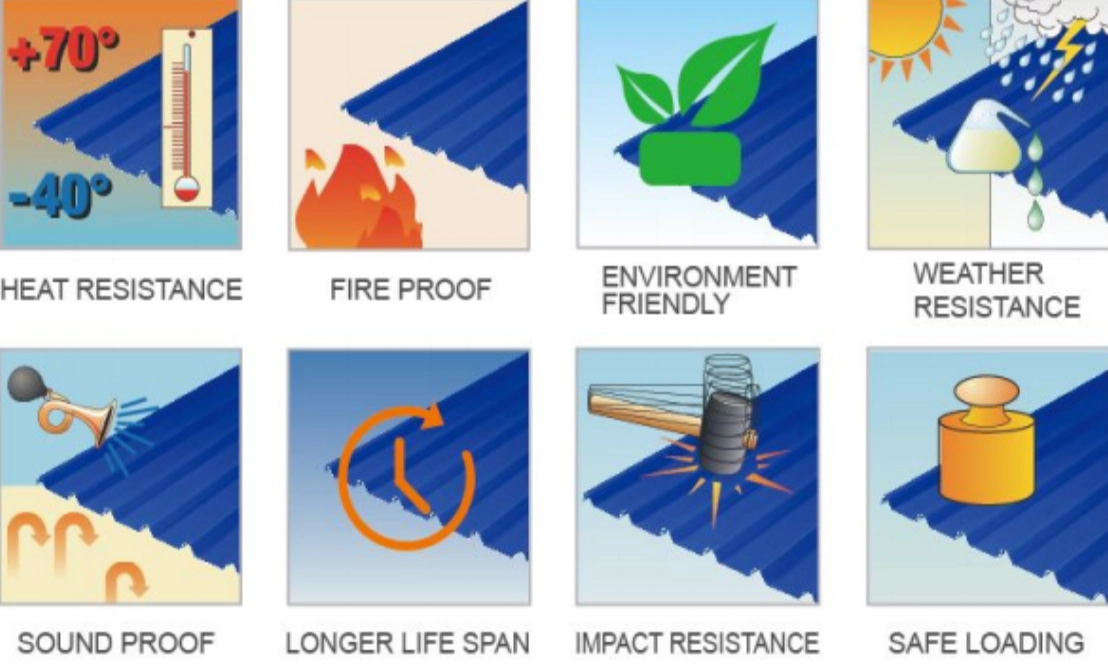
This mix, with Triple-Layer Co-extrusion Technology and that key Fiberglass Layer, lets our sheets work well in temps from -40°C to 80°C.
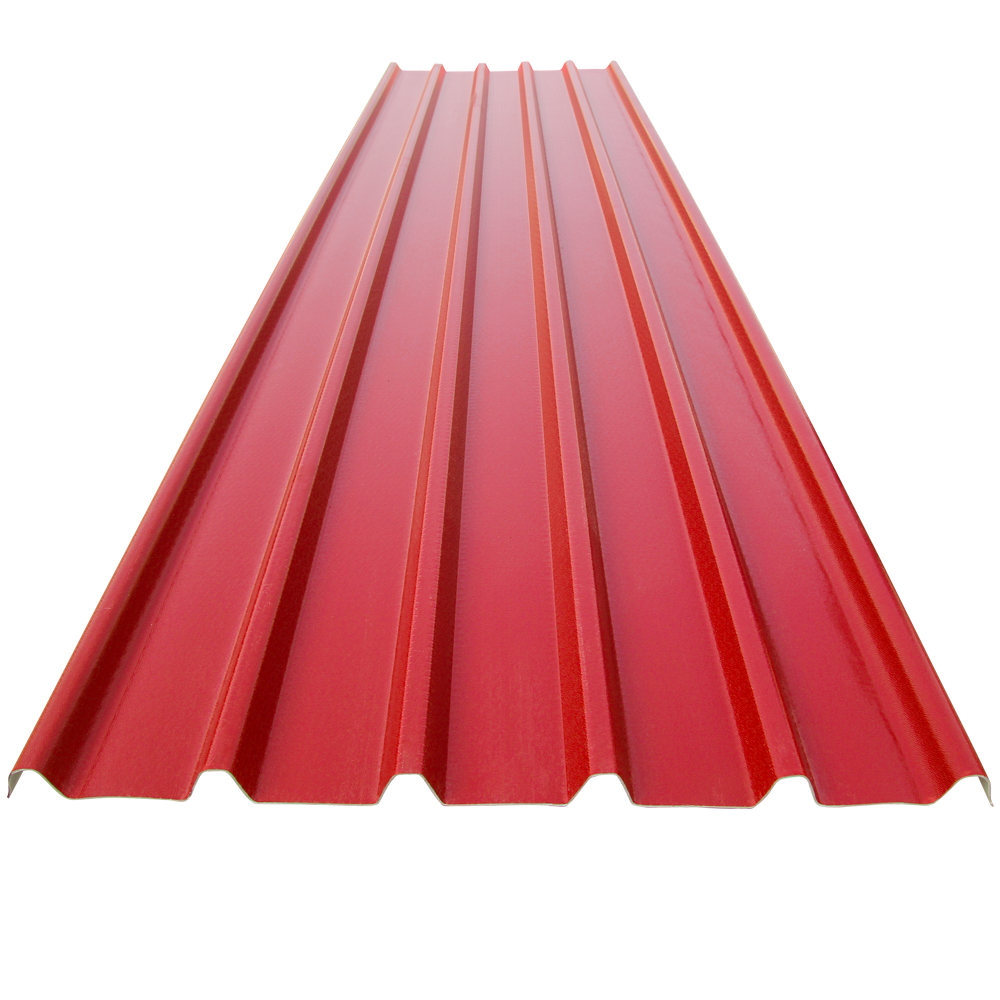
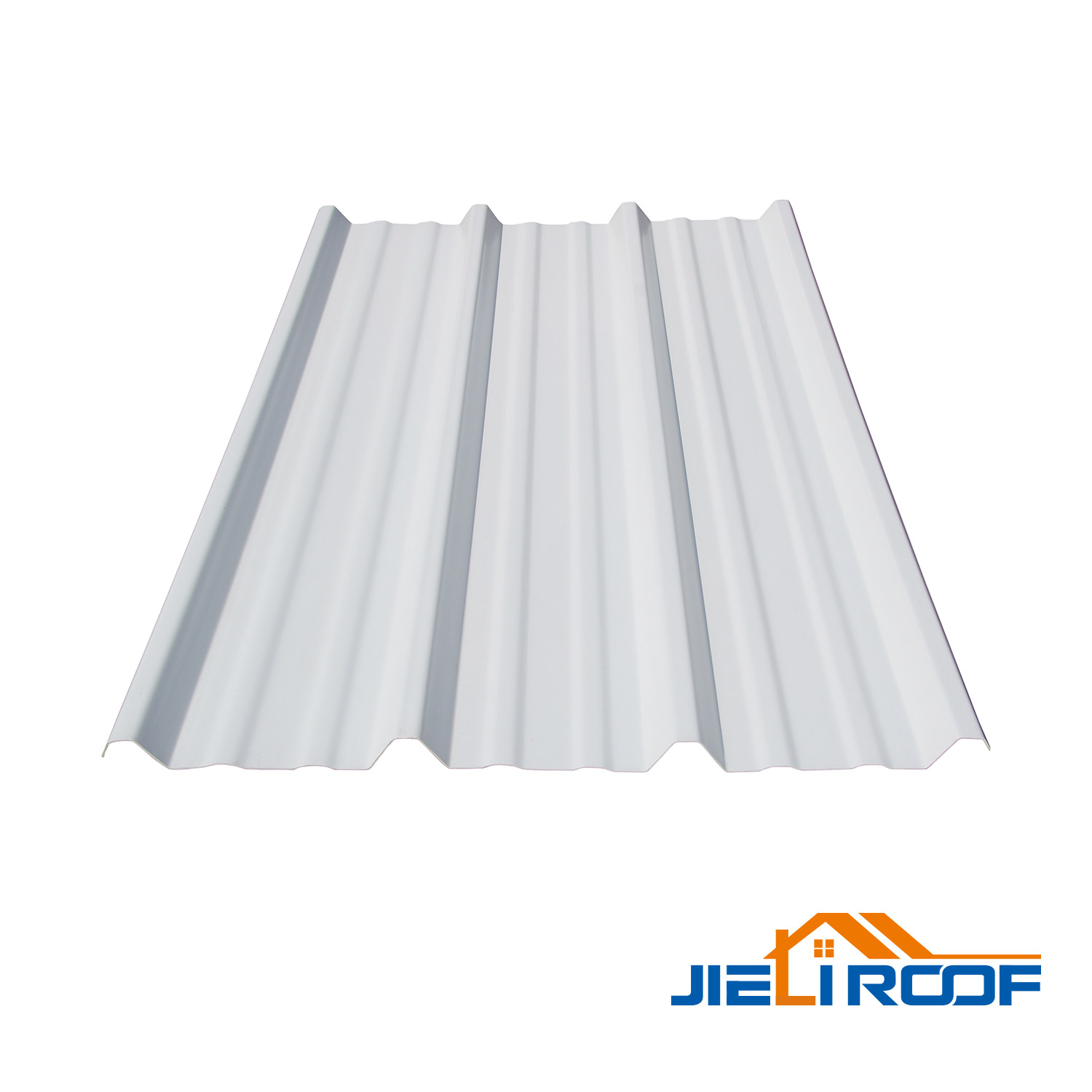
In tropical regions, rainfall does not simply descend gently but instead comes down in intense downpours that demand roofs capable of swiftly channeling water away to prevent any buildup. This is precisely why the T900 trapezoidal profile stands out as the optimal choice, with its 900mm width and pronounced ridges designed to manage substantial volumes of water effectively during severe storms. As a result, the T900 efficiently directs excess moisture off the surface without delay, thereby avoiding the accumulation that frequently leads to leaks in less efficient flat-roof designs.
Beyond its superior water management, the trapezoidal shape provides a robust structural integrity that proves essential when personnel need to walk across the roof during installation or maintenance, ensuring these panels remain exceptionally resilient under such conditions. Nevertheless, we advise project managers that to achieve the longest-lasting performance, installers ought to place their feet primarily on the purlins throughout the setup process, which helps protect the sheets from potential damage and allows them to maintain their excellent condition for more than 30 years of reliable service.
The integrated ribs on the T900 skillfully direct water toward the edges of the roof, preventing the formation of stagnant pools that could otherwise create vulnerable points for leaks over time. This design performs even more effectively on inclined terrains where drainage occurs with greater ease, enabling installation teams to proceed confidently without concerns about water retention. Furthermore, the broad coverage width of each sheet minimizes the total number required for a project, which in turn reduces the number of seams and thus the potential weak points in the assembly. For expansive roofing applications, this approach not only conserves valuable installation time but also ensures that water sheds cleanly without obstructions from debris like leaves, delivering consistent and unobstructed runoff with every storm.
Many individuals express concern regarding the initial expense associated with high-quality composites compared to more affordable metal options, yet it is essential to evaluate the total cost of ownership over the long term. In the case of metal roofing, owners frequently incur expenses for applying anti-rust treatments, addressing recurring leaks through repairs, and ultimately replacing the entire structure within a decade or even sooner.
Our durable triple-layer tech requires virtually no ongoing maintenance, as it resists rust entirely and eliminates the need for periodic repainting. The ASA top layer features self-cleaning properties that allow rainwater to rinse away accumulated dirt effortlessly. Moreover, when factoring in the energy savings from its heat-blocking capabilities and the assurance of at least 30 years of service without any need for replacement, our UPVC emerges as the more economical solution overall. It represents a single investment that provides lasting protection for your property, with no requirement for annual inspections.
Consider the perspective over a ten-year period, during which metal roofs typically demand at least two rounds of patching to address issues, with each repair involving significant costs for both labor and materials, followed by the complete removal and replacement of the system. In contrast, UPVC simply performs reliably without any unexpected problems, and it may even lead to reduced insurance premiums due to the lower risk of structural failures. For commercial operations, dependable roofing ensures uninterrupted business activities and eliminates downtime caused by leaks, thereby improving cash flow and enhancing the overall value of your facility.
Our approach extends beyond merely providing superior materials, as it also emphasizes exceptional support throughout the process. When you collaborate with us, you receive far more than just shipments of products, since we stand firmly behind our 22 production lines and extensive international projects, confident that our established systems consistently deliver reliable results.
Although we do not handle on-site installations ourselves, our team supplies everything necessary to ensure a smooth and effective implementation, including comprehensive installation manuals and detailed technical documentation that workers can easily follow to achieve optimal outcomes. Our goal remains to tailor the installation precisely to your local climate conditions, drawing on the vast experience our experts have gained from successfully managing challenging environments across various regions worldwide, and we gladly share this valuable expertise at no additional cost.
If you are done with roofs that rust or high bills to cool a place, time to switch. We want to talk about your job details. From one storehouse to huge home areas, our group has the size and tools to give what you need.
Go ahead and contact us. Check our site for all tech details. Or call our help team for a price fit to your spot. Let’s make a build that really holds up.
Q: How does the fiberglass layer affect the installation process?
A: The fiberglass reinforcing layer makes the sheet much more stable under heat, which is a huge advantage for Contractors. It reduces the amount of thermal expansion and contraction, meaning the roof stays tighter and more secure over time. It doesn’t make the installation harder; it just makes the final result much more durable.This steady hold means screws stay put. No loose fits later. Teams work faster. Less adjust needed. It fits standard steps. No new learning curve.
Q: Can these sheets handle the weight of someone walking on them?
A: Yes, the triple-layer structure, especially the fiberglass layer, provides excellent load-bearing performance and impact resistance. However, for safety and to ensure the longest possible life for the sheets, our team always recommends that Contractors walk along the purlins (the support beams) rather than the center of the spans during installation.The strength lets safe moves. But purlins spread weight best. This avoids bends. Sheets last full term. Safety first always.
Q: Do I need special tools to cut or install these UPVC sheets?
A: No special high-tech equipment is required. Standard circular saws or hand saws can be used to cut the sheets to fit specific dimensions. Because they are lighter than many metal alternatives, they are often easier for a team to handle on-site, which can actually speed up total construction time.
Why UPVC Roof Sheets Last Longer Than Metal Roofs in Tropical Climates?



 +86 0535 6278701 / +86 15653505862