

In the industrial construction landscape of 2026, the market is rejecting the long-standing compromise between traditional metal roofing, which offers strength but falls victim to corrosion, and standard plastic roofing, which resists chemicals but often lacks structural rigidity. The modern wholesale supply chain demands a “no-compromise” solution that combines the absolute corrosion resistance of synthetic resin with the high tensile strength typically reserved for metal. JIELI has answered this call. With 22 production lines ensuring stable delivery for massive orders—demonstrated by our supply of 220 containers for a government housing project in Venezuela—we have leveraged our manufacturing expertise to introduce a game-changing solution: the High Tensile Glass Fiber Reinforced UPVC Roof Sheet.
The primary challenge in the roofing wholesale market has always been durability in aggressive environments. Standard materials often fail when exposed to the harsh realities of industrial byproducts, salt spray, or extreme weather cycles. To address this, we looked beyond simple extrusion and developed a patented technology often referred to as “Soft Steel.” This involves embedding a high-strength fiberglass mesh directly into the body of the roof sheet, fundamentally altering its physical properties.
This is not merely a plastic sheet; it is a reinforced composite engineered for performance. The integrated glass fiber mesh acts similarly to rebar in concrete or the skeletal structure in a biological organism. It provides an internal support system that prevents the material from becoming brittle over time. More importantly, it arrests the thermal expansion and contraction that plagues standard plastic roofing, ensuring that the roof remains dimensionally stable even as temperatures fluctuate wildly.
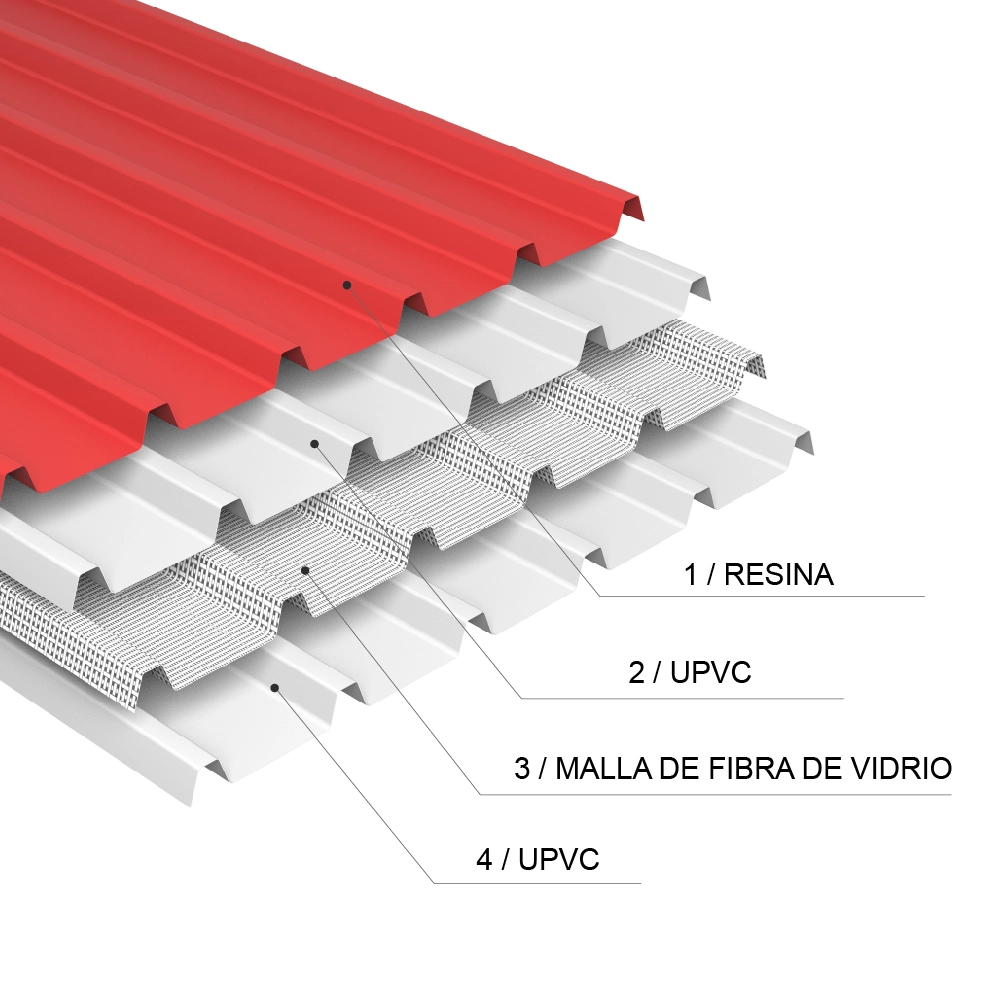
To fully grasp why this material outperforms traditional options, one must examine its sophisticated anatomy. These sheets have four useful layers built in:
The top layer gets treated with ASAto fight UV harm and keep bright colors lasting for over a decade without fading.
The second layer is UPVC, which offers outstanding strength, impact resistance, heat insulation, and sound insulation performance.
The third layer is a Fiberglass reinforcing layer, which enhances high-temperature resistance, strength, impact resistance, tensile resistance, and load-bearing performance.
The bottom layer is UPVC, which is corrosion-resistant, moisture-proof, and enhances structural stability.
This multi-layered approach ensures that every potential failure point of a roof is addressed. The ASA layer acts as the shield against the sun, preventing the chalking and fading that makes older industrial parks look dilapidated. The UPVC core provides the bulk insulation and chemical resistance, while the fiberglass mesh locks everything together with high tensile strength.
The result is a product that can operate effectively in temperatures ranging from -40°C to 80°C. In terms of longevity, this reinforced structure allows the sheet to achieve a lifespan that can be 3~5 times that of traditional color steel in corrosive environments. It is a comprehensive solution that is waterproof, fireproof, hail-proof, and designed to eliminate the condensation issues that frequently damage goods stored in metal-roofed warehouses.
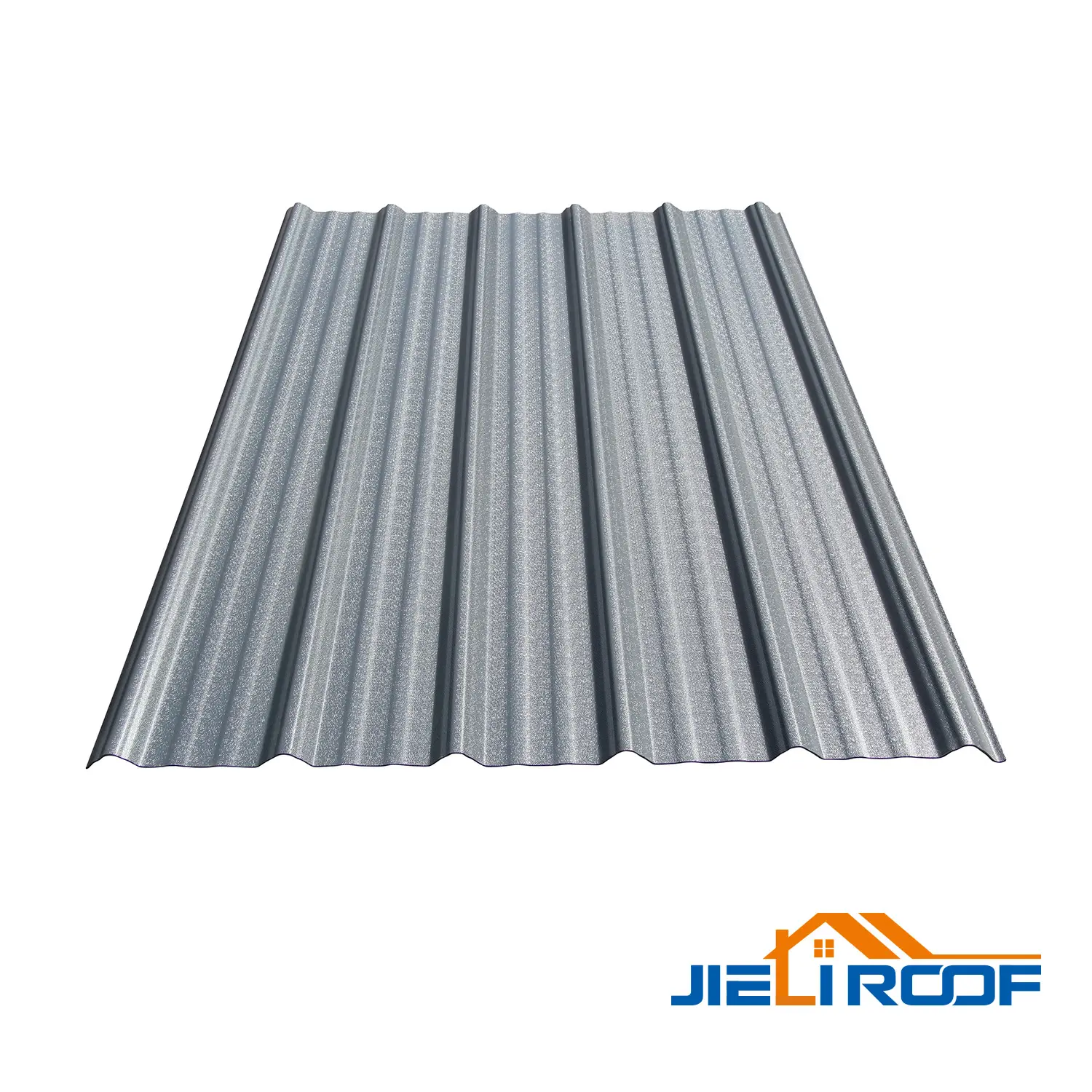
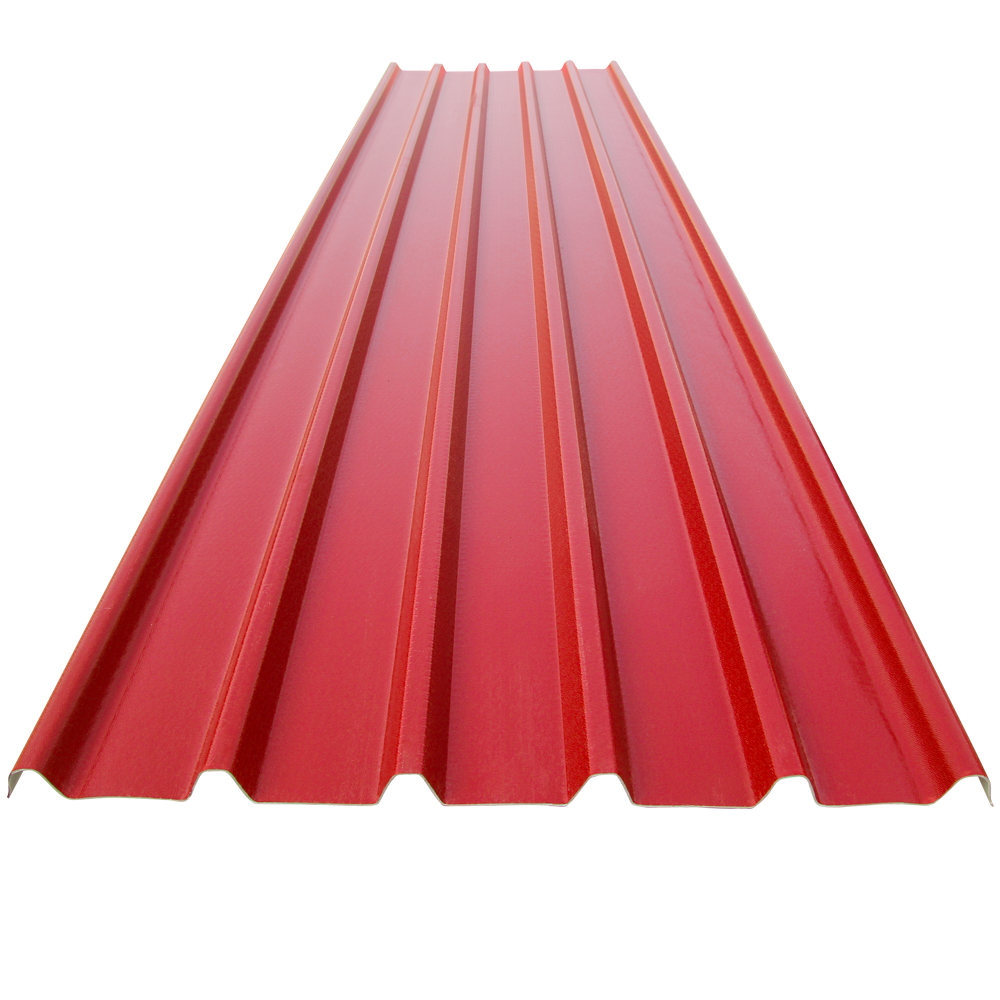
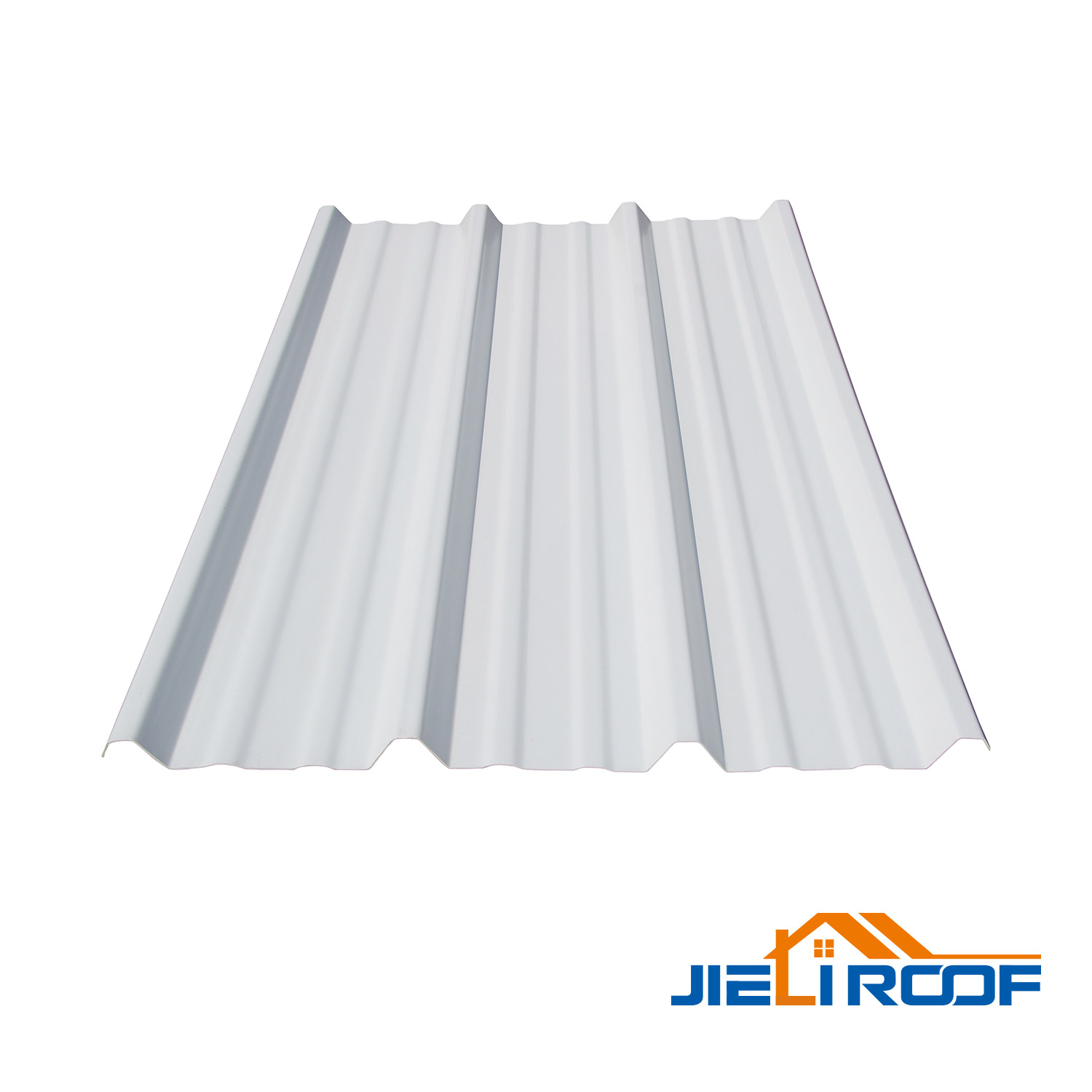
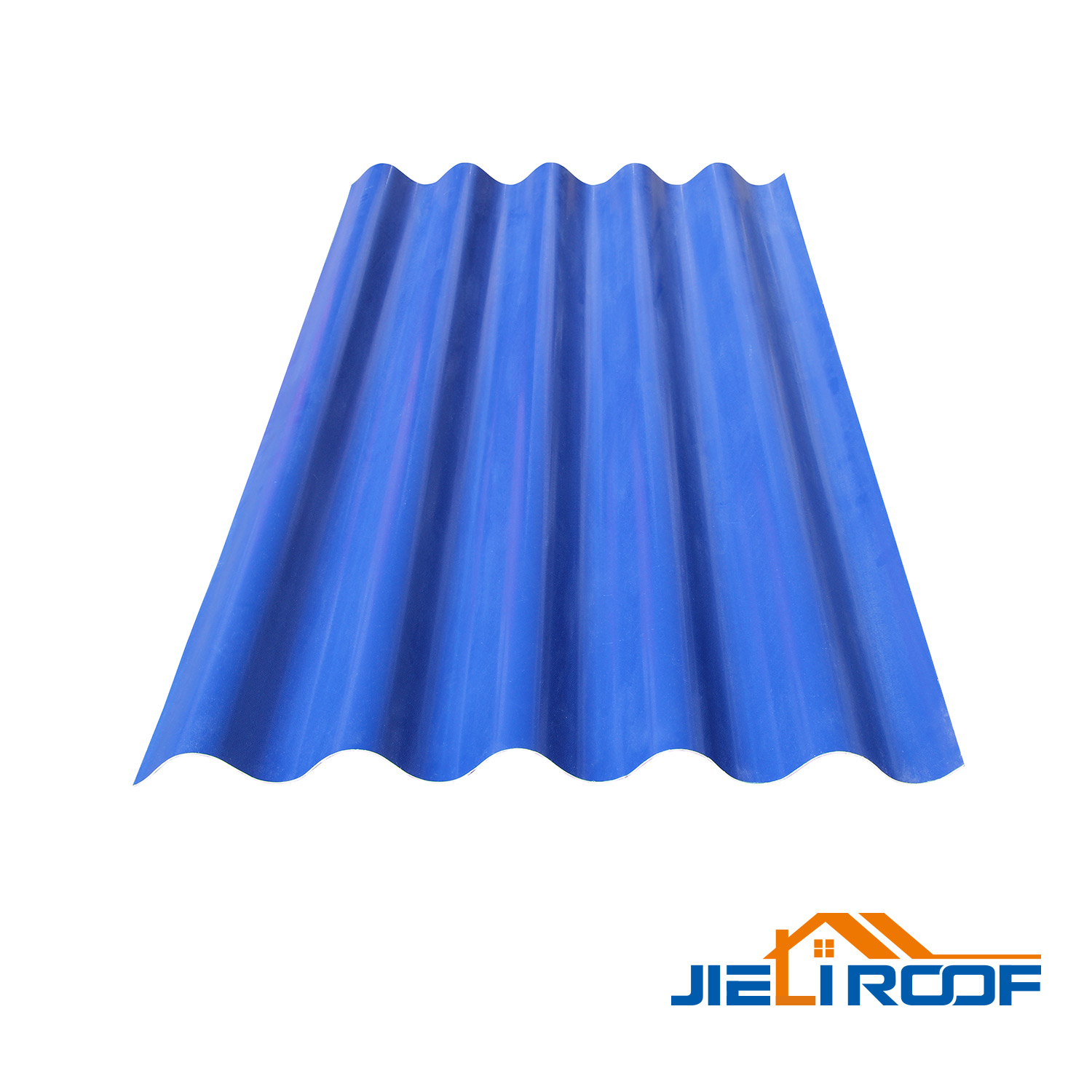
While the material science is revolutionizing durability, the profile design is what revolutionizes installation speed and coverage. We specifically engineered the Glass Fiber Reinforced UPVC Roof Sheet T1130 to maximize coverage and minimize installation time for Contractors.
The T1130 profile features a total width of 1130mm and an effective coverage width of 1050mm. In the wholesale business, efficiency is critical. A wider effective width means fewer sheets are needed to cover the same square footage. For the Contractors installing these roofs, this translates to fewer overlaps to seal, fewer screws to drive, and a significantly faster completion time.
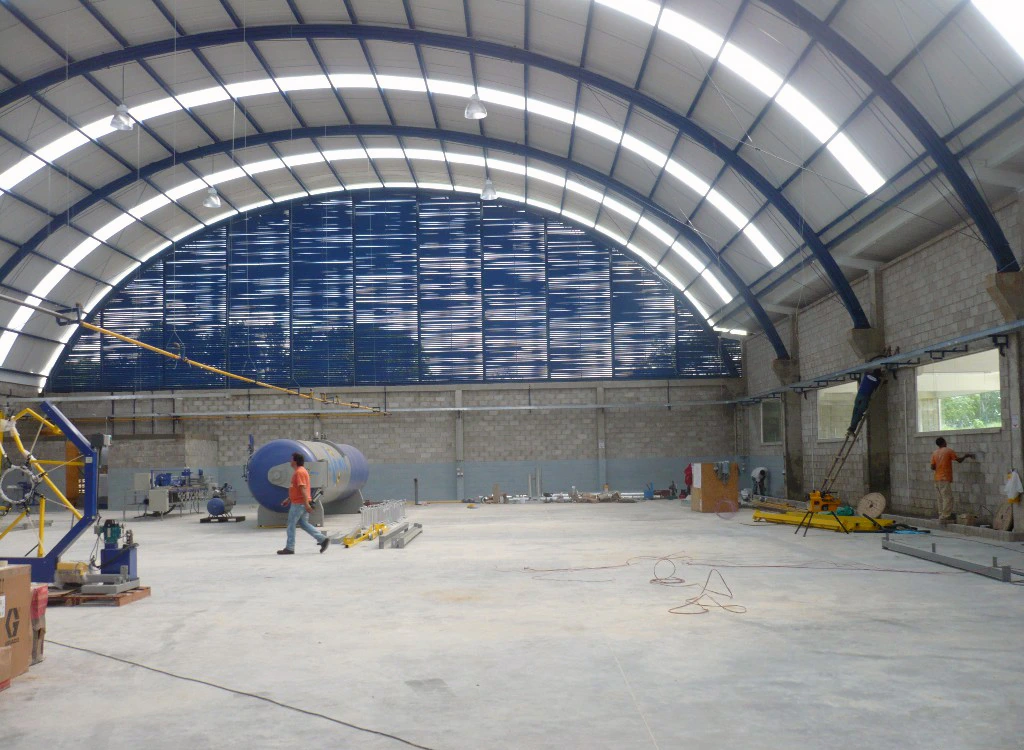
Available in thicknesses of 2.0mm, 2.5mm, and 3.0mm, the T1130 is designed to handle purlin distances of up to 1200mm. This capability makes it a direct competitor to trapezoidal metal profiles, but with the added benefits of being a heavy-duty, reinforced plastic. It is the ideal specification for acid pickling workshops, smelting plants, fertilizer factories, and coastal warehouses where the roof must perform as a shield against aggressive chemical vapors without succumbing to rust.
To secure a position as a market leader in 2026, dealers must be able to articulate clearly why their product is superior to the status quo. Let us compare the T1130 against the two most common alternatives found in inventory yards today.
Traditional color steel sheets have been the default for years, but they have a fatal flaw: rust. In coastal areas or industrial zones, salt spray and acid rain can eat through steel roofing in as little as 2 to 3 years. Once the protective coating is breached by a scratch or screw hole, the structural integrity begins to fail immediately.
Our reinforced T1130 profile offers 100% chemical corrosion resistance. It is impervious to acids, alkalis, and salts. It does not rust, rot, or degrade in these environments. We have tested this rigorously; even when submerged in corrosive solutions like H2SO4 or HCl, the material shows no sign of degradation. For a factory owner, this means the difference between replacing a roof every few years or having a roof that lasts decades.
Furthermore, thermal insulation is a major factor. Steel conducts heat rapidly, turning warehouses into ovens during the summer. Our material has a thermal conductivity approximately 1/2000th that of steel. This natural insulation keeps interiors cooler without the need for expensive additional insulation layers, preventing the “sweating” or condensation issues often found on the underside of metal roofs.
The hesitation some dealers feel toward synthetic resin usually stems from past experiences with inferior, non-reinforced products that sagged under heat. Standard plastic expands when hot and contracts when cold. Over a wide span, this causes deformation and can lead to leaks at the fastening points.
The Glass Fiber Reinforced UPVC Roof Sheet solves this completely. The integrated fiberglass mesh restricts the thermal expansion coefficient, keeping the sheet dimensionally stable. The tensile strength is increased by 30% compared to standard UPVC sheets, and the impact resistance is boosted by 50%. This means the roof remains watertight and aesthetically pleasing for decades, even under heavy snow loads or high winds.
The shift toward reinforced solutions is driven by the total cost of ownership. Industrial clients are tired of pausing operations to repair corroded roofs. By stocking the T1130, you are offering an “install it and forget it” solution.
The market demand is clearly trending toward retrofitting aging industrial parks. These projects require materials that are lightweight yet strong, and compatible with existing steel structures. The T1130 fits this niche perfectly. It allows you to target high-value clients in the chemical, ceramic, and galvanizing industries—sectors that are willing to pay for a roof that won’t dissolve.
Additionally, the reduction in after-sales service costs is a significant benefit for wholesalers. When you sell a product that doesn’t crack under thermal stress or fade within 10 years (thanks to the top ASA layer), you protect your reputation and your margins. We support this reliability with a solid 10-year warranty, giving you the confidence to back your sales pitch.
Moreover, the installation process is straightforward for Contractors. Unlike brittle materials that require delicate handling, our reinforced sheets are robust. We have replaced the traditional fragile packaging with durable UPVC protection, ensuring the product arrives at the site in perfect condition. Contractors appreciate that they can walk on the purlins and handle the sheets without fear of accidental breakage, which speeds up the job site workflow.
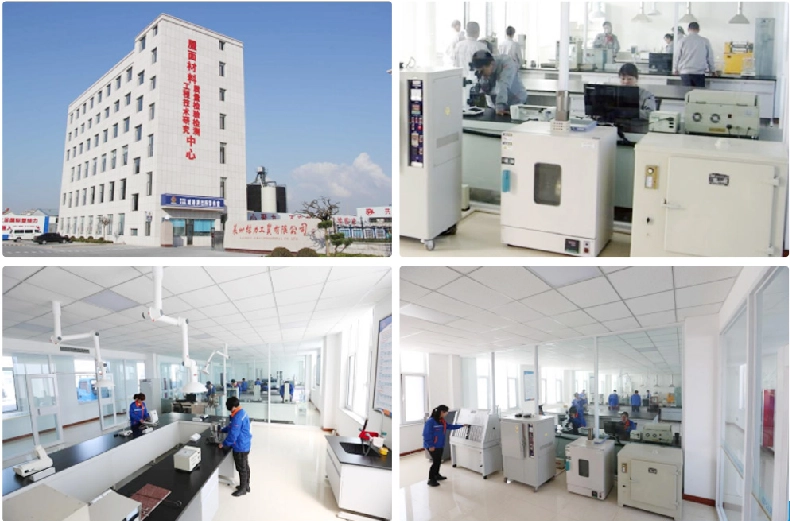
As we move through this business cycle, the reliability of your supply chain matters as much as the quality of the product. You need a partner who is not just a workshop, but a verified manufacturing powerhouse. With our extensive production capacity and focus on reinforced technology, we provide more than just sheets; we provide certainty.
We handle every step of the process, from the rigorous testing of raw materials in our government-authorized lab to the final loading inspection of the container. Our technical team is available to assist with project drawings, quantity calculations, and customization of lengths and colors to suit your specific market needs.
If you are interested in seeing how this “soft steel” technology can fit into your product portfolio, we are happy to send free samples for you to experience the quality firsthand. We are here to support your growth in the 2026 market with a product that truly stands the test of time.
Q: Is the T1130 sheet noisy in the case of heavy rain compared to metal roofing?
A: No, it is much quieter. The structure of the material itself helps to absorb sound, reducing noise by up to 30dB compared to a color steel sheet. This is a very good choice for workshops where noise pollution needs to be kept at a minimum for the comfort of the people inside.
Q: Can this product resist fire if it is made of resin?
A: Yes. Safety is our top priority. This sheet has a B1 fire rating. This means that it is a flame-retardant product that is hard to burn. Moreover, it is self-extinguishing if the source of fire is removed. This product meets safety standards for industrial buildings.
Q: Do Contractors need special tools to install the glass fiber reinforced sheets?
A: It is very similar to the color steel sheets, and it is very easy for the Contractors to adapt to the new system without the need to purchase new equipment. The sheets are overlapped and fixed with standard screws. There is no need to use any special heavy equipment, and the material is very tough but light, making it very safe to handle on the roof.
Can High Tensile Glass Fiber Reinforced UPVC T1130 Outperform Traditional Materials for 2026 Wholesale Roofing Supply?



 +86 0535 6278701 / +86 15653505862