

Choosing roofing materials for modern buildings requires careful thought. You need options that handle rising temperatures effectively. Heat resistance becomes especially important as climates change. Materials must perform well under intense sun exposure. They should also support energy efficiency goals.
ASA PVC roof sheets offer promising solutions for these challenges. Their special composition provides reliable protection against heat damage. These materials maintain stability even in demanding conditions. They help keep indoor spaces comfortable while reducing cooling costs.
Companies like Jieli have developed advanced ASA PVC products. Their roofing solutions combine durability with thermal performance. These materials meet the evolving needs of construction projects. They represent a smart choice for builders seeking reliable heat-resistant roofing.
Climate change affects building standards more each year. By 2025, long heatwaves and higher everyday temperatures have become common problems. City growth pushes for homes and offices that save energy and respond well to the environment. So, roofing materials need to handle tough heat. They also must help buildings use less power.
This requires your roofing picks to meet three main needs: strong heat handling, solid strength, and good looks. Heat resistant roofing is now a basic must in homes and businesses. This is especially true in areas with strong sun. The move to green building encourages materials that can be recycled. These options need little upkeep and last a long time.
When you check heat resistant roofing, focus on certain measures. Thermal conductivity and the Solar Reflectance Index (SRI) matter most. Low thermal conductivity keeps heat from moving from the roof into rooms below. A high SRI shows the material bounces back more sun rays. It also releases trapped heat better. This cuts down roof surface heat.
Stability in size under heat pressure is key too. Materials that grow or shrink too much with heat changes can bend or come loose from the base. Resistance to UV rays and keeping color well are important. Constant sun can wear out weak materials fast.
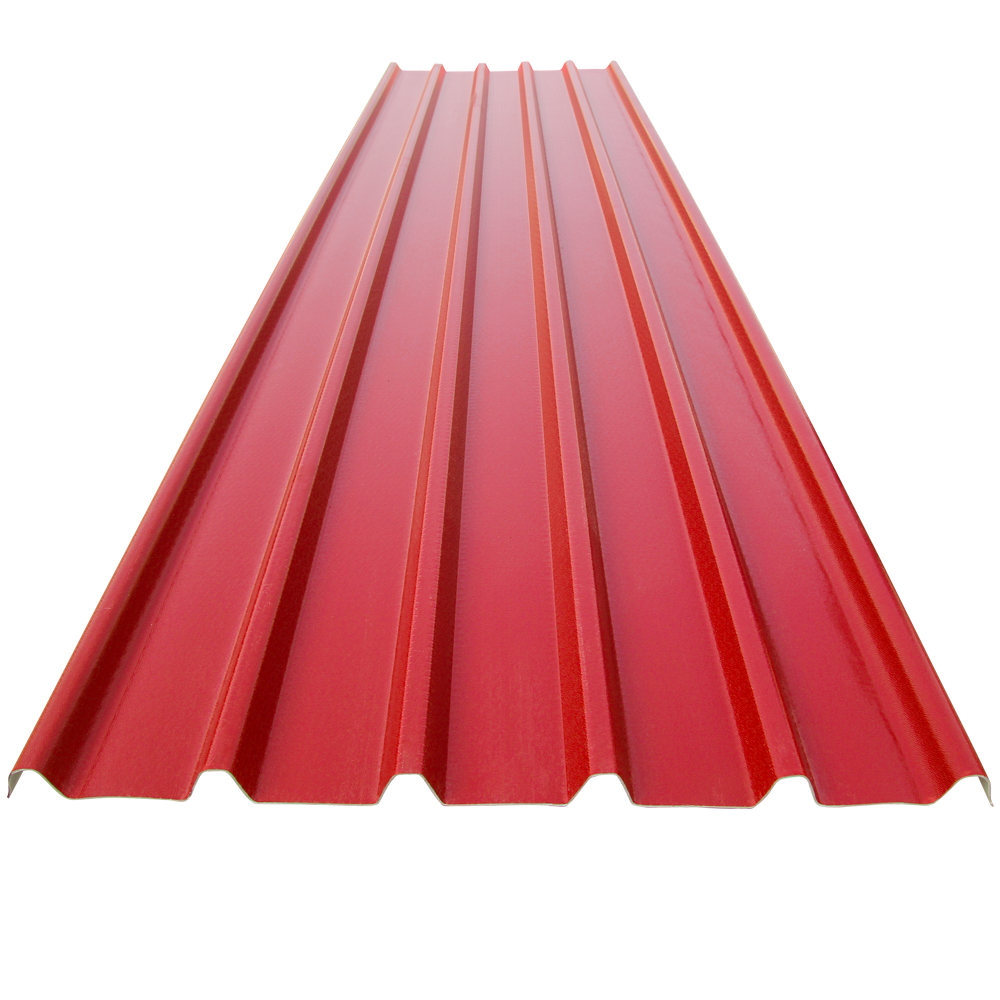
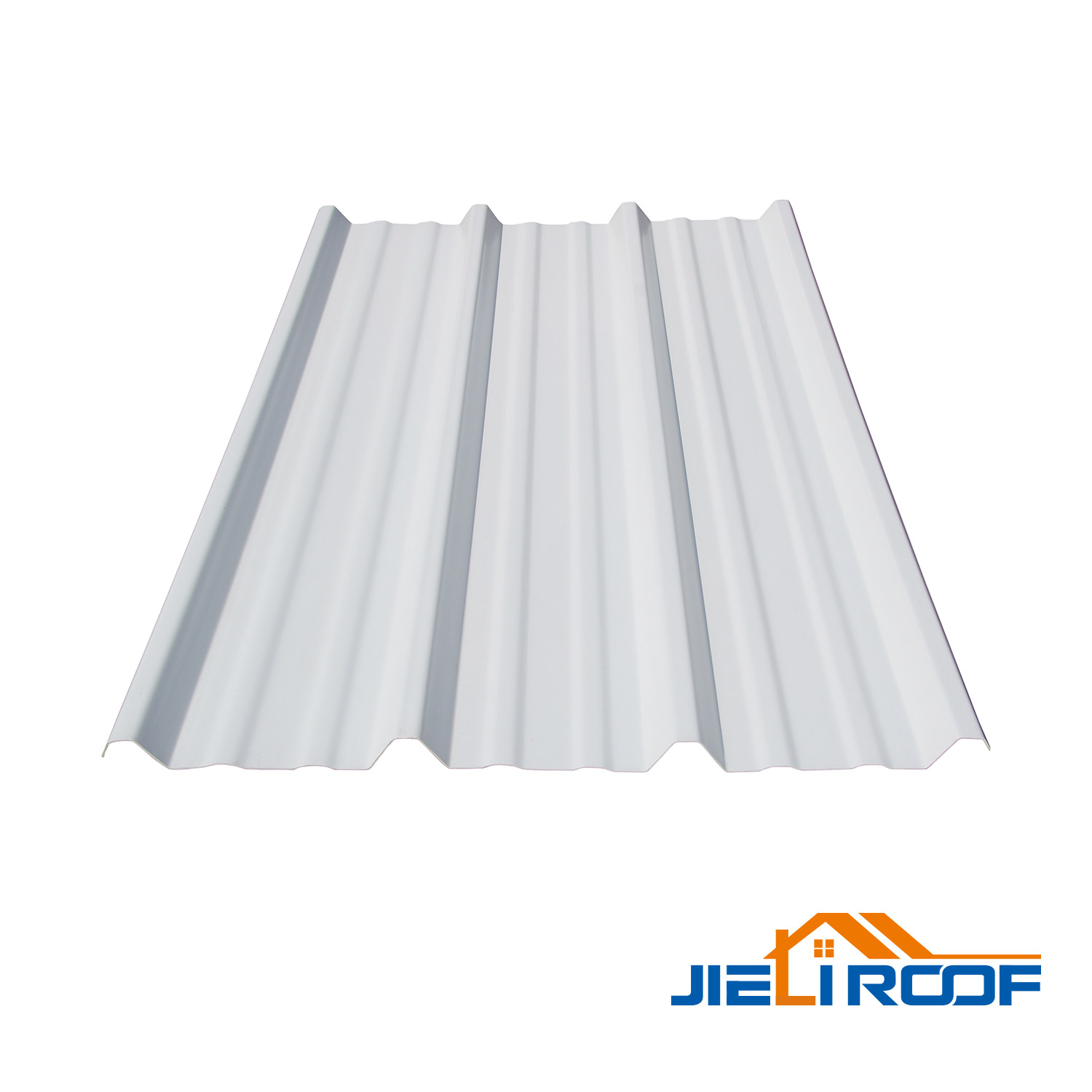
UPVC roof sheet uses PVC as its main part. The thermal conductivity of PVC is 0.325w/m.k. This is roughly 1/2000 of color steel sheet. Therefore, UPVC roof sheet provides good heat insulation.
Confusion still exists in the field about whether ASA PVC roof sheets handle modern heat needs. Some blame poor results on single bad examples with low-quality options.
Here is the truth: ASA (Acrylonitrile Styrene Acrylate) is a strong plastic known for fighting UV damage and holding color steady. When paired with PVC (Polyvinyl Chloride), it creates a layered product. This gives it firm support, resistance to chemicals, fire safety, and solid insulation.
UPVC roof sheet adds one layer of ASA on the top. ASA is a type of acrylic/resin. It fights UV rays well. And it keeps color fresh for 8~10 years.
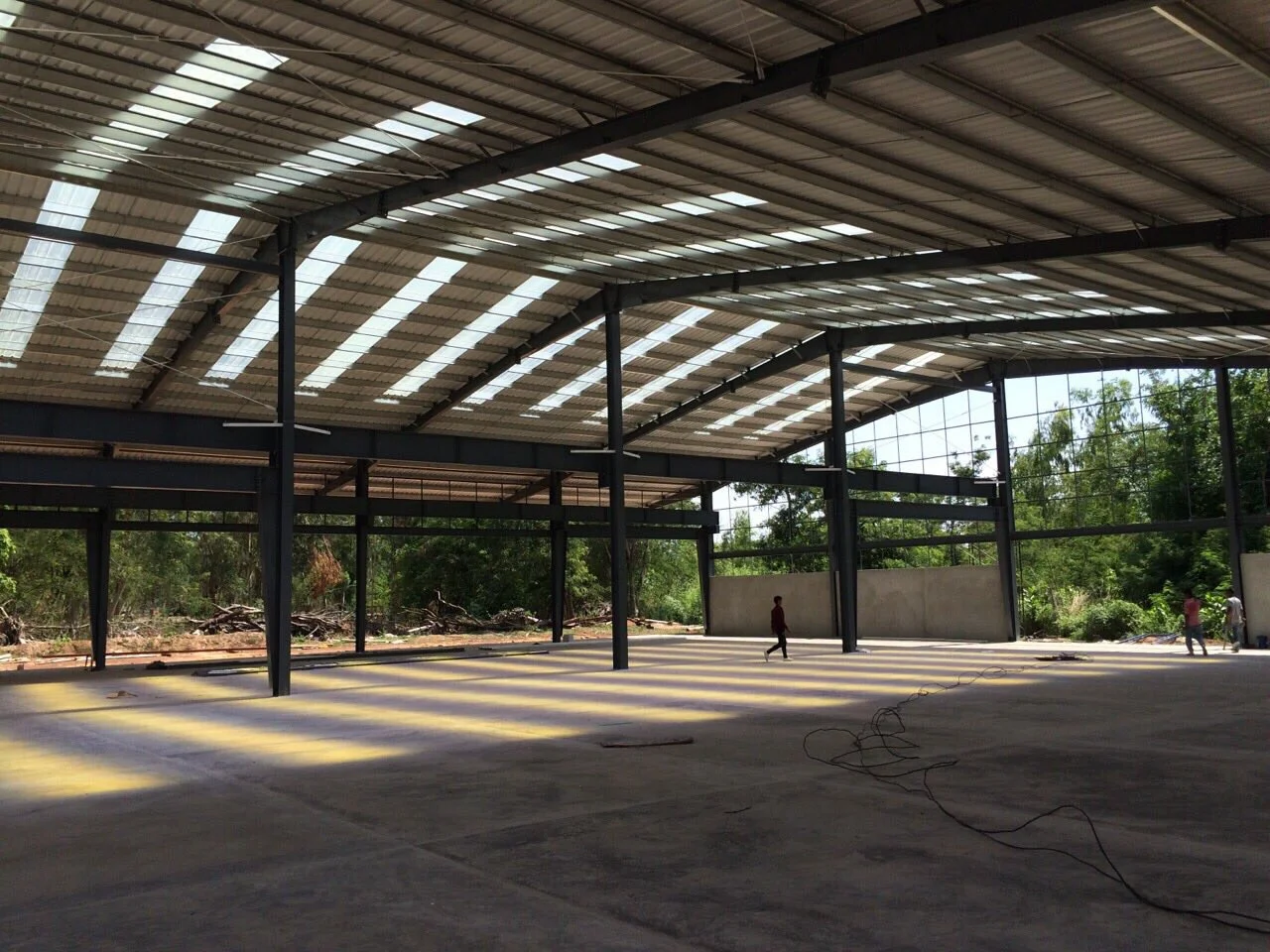
The multi-layer co-extrusion method makes sure the product stays whole even after long sun time. Unlike metal roofs that pass heat inside quickly, these sheets limit heat build-up. They also cut the need for air conditioning.
The idea that ASA PVC sheets lack heat resistance often comes from items made with weak mixes or bad making processes. Such low-grade types do not show what true ASA-PVC setups can do.
Right now, the market for UPVC roof sheet products is very competitive. Many sellers cut costs and prices to get sales. But we stick to high quality for our buyers.
Actual tests prove that approved sheets from trusted makers work well in hot places. Data from real sites beats guesses without proof.
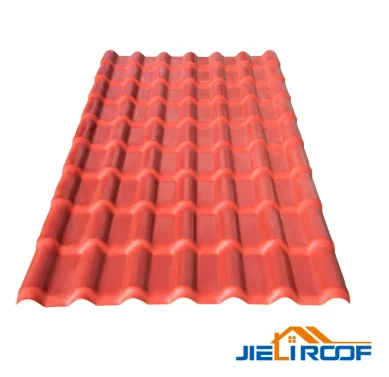
One reliable choice that has faced strict heat tests is the Royal 1040 Synthetic Resin Roof Tile. It blends smart materials with design for the best outcomes.

The Royal 1040 has a three-layer co-extrusion build with an ASA top layer. This setup gives lasting UV shield and steady color in harsh sun.
Triple-layer co-extrusion with ASA surface ensures long-term UV protection and thermal stability.
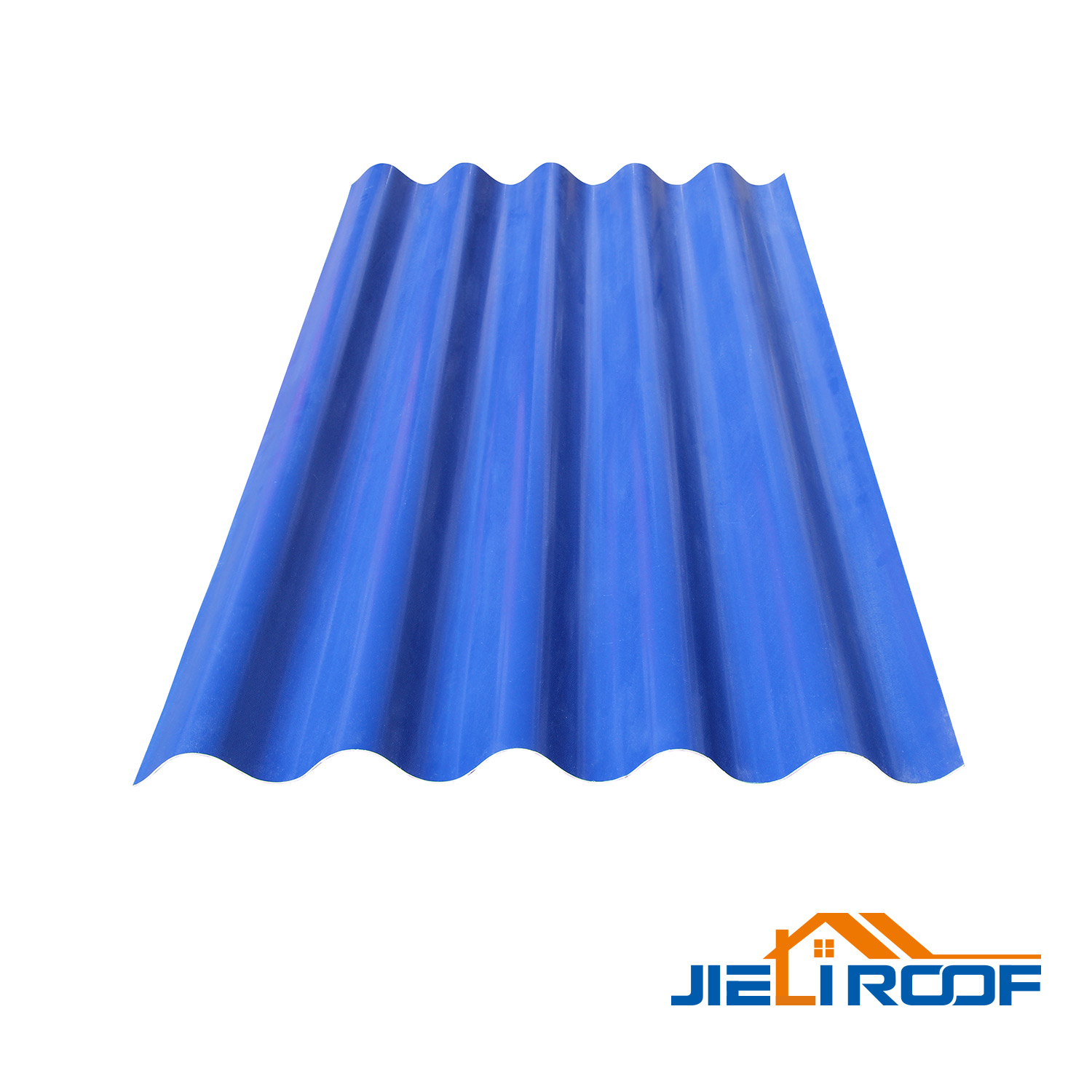
Its Spanish tile shape adds nice style. It also forms air flow paths under the roof. This natural cooling helps lower inside heat.
Even though it is light, the build keeps strong structure. It fights impacts well. And it is easy to move. This makes it great for many roof types.
Lab tests indicate that Royal 1040 holds its form and shine at steady surface heat up to 70–75°C. It avoids bending, breaking, or color loss even in strong sun.
Maintains shape, gloss, and color at sustained surface temperatures up to 70–75°C.
Thanks to its low thermal conductivity, it greatly cuts heat flow into living areas. This makes it a smart buy if you want to save energy in warm times. Plus, Jieli focuses on eco-friendly practices in production. They use processes that reduce waste and lower carbon output. This supports green building goals without adding extra costs.
Old clay tiles soak up heat more because they are full of tiny holes. Over years, they take in water. This leads to moss and weakening.
The Royal 1040 sends back more sun heat than clay tiles. Its special surface does this well. As a result, attic heat drops. Indoor feel gets better.
It takes no water or grows algae, unlike old clay. It keeps its look longer with less care. This cuts long-term fix costs. It also holds steady beauty over time. Jieli’s commitment to sustainable sourcing means they pick materials that minimize environmental harm. Their tiles help buildings last longer, reducing the need for replacements and saving resources overall.
If you design fancy homes or hotel spots, this tile fits old Mediterranean ways and new styles. The colors that resist fading give choices for local tastes.
Classic Mediterranean look suitable for villas, resorts, public buildings, and residential projects.
Choosing heat-smart tiles like Royal 1040 aids in getting green labels such as LEED or BREEAM. These focus on energy savings and low impact.
Improved insulation contributes to lower HVAC loads during peak summer months.
Better heat control boosts comfort for people inside. It also cuts harm to the planet. In line with Jieli’s eco-efforts, the tiles promote energy efficiency. This leads to less power use for cooling. Overall, it supports sustainable projects that benefit both clients and the environment.
The light weight of Royal 1040 makes moving and setting it up simpler and quicker than heavy clay or concrete tiles. Its lock-together style boosts hold against wind. It also ensures a snug match.
Lightweight design simplifies transport and handling on-site compared to ceramic tiles.
For wood frames or metal supports, this tile fits without extra changes to the build.
Suitable for both wooden trusses and steel frameworks commonly used in modern construction projects.
Jieli provides detailed guides to make setup smooth. Their support ensures projects stay on track. This reliability builds trust with business partners. By choosing these tiles, you gain durable roofs that align with green standards. Jieli’s quality checks at every step guarantee performance. This includes tests for heat and weather resistance. As a result, clients see long-term value in their investments.
A top maker backs every strong tile with dedication. Jieli, started in 1992, leads in fake roofing goods. They focus hard on new ideas and steady quality.
Jieli was founded in 1992 is one of the leading manufacturers of UPVC roof sheet in China, and Jieli has been keeping technology development and innovation.
Their lab, approved by the government, checks all steps. This goes from base items to final products. It has approvals like CNAS and UL. Jieli emphasizes environmental protection in their operations. They recycle water in production and use energy-saving machines. This cuts pollution and supports cleaner manufacturing. Clients benefit from tiles that not only perform well but also fit eco-friendly building trends.
Jieli gives custom advice based on local weather or design likes. Their group helps from start to end. This covers planning talks to fix issues after setup. Every part of your work goes well.
We will also supply Installation manual, warranty letter to the customers For any customer’s problems, we will do our best to supply the solution.
This full service shows Jieli’s care for partners. They offer warranties that cover years of use. In hot areas, this means peace of mind. Jieli’s experience since 1992 brings proven solutions. Their innovations keep products ahead in heat resistance and green features. Businesses choose them for reliable, earth-friendly options that last.
Q: Can ASA PVC roof sheets be used in hot climates?
A: Yes. When properly formulated with high-quality ASA layers, these sheets resist deformation up to 75°C surface temperatures and offer long-term UV protection.
Q: How long does the color of Royal 1040 stay vibrant?
A: The ASA surface layer protects color integrity for 8–10 years without significant fading under UV exposure.
Q: Is Royal 1040 suitable for projects requiring green certification?
A: Absolutely. Its thermal insulation properties contribute to lower HVAC usage and support energy efficiency goals aligned with LEED or BREEAM standards.



 +86 0535 6278701 / +86 15653505862