

As heat-proof and green UPVC covers gain traction in Europe, builders seek sturdy picks. Soon, choices will highlight tough gear. Issues arise from hot spells and strict rules. However, experts tackle them. They rely on reliable makers. A key player is Jieli. This group crafts sheets that suit varied demands. Their products deliver strength and savings. Teams count on them for solid results in big jobs.
In many parts of Europe, industrial building projects are facing big changes. People now focus more on running things smoothly while also caring for the environment. This balance has become very important. As a result, roofs for factories and warehouses are not just basic covers anymore. Instead, they play a key role in plans to save energy. Tough rules from the EU push companies to cut down on carbon emissions. So, builders seek out roofing options for industrial sites that handle rough weather well. At the same time, these options help meet green targets.
This new way of thinking also comes from money matters. Strong, reliable roofing cuts down on fixes and power bills over the years. For those who manage buildings or plan new ones, spending more at the start on better roofs makes good sense. It boosts returns in the long run.
Summers in Europe keep getting warmer on average. This trend boosts the need for roofing that fights off heat inside buildings. Factories and storage areas with wide roofs suffer most from this problem. Overheating raises the cost of cooling systems. It also affects how comfortable workers feel and how well machines run.
Awareness of the environment adds even more push. Designers and buyers face strong demands to pick safe, reusable materials. These must follow EU rules on being green. Thus, roofing that works well against heat and meets eco standards tops the list. This is true for areas like making goods, storing items, and moving supplies.
Unplasticized polyvinyl chloride, or UPVC, has become a top pick for roofs in factories. It stands out for its tough build and simple setup. PVC roof sheet, UPVC roof sheet, ASA UPVC roof sheet, and ASA synthetic resin roof tile mainly use PVC. This material offers good protection from heat and noise. It does not rust and resists damage from chemicals. Metal sheets often get rusty with time. They need fresh paint now and then. But UPVC sheets hold up well against sun rays and harsh chemicals. These traits suit places near the sea or spots with lots of chemicals.
UPVC is light in weight too. This lowers the weight on the building frame. It makes putting it up easier and speeds up the whole job. Next to metal choices, UPVC roofs stay quieter. That helps in spots with lots of rain or strong winds.
When it comes to being kind to the planet, UPVC really shines. UPVC roof sheet is 100% recyclable. It has a small effect on the environment when made. This fits well with awards for green buildings. Plus, it has no asbestos or heavy metals. That matches strict safety rules in Europe.
How well it handles heat is a big plus. The thermal conductivity of PVC material is 0.325w/m.k. This is about 1/2000 of color steel sheet. So, it keeps less heat from getting inside during hot weather. In turn, this saves on energy use.
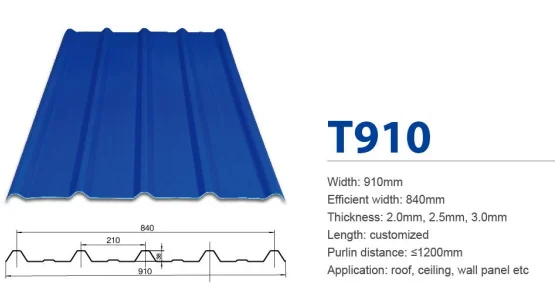
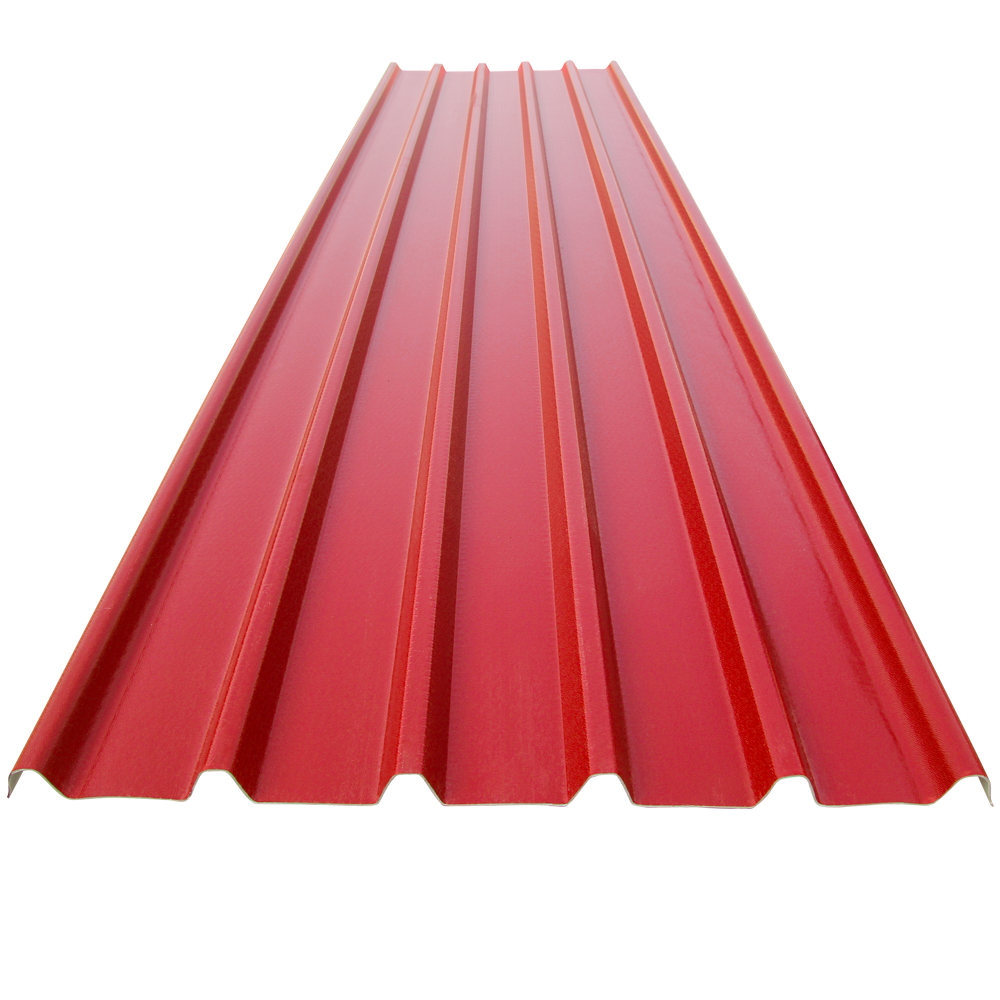
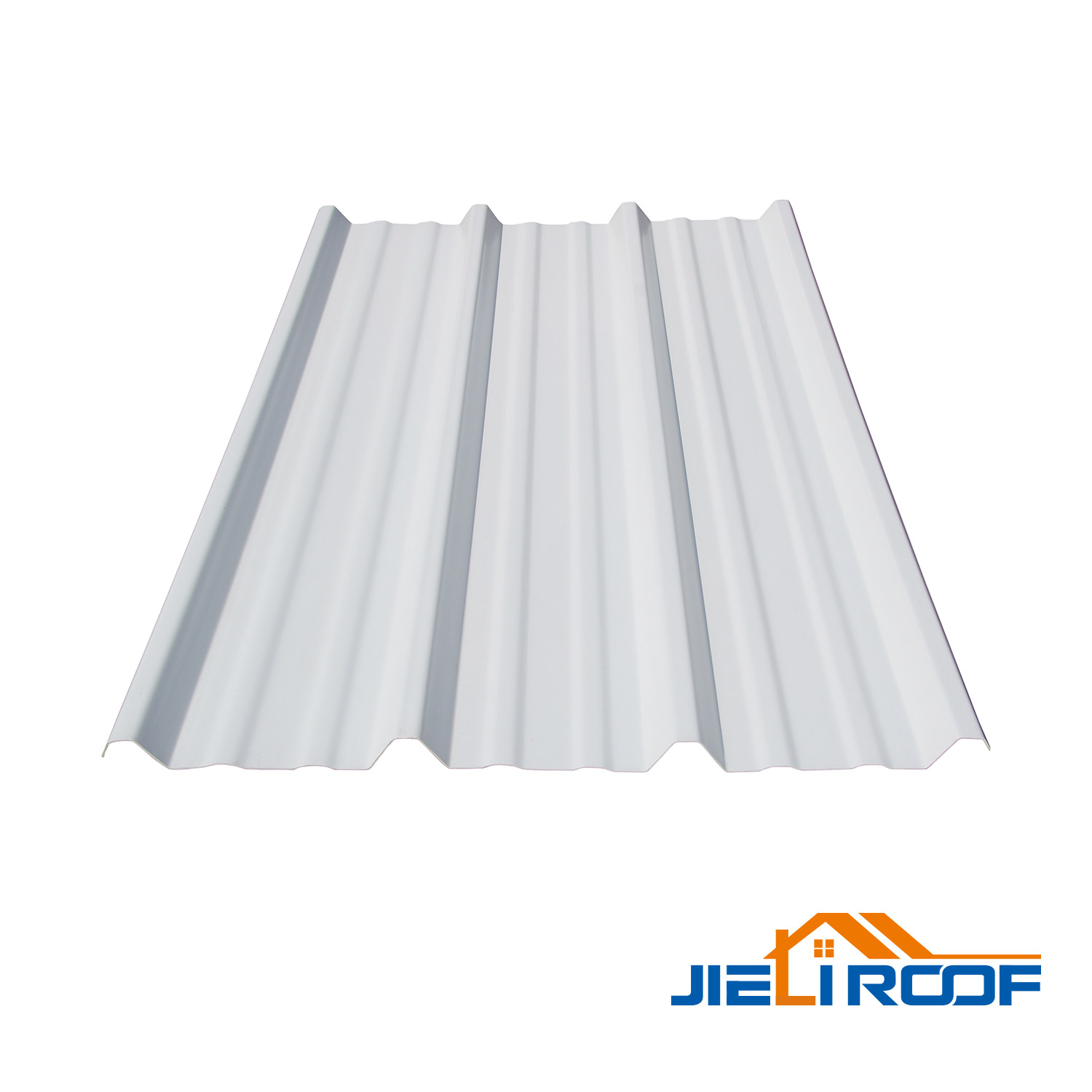
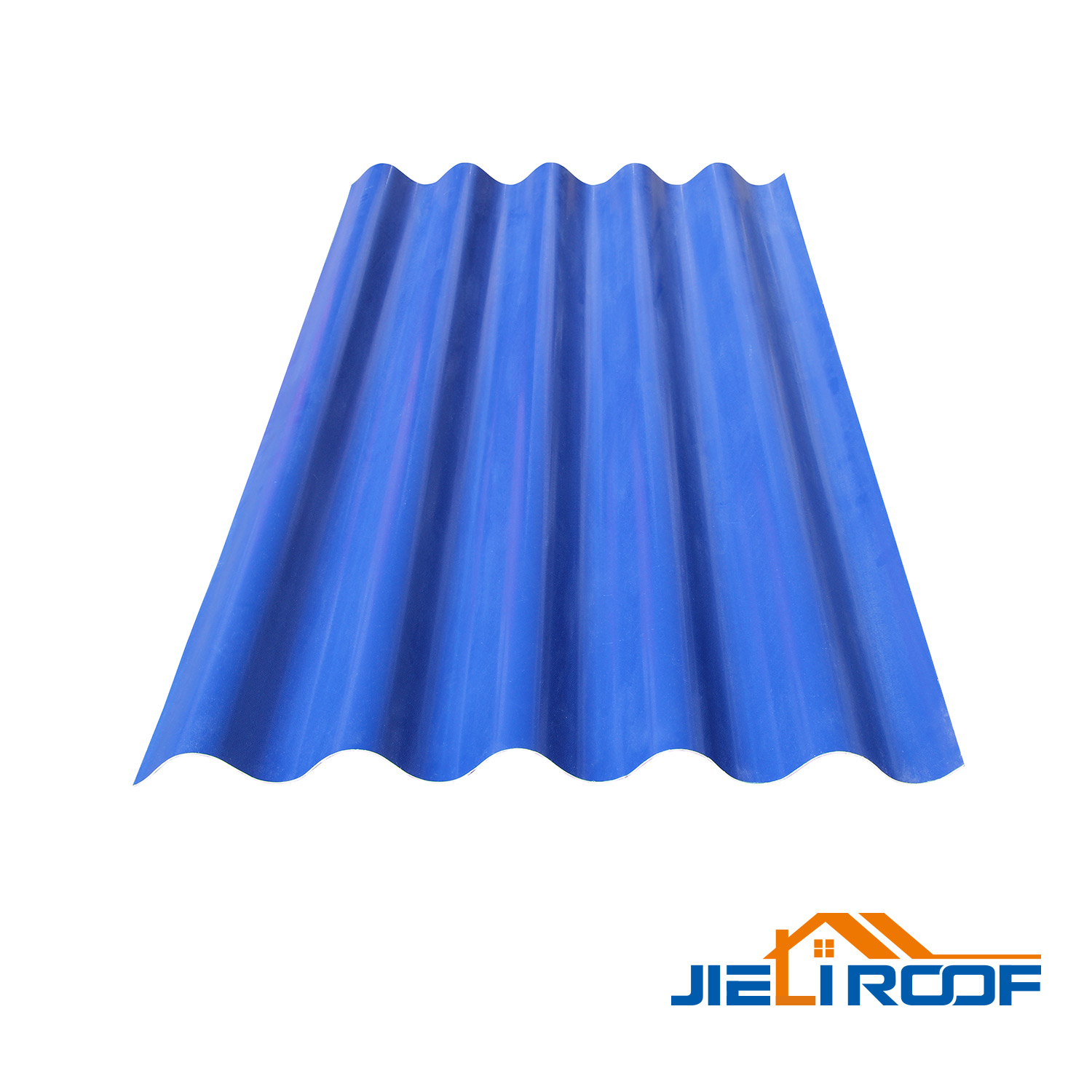
The T910 roofing sheet is built with a focus on keeping heat out and staying strong. It uses a setup with several layers made together. The top layer is ASA for fighting UV damage. The middle part insulates and cuts down on noise. The bottom layer helps with even strength.
UPVC roof sheet adds one layer of ASA on the surface. ASA is a type of acrylic or resin. It resists UV well and keeps colors bright for 8 to 10 years. This smart layering means the roof lasts long. It performs reliably in Europe’s different weather patterns.
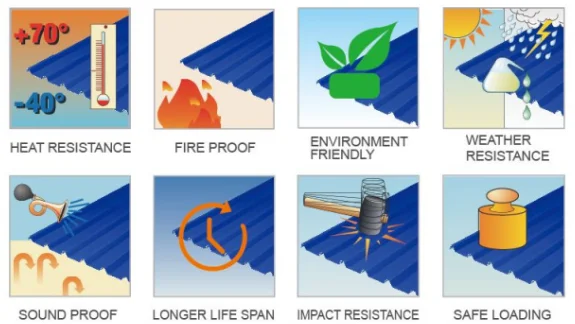
The T910 brings clear gains in controlling heat. In areas with lots of sun, it can lower inside temperatures by up to 10°C. This reduces the work for air conditioning. It also makes the space nicer for people working there. Its ability to resist chemicals fits factories with acids, bases, or damp air.
One more strong point is that it needs very little care. Metal sheets often corrode or lose color. They require ongoing work. But this product keeps its look and works well with almost no fixes.
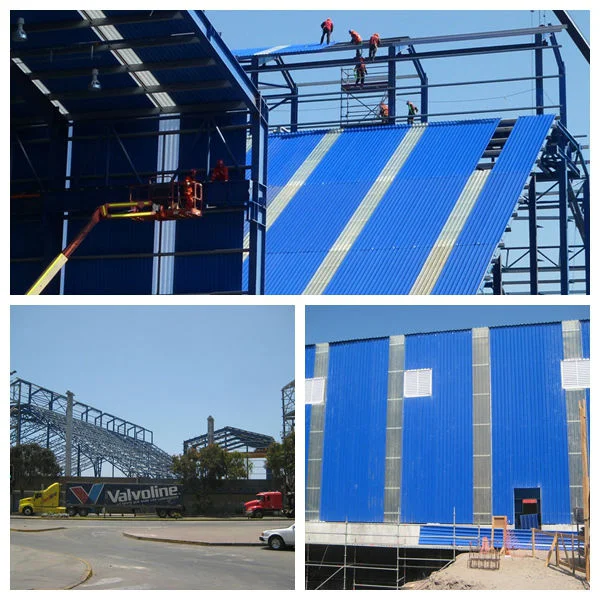
The T910 works best in certain places, such as:
Chemical processing plants where airborne pollutants demand corrosion-proof solutions
Coastal logistics centers where saline exposure accelerates material degradation
Warehouses requiring noise control from rain or machinery operations
Its flexibility allows use in fresh constructions or updates to old ones.
The T1088 model improves on the T910. It has a four-layer build with extra strength in the middle. This setup boosts firmness and how much weight it can hold. It suits areas with snow buildup or wide spaces between supports.
The ASA layer on top gives great protection from UV fading. UPVC roof sheet has ASA film on surface. ASA is a kind of acrylic. It resists UV and can protect the color lasting for 8 to 10 years. This keeps the roof looking good for years. No need for regular painting or fixes to the outside.
The T1088 is made to cover bigger areas without bending. It fits modern, large factory roofs. Its rating for stopping fire meets European Class B1 standards. This is key for places like food handling or public buildings that follow strict rules.
The T1088 shows its worth in up-to-date factory designs:
Energy-efficient distribution hubs prioritizing low heat gain through roofing
Green-certified industrial parks seeking materials with proven longevity and compliance
Snow-prone regions where added load capacity is vital to structural integrity
Deciding between T910 and T1088 comes down to what the job needs:
T910 does better in warm areas or buildings hit hard by sun. Its core for insulation works just right there.
T1088’s stronger build fits jobs that need extra power. Think long roofs or spots with heavy snow.
When the roof shows up in views and needs to match a brand or design, T1088 holds color better over time.
Jieli provides more than raw materials. It gives custom help for different kinds of projects. Our technical team can assist in calculating the required quantities and lengths based on your project drawings. Buyers can ask for sizes that fit, colors to match, and parts that blend in. This works for various weather types in Europe.
To expand on this, Jieli’s team takes time to understand each client’s setup. They review plans and suggest tweaks. For instance, in windy coastal spots, they might recommend added clips for security. This hands-on approach ensures the roofing fits perfectly. It avoids common pitfalls like mismatched lengths. Clients often find that these tailored options save time and cut waste. Overall, the support builds trust and leads to smoother project rollouts.
Founded in 1992, Jieli has grown into one of China’s leading manufacturers of UPVC roof sheets with global reach across Europe, South America, Africa, and the Middle East. Jieli was founded in 1992, mainly produce building material products is one of the leading manufacturers of UPVC roof sheet in China. With government-authorized testing labs and multiple patented technologies including fiber-reinforced UPVC sheets, it remains at the forefront of roofing innovation.
Over the years, Jieli has built a strong name by focusing on quality. The company started small but expanded quickly. Today, it serves many markets with reliable products. The labs ensure every batch meets high marks. Patents like the fiber ones add unique strength. This keeps Jieli ahead in a busy field. Clients value this steady push for better tech.
You can start working together by reaching out on their main website. Or, link up with approved sellers in Europe. Their advice on tech helps designers and builders. It covers fitting UPVC into specific plans.
For consultations, the process is straightforward. A quick form on the site connects you to experts. They respond fast with ideas. This service often uncovers ways to improve designs. It also answers questions on fit for local rules. In short, it’s an easy way to get solid guidance early on.
Jieli sets up flexible deals for sellers or those making their own brands in big builds. Full checks from start materials to loading ships guarantee steady quality in every load.
These partnerships suit various scales. Distributors get volume pricing and marketing aid. OEM clients can tweak products for their lines. Jieli handles the tough parts like testing. This lets partners focus on sales. Many find it boosts their offerings without big risks. The end result is stronger ties and shared growth.
Q: How does UPVC roofing perform under intense sunlight compared to metal sheets?
A: UPVC roofing materials have low thermal conductivity (0.325w/m.k), reducing indoor temperature rise significantly more than metal sheets that transfer heat rapidly.
Q: Can these roofing sheets be used in high corrosion environments like coastal areas?
A: Yes. The sheets are rust-free and highly resistant to acid, alkaline, and salt corrosion—ideal for coastal applications.
Q: What fire safety classification do these roofing sheets meet?
A: The products meet Class B1 fire safety standards in Europe—they are hard to ignite and self-extinguishing.



 +86 0535 6278701 / +86 15653505862