

The year is 2026, and the roof has turned into the main part of a building’s heat cover. Energy costs for cooling places are going up, so builders and putters-in now focus on real power control. This move to better fake materials needs a team with real skill. As a top in the field, Jieli has 22 making lines, which keep making steadily and shipping on time. Our send of 220 boxes for a Venezuelan government home job shows we can deal with big needs well, and that kind of sure is key for selling buyers now.
To appreciate why modern materials are replacing steel, we must delve into the physics of thermal conductivity. In the context of a warehouse or factory, the roof acts as the primary interface between solar radiation and the interior climate. Traditional color steel sheets, which dominated the market for decades, possess high thermal conductivity. They effectively act as a radiator, absorbing solar energy and transferring it almost instantly into the building below. This creates a “heat island” effect inside the structure, forcing HVAC systems to run at maximum capacity to maintain livable temperatures.
In contrast, our advanced UPVC (Unplasticized Polyvinyl Chloride) solutions function as a thermal break. The thermal conductivity of our PVC material is 0.325w/m.k. To put that in perspective, this is approximately 1/2000th the conductivity of standard color steel sheets. By installing Wholesale UPVC roof panels, you are not just covering a building; you are wrapping it in a thermal blanket.
The operational impact of this difference is profound. In an uninsulated industrial workspace, switching from metal to our UPVC solution can lower indoor temperatures significantly during peak summer heat. This is not just a matter of comfort; it is a matter of financial survival. Reduced internal temperatures correlate directly to lower electricity bills for air conditioning and refrigeration. In 2026, when energy efficiency credits and carbon footprint reductions are key metrics for business valuation, this passive energy saving is a decisive competitive advantage.
A roof’s ability to save energy is inextricably linked to its structural integrity. A material that warps, cracks, or degrades allows air leakage, which destroys the building’s controlled climate. To combat this, we advocate for advanced composite structures that are engineered specifically for resilience.
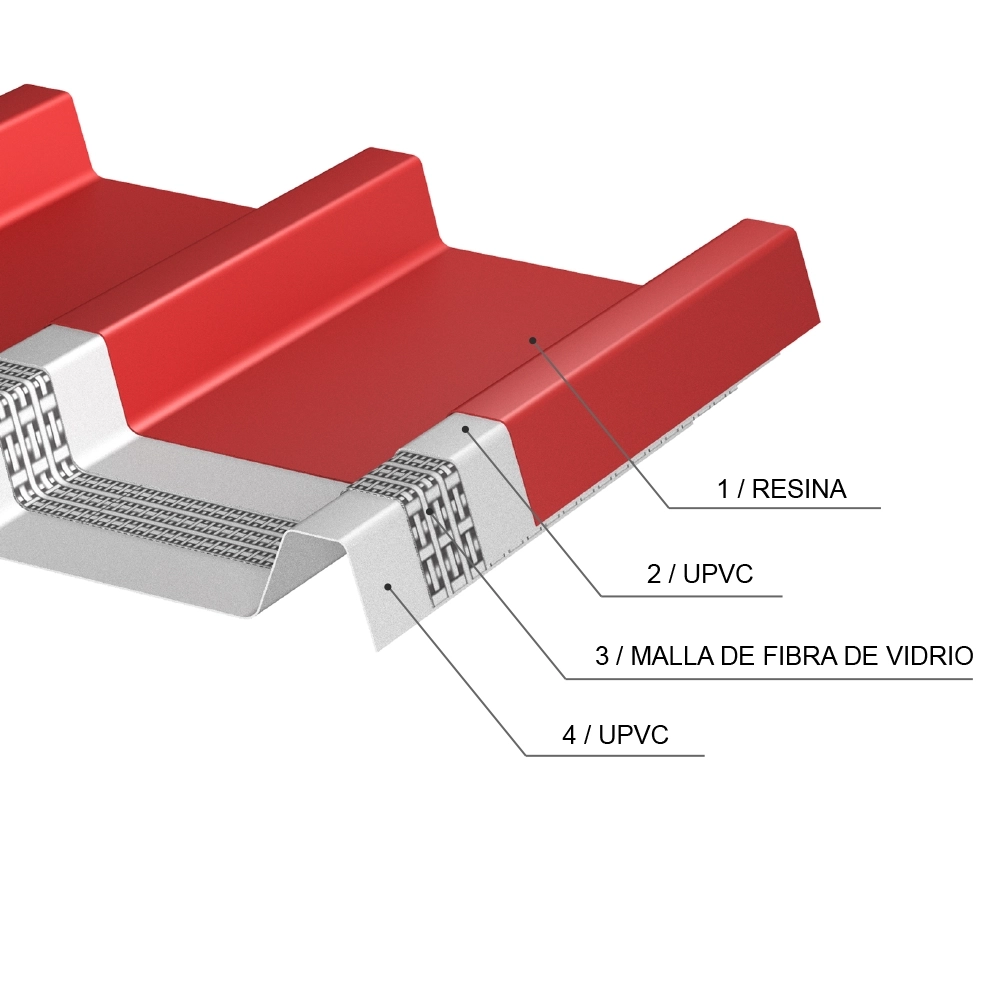
Our approach utilizes a specific Structural Composition: Triple-Layer Co-extrusion Technology+Fiberglass Layer. This is not a simple plastic sheet; it is a sophisticated composite designed to perform multiple functions simultaneously. These sheets have four useful layers built in:
The top layer gets treated with ASA to fight UV harm and keep bright colors. This layer is crucial because a roof that maintains its light, reflective color will absorb less heat over time compared to a faded or darkened surface.
The second layer is UPVC, which offers outstanding strength, impact resistance, heat insulation, and sound insulation performance. This core layer provides the primary thermal barrier described above.
The third layer is a Fiberglass reinforcing layer, which enhances high-temperature resistance, strength, impact resistance, tensile resistance, and load-bearing performance.
The bottom layer is UPVC, which is corrosion-resistant, moisture-proof, and enhances structural stability.
This multi-layered approach ensures that the roof remains airtight and structurally sound for decades, preventing the energy loss associated with aging building materials that develop gaps or lose their insulative properties.
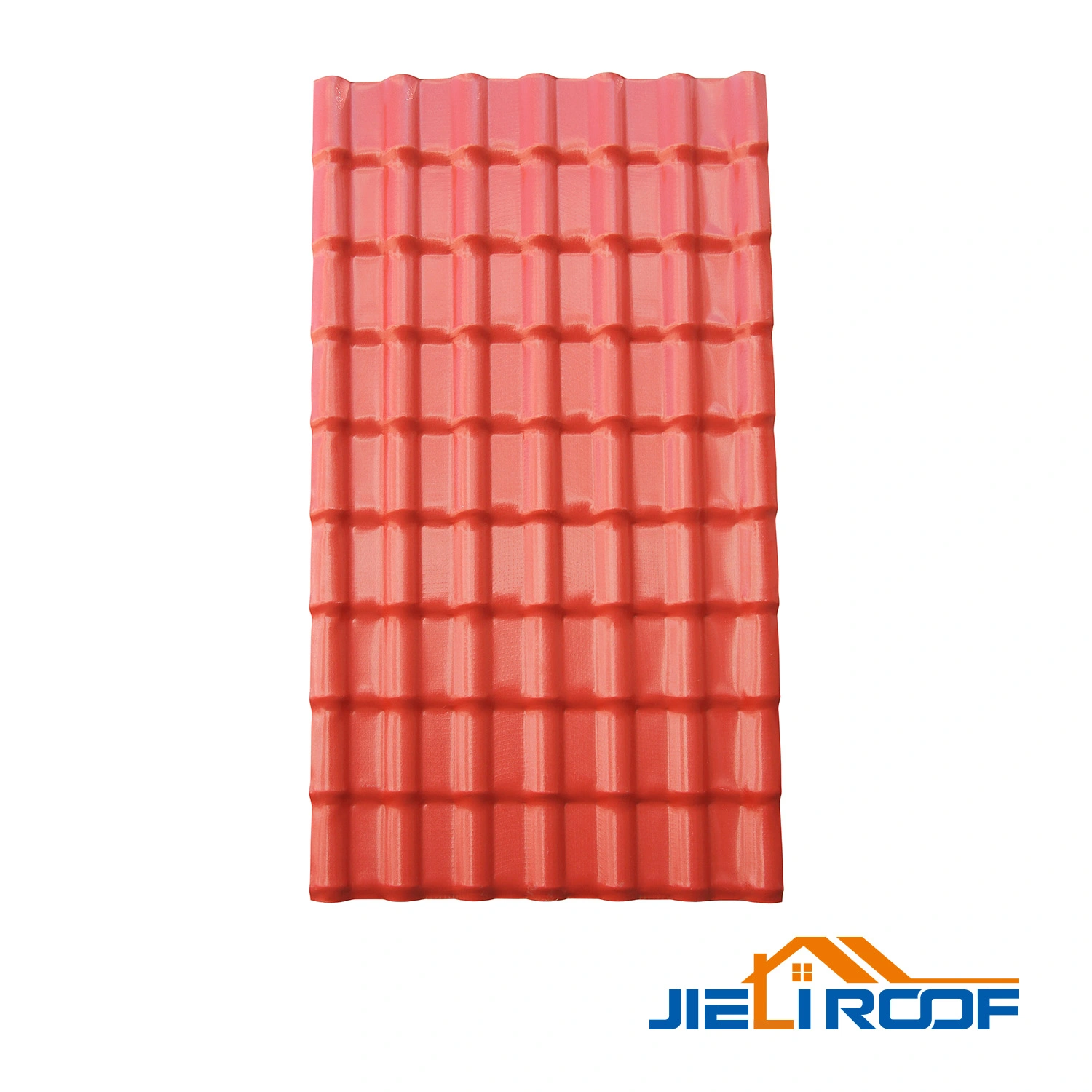
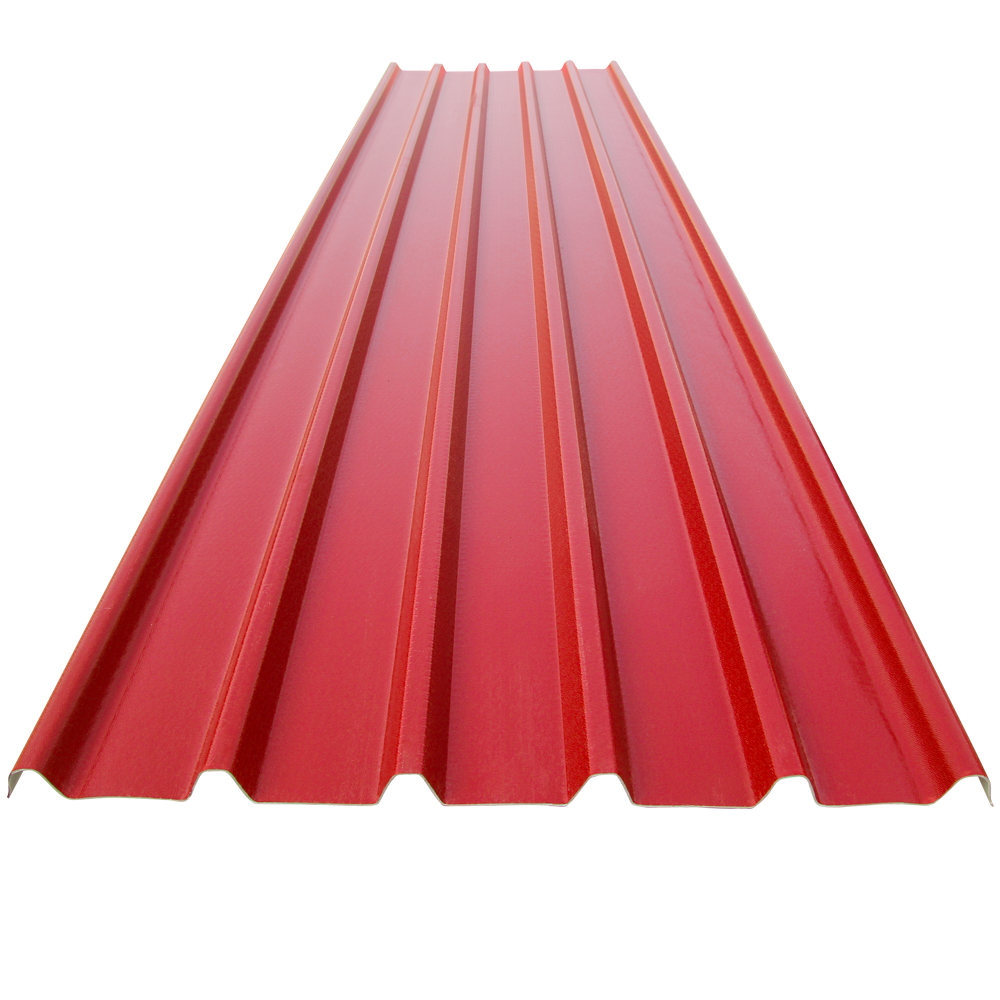
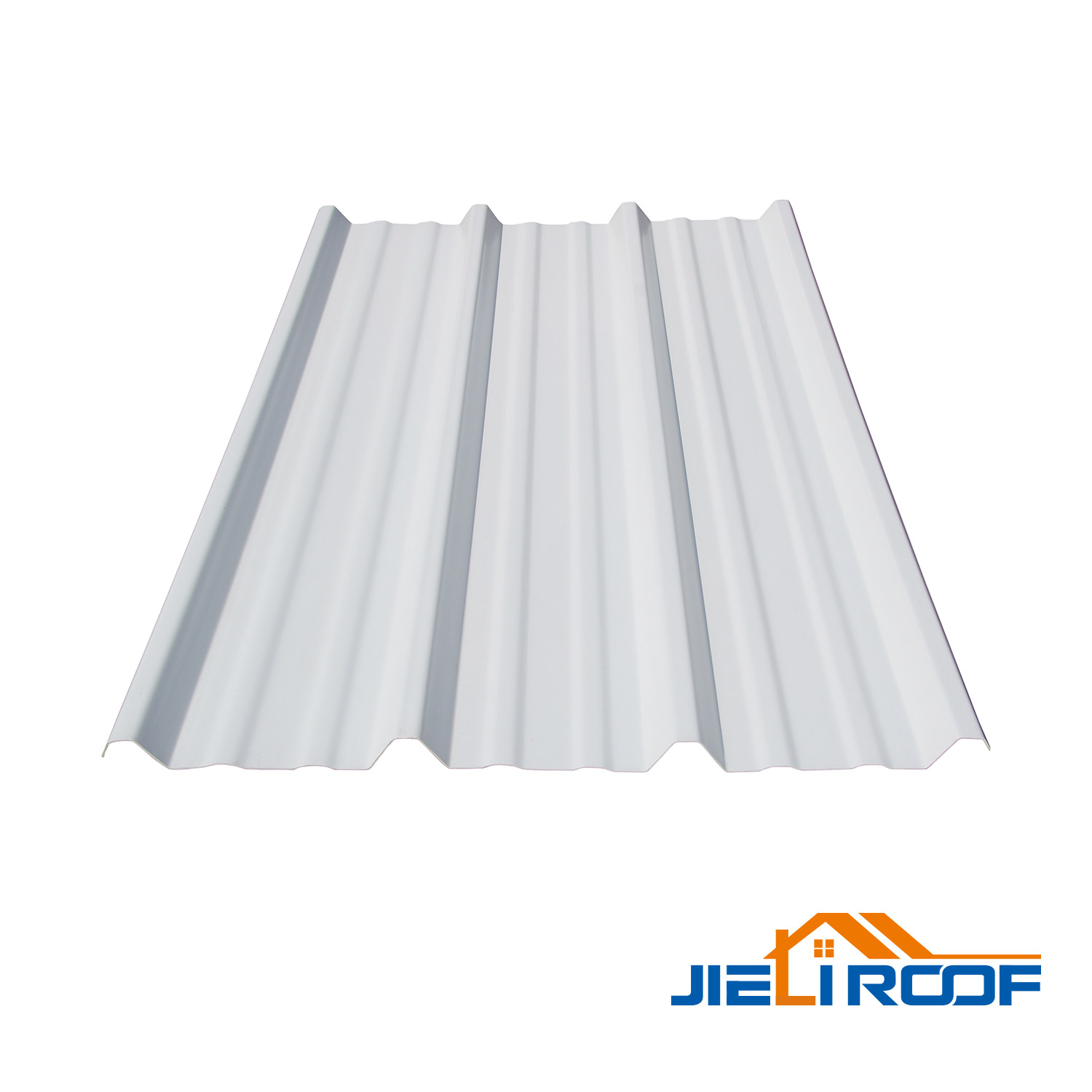
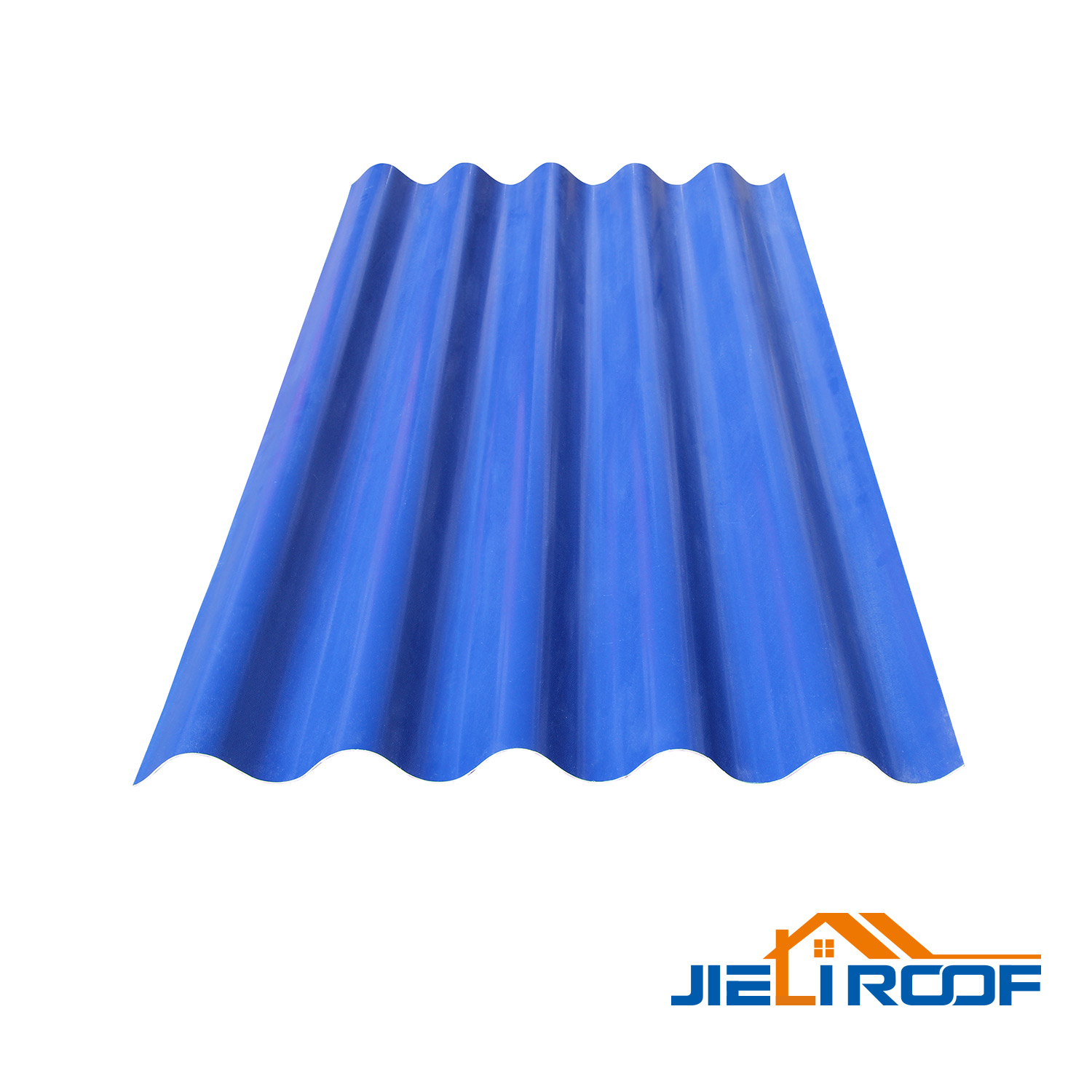
When we discuss solutions that embody these high-performance characteristics, the Glass Fiber Reinforced Roofing Sheet Royal 1040 stands out as a benchmark in the industry. This product represents the culmination of UPVC roof sheet supply technology.
The distinct advantage of this sheet lies in its “soft steel” reinforcement—a high-quality glass fiber mesh integrated directly into the resin matrix. This patented technology addresses the thermal expansion and contraction issues that historically plagued plastic roofing. By stabilizing the sheet internally, we ensure that the joints remain tight and waterproof even when the material is subjected to the rapid temperature fluctuations common in continental climates.
It is because of this fiberglass reinforcement that the tensile strength of the sheet is 30% greater than that of normal synthetic tiles used. This tensile strength allows for an extension of up to 20% of the purlin spacing. This is a double advantage for the contractor, as it not only cuts down on the expense of the steel substructure, but it also limits the amount of thermal bridges, or steel purlins, which can transfer heat into the building. Moreover, with an efficient width of 960mm, with a total width of 1040mm, it allows for maximum coverage with fewer overlaps, as well as fewer seams, which equates to fewer areas where air infiltration can occur, securing the building’s envelope.
A power-saving roof only counts if it keeps its work over long runs. We have built our glass-fiber-strong UPVC sheets to take temperatures from -40°C to 80°C at work. If put in cold North Europe winters or hot line work areas, the material keeps its body steady and keep traits.
A big foe of power saving in old roofs is rust. A rusted steel roof is not just ugly; it is a broken heat cover. Rust spots let air through, wet enters, and full loss of weather control. Our goods fight rust by nature. They do not rust, do not lose shine, and stand against acid rain, bases, and salt mist.
This chem hold leads to a running life up to 3~5 times that of old color steel tiles. A steel roof may need to be fixed, painted, or swapped every few years in rust spots, but our fix needs no care. We stand by this with a full 10-year hold. This sure lets place owners count their back on put (ROI) just right. Add the power savings over ten years plus no fix costs, and the money case for strong UPVC is hard to beat.
Energy efficiency also encompasses the human energy and resources expended during construction. We have designed our roofing systems to be incredibly contractor-friendly. The sheets are lightweight yet robust, making them safer and easier to handle than heavy ceramic or metal alternatives.
Contractors appreciate that these sheets do not require complex, proprietary tools. The installation process follows a standard overlap-and-screw method, but the result is a professional, high-performance finish. Crucially, we do not use cheap fillers. Unlike some competitors who use a “white foam” core that compromises strength, our core is solid UPVC. This ensures that fasteners grip tighter and hold longer against wind uplift.
For large-scale projects, we go a step further. Our technical team can assist by calculating the exact quantity and length of sheets needed based on your specific project drawings. This precision reduces material waste—another crucial aspect of modern sustainable building practices—and ensures that you order exactly what is required, no more, no less.
As we navigate the requirements of 2026, sustainability is no longer optional. The UPVC roofing sheets manufacturer you choose acts as a partner in your environmental strategy. By significantly reducing the cooling load of buildings, our roofing sheets help lower the overall carbon footprint of industrial operations. Less energy consumed by HVAC systems means fewer carbon emissions from power plants.
The combination of high-tech materials—ASA for weather resistance, UPVC for insulation, and fiberglass for strength—creates a product that is waterproof, fireproof, hail-proof, and condensation-free. It is a comprehensive shield that protects your assets while actively lowering your operational costs.
We invite you to experience the quality difference yourself. We know that in the construction industry, seeing is believing. That is why we offer free samples for you to test. You can inspect the distinct layers, test the resilience of the fiberglass mesh, and see the vibrancy of the ASA coating firsthand.
Our team is ready to support your next project, from the initial quantity calculations to the final delivery logistics. If you are looking to upgrade your facility’s energy performance and secure a roof that will last for decades, contact us to discuss how our solutions can be tailored to your specific needs.
Q: Can UPVC roof sheets really reduce the noise of rain compared to metal roofs?
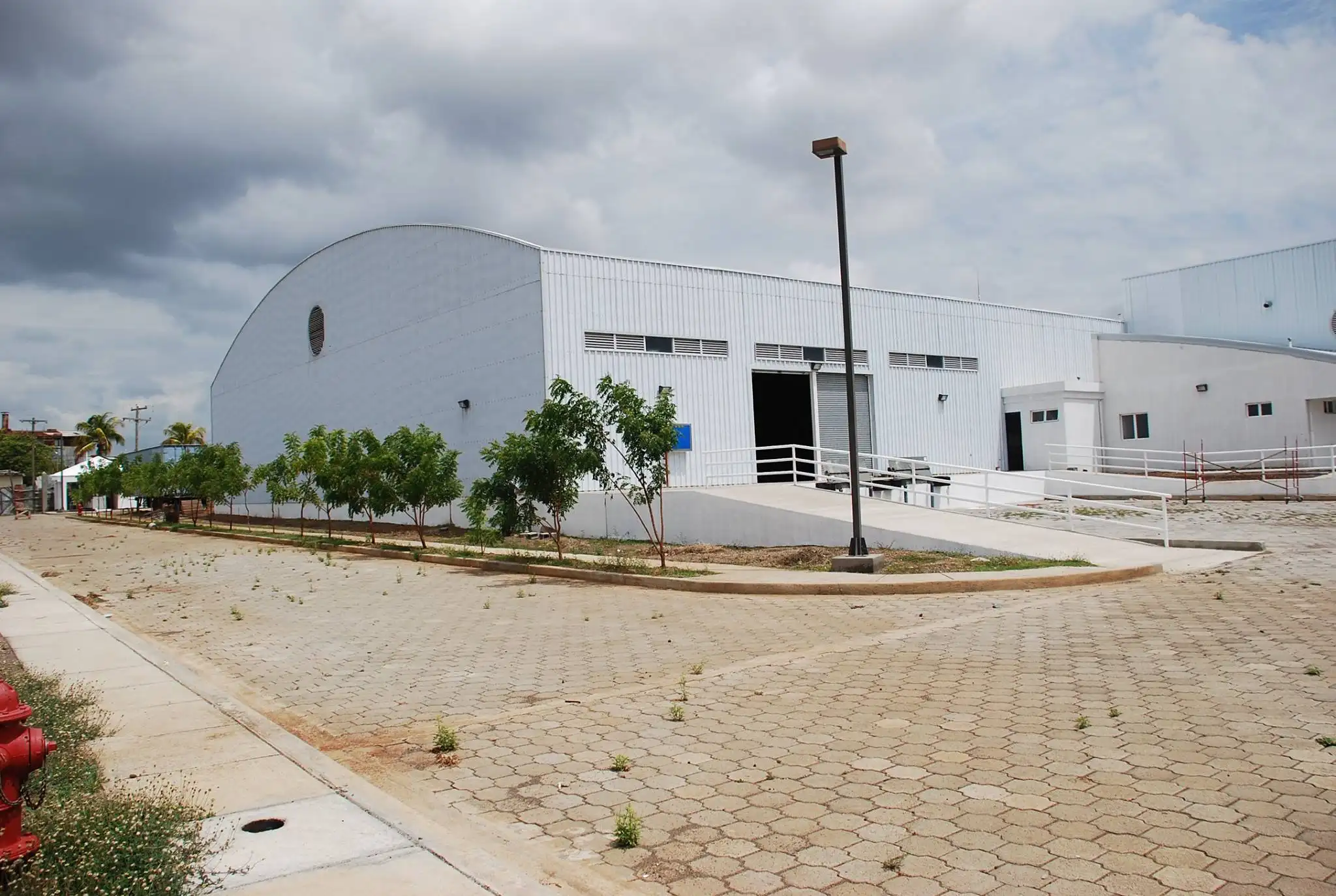
A: Yes, absolutely. The multi-layer structure of our sheets, particularly the UPVC core, acts as a highly effective sound dampener. While metal roofs can amplify the sound of rain and hail, creating a deafening environment inside, our products can reduce noise by 25 to 30 decibels. This creates a much quieter, more productive environment for personnel working below. In busy plants, this cut in sound helps teams focus better and meets rules on work noise in many places.
Q: Are these sheets suitable for chemical plants or coastal areas where there is high salt content?
A: They are the ideal choice for such harsh environments. Steel has to be coated with expensive, often temporary coatings to be chemically resistant to rust. Our UPVC and ASA materials, on the other hand, are chemically resistant as a matter of course. They are completely immune to salt spray, acids, or alkalis. In fact, they are the standard solution for coastal-area warehouses, chemical plants, and livestock farming operations where corrosive gases are a problem. The built-in fight against chemicals means there is no need to apply any additional coatings or fixes.
Q: How does the fiberglass reinforcement help the installation process?
A: The fiberglass mesh, or what is sometimes called “soft steel,” adds a great deal of rigidity and tensile strength to the sheet. This allows the contractor to space the purlins, or support beams, farther apart during the installation process. Increasing the purlin spacing not only reduces the overall cost of the steel structure but also makes the installation faster, as there are fewer parts to align and fasten. For a large roof, this translates into faster and cheaper installation without sacrificing strength.
How Do UPVC Roof Sheets Transform Building Energy Efficiency in 2026?



 +86 0535 6278701 / +86 15653505862