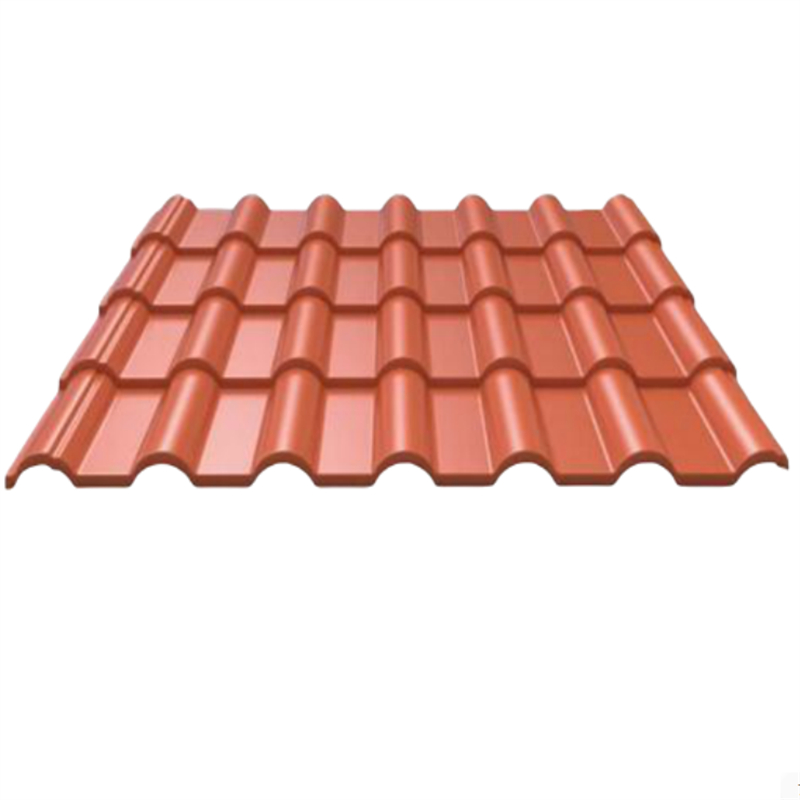

When you pick roofing materials for hot climates, heat resistance becomes absolutely essential. You need something that keeps indoor spaces comfortable while handling intense sun exposure. Traditional options often fall short in these demanding conditions. Metal roofs transfer heat quickly, making interiors uncomfortably warm. Other materials might crack or degrade under constant thermal stress. This is where modern solutions make a significant difference.
UPVC roof sheets stand out for their exceptional thermal performance. They effectively block heat transfer, maintaining cooler indoor temperatures naturally. The secret lies in their unique material composition and smart design features. These sheets incorporate special layers that reflect solar radiation while providing excellent insulation. What’s more, they maintain their structural integrity even after years of sun exposure.
Companies like Jieli have perfected UPVC roofing technology through decades of research and development. Their products combine advanced material science with practical design innovations. The result is roofing that not only resists heat but also lasts for years with minimal maintenance. For anyone planning construction in warm regions, these sheets offer a reliable solution that balances performance with cost-effectiveness. They represent the future of intelligent roofing design for hot climate applications.
The way a roofing material handles thermal stress depends a lot on its thermal conductivity. This is how well a material can move heat. A low value means the material blocks outside temperature changes better. For roofs, this leads to less heat moving from the top surface into the rooms below. As a result, the inside stays cooler. People also use less energy for cooling.
The makeup of the material matters just as much. Common choices like metal carry heat quickly because of their high thermal conductivity. They soak up heat fast and pass it inside. This makes rooms too warm without extra insulation, which costs a lot. Other options, such as asbestos and fiber cement, offer some blocking of heat. However, they bring health risks or weaken over time. UPVC roofing sheet uses PVC as its main part. The thermal conductivity of PVC is 0.325w/m.k. This is roughly 1/2000 of color steel sheet. So, UPVC does much better than metal at stopping heat from spreading.
Surface treatments also help a great deal. For example, coatings that resist UV light bounce back solar rays. Metal sheets often use paint that loses its shine and breaks down from UV rays. But UPVC with ASA coating keeps its ability to reflect light and looks good for a longer time.
In areas with strong sunlight, the roofing choice must endure long periods of heat. It should not harm indoor comfort or the building’s strength. UPVC works well here.
UPVC roof sheet includes an extra layer of ASA on top. ASA is a type of acrylic/resin that fights UV damage. It keeps the color steady for 8~10 years. This top layer cuts down on solar heat pickup. It stops the sheet from getting too hot. The layer also slows wear from heat over time.
On top of that, UPVC stays stable chemically when exposed to the sun. It holds onto its key traits—strength, bendability, and steady color— even with ongoing heat. Metal roofs, by comparison, grow and shrink a lot with temperature shifts. UPVC shows smaller changes in size from heat. This avoids issues like bending out of shape or screws coming loose as years pass.
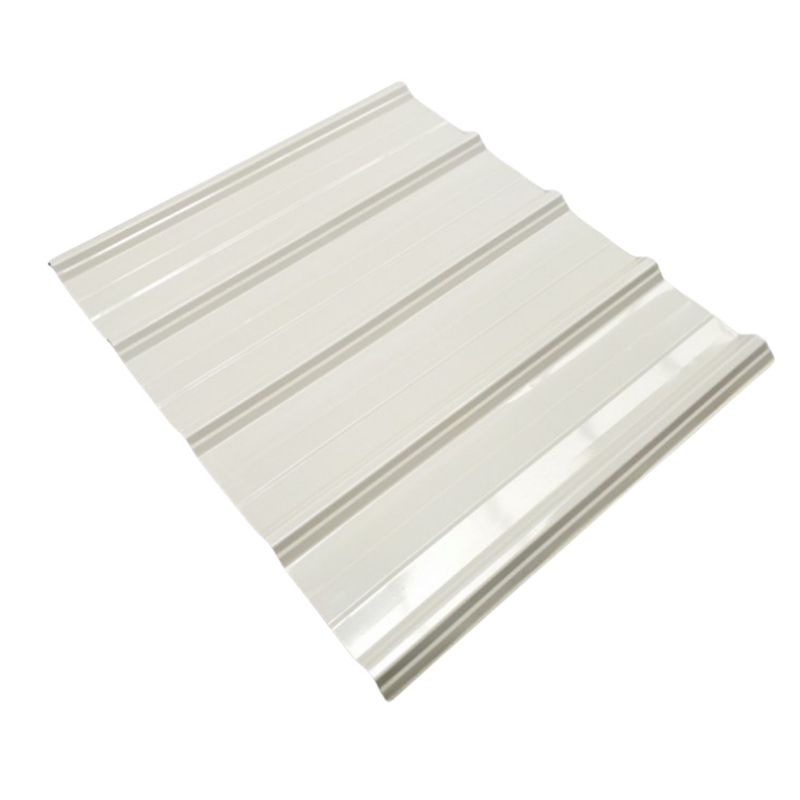
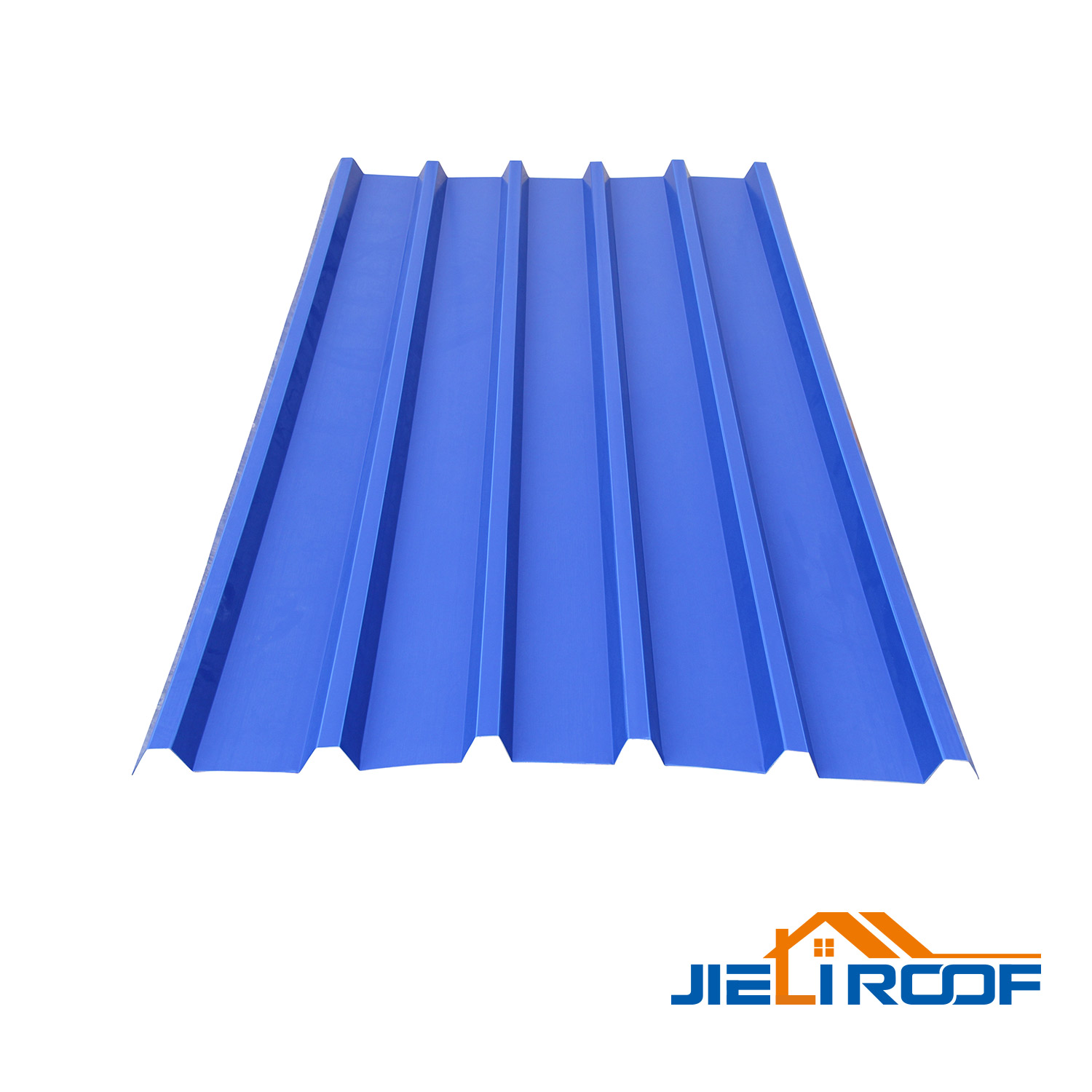
For strong roofing in factories or business buildings in warm areas, the T1130 model fits the bill. It is built to meet those tough needs.
The smart layering in T1130 gives the best blocking of heat:
This stacked setup keeps the top surface from heating up too much. At the same time, it acts as a shield for the rooms inside.
In real use, structures with this model see fewer changes in inside temperatures. When heat rises outside, the indoors does not warm up quickly like with metal sheets. This cuts the need for air conditioning. In the end, energy bills drop. Even in bright tropical sun, T1130 stays flat and strong. It shows no bending.
The sheet has added elements to fight aging. These help it last longer in rough weather. Fiber glass reinforced UPVC roof sheet is our Patent tech product. It adds one layer of Fiber glass mesh inside PVC/UPVC sheet. This setup makes UPVC roof sheet tougher in pulling strength, hitting force resistance, load bearing, and changes from weather. While this tech is not just for T1130, it shows how good layering boosts lasting power.
Plus, it fights rust well. So, in beach areas or places with harsh chemicals, the sheet holds up with little upkeep.
For jobs needing a smaller but strong option, T940 provides a smart shape. It focuses on power and heat management.
With its narrower wave pattern, T940 boosts its strength per pound. This suits uses where you want less material but still solid build. The shape lets air flow better under the sheets. That carries away leftover heat. It cuts down on heat piling up.
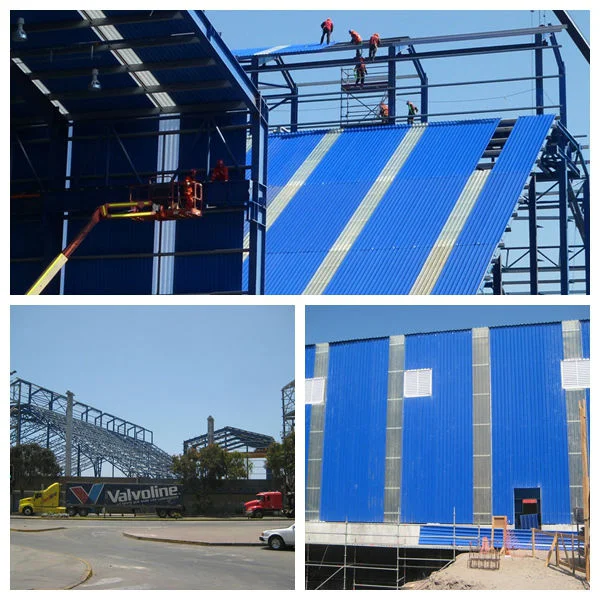
This model’s flexibility fits many situations. Think storage buildings, plant nurseries, factories, and homes in warm spots. UPVC’s light weight makes setup simple. It meets high standards for how well it works.
Installation is very easy. Overlap one by one, and use the screws to fix. This quick process lowers worker costs. It speeds up big projects too.
A big draw is its value for money. With T940, you skip extra insulation or shine-back layers. The sheet handles heat right from the start. Over the years, lower cooling needs and smaller energy costs make it a smart buy.
Picking a roof means looking past just heat control. Eco-friendliness and toughness count too.
No asbestos and Environment Friendly. Recycling material. These sheets come from fully reusable stuff. They have no harmful parts. They are safe for homes. They help cut harm to the planet after use. This fits well with today’s building trends.
In spots with big storms or ice balls from the sky, the ability to take hits is key. Strengthened UPVC roofing stands up to thrown objects and quick force. It also handles strong winds in storm areas. This makes it a solid pick for many weather types.
Selecting a roof system is more than grabbing a product. It means finding a trusted partner. That is where Jieli shines. Set up in 1992, Jieli focuses on PVC and UPVC roofing products.
Jieli offers more than just supplies. They give full help, like advice on tech suited to your building and weather area. If your work needs special sizes or shades, their experts can adjust things just right.
From checking raw parts to testing the finished item—which covers aging, pull strength, hit resistance—each batch gets close checks. They do this in their approved test lab. This lab also gets okay from the government as the check spot for UPVC roofing products.
Their worldwide shipping setup brings goods on time to places like Latin America and Africa. It includes warranty for calm minds.
For questions on your exact needs or help picking the right item, contact them straight through the main site. Or check the full product info on the links above.
Q: How does UPVC compare to metal sheets when it comes to indoor temperature control?
A: Metal sheets carry heat fast due to high thermal conductivity. They move outdoor warmth inside quickly. UPVC, however, has low thermal conductivity (0.325w/m.k). This keeps rooms much cooler. You do not need extra blocking layers.
Q: Will UPVC roofing fade or degrade under constant sunlight?
A: No. The outer ASA coating resists UV well. Jieli’s UPVC sheets hold color steady for 8–10 years. This holds even in strong sun.
Q: Is it suitable for coastal or chemically aggressive environments?
A: Yes. The core PVC and ASA coating stay stable against acids, bases, and salts. This suits beach buildings or factory areas.




 +86 0535 6278701 / +86 15653505862