HOME>NEWS>Why TSP Steel Roof Sheets Are Designed for Corrosive Livestock Environments
Why TSP Steel Roof Sheets Are Designed for Corrosive Livestock Environments
2026-10-06 00:00:47
SHARE TO:
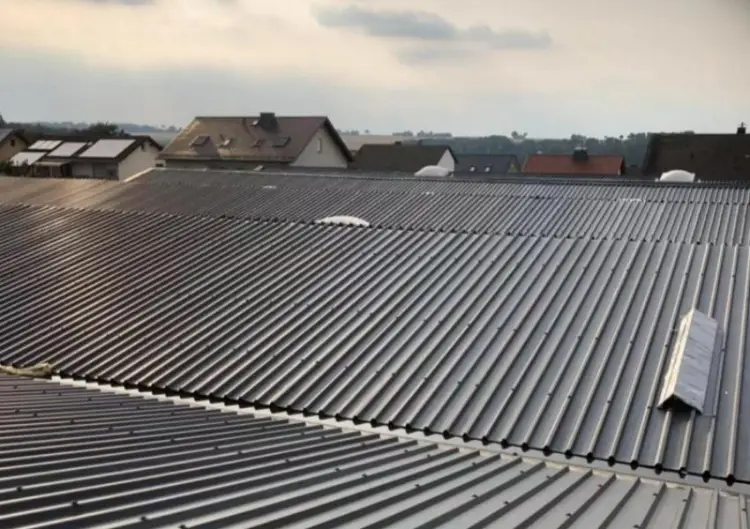
A livestock roof is exposed from both sides. Rain and sunlight attack the outer face, while warm humid air, ammonia, hydrogen sulfide, dust, and cleaning chemicals reach the underside. In a dry agricultural shed, a painted steel sheet may remain serviceable for years. In a cattle, pig, or poultry building, the same coating can face a much harsher combination of moisture and chemical exposure. Rust often begins at laps, cut edges, fasteners, and small coating defects before it becomes obvious from the ground.
That is why livestock roofing needs to be judged by the building atmosphere, not only by the color and initial sheet price. Frequent washing can leave chemical residue in joints. Condensation keeps the underside damp. Poorly ventilated zones hold ammonia-rich air close to the metal. Once the coating loses continuity, the steel substrate becomes part of the maintenance problem.
What Makes TSP Different From Painted Steel?
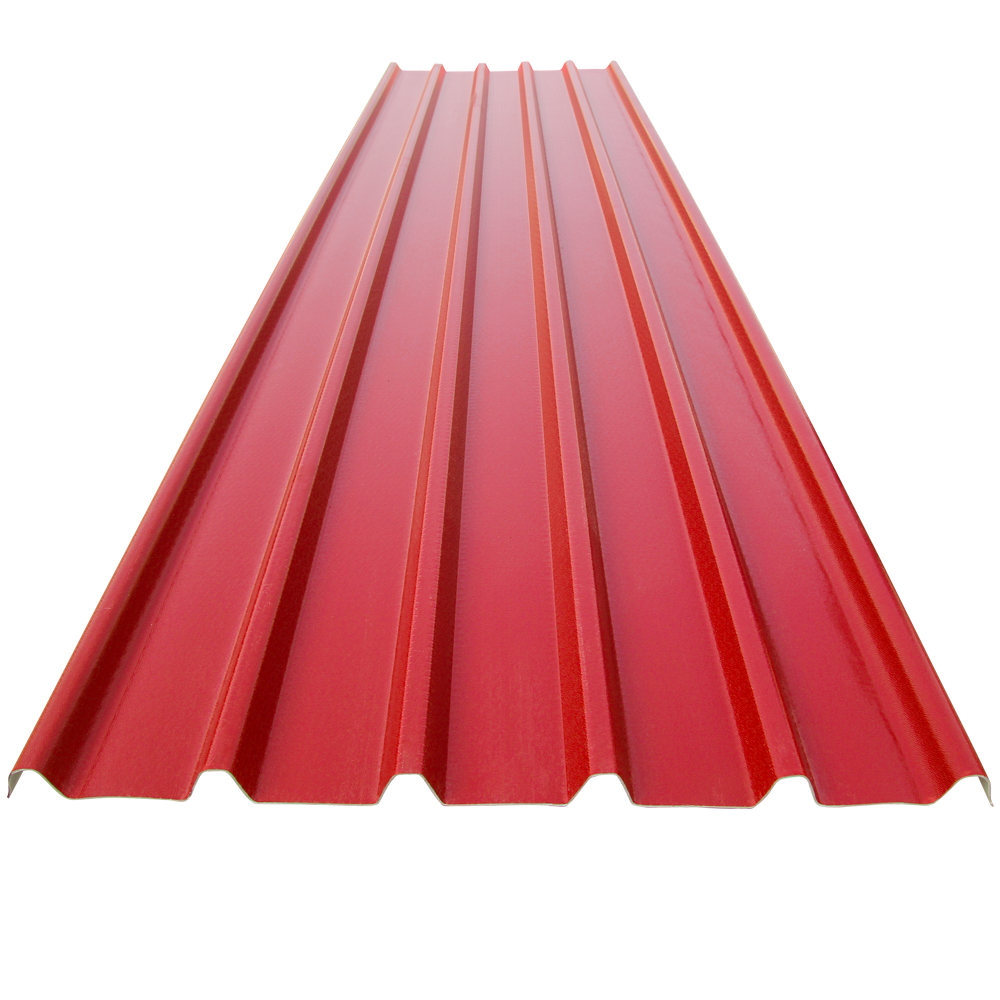
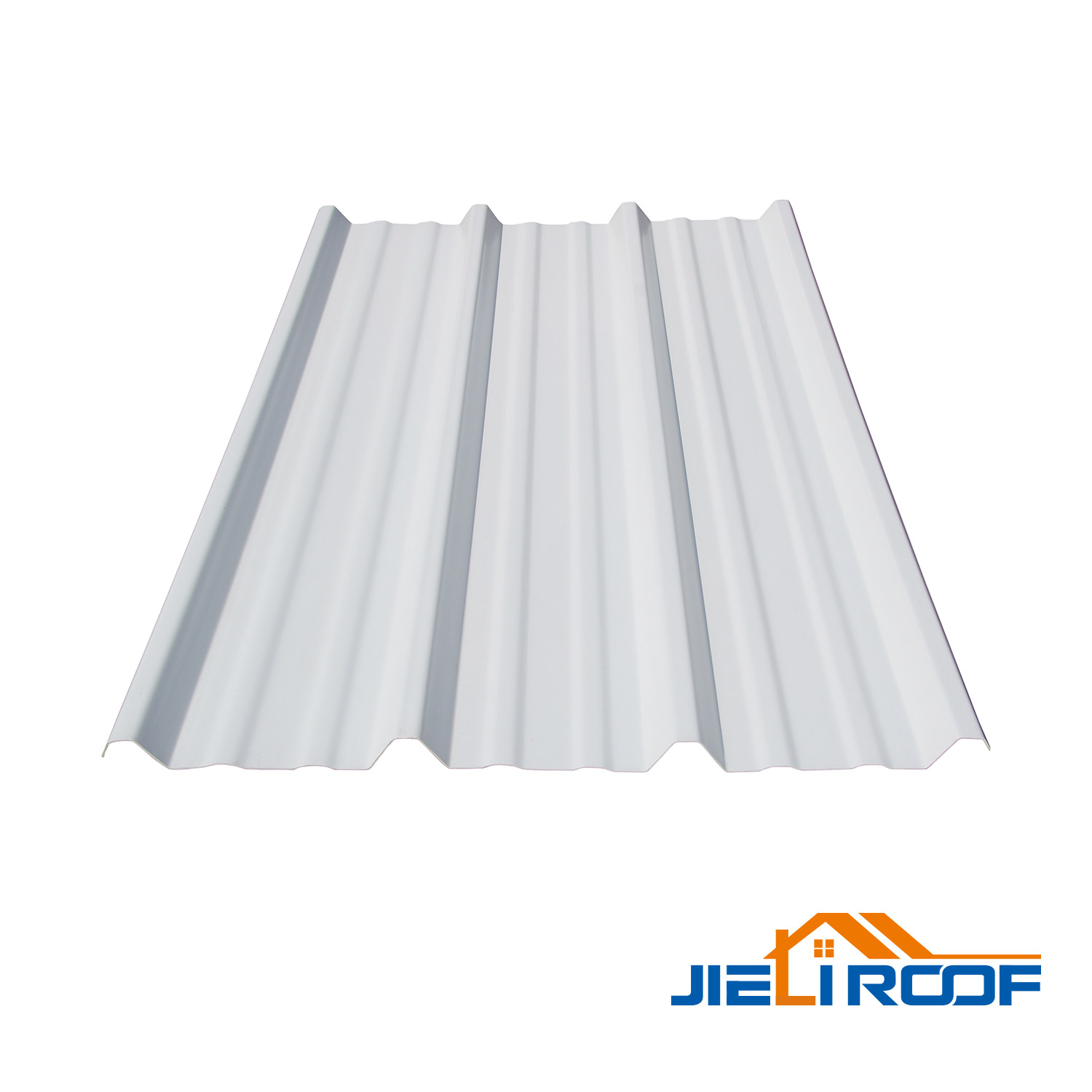
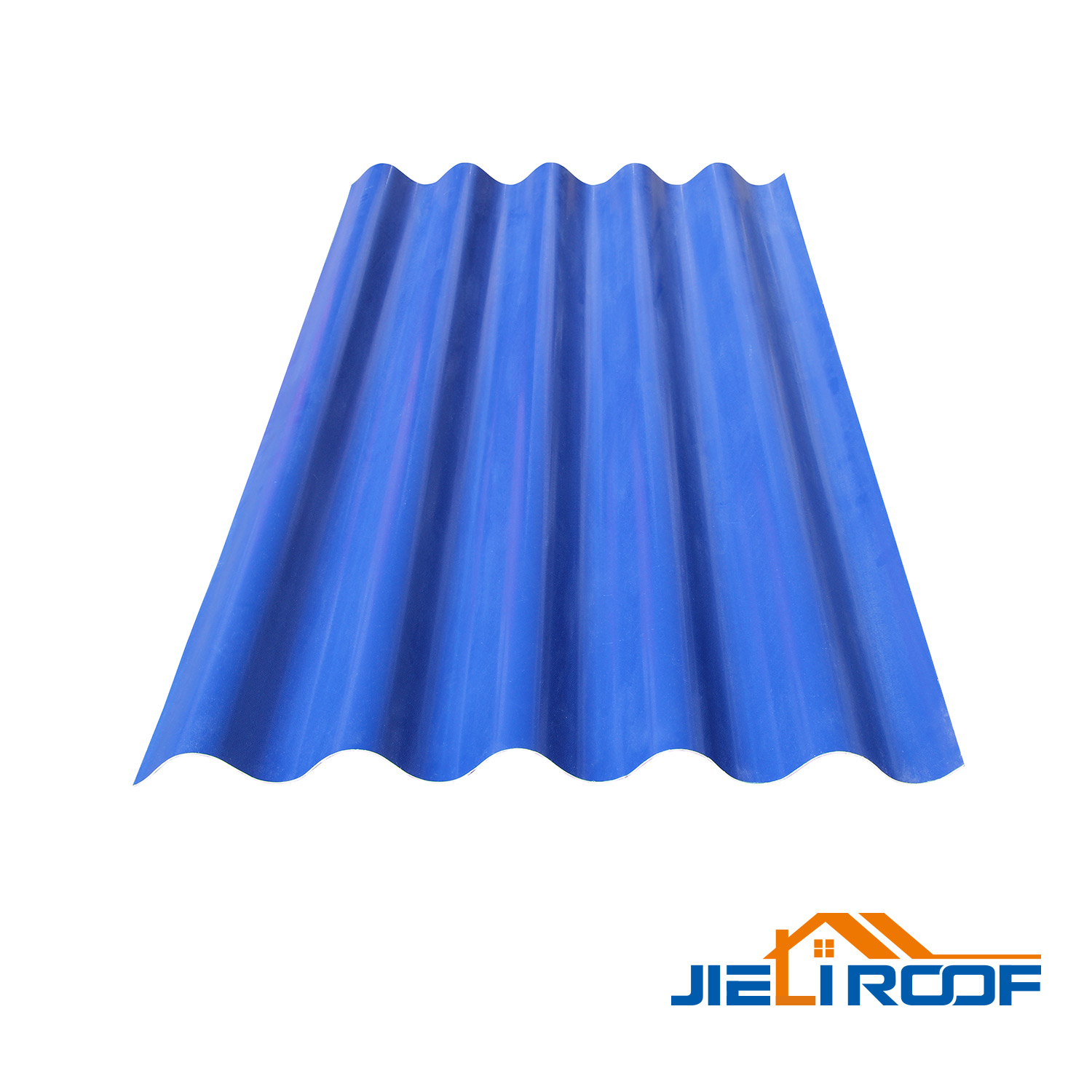
TSP is a film-coated steel sheet. Its main purpose in corrosive livestock environments is to protect the steel substrate from chemical attack and rust. It is a metal roof product, not a single-sheet insulation solution. The structure uses a galvanized steel core with thermoplastic film on the top and bottom.
The film is bonded to the steel as a continuous physical barrier rather than a conventional sprayed paint coat. The material information describes modified polyester film and a special adhesive developed for bonding the film to steel. This construction matters at the underside of a livestock roof, where ammonia and moisture can attack ordinary metal even when the top surface still looks acceptable.
The Underside Is Part Of The Corrosion Design
A roof specification that only discusses rain exposure is incomplete for a farm. Inspect the roof from inside and look at fasteners, laps, purlin lines, ridge details, and areas above manure channels or wash bays. TSP’s two-sided film protection addresses the fact that both faces are exposed. It does not remove the need for sound detailing, suitable fasteners, drainage, and inspection access. A protected sheet installed over a damaged support is still a poor roof decision.
Which Chemical Conditions Can TSP Be Checked Against?
The TSP test record includes chemical-resistance checks in several acid, alkaline, salt, ammonia, and chlorine conditions. 15% hydrochloric acid exposure for 168 hours, with no fading, swelling, or separation reported under the stated condition. A salt-spray test at 5% sodium chloride, 50 degrees C, and 1,000 hours recorded no rusting. These are laboratory test conditions. They help compare materials, but they do not replace a review of the actual farm’s disinfectant concentration and cleaning routine.
The distinction is useful when comparing a TSP steel roof sheet with painted steel. A corrosion-resistant steel roof still depends on sound edges, fasteners, and support details. Paint quality, edge treatment, cut areas, fasteners, and the continuity of the coating all affect a conventional roof. TSP’s film barrier is designed to reduce exposed paths to the substrate. That is the reason for choosing it in a chemical environment; insulation should be assessed separately.
The material range should also be written correctly. The TSP film-coated steel sheet’s total thickness is 0.4-0.8 mm, which warranty is 15 years. A TSP steel roof sheet can be reviewed against the farm’s profile, span, support, and chemical exposure.
How Does TSP Fit With Insulated Livestock Roofing?
Corrosion resistance and thermal performance are related in a building, but they are not the same material claim. A TSP single sheet provides a steel-based roof with film protection. If the building needs a stable indoor temperature, condensation control, or stronger acoustic separation, the design may require a sandwich panel or another insulated assembly. In that case, the core, edge sealing, joints, and ventilation need their own specification.
A TSP sandwich panel system uses a core for thermal and acoustic functions, while the TSP faces help protect the assembly from moisture and chemicals. This is different from saying that a single metal sheet is the main insulation layer. Keeping the two options separate prevents a purchasing schedule from promising performance that the selected product cannot provide.
Choose The System Around The Farm’s Main Risk
If the main problem is rust from ammonia, disinfectants, and humidity, the sheet face and underside protection deserve priority. If the main problem is heat gain or condensation, the roof assembly and ventilation plan need more attention. If both problems are severe, a TSP-faced insulated system may be more appropriate than a single sheet. The right answer depends on the building, not on using the word “corrosion-resistant” as a general substitute for design work.
What Should Buyers Check Before Ordering?
A serious inquiry should state the animal type, building dimensions, roof profile, purlin spacing, local climate, cleaning chemicals, ventilation arrangement, and the location of recurring corrosion. Ask for the steel substrate thickness, finished total thickness, film construction, test conditions, warranty wording, accessories, and sample. The sample should be checked on both faces, including the edge and any proposed cut or fixing detail.
Also review the maintenance boundary. A corrosion-resistant steel roof can reduce repainting and early sheet replacement, but it cannot repair rusted purlins, blocked gutters, failed ridge details, or a leaking penetration. A supplier discussion becomes more useful when the project team provides inside and outside photographs instead of asking only for a price per square meter.
For a separate TSP product route, film-coated steel roofing provides a suitable starting point for specification review. The wider livestock roofing range can help compare material roles, while Jieli supports a direct request for product details and samples. Links and product names should remain tied to the actual item being quoted.
Frequently Asked Questions
Q1: Why is TSP suitable for corrosive livestock environments?
A1: TSP uses thermoplastic film on both sides of a galvanized steel substrate. The continuous barrier is designed to reduce contact between the steel and ammonia, moisture, acids, alkalis, salts, and other corrosive media.
Q2: Is TSP an insulation product?
A2: No. TSP single sheet is mainly a chemical-corrosion and rust-prevention solution. Thermal and acoustic insulation should come from a properly specified panel core or separate roof assembly.
Q3: What TSP thickness and warranty should appear in a quotation?
A3: The film-coated sheet total thickness is 0.4-0.8 mm, and the project warranty is 15 years. Confirm the written terms for the supplied product.






 +86 0535 6278701 / +86 15653505862