HOME>NEWS>How Should You Choose UPVC Roofing Sheets for Industrial Roofs in 2026?
How Should You Choose UPVC Roofing Sheets for Industrial Roofs in 2026?
2026-06-15 15:14:56
SHARE TO:
Industrial roofing decisions in 2026 are not only about buying a sheet that covers a building. A roof over a factory, warehouse, workshop, livestock farm, or coastal project must deal with heat, rain, sunlight, chemical exposure, wind, and long-term maintenance pressure. If the roof material is chosen only by initial price, the building may face early corrosion, leaks, noise, deformation, or repeated repair work.
That is why many project buyers now compare UPVC roofing sheets more carefully before confirming an industrial roof system. A suitable sheet should match the building environment, purlin span, roof slope, installation method, and expected service life. For more demanding projects, glass fiber reinforced UPVC roofing can offer a stronger balance of corrosion resistance, impact strength, heat insulation, and long-term stability.
Why Industrial Roofs Need More Careful Material Selection in 2026
Industrial roofs face harsher daily use than ordinary residential roofs. A warehouse may need wide-span roofing with stable loading performance. A livestock farm may face moisture, ammonia, and cleaning pressure. A coastal building may deal with salt air and wind-driven rain. A high-temperature workshop needs roofing that can resist heat while keeping indoor conditions more manageable.
Traditional color steel roof sheet is still widely used because it is familiar and easy to install. However, it can bring several problems in demanding environments. Once coating damage appears around fasteners, overlaps, or cut edges, rust may develop and shorten roof life. Metal sheets also transfer heat quickly and create noticeable rain noise, which can affect working conditions inside the building.
For these reasons, buyers are paying more attention to UPVC roofing sheets for industrial buildings. The goal is not to use one material for every roof, but to choose a roof sheet that can handle the real operating environment.
What Makes UPVC Roofing Sheets Suitable for Industrial Roofs?
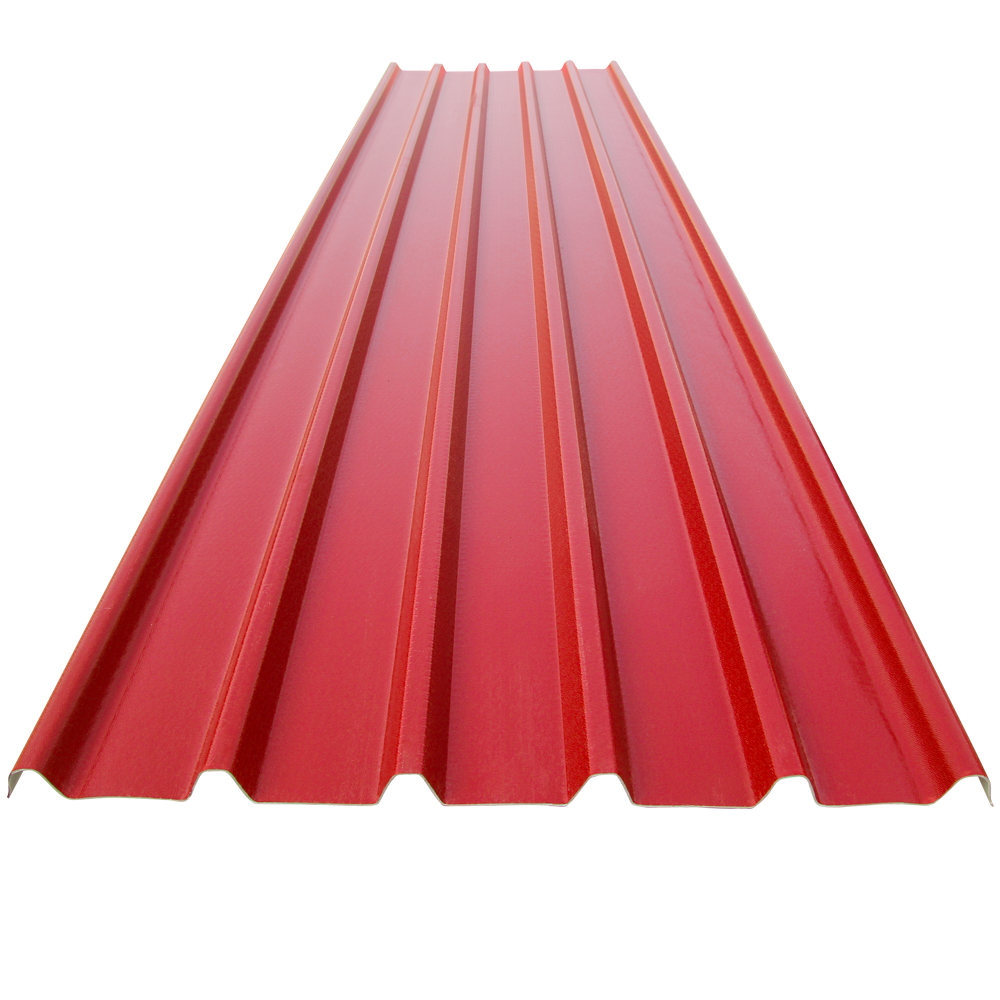
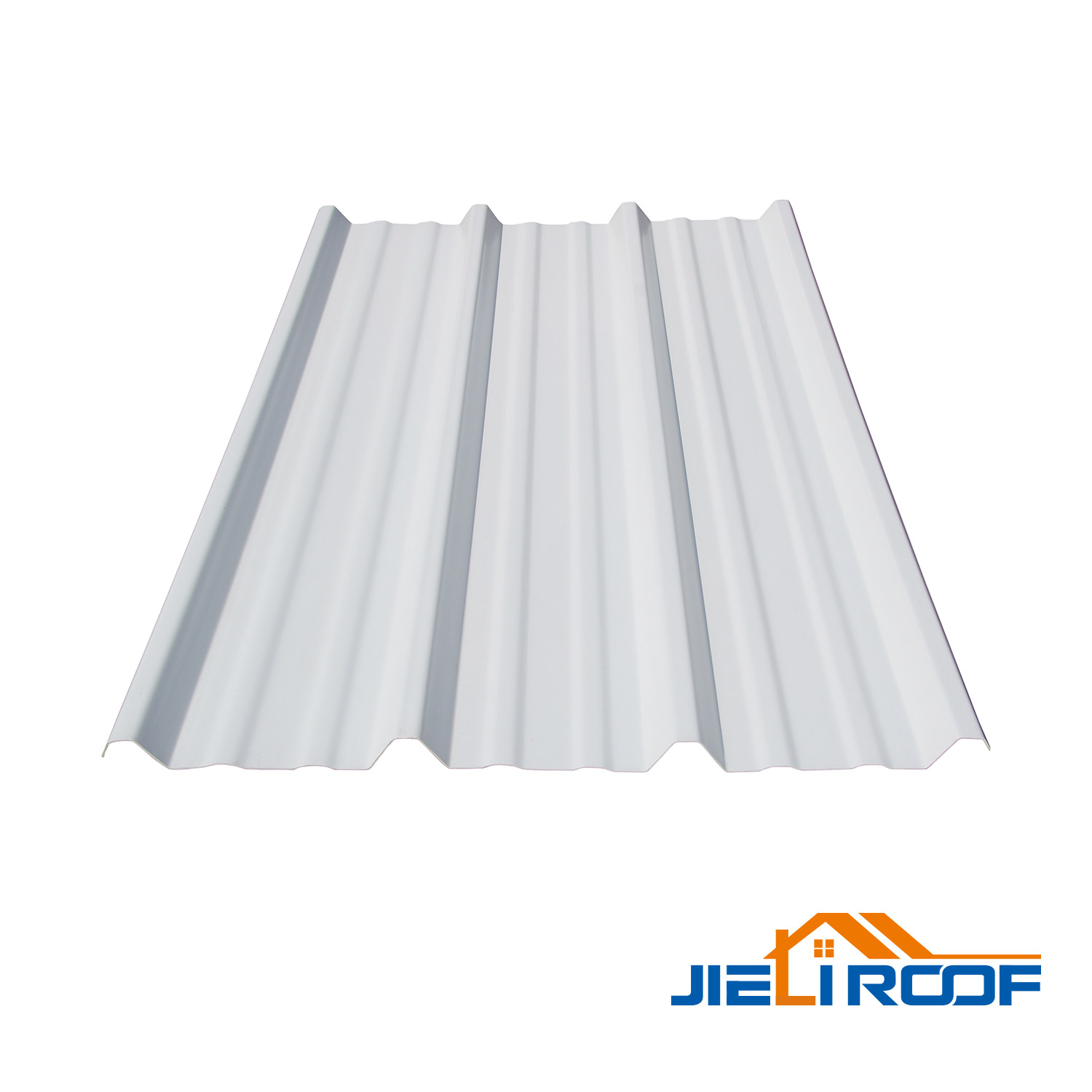
UPVC roof sheets are widely used in projects that need corrosion resistance, sound insulation, heat insulation, waterproofing, and lower maintenance demand. Since they are rust-free, they are especially useful in areas where metal roofing may deteriorate faster, such as coastal regions, farms, chemical-related buildings, and humid workshops.
Another key advantage is comfort inside the building. UPVC roofing helps reduce rain noise and slows fast heat transfer. In hot climates or large industrial spaces, this can support better indoor conditions without relying only on extra insulation work.
Still, buyers should not treat all UPVC roof sheets as the same. Sheet structure, reinforcement design, surface layer, thickness, width, color stability, purlin distance, and installation support all affect the final roof performance.
Key Factors Buyers Should Check Before Choosing UPVC Roofing Sheets
A reliable roof begins with correct selection. Before comparing quotations, buyers should check the building environment, roof span, expected load, and maintenance risk.
Check the Building Environment First
The first question is simple: what will the roof face every day?
Coastal projects need strong resistance to salt and moisture. Farms and livestock buildings need materials that can handle humidity and corrosive gases. Chemical-related facilities need better acid and alkali resistance. High-UV regions need a surface that can keep color stable and slow aging. Snow, hail, and strong wind areas need better impact resistance and load-bearing capacity.
For these conditions, corrosion resistance and weather resistance should be treated as basic requirements, not optional advantages. A low-cost roof may look acceptable at the beginning, but replacement and repair costs can become much higher if the sheet fails too early.
Match the Sheet Structure with Roof Span and Load
The sheet structure has a direct effect on roof strength. Profile shape, thickness, reinforcement layer, and purlin distance all matter. A standard UPVC sheet can meet many anti-corrosion and insulation needs, but roofs with larger spans, higher temperature variation, stronger wind, or impact risks may need a reinforced structure.
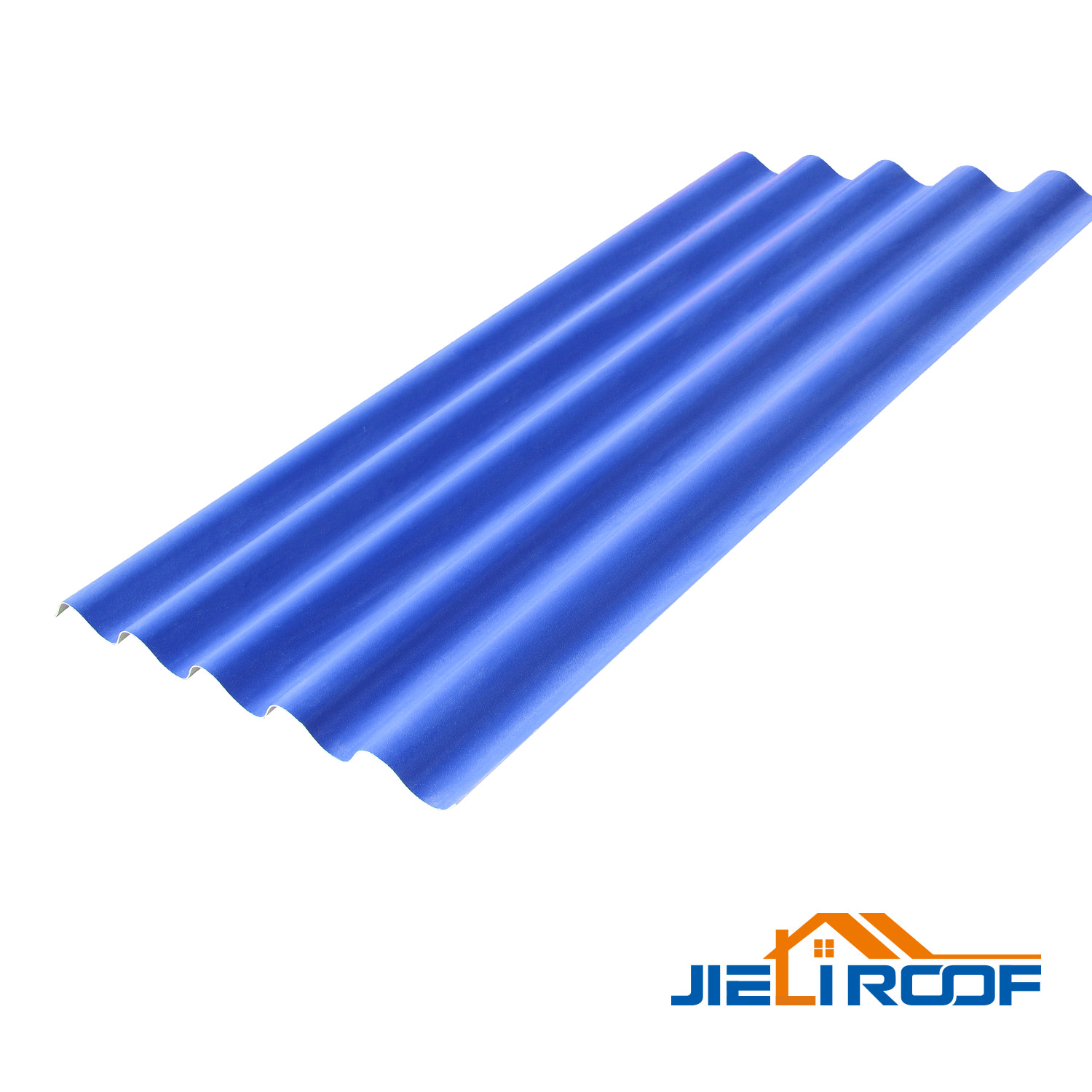
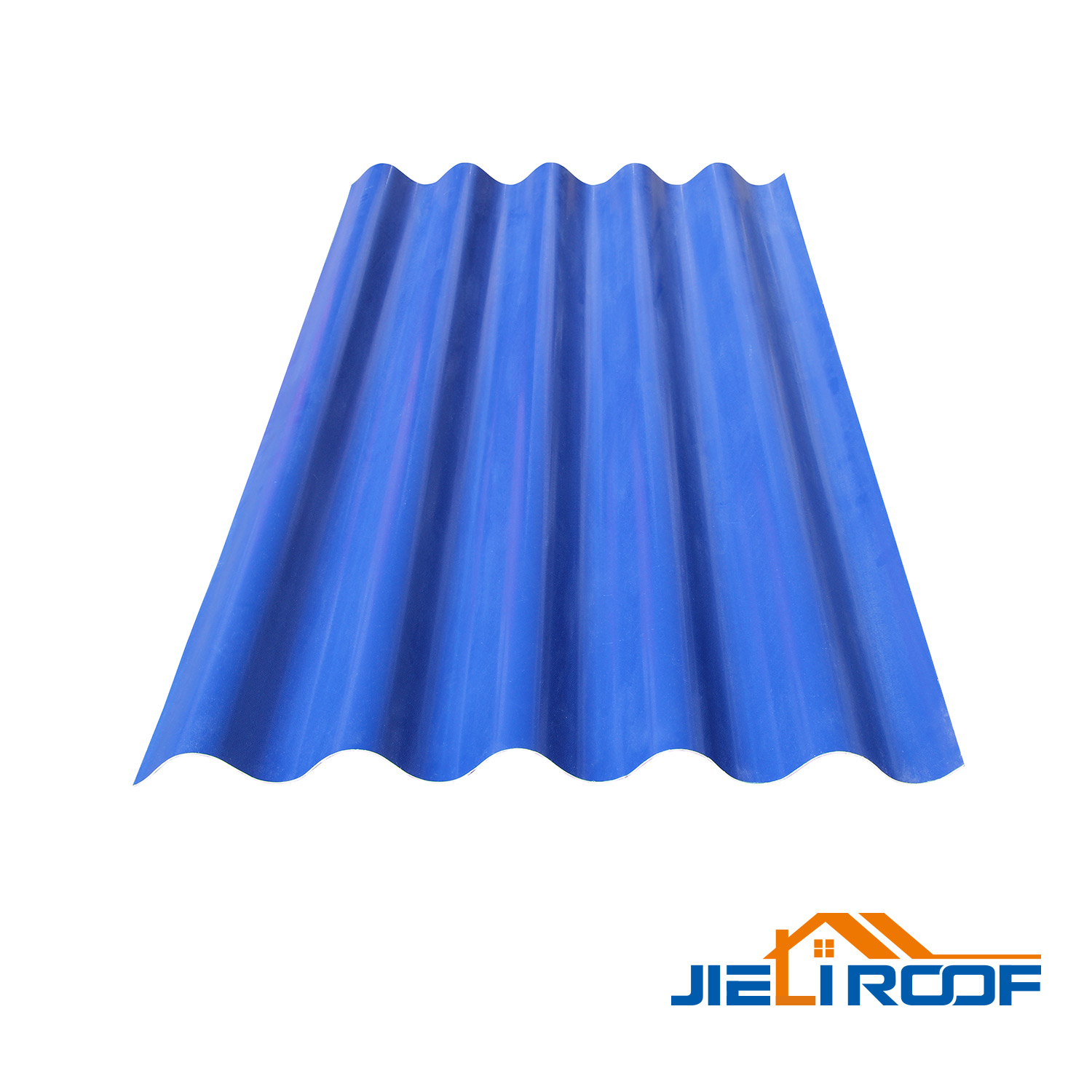
Glass fiber reinforced UPVC roof sheet is designed for these higher requirements. The glass fiber mesh works like soft steel reinforcement inside the sheet. It is evenly distributed across the roofing material, helping improve impact resistance, tensile resistance, aging resistance, acid resistance, alkali resistance, corrosion resistance, and overall structural stability.
This kind of reinforced design is especially useful when buyers need a roof that is easier to install, more stable under changing temperatures, and more suitable for industrial buildings with demanding use conditions.
Compare Specification, Thickness, and Installation Conditions
Buyers should check more than the total width and thickness. Effective width, overlap, length, roof slope, purlin distance, screw position, and accessory matching all influence the final roof. A suitable sheet size can reduce waste, improve installation efficiency, and support better waterproofing.
For example, a reinforced BW920 model uses a 920mm width, effective width: 873mm, customized length, and 2.5mm or 3.0mm thickness. These details help buyers calculate coverage, quantity, container loading, and installation layout. For export projects, the customized length should also match transportation limits and site handling conditions.
How the Reinforced UPVC Layer Structure Improves Roof Performance
The structure of reinforced UPVC roofing is one of the most important reasons for its industrial value. Instead of relying only on surface appearance, buyers should look at how the sheet is built.
The structural composition is Triple-Layer Co-extrusion Technology + Fiberglass Layer. These sheets have four useful layers built in.
The top layer gets treated with ASA to fight UV harm and keep bright colors. This is important for projects exposed to strong sunlight, because roof fading and aging often start at the surface.
The second layer is UPVC, which offers outstanding strength, impact resistance, heat insulation, and sound insulation performance. This layer supports the sheet’s main functional performance in daily use.
The third layer is a fiberglass reinforcing layer, which enhances high-temperature resistance, strength, impact resistance, tensile resistance, and load-bearing performance. This internal mesh helps the sheet stay more stable when temperature changes or when the roof needs better structural support.
The bottom layer is UPVC, which is corrosion-resistant, moisture-proof, and enhances structural stability. This bottom protection matters in humid buildings, farms, and facilities where condensation or corrosive indoor air may affect roof durability.
With this structure, glass fiber reinforced UPVC roofing can work as an anti-corrosion roofing choice for industrial and agricultural buildings. Its applicable temperature range is -40°C to 80°C, making it suitable for many hot, cold, humid, and high-UV environments.
When Glass Fiber Reinforced UPVC Roofing Is a Better Option
Standard UPVC roofing can be suitable for many industrial roofs, especially where rust prevention, insulation, and noise reduction are important. However, reinforced UPVC roofing becomes more valuable when the project has higher requirements.
It is a better option for buildings that face strong sunlight, coastal air, acid or alkali exposure, hail, heavy rain, high temperature, or wider roof spans. The reinforced structure helps improve impact resistance, load-bearing performance, tensile resistance, and aging resistance.
For projects that need a stronger roofing option, Glass Fiber Reinforced UPVC Roof Sheet BW920 is designed with ASA UPVC, UPVC, and fiberglass mesh. It carries a 10-year quality assurance period and a listed service life of 25-30 years. Its key advantages include anti-corrosion, heat insulation, light weight, fire prevention, color stability, anti-ultraviolet performance, impact resistance, sound insulation, environmental protection, and waterproofing.
In suitable applications, this type of reinforced resin tile can offer a much longer service life than traditional color steel roofing. It does not rust, resists fading, reduces condensation problems, and helps protect the roof against water, fire, and hail. For buyers dealing with frequent roof replacement, a longer service life can reduce maintenance pressure and improve project value.
How to Balance Price and Long-Term Value
Price matters in every construction project, especially when the roof area is large. However, buyers should compare roofing costs based on long-term value, not only the unit price.
A reliable comparison should include:
sheet structure and reinforcement design
weather resistance and color stability
corrosion resistance in the target environment
applicable temperature range
thickness, width, and customized length
purlin distance and loading requirement
waterproofing and installation details
accessory completeness
warranty and quality support
A lower-priced sheet may reduce the first purchase cost, but it may not reduce the total cost if the roof needs early repair. For industrial buildings, service life, safety, and maintenance stability should carry more weight than a small price difference.
A manufacturer’s project support also matters. Jieli focuses on roofing sheet manufacturing and project-based roof solutions. For customers who need shape, thickness, color, length, or quantity recommendations, technical support can help reduce selection mistakes before production and installation.
Common Mistakes When Selecting Industrial Roof Sheets
Many roof problems begin during material selection. Avoiding common mistakes can make the roof easier to install and more reliable over time.
Choosing Only by the Lowest Price
A low quotation can look attractive, but industrial roofs need more than a low purchase cost. If a sheet lacks strength, weather resistance, or corrosion resistance, later repair and replacement may cost much more than the initial savings.
Ignoring Purlin Distance and Roof Slope
Purlin spacing affects roof support. If the selected sheet cannot match the span, the roof may deform or lose stability under load. Roof slope also affects drainage and overlap requirements. In lower-slope roofs, longer lengthwise overlap may be needed to reduce leakage risk.
Treating All UPVC Roof Sheets as the Same
UPVC roof sheets can differ greatly in structure and performance. Standard sheets, ASA surface sheets, and glass fiber reinforced sheets serve different project needs. Buyers should check the full structure, not only the product name.
Forgetting Accessories and Installation Support
Roofing performance depends on a complete system. Ridge covers, side ridges, eaves, flashing, waterproof caps, screws, and installation guidance all affect sealing and durability. For larger industrial roofs, small installation mistakes may cause repeated leakage or maintenance problems.
Why Supplier Capability Matters for Industrial Roofing Projects
Industrial roofing projects need more than material delivery. A supplier should help buyers match the roof sheet to the climate, building use, structure, and installation conditions. Quality control and testing ability also help reduce risks in bulk orders.
Before choosing a supplier, buyers should check whether the company can provide stable production, clear product parameters, practical installation guidance, and quality support. Certifications and testing information are useful for B2B buyers who need more confidence before placing large orders. The quality certification section can help buyers review Jieli’s quality-related information during supplier evaluation.
For industrial customers, we usually recommend confirming the application environment first, then selecting the sheet profile, thickness, length, color, and accessories. This approach helps avoid over-specifying simple projects and under-specifying demanding ones.
Conclusion
Choosing UPVC roofing sheets for industrial roofs in 2026 requires a clear review of the environment, structure, load, installation, and long-term value. A standard UPVC roof sheet can solve many problems related to rust, heat, rain, noise, waterproofing, and chemical exposure. For more demanding environments, glass fiber reinforced UPVC roofing provides stronger support through Triple-Layer Co-extrusion Technology + Fiberglass Layer.
The best roof sheet is not always the cheapest or the thickest. It is the one that fits the building’s working conditions and remains stable through years of use. If your project involves coastal exposure, high UV, factory corrosion, high temperature, hail, or wider roof spans, you can send your roof details and request a practical roofing recommendation or free sample.
FAQ
Q:What are the main advantages of glass fiber reinforced UPVC roofing sheets? A:For industrial roofs, the main value is that they handle several common problems at once. Glass fiber reinforced UPVC roofing sheets resist corrosion, reduce heat transfer and rain noise, and offer better impact resistance than standard sheets. The fiberglass mesh inside the sheet also helps improve tensile resistance, load-bearing performance, and long-term stability.
Q:What is the structural composition of reinforced UPVC roof sheets? A:Reinforced UPVC roof sheets use Triple-Layer Co-extrusion Technology + Fiberglass Layer. The ASA-treated top layer helps protect the surface from UV damage and color fading. The UPVC layers support strength, insulation, corrosion resistance, and moisture resistance, while the fiberglass reinforcing layer adds extra support against heat, impact, tension, and roof load.
Q:Are reinforced UPVC roof sheets suitable for harsh industrial environments? A:Yes, especially when the roof faces salt air, moisture, strong sunlight, acid or alkali exposure, hail, or frequent temperature changes. Reinforced UPVC roof sheets are suitable for many coastal buildings, farms, warehouses, workshops, and high-UV regions. Their applicable temperature range is -40°C to 80°C, which gives them a wider use range for demanding industrial projects.






 +86 0535 6278701 / +86 15653505862