HOME>NEWS>What Should Roof Sheet Factories Test Before Buying PVC Compound?
What Should Roof Sheet Factories Test Before Buying PVC Compound?
2026-06-09 11:03:07
SHARE TO:
For many roof sheet factories, the difficult part is not buying PVC resin. The difficult part starts when resin, stabilizers, lubricants, color materials, fillers, and other additives must work together on a real extrusion line. A small change in mixing, temperature, or raw material quality can lead to rough sheet surfaces, unstable thickness, brittle edges, color difference, or more waste during startup.
Before buying PVC compound in bulk, factories should test whether the material makes UPVC roof sheet production easier, more stable, and more predictable.
Why UPVC Sheet Production Often Becomes Difficult
The UPVC roofing sheet looks simple from the outside. Inside the factory, it is a formula-driven product. A roof sheet needs proper rigidity, impact resistance, smooth extrusion, stable color, and outdoor durability. If one part of the formula is not balanced, the sheet may still come out, but the production cost can rise quickly.
Batch Quality Changes Too Easily
Batch inconsistency is a common problem in UPVC roof sheet production. One batch may run smoothly, while the next batch needs more temperature adjustment. The surface may change from smooth to dull. Sheet thickness may drift. Operators may need to slow the line, clean the die, or change settings again.
Formula Work Requires Technical Control
Traditional production usually requires factories to buy separate PVC resin, stabilizers, lubricants, modifiers, color materials, and other additives. Then the team has to weigh, mix, heat, cool, and store the material before extrusion. Each step needs control.
This model can work for mature factories with strong formulation engineers. For new factories or for companies adding roofing sheets as a new product line, it can create pressure. A wrong lubricant ratio may affect surface finish. Poor stabilizer control may affect processing heat resistance. Uneven mixing may show up as spots, bubbles, or weak areas on the sheet.
Hidden Costs Are Easy to Miss
Low raw material cost may look attractive at first. In real production, hidden costs often come from waste sheets, machine downtime, repeated trials, extra labor, and complaints. Factories should calculate cost by saleable output, not only cost per ton.
How Ready-to-Use PVC Granules Change the Production Route
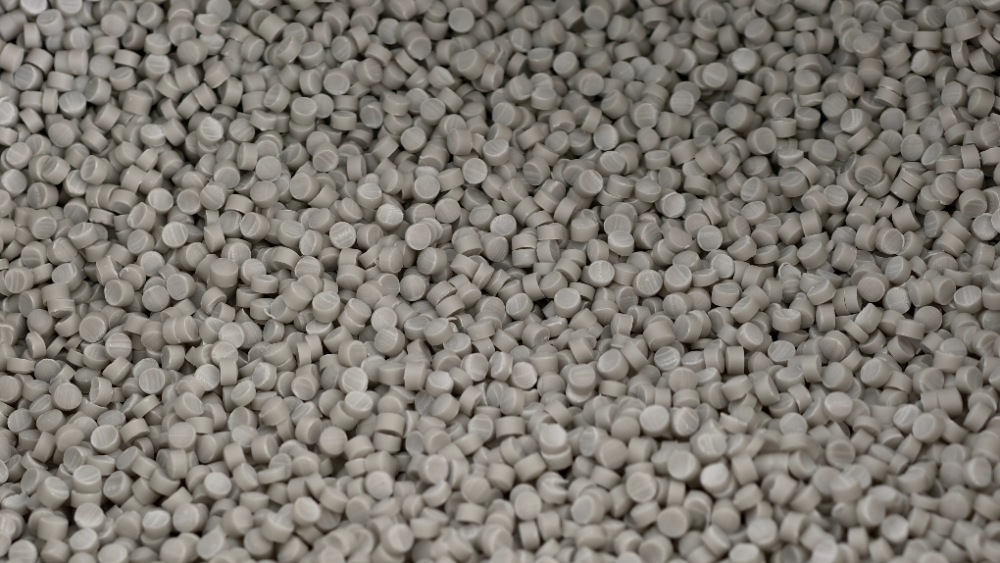
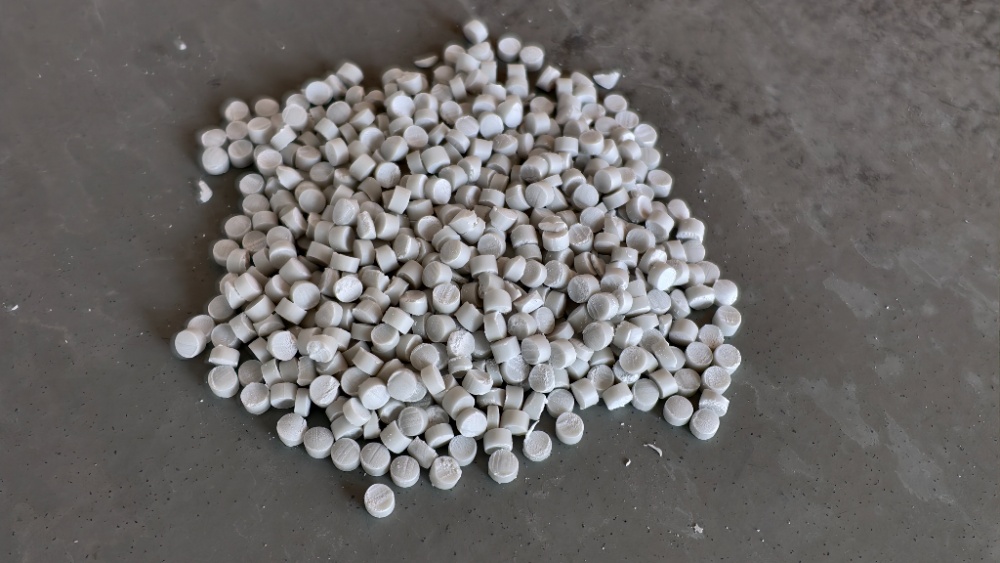
Ready-to-use PVC granules give factories a different route. Instead of preparing every additive in-house, the factory receives a pre-formulated material that can go directly into extrusion or molding after normal production preparation.
This does not remove the need for testing. It reduces formula pressure and gives the production team a clearer starting point.
PVC Compound from Jieli is made for manufacturers producing UPVC roof sheets and ASA synthetic resin tiles. The material is prepared with additives for stable processing, weather resistance, and outdoor roofing applications. The value is not a shortcut. The value is a controlled formula base before line-level testing begins.
Traditional mixing gives factories more internal control, but it also requires a stronger technical team. Pre-formulated PVC granules are more suitable when the factory wants to reduce trial pressure. The buyer can focus on extrusion behavior, finished sheet quality, and market suitability instead of solving every formula problem from scratch.
What to Test Before Buying in Bulk
PVC compound testing should be practical. The goal is not to prepare a formal report without production value but gives little production value. The goal is to know whether the material works on the buyer’s own line and matches the target roofing sheet.
Feeding and Extrusion Behavior
The first test is feeding. Good material should feed smoothly and evenly. If the granules bridge, block, or feed at an uneven rate, the line may become unstable before the material reaches the die.
During extrusion, operators should watch temperature response, melt behavior, line pressure, die flow, and surface quality. A suitable PVC compound for UPVC roof sheet should reduce the need for constant correction after basic parameters are set. Some adjustment is normal during trials, but the line should become stable after basic parameters are set.
Finished Sheet Appearance
The finished sheet gives more useful information than the granules alone. A factory should inspect surface smoothness, color consistency, profile accuracy, edge condition, and sheet thickness. Small surface marks or weak edges may become larger problems during transport, installation, or customer inspection.
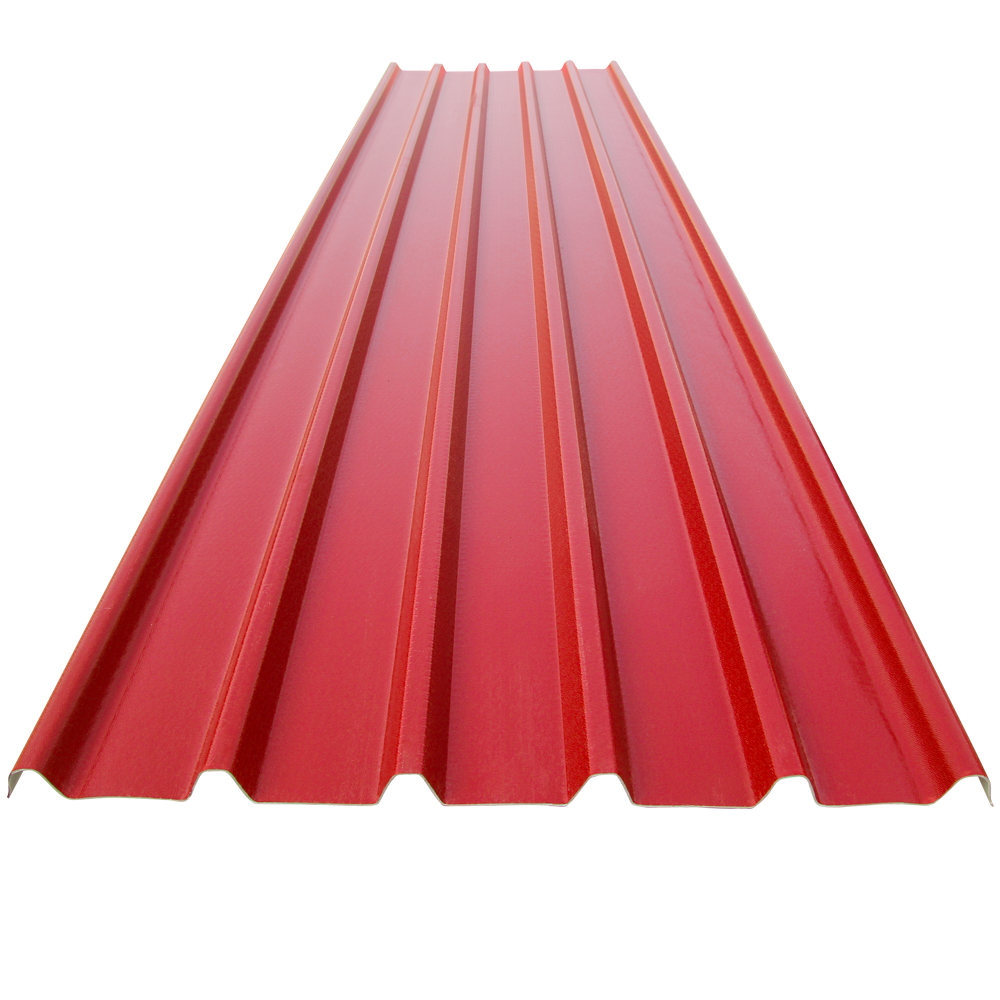
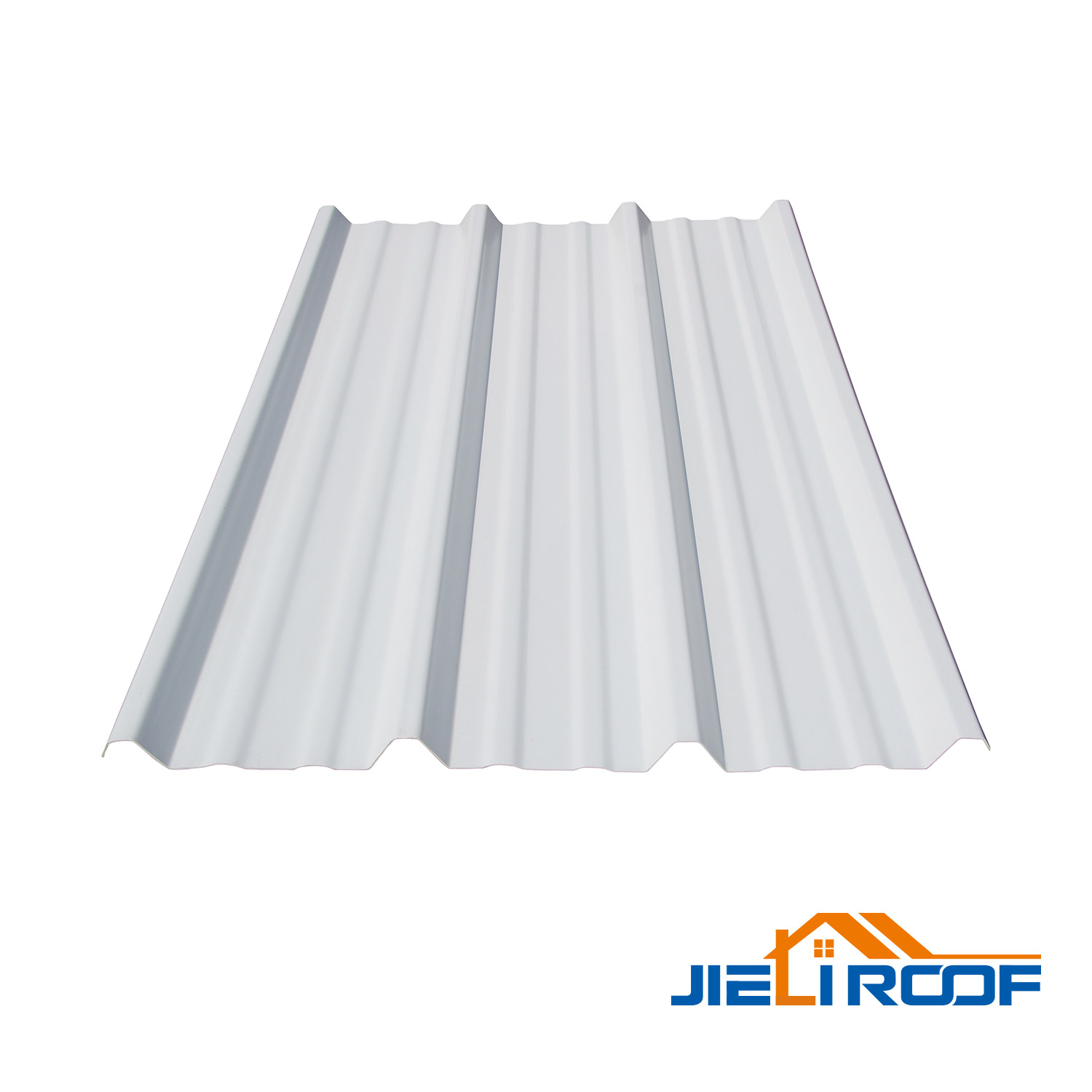
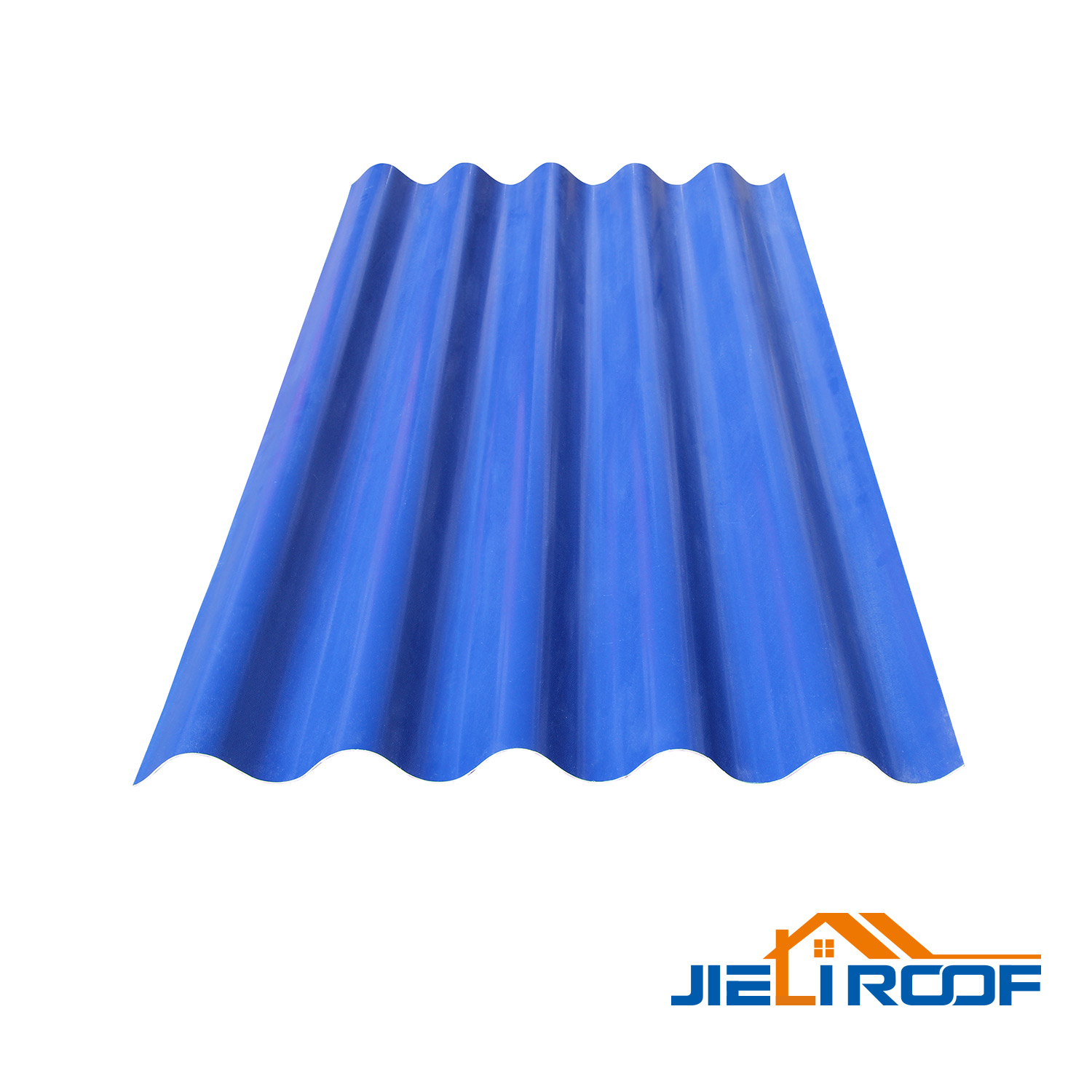
For corrugated and trapezoidal products, profile stability is especially important. The wave or rib shape must remain clear because poor shaping affects overlap, installation, drainage, and roof appearance. Jieli’s UPVC and PVC Roofing Sheet range covers industrial, agricultural, and commercial roofing needs, so material testing should always connect with the final sheet type.
Basic Strength and Handling
A roof sheet must survive more than the extrusion line. It has to be stacked, moved, loaded, transported, drilled, fixed, and used outdoors. Factories should check whether the sample sheet cracks too easily, bends poorly, or loses shape after normal handling.
Match the Formula With the Market, Not Only the Machine
A material can run well on the line but still fail to match the market. A factory selling to a mild residential market does not face the same demand as a factory supplying tropical farms, coastal warehouses, or industrial workshops.
This is where the PVC compound for UPVC roof sheet needs more than a basic formula. Hot regions need better heat and weather performance. High-UV markets need stronger outdoor color and surface stability. Humid and coastal regions need roofing sheets that can compete with metal sheets affected by corrosion. Agricultural buildings may need materials that can handle chemical fumes and moisture.
For Africa, the Middle East, South America, and similar markets, formula adjustment should be part of the discussion before bulk purchasing. A factory should ask whether the material can be tailored for the local climate, target sheet thickness, roof profile, and customer price level.
A Simple Testing Flow for Easier Production
A practical production plan helps buyers test material in a clear order. The process does not need to be complicated, but it should be controlled.
Confirm the Target Product
The factory should define the roof sheet type first. Is it a standard UPVC sheet, a corrugated sheet, a trapezoidal sheet, or a base sheet for ASA synthetic resin tile? The formula should match the product, not the other way around.
Run a Trial on the Existing Line
After the target product is clear, the factory can run a sample test on the actual extrusion line. The test should record machine settings, output speed, surface result, thickness, and waste during startup. This gives a practical view of UPVC roof sheet production instead of only a material-level result.
Adjust Before Bulk Order
If the result is close but not perfect, the supplier and factory can adjust the formula or processing settings before the large order. Bulk production should begin after the material, machine, and finished sheet results are aligned.
When Ready-to-Use Material Is a Better Fit Than Full In-House Mixing
Ready-to-use material is not the only production path. Some large factories prefer to manage their own formula. For many buyers, however, PVC compound for UPVC roof sheet is the more practical choice.
It is especially useful for new roof sheet factories, importers planning local production, PVC pipe or panel manufacturers adding roofing sheets, and factories without a mature formulation team. It also fits buyers who want to reduce finished sheet imports and produce closer to the local market.
The main benefit is focus. Instead of spending too much time solving basic formula problems, the factory can focus on product samples, line stability, local sales channels, and customer feedback.
Final Checklist Before Purchasing
Before placing a bulk order, roof sheet factories should check whether the material matches the target sheet, whether the line runs steadily, whether the finished sheet looks consistent, whether the formula suits the local market, and whether the supplier can support sample testing and adjustment.
Jieli works from roofing material production experience, so our role is not only to provide raw material. We help buyers connect formula, extrusion, finished sheet quality, and market use. For factories preparing a new roof sheet line, careful testing is safer than placing a large order too early
Q: What should factories test first before buying PVC compound?
A: Factories should begin with feeding behavior, extrusion stability, sheet surface, thickness consistency, and finished sheet strength. These tests show whether the material can work under real production conditions, not only whether the granules look acceptable.
Q: Are PVC granules suitable for a new UPVC roof sheet factory?
A: PVC granules can be a practical choice for new factories because they reduce the need to build a full formula system from the beginning. The factory can focus on machine adjustment, finished sheet testing, and market samples.
Q: Can one formula work for every roofing sheet market?
A: One formula may not fit every market. Hot, high-UV, humid, coastal, and industrial regions may need different material priorities. Buyers should test samples based on the local climate, roof profile, sheet thickness, and customer use.






 +86 0535 6278701 / +86 15653505862

 For many roof sheet factories, the difficult part is not buying PVC resin. The difficult part starts when resin, stabilizers, lubricants, color materials, fillers, and other additives must work together on a real extrusion line. A small change in mixing, temperature, or raw material quality can lead to rough sheet surfaces, unstable thickness, brittle edges, color difference, or more waste during startup.