HOME>NEWS>GI Sheet vs UPVC Roof Sheet: Heat, Corrosion, Noise, and Lifetime Cost Comparison
GI Sheet vs UPVC Roof Sheet: Heat, Corrosion, Noise, and Lifetime Cost Comparison
2026-06-08 10:53:17
SHARE TO:
GI sheet is still widely used in many roofing projects because it is familiar, strong, and easy to source. For standard warehouses, temporary buildings, and dry inland roofs, it can be a practical material. The decision becomes more complicated when the roof faces heat, rain, humidity, chemicals, or long-term maintenance pressure.
For project buyers, the real question is not simply which sheet is cheaper. A fair comparison should look at heat transfer, corrosion risk, rain noise, service stability, and lifetime roofing cost. In these areas, UPVC roof sheet often gives a different value profile from GI sheet, especially for factories, farms, warehouses, and humid industrial buildings.
Why Buyers Compare GI Sheet and UPVC Roof Sheet
A roofing material affects more than the first quotation. It changes the indoor environment, maintenance plan, replacement schedule, and sometimes the daily use of the building. This is why many buyers search for UPVC roofing sheets vs. GI sheets before confirming a project order.
GI sheet is familiar, but not always the best fit
GI sheet, also known as galvanized iron sheet, is a metal roofing material with a zinc coating that helps protect the steel base. It is commonly used for industrial roofs, warehouses, sheds, and general building covers. Its strength and wide supply make it easy for contractors to use.
However, a GI roofing sheet can become less suitable when the project is in a hot, humid, rainy, coastal, or chemically exposed environment. Once cut edges, scratches, screw holes, or overlap areas lose protection, the risk of rust can increase.
UPVC roof sheet answers different project concerns
UPVC roofing sheet is designed for buyers who care about heat insulation, sound insulation, rust prevention, and chemical corrosion resistance. It does not behave like metal roofing. Instead of transferring heat quickly or developing rust at damaged points, UPVC material offers a more stable option for many industrial and agricultural roofs.
That does not mean UPVC is the right answer for every roof. The better choice depends on building use, roof span, climate, project budget, and maintenance expectations.
Heat Comparison: Which Roofing Sheet Keeps Buildings Cooler?
Heat is one of the first issues buyers notice after a roof is installed. In hot climates, the roof can affect indoor comfort, storage safety, and energy use.
GI sheet transfers heat quickly
A GI sheet roof can absorb and transfer heat fast. In high-temperature regions, this may make factories, warehouses, and farm buildings feel hotter during the day. If the building stores heat-sensitive goods or houses people, livestock, or equipment, extra insulation or ventilation may be needed.
This does not make GI sheet unsuitable for every project. It simply means buyers should include indoor heat control in the material comparison, not only the roof sheet price.
UPVC roof sheet slows heat transfer
UPVC roof sheet offers better heat insulation performance than metal sheets. The PVC-based structure helps slow heat transfer, making it useful for workshops, warehouses, poultry houses, livestock buildings, and industrial roofs in hot climates.
For higher-duty UPVC structures, Triple-Layer Co-extrusion Technology can work together with a fiberglass reinforcing layer. The top ASA-treated layer helps resist UV damage and support color stability. The UPVC body layer provides strength, impact resistance, heat insulation, and sound insulation. The fiberglass reinforcing layer improves high-temperature resistance, tensile resistance, impact resistance, and load-bearing performance. The bottom UPVC layer adds corrosion resistance, moisture resistance, and structural stability.
Corrosion Comparison: Which Material Handles Moisture and Chemicals Better?
Corrosion is one of the clearest differences between metal roofing and UPVC roofing. It is also one of the biggest reasons buyers compare the lifetime cost.
A GI roofing sheet can rust when the protection is damaged.
GI roofing sheet relies on its protective zinc layer. If that layer is damaged by cutting, drilling, scratching, chemical exposure, or long-term weathering, the steel base can become vulnerable. Rust often begins at edges, fastener holes, overlaps, or drainage areas.
In dry buildings, this may not become urgent. In coastal warehouses, farms, food factories, chemical workshops, and water treatment buildings, corrosion pressure is higher. Repairs, repainting, leakage treatment, or early replacement can add cost after installation.
UPVC roofing sheet is rust-free and corrosion resistant
UPVC roofing sheet does not rust like metal roofing. It is also resistant to moisture and many corrosive conditions, which makes it suitable for farms, warehouses, industrial buildings, and selected chemical environments.
Fiberglass reinforced UPVC options can further improve stability in demanding use. The evenly distributed fiberglass mesh helps improve impact resistance, aging resistance, acid resistance, alkali resistance, and corrosion resistance. For projects where temperature changes, humidity, and daily roof exposure are major concerns, this structure can reduce the risk of metal-style corrosion problems.
Noise Comparison: Which Roof Performs Better in Rain?
Rain noise may seem like a small issue at the buying stage, but it can affect daily operation after installation. It matters more for workplaces, farms, commercial buildings, and occupied areas.
Metal roofs can create more rain noise
A GI sheet roof can produce noticeable noise during heavy rain and wind. For storage buildings, this may not be a major concern. For factories, offices, livestock buildings, or commercial areas, repeated rain noise can affect the working environment and building comfort.
If the project already needs sound control, buyers should compare roofing materials before choosing a standard metal sheet.
UPVC roof sheet supports quieter roof performance
UPVC roof sheet has better sound insulation behavior than metal roofing. This helps reduce rain noise and makes it more suitable for buildings where people, animals, or production activities are present.
This advantage becomes more relevant in tropical, rainy, or windy regions. For farms and workshops, quieter roofing can improve daily use without adding a separate sound-control layer in many cases.
Lifetime Cost Comparison: Lowest Price Is Not Always Lower Cost
The initial sheet price is only one part of the real project cost. Buyers also need to think about insulation, maintenance, repair, replacement, and building use.
GI sheet may require extra maintenance in harsh sites.
A GI sheet may look attractive because the starting cost can be lower. But in hot, wet, or corrosive environments, extra costs may appear later. These may include insulation, anti-rust treatment, repainting, leak repair, or panel replacement.
For projects with easy maintenance access and low corrosion pressure, this may be acceptable. For large farms, factories, and warehouses, repeated maintenance can interrupt daily operation.
UPVC roof sheet can reduce rust-related maintenance pressure
UPVC roof sheet can reduce maintenance pressure in suitable environments because it does not rust, transfers less heat, and performs better against rain noise. This can improve lifetime roofing cost for projects where corrosion, heat, and sound are real concerns.
The best comparison is not only GI sheet price versus the UPVC sheet price. Buyers should compare total roof performance, indoor comfort, maintenance difficulty, and replacement risk.
Key Comparison: GI Sheet vs UPVC Roof Sheet
Factor
GI Sheet
UPVC Roof Sheet
Main material logic
Galvanized metal sheet
PVC/UPVC-based roofing sheet
Heat performance
Transfers heat quickly
Helps slow heat transfer
Corrosion risk
Can rust if the protective layer is damaged
Rust-free and corrosion resistant
Rain noise
Higher noise risk during rain
Better sound insulation
Maintenance
May need rust treatment in harsh sites
Lower rust-related maintenance pressure
Suitable use
Standard roofs and dry warehouses
Factories, farms, warehouses, and humid roofs
Cost view
Lower initial price may be attractive
Better value when heat, corrosion, and noise matter
Where UPVC Roofing Sheet T1130 Fits Better
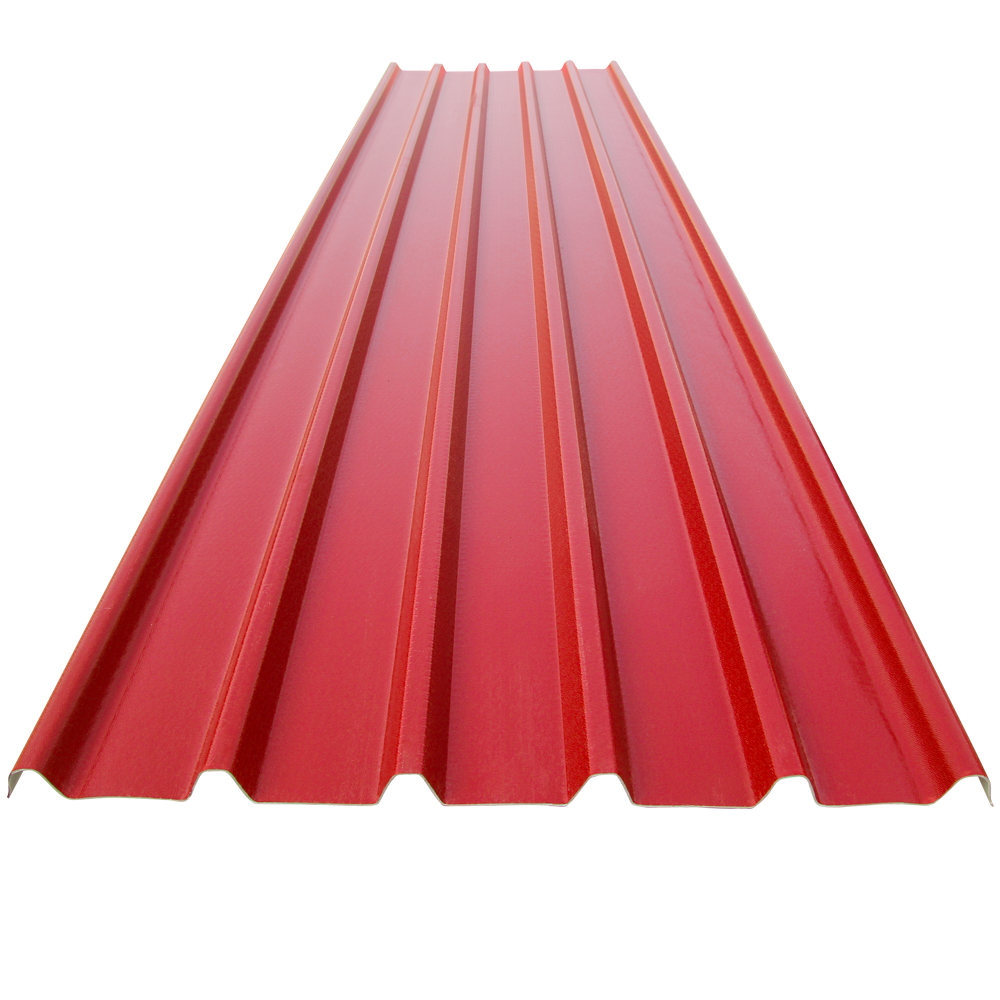
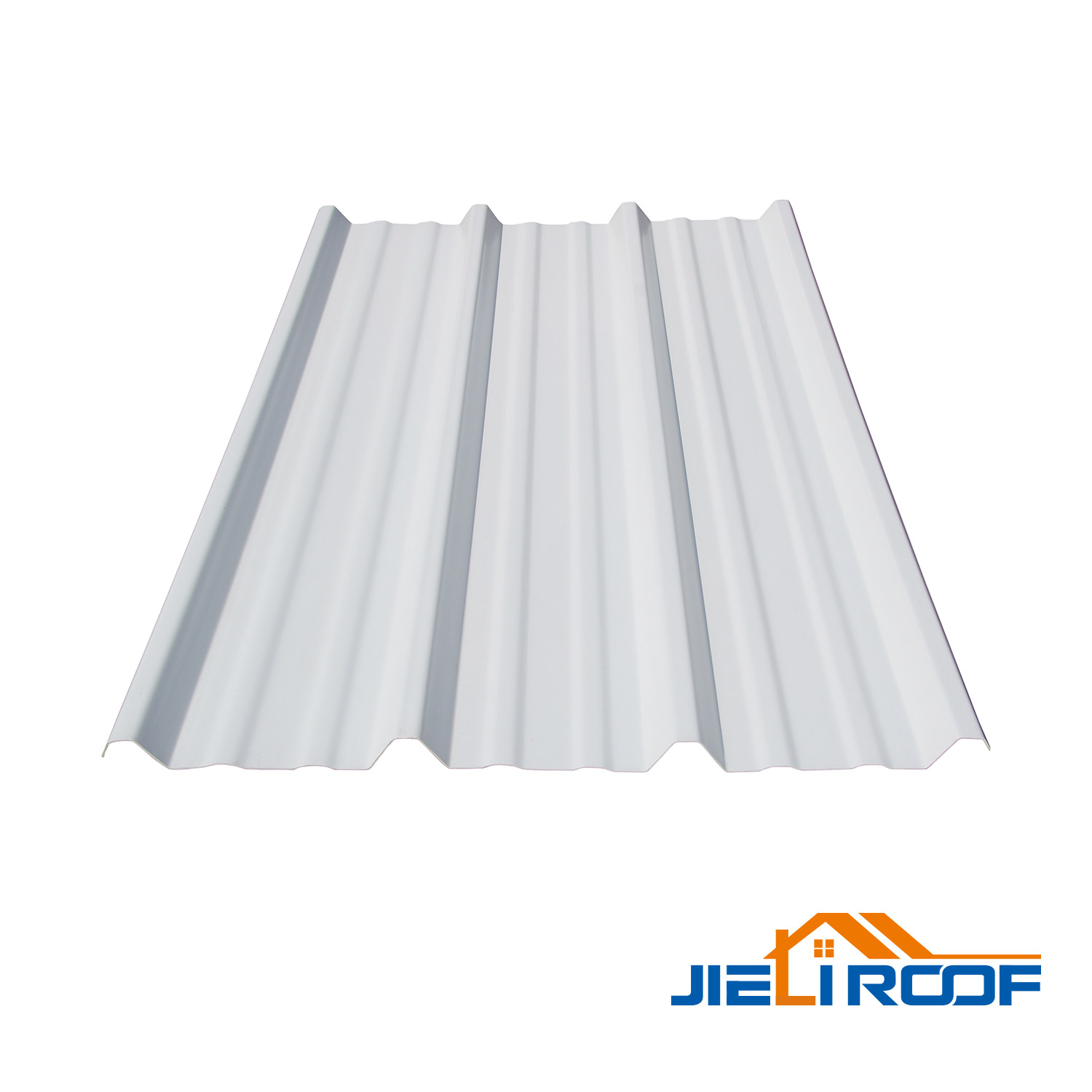
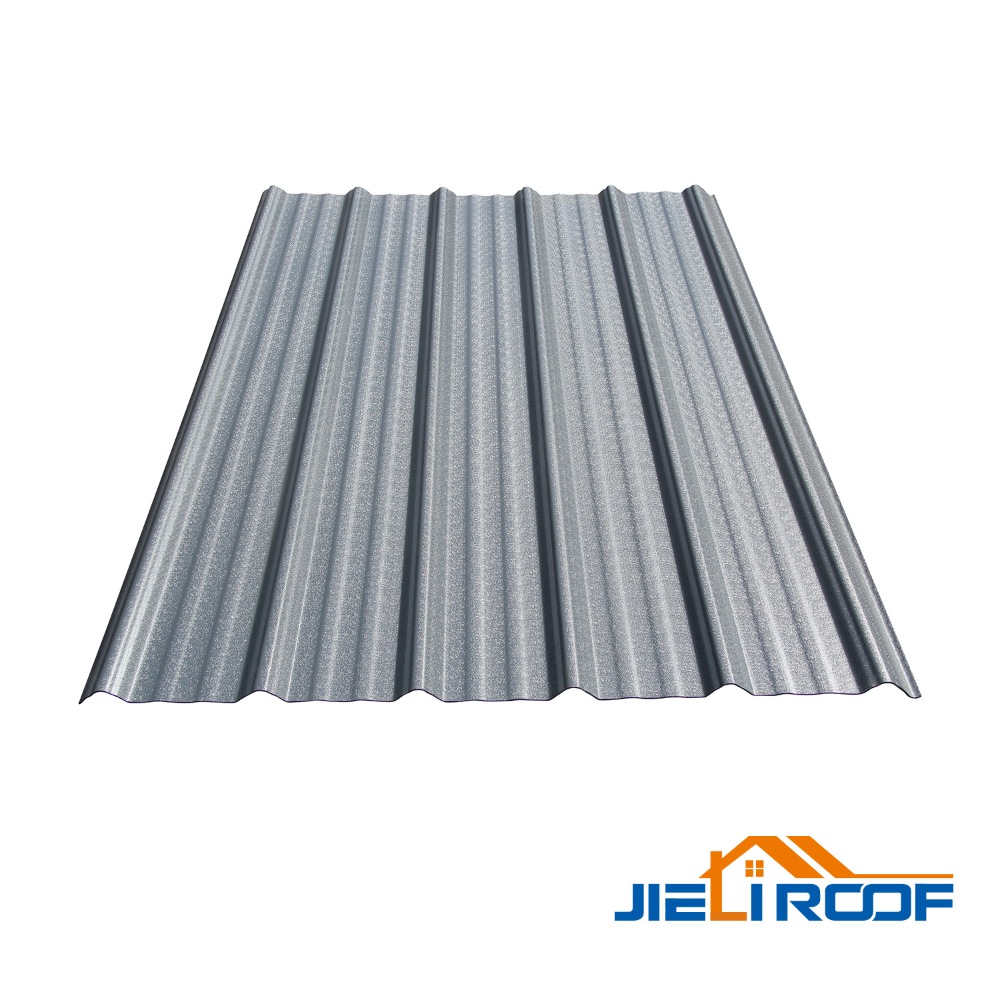
The UPVC Roofing Sheet T1130is suitable for factory, industrial roofs, ceilings, and wall panels. Its profile has a width of 1130mm and an efficient width of 1050mm. Length and color can be customized, and its purlin distance is designed for project-based roofing use.
This product fits projects where buyers need an industrial roofing sheet with corrosion resistance, heat insulation, sound absorption, water resistance, color stability, light weight, and no rust. It is also relevant for warehouses, farms, factories, and wall cladding projects where the disadvantages of a metal roof may become more visible over time.
When GI Sheet May Still Be a Practical Choice
GI sheet still has value. It may be suitable for dry inland warehouses, temporary structures, budget-sensitive projects, and buildings where heat, rain, noise, and corrosion are not major concerns. It is also familiar to many contractors, which can simplify procurement and construction planning.
The key is not to reject one material completely. Buyers should match the roof material with the project environment.
How Buyers Should Choose Between GI and UPVC
Before deciding between a GI sheet and a UPVC roof sheet, buyers should ask several practical questions. Is the building in a hot climate? Will the roof face humidity, acid, alkali, salt air, or frequent rain? Is rain noise a concern? Will the roof protect livestock, stored goods, equipment, or production areas? Is the buyer comparing the lowest starting price or the full lifetime roofing cost?
For UPVC roofing sheet vs GI sheet decisions, roof structure and project details also matter. Buyers should confirm profile, effective width, length, color, load needs, local climate, and expected service environment before placing an order.
Jieli can help review shape, color, quantity, and project conditions before quotation, especially when buyers need a roof sheet for factories, farms, warehouses, or corrosive environments.
Conclusion: Choose by Project Conditions, Not Only Sheet Price
GI sheet is practical for many standard roofing projects. It is familiar, strong, and widely available. But in hot, humid, noisy, or corrosive environments, the first price does not always show the full cost.
UPVC roof sheet is more suitable when heat insulation, corrosion resistance, rain noise control, and lower rust-related maintenance are considered. For factories, farms, warehouses, and industrial buildings, buyers should compare roof performance over time, not only the purchase price.
For a project-specific comparison, buyers can share roof size, climate conditions, building use, preferred profile, color, and quantity, thenrequest a roofing sheet recommendation before ordering.
FAQ
Q: Is UPVC roofing sheet better than GI sheet for hot climates? A: UPVC roofing sheet is usually more suitable when heat insulation is important because it helps slow heat transfer. GI sheet may still work for standard buildings, but hot-climate projects should compare indoor heat, ventilation, and long-term comfort.
Q: Does GI sheet rust faster than the UPVC roof sheet? A: A GI sheet can rust when the galvanized layer is scratched, cut, or exposed to moisture and chemicals. UPVC roof sheet does not rust like metal roofing, so it is often preferred for humid, farm, warehouse, and selected industrial roofing projects.
Q: Which roofing sheet has a lower lifetime cost? A: The answer depends on the project environment. A GI sheet may have a lower initial cost, while a UPVC roof sheet can reduce rust-related maintenance, heat transfer, and rain noise concerns in suitable applications.






 +86 0535 6278701 / +86 15653505862

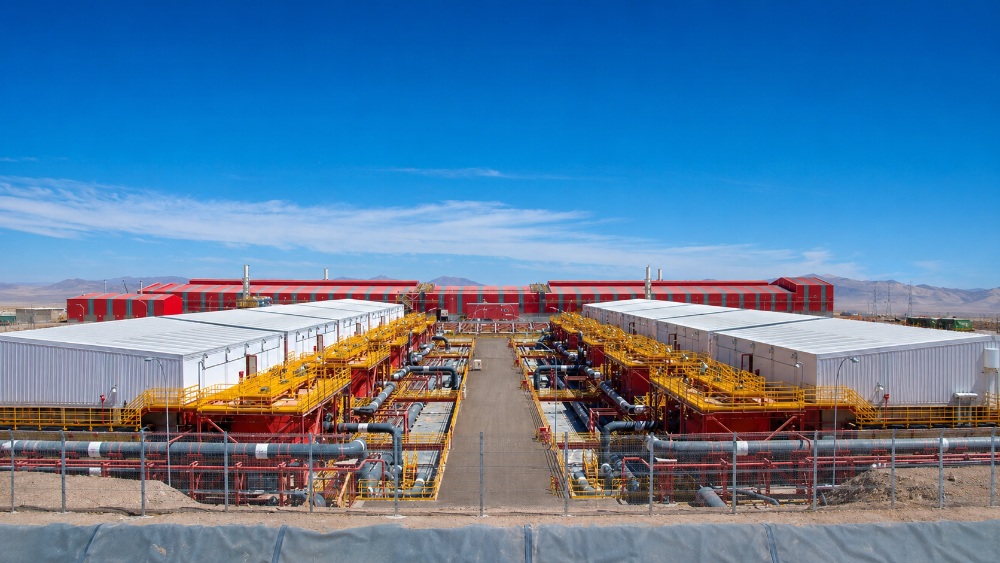 GI sheet is still widely used in many roofing projects because it is familiar, strong, and easy to source. For standard warehouses, temporary buildings, and dry inland roofs, it can be a practical material. The decision becomes more complicated when the roof faces heat, rain, humidity, chemicals, or long-term maintenance pressure.
 When GI Sheet May Still Be a Practical Choice