HOME>NEWS>TSP Steel Roof Sheet For Livestock Farms How To Reduce Ammonia Corrosion And Roof Replacement
TSP Steel Roof Sheet For Livestock Farms How To Reduce Ammonia Corrosion And Roof Replacement
2026-07-07 01:35:36
SHARE TO:
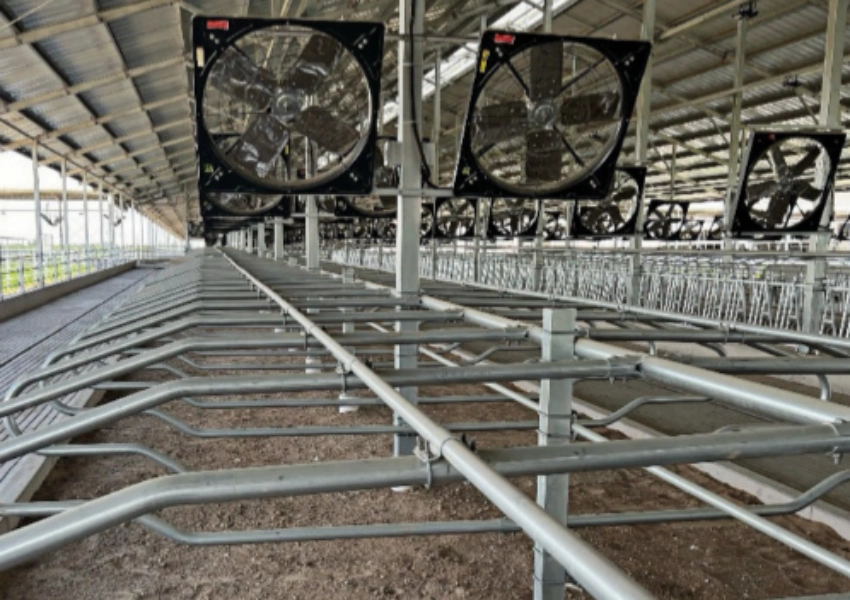
Livestock farms often replace roofs before the building frame reaches the end of its service life. The reason is not only wind, rain, or normal aging. In many pig farms, cattle barns, poultry houses, and breeding facilities, roof failure starts from ammonia, moisture, organic acids, disinfectants, and underside corrosion.
When buyers compare livestock roofing sheets, they should not treat roof replacement as a simple panel purchase. A rusted roof can create leakage, condensation, insulation loss, repeated patching, and operational disruption. This is why ammonia corrosion roofing should be reviewed early when a farm has replaced color steel sheets before. TSP steel roof sheet gives buyers a different option because it combines a steel substrate with protective film on both sides. For repeated livestock roof replacement, that structure helps reduce corrosion exposure while maintaining steel strength.
Why Livestock Farms Replace Roofs Earlier Than Ordinary Buildings
Ordinary buildings often face the weather from the outside. Livestock buildings face the weather outside and corrosive air inside. That difference changes how buyers should judge a roof panel.
Inner-Side Corrosion Creates A Hidden Failure Path
In livestock houses, manure and urine can release ammonia and other corrosive gases. These gases mix with humidity and settle near the roof underside, fasteners, overlaps, and panel edges. A roof may look acceptable outside while corrosion has started below. Traditional painted steel or color steel sheets rely on surface coatings. Once coating is scratched, cut, or weakened, corrosive media can reach the metal base. This creates a hidden failure path.
Patching Can Become an Operational Cost
Small leaks may begin as maintenance issues. After repeated patching, they become operational issues. Farms may need to schedule repairs around feeding, cleaning, breeding, or flock cycles. Partial panel replacement can also disturb production areas.
For this reason, livestock roof replacement should solve the cause of corrosion, not only cover visible damage. If ammonia, moisture, and disinfectant exposure continue to attack the same weak points, a similar roof material may create the same problem again.
What Makes Ammonia Corrosion Different From Normal Rust
Normal rust is often linked to rain, oxygen, and coating damage. Farm corrosion is more aggressive because several chemical factors work together inside the building.
Ammonia, H₂S, And Organic Acids Attack Weak Coatings
Pig farms, cattle barns, and poultry houses may contain ammonia, H₂S, organic acids, cleaning vapor, and dust. These conditions can cause coating defects around screw holes, laps, and cut edges. The roof does not only corrode from rain. It can corrode from the underside, where the farm environment is active every day. This is why ammonia-corroded roofing cannot be judged only by exterior weather resistance. Buyers also need to ask whether the underside protection can resist farm gases and moisture.
Disinfectants Add Another Chemical Layer
Livestock farms require ongoing cleaning & disinfection. Acidic and alkaline chemicals can transfer to roof and wall panels as vapor, mist, or as part of washdown solutions. Once a coating starts to peel, crack, or develop micro-defects, then normal cleaning will start to accelerate corrosion as opposed to just cleaning. For high-humidity farm buildings, the resistance of the coating to disinfectants affects the long-term value of the roof system.
How TSP Steel Roof Sheet Changes The Protection Logic
A common painted steel roof is mainly protected through coating thickness and coating quality. Jieli‘s TSP changes that logic by using film protection on steel.
Film Barrier Is Different From Ordinary Paint Coating
TSP film-coated steel sheet uses a continuous film barrier rather than ordinary paint alone. The film helps separate the steel base from ammonia, moisture, organic acids, and cleaning chemicals. That matters in livestock buildings because corrosion often begins at the underside and weak details.
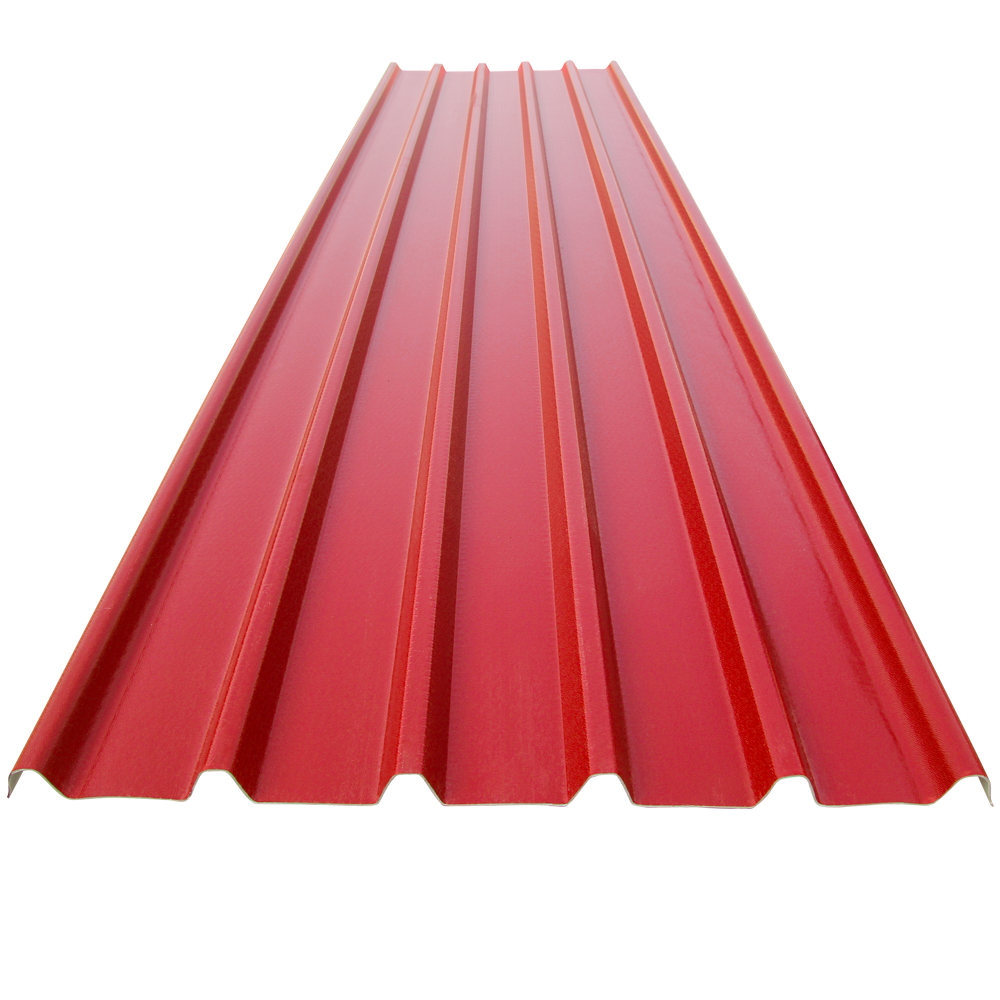
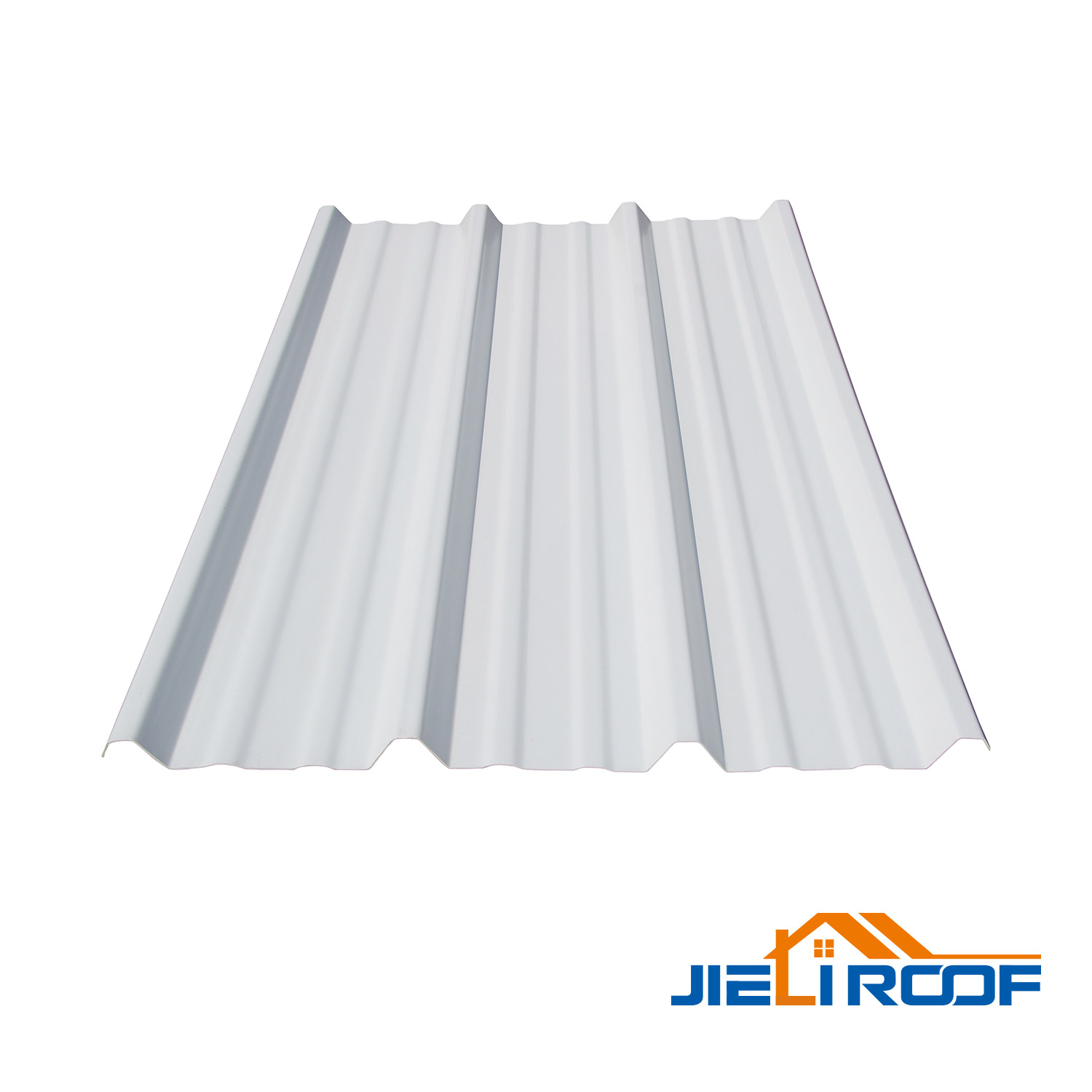
For project buyers comparing corrosion-resistant steel roofing,TSP Steel Sheet Trapezoidal 1050 can serve as a practical specification reference. It uses a TSP film and galvanized sheet structure, with width 1130mm, cover width 1050mm, customized length, and thickness options from 0.5mm to 0.8mm.
The key structure is top TSP thermoplastic film, galvanized steel substrate, and bottom TSP thermoplastic film. The film layers protect both sides, while the galvanized steel core keeps structural strength and rigidity. This differs from roof sheets, where only the top surface receives attention. In livestock farms, underside exposure is often a serious risk. A two-sided film structure can help reduce direct contact between the steel and corrosive farm air.
Which Livestock Projects Should Consider TSP First
TSP is most relevant when steel strength is needed, but ordinary colored steel has failed too quickly.
Pig Farms With Strong Ammonia And Disinfectant Exposure
Pig farms often have heavy manure gas, high humidity, and frequent cleaning. If the existing roof shows rust around fasteners, laps, or underside panels, TSP can be considered during pig farm roof replacement. The main reason is reducing repeated corrosion at the same weak points.
Poultry Houses With Rusted Sandwich Panels
Poultry and breeding houses often need stable temperature control. Many older buildings use colored steel sandwich panels. When the steel skin corrodes, insulation value may fall, and condensation risk may rise. For poultry houses where color steel has rusted, TSP steel roof sheets can support roof or panel upgrade planning while keeping a steel-based structure.
Cattle Barns Requiring Stronger Roof Panels
Cattle barns usually have large roof areas and long-term exposure to humidity and temperature changes. If the project needs stronger panels, steel-based support, and better corrosion resistance than painted steel, TSP can be evaluated as a corrosion-resistant steel roofing option.
What Buyers Should Check Before Livestock Roof Replacement
A useful quotation depends on the real roof condition. Buyers should prepare enough project information before asking for a price.
Existing Roof Condition And Corrosion Source
The buyer needs to establish where the corrosion initiated, i.e., the outer surface, inner surface, fasteners, overlaps, cut edges, drainage areas, or sandwich panel joints. Additionally, the buyer needs to establish if any of the following are the root cause of the corrosion: ammonia, H₂S, organic acids, disinfectants, condensation, or insulation failure. This step will enable the buyer to avoid selecting a new panel that will only fail similarly to the existing panel.
Specification And Project Fit
Key purchasing details include roof size, span, required profile, preferred color, corrosion level, insulation need, quantity, and destination. Some projects may also require a full replacement or phased renovation decision. Our team can review the project environment and help buyers compare roof material choices without turning the review into a product catalog.
Traditional Farm Metal Roof Vs TSP Steel Roof Sheet
Buyer Checkpoint
Traditional Painted / Colored Steel Roof
TSP Steel Roof Sheet
Inner-side corrosion
Coating damage may expose steel to ammonia and humidity
Top and bottom films help isolate corrosive media
Ammonia and disinfectants
Higher risk around fasteners, laps, cuts, and scratches
Designed for ammonia, organic acid, and disinfectant exposure
Livestock roof replacement – more than just replacing a few rotten roof sheets. Identify the cause of the problem: ammonia, H₂S, Organic Acids, Disinfectants, Condensation, Coating Failure, insulation failure, etc. The TSP steel roof sheet is a protective structure—both sides of the steel are coated with film layers. The galvanized steel substrate provides strength to the roof sheets, and the film barrier on both sides of the steel reduces contact with corrosive farm media. For farms that are experiencing ongoing problems with rust, leakage, sandwich panel failure, and constant repair, TSP is a cost-effective solution—a corrosion-resistant steel roofing solution for pig farms, cattle barns, poultry houses, and other farm buildings. Share your roof size and details, and we’ll provide you with a no-obligation roofing recommendation for your livestock roof replacement project. Feel free to contact us!
FAQ
Q1: Why Is Ammonia Corrosion A Serious Problem For Livestock Roofing? A1: Ammonia from manure and urine can mix with moisture and create corrosive conditions inside livestock buildings. Metal roofs often start rusting at fasteners, overlaps, scratches, and cut edges, which can lead to repeated repairs or roof replacement.
Q2: What Makes TSP Steel Roof Sheet Different From Painted Steel Roofing? A2: Painted steel relies mainly on surface coating. TSP steel roof sheet uses film protection on both sides of a galvanized steel substrate, helping protect the steel from ammonia, moisture, disinfectants, and other corrosive media.
Q3: Which Livestock Buildings Are Suitable For TSP Steel Roofing? A3: TSP steel roofing can be considered for pig farms, cattle barns, poultry houses, breeding facilities, and old livestock buildings where rusted-color steel roofs, insulation failure, condensation, or frequent roof repairs have become a concern.






 +86 0535 6278701 / +86 15653505862

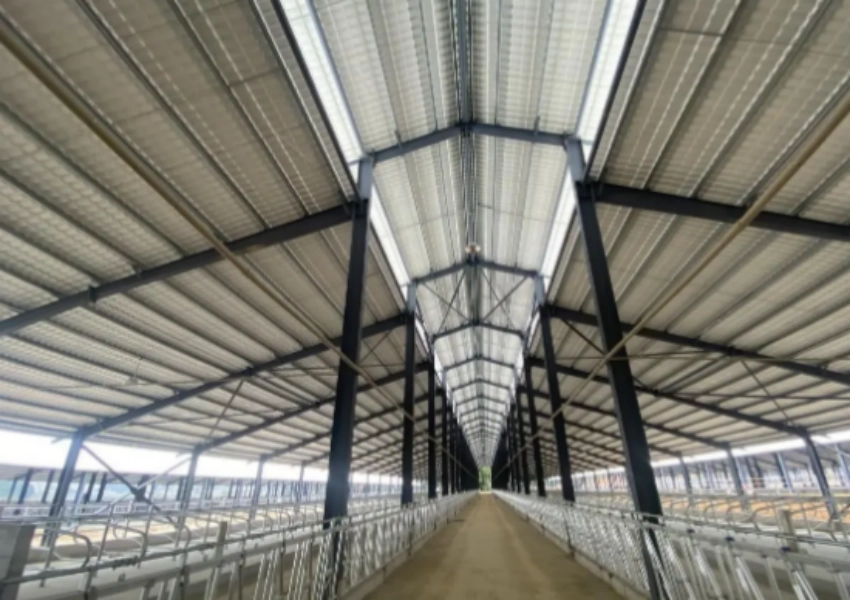 Livestock farms often replace roofs before the building frame reaches the end of its service life. The reason is not only wind, rain, or normal aging. In many pig farms, cattle barns, poultry houses, and breeding facilities, roof failure starts from ammonia, moisture, organic acids, disinfectants, and underside corrosion.
 What Buyers Should Check Before Livestock Roof Replacement