HOME>NEWS>Cattle Barn Roofing Sheets: How to Reduce Heat Stress and Long-Term Maintenance
Cattle Barn Roofing Sheets: How to Reduce Heat Stress and Long-Term Maintenance
2026-07-01 11:18:11
SHARE TO:
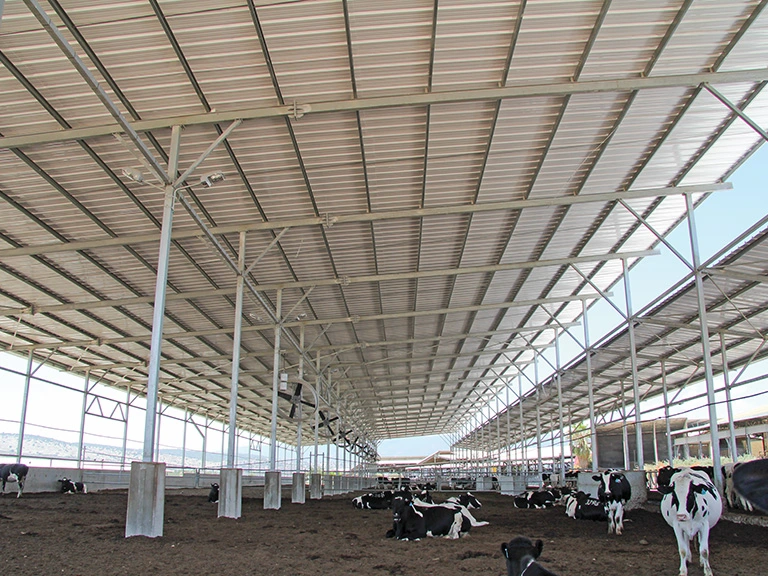
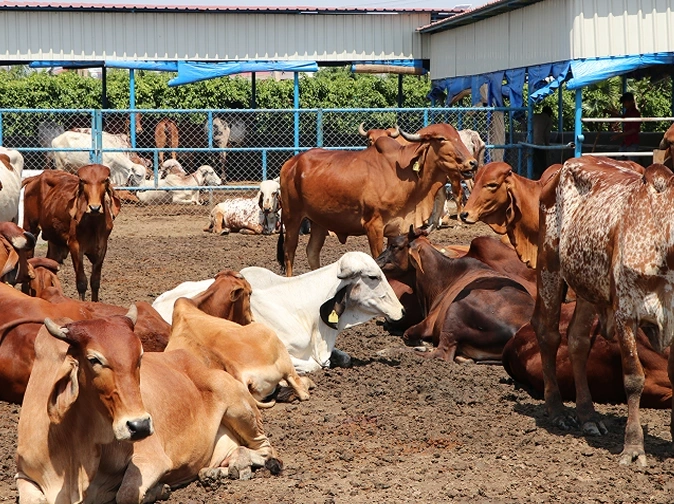
Cattle barn roofing sheets affect more than rain protection. In dairy farms and beef cattle buildings, the roof helps shape the indoor environment. Heat, humidity, ammonia, cleaning water, rain noise, and roof aging all add pressure over time. If the sheet material is not suitable, the building may need more cooling support, more cleaning attention, and more roof maintenance than expected.
For large cattle barns, when selecting the roof to be part of your farm operation plan, you should compare the lower sheet price for the initial cost and the heat stress, cattle barn problems, corrosion, and repeat repairs that this may cost you in the long run. Compare the heat insulation, moisture resistance, corrosion resistance, noise control, and service stability of the various livestock roofing sheets.
Why Cattle Barn Roofs Need More Than Basic Weather Cover
The roof faces weather from outside and farm conditions from inside.
Heat Affects Cattle Comfort and Farm Operation
Cattle in general are very sensitive to the heat. While designing barns for cattle in very hot climates, attention should be paid to the roof material so that it does not transfer too much heat to the interior of the barn, thereby putting more pressure on the farm’s ventilation system. Indoor environment management becomes even more difficult in such scenarios.
This is why cattle barn roofing sheets should be reviewed early in project planning. The goal is not to make the roof solve every heat issue alone. Ventilation, building height, airflow, and shade also matter. Still, roof material plays a practical role in reducing heat pressure.
Moisture and Ammonia Add Maintenance Pressure
In a humid barn, these gases may stay near roof surfaces and weak points. Cleaning water and disinfectants add more chemical stress.
Metal roofing can still work in many standard buildings, but cattle barns create a harsher environment. Rust often begins at scratches, fastener areas, laps, or cut edges. Once corrosion starts, maintenance can become more frequent. For livestock roofing sheets, corrosion resistance is not only a product feature. It is part of long-term farm cost control.
How Roofing Material Affects Heat Stress in Cattle Barns
Metal Roofs Can Transfer Heat Quickly.
Metal sheets can absorb and transfer heat fast. During sunny periods, this can increase indoor heat pressure, especially in barns with wide roof areas. Additional insulation or ventilation may be needed to keep the building suitable for cattle. This does not mean metal roofing has no value. It can be practical in dry and mild environments. The issue is whether the roof material matches the farm’s climate, barn layout, and maintenance plan.
UPVC Helps Slow Heat Movement
A UPVC roof sheet has better heat insulation behavior than steel roofing. In cattle barns, slower heat transfer can support a more stable indoor environment. It may also reduce the load on fans, spray systems, or other cooling support in hot seasons. Buyers should still check the full barn design, but a heat insulation roofing sheet can improve the starting point for thermal control.
Why Long-Term Maintenance Matters in Cattle Barn Roofing
Rust and Leakage Create Hidden Costs.
Cattle barns can be humid, warm, and chemically active. Roof materials may face ammonia, washing water, disinfectants, and condensation. When a metal roof begins to rust, leakage and repair work can follow. The cost is not only the sheet itself. Farms may need to schedule repairs, manage wet areas, replace damaged panels, or protect stored materials and equipment. For large cattle barns, repeated roof maintenance can disturb daily operations.
UPVC Reduces Rust-Related Pressure
UPVC roof sheet does not rust like metal roofing. It also offers chemical corrosion resistance, moisture resistance, and sound insulation. These properties make it suitable for barns where humidity and cleaning are part of daily use. For buyers comparing long-term farm roofing costs, rust-free performance is important. A roof that resists corrosion can reduce repainting and repair pressure. It can also help keep the barn easier to manage over time.
Other Roof Performance Factors Cattle Farms Should Check
Heat and corrosion are the main concerns, but cattle farms should also consider rain noise, cleaning needs, and surface stability.
Rain Noise Can Affect The Barn Environment
Heavy rain, hail, and strong wind can create loud impact noises on metal roofing. In livestock buildings, repeated noise can affect animal comfort and farm work. This is especially relevant in rainy or storm-prone regions. UPVC roofing has better sound insulation than steel sheet. For cattle barns, this can help reduce noise pressure during harsh weather and improve the daily building environment.
Cleaning and Hygiene Require Suitable Surfaces
Cattle barns often need regular cleaning. Roof and wall cladding materials should resist moisture and cleaning chemicals while keeping a stable surface. A smooth UPVC surface supports easier washing and reduces dirt accumulation. It also helps with hygiene management when the building is exposed to moisture, manure gases, and disinfectants. This does not replace proper farm sanitation, but it gives the building envelope a more suitable material base.
Where UPVC Roofing Sheet Fits Cattle Barn Projects
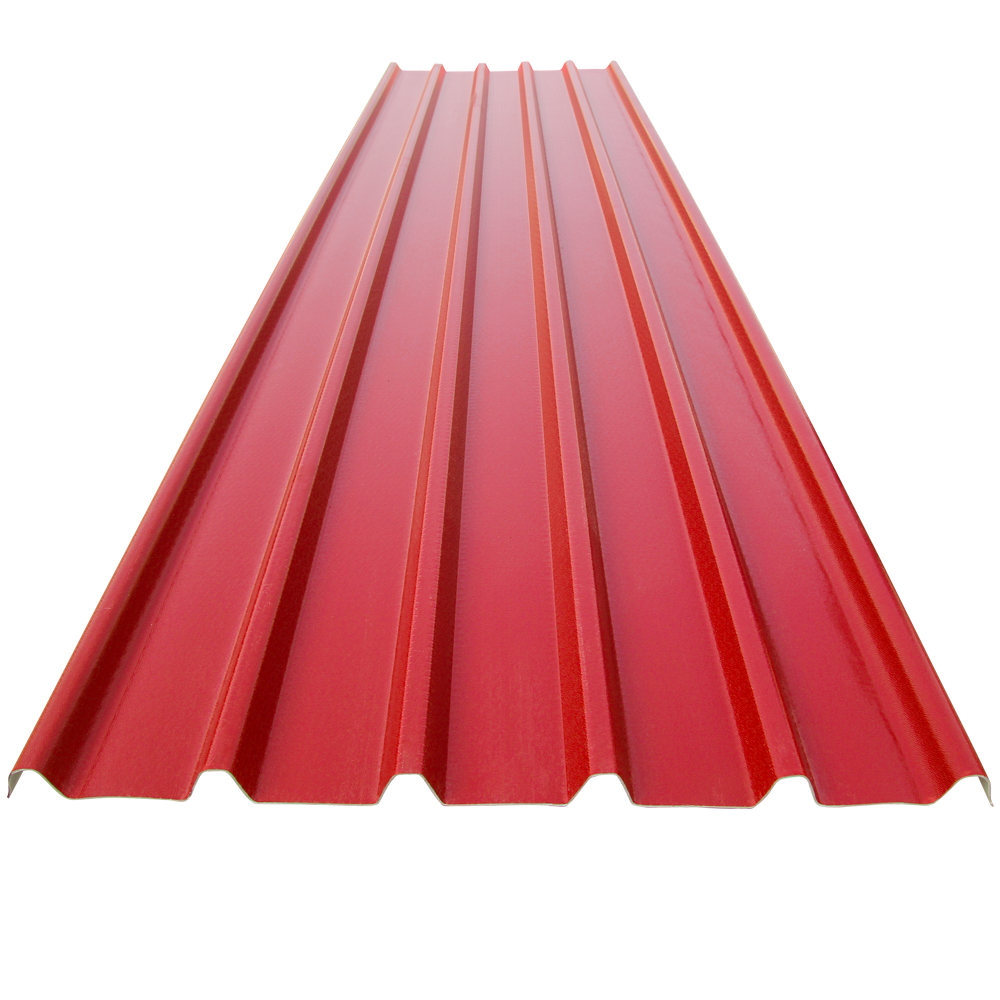
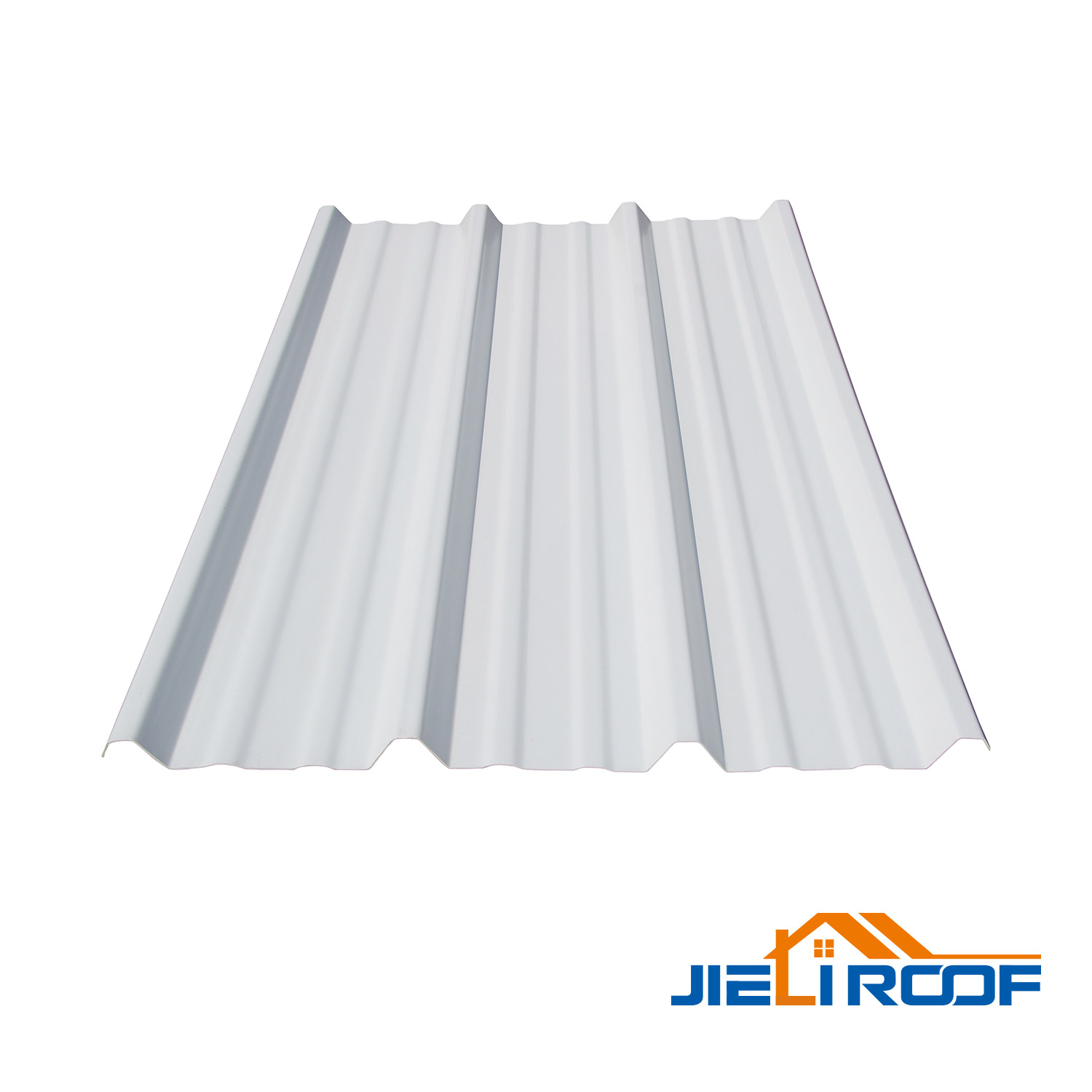
Jieli‘sUPVC Roofing Sheet T1130 can be used for roofing, wall cladding, and ceiling applications. Its profile has a width of 1130mm and an effective width of 1050mm. Length and color can be customized, and its purlin distance is suitable for project-based roof planning.
For cattle barns, the product is relevant when buyers need corrosion resistance, heat insulation, sound absorption, water resistance, light weight, stable color, and no rust. It can also be considered for warehouses, farm industry buildings, factories, and wall panel projects.
When Fiberglass-Reinforced UPVC May Be Worth Considering
Some cattle barn projects need stronger stability. Large spans, stronger wind, frequent rain, or higher impact requirements may push buyers to compare upgraded materials.
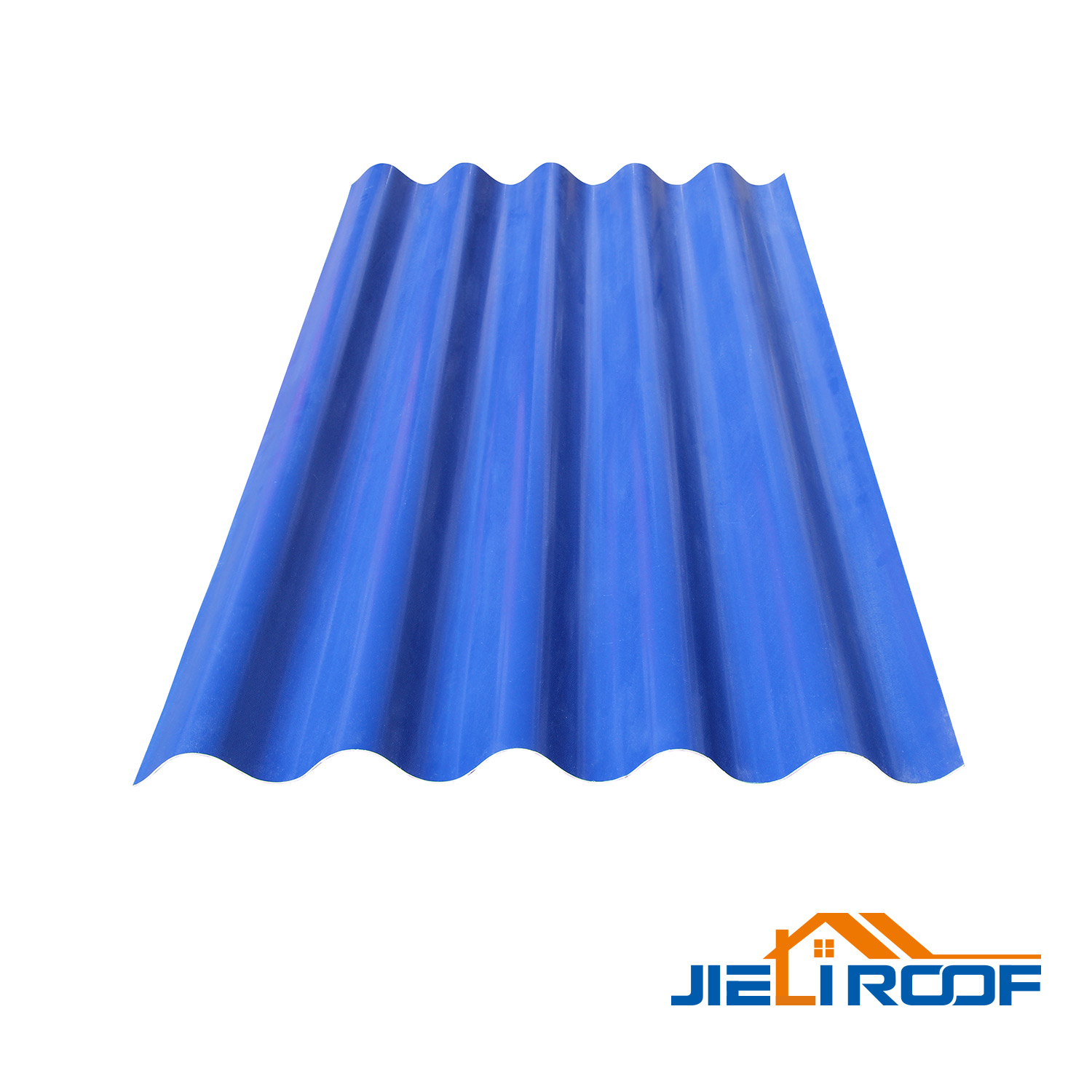
A fiberglass-reinforced UPVC roof sheet adds a fiberglass mesh layer inside the PVC/UPVC structure. This helps improve tensile strength, impact resistance, loading capacity, and weather change resistance. For demanding farm buildings, it can be considered when standard UPVC may not fully meet structural or durability expectations.
Metal Roof vs UPVC Roof Sheet for Cattle Barns
Factor
Metal / Color Steel Roof
UPVC Roof Sheet
Heat transfer
Transfers heat quickly
Helps slow heat transfer
Heat control
May need added insulation or ventilation
Supports better barn roof heat control
Ammonia and moisture
Rust risk rises when coating is damaged
Rust-free and moisture-resistant
Cleaning chemicals
Coating may weaken over time
Better resistance to acid, alkali, and disinfectants
Rain noise
Higher noise during rain or hail
Better sound insulation
Maintenance
May need repainting or replacement
Lower rust-related maintenance pressure
Project fit
Standard dry buildings
Cattle barns, farms, warehouses, and humid buildings
Conclusion
Cattle barn roofing sheets should be selected by real operating conditions, not only by sheet price. Heat, humidity, ammonia, washing, disinfectants, rain noise, and maintenance access all affect long-term performance.
UPVC roof sheet is a practical option for many cattle barn projects because it helps slow heat transfer, resists rust and corrosion, reduces rain noise, and supports easier cleaning. For more demanding barns, fiberglass-reinforced UPVC can also be considered when extra strength and stability are needed.
For new cattle barn construction or roof replacement, buyers can share roof size, barn environment, climate, profile preference, color, and quantity, then request a cattle barn roofing recommendation based on actual project conditions.
FAQ
Q1: Why does roof material affect heat stress in cattle barns? A1: Roof material affects how fast heat moves into the building. Metal roofing transfers heat quickly, while a UPVC roof sheet helps slow heat transfer. For hot climates or dairy farms, this can support better indoor temperature control together with ventilation.
Q2: Is a UPVC roof sheet suitable for cattle barn roofing? A2: A UPVC roof sheet is suitable for many cattle barn roofing projects because it offers heat insulation, sound insulation, rust-free performance, moisture resistance, and chemical corrosion resistance. Buyers should still match profile, purlin distance, length, and color with the roof design.
Q3: When should buyers consider fiberglass-reinforced UPVC roof sheets? A3: Fiberglass-reinforced UPVC roof sheeting is worth considering when cattle barns need better impact resistance, tensile strength, loading capacity, weather stability, or longer-term durability. It is more suitable for demanding farm buildings than standard roofing choices.






 +86 0535 6278701 / +86 15653505862

 Cattle barn roofing sheets affect more than rain protection. In dairy farms and beef cattle buildings, the roof helps shape the indoor environment. Heat, humidity, ammonia, cleaning water, rain noise, and roof aging all add pressure over time. If the sheet material is not suitable, the building may need more cooling support, more cleaning attention, and more roof maintenance than expected.