HOME>NEWS>What Roofing Material Helps Lower Long Term Maintenance Cost in Livestock Farms
What Roofing Material Helps Lower Long Term Maintenance Cost in Livestock Farms
2026-10-02 00:00:18
SHARE TO:
A farm roof is paid for more than once. The first invoice covers sheets, flashings, fasteners, labor, and access. Later invoices may cover patching, repainting, replacing corroded laps, moving animals during work, disposing of failed sheets, and repairing damaged insulation or equipment. A fair comparison of livestock roof maintenance cost needs both the purchase price and the work that the roof is likely to create during its service period.
This is especially true in buildings with ammonia, high humidity, frequent wash-down, or disinfectant exposure. A roof can look acceptable from the yard while the underside around fasteners and laps is already deteriorating. The right material is not the same for every building. UPVC and TSP solve different problems, and a reliable budget keeps those roles separate.
Start With The Exposure Map
Before comparing farm roofing materials, mark the areas that work hardest. A dairy wash bay may receive water and cleaning chemicals. A poultry or pig house may hold humid air and ammonia for long periods. A sheep shelter may have more open ventilation but still face strong sun and rain. Roof edges, laps, penetrations, gutters, and fasteners deserve their own line in the inspection because failure often begins at a detail rather than in the middle of an untouched sheet.
The maintenance plan should also record how the building is cleaned. Frequency is only one part of the exposure. Chemical type, concentration, spray direction, dwell time, rinsing, and drying all matter. A supplier can assess a material’s stated resistance, but the farm should not treat a laboratory test as permission to use any chemical at any concentration.
What A Low First Price Can Leave Out
A low sheet price may exclude compatible fasteners, ridge pieces, flashings, access equipment, replacement of damaged purlins, and the cost of working around occupied animal areas. It may also assume a short repair cycle. Request a written scope that states profile, thickness, effective cover, accessories, warranty, delivery, and inspection responsibility. Without that detail, two quotations may not describe the same roof.
When UPVC Is The Better Maintenance Choice
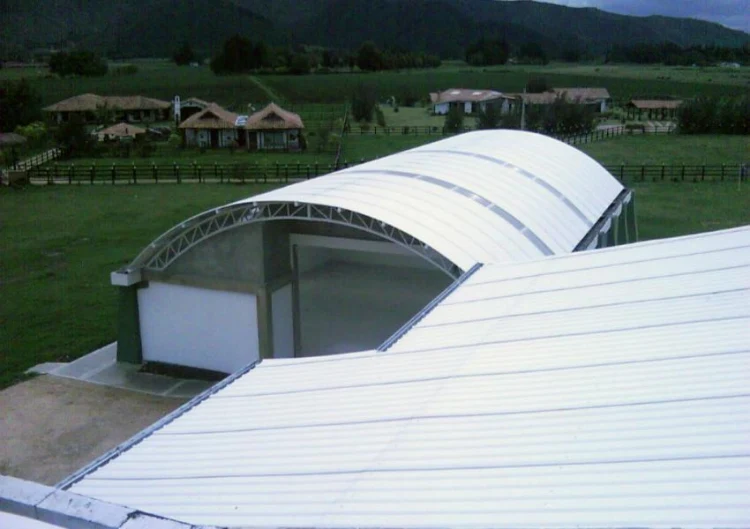
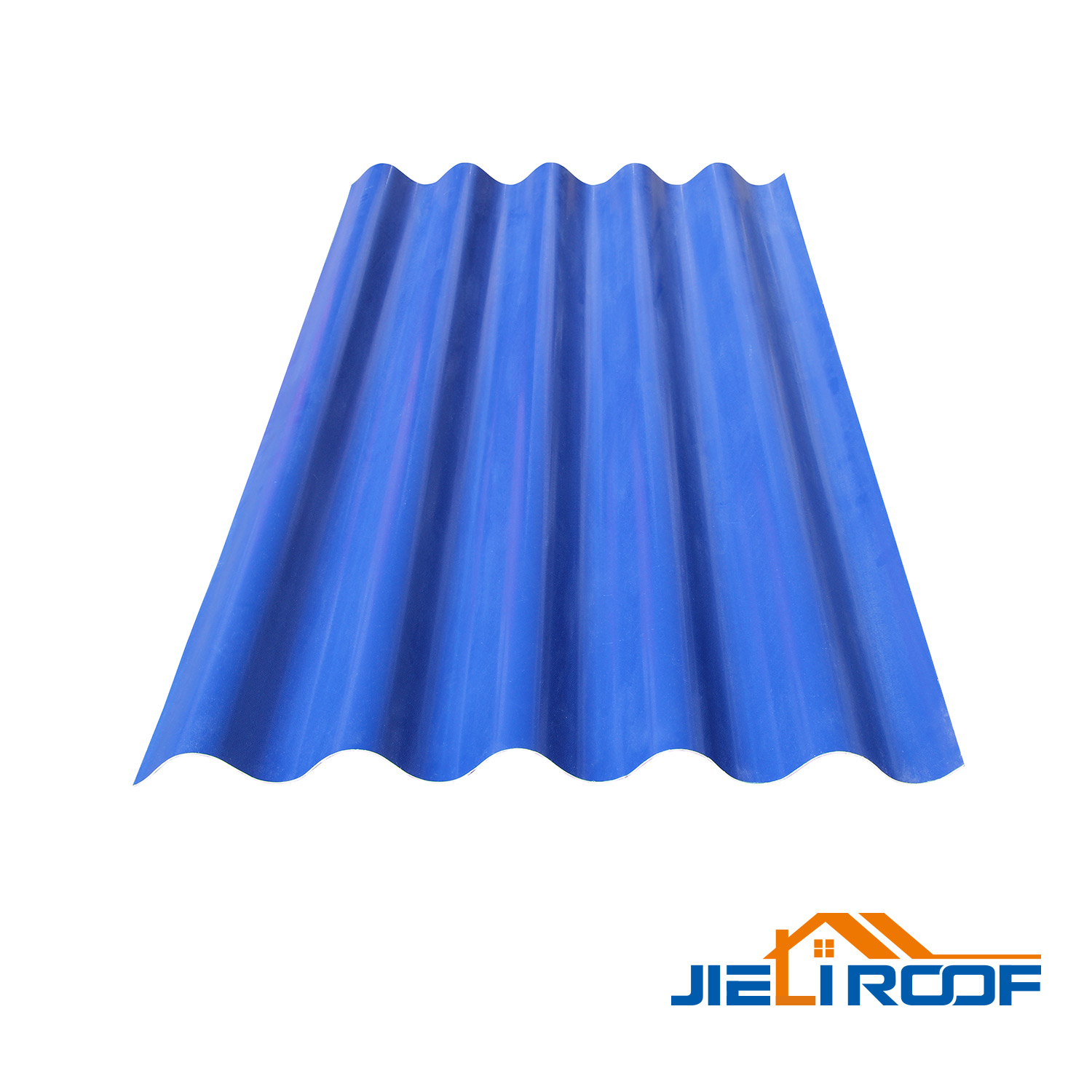
UPVC is often a strong fit where corrosion, heat transfer, noise, and cleaning are all part of the brief. It does not rust, and its dense, smooth surface is easier to wash than a rough or peeling coating. It has resistance to ammonia, moisture, manure gases, acids, alkalis, and disinfectants. That makes UPVC useful where direct heat conduction and animal comfort matter alongside maintenance.
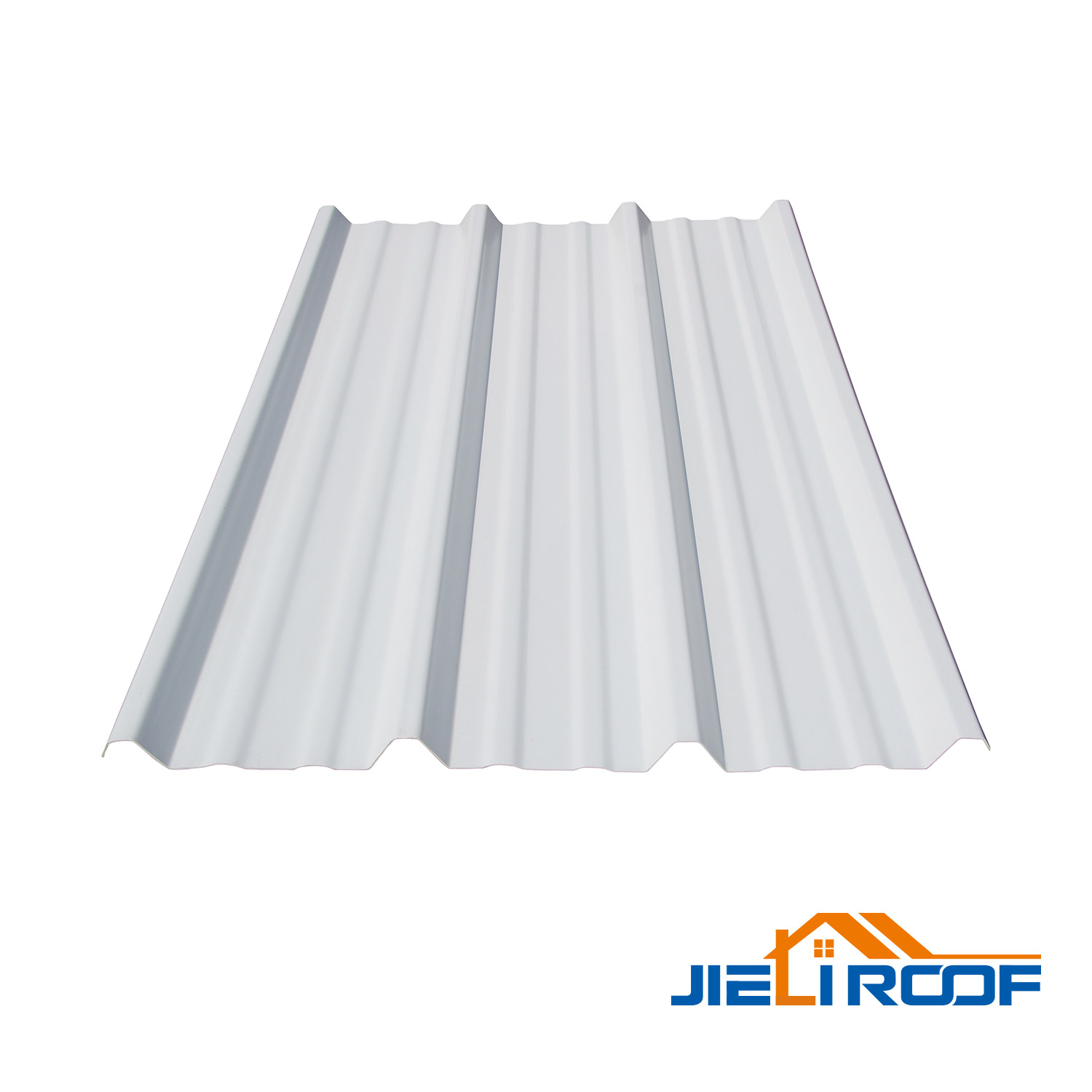
The material checks must be quoted accurately. UPVC corrosion resistance is referenced by immersion in 5% sulfuric acid or 5% sodium hydroxide solution. UPVC warranty coverage is 8-10 years. But the expected result still depends on profile selection, span, fixing, weather, and handling. The product, such as the T940 UPVC roof sheet and the T1130 UPVC roof sheet, have different effective widths for project planning.
UPVC is not the automatic answer for a very long unsupported span or a roof that needs a metal substrate for structural reasons. A reinforced profile may be considered where rigidity and impact performance call for it. The point is to match the sheet to the roof system, not to use a general long-lifespan roofing claim as a substitute for engineering checks.
When TSP Is The Better Corrosion Conversation
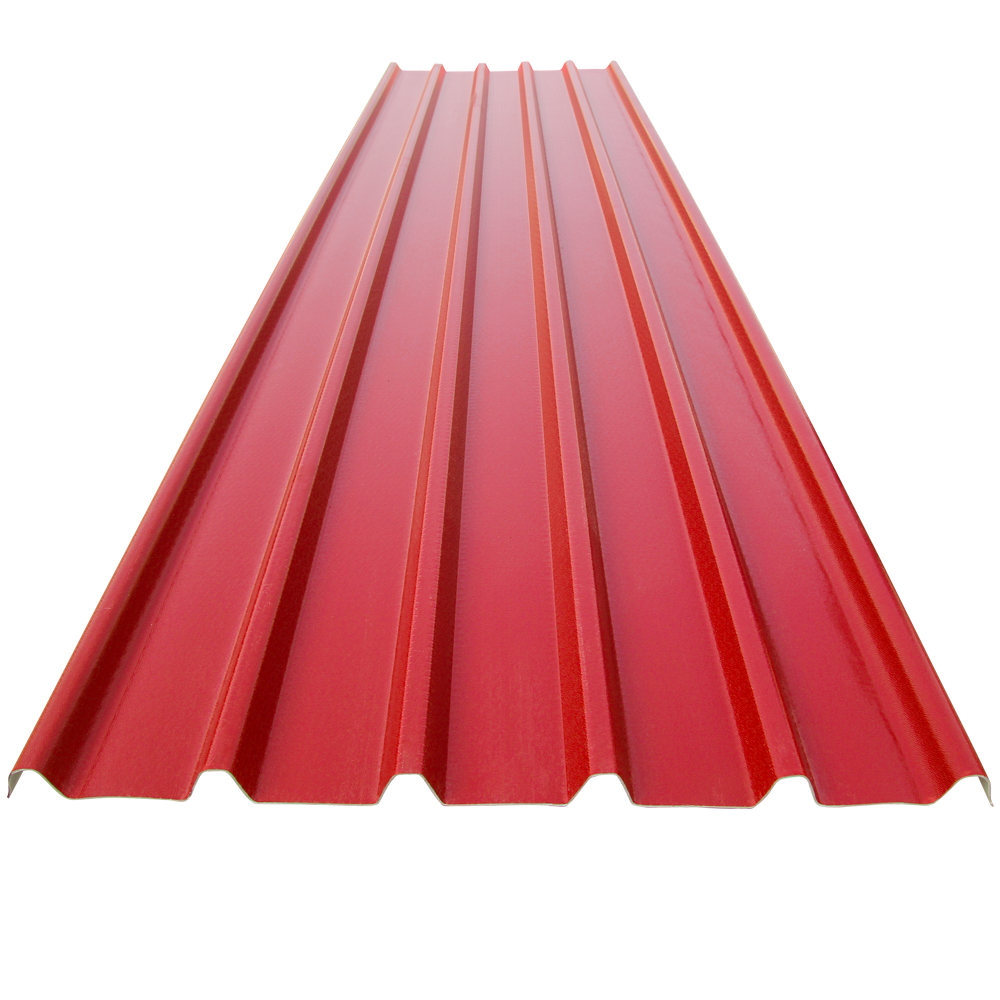
TSP is a film-coated steel sheet. Its principal advantage in a livestock building is chemical-corrosion resistance and rust prevention. The product has a galvanized steel core with thermoplastic film on the top and bottom, creating protection on the weather side and the humid underside. That construction suits projects where ammonia, salt, acids, alkalis, and frequent cleaning create a higher risk for ordinary painted steel.
TSP testing includes 15% hydrochloric acid exposure for 168 hours with no fading, swelling, or separation reported under the test conditions. A salt-spray test at 5% sodium chloride and 50 degrees C recorded no rust after 1,000 hours. The TSP film-coated steel sheet’s thickness is 0.4-0.8 mm. The warranty is 15 years.
A TSP steel roof sheet may therefore reduce repainting and premature replacement in a chemically aggressive building. It does not make a single metal sheet an insulation system. If stable temperature or acoustic control is required, the project should consider a TSP sandwich panel or another properly specified assembly with a core that provides those functions.
The Underside Matters As Much As The Weather Side
A roof that is protected only on top can still fail from the inside. Livestock buildings produce warm, humid air, and the underside can be exposed to ammonia or cleaning mist. TSP’s two-sided film protection is relevant in that setting. The detail still needs sound laps, fasteners, penetrations, drainage, and inspection access. No sheet eliminates the need to check how a building is used.
Compare Whole-Life Work, Not A Marketing Lifespan
A useful cost sheet has separate lines for the material, accessories, installation, inspection, cleaning, routine repair, access, downtime, and eventual replacement. It should also state whether the old roof remains, whether wet insulation is removed, and whether the structure needs reinforcement. This makes the comparison more honest when one option costs more at purchase but is expected to need less coating or patching.
For UPVC, the potential saving often comes from avoiding rust treatment, repainting, and frequent replacement while gaining a surface that is easier to clean. That is the more realistic meaning of long-lifespan roofing: fewer disruptive interventions when the roof is properly specified and maintained, not a guarantee against every failure. For TSP, the calculation centers on keeping corrosive media away from a metal substrate and reducing the risk of early rust in aggressive conditions. Neither calculation should promise a fixed saving without the farm’s roof area, labor rates, cleaning schedule, climate, and repair history.
Downtime deserves its own value. A repair above a live animal area can require temporary protection, altered movement routes, extra cleaning, and schedule changes. A roof with fewer recurring failures may be worth more than the difference between two sheet quotations, especially in a facility that cannot easily stop production. That is the practical meaning of lowering livestock roof maintenance costs.
A Buyer Checklist For The Final Specification
Ask the supplier and project designer to confirm the following before purchase: the roof profile and effective width; sheet thickness; purlin spacing and design span; exposure to ammonia and disinfectants; cleaning method; fastener and flashing compatibility; warranty wording; test conditions; expected inspection points; and the boundary between the sheet and the supporting structure. Samples should be checked for color, surface finish, stiffness, profile fit, and cut-edge quality.
Use corrosion-resistant roofing sheets when chemical exposure is the leading risk and a steel-based system is required. That is the practical role of corrosion resistant roofing sheets in a maintenance plan: reduce the frequency of rust-related work where the exposure justifies them. Use UPVC when the project needs a rust-free, low-conductivity, washable roof surface and the structure suits the profile. In a mixed project, different areas may reasonably use different materials. The best specification is sometimes a material split, not a single product across every shed.
For profile samples and a project discussion, Jieli can be used as a starting point. A useful inquiry includes drawings, purlin spacing, building type, cleaning chemicals, recurring leak locations, and photographs of the roof underside. That information supports a more realistic cost comparison than a request for the lowest price alone.
FAQ
Q1: Which roof has the lower long-term maintenance cost, UPVC or TSP?
A1: It depends on the building. UPVC suits rust-sensitive, hot, humid, and frequently cleaned areas. TSP suits corrosive environments that require a metal substrate. Compare exposure, structure, cleaning, downtime, and replacement work rather than material price alone.
Q2: Does TSP provide the same insulation as UPVC?
A2: No. TSP single sheet is mainly a chemical-corrosion and rust-prevention solution. Thermal insulation should come from a properly specified panel core or another separate roof assembly.
Q3: What data should be included in a livestock roof quotation?
A3: Request profile, effective width, thickness, accessories, test conditions, warranty, fixing assumptions, cleaning exposure, delivery scope, and any limits related to the existing structure.






 +86 0535 6278701 / +86 15653505862