HOME>NEWS>Can PVC Compound Reduce Production Problems in ASA Synthetic Resin Tile Manufacturing
Can PVC Compound Reduce Production Problems in ASA Synthetic Resin Tile Manufacturing
2026-10-01 00:00:19
SHARE TO:
For buyers comparing PVC compound for ASA synthetic resin tile for a working building, the decision comes down to material behavior, roof detailing, and the cost of keeping production moving. The right choice depends on exposure, structure, and maintenance, not on a single headline specification. A useful purchase file connects the material, the installation method, the test record, and the maintenance plan so the roof can be judged after handover as well as on delivery.
Why Do ASA Synthetic Resin Tile Lines Develop Repeated Production Problems?
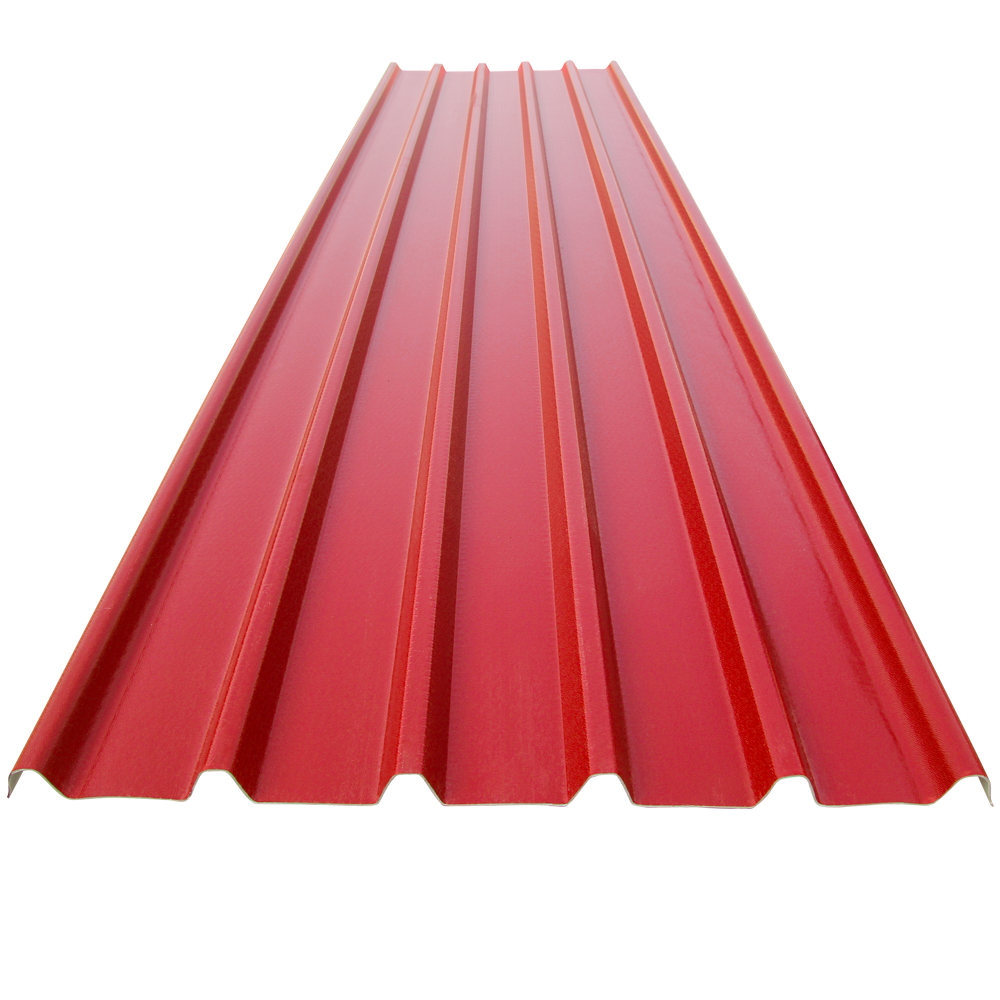
A production line can look mechanically sound and still produce unstable ASA synthetic resin tile. The first clues are often small: a feeder that needs constant adjustment, a surface with faint flow marks, color that shifts from one batch to the next, or dimensions that move after cooling. These symptoms are easy to blame on the extruder, yet the raw material and the dosing routine may be the real starting point.
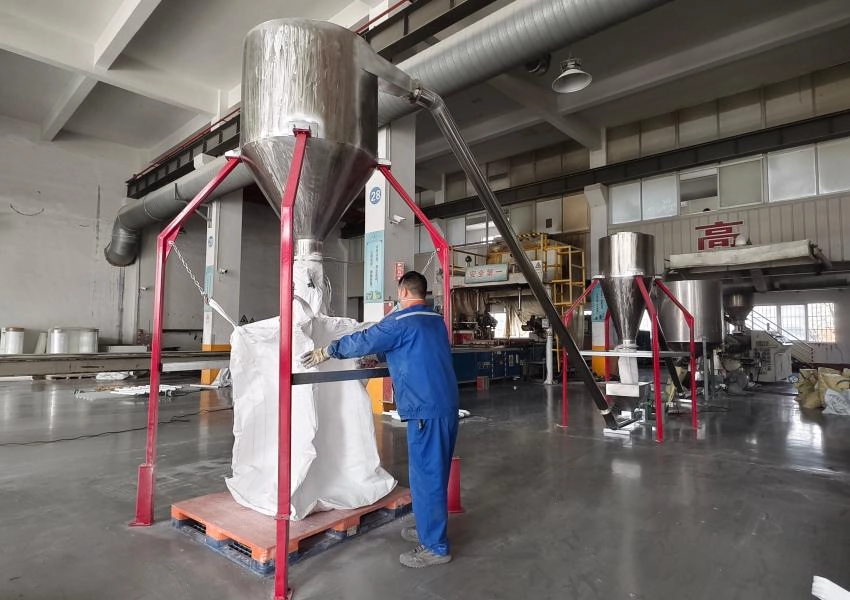
A line using several bags of PVC resin, stabilizer, lubricant, and processing aids relies on operators to repeat the same recipe every time. Small weighing errors, different powder moisture, or a change in additive quality can alter fusion speed and melt strength. The result is more start-up scrap and more time spent chasing a setting that keeps moving. That is why a PVC compound for ASA synthetic resin tile should be judged as part of the production system, rather than as a low-cost substitute for individual ingredients.
Which PVC Compound Properties Affect Extrusion Stability?
A compound is made from PVC resin powder and matched additives through mixing, extrusion, and pelletizing. The practical benefit is consistency. The processor receives a material with a defined formulation and repeatable feeding behavior, so the line does not depend on manual dosing for every run. Jieli describes its PVC compound as suitable for extrusion and molding, with formulation adjustments available for different markets and applications.
Consistent Resin, Stabilizer, and Lubricant Balance
These components influence fusion, melt flow, surface finish, and resistance to heat during processing. If the balance is wrong, the tile may show roughness, poor gloss, plate-out, or an unstable profile. A compound cannot correct a worn screw or a badly aligned die, but it can remove one common source of variation.
Processing Behavior Must Match the Line
Screw design, barrel temperature, output rate, and ASA cap-layer requirements all matter. A pellet that works on one extruder may need adjustment on another. The right supplier asks for the line type, target thickness, profile, color, and local climate before proposing a formula. That conversation is more useful than a generic statement that one grade fits every machine.
How Can a Better Compound Help Reduce Rework and Waste?
A stable compound makes the first production checks easier. Operators can compare feeding, melt pressure, and surface appearance against a known batch instead of recalculating several ingredients after every change. Start-up settings become more repeatable, and a color or gloss problem is easier to isolate. In a busy plant, that can reduce the amount of material scrapped while the line is being brought into specification.
The effect is most visible when the compound is used consistently across several batches. A single successful trial does not prove that defects are solved. Production records should compare output rate, dimensional variation, surface marks, color difference, and rejected meters before and after the change. It is also useful to record whether the line needed fewer temperature or screw-speed corrections. This turns a material decision into a measurable manufacturing decision.
The compound still has limits. Poor cooling, an incorrect die gap, contaminated regrind, or an ASA layer that is not matched to the base can create defects even with good pellets. The useful claim is narrower and more credible: a well-made compound can remove formulation variation and make the remaining process problems easier to find.
What Should Manufacturers Test Before Changing PVC Compound?
Start with a controlled trial on the intended ASA tile line. Keep the profile, die, screw speed, and cooling conditions stable, then run enough material to move beyond start-up behavior. Check feeding smoothness, melt pressure, fusion, color, surface finish, thickness, width, and cooling shrinkage. If possible, repeat the trial with a second batch so that a good first run is not mistaken for a stable supply.
The supplier should provide a sample size that matches the trial plan and state which properties are fixed and which can be customized. Ask for the formulation range, pellet appearance, packing method, batch identification, and recommended storage. A manufacturer with its own roof-sheet production experience can usually discuss these points in practical terms. Jieli reports that its own testing lab checks raw materials, formulas, production, and finished products, and that it supports sample testing for customized PVC granules.
For export markets, the test should include the local operating conditions. A hot, humid plant may need different weathering or processing support from a dry inland market. The target color, ASA cap design, and required impact performance also belong in the trial record.
When Does a Customized PVC Compound Make Commercial Sense?
Customization is worthwhile when the standard grade creates repeated adjustments or when the tile must meet a clear market specification. Relevant inputs include the ASA tile structure, target thickness, profile, extruder settings, expected outdoor exposure, and customer requirements. A formula can also be adjusted for a buyer that wants easier feeding, a specific color response, or a balance between impact strength and processing speed.
The commercial test is simple: compare the total cost of resin and additives, start-up scrap, labor time, rejected products, and after-sales complaints. A slightly higher pellet price may be reasonable if it reduces rework and makes production more predictable. A lower price is not a saving when every batch needs manual correction.
Jieli combines PVC compounding with long-term UPVC and ASA roof-sheet manufacturing. That gives buyers a direct way to trial a material against a real roof-sheet process. For a sample or a market-specific formulation, contact the PVC compound team with the line details and target product specification.
For drawings, samples, and project checks, buyers can review PVC compound for UPVC roof sheet production, Jieli manufacturing, and discuss the final specification with the supplier.
FAQ
Q1: Can PVC compound eliminate all ASA synthetic resin tile production defects?
A1: No. It can reduce variation caused by manual dosing and inconsistent raw materials, but die design, temperature control, cooling, equipment wear, and ASA-layer compatibility still affect the final tile. A controlled line trial is needed before changing the full supply.
Q2: What information should a buyer provide for a customized PVC compound sample?
A2: Provide the extruder type, profile, target thickness, color, output rate, ASA structure, current defect, and local climate. A sample works best when the supplier knows the actual processing window and the performance requirement.
Q3: Can the same compound be used for every extrusion line and market?
A3: Not always. Screw design, die, cooling, output, and local weathering requirements differ. A stable base grade may be adapted, but the final choice should be confirmed by a sample run and batch checks on the intended line.






 +86 0535 6278701 / +86 15653505862