HOME>NEWS>How UPVC Roofing Sheets Help Poultry Houses Reduce Heat Stress in Hot Climates
How UPVC Roofing Sheets Help Poultry Houses Reduce Heat Stress in Hot Climates
2026-10-13 00:00:23
SHARE TO:
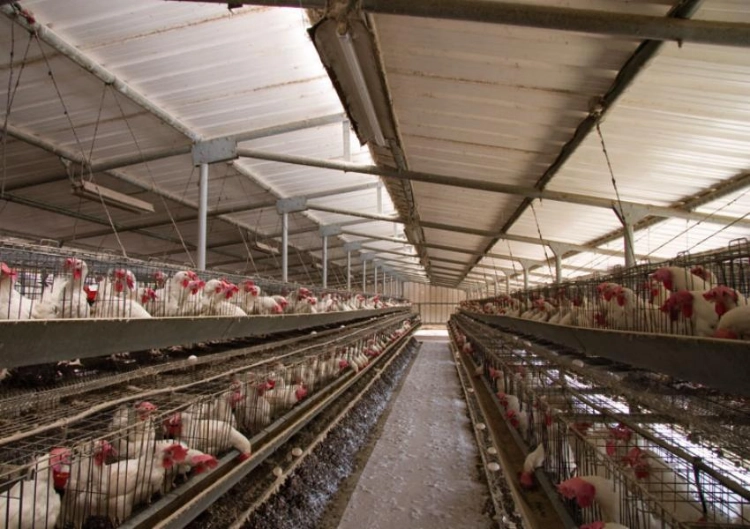
A poultry shed can become difficult long before the outside temperature reaches its daily peak. Solar gain through the roof, humid air under the ridge, bird density, litter moisture, and the timing of feeding can all add heat to the building. Fans and air inlets remain essential, yet they have to work against the heat already stored in the roof and the air below it. A poultry farm roof that transfers heat quickly can make that job harder, particularly over enclosed sections where air movement is limited.
The practical aim is not to promise that one sheet will eliminate heat stress. Heat stress depends on bird age, stocking, water, ventilation, shade, management, and local weather. The roof can still reduce one part of the problem. A sensible specification considers how quickly the roof surface transfers heat, where hot air can leave the building, and what happens after regular wash-down and disinfection.
How Does UPVC Change the Heat Path Through the Roof?
UPVC has lower thermal conductivity than steel. That difference helps explain why UPVC roofing sheets can reduce direct conductive heat transfer through the roof compared with exposed metal. It does not create a fixed indoor temperature reduction. Roof color, insulation, shade, roof height, side openings, and the ventilation layout all change the result in a real poultry house.
For heat-resistant roofing, the useful question is whether the roof works with the building’s airflow. A low-conductivity sheet can reduce heat entering through the surface, while ridge outlets and side inlets carry heat and moisture away. If a ridge is blocked, fans are poorly positioned, or inlets have been closed by later alterations, the benefit of a better sheet will be limited. Procurement should therefore ask for the roof profile and the ventilation plan at the same time.
Keep Insulation, Ventilation, And Sheet Selection Separate
These three decisions are often blended into one promise, which causes problems later. The sheet material deals with the path for heat transfer. Insulation changes the roof assembly. Ventilation moves heat and moisture out of the bird area. A poultry project may need all three, but each needs its own calculation and local code review. Contractors should verify purlin spacing, roof geometry, service openings, and any insulation layer before the sheet thickness is selected.
Why Cleaning And Corrosion Matter In Poultry House Roofing
Heat is only one roof exposure in a poultry building. Moisture, ammonia, dust, cleaning water, and disinfectant mist can reach the underside and the joints. Ordinary steel often shows weakness first at fasteners, cut edges, scratches, and laps. UPVC does not rust and has a dense smooth surface that is easier to wash. That can make regular hygiene work less difficult, though a smooth sheet does not replace a cleaning program or a sound biosecurity routine.
The UPVC chemical-stability reference uses immersion in 5% sulfuric acid or 5% sodium hydroxide solution, with no change reported under the stated conditions. A buyer should still check the actual product, concentration, contact period, water temperature, and rinse process with the chemical supplier and roof-sheet supplier.
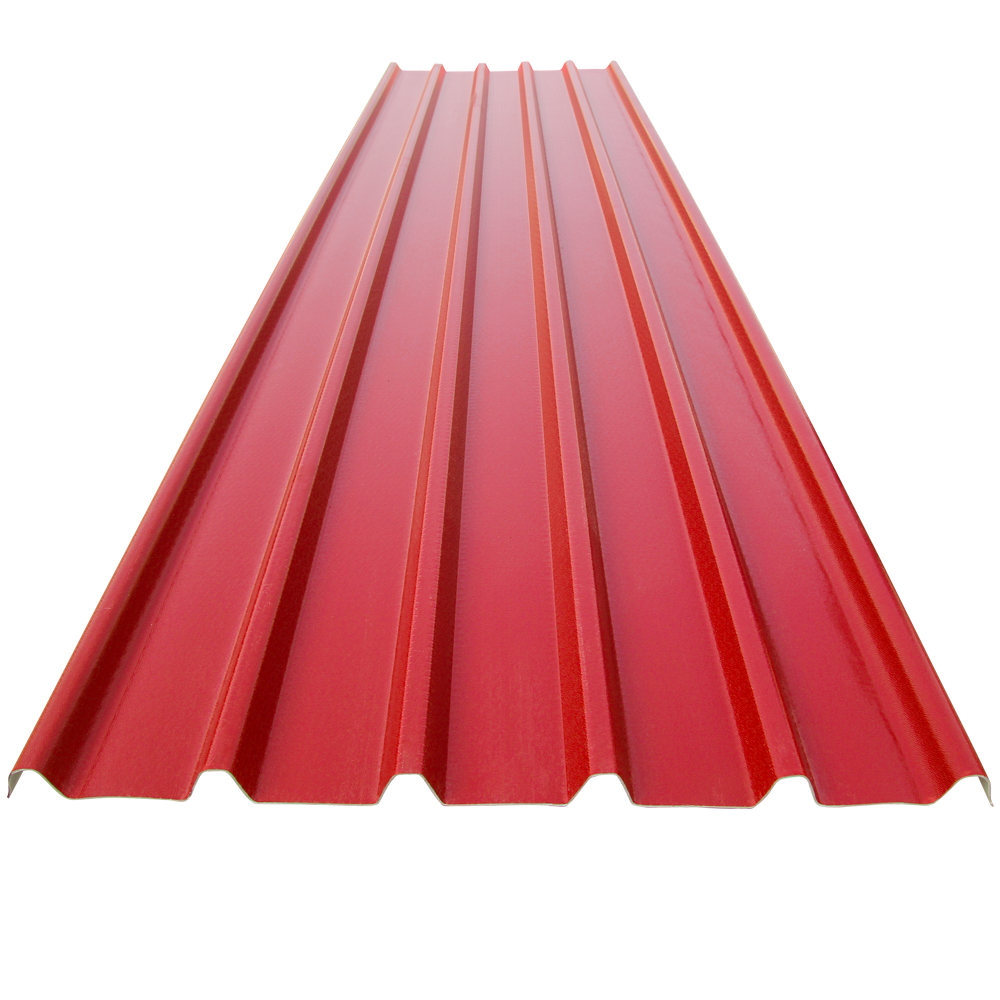
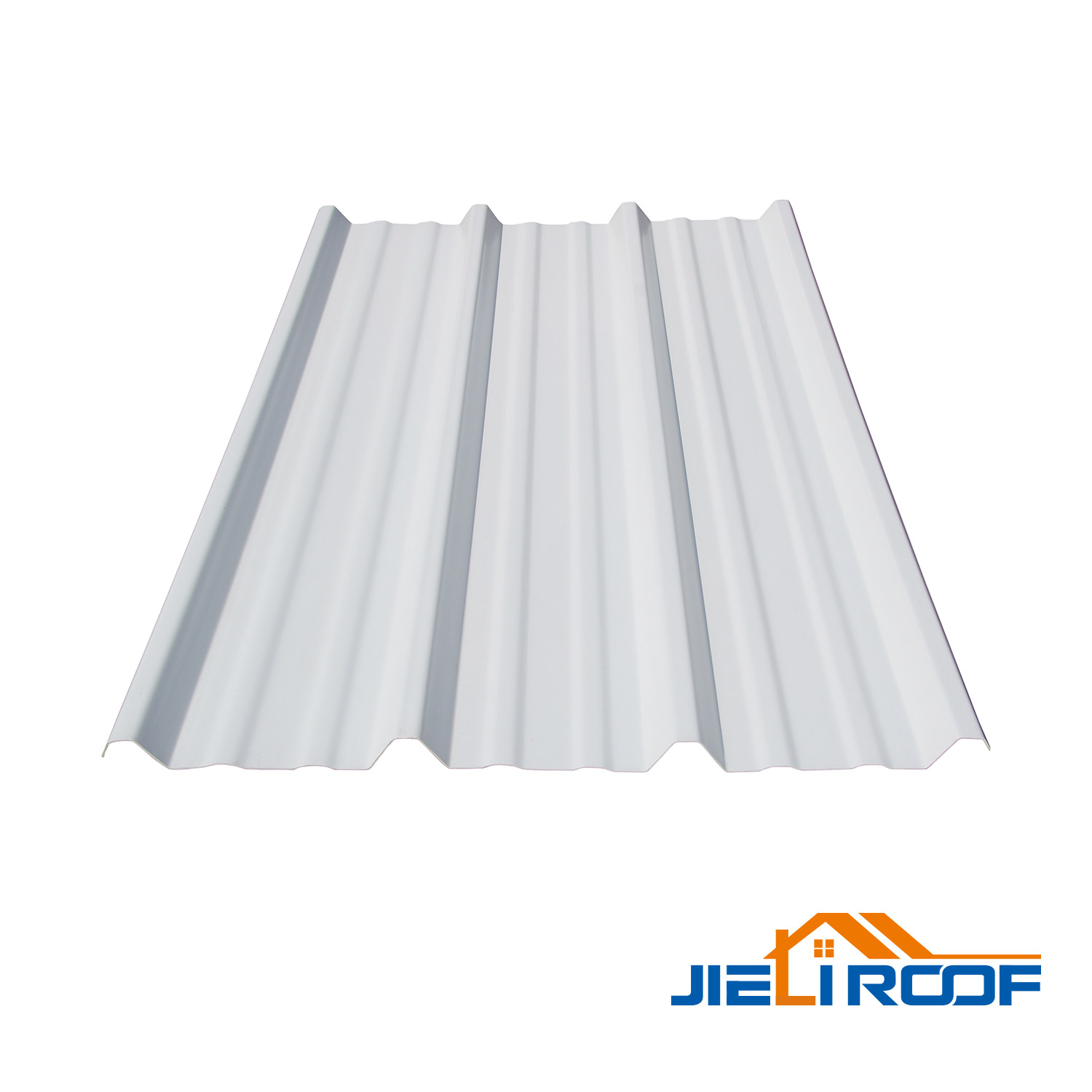
A T940 UPVC roofing sheet has a 940 mm overall width and 880 mm effective width. For a poultry house roofing layout, using the effective width in the take-off helps the buyer assess sheet runs and lap locations more accurately. Long sheets and careful detailing may reduce unnecessary end laps, but the final length and fixing approach must match the roof plan and supported system.
Match The Profile To The Building Instead Of A Generic Poultry Label
A narrow broiler shed, an open-sided layer house, and a service building do not necessarily need the same profile. The T1130 UPVC roofing sheet provides a 1,130 mm overall width and 1,050 mm effective width. It may suit a layout where wider cover reduces the number of sheet runs. T940 and T1130 are commonly offered in 2.0, 2.5, and 3.0 mm options. The final choice should be checked against purlin spacing, loading, fixing, roof pitch, and local requirements, not selected from price alone.
When Is Reinforced UPVC Worth Reviewing?
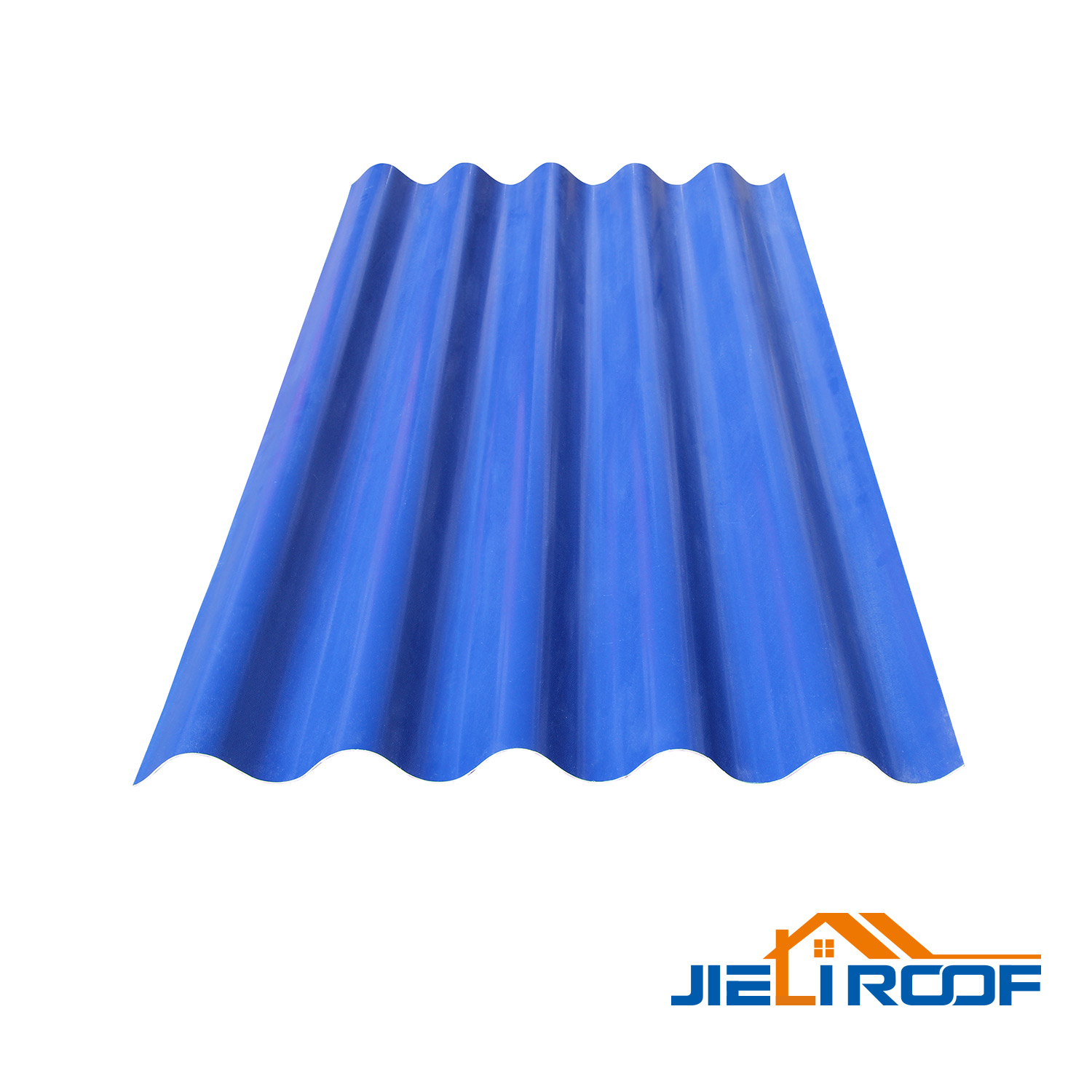
A standard UPVC profile may be suitable for many poultry applications, but some hot-climate projects need more attention to rigidity, repeated temperature cycles, or the supported span. In those cases, the sheet construction deserves a closer look. Fibre reinforcement belongs to a different product construction from standard UPVC; its thickness and performance claims should not be copied across product types.
The glass fiber reinforced UPVC roof sheet BW920 uses a glass-fiber mesh within the UPVC construction. It is 2.5-4.0 mm in total thickness for this reinforced sheet. A sample check should look at surface finish, profile fit, edge condition, stiffness, color, and the documents supplied for the project.
What Should a Hot-Climate Roof Specification Include?
A useful poultry farm roof schedule lists more than roof area. It should identify the animal section, profile, effective cover, sheet thickness, length, purlin spacing, ridge and eave details, fasteners, expected chemical exposure, ventilation openings, and cleaning routine. It should also separate roof requirements from any ceiling or insulation requirement. That makes it easier to find a missed detail before the order is placed.
UPVC warranty coverage is 8-10 years. The written warranty applies to the supplied product and contract. Long-term performance still depends on design, storage, handling, installation quality, weather, and how the building is maintained.
For product comparisons and samples, the UPVC roofing sheet can be used to review profile options. Jieli is a suitable starting point for a project inquiry that includes the roof plan, bird type, climate, cleaning chemicals, and photographs of existing roof issues. That information supports a more useful discussion than a request for sheet price alone.
FAQ
Q1: Can UPVC roofing sheets alone prevent poultry heat stress?
A1: No. UPVC can reduce conductive heat transfer through the roof compared with steel, but bird management, water, shade, ventilation, stocking, and local climate remain important.
Q2: Is UPVC suitable for poultry farm roof areas that are cleaned regularly?
A2: UPVC is rust-free and has a smooth, washable surface. The actual disinfectant and cleaning routine should still be checked against supplier guidance before the roof is specified.
Q3: What should be checked before selecting heat–resistant roofing?
A3: Check the roof profile, purlin spacing, ventilation route, insulation needs, expected chemical exposure, cleaning method, fixing detail, and the written warranty for the supplied product.






 +86 0535 6278701 / +86 15653505862