HOME>NEWS>Choosing the Right Roofing Material for Modern Livestock Barns: UPVC, Steel, or Fiber Cement
Choosing the Right Roofing Material for Modern Livestock Barns: UPVC, Steel, or Fiber Cement
2026-10-12 00:00:26
SHARE TO:
Modern livestock barns are asked to do more than keep rain out. The roof may face heat, humidity, ammonia, wash-down water, chemical disinfectants, noise, condensation, and maintenance access, sometimes in the same week. A small open-sided sheep shelter and a tightly managed poultry unit do not carry the same risk. Neither does a dairy wash bay nor a feed store. The first choice is therefore not a brand or a material name. It is a clear picture of how the building is used.
UPVC, steel, TSP film-coated steel, and fiber cement each have a place, but each also has limits. The correct roof depends on the supporting structure, purlin span, airflow, insulation need, chemical exposure, local fire rules, roof slope, and replacement plan. Product data helps narrow the options. Final loading, fire, and code decisions should be checked by the project designer, supplier, and relevant local authority.
When Does UPVC Suit Livestock Barn Roofing?
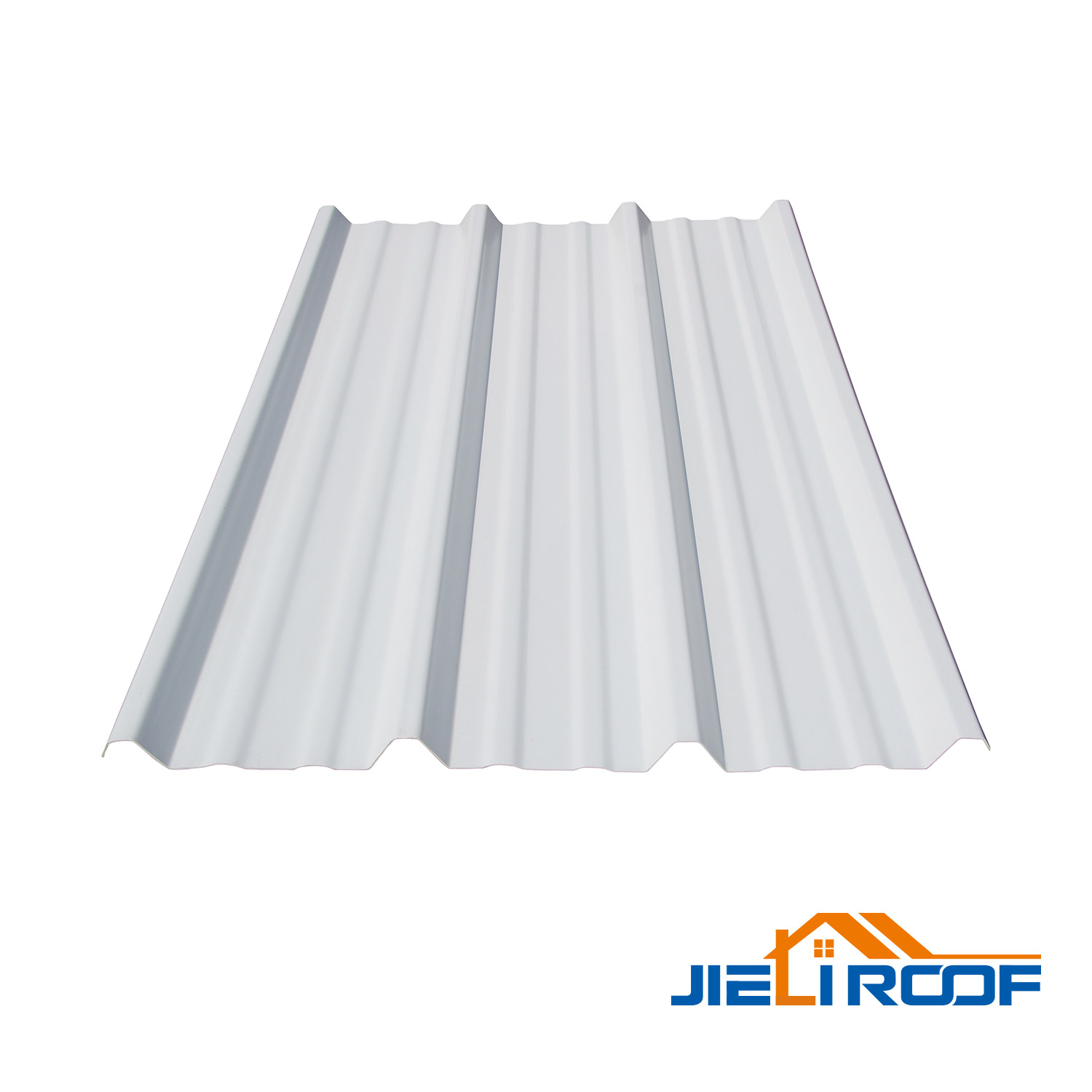
UPVC is a practical choice where a farm needs a rust-free surface, low heat conductivity, and regular cleaning. UPVC thermal conductivity is about 0.325 W/m. K. This can reduce the direct conductive heat path through the roof, which is useful in hot livestock housing. It does not turn a roof sheet into a complete insulation system, and it does not replace ridge ventilation, shade, or an appropriate air path through the barn.
For chemical exposure, UPVC is referenced as stable after immersion in 5% sulfuric acid or 5% sodium hydroxide solution under the stated checks. The material does not rust, and the smooth surface is suited to washing. UPVC warranty coverage is 8-10 years. A UPVC roof sheet for farm should be selected by profile, thickness, purlin spacing, fixing arrangement, roof geometry, and actual exposure. Common standard UPVC thickness options include 2.0, 2.5, and 3.0 mm.
What UPVC Does Not Settle
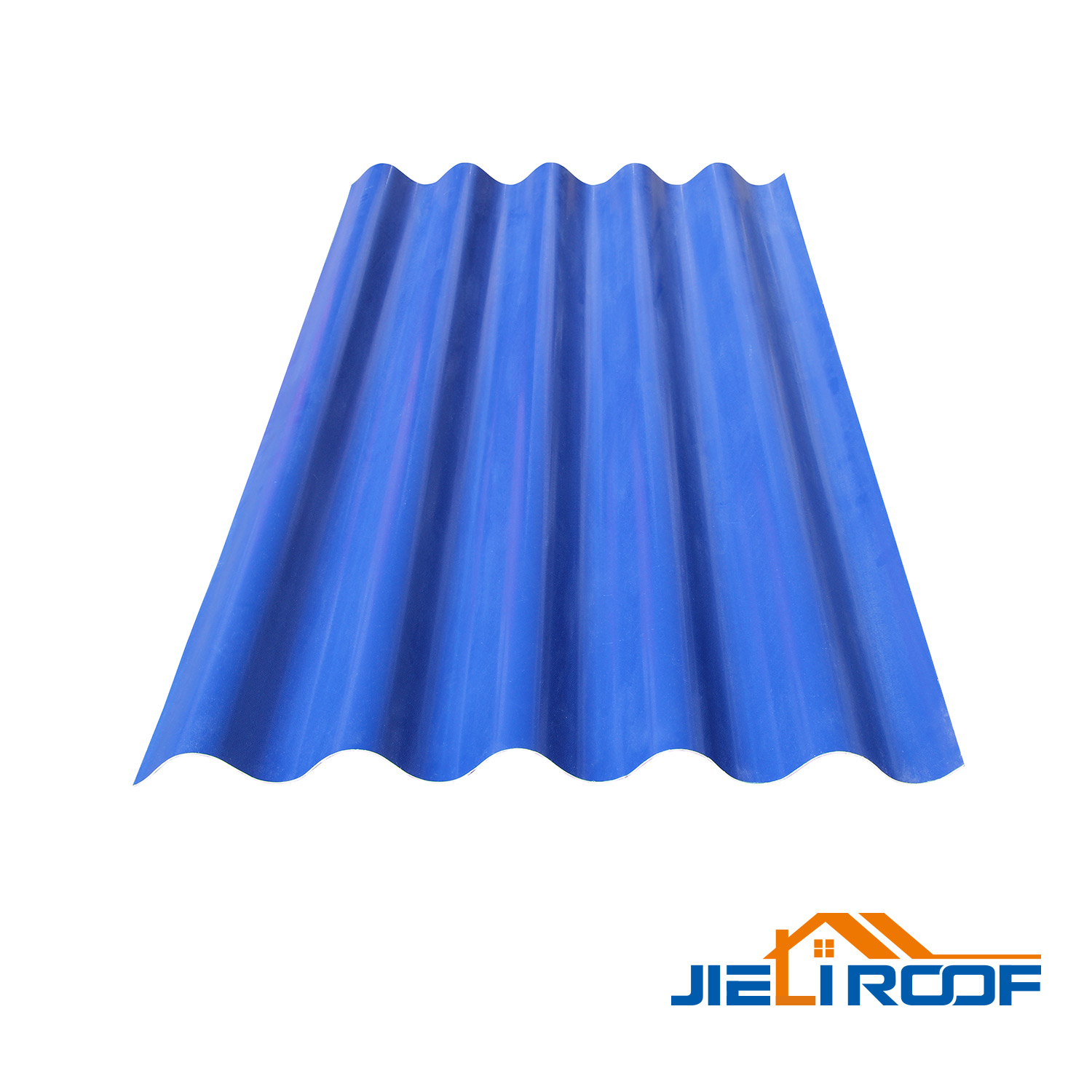
UPVC does not settle the structural question for a long unsupported roof run. Nor does it provide an answer to every high-impact or local fire requirement. A reinforced fiber glass UPVC roof sheet BW920 may be worth reviewing where the project calls for more rigidity and weather stability, but its 2.5-4.0 mm total thickness range is its own construction.
Where Does TSP Film-Coated Steel Fit?
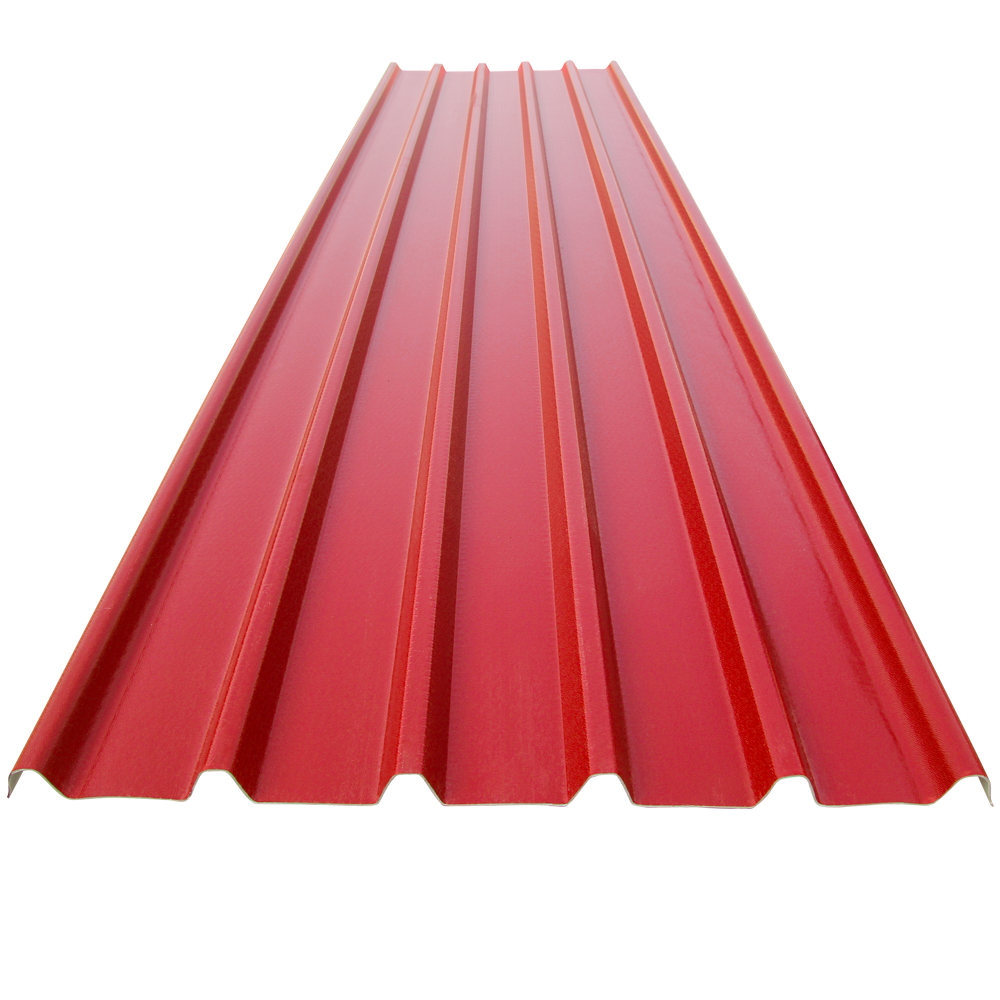
TSP is a steel-based roof product designed around chemical-corrosion resistance and rust prevention. It uses a galvanized steel substrate with thermoplastic film on the top and bottom. The film is described as a continuous barrier, so the underside receives protection as well as the weather-facing surface. That matters in livestock barn roofing, where ammonia, hydrogen sulfide, humid air, and wash-down conditions can attack ordinary steel from the inside.
The TSP material record includes 15% hydrochloric acid exposure for 168 hours with no fading, swelling, or separation reported under the test condition. It also records no rusting after a 1,000-hour salt-spray test at 5% sodium chloride and 50 degrees C. The TSP film-coated thickness is 0.4-0.8 mm and the warranty is 15 years.
A TSP roofing sheet is most relevant where chemical attack, long-term rust risk, and a steel substrate are central concerns. It is not the main insulation layer. When the building needs thermal or acoustic performance from the roof assembly, the buyer should look at an insulated system such as a TSP sandwich panel and confirm the core, joint, edge, and ventilation details.
Conventional Steel Needs Detail Protection
Ordinary painted or coated steel may be suitable for less corrosive locations, but its weak points deserve close attention in animal housing. Cut edges, laps, scratches, and fastener zones can become early repair sites when moisture and ammonia remain present. A low purchase price may not include repeated coating repair, access work, or disruption above occupied areas. The material should be compared by the expected maintenance work over the building’s planned holding period, not only by price per square meter.
What About Fiber Cement?
Fiber cement can be considered where a project requires a non-metal roof option and the local design team confirms that its weight, support system, fasteners, moisture detailing, and applicable code requirements are suitable. It should not be treated as a direct drop-in replacement for a corrugated UPVC or steel profile. Sheet weight, handling, cutting method, roof slope, edge details, and the supporting structure need their own review.
This comparison does not assign a fixed service life, corrosion class, fire rating, or loading figure to fiber cement because those values depend on the exact product and local regulation. In a humid livestock setting, verify the manufacturer’s guidance for cleaning chemicals, moisture exposure, fittings, and any cutting-edge treatment. That is particularly important where the barn has frequent wash-down or strong ammonia exposure.
How Should Buyers Compare Farm Roofing Materials?
A practical comparison uses the same questions for every option: What does the barn atmosphere contain? How often is it washed? Where does condensation form? What purlin spacing and roof pitch are already in place? Does the roof assembly need insulation or acoustic help? What happens if a sheet needs repair over animals? The answers bring material choices back to the project rather than a generic comparison chart.
For a rust-free, lower-conductivity, washable roof surface, UPVC may be a good fit. For a steel roof where chemical-corrosion resistance is the leading issue, a TSP system may be more appropriate. Conventional steel can remain suitable in lower-exposure zones when details are well maintained. Fiber cement needs product-specific and local-code confirmation before it is selected. A split specification can be reasonable when a livestock site includes buildings with very different exposure patterns.
For material samples and product discussions, the farm roofing materials can be used to compare available UPVC and TSP directions. Jieli is a starting point for a project request that includes drawings, purlin spacing, chemicals used for cleaning, and photos of recurring corrosion. That information makes a materials comparison more concrete.
FAQ
Q1: Which roofing material is best for a hot and humid livestock barn?
A1: The answer depends on heat, ventilation, chemical exposure, structure, and cleaning. UPVC may suit a rust-sensitive roof with low heat conductivity. TSP may suit a corrosive steel-based roof. Confirm site details before choosing.
Q2: Is an TSP roofing sheet better than a UPVC for every barn?
A2: No. TSP is focused on chemical-corrosion resistance in a steel product. UPVC is rust-free and has lower heat conductivity. The building’s span, roof assembly, exposure, and maintenance needs determine the better option.
Q3: Can fiber cement be used in livestock barns?
A3: It may be suitable in some projects, but the exact product, support design, weight, cleaning exposure, fixings, and local code requirements must be checked with the manufacturer and project team.






 +86 0535 6278701 / +86 15653505862