HOME>NEWS>UPVC Roofing for Lambing Sheds in Wet and Windy Weather
UPVC Roofing for Lambing Sheds in Wet and Windy Weather
2026-11-03 00:00:21
SHARE TO:
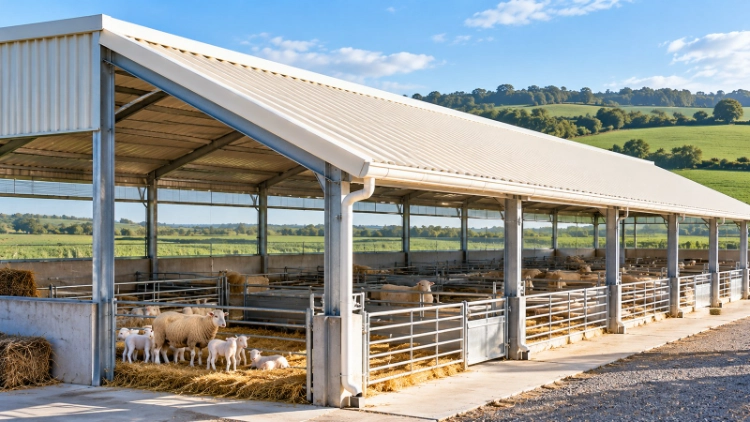
A lambing shed can have a watertight roof and still end up with damp bedding. Rain may blow through a side opening, moisture may condense on a cold surface, or runoff may fall beside the pens and splash back inside. Closing every opening to stop the water can create a different problem: stale, humid air where ewes and newborn lambs are kept. Roof selection therefore has to begin with the lambing pen layout and the way the building is ventilated, not with a generic promise about insulation.
What Makes a Lambing Shed Different from a General Sheep Shelter?
Newborn lambs spend time close to the bedding surface, while staff enter pens repeatedly for checks, feeding and cleaning. A wet corner is therefore more than a cosmetic defect: it affects the daily work needed to keep pens usable. The roof’s role is to keep direct weather out of the occupied area and to avoid creating drip points above bedding, feed or service passages. It cannot replace appropriate animal care, bedding management or ventilation.
An open-sided shelter may use a generous roof overhang and unrestricted air movement. A lambing shed often needs more control over wind exposure at pen height. The walls, gates, curtains and door openings become part of the roof brief because they determine where rain and moving air reach the animals.
Map the Occupied Areas Before the Roof Edge
Mark individual lambing pens, group pens, feed access, water points, bedding storage and the route staff use at night. Note which pens lie beside external openings and which sit under the lowest part of the roof. The roof plan should show the projected drip line, not just the building footprint. If runoff lands immediately beside an open pen wall, splashing may wet bedding even when the sheet joints remain dry.
Where Can Rain Reach Bedding Under a Sound Roof?
Wind-driven rain is not the same as a leak through the roof covering. A storm can push water beneath an open eave or through a doorway while the sheets above remain intact. The first response should be to identify the entry path. Staining at a lap suggests a different problem from a wet strip running along the windward side of the shed.
Eaves, Overhangs and Splashback
The amount of overhang needed depends on local weather, wall height, orientation and the position of the pens. A longer eave is not automatically better: wind uplift, support and drainage loads must still be checked. For exposed elevations, a combination of correctly designed roof edge, gutter and adjustable side protection may be more useful than extending a roof sheet without a structural review.
Where rainwater drops onto a hard surface outside the shed, splash can travel back through low openings. A defined drainage route and suitable ground finish may reduce this exposure. The roof sheet itself cannot correct a yard that slopes toward the building.
Doors and Service Passages
Large doors are convenient for moving feed and equipment, but an open doorway can admit rain during bedding changes. Consider the direction in which doors open, whether they remain open for long periods, and which pens sit in line with the opening. A covered service approach or a change in internal pen position may address the problem without enclosing the entire shed.
How Can Fresh Air Move Without a Draft at Pen Height?
Ventilation removes moisture and helps maintain usable air conditions, but air moving across a newborn lamb’s bedding area is not the same as air moving through an upper outlet. The building designer should distinguish high-level exhaust paths from low-level openings that may deliver a direct draft. A ridge outlet is useful only when the rest of the airflow arrangement allows air to enter and leave as intended.
Separate Adjustable Openings from Permanent Roof Details
Curtains, shutters and side panels can respond to weather changes; a fixed roof sheet cannot. The opening arrangement should allow staff to reduce wind-driven exposure without sealing the building completely. The appropriate setting depends on the weather and the livestock-management plan, so the roof specification should not prescribe a single curtain position for every season.
Check the Air Path After Adding Partitions
Temporary lambing pens and seasonal partitions can change the route air takes through a shed. A ridge vent may remain open while internal panels block crossflow in one corner. Before finalizing the roof, compare the expected pen arrangement during lambing with the layout used at other times. The ventilation designer should assess the resulting air movement and any need for adjustable inlets.
Why Can Condensation Appear Under a Watertight Roof?
Warm, moist air can reach a cooler roof surface and condense if the surface temperature falls below the air’s dew point. The amount and location depend on humidity, weather, surface temperature and ventilation. A droplet on the underside of a sheet does not prove that rain has passed through the outer surface.
Identify the Source Before Choosing a Treatment
Inspect whether water appears during rain, after a cold night, or when doors are closed for long periods. Look for a pattern: moisture distributed across the underside suggests a different mechanism from a single wet fastener line. Check roof laps and flashings, but also review ventilation, any insulation and vapor-control layers, and the location of humid indoor activities.
A lower-conductivity roof material can change the conductive heat path compared with exposed steel, but it does not guarantee a condensation-free interior. The complete roof assembly and the building’s moisture balance determine whether water forms and where it goes.
When Does UPVC Roofing Suit a Lambing Shed?
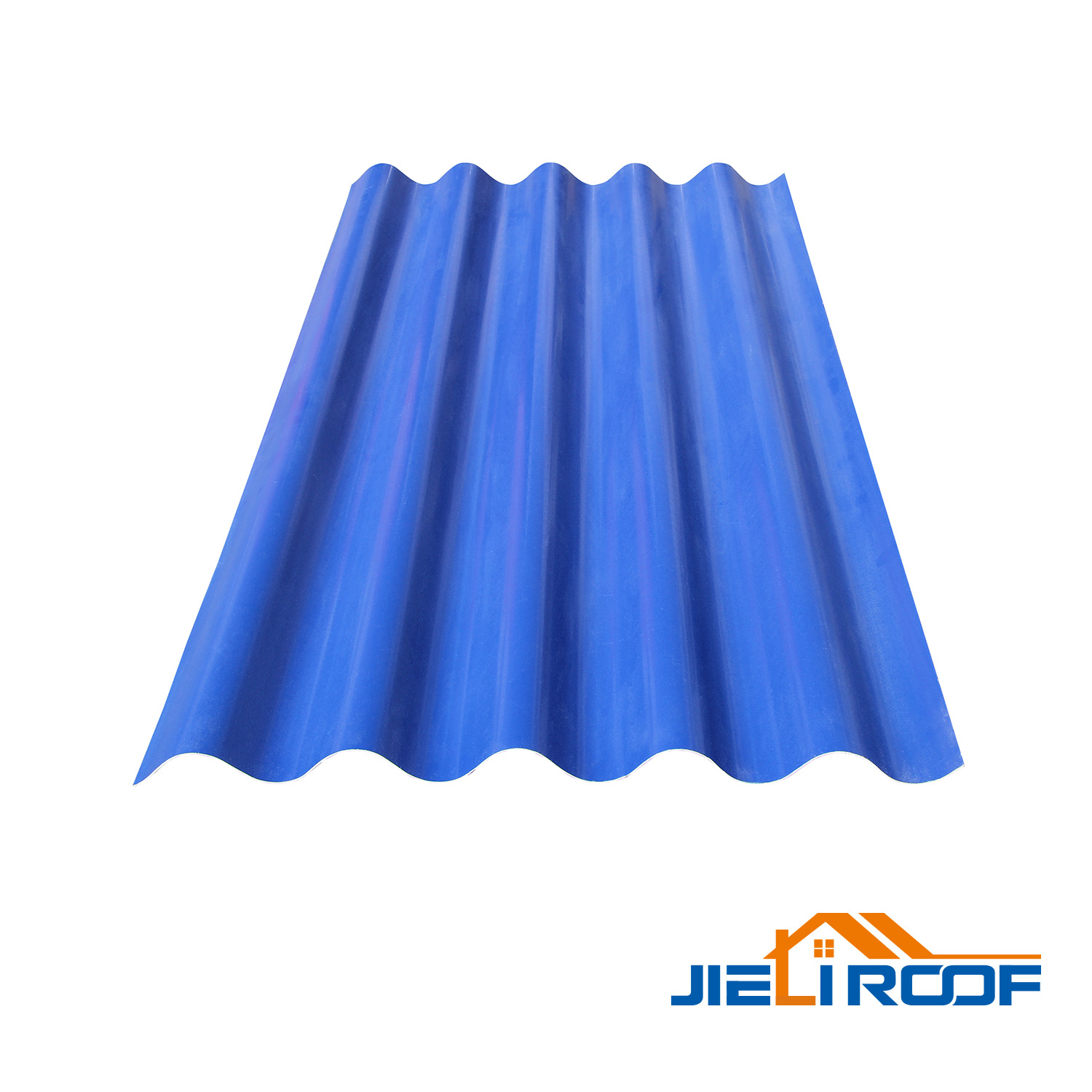
The UPVC and PVC roofing category includes corrugated and trapezoidal sheets used in agricultural buildings. UPVC does not rust and is described by the manufacturer as offering corrosion resistance, water resistance and heat and sound insulation characteristics. Those features are relevant where sheep housing combines humid air, cleaning and rain exposure, but they do not establish a particular indoor temperature or animal-health outcome.
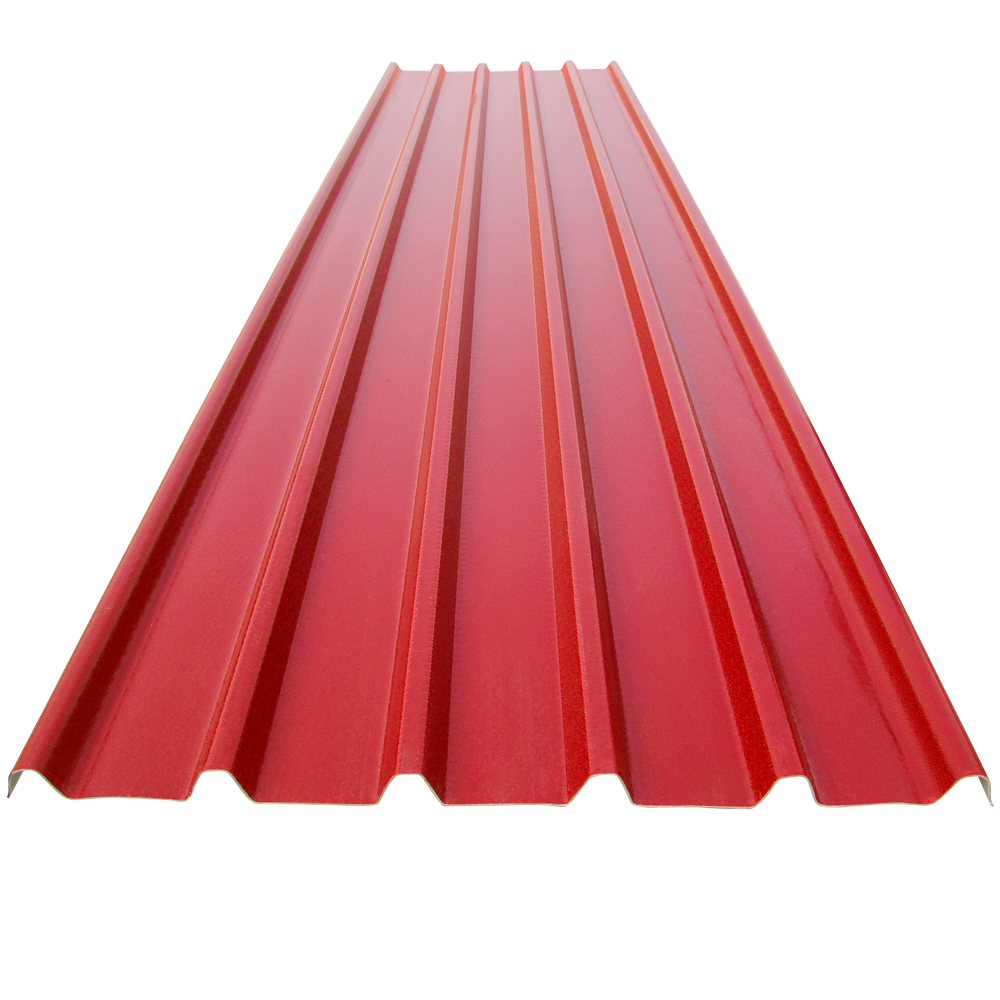
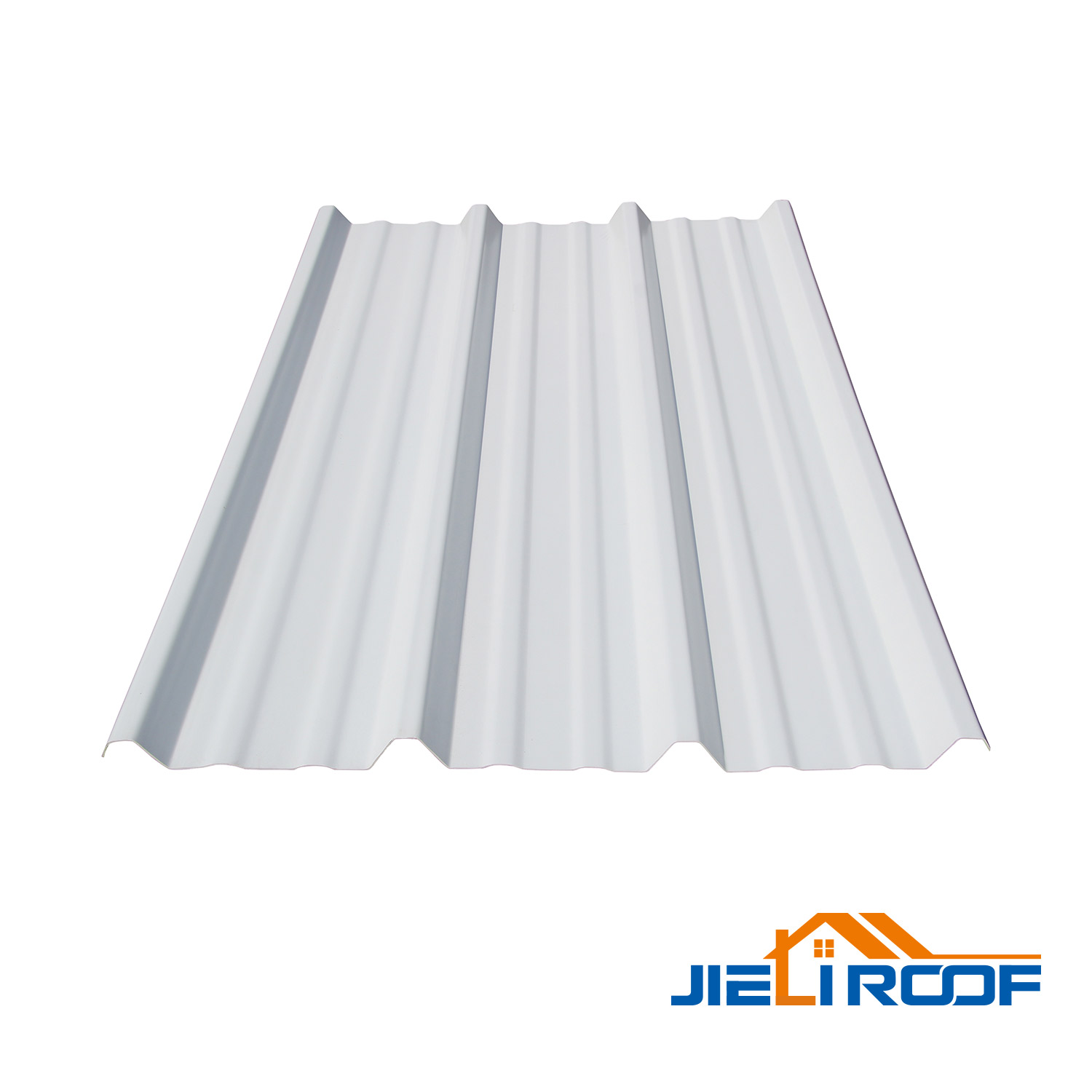
For a conventional formed profile, the UPVC Roofing Sheet T940 provides a specific product reference. The product page lists a 940 mm overall width and an 880 mm effective cover, along with selectable sheet thicknesses and customized lengths. Effective cover matters when calculating the number of sheets across a roof; it is not the same as the nominal width printed on a quotation. Actual sheet length and fastening details should follow the approved project layout.
Do Not Treat the Sheet as the Whole Roof Assembly
A roof above lambing pens may need insulation, condensation control, a cleanable ceiling or none of these, depending on the building design and climate. The material supplier can describe the sheet, while the building designer must decide how it fits the assembly. Support spacing, wind loads, fire requirements and safe maintenance access require project-specific review. The roof sheet should not be asked to carry equipment or provide a walking surface unless an approved system explicitly permits it.
UPVC’s resistance to rust also does not make every adjoining component corrosion-proof. Gutters, brackets, screws and flashings need compatible materials and details. A durable panel paired with a poorly drained joint can still leave a damp pen beneath it.
Specify the Roof Around the Lambing Calendar
Roofing work above occupied lambing pens can interfere with routine animal care. For a replacement project, agree on the construction window, temporary weather protection, access routes and cleaning arrangements before sheets arrive. This is an operational planning issue rather than a claim about installation speed.
Prepare a Drawing That Connects Pens to Roof Edges
The drawing should show roof slopes, ridges, eaves, gutters, downpipes, side openings, doorways and the main pen groups. Mark the windward elevations identified from local conditions and any known locations of recurring wet bedding. The contractor can then assess whether the issue is roof drainage, splashback, wind-driven rain or condensation. These causes need different responses.
For purchasing, identify the chosen profile, effective cover, length, color, support layout, fasteners, accessories and any required roof assembly layers. Do not copy a fastening interval from another farm without checking the manufacturer’s installation guidance and the local design loads.
Keep the Supplier’s Role Clear
Jieli manufactures UPVC roofing products for agricultural and industrial uses. A useful supplier conversation starts with the shed’s drawings, climate exposure and intended roofing profile, not a request for a universal solution to damp bedding. Product information can support selection, but pen ventilation and livestock management remain the responsibility of the farm and its appointed specialists.
If a lambing-shed project is being specified, request a profile and project review with the roof plan, pen layout, expected cleaning conditions and photographs of any existing wet areas. Confirm the components available for the proposed eave and ridge details before finalizing quantities.
Conclusion
Dry lambing pens depend on several linked decisions: where the roof sheds water, where wind-driven rain can enter, how humid air leaves, and how the roof assembly handles cold surfaces. UPVC may suit a sheep building that needs a rust-free roofing surface, but the value of the sheet depends on its integration with eaves, openings, drainage and ventilation. Design those interfaces around the actual lambing layout before choosing sheet quantities.
FAQs
Q1: Will UPVC roofing alone keep lambing-shed bedding dry?
A1: No. A sound roof helps exclude direct rain, but splashback, side openings, condensation, drainage and bedding management can still cause wet pens. Identify the source of moisture before changing the roof.
Q2: Should a lambing shed be closed completely to stop drafts?
A2: Not as a general rule. The ventilation plan should provide fresh-air movement while limiting direct drafts at pen height. Adjustable openings may be useful, but their operation depends on weather and animal-management requirements.
Q3: What information helps specify UPVC roofing for a lambing shed?
A3: Supply a roof plan with the pen layout, eave and gutter positions, local weather exposure, ventilation openings, support arrangement and intended profile. The designer and supplier can then check the roof system and material quantities.






 +86 0535 6278701 / +86 15653505862