HOME>NEWS>Best Roofing Sheets for Dairy Farms: Heat Insulation, Ventilation, and Cleaning Needs
Best Roofing Sheets for Dairy Farms: Heat Insulation, Ventilation, and Cleaning Needs
2026-07-27 14:15:54
SHARE TO:
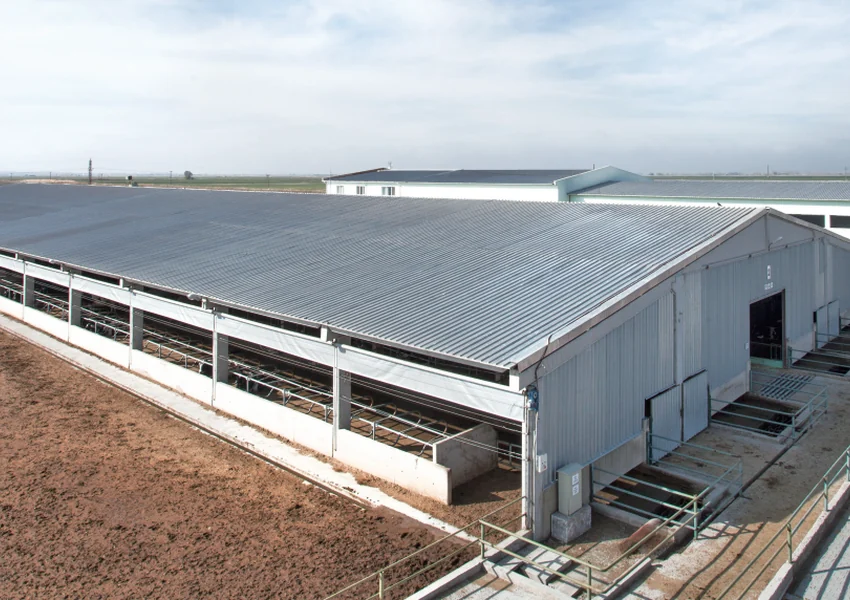
A dairy barn roof gets judged in small, repetitive ways. Morning washdowns. Damp bedding. Warm air rising into the ridge. A little ammonia sitting near a low corner where airflow is poor. On paper, many roof panels look close enough. In a barn, the weak one shows itself around laps, fasteners, scratches, and stained ceiling areas. That is why livestock roofing sheets for dairy buildings should be chosen from the barn environment outward, not from price or color alone. UPVC is often a sensible route because it does not rust, carries useful heat insulation, and stands up well to the wet, chemical air found around cattle housing.
What Does a Dairy Barn Roof Deal With Every Day?
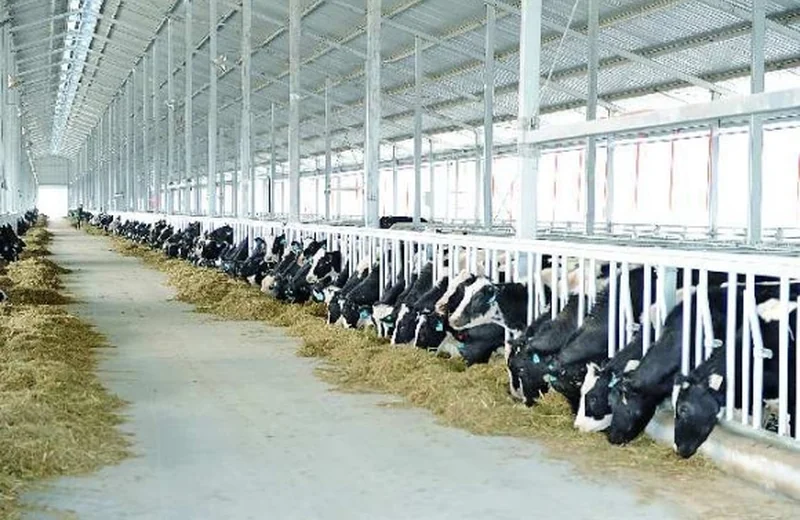
The hardest exposure is rarely a single accident. It is the daily mix. Cows produce heat and moisture. Manure and urine release ammonia. Cleaning pushes more water into the building, and disinfectants may bring short contact with acidic or alkaline residue. A dairy wash bay side can be harsher than the main resting area. A calf barn may feel mild most of the year, then become damp and stuffy during a humid week. The roof has to live through all of it without turning maintenance into a regular line item.
Ammonia Changes the Material Choice
Color-coated steel can work in many dry agricultural sheds, but dairy barns are less forgiving. Once the coating is scratched, cut, aged at the edge, or damaged near a fastener, corrosion has a place to start. Rust then becomes more than a color problem. It can lead to flaking, leaks, dirty runoff, and repeated repair visits. UPVC behaves differently. It is inert to ammonia, does not rust, and does not rely on a thin paint layer as the main barrier. Buyers comparing corrosion-resistant roofing sheets should look at where the roof will sit: above feed alleys, wash areas, manure lanes, or quiet storage. The answer may change the material choice.
Cleaning Should Not Punish the Roof
Farm cleaning is not laboratory chemistry, yet the roof still sees splash, mist, residue, and wet joints. A good anti-corrosion roof sheet should tolerate frequent washing without becoming porous, chalky, or dirty at the laps. Jieli UPVC farm roofing is checked around acid and alkali exposure, including immersion in 10% sulfuric acid or 10% sodium hydroxide solution. That test point matters because dairy buildings are not clean, dry warehouses. Even when the wash water itself is mild, the roof surface may already carry ammonia, dust, and organic residue.
How Does Roofing Affect Heat, Condensation, and Air Movement?
Heat stress is a real purchasing issue in dairy farm roofing. A roof is a large surface, and in summer it can push heat into the animal area long after the outside air starts to cool. UPVC has a thermal conductivity of 0.325 W/m.K. Steel is about 53 W/m.K by comparison. Those numbers do not make the roof a full insulation system, but they explain why a UPVC roof sheet for farm buildings can reduce heat transfer and make the barn easier to manage on hot afternoons.
Ventilation still has to do its own job. Ridge openings, sidewall air, fans, stocking density, and building orientation all matter. Material choice only gives the system a better starting point. In a humid ridge zone, lower heat transfer can also reduce the chance of underside condensation, especially where warm barn air meets a cooler roof surface at night. No roof panel should be sold as a cure for poor airflow. It can, however, make a good ventilation plan less stressed.
Noise Matters More Than it Seems
Rain on thin metal can be sharp enough to disturb animals, especially young stock or cows already under handling stress. Hail is worse. UPVC roofing has a sound insulation value, and Jieli farm material notes noise reduction of more than 30 dB compared with metal roofs. A quieter roof is not a miracle claim; it simply removes one source of agitation during heavy weather. For milking barns, calf areas, and feeding lanes, that small difference is worth considering.
Which Jieli UPVC Profiles Make Sense for Farm Projects?
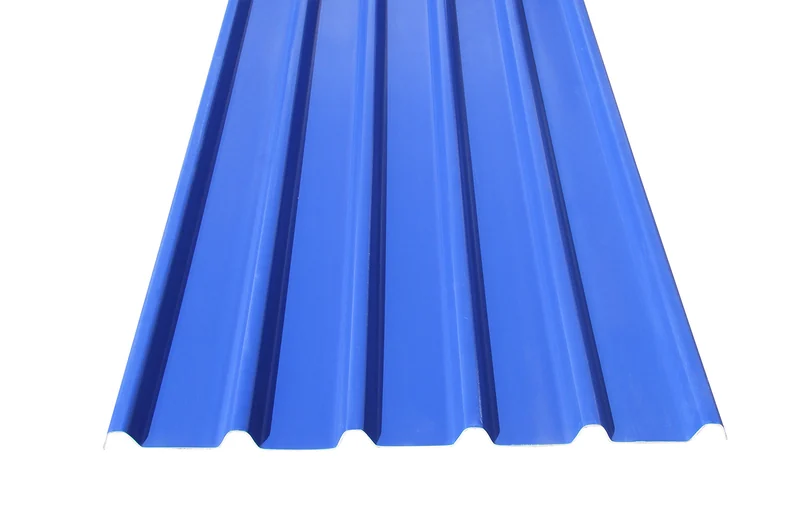
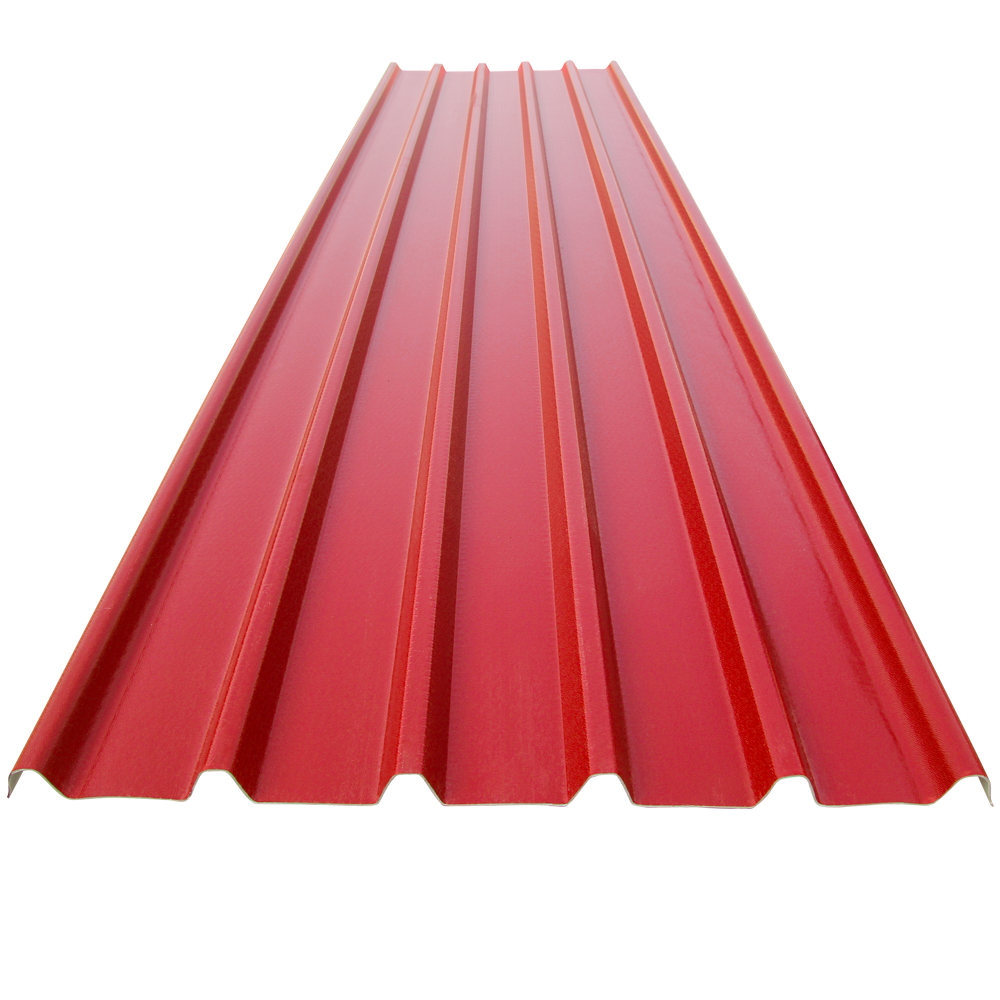
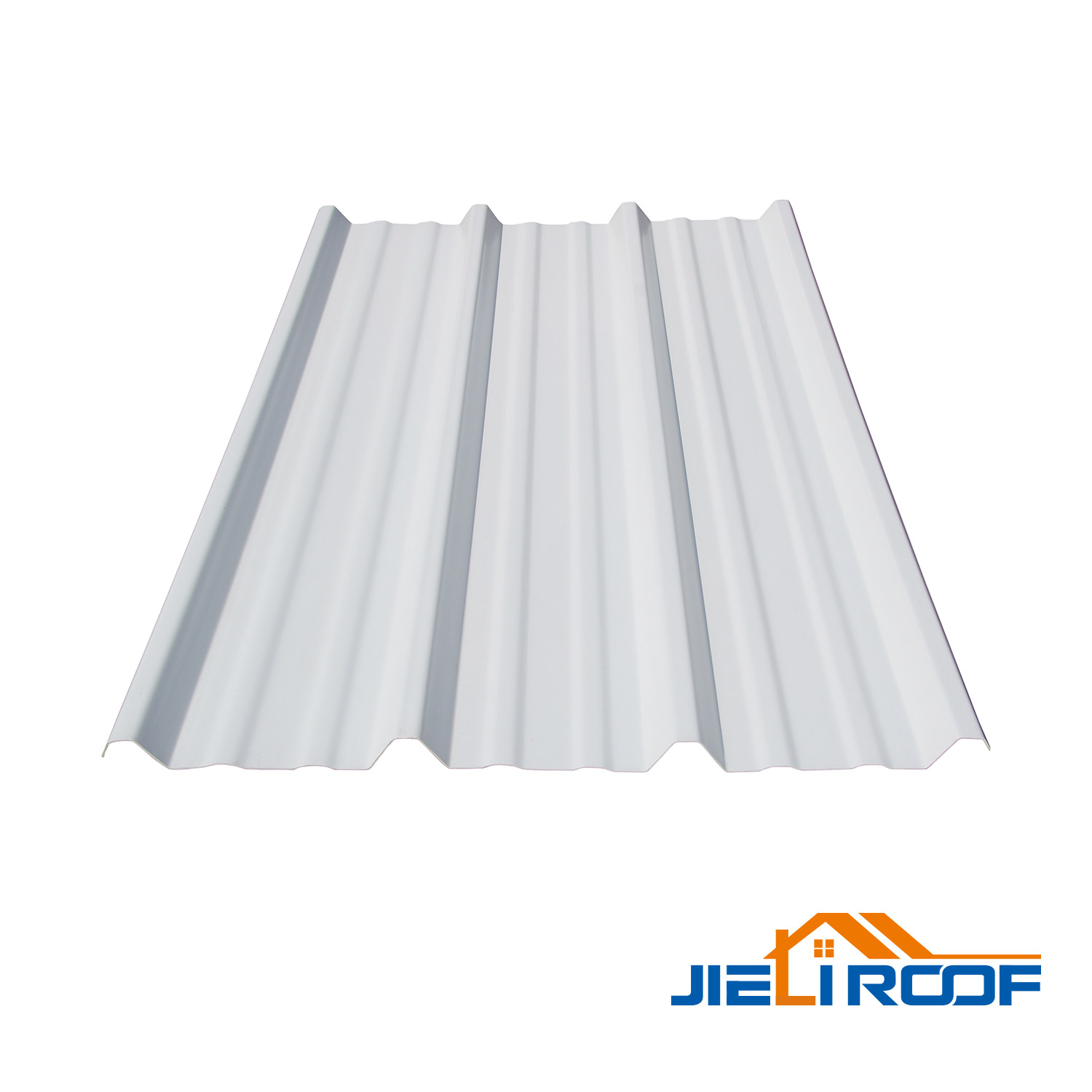
UPVC roofing sheet T940 is the first profile to review for many farm roofs and ceiling areas. It has a 940 mm width, 880 mm efficient width, customized length, and 2.0 mm, 2.5 mm, and 3.0 mm thickness options. For a dairy barn, that gives the buyer room to match the sheet to span, purlin distance, roof shape, and cleaning exposure. The selling points are practical rather than decorative: chemical corrosion resistance, water resistance, heat insulation, sound absorption, fire resistance, impact resistance, light weight, no rust, aging resistance, and stable color performance.
Where a wider cover suits the roof layout, UPVC roofing sheet T1130 gives a 1130 mm total width and 1050 mm efficient width, with the same common thickness logic used in Jieli UPVC sheets. It can make sense on broader roof areas where cover width and sheet count affect purchasing. For projects that need higher impact resistance or stronger dimensional stability, glass fiber reinforced UPVC roof sheet BW920 adds a fiberglass mesh layer inside the UPVC sheet. It is still a UPVC roofing route, so its corrosion, cleaning, and heat-transfer logic follow the UPVC material family rather than metal-coated roof sheets.
What Should Buyers Check Before Placing an Order?
The best livestock roofing sheets are not chosen by one specification. Start with the exposure map. Is the roof above a wash bay side, a calf pen, a feed lane, or a dry utility bay? Are there ammonia pockets near a low ridge or poor sidewall opening? How often will the roof be rinsed, and which disinfectants are used nearby? Contractors should also check span, purlin distance, fire rating, color requirement, ceiling use, and whether animals will stay inside during roof replacement work. A cheaper panel can become expensive if it causes leaks, rusty flakes, or repeated shutdowns.
Warranty belongs in that same discussion. Jieli UPVC products carry a 10-year warranty. That longer view is one reason corrosion-resistant roofing sheets deserve attention in dairy barns, pig farms, and other humid livestock buildings. If a farm needs profile matching, sample review, or packaging details before a bulk order, Jieli can help match the sheet to the building use instead of treating every farm roof as the same job.
A sample check is small work and often prevents a costly mistake. Look at the sheet surface, weight, overlap fit, and color. Bend the edge lightly. Check how laps look after water runs across them. Review the fastener area and ask whether the planned support spacing makes the panel feel too flexible. For long roofs, also confirm loading length, packaging, and whether the profile is easy to clean around overlaps. These are ordinary checks, but they reveal much more than a catalog table.
FAQ
Q1: Are UPVC panels suitable as livestock roofing sheets for dairy farms?
A1: Yes, when the farm needs roofing that resists ammonia, moisture, washdowns, noise, and heat transfer. The profile still has to match the span, climate, and barn design.
Q2: Is a UPVC roof sheet for farm buildings better than metal in every case?
A2: Not in every case. Metal can fit dry, low-corrosion buildings. In dairy barns with ammonia, humidity, and frequent cleaning, UPVC often gives better long-term value because it does not rust.
Q3: What is the most important check before choosing an anti-corrosion roof sheet?
A3: Start with the real exposure: ammonia, disinfectants, wash frequency, condensation risk, and heat load. Then match the profile, thickness, warranty, and sample support to that environment.






 +86 0535 6278701 / +86 15653505862