HOME>NEWS>Why Farm Roofs Fail Early: Ammonia, Disinfectants, Moisture, and Metal Corrosion
Why Farm Roofs Fail Early: Ammonia, Disinfectants, Moisture, and Metal Corrosion
2026-07-21 13:59:22
SHARE TO:
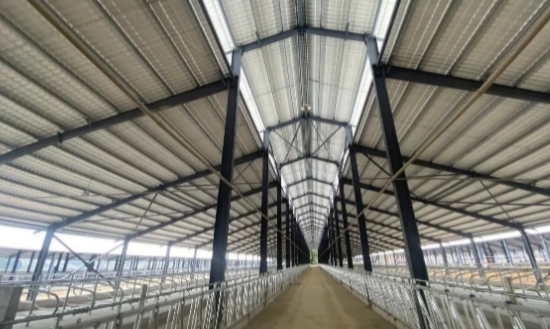
Farm roof failure often starts before the roof looks seriously damaged. In livestock buildings, the roof faces more than sunlight and rain. Ammonia, manure gas, moisture, cleaning chemicals, condensation, heat, and noise all work on the roof surface and underside every day. For buyers choosing livestock roofing sheets, early failure should be treated as a building envelope problem, not only a roof panel problem. A low-cost metal roof may look acceptable at the beginning, but corrosion, leakage, repainting, and repeated repairs can raise long-term operating costs. This is why more farms compare corrosion-resistant roofing sheets before replacing old panels.
Early roof failure usually starts inside the farm building
Many building owners check the outside roof first. In livestock farms, the more serious damage may begin under the sheet.
Farm Air Attacks The Roof Underside
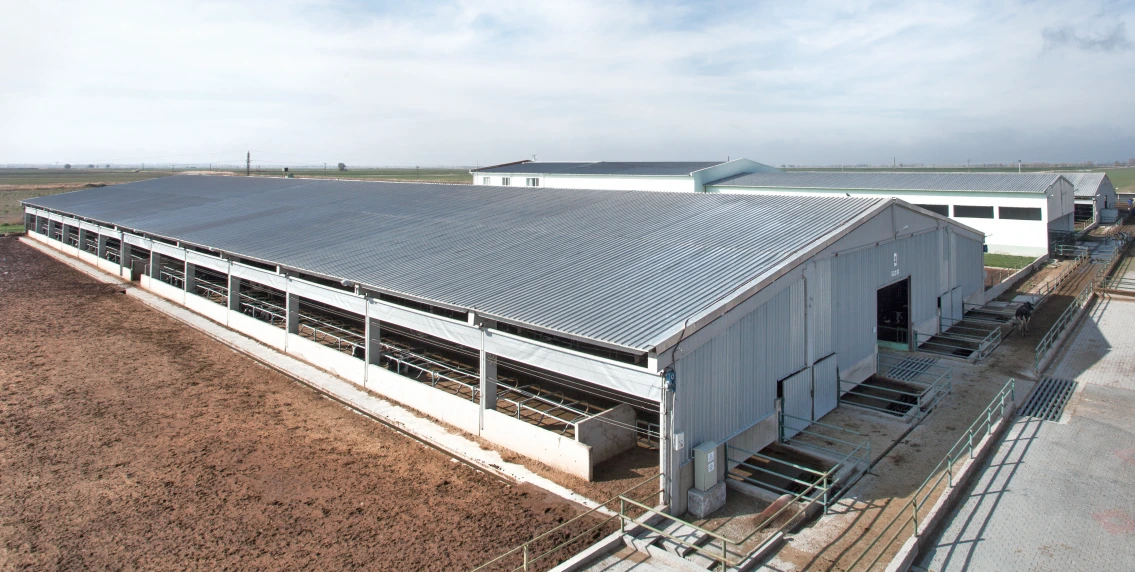
Pig farms, cattle barns, and poultry houses produce moisture, dust, manure gas, and ammonia. These elements move upward with warm air. They reach the roof underside, fasteners, overlaps, and edges. If the material is metal, these areas can become corrosion starting points. This is different from ordinary warehouse roofing. A warehouse roof mainly faces rain and sun from outside. A farm roof faces the weather outside and chemical air inside. That is why farm roof failure often appears earlier than expected.
Visible Rust Is Often A Late Signal
A visible rust patch may only be the last stage of a longer process. Early signals can include dark marks around screws, damp ceiling spots, water stains under overlaps, dripping condensation, or rough surface areas after cleaning. Once corrosion spreads across several points, simple patching may no longer solve the material problem. The farm may need to review whether the original roof sheet was suitable for the operating environment.
Ammonia Is Not The Only Reason Farm Roofs Fail
Ammonia is a major cause, but it is not the only pressure. Livestock roof damage usually comes from several factors acting together.
Ammonia Becomes More Aggressive With Moisture
Animal manure and urine release ammonia and corrosive gases. When moisture is present, those gases can create a harsher environment for roof panels. Metal roof corrosion often begins where the coating is weak, such as cut edges, screw holes, and lap joints. An ammonia-resistant roofing sheet is important for farms where humidity stays high and animal waste zones are close to the roof structure. This is especially relevant for pig houses, dairy barns, and poultry houses with regular cleaning cycles.
Disinfectants And Cleaning Water Add Chemical Pressure
Livestock buildings need frequent washing and disinfection. Acidic and alkaline disinfectants may contact roof, ceiling, and wall surfaces as vapor, splash, or cleaning water. If the roof coating is damaged, these chemicals can speed up corrosion. UPVC resists acids, alkalis, and disinfectants. It does not age or peel easily after washing, and it also provides waterproof and anti-seepage behavior. For buyers comparing livestock roofing sheets, cleaning compatibility should be part of the material review.
Condensation Can Create Hygiene Pressure
Condensation is not only a comfort issue. When droplets form under the roof, they can create wet surfaces and add cleaning pressure. In animal housing, damp areas may also make hygiene management harder. A moisture-resistant roof sheet helps reduce this risk. Roof, ceiling, and wall materials should be selected together when the building has high humidity, regular disinfection, and controlled ventilation.
How UPVC Reduces Common Farm Roof Failure Paths
UPVC is useful in livestock buildings because it responds to several failure paths at the same time: corrosion, moisture, cleaning, heat, and noise.
Rust-Free Material Helps Break The Corrosion Cycle
UPVC is not a metal material, so it does not rust like a colored steel sheet. It is resistant to ammonia, moisture, manure corrosion, acids, alkalis, and disinfectants. It also resists chalking and cracking in farm environments. For a UPVC roof sheet for farm buildings, this rust-free behavior is one of the main differences. It helps reduce the cycle of rust, repainting, patching, and panel replacement.
Smooth Surfaces Support Cleaning And Biosecurity
A farm roof is difficult to clean if the surface is rough, peeling, or rusted. UPVC has a dense and smooth surface that does not easily collect dirt. Smooth UPVC ceiling and wall surfaces can support cleaner interior spaces in livestock buildings. A cleanable building envelope does not replace farm sanitation, but it makes sanitation work easier to manage.
Heat and Noise Control Reduce Secondary Pressure
Heat and noise do not always destroy a roof directly, but they add pressure to the building. Metal roof sheets transfer heat quickly. UPVC also provides sound insulation. It can help reduce noise during heavy rain, hail, and wind. For livestock, a quieter roof can support normal feeding, resting, and daily management.
A Failure-Based Checklist For Choosing Livestock Roofing Sheets
Instead of asking only for the price, buyers should start with the failure cause.
Match the Material to the Failure Cause
Rust around screw holes indicates that the corrosion resistance of the material at fixings could be improved. Stains on the underside indicate that the ammonia and moisture resistance of the material could be improved. Frequent use of cleaning agents indicates that the disinfectant resistance of the material could be improved. Visible condensation indicates that the material has not been sufficiently waterproof and/or moisture-proof. If animals react strongly to rain or hail noise, a sound insulation roof sheet should be considered. If the building becomes hot quickly, thermal conductivity should be part of the comparison.
Confirm Project And Product Details Before Quotation
Buyers should prepare farm type, roof area, ceiling or wall cladding needs, ammonia level, humidity level, cleaning frequency, heat and noise concerns, profile, thickness, color, length, accessories, quantity, and destination. For product selection, UPVC and PVC industrial roofing sheets can be reviewed when buyers need roofing, ceiling, or wall panel applications for industrial and farm buildings.
Common Failure Causes And Material Requirements
Farm Roof Failure Cause
Material Requirement
UPVC-Related Value
Ammonia And Manure Gas
Ammonia resistance and rust-free behavior
Resists ammonia, moisture, and manure corrosion
Acid Or Alkali Disinfection
Resistance to disinfectants
Resists disinfectants without surface damage or corrosion
Condensation And Humidity
Waterproof and moisture-resistant surface
Helps reduce dampness and leakage pressure
Rain, Hail, And Wind Noise
Sound insulation
Helps reduce severe weather noise
Hot Roof Surface
Lower thermal conductivity
Slows heat transfer
Dirt Buildup
Smooth, easy-clean surface
Supports cleaning and biosecurity work
Frequent Repairs
Low-maintenance material
No rust, less repainting pressure
Where UPVC Roofing Profiles Fit Farm Projects
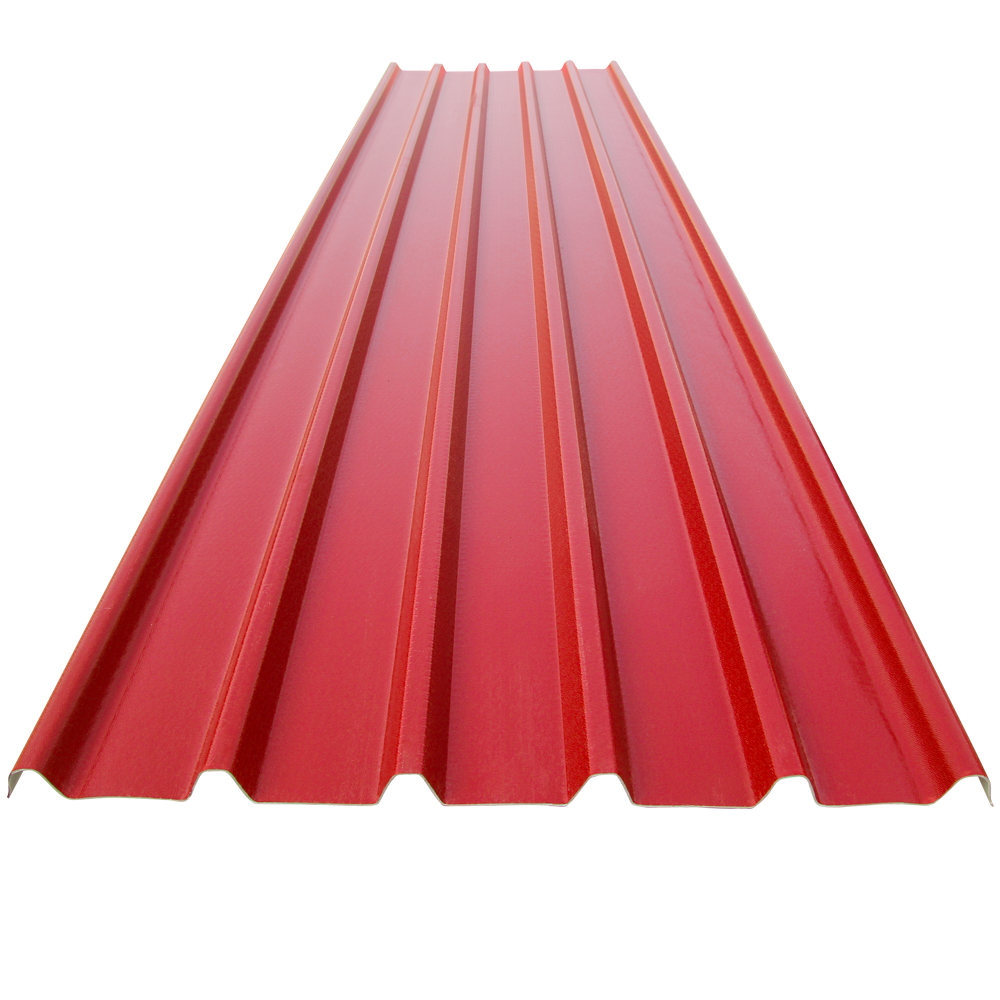
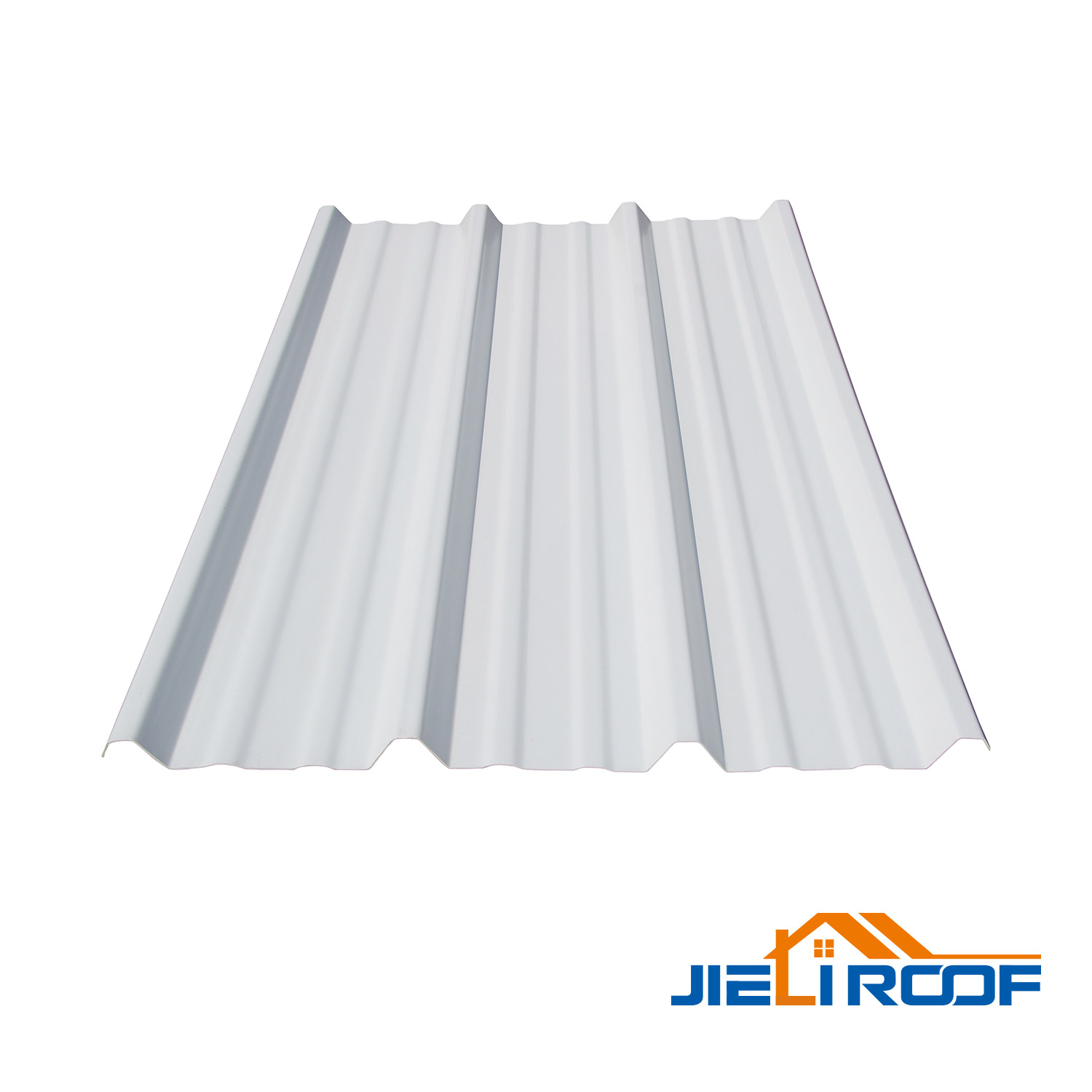
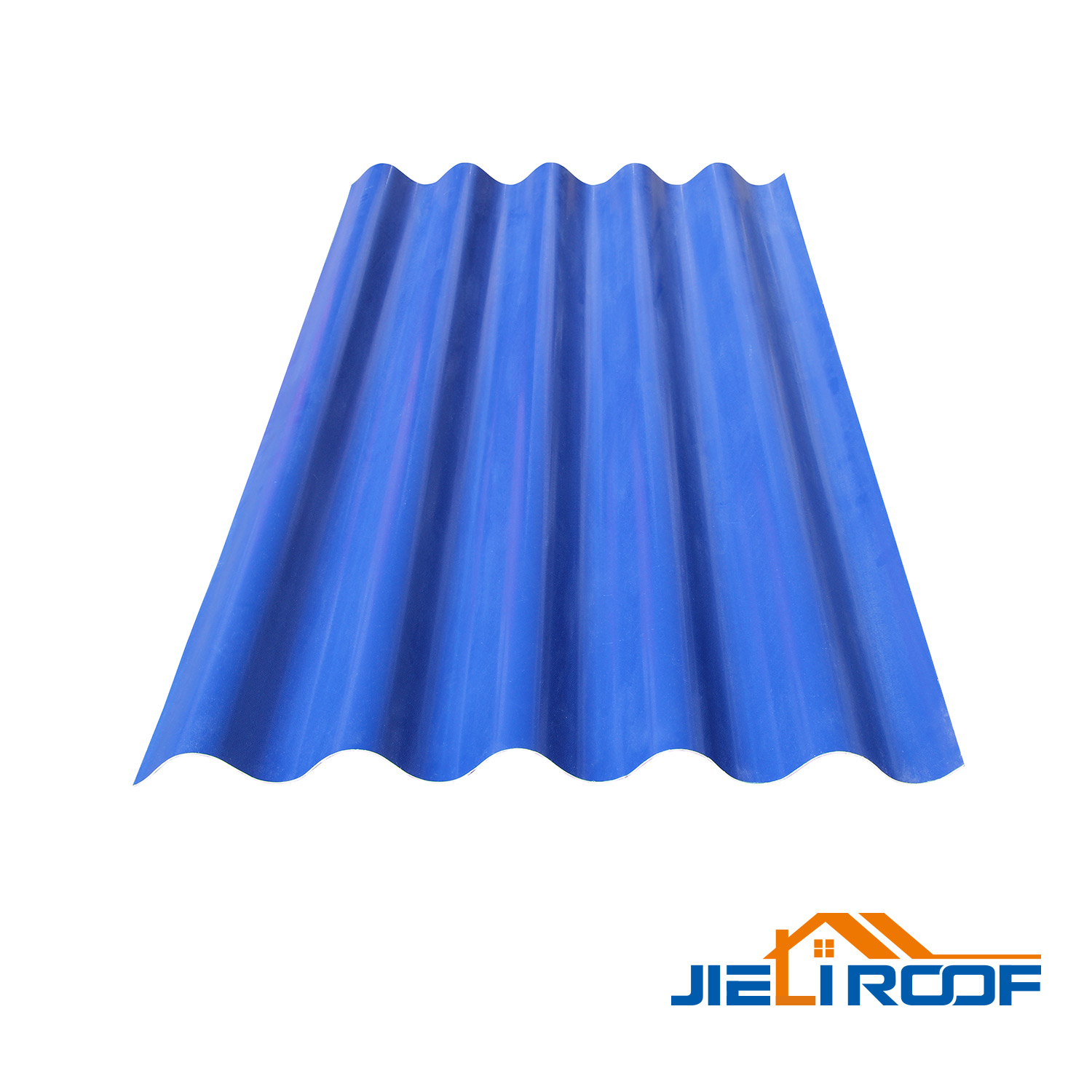
Different farm buildings may require different sheet profiles. UPVC roofing sheet T940 has a 940 mm width and 880 mm efficient width, with customized length and 2.0 mm, 2.5 mm, and 3.0 mm thickness options. For wider coverage, UPVC roofing sheet T1130 has an 1130 mm width and 1050 mm efficient width, also with customized length and 2.0 mm, 2.5 mm, and 3.0 mm thickness options. Both profiles can be considered for roof, ceiling, and wall panel use, depending on the building layout and project requirements.
How Jieli Can Support Farm Roof Failure Diagnosis
Jieli can help buyers review farm type, roof failure symptoms, humidity, ammonia exposure, cleaning cycle, profile, color, quantity, and destination before quotation. The goal is not to push one profile into every project, but to match the material with the actual failure cause. For pig farms, cattle barns, poultry houses, or mixed livestock buildings with early roof failure, buyers can share roof photos, failure symptoms, farm type, cleaning cycle, roof size, and quantity, then request a farm roofing material recommendation based on actual project conditions.
Conclusion
Farm roofs fail early due to a combination of ammonia, disinfectants, moisture, condensation, and metal corrosion. Repainting/patching the same weak points again and again does not solve the problem. A UPVC roof sheet for farm projects can avoid the most common failure points. A rust-free, ammonia-resistant, moisture-resistant, easy-to-clean, heat-insulating, sound-insulating, and low-maintenance roof for farms. For buyers comparing corrosion-resistant roofing sheets, the better choice should be based on real farm conditions, not only the lowest material price.
FAQ
Q1: Why Do Farm Roofs Fail Earlier Than Ordinary Building Roofs? A1: Farm roofs fail early due to the ammonia, moisture, disinfectants, condensation, and cleaning cycles that are generated within the building. These can attack metal roofs, particularly around the screws, overlaps, cut edges, and underside surfaces of the roof.
Q2: Is a UPVC Roof Sheet for Farm Buildings Better Than Metal Roofing? A2: A UPVC roof sheet for farm buildings is often more suitable in humid and corrosive livestock environments because it resists ammonia, acids, alkalis, disinfectants, and moisture. Metal roofing may be acceptable for low-corrosion buildings or for short-term buildings. A UPVC roof sheet for farm buildings is more suitable for humid and corrosive livestock environments.
Q3: What Should Buyers Check Before Choosing Livestock Roofing Sheets? A3: The real cause of roof failure on farm buildings needs to be established, whether it be ammonia from animals, high humidity, regular cleaning with potentially aggressive detergents, condensation, high temperature, noise from rain, size of the roof, whether the ceiling or walls also require attention, type of roofing sheet, thickness of roofing sheet, color of roofing sheet, required accessories, quantities required, and destination.






 +86 0535 6278701 / +86 15653505862

 Rust-Free Material Helps Break The Corrosion Cycle