HOME>NEWS>Is TSP Steel Sheet Better for Farm Roof Retrofit Than Full Roof Tear Off
Is TSP Steel Sheet Better for Farm Roof Retrofit Than Full Roof Tear Off
2026-09-21 00:00:25
SHARE TO:
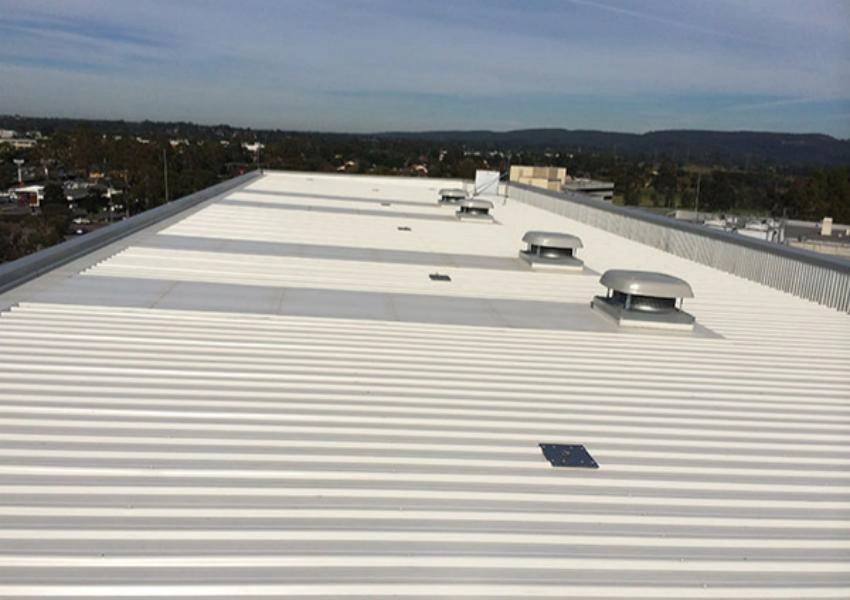
A farm roof retrofit can look attractive when the first estimate for tear-off arrives. Removing old sheets creates waste, exposes the building to weather, and may interrupt feeding, cleaning, or animal movement. Yet placing a new roof over an old one is not a default answer. The existing frame and roof surface decide whether it is sensible. A pale patch of rust on the outer face is one thing. Perforated steel around purlins, a soft deck, movement at the ridge, or a distorted truss is another.
This is why a useful decision begins beneath the old cladding. Check the condition of rafters, purlins, fastener zones, roof slopes, drainage paths, and any insulation or ceiling material below. Look from inside as well as outside. Ammonia, moisture, and condensation can do more damage on the underside than the visible roof surface suggests. The review should be carried out by people qualified to judge the supporting structure; a new sheet must not be used to conceal a load-bearing problem.
When An Overlay Retrofit Can Make Commercial Sense
An overlay approach is worth considering when the structure remains sound, the old roof is dry enough to avoid trapping moisture, and the building needs a more corrosion-resistant outer layer without a lengthy shutdown. It is commonly discussed for livestock roof upgrade projects where color steel has faded, developed local corrosion, or begun to fail around laps but the main support system is still serviceable. Compared with a full strip-out, the program may be shorter and disposal volume lower. Those gains disappear if hidden repairs are discovered late.
A staged condition survey helps separate a cosmetic roof from a risky one. Start at the eaves, then inspect laps, fasteners, penetrations, ridge ends, and the roof area above wash bays or manure channels. Photograph active leaks after rain instead of relying on a dry-day inspection. If corrosion is isolated and the supporting steel is not losing sections, a retrofit may remain on the table. If the roof has repeated leaks, wet insulation, major deflection, or widespread structural deterioration, a full tear-off is often the more honest option.
Do Not Trap A Moisture Problem Under New Cladding
Old roofing can hold dirt, organic deposits, wet insulation, and moisture beneath loose laps. Covering it without resolving the cause may move the problem out of sight rather than remove it. The project team needs a clear moisture route: where rain enters, where condensation forms, and how the roof system dries. This is particularly important in poultry and cattle buildings, where humid air rises and can collect under cooler roof surfaces. A retrofit plan should state how penetrations, ridge details, and eave transitions will be treated, without assuming that a second skin will correct every weak joint.
What TSP Changes In A Corrosive Farm Environment
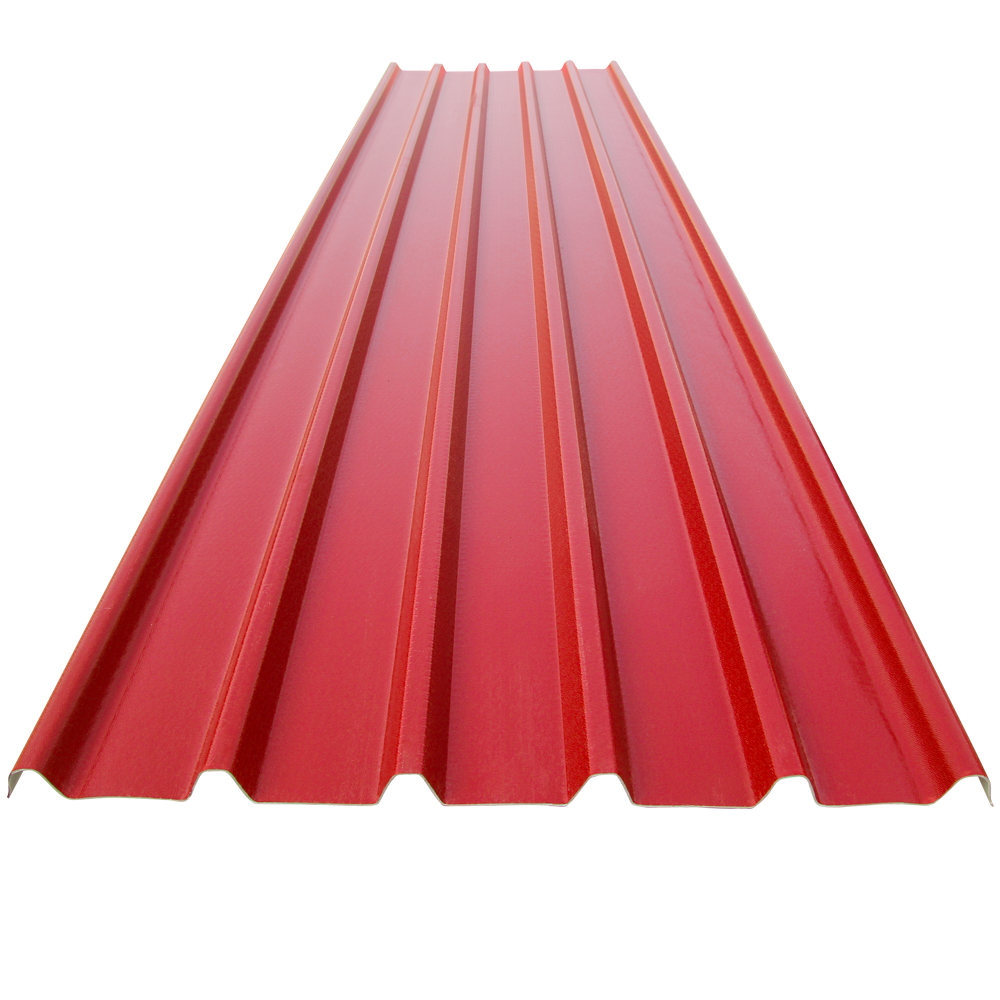
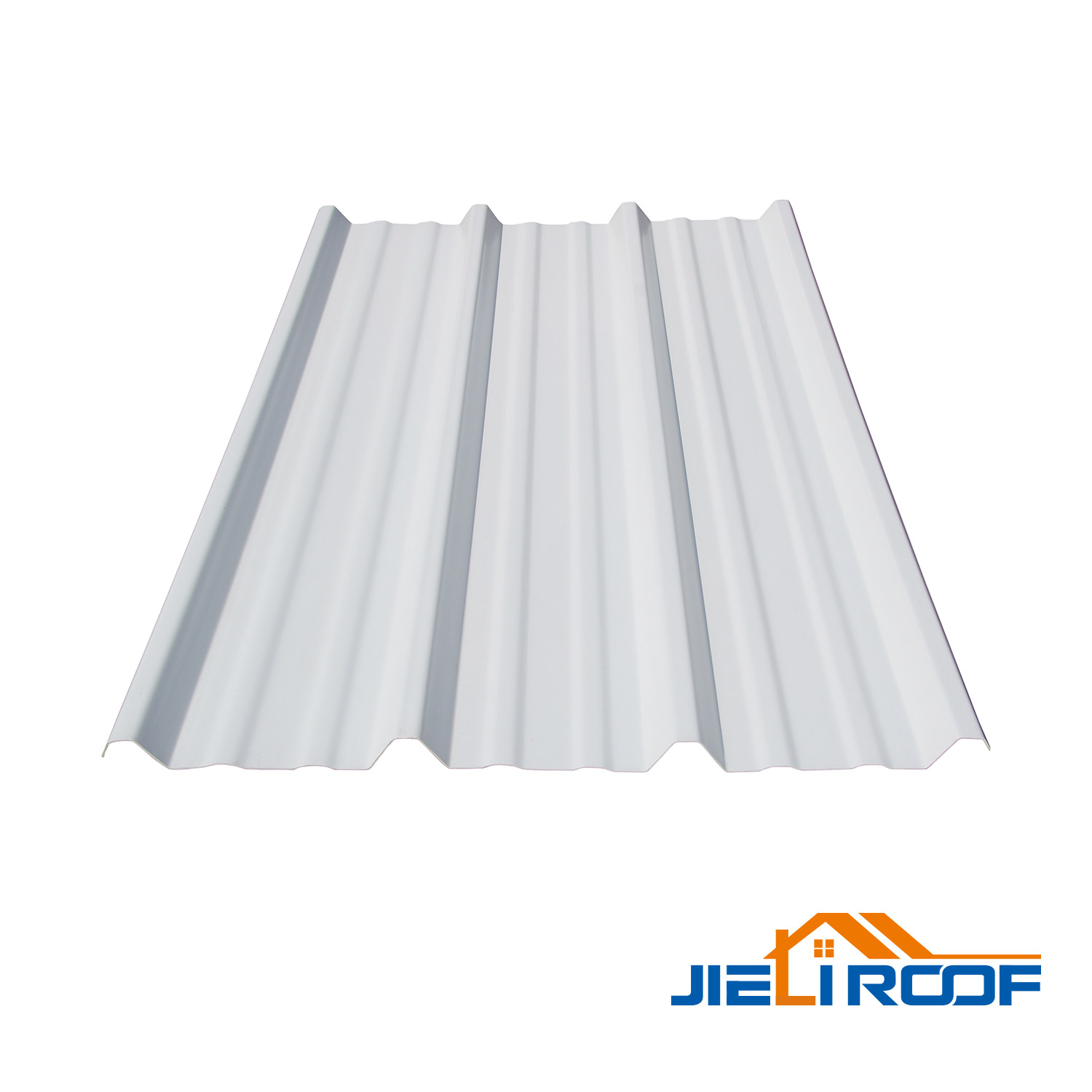
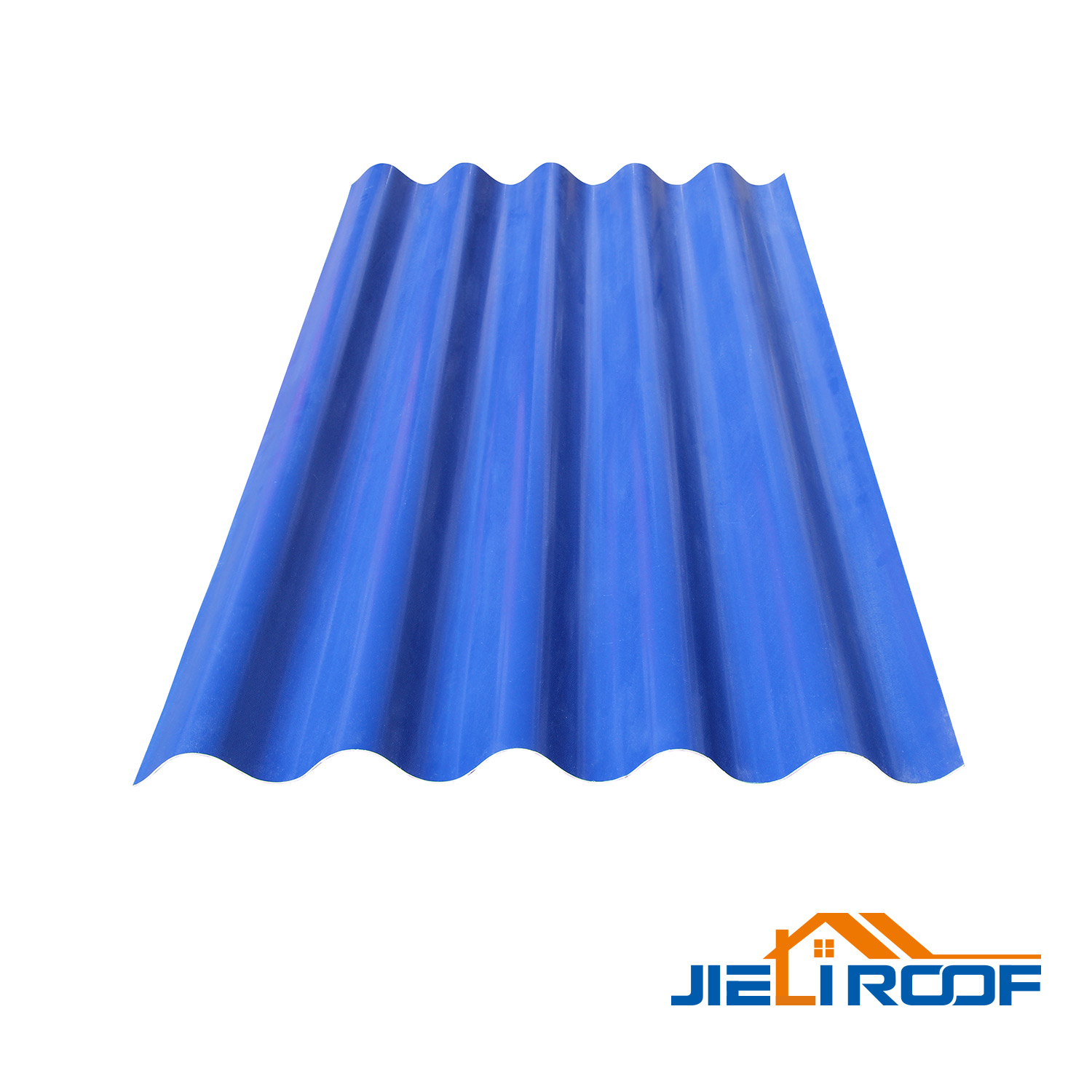
TSP is a film-coated steel sheet, not an insulation product by itself. Its value in a corrosive retrofit lies in keeping corrosive media away from the steel substrate. The product uses a galvanized steel core with thermoplastic film on both faces, providing protection to both the underside and the weather-facing side. That matters in livestock buildings, where ammonia, hydrogen sulfide, and humid air can attack the inner face of ordinary steel roofing.
The film forms a continuous physical barrier rather than a conventional paint coat. In the specified chemical-resistance testing, the material was exposed to 15% hydrochloric acid for 168 hours with no fading, swelling, or separation reported. It also recorded no rust after a 1,000-hour salt-spray test at 5% sodium chloride and 50 degrees C. These results are laboratory references, not a promise that every neglected roof will last forever. They do provide a useful basis for comparing a TSP steel roof sheet with ordinary painted metal where chemical exposure is part of the operating environment. A TSP steel roof sheet still depends on an appropriate profile and sound support below it.
Thickness Is Only One Part Of The Retrofit Decision
The TSP film-coated steel sheet thickness is 0.4-0.8 mm. Profile, span, purlin spacing, roof pitch, fastening design, imposed loads, and the retained roof condition all affect the result. A project team should specify the full sheet build-up and support details, then check that the existing structure can accept the added roof system.
Where the building also needs a thermal or acoustic layer, that function belongs to a TSPsheet trapezoidal 1050 and its core, not to the TSP single sheet. Keeping that distinction clear prevents a roof-retrofit quote from promising insulation that its proposed cladding cannot provide.
Compare The Cost Of Work, Not Only Material Price
The full tear-off price is visible: removal labor, disposal, temporary weather protection, new cladding, and possible repair to the supporting structure. Retrofit costs are easier to underestimate. They can include condition assessment, cleaning, treatment of defective areas, detail work around penetrations, new fasteners, transition flashings, and access planning. Budgeting a rusted metal roof repair needs those line items, not just a sheets’ price. In a live farm, the schedule also has a value. Repeated roof work above animals can disrupt routines even when the shed remains in use.
For rusted metal roof repair, corrosion exposure should be part of the cost calculation. Cheap coated steel can keep producing small repair jobs at laps and cut edges, especially in humid and ammonia-rich zones. TSP carries a 15-year warranty and is built for chemical-corrosion resistance, so it may reduce the repainting and replacement cycle in the right project. The appropriate comparison is not ‘new sheet versus old sheet. It is the likely cost of each route over the planned holding period, including maintenance access and the risk of a leak during a busy season.
Cases That Still Need A Full Tear-Off
A full roof tear-off should remain the preferred path when the old roof masks structural damage, retains wet insulation, has severe corrosion around supports, or cannot provide a stable base for the new system. It is also the safer route when the building needs a major change in insulation, drainage geometry, ventilation openings, or fire-rated construction. Adding TSP over an unsuitable roof can raise the apparent finish while leaving the real failure in place. Any livestock roof upgrade should retain this option in the early budget.
Buyers should ask for a clear written scope: what remains, what is removed, what is inspected, and who takes responsibility for the substrate assessment. The scope should also cover leak investigation and the condition of roof penetrations. This avoids the common argument that a new cladding layer is responsible for water that was entering through an untreated old detail.
Use Product Evidence In The Final Choice
For a retrofit decision, a TSP choice should be based on the chemical environment and the remaining condition of the building, not simply on the desire to avoid removal. The available TSP steel roof sheet options are a useful starting point where the supporting roof is verified as sound and long-term corrosion resistance is the primary concern. Review a material sample, the proposed total thickness, profile, warranty, and test information before committing to a quantity.
Jieli has product lines for farm roofing materials and can provide product details, samples, and specification discussions for a proposed project. The Jieli is a useful starting point when the buyer needs to compare a single film-coated steel sheet with a panel system. A complete roof decision still belongs to the project team after the existing structure has been examined.
FAQ
Q1: Can TSP steel sheet be used over every rusted farm roof?
A1: No. A retrofit only makes sense after the roof structure, retained cladding, moisture condition, and fixing areas have been assessed. Significant structural loss or wet, failing layers call for tear-off.
Q2: What is the difference between TSP steel sheet and a TSP sandwich panel?
A2: TSP is a corrosion-resistant film-coated metal sheet. A TSP sandwich panel is a system with a core that provides the thermal and acoustic function.
Q3: What TSP thickness should be considered for a farm roof retrofit?
A3: The film-coated sheet thickness is 0.4-0.8 mm. A second livestock roof upgrade review should match the build-up to the span, profile, roof condition, and project loads.






 +86 0535 6278701 / +86 15653505862