HOME>NEWS>Poultry House Sandwich Panels: What Buyers Should Check Before Replacing Rusted Color Steel Roofs
Poultry House Sandwich Panels: What Buyers Should Check Before Replacing Rusted Color Steel Roofs
2026-08-04 02:26:14
SHARE TO:
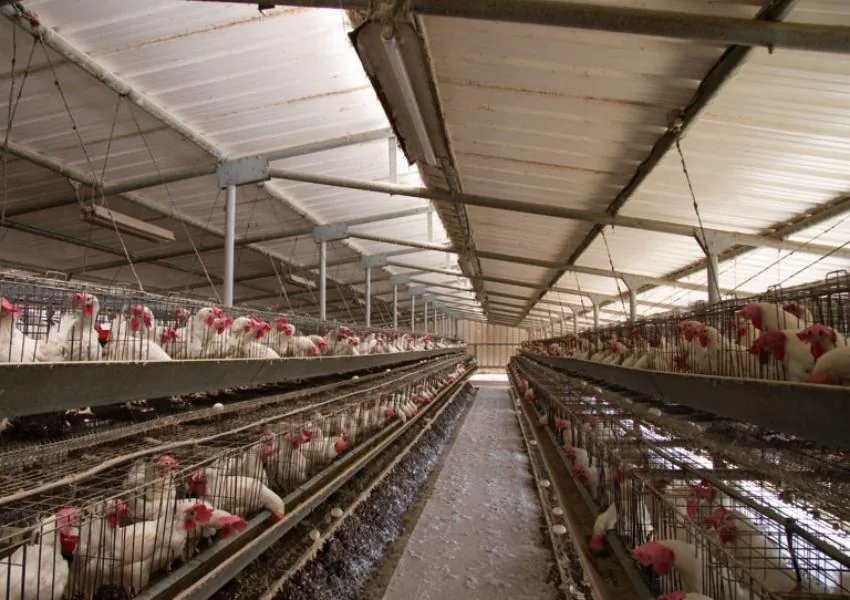
A rusted poultry roof usually looks like a roofing problem from the outside. Inside the house, the complaint is wider: wet litter, condensation dripping, dark stains near fasteners, and panels that no longer hold the indoor climate steady. When a color steel skin starts to corrode, the insulation core behind it can also suffer. That is why replacing poultry house sandwich panels should begin with the roof skin, the core, and the farm environment together.
Rusted Color Steel Is a System Warning
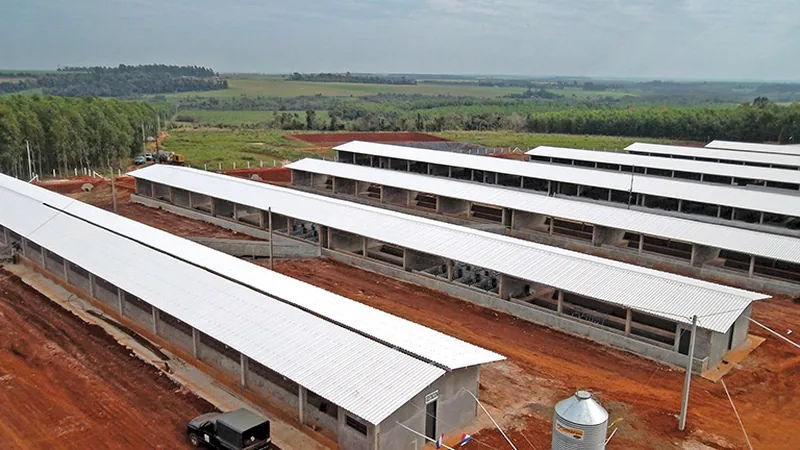
Poultry houses are tough on roof panels. Warm bird respiration, manure gases, wash-down moisture, and disinfectant residue all rise toward the roof. If the coating on a colored steel sheet is thin or uneven, rust often starts around scratches, laps, and screw holes. For poultry house roofing, farm roofing materials need to be judged against that exposure, not only against a dry warehouse price.
Where the First Failure Usually Appears
Look along the eaves, ridge, side-lap lines, and fan-end sections. These areas see the most moisture movement and chemical residue. A buyer may notice brown spots first, then small leaks, then wet insulation or ceiling drips. In older poultry house roofing, the fastener area often tells the story faster than the middle of the sheet because every hole is a place where coating quality gets tested.
Condensation and Insulation Failure are Linked
Condensation dripping is often blamed on ventilation alone. Ventilation matters, but roof skin corrosion makes the situation worse. When a corroded outer sheet lets moisture travel into the sandwich panel, the core can lose part of its thermal value. After that, roof insulation failure shows up as cold spots, damp litter, heating waste, and uneven bird comfort. A replacement panel should solve the corrosion route first, then protect the insulation function.
What TSP Steel Sheet Changes in a Poultry Roof
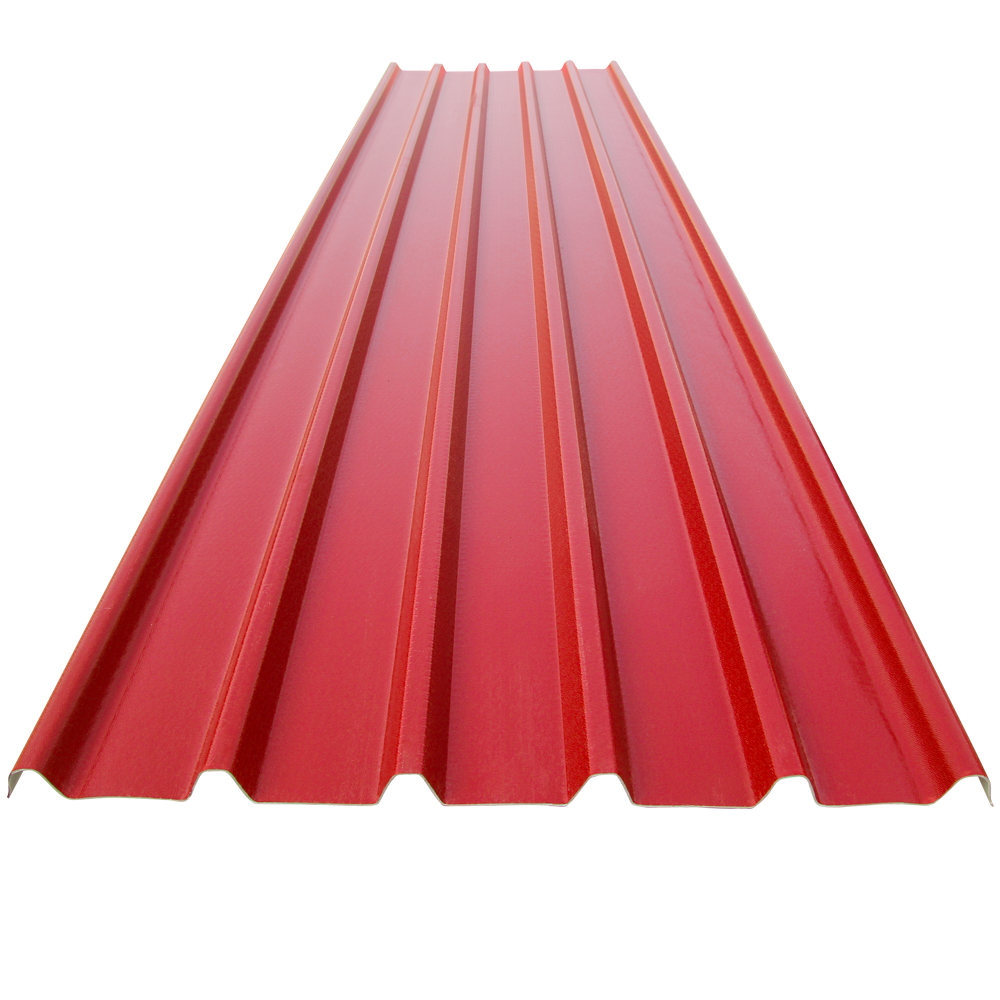
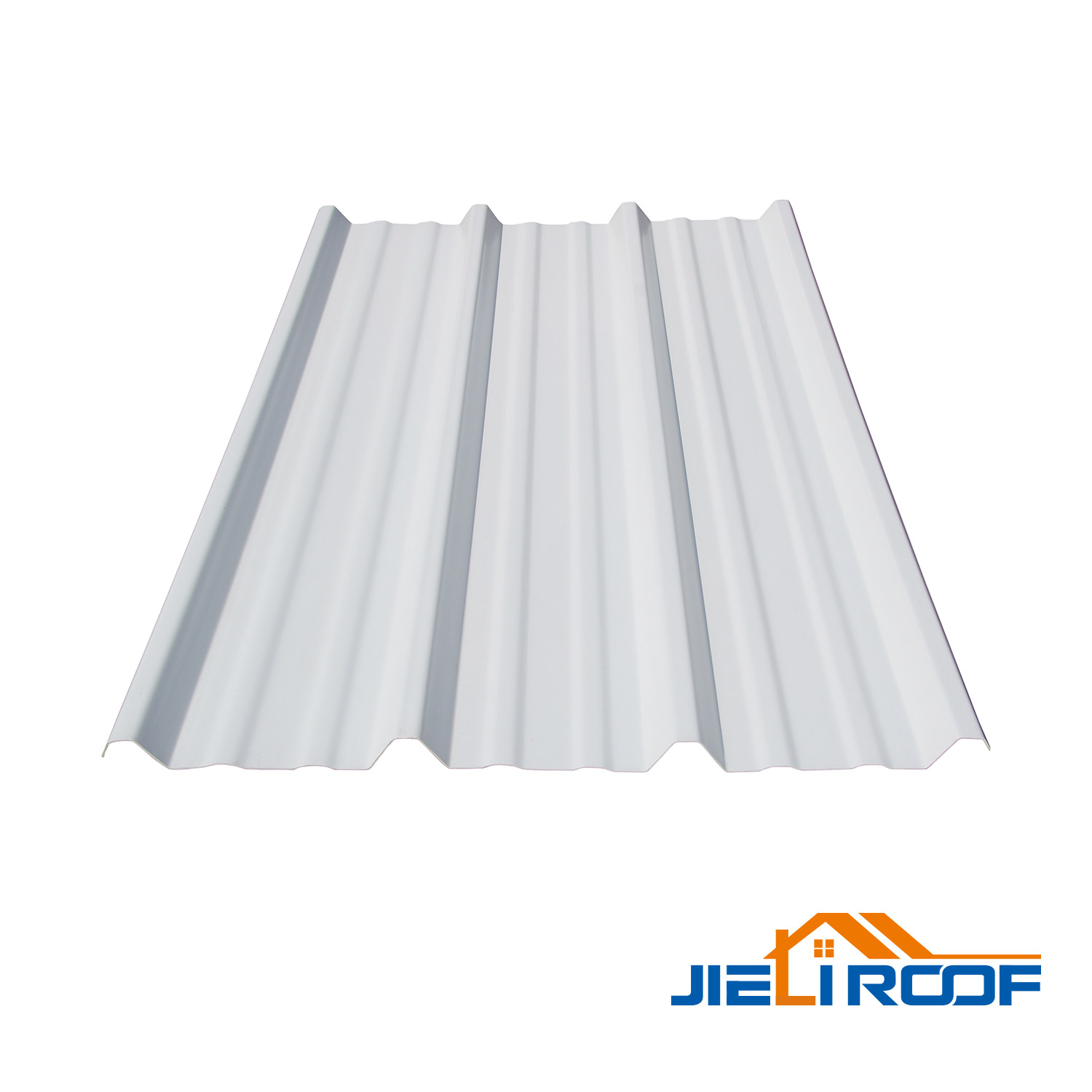
TSP is still a metal roofing material. That point matters. Its main value is not that the steel skin itself acts like an insulation board. The value is that the galvanized steel substrate is sealed on the top and bottom with TSP film, a modified polyester layer that helps block corrosive media from reaching the steel. For farms replacing rusted-color steel, that barrier is the practical difference.
A Sealed Film Barrier Instead of Paint Alone
Conventional painted steel depends on a coating that may have tiny weak points after spraying, bending, cutting, or long farm exposure. TSP steel roof sheet uses a film-coated structure on both sides of the galvanized steel sheet. In poultry and livestock environments, that physical barrier helps resist ammonia, organic acids, humidity, and chemical cleaning residue. Jieli’s TSP test reference includes 15% hydrochloric acid, and the TSP warranty scope is 15 years. TSP should be selected where buyers want the strength and familiar building logic of metal roofing but need far better corrosion resistance than ordinary color steel in farm or industrial environments.
Steel Strength Still Matters in Long Farm Buildings
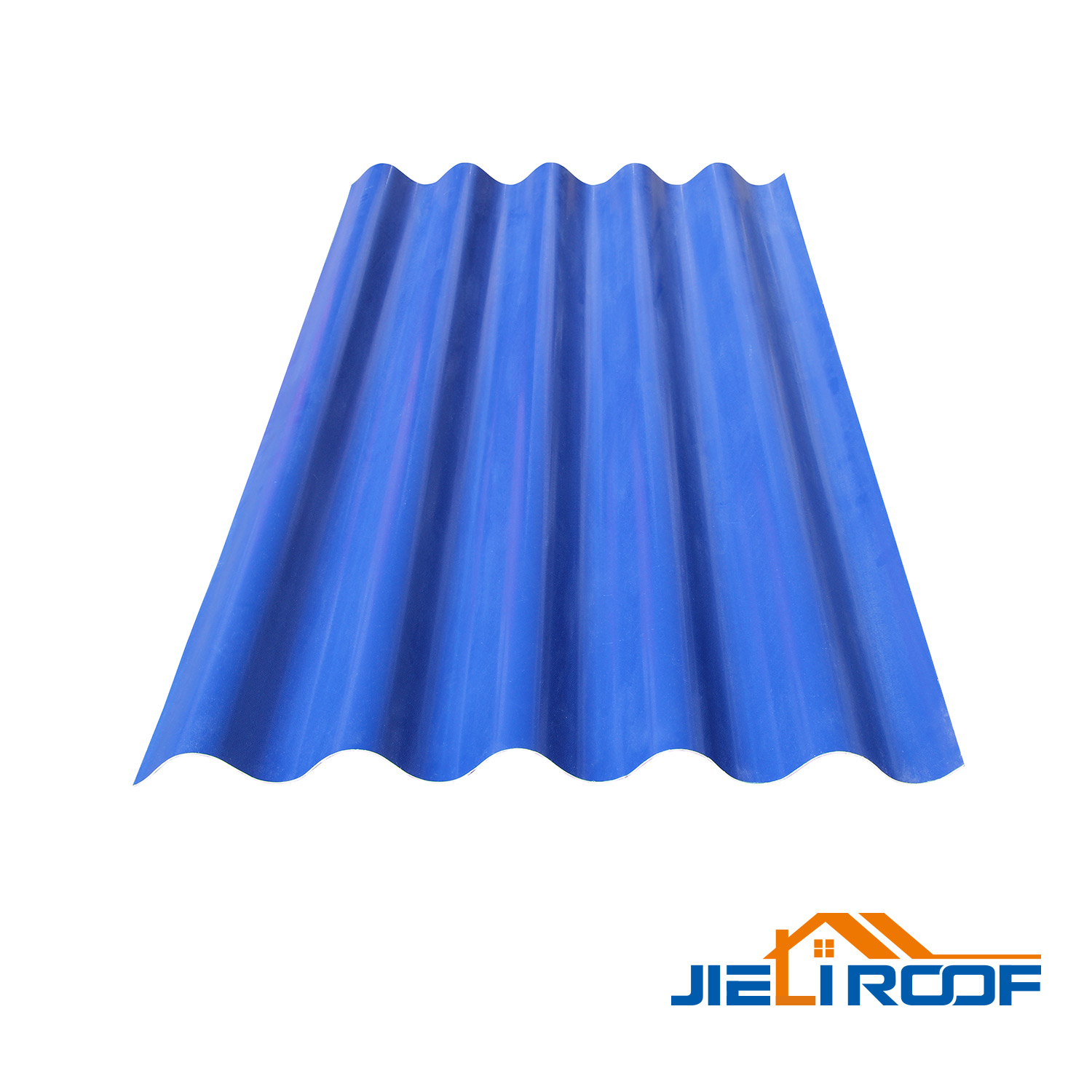
A poultry project often has long roof runs, equipment loads, service walkways, and repeated maintenance access. The steel substrate gives the roof skin useful stiffness for those conditions. TSP steel sheet trapezoidal 1050 is listed with a 1130 mm width, 1050 mm cover width, customized length, and steel thickness options including 0.3, 0.4, 0.5, 0.6, and 0.7mm.
How to Check a TSP Sandwich Panel Quote
A sandwich panel quote can look tidy while hiding the important questions. The outer skin, inner skin, core, joint design, and warranty language should be read together. TSP can protect the steel skins from chemical corrosion; the insulation effect comes from the sandwich panel core and the whole panel design. Mixing those claims is where many roof replacement decisions go wrong.
Separate the Skin Performance From the Core Performance
Ask the supplier to state the skin material, film structure, steel thickness, and core type in separate lines. If the project is solving roof insulation failure, do not accept a quote that only says ‘sandwich panel’ without core details. If the project is solving rust, do not accept a quote that talks only about core density. Poultry house sandwich panels need both answers, but they are not the same answer.
For a TSP sandwich panel build-up, the TSP steel sheet can be used as the corrosion-resistant metal skin while rock wool or another suitable core provides thermal separation. That distinction keeps the specification honest. The TSP film resists farm chemicals and moisture at the skin; the core and panel joints handle heat flow and indoor temperature control.
Read the Warranty Against the Farm Environment
A warranty written for a dry warehouse may not mean much in a poultry building. Ask whether ammonia, disinfectants, high humidity, and cleaning schedules are part of the recommended application. TSP’s 15-year warranty scope and hydrochloric acid test are relevant to corrosion resistance, but buyers still need to confirm core selection, panel joint treatment, and compatibility with local project requirements before purchase.
Practical Checks Before Replacement
Before taking measurements for new livestock roofing sheets, walk the house after a wash-down or after a cool night. That is when wet spots and drips become easier to see. The goal is not to create an installation guide, but to gather enough project facts so the replacement roof does not repeat the same failure.
Check the Old Roof Like a Maintenance Record
Mark rust concentration by zone: fan end, inlet side, ridge, feed line area, and washbay edge. Note where condensation dripping falls onto litter or equipment. Look for places where the insulation core has softened, sagged, or taken on odor. Good farm roofing materials are chosen from these observations, not from a generic product table.
Ask for Samples that Match the Real Order
Samples should match the quoted film, steel thickness, color, and panel build-up. Buyers should compare cut edges, surface film adhesion, bending behavior, and fastener-area appearance. For repeat houses, keep one approved sample with the purchase file so the next phase does not drift in specification. This small habit saves arguments for integrators and contractors when a farm is built in batches.
Where Jieli TSP Fits the Poultry House Brief
Jieli has 22 production lines and supplies UPVC, glass fiber-reinforced UPVC, and TSP film-coated steel products for roofing projects. For poultry houses replacing rusted-color steel, Jieli can support sample checks and product confirmation. The useful question is whether the product fits the farm’s corrosion, strength, and panel system needs. When a project needs corrosion-resistant metal skins for poultry house sandwich panels, TSP sandwich panel planning should start from chemical exposure and insulation risk. Do not buy only by panel thickness. A thicker panel with a weak outer skin can still rust early; a good TSP skin with the wrong core may still disappoint on temperature control.
The stronger brief is short but specific: poultry house length, bird type, cleaning method, chemical exposure, target core, steel thickness, color, warranty expectation, and sample approval. With those facts in hand, a TSP steel roof sheet can be compared fairly against ordinary colored steel and other livestock roofing sheets without turning the purchase into guesswork.
FAQ
Q1: Is TSP steel sheet mainly used for insulation in poultry house sandwich panels?
A1: No. TSP is a film-coated metal sheet, so its main role is corrosion resistance and rust prevention. Insulation comes from the sandwich panel core and panel design.
Q2: What should buyers check when replacing rusted–color steel roofs?
A2: Check rust zones, roof drips, core condition, steel thickness, TSP film structure, warranty wording, and whether samples match the final order.
Q3: What TSP warranty and test reference can be used for Jieli roof projects?
A3: Jieli TSP uses a 15-year warranty scope. The chemical resistance test reference includes 15% hydrochloric acid.






 +86 0535 6278701 / +86 15653505862