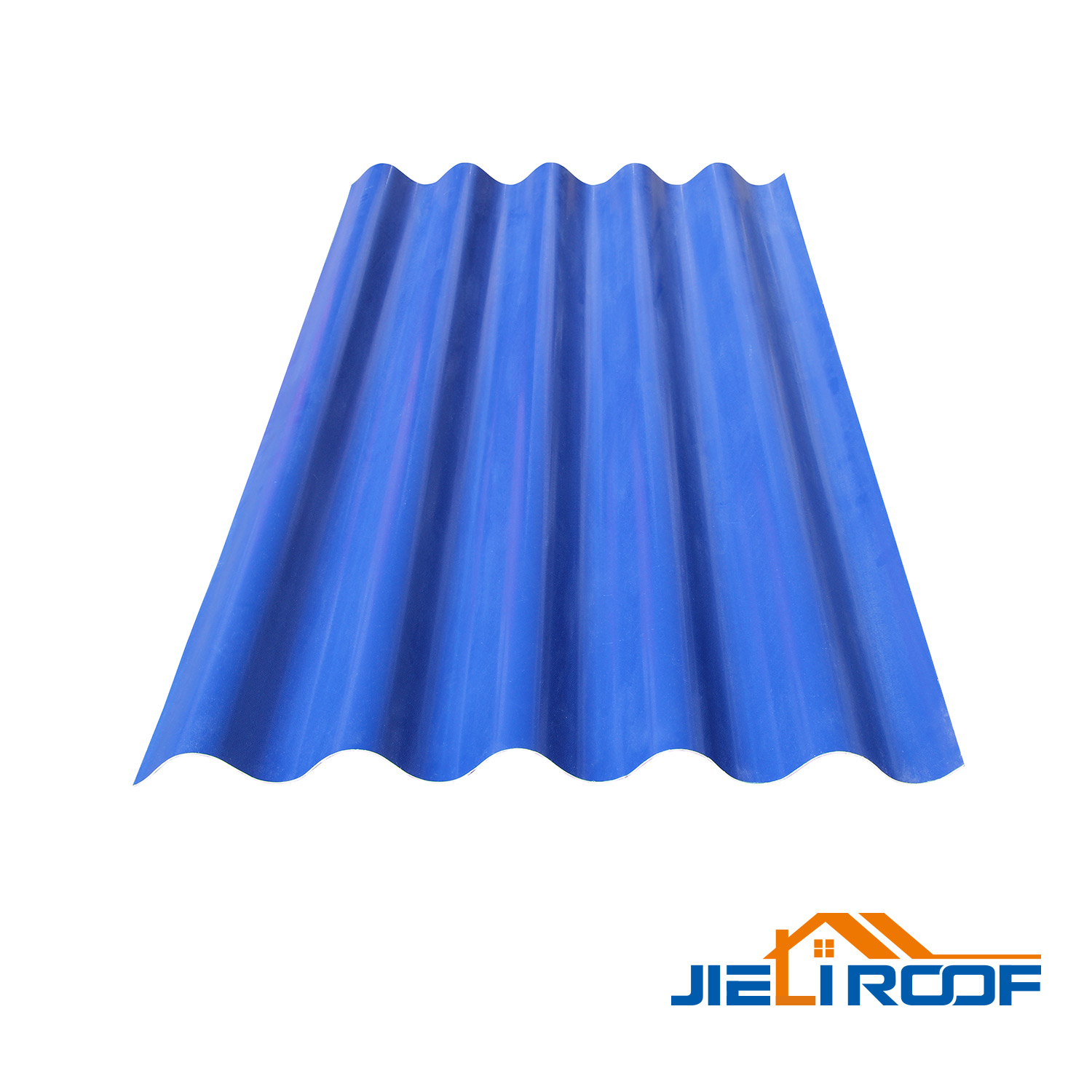
A low roof-sheet quote can look attractive when a farm is buying thousands of square meters at once. The harder question comes later: how often will the roof need patching, cleaning checks, repainting, or partial replacement after several humid seasons? For Jieli projects in livestock buildings, the better cost comparison starts with exposure, not with the first line of the quotation.
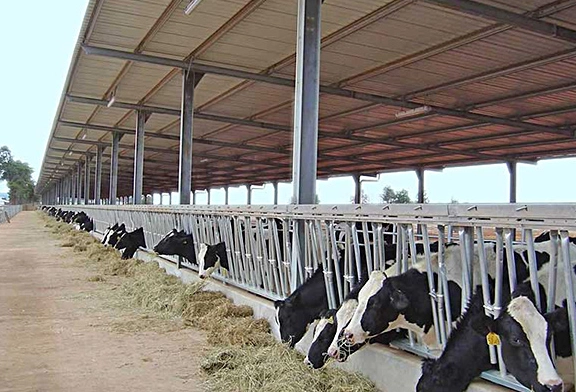
Dairy barns, calf houses, pig units, and poultry sheds are not dry storage buildings. Warm air rises, ammonia collects in pockets, and wash-down water reaches laps and fastener areas. That is why livestock roofing sheets should be judged by total roof cost over time, not only by sheet price on delivery day. The same logic applies when a buyer compares an UPVC roof sheet for farm renovation with cheaper farm roofing materials that may need earlier repair.
The Cheapest Sheet Is Not Always The Cheapest Roof
A buyer may receive three prices for what seems to be the same profile and thickness. One option looks lower, but it may carry more risk in coating life, lap stability, or after-sales complaints. Farm roofing materials work inside a building economy: downtime, replacement labor, animal comfort, and distributor reputation all become part of the real bill.
Maintenance Visits Add Up Quietly
On a large farm, a small leak is rarely small for long. It can wet bedding, mark feed alleys, or leave a drip line near young animals. Contractors then return for inspection, fastener checks, sealant touch-ups, or sheet replacement. None of that labor is visible in the first quote, but it lands on the farm or the channel seller later.
Painted metal may start with a familiar price. In livestock air, however, scratches, cut edges, and screw holes can become corrosion points. Once rust begins under a coating, patching becomes a routine cost rather than a one-time repair. This is where corrosion-resistant roofing sheets change the calculation.
Downtime Is Part Of The Roof Cost
Roof work also interrupts the building. A dairy wash bay, milking-side shelter, or calf area cannot always be closed at a convenient time. Even when animals stay inside, repair activity brings noise, dust, blocked passages, and scheduling pressure. A lower purchase price loses value if the roof forces regular disruption every few years.
UPVC Changes The Cost Discussion In Humid Farm Buildings
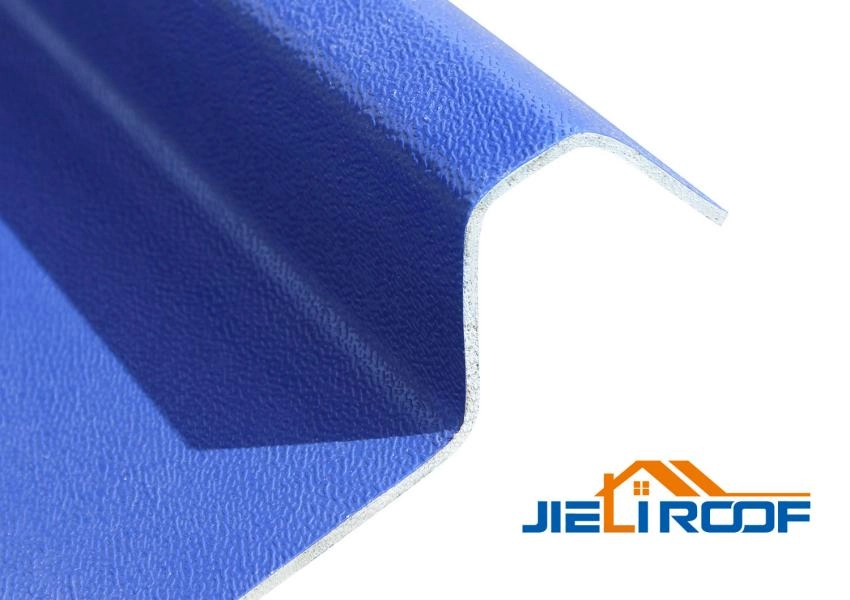
UPVC is not simply a cheaper substitute for metal. Its value is clearer when the farm roof faces moisture, ammonia, cleaning chemicals, and hot roof surfaces. The material does not rust, and its surface behavior helps reduce several maintenance triggers that often make low-cost metal roofs expensive later.
Corrosion Resistance Where Manure Air Meets Moisture
Animal manure and urine release ammonia, and that gas becomes more aggressive when mixed with moisture. In many barns, the damage first appears around overlaps, edges, or small scratches. An anti-corrosion roof sheet should be selected for those overlooked zones, because they decide whether a roof stays stable or slowly turns into a repair schedule.
For Jieli UPVC farm roofing, the corrosion reference is immersion in 5% sulfuric acid or 5% sodium hydroxide solution. That test point fits the kind of acid-alkali exposure seen around routine washing and disinfection. It also gives buyers a cleaner way to compare corrosion-resistant roofing sheets without confusing TSP steel test conditions, warranties, or material logic.
Heat, Condensation, And Noise Are Real Operating Costs
Heat movement is another hidden part of farm roofing costs. UPVC has a thermal conductivity of 0.325 W/m.K, while steel is about 53 W/m. K. A UPVC roof sheet for farm buildings slows heat transfer much better than a thin metal panel, which helps reduce roof heat gain in summer barns.
Condensation still needs good airflow, ridge design, and moisture control. The roof sheet cannot fix a poorly ventilated house by itself. Even so, a material that does not rust, does not absorb water, and is easier to rinse gives the maintenance team fewer weak points after washing. UPVC roofing can also reduce rain noise by more than 30 dB compared with metal roofs, a useful detail in young-stock areas and enclosed houses.
Where A Higher Sheet Price Can Lower Long-Term Maintenance
The sensible question is not whether a buyer should always choose the thickest sheet or the most expensive profile. It is where the farm actually needs a stronger specification. A feed shed, a calf barn, and a humid manure-side roof edge may deserve different choices, even if they sit on the same site.
T940 For Repeatable Farm Roof Schedules
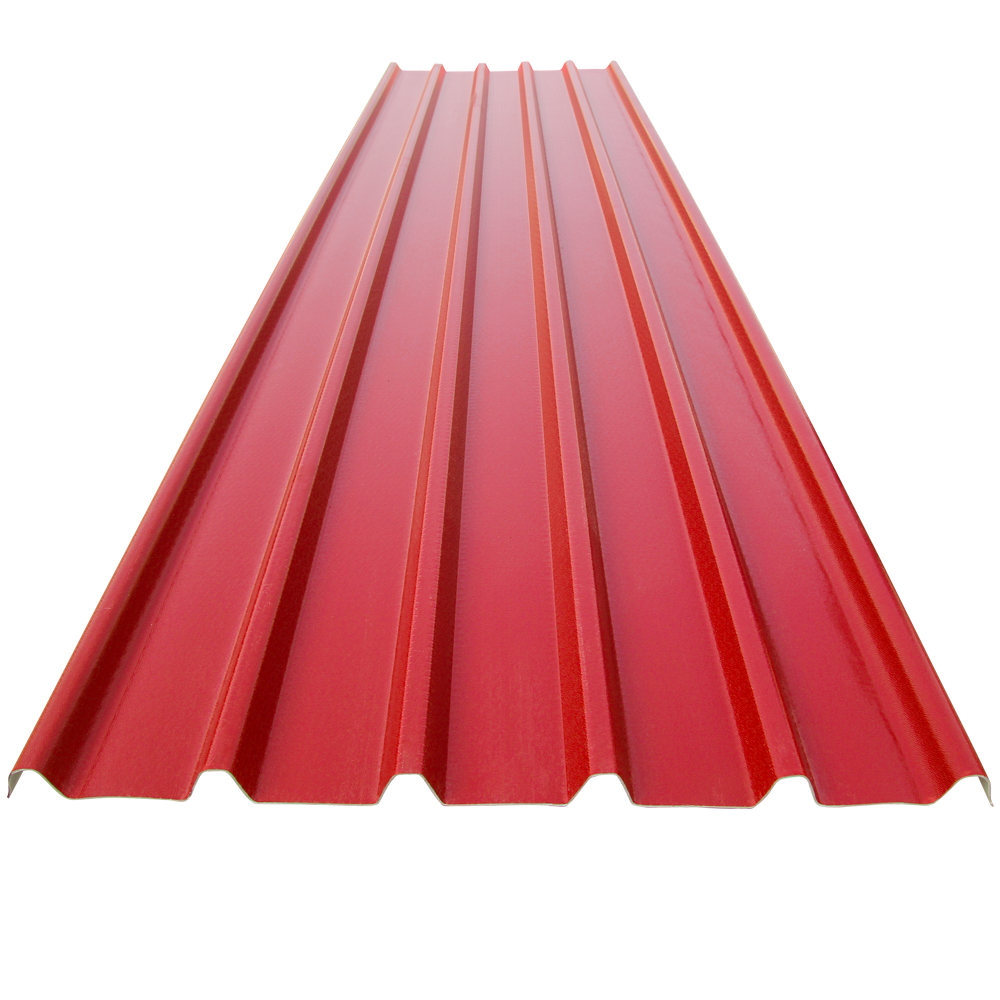
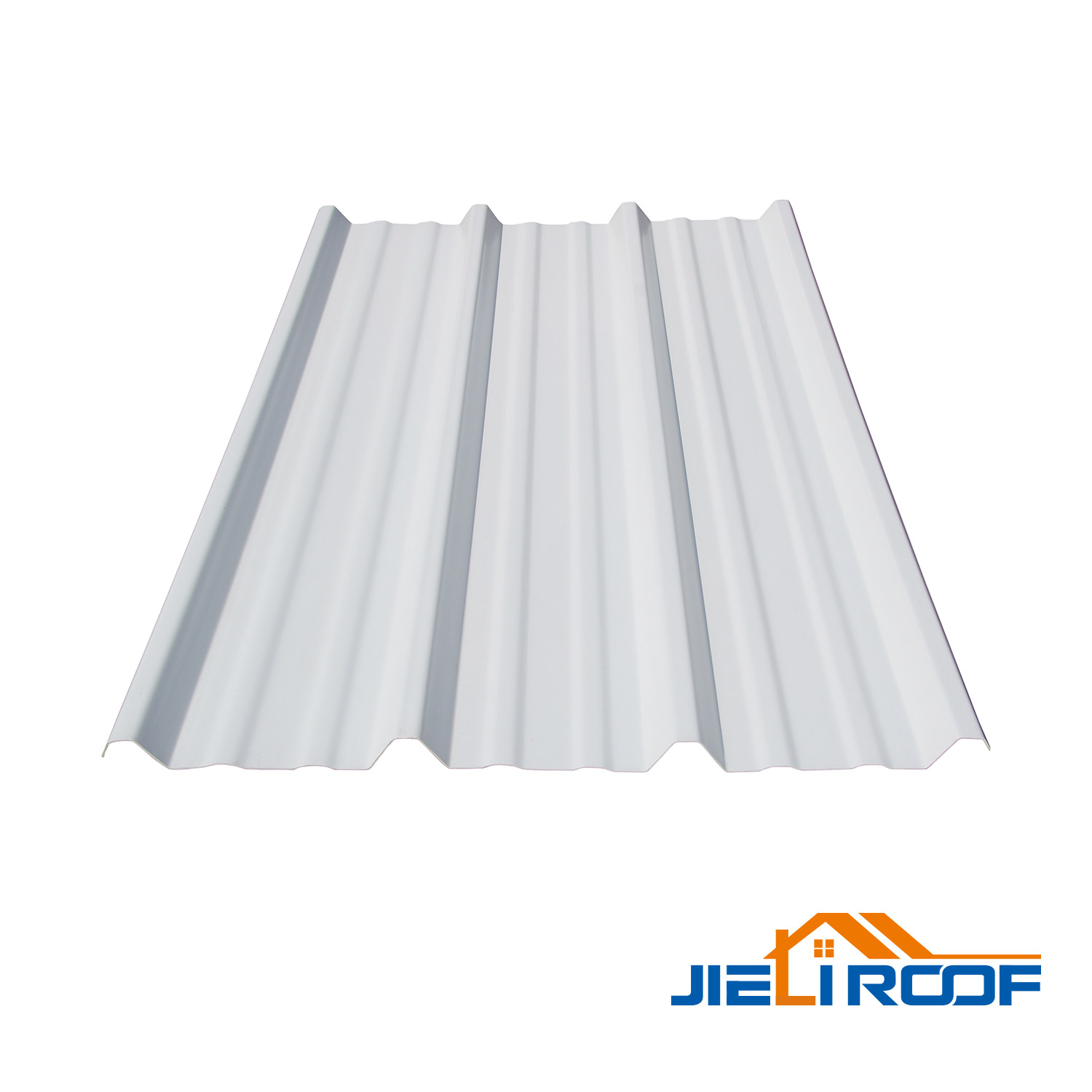
For many farm projects, the T940 UPVC roofing sheet is a practical starting point. The profile has a 940 mm width, an 880 mm efficient width, customized length, and common 2.0, 2.5, and 3.0 mm thickness options. That gives buyers a clear basis for comparing coverage, sheet count, and lap quantity across a long roof.
T940 is useful when the roof grid is regular and the buyer wants a repeatable product schedule for several livestock houses. The sample check should include surface density, wave shape, cut-edge finish, and drilling behavior around the fastening area. These small checks say more about future maintenance than a polished sales sheet.
T1130 And BW920 For Wider Or Reinforced Needs
Where wider cover matters, the T1130 UPVC roofing sheet offers a 1130 mm sheet width and 1050 mm efficient width, with customized length and common 2.0, 2.5, and 3.0 mm thickness choices. For areas where reinforcement is part of the brief, the BW920 glass fiber–reinforced UPVC roof sheet adds a glass fiber mesh layer inside the UPVC body. Its 920 mm width and 873 mm efficient width suit buyers who want extra support in tensile strength, impact resistance, loading behavior, and weathering stability.
How Buyers Should Compare Quotes Before Ordering
A fair comparison needs the same exposure assumptions. Ask each supplier to quote the same profile, thickness, color, length plan, and warranty scope. Also ask which zones of the building carry the highest risk: calf pens, wash-down sides, ridges with poor air movement, or areas near manure storage. That detail keeps the roof decision tied to real service conditions.
Look Past Price Per Square Meter
Price per square meter is only a starting line. Contractors also need to know usable coverage, lap quantity, sheet length tolerance, packaging, and whether the sample matches the future batch. For distributors, the costly problem is not only a failed roof. It is a customer who loses trust after repeated leaking, noise, or rust complaints.
Jieli has 22 production lines and a material testing center used for raw material, formula, production, and finished-product checks. Buyers comparing UPVC roofing products can request samples, confirm thickness choices, and match the profile to the building zone before locking the final bill of materials.
Keep The Warranty Matched To The Product
For UPVC farm roofing, the warranty reference is 8-10 years. That does not remove the need for correct building design, ventilation, and routine inspection. It does give a clearer cost baseline than a cheap sheet that needs repainting or partial replacement after several seasons.
A low roof-sheet price can be useful when the building is low risk. In animal housing, though, ammonia, water, heat, and noise turn roofing into a long-term operating item. The better purchase is often the one that reduces return visits and keeps the barn dry, calmer, and easier to maintain.
FAQ
Q1: Why can a low sheet price increase farm roofing costs?
A1: Low sheet price can hide later labor, leaks, rust repair, repainting, animal-area disruption, and replacement cost. The roof should be compared by service life and maintenance exposure, not only by purchase price.
Q2: Is UPVC a good choice for humid livestock roofing sheets?
A2: An anti-corrosion roof sheet made from UPVC is suitable for humid farm roofing when corrosion resistance, easier cleaning, lower heat transfer, and noise reduction matter. The final specification should still match the building span, ventilation, and cleaning routine.
Q3: Which Jieli UPVC profile should buyers check first?
A3: T940 is a common starting profile. T1130 can suit wider cover needs, while BW920 glass fiber-reinforced UPVC is worth checking when reinforcement, impact resistance, and loading behavior are part of the project brief.






 +86 0535 6278701 / +86 15653505862