HOME>NEWS>Are TSP Roofing Sheets Better Than Color Coated Steel for High Corrosion Projects in 2026?
Are TSP Roofing Sheets Better Than Color Coated Steel for High Corrosion Projects in 2026?
2026-04-09 11:04:02
SHARE TO:
The global industrial landscape in 2026 presents a series of tough challenges for facility managers and construction professionals. Environmental changes have led to more frequent acid rain, higher humidity, and aggressive coastal salinity that push traditional building materials to their breaking point. When choosing materials for large-scale industrial roofing, the stakes are high. Making the wrong choice often results in massive economic losses due to the need for roof replacement every two to three years. For those seeking reliable anti-corrosion roofing solutions in 2026, the question is no longer just about cost, but about which technology actually stands up to these punishing conditions.
To meet these heavy demands, selecting a partner with proven manufacturing strength is vital. Operating as a leading JieLi group, we have spent decades perfecting the science of durable roofing. Our facility currently runs 22 production lines, which allows us to maintain stable production and ensure on-time delivery even for the most massive global orders. We have a proven track record of handling large-scale demands efficiently; for instance, we successfully supplied 220 containers of roofing products for a major government housing project in Venezuela. This level of capacity ensures that projects remain on schedule, regardless of their size or complexity. By focusing on high-quality manufacturing and constant innovation, we aim to provide different options and solutions that help our partners win their local markets.
Why Traditional Coatings Fail in Corrosive Environments
Traditional roofing often relies on color-coated or powder-coated steel. While these look good initially, they frequently fail when placed in truly harsh environments like chemical plants, food factories, or coastal areas. The core problem lies in the application process. Most of these steel sheets are treated using spraying technology. No matter how thick the paint or plastic layer is, spraying simply cannot guarantee a perfectly uniform surface.
Under a microscope, these sprayed surfaces always show chain scission and tiny microholes. These microscopic flaws are an open door for corrosive media. Once moisture, salt, or acidic compounds penetrate these holes, they reach the underlying metal, causing pitting corrosion and crevice corrosion. High humidity conditions further promote electrochemical reactions that lead to metal oxidation, while rainwater erosion causes the coating to flake off, accelerating the entire destruction process. This is why many industrial buildings in corrosive zones find themselves needing a full roof replacement much sooner than expected.
The TSP Innovation: Airtight Sealing Technology
Recognizing these systemic failures in traditional coatings, we began researching a new way to seal metal in 2016. The result of this innovation is our airtight sealing technology. Unlike spraying, which leaves gaps, we use a specialized process to bond a high-performance film directly onto the steel. This film is airtight and sealed completely, leaving no microholes for corrosive agents to enter.
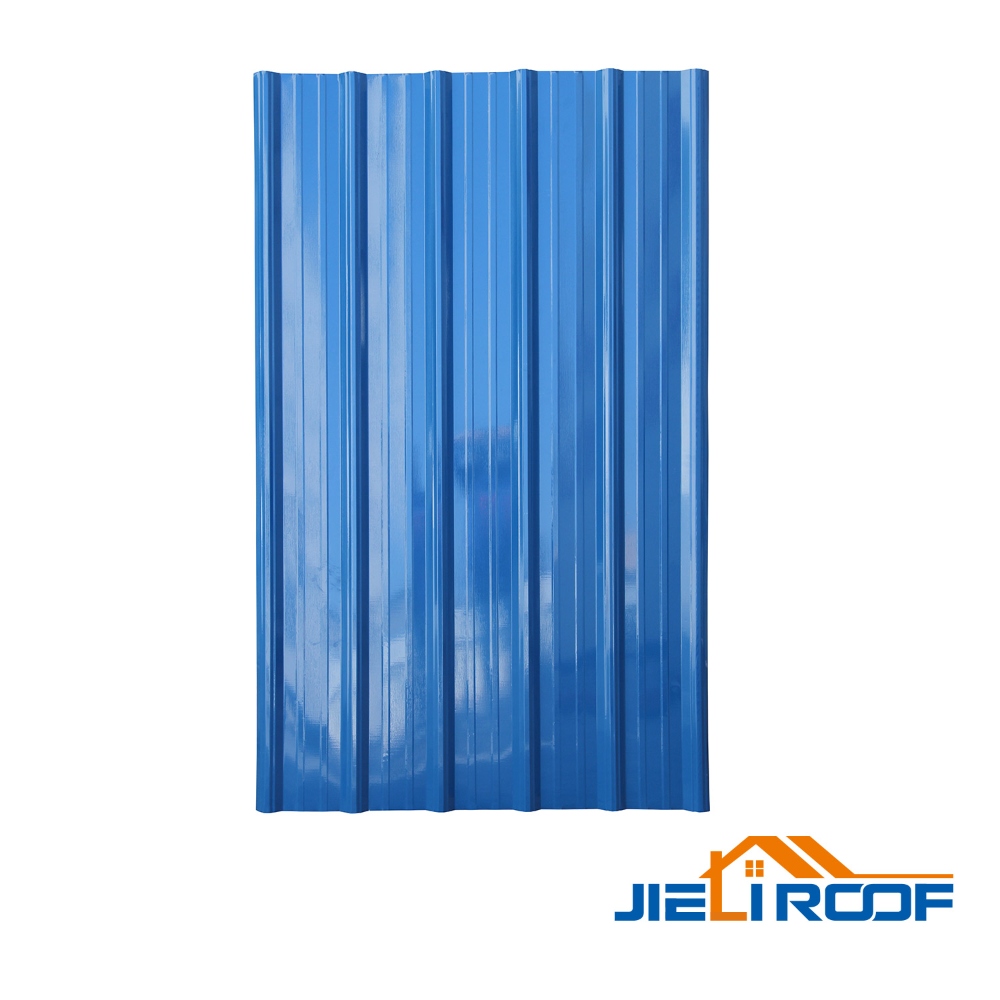
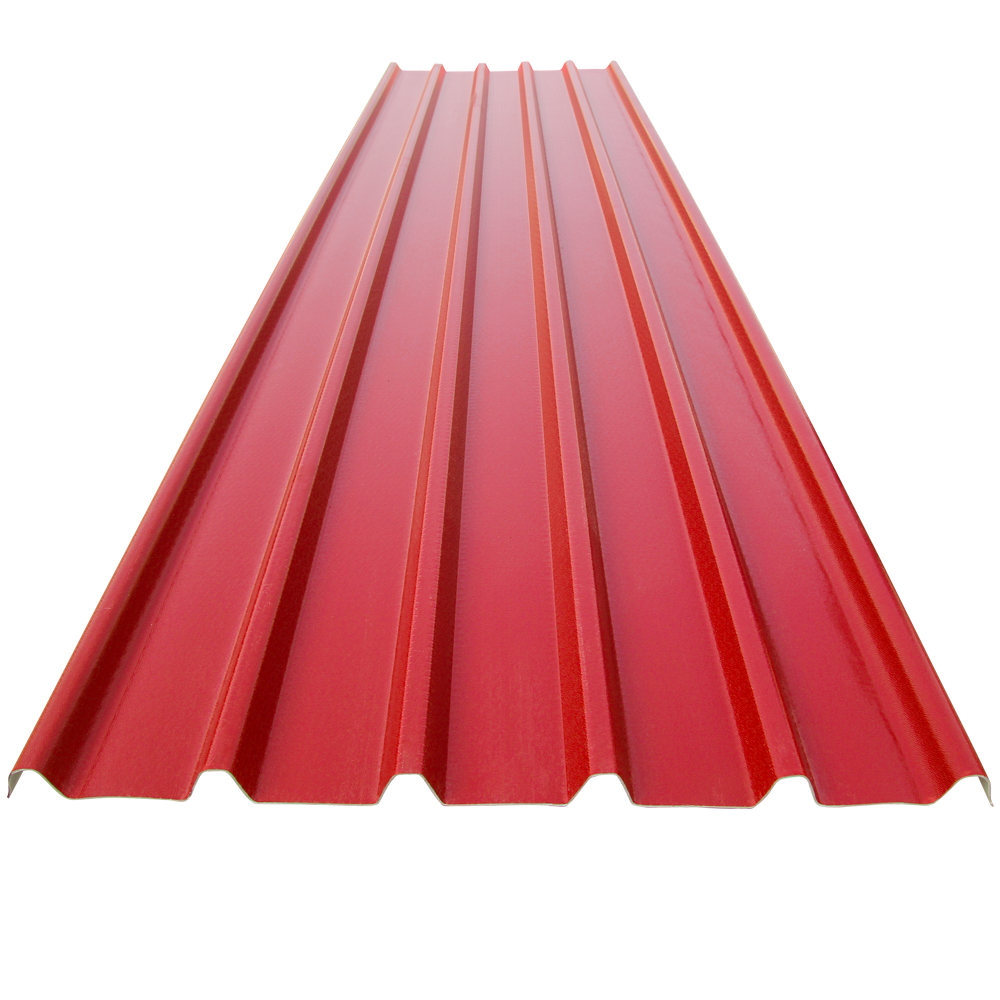
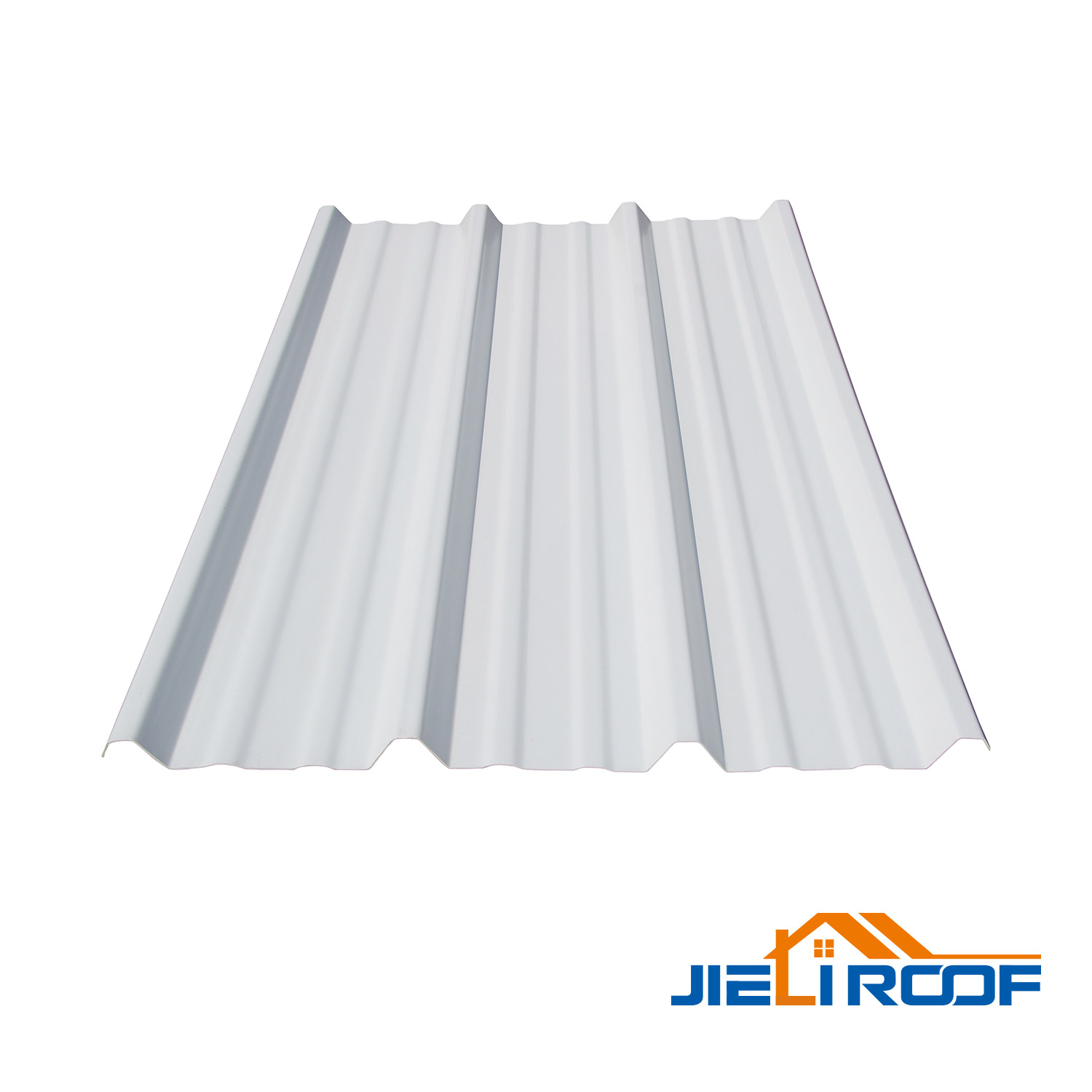
The film itself consists of a modified polyester that is both transparent and incredibly tough. It provides excellent resistance to chemicals and can handle working temperatures between -40°C and 160°C. To make this work, we spent five years developing a special adhesive—a unique “glue” that creates a permanent bond between the modified film and the high-quality galvanized steel. This ensures that the protective layer never peels or separates, even under extreme thermal stress. Within this category, our TSP Steel Sheet Trapezoidal 1050 stands out as a prime example of this technology, offering a robust structural profile that is perfect for heavy-duty industrial applications.
Performance Comparison: TSP Steel Sheet vs. Competitors
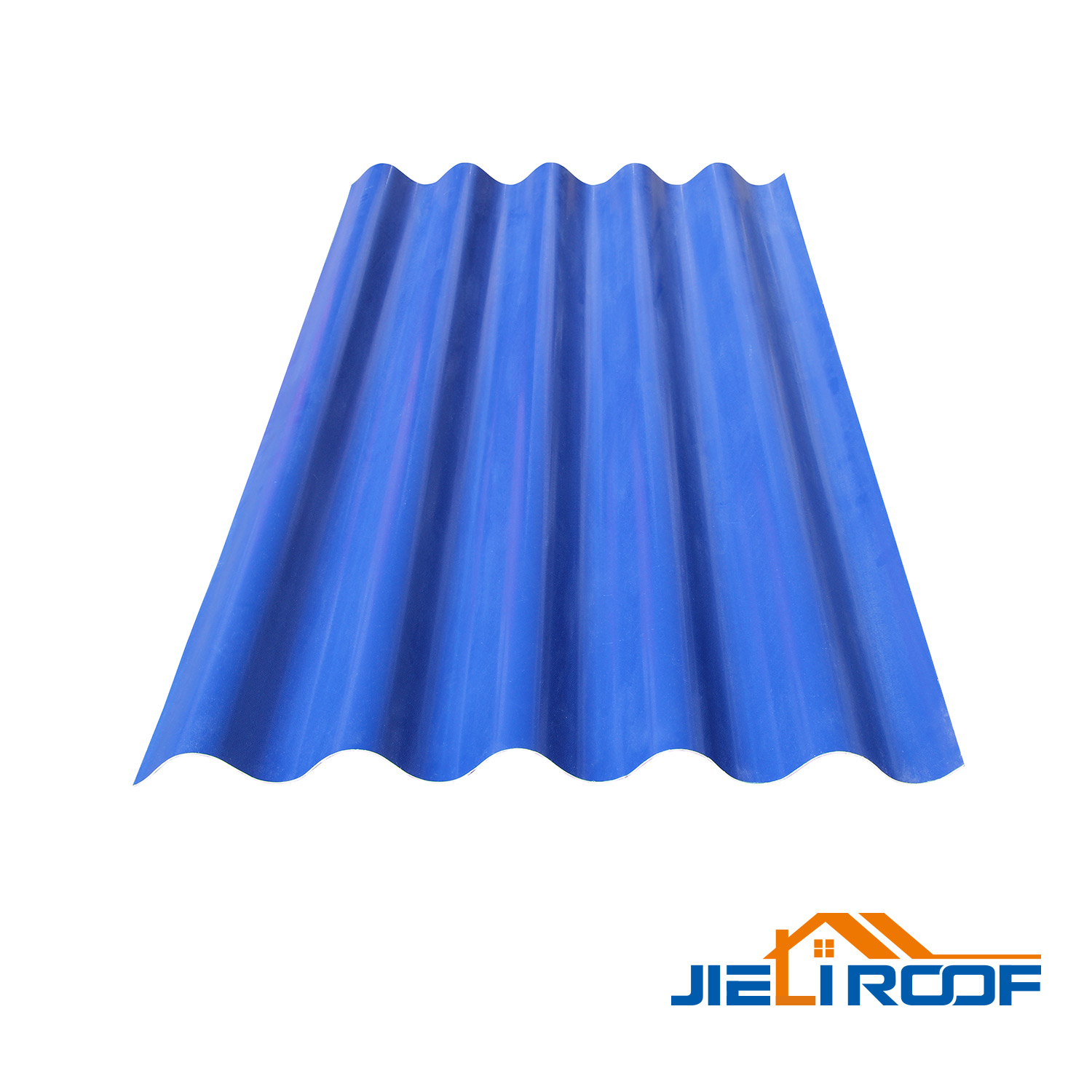
When we look at the competition in 2026, the differences in performance become clear. Many projects use UPVC roof sheets because they offer perfect corrosion resistance. However, UPVC has limitations. It is not great at resisting high temperatures and is prone to thermal expansion. Because UPVC lacks the rigid core of steel, it cannot support a long truss span, which increases the cost of the supporting structure.
TSP steel sheets solve these problems by combining the chemical resistance of specialized films with the physical strength of steel. In terms of loading performance, the steel base allows our panels to support much more weight and handle longer purlin distances than pure plastic alternatives. Furthermore, while stainless steel or alloy metal sheets resist normal humidity well, they often struggle against strong acids, alkalis, and salts found in industrial areas. In contrast, our film-coated technology has been tested in these exact solutions for 168 hours with no fading, swelling, or separation. It even passed a 1000-hour salt spray test without a single sign of rusting.
Temperature tolerance is another area where this technology excels. While traditional materials might soften or warp, TSP film-coated sheets remain stable in environments reaching up to 165°C to 170°C. This makes them a top choice for high-temperature workshops and smelting facilities. Additionally, they carry a Class A fire rating, meaning they are hard to burn and will self-extinguish if the heat source is removed.
Maximizing Distributor Profit with TSP Roof Sheet Supply
For a wholesale TSP roof panels distributor, 2026 is about differentiation. The market for basic UPVC or painted steel is flooded, leading to intense price wars that shrink profit margins. To increase sales and avoid the “race to the bottom,” we suggest that distributors focus on offering better and different products like the TSP series.
Supplying a high-end, patented product allows distributors to target high-value projects in coastal areas, chemical plants, and animal husbandry farms where standard products simply fail. Because our film-coated steel provides a 15-year warranty, it helps build long-term trust with clients. Fewer customer complaints and no need for frequent replacements mean lower after-sales costs for the distributor. We also provide full technical support; our engineers can help work out project drawings and calculate exactly how much material is needed, ensuring that Contractors have everything they need for a smooth project.
Our Service Commitment to Global Partners
As a dedicated TSP roof sheet supply partner, we believe that quality is the key to catching the market. Our commitment starts in our own government-authorized testing lab. This facility is CMA and CNAS certified, and we use it to inspect everything from raw materials and formulas to the final finished product. We perform rigorous batch testing on impact resistance, tensile strength, and aging to ensure that every container leaving our factory meets our high standards.
For every order, we provide full inspection photos, including the production process and the final container loading, so our partners have total visibility into what they are receiving. While we do not provide on-site installation guidance, we do supply a comprehensive installation manual and a formal warranty letter to ensure that the setup process is clear and the quality is legally backed. We have spent decades supplying great projects, from building material chain stores like Sodimac to Olympic Summer and Winter Games projects, and we bring that same level of professionalism to every new partnership.
If you are looking to upgrade your product portfolio or have a specific high-corrosion project that needs a better solution, we invite you to contact us. We are ready to provide the related recommendations on shape, thickness, and color that will best fit your local market needs.
FAQ
Q: Can TSP roofing sheets be processed like normal color-coated coils?
A: Yes, we can supply the material as a coil. It can be formed using the same equipment as pre-painted color steel coils without needing any special adjustments.
Q: How does the fire resistance of TSP steel compare to UPVC?
A: While UPVC roof sheets carry a B1 fire rating and are hard to burn, our TSP steel sheets offer an even higher Class A fire rating because they use steel as the base.
Q: How long will the color of these panels last in coastal areas?
A: The surface uses TSP film, which offers excellent weather resistance.This protection helps keep the color lasting for 8 to 10 years, which is far superior to standard painted steel that can fade in just a few months.






 +86 0535 6278701 / +86 15653505862