HOME>NEWS>UPVC Roof Sheet Vs Color Steel Sheet For Livestock Farms
UPVC Roof Sheet Vs Color Steel Sheet For Livestock Farms
2026-07-16 11:11:04
SHARE TO:
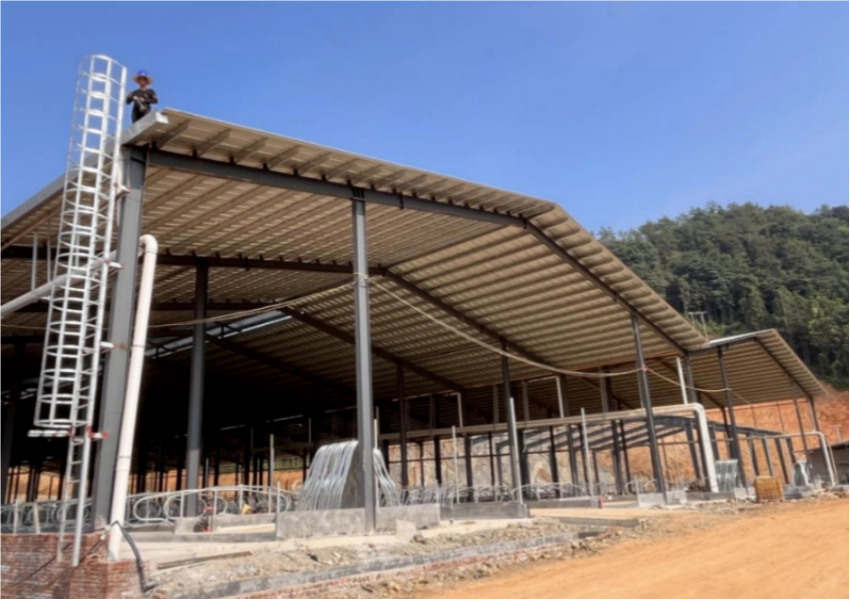
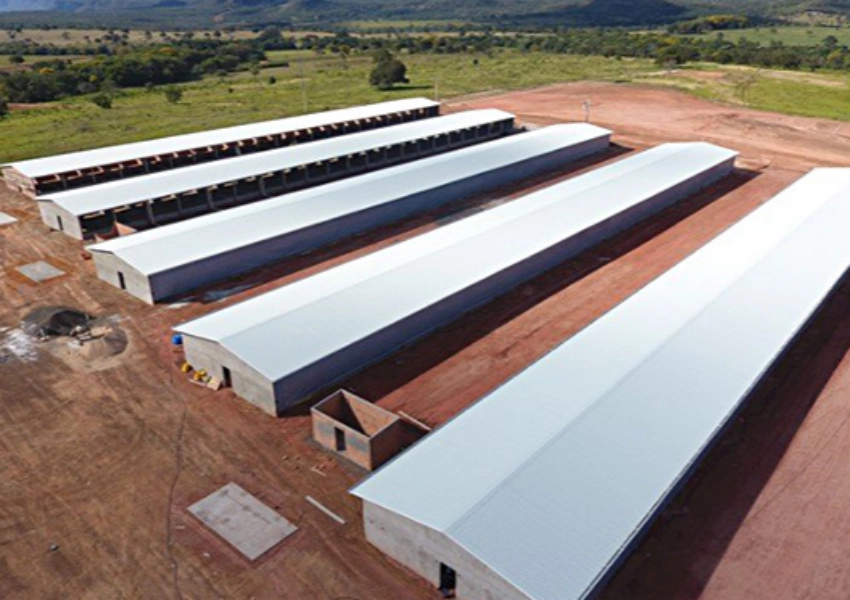
Livestock farms do not use roofing sheets in a clean, dry environment. Pig farms, cattle barns, and poultry houses expose roof and wall materials to ammonia, humidity, cleaning chemicals, animal dust, heat, rain noise, and condensation. A low-cost sheet may look acceptable at purchase, but it can shift costs to cleaning, repainting, leak repair, and replacement later. That is why many buyers compare UPVC roof sheets vs color steel sheets before confirming livestock roofing sheets. The decision should match the farm building envelope, not only the roof surface.
Start With The Farm Building Envelope, Not The Sheet Price
A livestock building has several exposed surfaces. The roof blocks the weather. The ceiling affects hygiene and condensation control. Wall cladding faces washing, manure gas, dust, and contact. Good farm roofing materials should support these zones together.
Roof, Ceiling, And Wall Areas Face Different Pressures
Moisture and ammonia often move upward and reach the underside of the roof. Wall panels may receive cleaning water and disinfectants. Ceiling panels may collect dust if the surface is rough or corroded. This is where UPVC sheets become useful. They can serve as roof sheets, ceiling panels, and wall panels for farm buildings. A smooth surface can make routine cleaning easier and reduce dirt buildup in hard-to-inspect areas.
Low Sheet Price Can Shift Cost Into Operation
A colored steel sheet can look attractive in an early quotation. The problem appears when the coating is scratched, cut, or weakened around fasteners and overlaps. In humid livestock buildings, those points can turn into rust areas. If the farm needs repainting, leak repair, or partial replacement every few years, the lower starting price may become a daily operating burden.
Map The Three High-Risk Zones Before Choosing Materials
Before comparing UPVC and metal roofing, buyers should locate the zones that create the highest material pressure.
Animal Waste And Ammonia Zones
Animal manure and urine produce ammonia and other corrosive gases. In pig houses, cattle barns, and poultry sheds, this air can stay active near the roof and upper wall area. Color steel roof corrosion often starts when moisture and ammonia reach exposed steel at scratches, laps, and cut edges. UPVC roof sheet is not metal, so it does not rust. It also resists ammonia, moisture, and manure-related corrosion. For farms where animal waste zones stay humid, this is a key reason to consider it.
Washdown and Disinfection Zones
Farm buildings need regular washing and disinfection. Acidic and alkaline cleaning conditions may damage weak coatings over time. If a roof or wall surface peels, roughens, or rusts, cleaning becomes harder. UPVC resists acids, alkalis, and disinfectants. Its dense and smooth surface is easier to flush. For a biosecurity livestock building, cleaning compatibility can matter as much as roof strength.
Heat And Noise Sensitive Zones
Hot weather and sudden noise create another group of concerns. Metal sheets transfer heat quickly and may increase pressure on ventilation, fans, or spray systems. They can also create stronger noise during heavy rain, hail, or wind. UPVC has a thermal conductivity of 0.325 W/m·K, much lower than steel. It also helps reduce rain noise. This makes it suitable for barns, broiler houses, chick houses, and other zones where heat and sound control support farm management.
Compare UPVC And Color Steel By Daily Farm Use
UPVC roof sheets vs color steel sheets should be compared through cleaning, hot weather, and storm conditions.
During Cleaning Cycles
During cleaning, damaged color steel coating may expose the steel base. Once that happens, water, ammonia, and disinfectants can speed up corrosion. Rusted areas also become harder to inspect and clean. UPVC roof sheets give buyers a smoother, rust-free surface. It does not absorb water and is easier to wash during regular farm sanitation. This helps large farms manage cleaning cycles.
During Hot Weather
Heat transfer is not only a comfort issue. In livestock farms, heat pressure may affect ventilation planning, animal rest, feed intake, and electricity use. Color steel sheet transfers heat fast under strong sunlight. A heat-insulating roofing sheet made from UPVC can slow heat transfer through the building envelope. It cannot replace ventilation design, but it can reduce heat load from the roof surface.
During Rain, Hail, And Wind
Rain noise is often ignored before construction. Metal roofing can amplify impact noise during rain or hail. UPVC has better sound insulation and can reduce roof noise by about 25–30 dB. A sound insulation roof sheet is useful for poultry houses, young animal areas, and closed livestock buildings.
Where UPVC Roof Sheet Creates More Value
UPVC creates more value when the farm has humidity, corrosion, cleaning, noise, or thermal control requirements.
New Livestock Buildings With Hygiene Requirements
For new pig farms, cattle barns, and poultry houses, buyers often care about long-term hygiene, not only construction cost. UPVC contains no asbestos or formaldehyde and does not pollute feed or the breeding environment. The material has no capillary pores, does not easily grow mold, and does not absorb bacteria. These features support hygiene management without turning the roofing material into the only safety measure.
Farms Reducing Repainting And Rust Repair
Color steel sheets may need repainting or rust treatment in corrosive livestock environments. UPVC does not rust and does not need anti-rust repainting. With an ASA resin surface layer, it also supports UV resistance and color stability in outdoor use. This can reduce livestock roof maintenance costs over the full service period. For farms that want fewer roof repairs, UPVC becomes part of operating cost control.
Projects Requiring Multiple Profiles
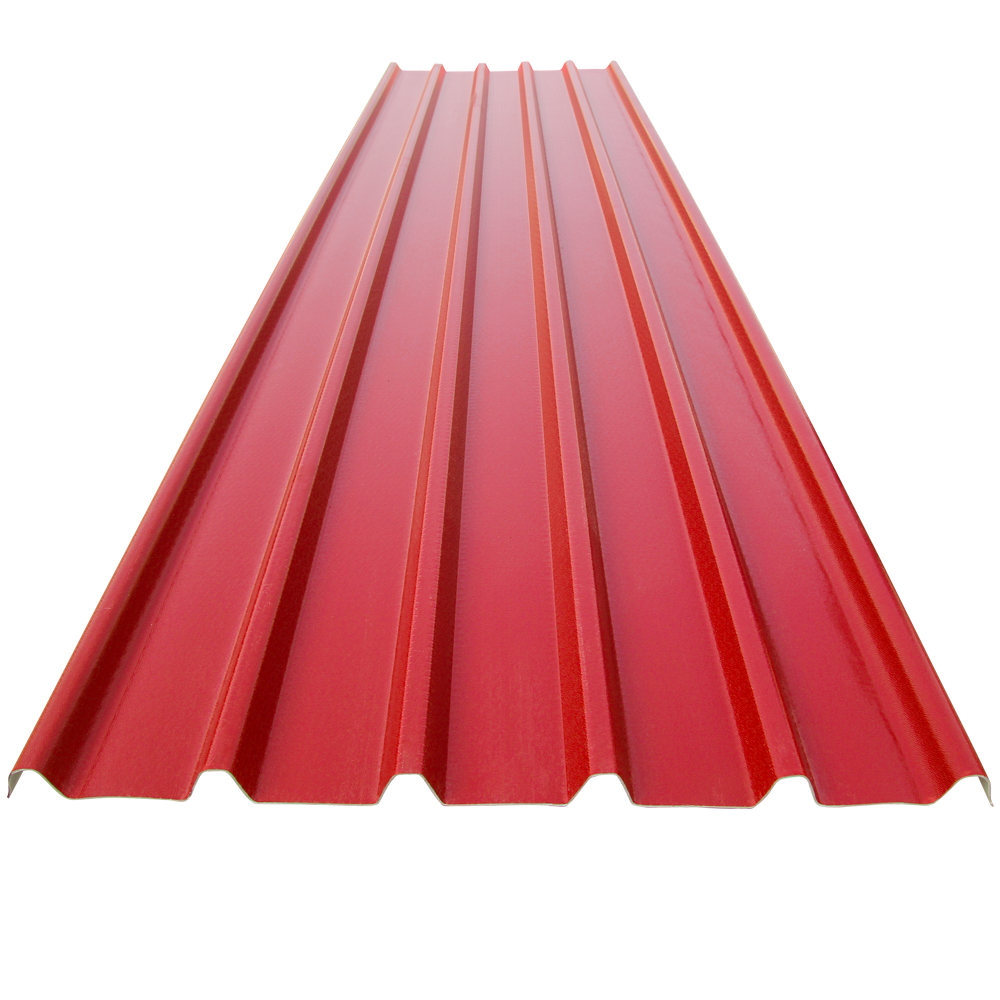
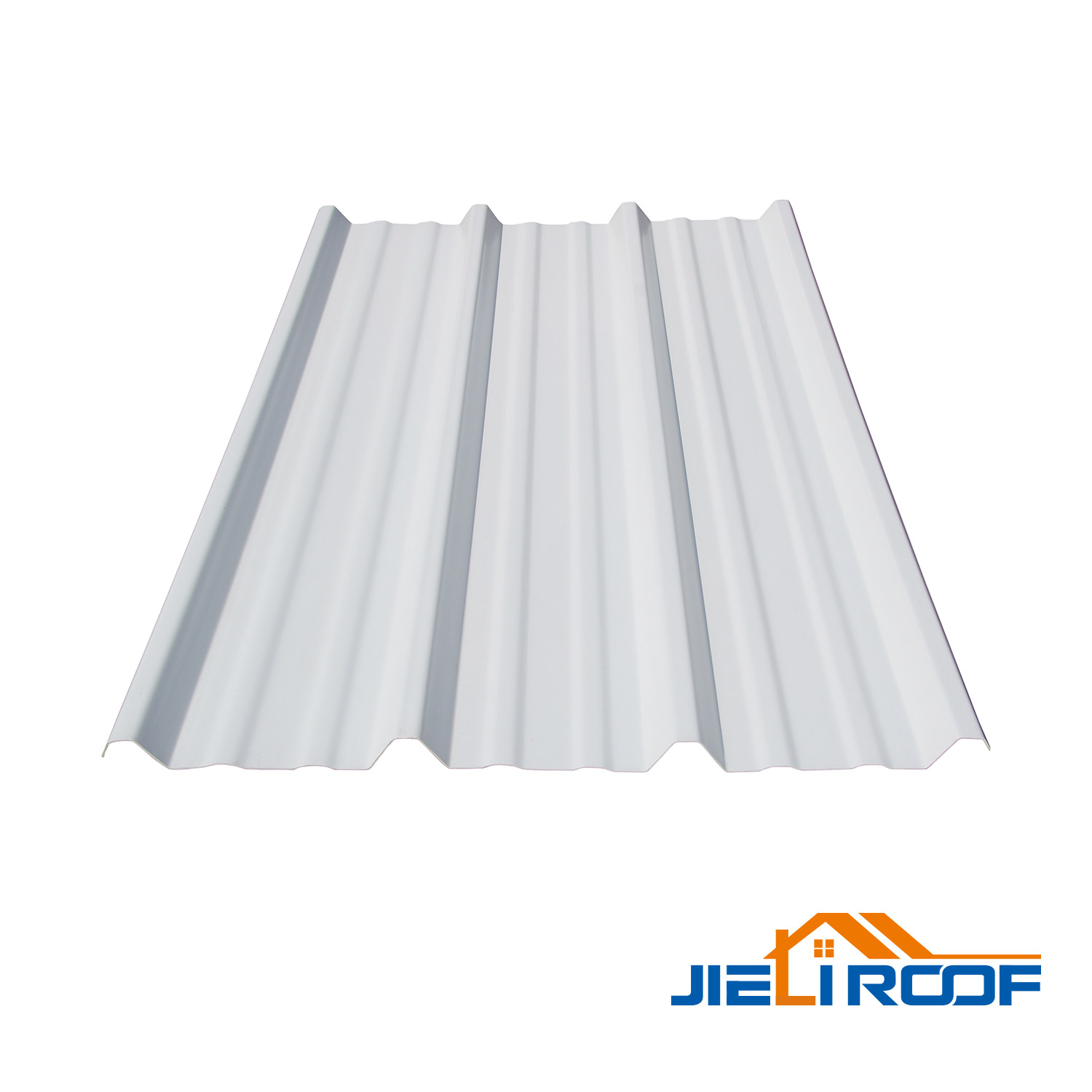
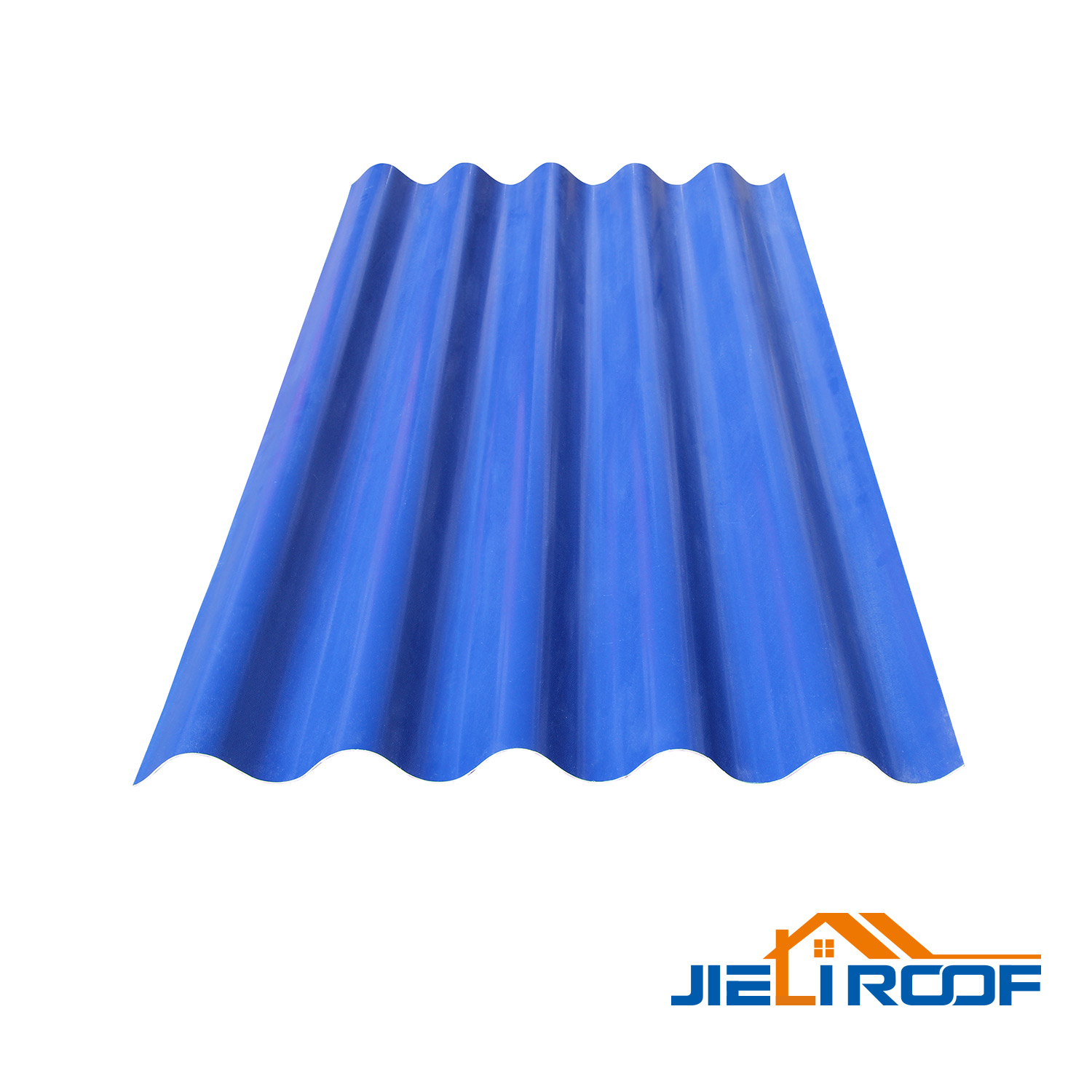
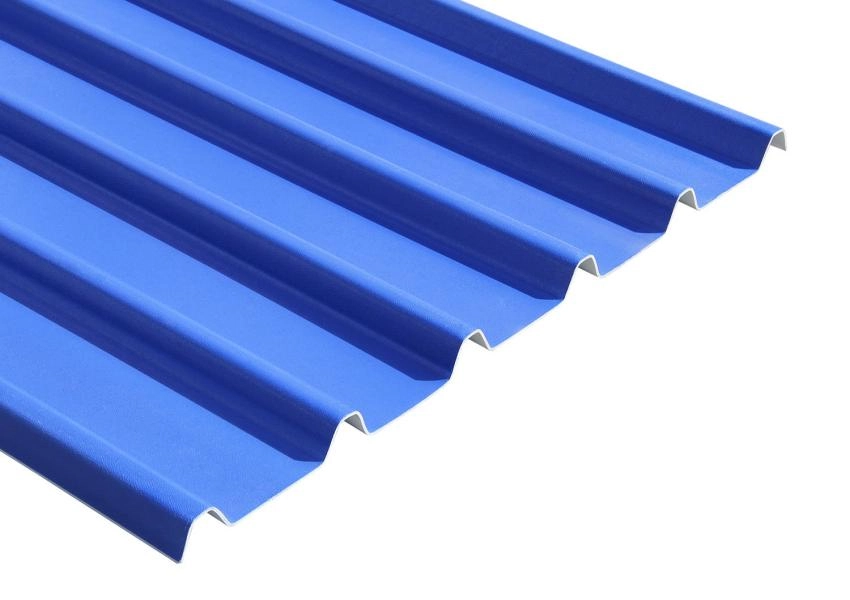
Different farm zones may need different sheet profiles.UPVC Roofing Sheet T940 has a 940 mm width, 880 mm efficient width, customized length and color, and 2.0 mm, 2.5 mm, or 3.0 mm thickness options. It suits industrial roof, ceiling, and wall panel applications. For wider effective coverage,UPVC Roofing Sheet T1130 has a 1130 mm width and 1050 mm effective width, with customized length, customized color, and 2.0 mm, 2.5 mm, or 3.0 mm thickness options.
When Color Steel Sheet May Still Be Considered
Color steel sheet still has a place in some projects. A low-corrosion storage shed or temporary building may not need the same performance as a humid pig house or poultry facility. The key is to avoid using one material for every zone. If the building has low humidity, weak ammonia exposure, and easy maintenance access, colored steel may remain practical. If the building has heavy washing, high heat, strong rain noise, or long-term corrosion risk, buyers should compare UPVC more carefully.
Buyer Checklist Before Choosing Livestock Roofing Sheets
A useful inquiry should include farm type, roof size, humidity level, ammonia exposure, cleaning frequency, heat control needs, rain noise concerns, and whether the material is used for roof, ceiling, or wall cladding. Buyers should also confirm profile, thickness, color, length, effective width, accessories, quantity, and destination.Jieli can help review these conditions and suggest suitable farm roofing materials based on project needs.
UPVC Roof Sheet Vs Color Steel Sheet For Livestock Farms
Buyer Checkpoint
Color Steel Sheet
UPVC Roof Sheet
Ammonia And Manure Gas
Rust risk rises when the coating is damaged
Resists ammonia, moisture, and manure corrosion
Cleaning And Disinfection
Chemicals may weaken the damaged coating
Resists acids, alkalis, and disinfectants
Heat Transfer
Transfers heat quickly
Helps slow heat transfer
Rain Noise
Louder under rain, hail, and wind
Better sound insulation
Biosecurity Surface
Rust and peeling increase cleaning pressure
A smooth surface supports easier cleaning
Long-Term Cost
May require repainting or rust repair
No rust and lower maintenance pressure
Conclusion
UPVC roof sheet vs color steel sheet is not only a price comparison. Color steel sheets may fit short-term or low-corrosion buildings. UPVC roof sheet is more suitable for buyers who require ammonia resistance, cleaning compatibility, heat insulation, sound insulation, moisture resistance, and lower maintenance pressure. For pig farms, cattle barns, poultry houses, and other livestock building structures, whether new or for renovation, after sharing roof size, building type, humidity level, cleaning cycle, color, quantity, and destination, buyers canrequest suitable livestock roofing material based on the actual project requirements.
FAQ
Q1: Is a UPVC Roof Sheet Better Than a Color Steel Sheet for Livestock Farms? A1: A UPVC roof sheet is usually more suitable for humid and corrosive livestock buildings because it resists ammonia, moisture, acids, alkalis, and disinfectants. Color steel sheets may still be considered for low-corrosion or temporary structures.
Q2: Why Does the Color Steel Sheet Rust Faster In Livestock Buildings? A2: Animal manure and urine release ammonia and corrosive gases. When moisture and cleaning chemicals are present, damaged coating areas on color steel sheets can rust faster, especially around fasteners, overlaps, scratches, and cut edges.
Q3: What Should Buyers Confirm Before Ordering Livestock Roofing Sheets? A3: Buyers should confirm farm type, ammonia level, humidity, cleaning frequency, heat and noise concerns, roof size, profile, thickness, color, length, accessories, and roof, ceiling, or wall use.






 +86 0535 6278701 / +86 15653505862

 During Cleaning Cycles