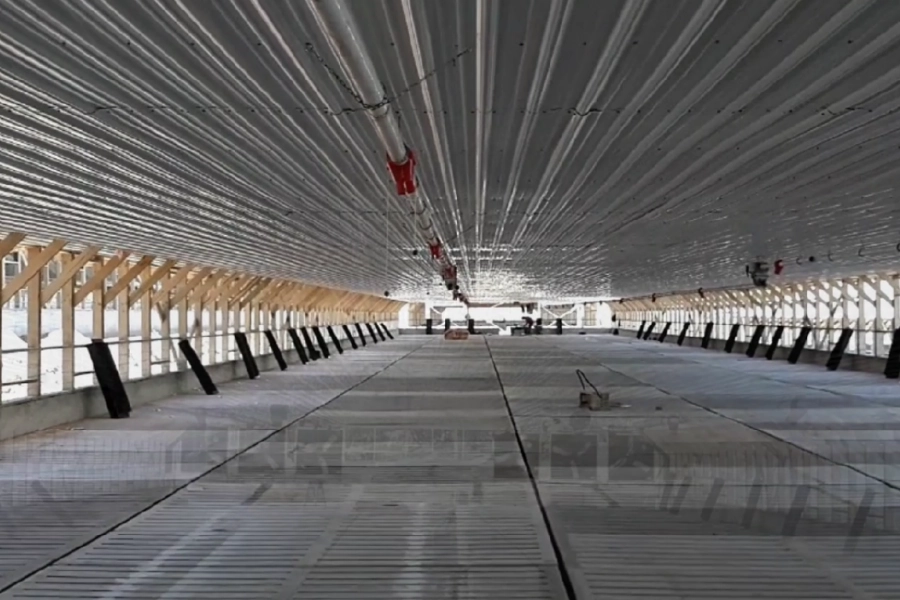
Pig farm roof replacement should not begin with a sheet price. It should begin with the cause of failure. In many pig houses, the first roof problem is not storm damage or age. It is hidden corrosion from ammonia, moisture, manure gas, acidic or alkaline cleaning, and repeated disinfection. A rusted panel can be patched once. It can be patched twice. But when corrosion spreads around screws, laps, cut edges, and underside surfaces, repair no longer solves the real problem. Buyers then need an ammonia-resistant roofing sheet that can handle the chemical conditions of a pig house. For farms with frequent washing, disinfectant-resistant roofing also becomes part of the replacement decision.
When Pig Farm Repair Is No Longer Enough
Small leaks often appear harmless at first. In pig houses, however, leakage usually points to a larger material mismatch. If the old roof is a color steel sheet with coating damage, the same corrosion source may keep attacking the replacement area.
Corrosion Appears In More Than One Zone
A roof should be checked by zone, not only by visible rust. Screws, overlaps, gutter edges, skylight joints, ridge areas, and the underside of panels often fail at different speeds. If several zones show rust at the same time, local patching may only move the problem. Pig farm roof replacement becomes more reasonable when corrosion is no longer isolated.
Operation Schedules Start To Carry The Cost
Roof work affects animal movement, cleaning plans, and production timing. Contractors may need access during periods when the farm wants fewer outside activities. For B2B buyers, the cost is not only the panel. It includes interruption risk, repeated labor, moisture damage, and planning uncertainty.
Why Pig Houses Create A Special Corrosion Path
Pig houses create a different roof environment than storage sheds or dry workshops. The roof faces the weather outside, but it also faces chemical air from inside.
Ammonia Works With Moisture
Pig manure and urine release ammonia. When ammonia mixes with warm moisture, it can create corrosive conditions near the roof underside. This is why rust may start below the sheet even when the exterior surface still looks usable. An ammonia-resistant roofing sheet should protect against this underside exposure.
Disinfection Cycles Test The Coating
Pig farms use regular washing and disinfection. Acidic or alkaline disinfectants may reach roof panels as mist, vapor, or residue. If a coating has microholes, cracks, or weak edges, those cycles can widen the corrosion path. This is where disinfectant-resistant roofing becomes different from general anti-rust roofing. The material must stand up to farm cleaning routines, not just normal weather.
How TSP Film-Coated Steel Changes The Roof Logic
Ordinary colored steel sheets depend mainly on paint or coating. Once that layer is damaged, corrosion can move toward the steel base. Jieli‘s TSP film-coated steel uses a different protection logic by bonding a film to steel.
Film Protection Covers Both Sides
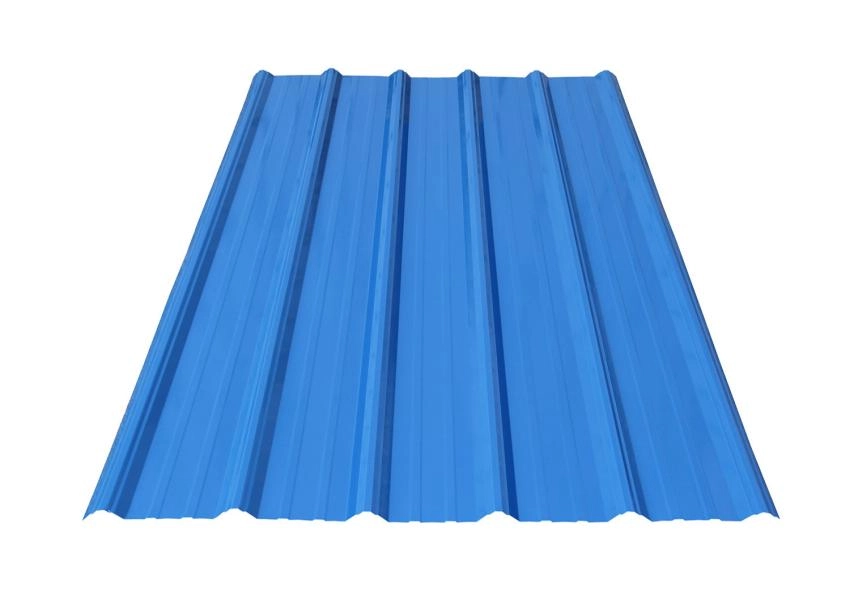
TSP Steel Roof Sheet uses a film-coated steel structure. The livestock roofing material uses top TSP thermoplastic film, a galvanized steel substrate, and bottom TSP thermoplastic film. The top and bottom film layers help separate the steel from corrosive air, moisture, ammonia, and disinfectant exposure. This matters in pig farm roof replacement because underside corrosion is often the real failure point. Protecting only the outside surface is not enough when corrosion starts from inside the building.
Steel Strength Still Matters
Some pig farm projects need steel-based roof panels because of span, wind load, roof layout, or existing structure. TSP keeps a galvanized steel substrate, so it does not give up the structural logic of steel roofing. For buyers comparing TSP film-coated steel with ordinary painted steel, the key difference is not only the word “coating.” It is the continuous film barrier on both sides of the metal sheet.
What Data Should Pig Farm Buyers Check?
A product claim is not enough for a replacement project. Buyers should check whether the material has tests that match the actual farm environment.
Chemical Resistance Should Include Farm Media
Pig houses may expose roof materials to ammonia, chlorine, acids, alkalis, and disinfectants. The TSP steel sheet test data includes 168-hour chemical resistance checks with H₂SO₄, HCl, H₃PO₄, NaOH, HF, HNO₃, ammonia, and chlorine, with no fading, swelling, or separation. For pig farms, this is more relevant than a simple exterior weathering claim. It connects the roofing material to the cleaning and corrosion conditions inside the building.
Temperature And Water Stability Also Matter
Pig farms often have heat, steam, condensation, and seasonal temperature changes. TSP test data includes 1000 h of salt spray with no rusting, 6 hours in 100°C boiling water with no shrinkage or delamination, an A-grade fire rating, and a working temperature range of -40°C to 160°C. These details help buyers judge whether TSP film-coated steel can support long-term roof planning, not only short-term replacement. TSP is more suitable when the buyer wants a corrosion-resistant steel roofing option for an existing metal roof system. It is also relevant when old color steel panels have failed, but the project still needs steel strength, a familiar roof form, or a specific steel-based profile.
What Buyers Should Confirm Before Ordering
Before ordering TSP steel panels, buyers should prepare practical project details.
Roof Failure Details
The supplier should know the pig house type, roof age, current panel material, rust location, leak points, underside condition, cleaning and disinfection frequency, humidity level, and whether insulation has failed. These details help avoid replacing one unsuitable roof with another.
Specification And Quotation Details
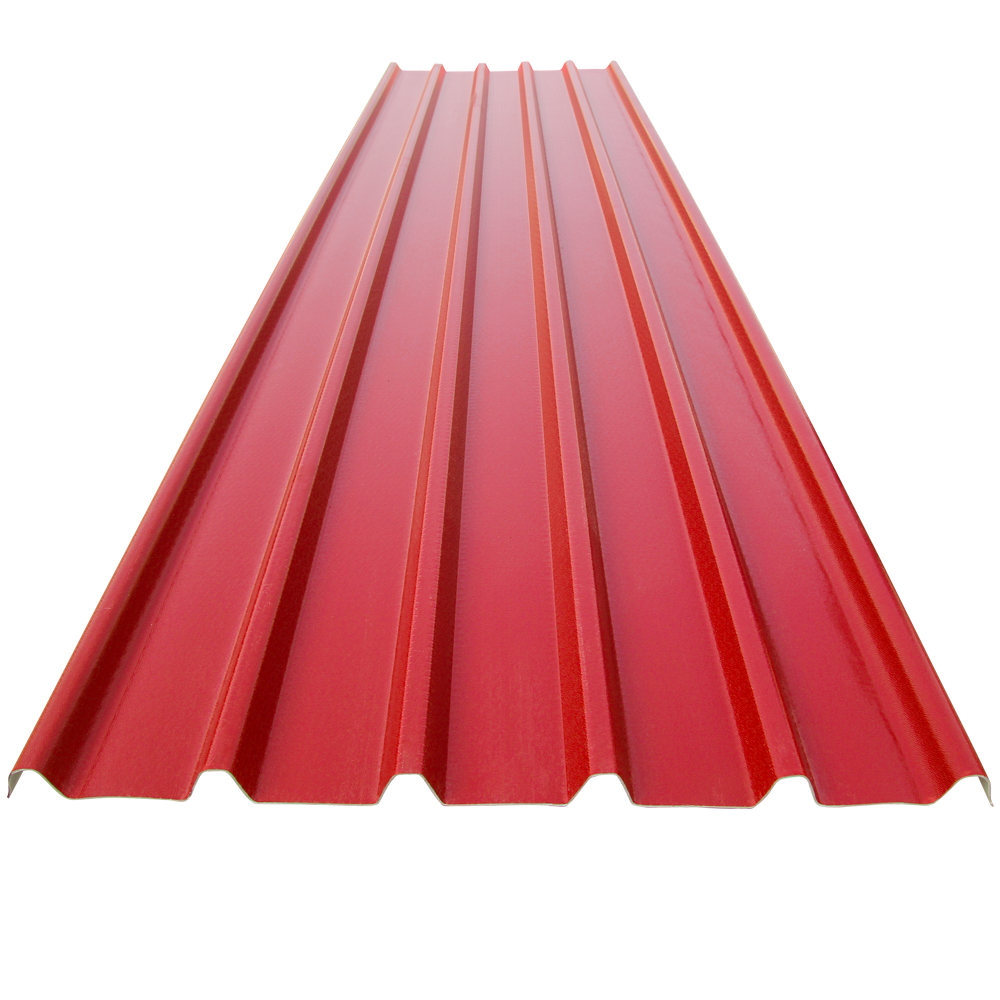
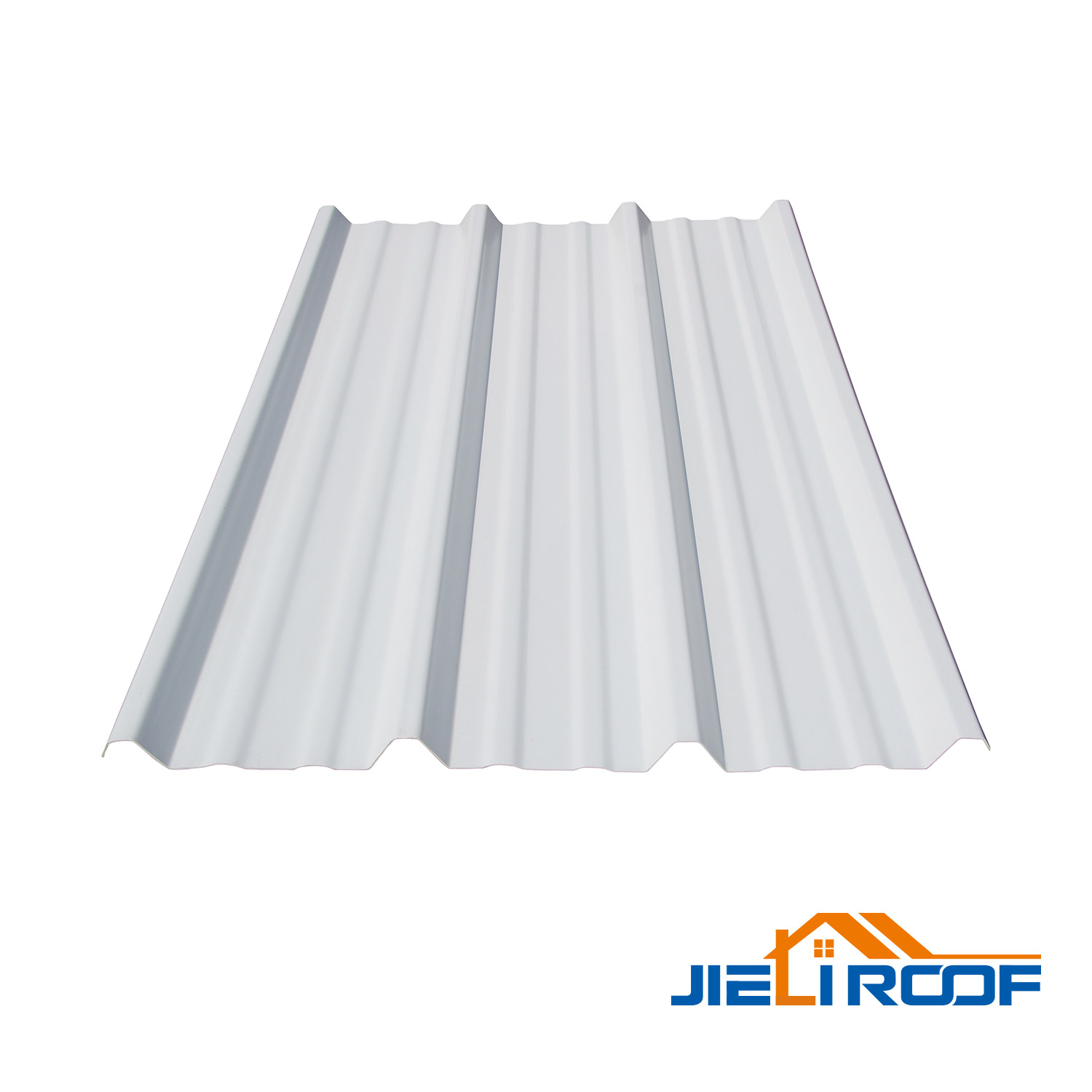
For a concrete product reference,TSP Steel Sheet Trapezoidal 1050 has an 1130 mm width, 1050 mm cover width, customized length, and 0.5 mm, 0.6 mm, 0.7 mm, and 0.8 mm thickness options. Color options include red, blue, gray, green, and customized colors. Buyers should also confirm quantity, destination, preferred color, roof area, project schedule, and replacement scope.
Pig Farm Color Steel Roof Vs TSP Film-Coated Steel
Buyer Checkpoint
Traditional Color Steel Roof
TSP Film–Coated Steel
Ammonia Exposure
Rust risk rises when the coating is damaged
Film barrier helps isolate ammonia and moisture
Disinfectant Exposure
Acid or alkali cleaning may attack weak coating areas
Designed for chemical and disinfectant resistance
Underside Protection
Weak at laps, screws, cuts, and scratches
The top and bottom film protect both sides
Replacement Risk
Repeated repair may continue
Helps reduce repeated replacement pressure
Steel Strength
The steel base may corrode after coating failure
Galvanized steel substrate keeps its strength with film protection
Best-Fit Use
Low-corrosion or short-term farm roofs
Pig houses with ammonia, humidity, and frequent disinfection
Conclusion: Replacement Should Remove The Failure Pattern
Pig farm roof replacement should not only remove rusted panels. It should remove the failure pattern behind them. If ammonia, moisture, and disinfectants caused the first roof to fail, the next roof material must be selected for that same exposure. TSP film-coated steel is useful because it combines steel strength with top and bottom film protection. For farms that need an ammonia-resistant roofing sheet and disinfectant-resistant roofing in a steel-based system, TSP steel roof sheet can be a practical option. For pig farm replacement projects, buyers can share roof size, corrosion position, disinfection frequency, preferred thickness, color, quantity, and destination, thenrequest a pig farm roofing recommendation based on actual project conditions.
FAQ
Q1: Why Does A Pig Farm Roof Rust Faster Than A Normal Farm Shed? A1: Pig manure and urine release ammonia and other corrosive gases. When these gases mix with humidity and cleaning chemicals, damaged coating areas on metal roofs may rust faster, especially at fasteners, overlaps, cut edges, and underside surfaces.
Q2: Is TSP Film-Coated Steel Suitable for Pig Farm Roof Replacement? A2: TSP film-coated steel can be considered when old-color steel panels show rust, leakage, underside corrosion, or repeated repair needs. Its top and bottom film layers help protect the steel from ammonia, moisture, and disinfectant exposure.
Q3: What Information Should Buyers Provide Before Ordering TSP Steel Roof Sheets? A3: Buyers should provide pig house type, roof size, corrosion location, cleaning and disinfection frequency, humidity level, required thickness, color, quantity, destination, and whether the project needs full replacement or phased roof renovation.






 +86 0535 6278701 / +86 15653505862

 Film Protection Covers Both Sides