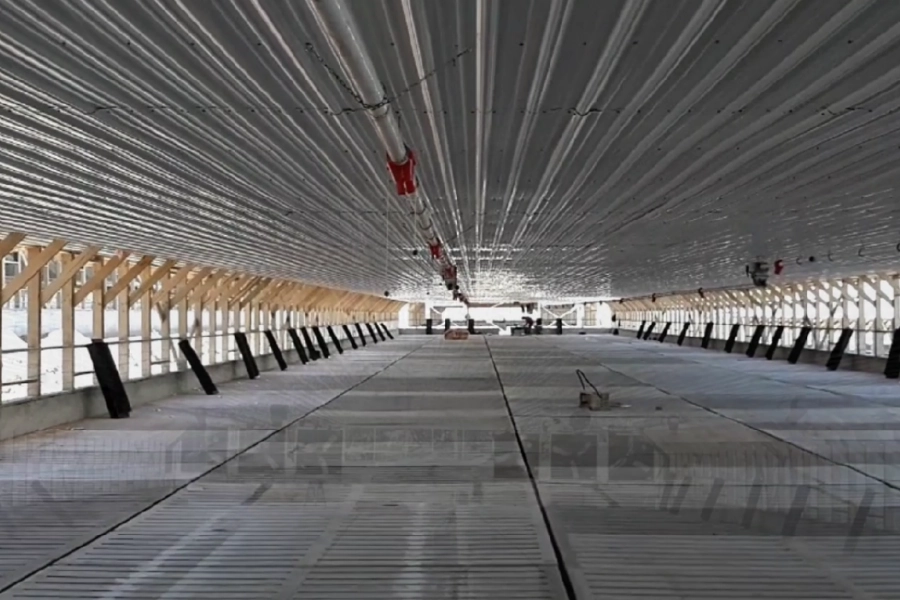
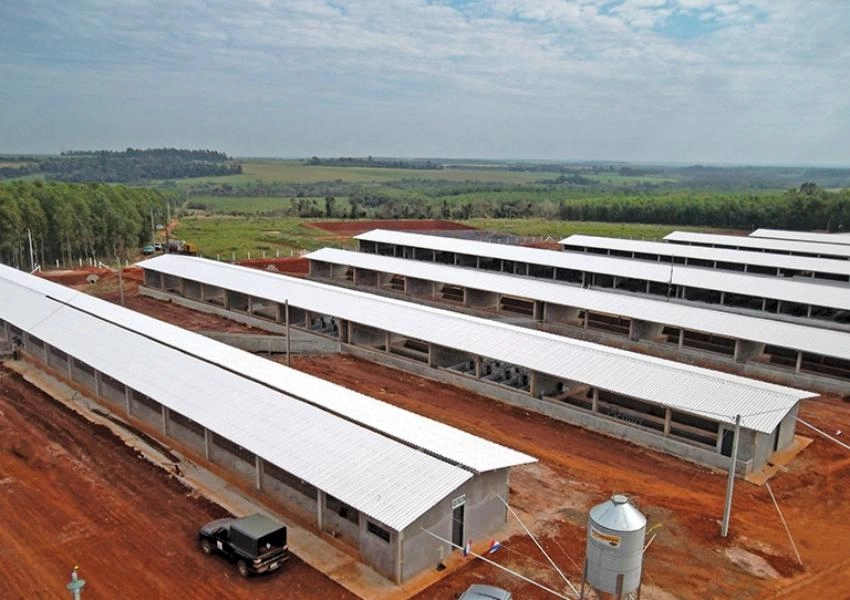
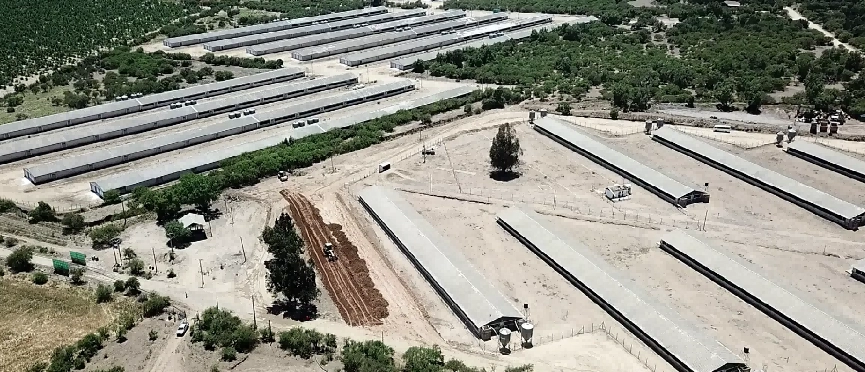
Pig farms present a far more demanding roof space than normal warehouses and workshops. Animal waste, urine, moisture, warm air, cleaning water, and disinfectants all affect the roof over time. When these factors are continually present within a pig house, day in and day out, the material used for the roof of the building must do more than just prevent rain from entering. This is why when selecting pig farm roofing materials, you must take into account the aspect of corrosion from the very beginning. Ammonia corrosion of roofing can quickly turn a cheap roof into a very costly repair job. New buildings for livestock or replacing old corroded metal roofs—the roof has to withstand ammonia, humidity, cleaning agents, heat, and noise in the long term for use on a farm.
Why Pig Farm Roofs Face Higher Corrosion Pressure
The air environment within a pig house is different from that found within standard industrial buildings. While the roof may be exposed to sunlight and rain from outside the building, it will also be exposed to high levels of moisture, gases, and cleaning processes from within the building. This is why the roofing material used for buildings housing livestock requires a higher level of corrosion resistance than that used as roofing for dry storage buildings.
Ammonia Comes From Manure and Urine
Pig manure and urine contain ammonia and other aggressive compounds that are particularly active in warm and humid environments such as pig houses. In poorly ventilated buildings or those with high frequencies of cleaning, these gases can remain active close to the roof surface. In particular, metal roofs are prone to failure at weak points. Scratches, cut edges, screw holes, overlaps, and outfall areas are far more susceptible to damage than smooth, flat areas of sheet. Once the outer layer is penetrated, moisture and the aggressive compound can attack the underlying metal, causing it to rust. Thus, ammonia corrosion-resistant roofing is a material selection issue, not just a maintenance issue.
Cleaning and Disinfectants Add More Chemical Stress
Adding cleaning and disinfectants to the list of hygiene pressures on the building. Most pig farms require washing and disinfecting on a regular basis. This can include the cleaning solution, acidic or alkaline disinfectants, and high humidity. All of these can place additional stress on the roof covering and wall cladding. If the outer surface of the roof covering starts to flake, rust, or become absorbent, then cleaning becomes even more difficult. Additionally, any damp or leaking corners or areas of the building will put even more pressure on the internal hygiene of the building. Ideally, a roof for pig farming would resist the effects of ammonia, moisture, and cleaning chemicals and also be easy to manage over time.
Why Metal Roofs Often Struggle in Pig Farm Buildings
Metal roof panels are still useful in many projects. They are strong, familiar to contractors, and easy to source. The problem is that pig farm buildings are not always friendly to metal roofing. The roof may look stable at first, but hidden corrosion can begin long before the buyer sees major leakage.
Rust Usually Begins At Weak Points
Color steel or other metal roofing sheets often rely on surface coating or zinc protection. When that protection is damaged, rust can start at small exposed areas. Pig farms make this more serious because ammonia, moisture, and disinfectant vapor are present for long periods.
The first signs may be small rust marks around fasteners or sheet overlaps. Later, the roof may need repainting, patching, or sheet replacement. For large pig farms, this can interrupt daily operation and add labor costs.
Roof Failure Can Affect Hygiene and Operation
Roof corrosion is not only an appearance problem. Rust, leaking points, condensation, and damp roof sections can make the pig house harder to keep clean. In farm buildings, roof material affects hygiene management, indoor comfort, and maintenance planning. For this reason, buyers comparing pig farm roofing materials should look beyond the first quotation. The real value of the roof depends on how it performs under farm conditions.
How UPVC Roof Sheet Helps Resist Ammonia and Moisture
An anti-corrosion roof sheet for pig farms should reduce rust risk, resist moisture, and support regular cleaning. UPVC is often considered for this type of building because it does not rely on metal protection to resist corrosion.
Rust-Free Material Helps Reduce Corrosion Risk
Because a UPVC roof sheet is not a metal sheet, it does not rust, unlike colored steel or galvanized roofing. This is an ideal material for pig farm buildings because it is capable of withstanding high levels of ammonia & moisture plus the odd instance of manure corrosion and/or typical farm cleaning processes. An ideal anti-corrosion roof sheet for livestock buildings of high moisture levels—considerably reducing the need for regular maintenance due to the effects of rust, flaking coating, or peeling paint.
A Moisture-Resistant Surface Supports Pig House Use
Pig houses are often wet, warm, and exposed to cleaning water. Roof materials need to resist water penetration and stay stable during repeated cleaning cycles. A smooth UPVC surface can support easier cleaning and reduce dirt accumulation. It also helps with hygiene management when farms need regular washing and disinfection. This does not replace proper farm sanitation, but it gives the building envelope a more suitable material base.
Heat and Noise Also Matter in Pig Farm Roofing
Corrosion is the main concern, but it is not the only one. Pig farms also need a more stable indoor environment. Heat and noise can affect animal comfort, feeding behavior, and daily farm operation.
Heat Insulation Helps Slow Heat Transfer
Metal roofing transfers heat quickly. In hot regions, this can make the inside of a pig house warmer during the day and increase the pressure on ventilation systems. UPVC roof sheet has lower heat transfer behavior than steel roofing, so it helps slow heat movement through the roof.
PVC thermal conductivity is 0.325 W/m·K. This supports its use as a heat insulation roofing sheet for farm buildings. Buyers should still check ventilation, roof height, and local climate, but the roof material itself plays an important role in heat control.
Lower Rain Noise Can Reduce Animal Stress.
Heavy rain, hail, and strong wind can create loud noise on metal roofing. In livestock buildings, sudden or repeated noise may increase animal stress and affect the indoor environment.
A UPVC roof sheet has better sound insulation behavior than a steel sheet. UPVC roofing can reduce rain noise by 25–30 dB. For pig houses, poultry houses, cattle barns, and other livestock facilities, sound insulation roof sheet performance can be a useful part of material selection.
What Buyers Should Check Before Choosing Pig Farm Roofing Materials
Before choosing livestock roofing sheets, buyers should review the real farm environment. A roof that works for a dry warehouse may not be suitable for a humid pig house with ammonia and disinfectant exposure.
Corrosion and Cleaning Conditions
Buyers should check how strong the ammonia smell is, how often the building is washed, what disinfectants are used, and whether the current roof already has rust, leakage, or condensation issues. These details help determine whether an ammonia-resistant roofing sheet is needed.
If the roof is difficult to maintain after installation, corrosion resistance becomes even more important. The harder the roof is to repair, the more carefully the material should be selected at the ordering stage.
Roof Structure and Project Details
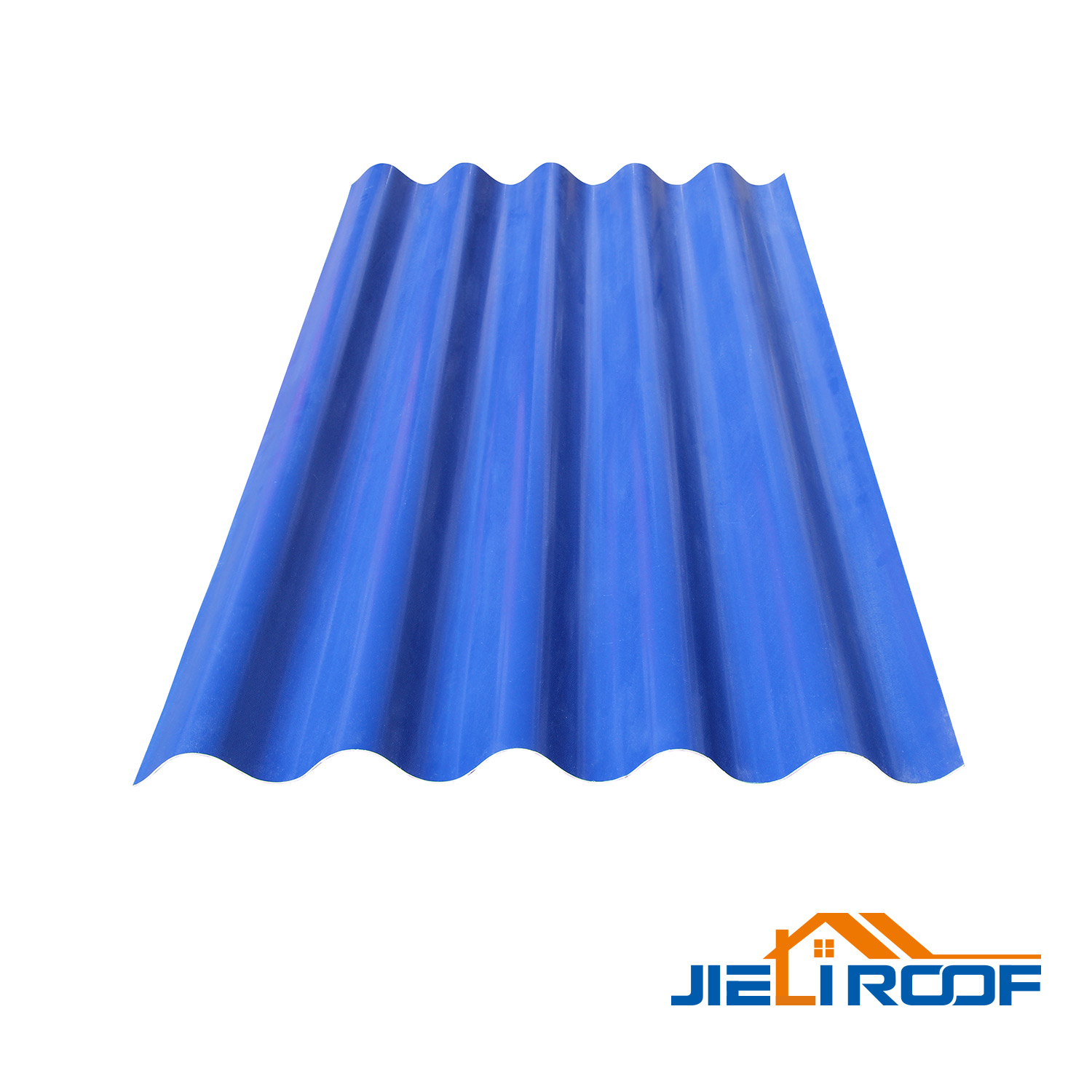
The buyer should also confirm roof size, profile type, effective width, length, color, purlin distance, and accessories. Ridge covers, side ridges, eaves, flashing, and other matching parts can affect the full roof system. For project orders, sheet selection should not be based only on material name. A suitable farm roofing material should match the building layout, local climate, cleaning needs, and expected service environment.
Where Jieli UPVC Roofing Sheet T1130 Fits Pig Farm Projects
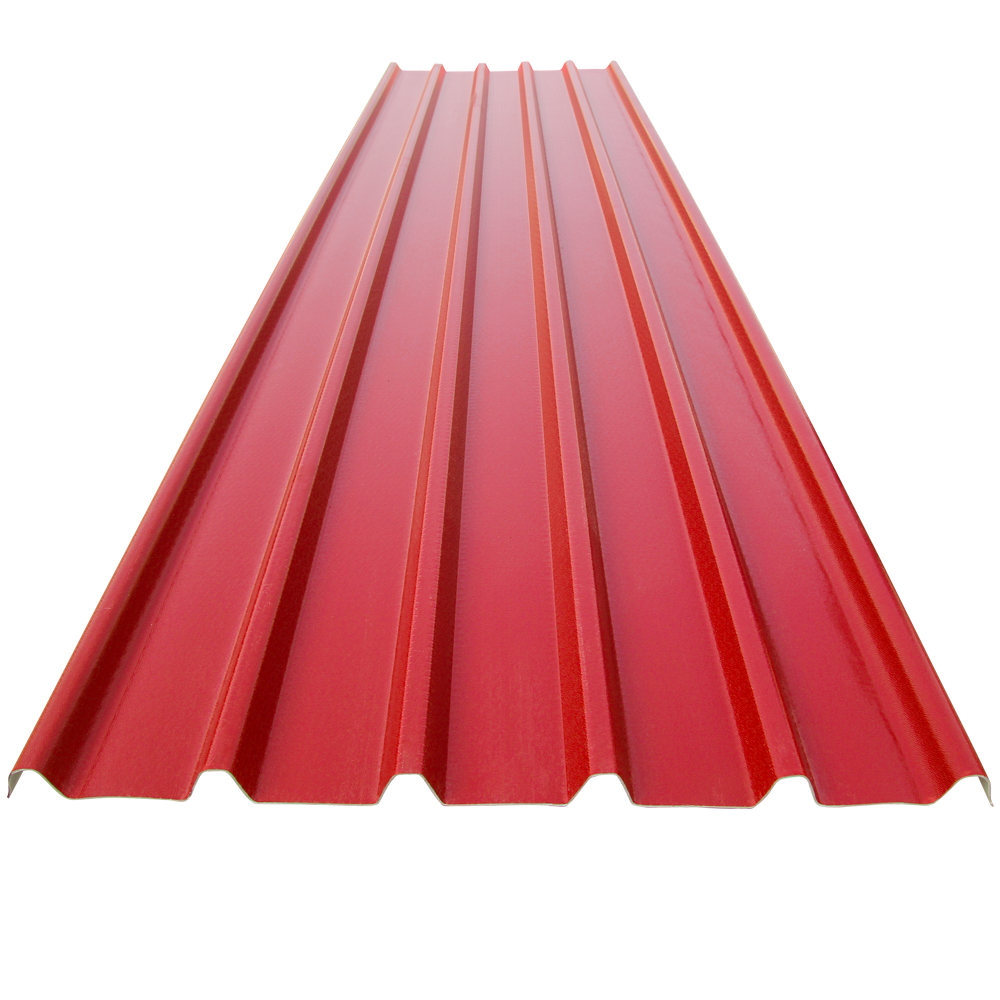
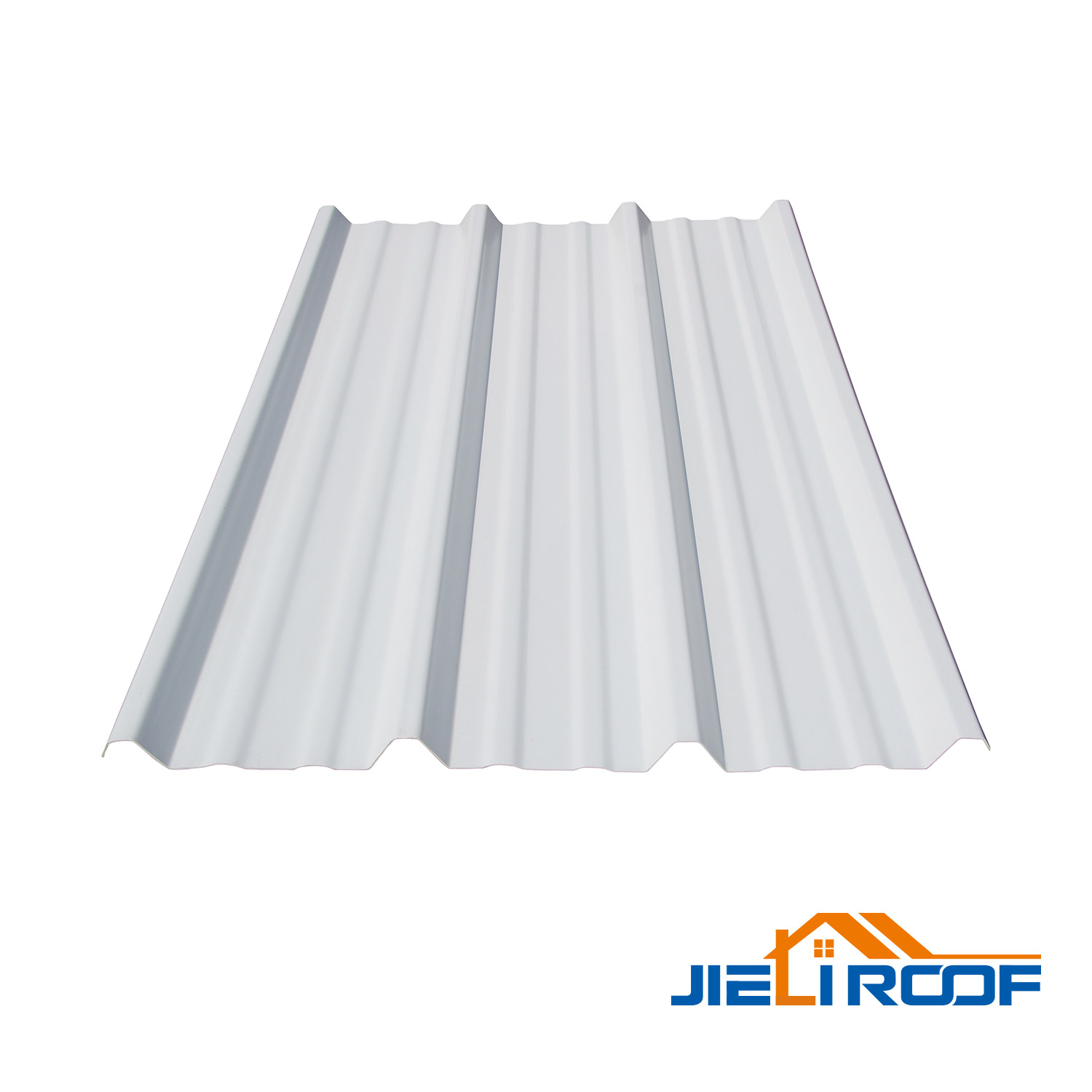
Jieli‘sUPVC Roofing Sheet T1130 can be used for roofing, wall cladding, and ceiling applications. Its profile has a width of 1130mm and an effective width of 1050mm. Length and color can be customized, which helps buyers match project size and farm design requirements.
For pig farm buildings, this product is relevant, and no rust. It can also be considered for warehouses, farm industry buildings, factories, and wall panel projects where metal roofing may face higher maintenance pressure.
This section should not be read as one material fitting every project. A pig farm roof still needs to match span, climate, ventilation, budget, and expected exposure. In many ammonia-corrosion roofing cases, however, UPVC can be a practical alternative to rust-prone metal panels.
Metal Roof vs UPVC Roof Sheet for Pig Farms
Factor
Metal / Color Steel Roof
UPVC Roof Sheet
Ammonia exposure
Higher risk when coating is damaged
Rust-free material behavior
Humidity
May corrode at weak points
Moisture-resistant surface
Disinfectants
Coating damage may increase risk
Better resistance to acid and alkali conditions
Heat transfer
Transfers heat quickly
Helps slow heat transfer
Rain noise
Higher noise in rain or hail
Better sound insulation
Cleaning
Rusted areas are harder to maintain
A smooth surface supports easier cleaning
Long-term cost
May need repainting or replacement
Lower rust-related maintenance pressure
Conclusion: Roof Choice Affects More Than Pig House Covering
Pig farm roofs face ammonia, moisture, manure corrosion, cleaning water, disinfectants, heat, and noise. These conditions make roof selection more important than in many ordinary buildings. A roof is not only a cover. It affects hygiene management, animal comfort, and long-term maintenance costs.
UPVC roof sheet is a practical option for many pig farm projects because it is rust-free, corrosion-resistant, moisture-resistant, heat-insulating, sound-insulating, and easier to clean. The right choice still depends on roof size, farm environment, local climate, structure, color needs, and project budget.
For pig farm roof replacement or new livestock building projects, buyers can share roof size, farm environment, profile preference, color, and quantity, thenrequest a pig farm roofing recommendation based on actual project conditions.
FAQ
Q1: Why does ammonia corrosion matter in pig farm roofing? A1: Pig manure and urine release ammonia and other corrosive gases. In humid pig houses, these gases can attack metal roofs, especially around scratches, fasteners, overlaps, and cut edges. This is why ammonia-corrosion roofing should be checked before choosing roof materials.
Q2: Is a UPVC roof sheet suitable for pig farm buildings? A2: A UPVC roof sheet is suitable for many pig farm buildings because it is rust-free, moisture-resistant, chemically resistant, and easier to clean. It also helps reduce heat transfer and rain noise, which are important in livestock housing.
Q3: What should buyers confirm before ordering pig farm roofing materials? A3: Buyers should confirm roof size, farm humidity, ammonia exposure, cleaning and disinfection frequency, required profile, purlin distance, color, length, accessories, and quantity. These details help suppliers recommend a suitable anti-corrosion roof sheet.






 +86 0535 6278701 / +86 15653505862

 Rust-Free Material Helps Reduce Corrosion Risk