HOME>NEWS>PPGI Roofing Sheet vs TSP Film Coated Steel Sheet: Which Works Better in Coastal and Chemical Environments
PPGI Roofing Sheet vs TSP Film Coated Steel Sheet: Which Works Better in Coastal and Chemical Environments
2026-06-24 10:23:51
SHARE TO:
PPGI can work well on many standard industrial buildings, especially where the roof mainly needs weather cover, familiar handling, and a controlled initial budget. The choice becomes more serious near the sea or in acid, alkali, salt, cleaning chemical, or industrial pollutant exposure.
For a coastal roofing sheet or a chemical resistant roofing sheet, buyers need to know how the roof will behave after years of salt air, humidity, rain, heat, and corrosive media. In these conditions, TSP usually gives a more targeted answer because its protection relies on a sealed film structure instead of ordinary surface paint alone.
Why Coastal and Chemical Roofs Need a Different Material Check
Coastal and chemical projects create corrosion pressure from several directions at once. Salt air can settle on the roof surface and stay active around laps, cut edges, fasteners, and drainage areas. High humidity also keeps metal surfaces damp for longer, which increases oxidation risk once the protective layer is damaged.
Chemical plants, food factories, water treatment buildings, farms, and mining facilities add another problem. Roof panels may contact acidic gases, alkaline substances, salt, ammonia, chlorine, or cleaning chemicals. A standard industrial roofing sheet may look acceptable at delivery, but performance depends on how well its surface keeps corrosive media away from the steel base.
A lower panel cost can lose its advantage if the roof needs repeated repainting, leakage repair, or early replacement.
How PPGI Performs in Standard Projects
A PPGI roofing sheet is a pre-painted galvanized steel product. It is widely used because it is easy to source, available in many colors, and familiar to contractors. For dry inland warehouses and low-corrosion roofs, it can be practical.
Its limitation appears when the roof faces harsh exposure every day. PPGI depends heavily on the quality and continuity of its paint layer. If the coating is scratched, thinned, cut, or weakened by UV and chemicals, corrosion can begin in small areas and spread under the surface.
Where PPGI Can Struggle in Harsh Environments
Coating Weak Points
Color coated roofing sheet products usually rely on paint or sprayed coating for surface protection. During production, transport, cutting, or roof work, small defects may appear and later become corrosion channels.
On a coastal factory roof, salt and moisture collect easily around those weak points. The same scratch that causes little trouble in a dry inland warehouse may become a rust point near the sea.
Edges, Fasteners, and Overlaps
Most industrial roofs require cutting, fixing, and overlapping. These normal project steps create vulnerable zones. Panel ends, screw holes, side laps, and drainage edges often carry more corrosion risk than the flat central surface.
Once corrosion begins around these areas, leakage may affect materials, machines, electrical systems, insulation, and production scheduling. That cost can exceed the original price difference.
What Makes TSP Film Coated Steel Sheet Different
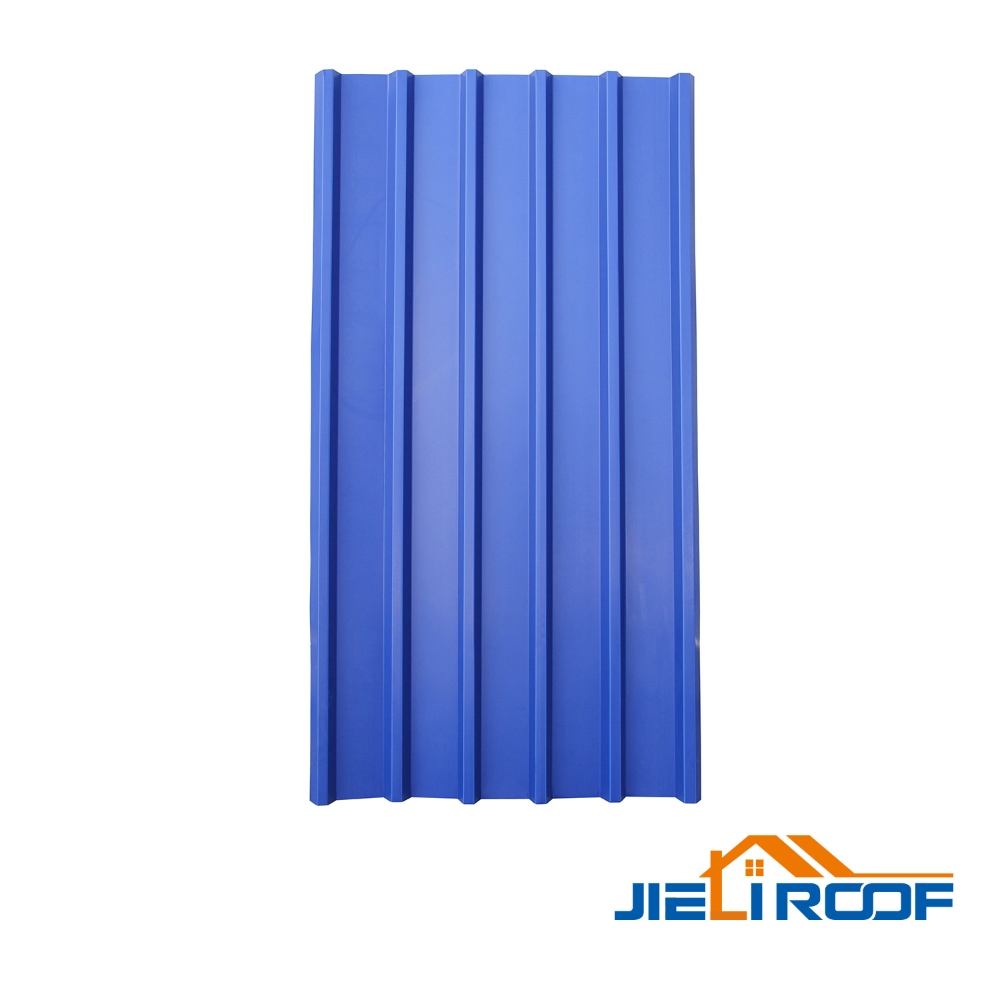
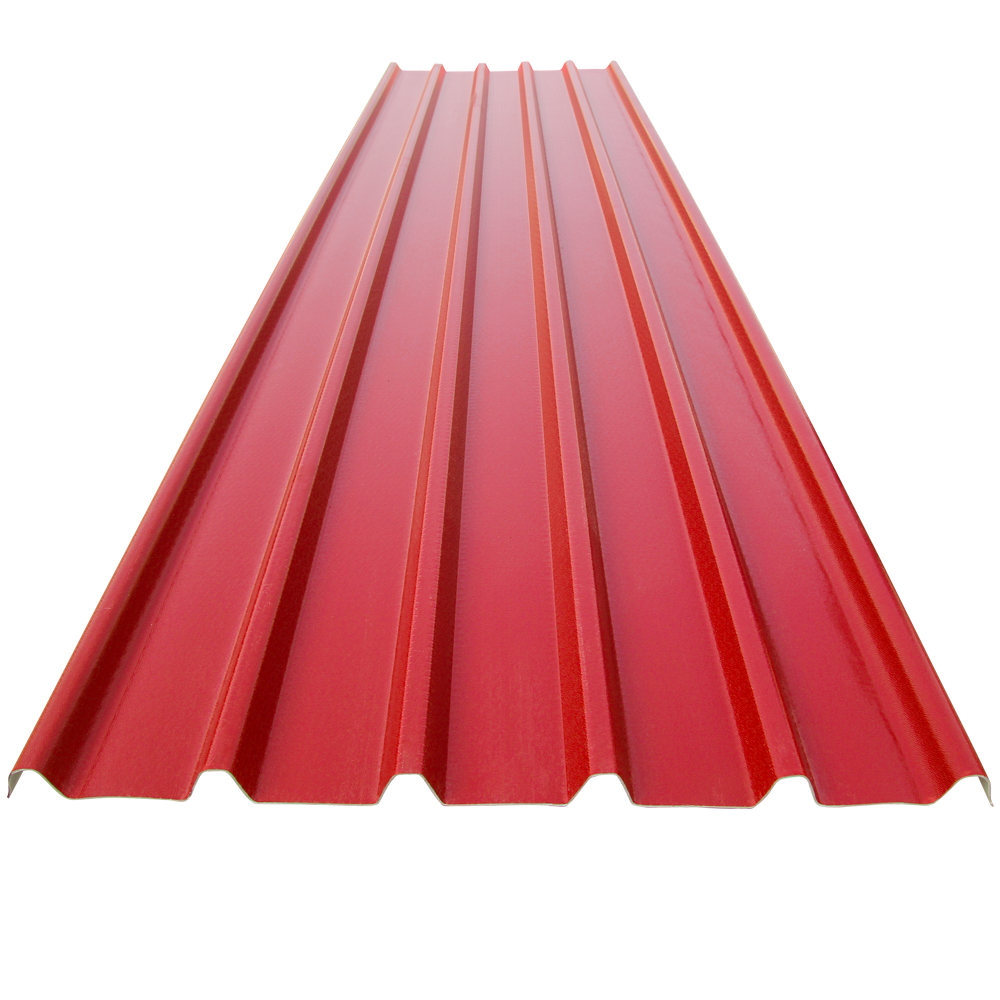
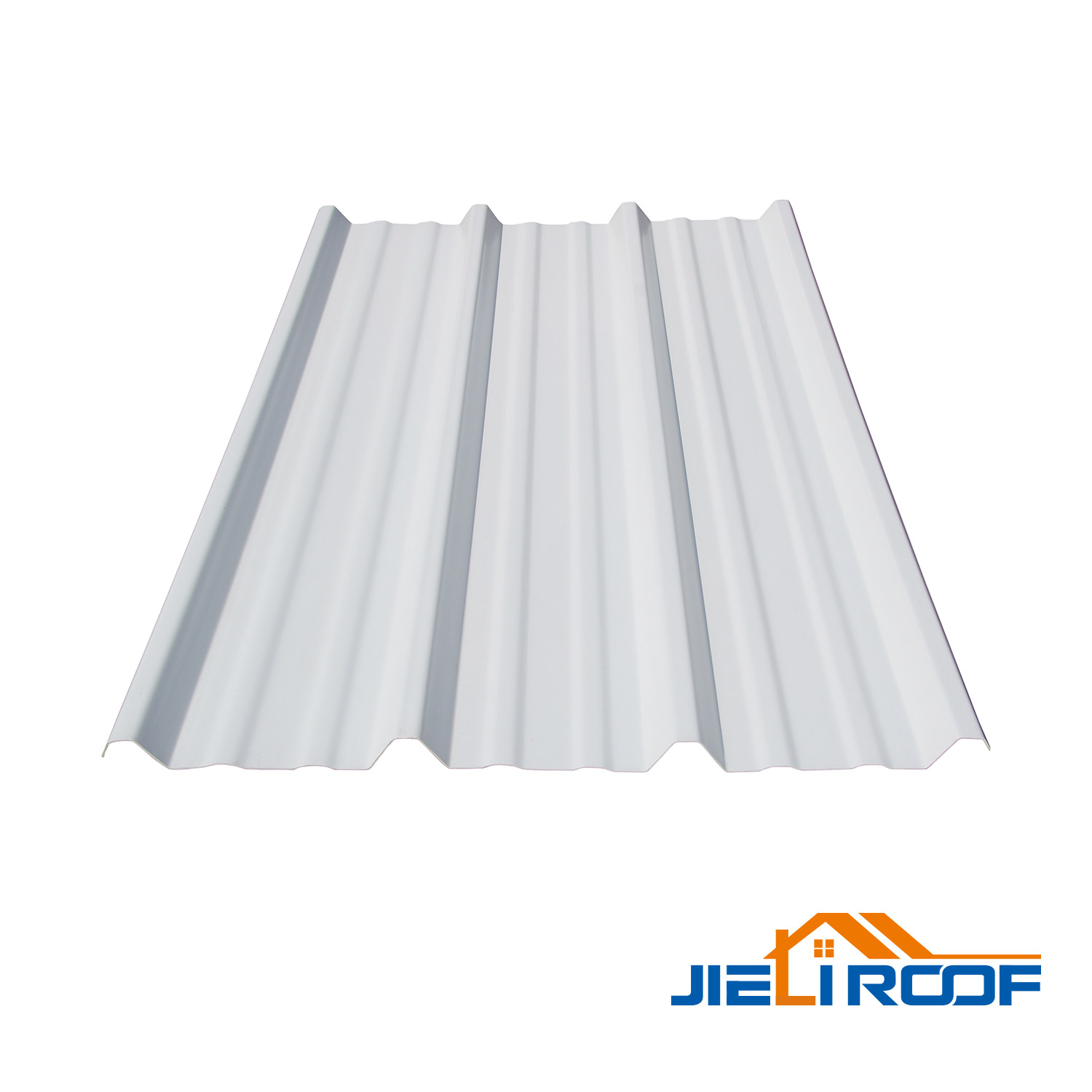
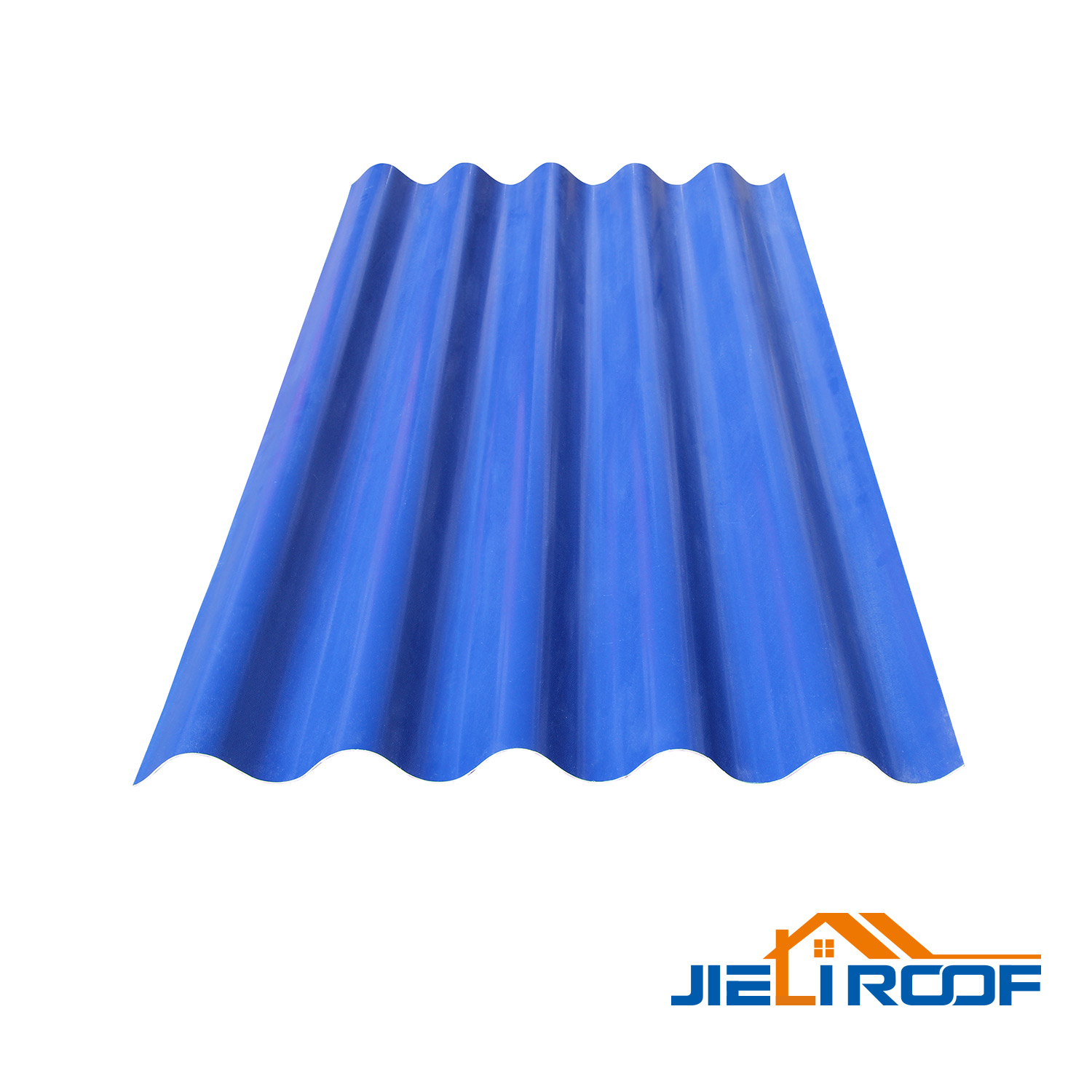
TSP Steel Sheet Trapezoidal uses a galvanized steel sheet coated with TSP film, which is a modified polyester, on both the surface and bottom. This structure gives the sheet a different protection logic from ordinary painted steel.
The film is bonded to the steel and forms a sealed barrier. It reduces direct contact between corrosive media and the steel base. For buyers comparing a corrosion resistant roofing sheet, this barrier structure is the central difference. The product also keeps the benefit of steel strength, which matters for demanding industrial roofs.
Key Comparison: PPGI vs TSP
Protection method
Painted surface on steel
Film bonded on steel
Corrosion barrier
Depends on coating condition
Sealed film helps block corrosive media
Coastal suitability
Vulnerable at scratches, edges, and fasteners
Better suited to salt and humidity
Chemical resistance
Limited in stronger acid, alkali, or salt environments
Designed to resist acid, alkali, and salt corrosion
Heat resistance
Depends on coating system
Designed for high-temperature industrial environments
Fire performance
Depends on specification
A grade fire rating
Typical use
Standard industrial roofs
Coastal, chemical, farming, mining, and water treatment projects
PPGI still has value. The project environment should decide the material. In harsh conditions, a film coated steel sheet gives buyers a safer long-term option.
Which Works Better for Coastal Environments?
For a coastal roofing sheet, the main threats are salt, humidity, UV exposure, and rain. These factors attack visible surfaces and hidden details. Cut edges, scratches, and fastener points need stronger protection.
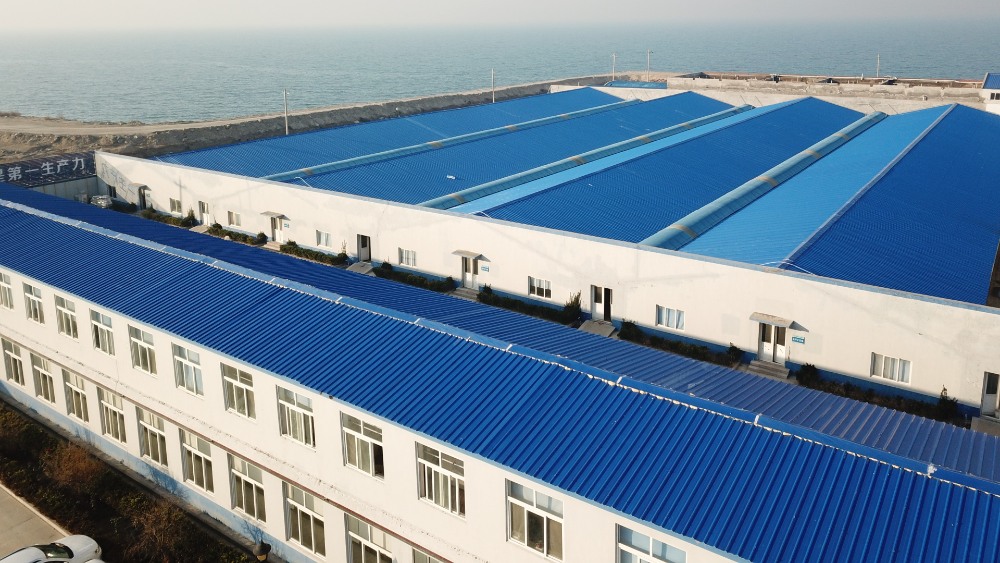
PPGI can still be used in some coastal buildings if the site is not highly exposed and maintenance is easy. However, buyers should be careful with roofs near the sea, especially warehouses, workshops, ports, seafood processing buildings, and coastal factories.
TSP has a stronger fit for these conditions because the sealed film structure is designed to resist salt and moisture attack. Its salt spray test result reaches 1000 hours with no rusting, which is useful for buyers comparing long-term roof performance in marine environments. This makes it a more suitable coastal roofing sheet when corrosion risk is high and maintenance access is limited.
Which Works Better for Chemical Environments?
Chemical roofing projects require more than decorative color. Acid, alkali, salt, ammonia, chlorine, and cleaning chemicals can create continuous pressure on the roof surface. Once a coating has pores, cracks, or damaged edges, chemical corrosion may move quickly.
TSP is more suitable for chemical roofing projects that need protection against acid, alkali, and salt corrosion. It is suitable for chemical factories, food factories, water treatment plants, farming buildings, and mining projects. In chemical resistance testing, samples exposed to acid, alkali, ammonia, and chlorine conditions for 168 hours showed no fading, swelling, or separation.
Heat also matters. Some industrial roofs face hot process areas or high ambient temperatures. TSP is designed for high-temperature industrial environments, giving it a wider safety margin than many standard coated steel options.
When Buyers Should Choose Each Material
Choose PPGI when the project is a standard warehouse, the environment is dry or low-corrosion, the roof can be maintained easily, and the buyer mainly needs a familiar steel roofing option with broad color availability.
Choose TSP when the building is near the sea, exposed to chemicals, or located in a high-humidity industrial zone. It is also more suitable when buyers want an anti-corrosion roofing sheet with steel strength, heat resistance, A grade fire performance, and lower replacement pressure.
The most practical decision is to review the project environment first. Buyers should check distance from the sea, chemical exposure, temperature, building use, roof span, drainage condition, and expected maintenance access.
Project Selection Support from Jieli Roof
Jieli focuses on roofing materials for residential, commercial, and industrial buildings. For harsh environments, our role is to help buyers compare roof exposure, material structure, and maintenance pressure before confirming the final sheet type.
For coastal factories, chemical plants, food factories, farms, water treatment plants, and mining buildings, buyers can share project details such as building use, roof dimensions, corrosion level, and temperature conditions. Buyers who want to review previous roofing applications can also check our project cases before discussing a new coastal, chemical, farming, or industrial roofing project.
PPGI remains a familiar and useful material for many standard roofs. It offers easy supply and color options. But in harsh coastal or chemical conditions, corrosion risk can increase around scratches, cut edges, fasteners, and overlaps.
TSP gives buyers a more durable protection structure. Its film-coated design, acid and alkali resistance, salt resistance, heat resistance, A grade fire rating, and 15-year warranty make it a stronger choice for demanding industrial and agricultural buildings. For a chemical resistant roofing sheet, the best choice should match the roof environment, not only the purchase price.
FAQ
Q: Is PPGI suitable for coastal factory roofs? A: PPGI may work in low-corrosion coastal buildings with good maintenance access. For roofs close to the sea or exposed to heavy salt and humidity, buyers should compare it with stronger corrosion resistant materials before ordering.
Q: What makes TSP different from ordinary color coated steel? A: Ordinary color coated steel mainly depends on painted surface protection. TSP uses modified polyester film bonded on steel, creating a sealed barrier that helps block corrosive media from reaching the steel base.
Q: Which roofing sheet is better for chemical plants? A: TSP is usually more suitable for chemical plants because it resists acid, alkali, and salt corrosion. It also supports high-temperature use and A grade fire performance for demanding industrial buildings.






 +86 0535 6278701 / +86 15653505862