HOME>NEWS>Poultry House Roofing What Buyers Should Check for Heat, Noise, and Biosecurity
Poultry House Roofing What Buyers Should Check for Heat, Noise, and Biosecurity
2026-07-06 11:35:10
SHARE TO:
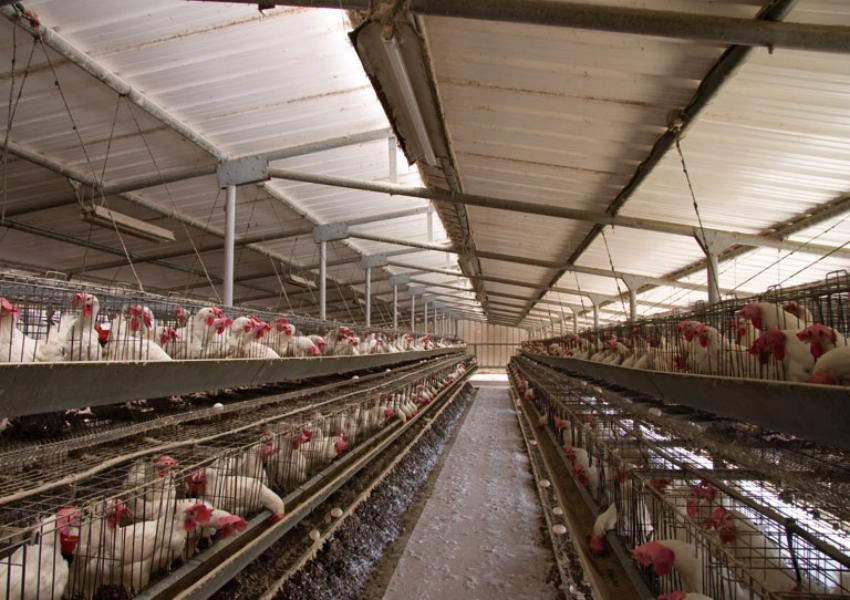
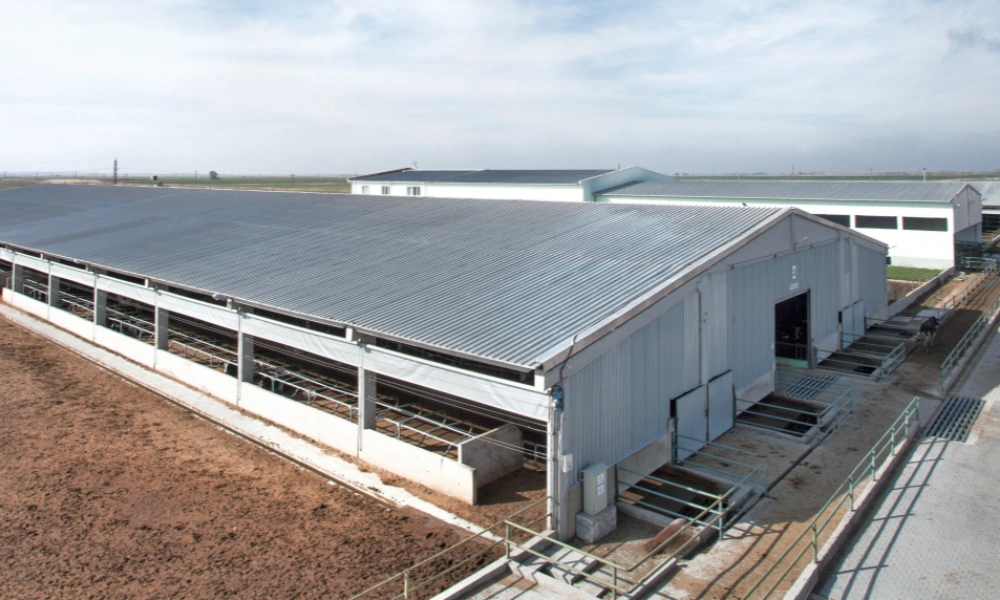
Poultry house roofing affects more than rain protection. A broiler house, layer house, or chick house is a controlled production space where heat, moisture, ammonia, sudden weather noise, cleaning cycles, and surface hygiene all matter. When buyers compare poultry farm roofing sheets, the discussion should go beyond sheet price. Roof material should support temperature stability, reduce rain noise pressure, resist corrosion, and make cleaning easier.
Why Poultry Houses Need a Different Roofing Checklist
Poultry farms are sensitive to small changes. Bird density is high, ventilation is controlled, and cleaning cycles are regular. A roof that works for a dry storage building may create extra pressure in a poultry shed.
Temperature Swings Affect Different Poultry Zones
Brooding areas, grow-out houses, and layer houses do not have the same thermal needs. Young birds are especially sensitive to sudden temperature changes, while mature birds need stable airflow and heat control. Metal roofing can transfer heat quickly under strong sunlight. In hot regions, this may increase the load on fans, cooling pads, or ventilation systems. Buyers should check whether the roof material can slow heat transfer before making a bulk order.
Cleanable Surfaces Matter for Biosecurity
Biosecurity is linked to the surfaces inside and around the house. Roof sheets, ceiling panels, and wall cladding may collect dust, moisture, or dirt if the material surface is rough, corroded, or difficult to clean. For a biosecurity poultry house, buyers should ask whether the material can handle frequent washing, disinfectants, moisture, and ammonia exposure. Smooth surfaces help reduce cleaning pressure and make inspection easier between cycles.
Heat Control: What Buyers Should Check First
Heat control is one of the main reasons poultry buyers look for alternatives to metal roofing. The roof is exposed to sunlight all day, so material behavior can affect the indoor environment.
Metal Roofs May Increase Cooling Pressure
Metal roof sheets can become hot quickly and pass heat into the house. In high-density broiler houses or layer houses, extra heat may make climate control harder. It can affect ventilation balance, energy use, and management workload. A metal roof can still fit some projects, especially in mild climates or buildings with strong insulation. But in hot poultry regions, buyers should compare thermal behavior before focusing on the lowest quotation.
UPVC Material Helps Slow Heat Transfer
Jieli‘s UPVC sheets offer a useful advantage in heat control because PVC material has low thermal conductivity. The thermal conductivity value of PVC is 0.325 W/m·K, which supports its role as a heat insulation roofing sheet for farm buildings. This does not mean the roof alone controls the whole house’s climate. Ventilation design, building height, air inlets, and stocking density still matter. But a heat insulation roofing sheet can reduce the pressure that starts at the roof surface.
Noise Control: Why Rain and Hail Should Not Be Ignored
Noise is often missed during early roof selection. After the building starts operation, rain and hail can quickly show whether the chosen roof is suitable for poultry production.
Sudden Roof Noise Can Disturb Management
Thin metal roofing may amplify rain, wind, or hail impact. In a closed or semi-closed house, a sudden loud noise can disturb birds and make daily management less stable. This matters more in chick houses and high-density houses. Buyers comparing poultry farm roofing sheets should include sound control in the checklist, not only corrosion and heat performance.
Sound Insulation Supports ACalmer House Environment
UPVC has better sound insulation behavior than a steel sheet. Noise reduction of about 25–30 dB can help reduce the sharp impact of heavy rain and wind on the roof.
For rainy, windy, or hail-prone areas, a sound insulation roof sheet can support a calmer building environment. It should be considered together with ventilation, house layout, and farm management.
Biosecurity: How Roof and Ceiling Materials Affect Cleaning
Condensation Can Create Hygiene Pressure
The risk of condensation on roofing systems is a common issue. Moist air from inside the house, with warm air from the heating system, comes into contact with the cold roof deck, forming water droplets on the underside of the roof covering. Excessive moisture in the litter can cause increased cleaning pressure. Wet areas of the house are difficult to manage. Moisture-resistant roofing is important because poultry houses have heat, humidity, dust, ammonia, and regular washing in the same space. Buyers should check material behavior during normal operation and cleaning periods.
Poultry houses are washed and disinfected between cycles. Acidic, alkaline, and disinfectant solutions can damage weak coatings over time. Once a roof or ceiling surface begins peeling, rusting, or aging, cleaning becomes less efficient. UPVC is resistant to acids, alkalis, and disinfectants. Its dense, smooth surface is not easy to trap dirt and can be flushed more easily. For buyers planning a biosecurity poultry house, this easy-clean roofing value is tied to daily sanitation work.
Corrosion Resistance Still Matters in Poultry Houses
Ammonia and Humidity Attack Weak Metal Areas
Metal roofs often start to corrode at fasteners, overlaps, scratches, and cut edges. In poultry houses, ammonia and moisture can speed up that process. Once rust appears, roof maintenance may become frequent. For large poultry farms, repeated roof repair is not only a material cost. It can affect scheduling, cleaning, and flock turnover.
Rust-free Materials Reduce Roof-related Risk
UPVC roof sheets do not rust, unlike other metal roofing sheets. Because of their nature to resist moisture and many chemical environments found within livestock buildings, UPVC roofing sheets are ideal for customers requiring a corrosion-resistant roofing sheet for use within broiler houses, layer houses, chick houses, and other poultry buildings. A rust-free roof is easy to inspect, allowing farm managers to focus on other aspects of the house, including ventilation, cleaning, and the birds themselves.
Where UPVC Roofing Sheet T1130 Fits Poultry Projects
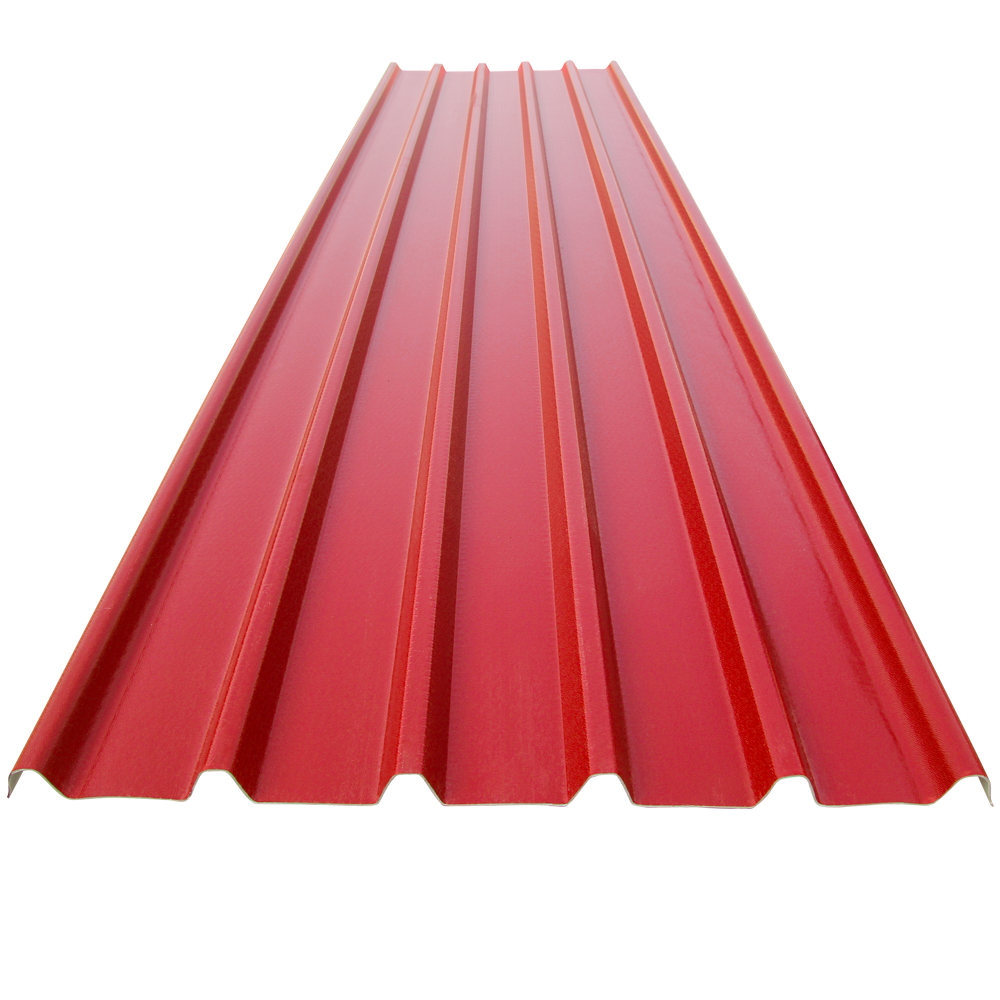
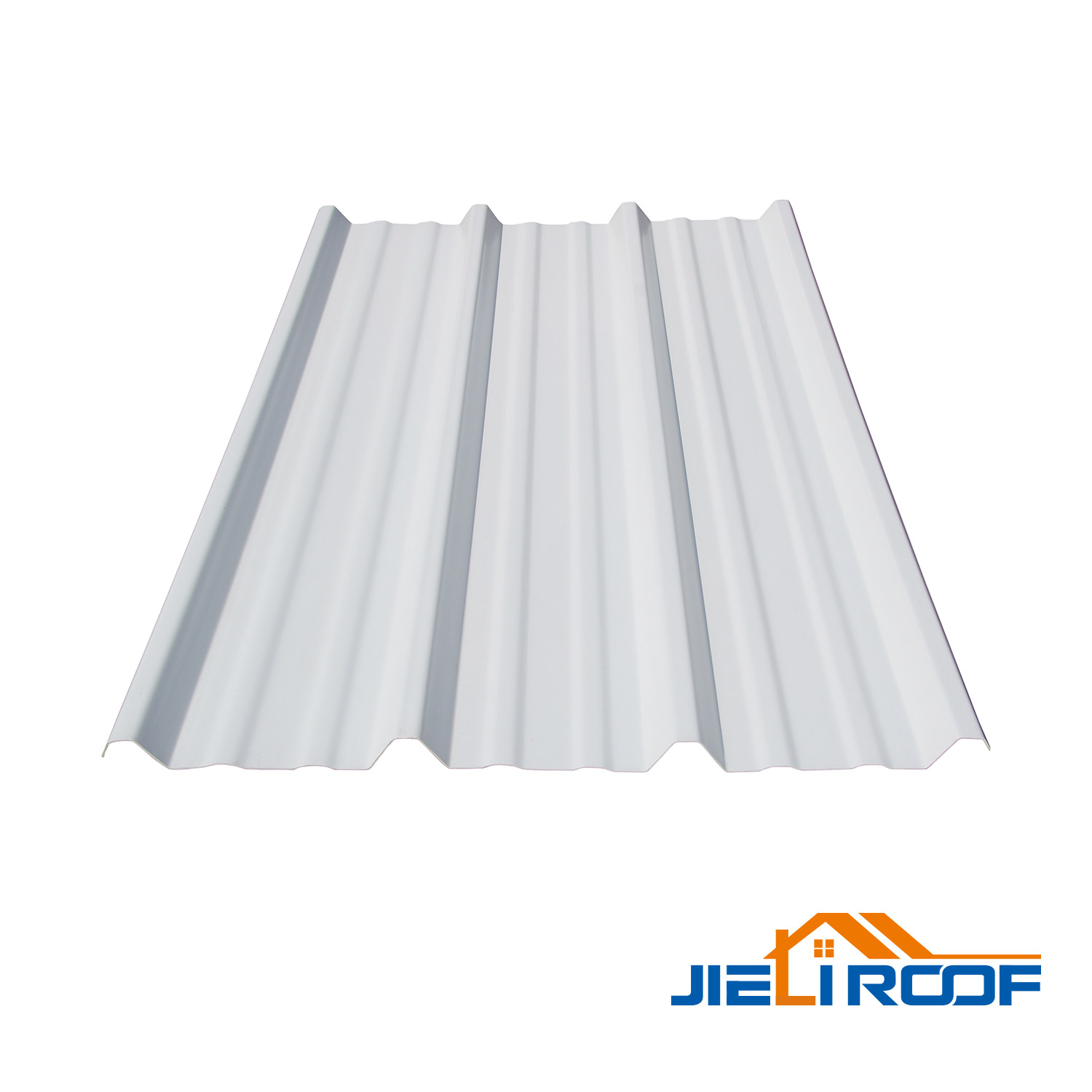
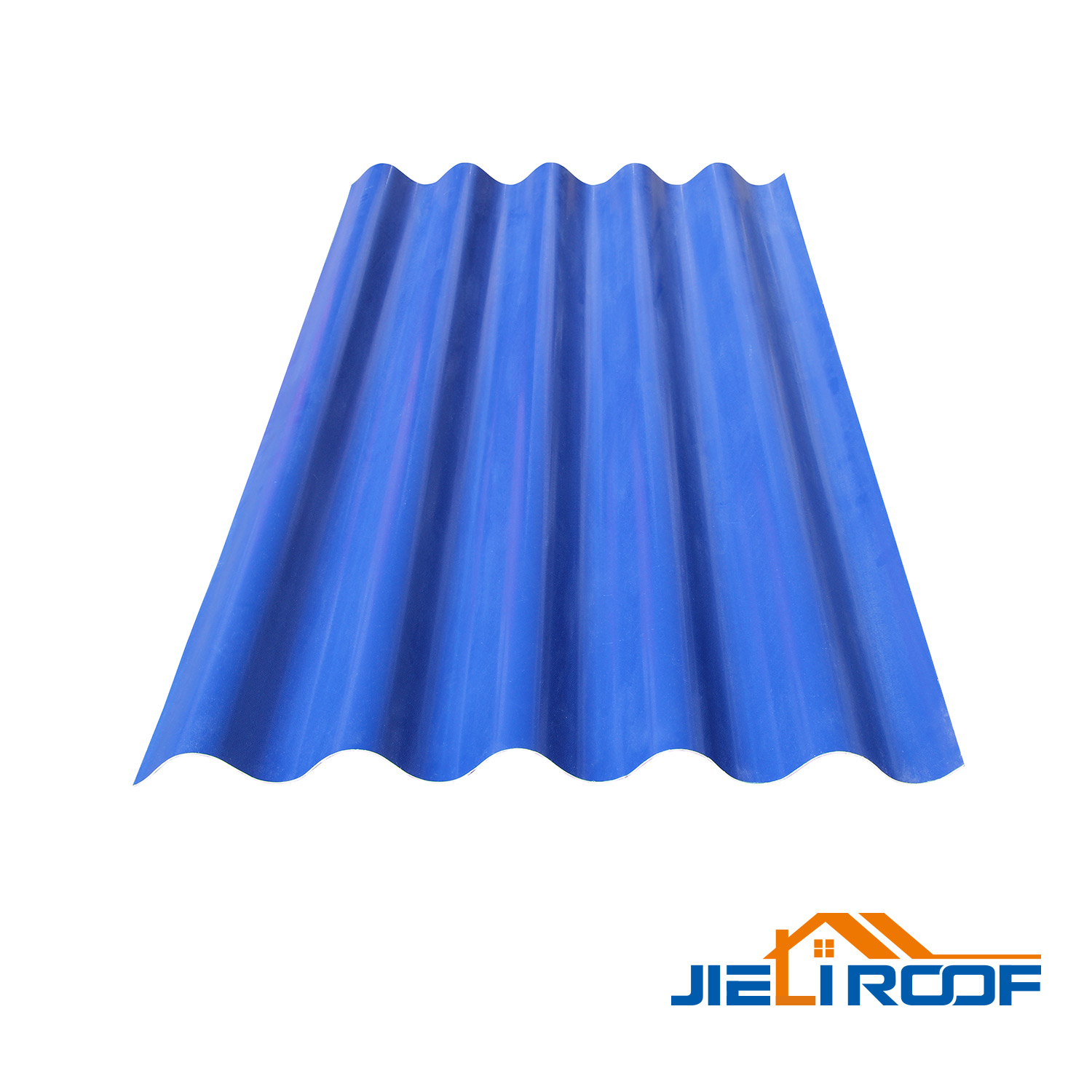
TheUPVC Roofing Sheet T1130 can be used for roofing, wall cladding, and ceiling applications. Its profile has a width of 1130mm and an efficient width of 1050mm. Length and color can be customized, and its purlin distance is suitable for project-based roof planning.
For poultry projects, this product is relevant when buyers need heat insulation, sound absorption, corrosion resistance, water resistance, light weight, color stability, and no rust. It can be considered for broiler houses, layer houses, chick houses, farm warehouses, and wall or ceiling panel areas where cleanable surfaces are required.
Specification Points Before Quotation
Before requesting a price, buyers should prepare the building size, house type, roof span, profile preference, effective coverage needs, color, length, quantity, humidity level, cleaning cycle, and whether ceiling or wall cladding is also needed. These details make the quotation more useful. A roof sheet for poultry farms should match the full building envelope, not only the roof surface.
Poultry House Roof Material Checklist
Buyer Checkpoint
Why It Matters in Poultry Houses
UPVC-Related Value
Heat transfer
Affects cooling load and temperature stability
Helps slow heat transfer
Rain and hail noise
Sudden noise may disturb birds
Better sound insulation
Condensation risk
Wet litter increases cleaning pressure
Moisture-resistant surface
Cleaning cycle
Houses need to be washed down and disinfected
Smooth, easy-clean surface
Disinfectant exposure
Weak coatings may age or peel
Better chemical resistance
Ceiling and wall use
Biosecurity needs cleanable surfaces
Suitable for roof, ceiling, and wall panels
Conclusion
When choosing a roof, a choice is typically made for daily production, rather than just for the weather. Heat transfer, rain noise, condensation, cleanability, exposure to disinfectants, to ammonia, to corrosion, and maintenance over the long term all need to be considered. For the poultry house, a UPVC roof sheet is a very practical choice, as it provides excellent heat insulation and also sound insulation. It is also completely rust-free and also moisture-resistant. Easy to clean and also can be given a chemical corrosion-resistant finish.
For broiler houses, layer houses, chick houses, or a poultry farm renovation, then the above details can be shared for a poultry house roofing recommendation. This would need to include the building size, the roof type, the ceiling or wall finishes required, the cleaning cycle, and the preferred color and quantity required.
FAQ
Q1: Why should poultry roofers consider biosecurity? A1: Poultry houses need regular cleaning and disinfection. Roof, ceiling, and wall materials that resist moisture, dirt buildup, and disinfectant exposure can reduce cleaning pressure and support better biosecurity management.
Q2: Is UPVC suitable for poultry farms? A2: A UPVC roof sheet is suitable for many poultry farm projects because it helps slow heat transfer, reduces rain noise, resists corrosion, prevents rust, and supports easier cleaning. Buyers should match the profile and specification with the house design.
Q3: What should buyers check before ordering poultry farm roofing sheets? A3: Buyers should confirm house type, roof size, span, heat control needs, humidity, cleaning frequency, ceiling or wall cladding needs, color, length, and quantity before requesting a quotation.






 +86 0535 6278701 / +86 15653505862