HOME>NEWS>What Roofing Sheet Works Best for Sheep Farms in Hot and Humid Regions
What Roofing Sheet Works Best for Sheep Farms in Hot and Humid Regions
2026-08-18 00:00:33
SHARE TO:
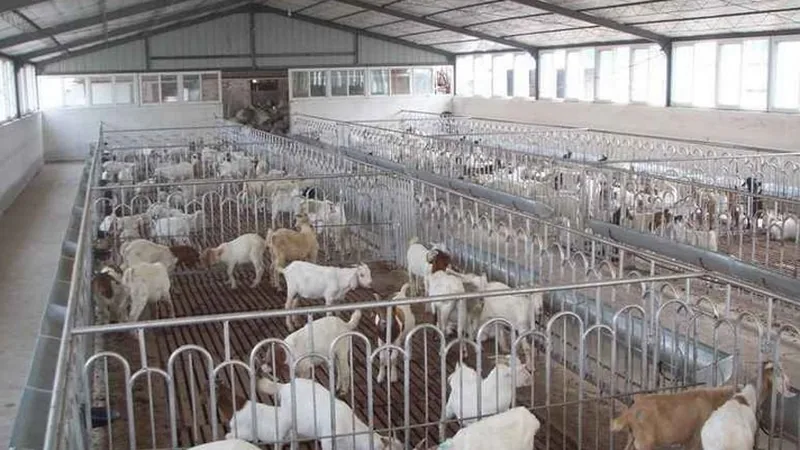
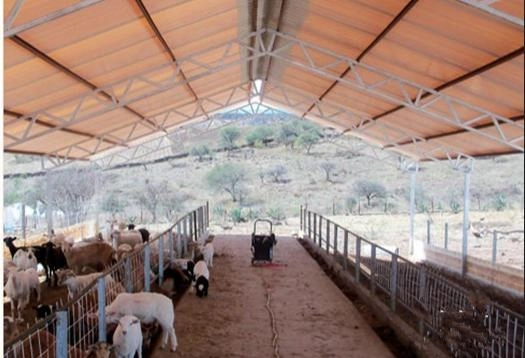
A roof over sheep in a hot, wet region has a different job from roofing a dry machinery shed. The roof has to sit above warm animal air, wet bedding zones, cleaning water, and long seasons of sun. A buyer may start by asking for a cheap panel, but the better question is simpler: which sheet keeps the house drier, cooler, and easier to maintain after several years?
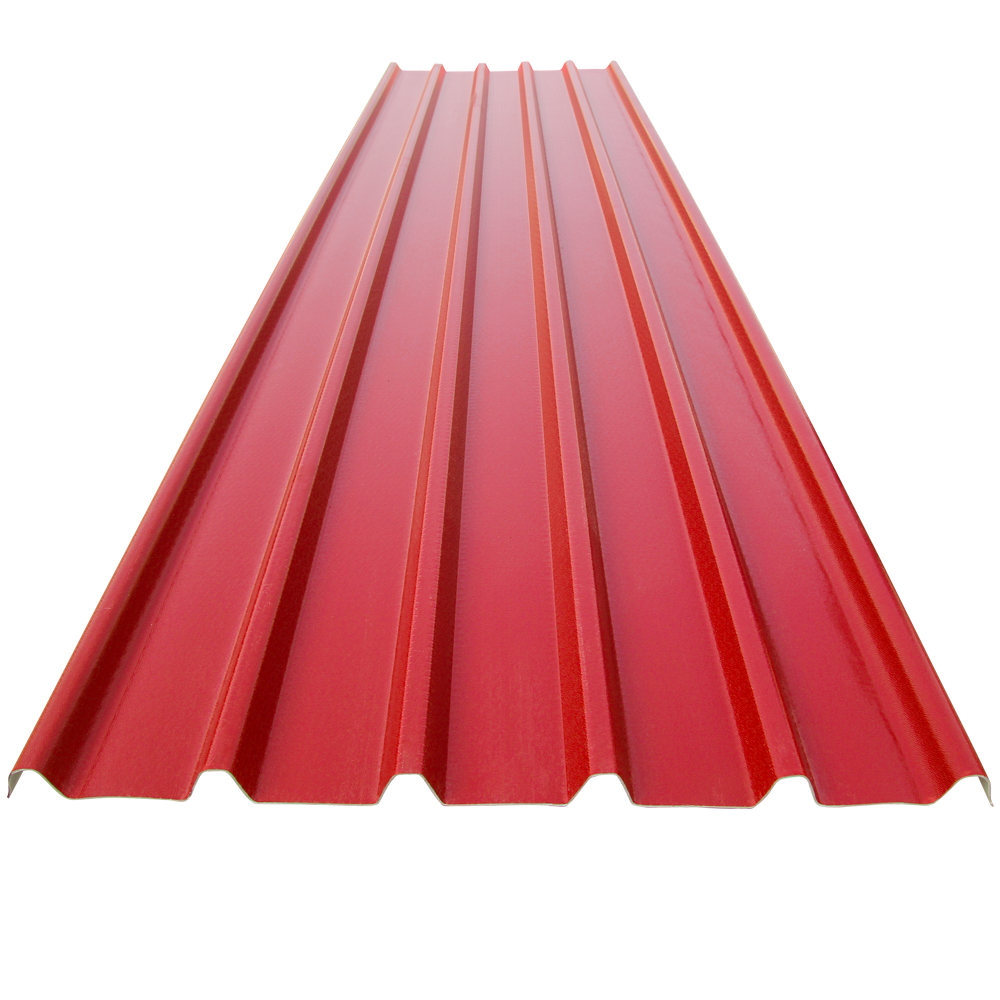
For many large sheep sheds, the answer points toward a UPVC roof sheetfor farm use cases rather than ordinary painted metal. UPVC is valued in livestock roofing sheets because it does not rust, resists common farm chemicals, and slows heat transfer better than steel. That mix matters when heat stress, condensation, and roof repair costs all show up in the same building.
Hot And Humid Sheep Houses Put Pressure On Roof Materials
A humid sheep house rarely has one neat problem. Warm air rises toward the roof. Moisture collects under ridge zones and near laps. Ammonia from manure and urine does not stay politely on the floor, especially when ventilation is weak after rain or during still summer nights.
Humidity Collects Around The Small Weak Points
The first roof trouble often appears where nobody looks during the buying stage: fastener areas, sheet overlaps, cut edges, and shaded roof corners that dry slowly. If a metal sheet starts rusting there, the roof can keep working for a while, but maintenance becomes routine. Patching one edge today does not stop another stain from forming near the wash-down side next season.
UPVC gives sheep farm roofing a different baseline because the material itself does not rust. It also resists chalking and cracking in livestock air, which is useful around pens, manure alleys, and humid corners. A corrosion-resistant roof still needs a sound building layout, but the sheet should not become the first weak link.
Heat Is A Daily Cost, Not A Summer Detail
Roof heat is easy to underestimate until the house is full. Steel transfers heat quickly, so the underside of the roof can warm the shed fast under strong sun. UPVC has a thermal conductivity of 0.325 W/m.K, while steel is about 53 W/m. That is why a heat insulation roofing sheet can be more than a comfort item in hot regions.
Sheep are hardy animals, but heat and humidity still affect feed intake, rest, and general house hygiene. When the roof slows heat gain, ventilation and shade work have a better chance of keeping the building stable. This does not replace airflow design. It simply keeps the roof material from adding extra heat load every afternoon.
Why UPVC Fits Many Sheep Farm Roofs
UPVC is most useful when the farm wants fewer roof complaints over time. Its surface is dense, waterproof, and easier to rinse after regular cleaning. It also handles acidic, alkaline, and disinfectant contact better than many low-cost metal roofing options used in harsh livestock buildings.
Corrosion Resistance During Cleaning And Disinfection
Cleaning is where many cheap roofs begin to show their limits. Water moves into laps, disinfectant residue dries around screw lines, and humid air keeps the underside damp. Jieli’s UPVC corrosion reference uses immersion in 5% sulfuric acid or 5% sodium hydroxide solution, which is the right kind of check for roofs exposed to acid-alkali cleaning routines.
Noise, Condensation, And Roof Hygiene
Rain noise can disturb animals, especially in enclosed sheds or young-stock areas. UPVC roofing can reduce noise by more than 30 dB compared with metal roofs. In practice, that gives the building a calmer feel during heavy rain and hail, and it reduces one more stress factor inside the shed.
Condensation needs a more careful look. A roof sheet alone cannot correct poor ventilation, but UPVC does not absorb water and does not corrode after wet cycles. That helps when contractors check lap joints after washing or when the farm owner wants a roof that can stay cleaner without repeated repainting.
Choosing The Right UPVC Profile For A Sheep Farm
The best profile depends on roof length, purlin spacing, handling conditions, and whether the same sheet will be used across several houses. A small sheep shelter may not need the same specification as a long commercial shed in a hot, coastal, or humid region.
T940 For Regular Sheep House Layouts
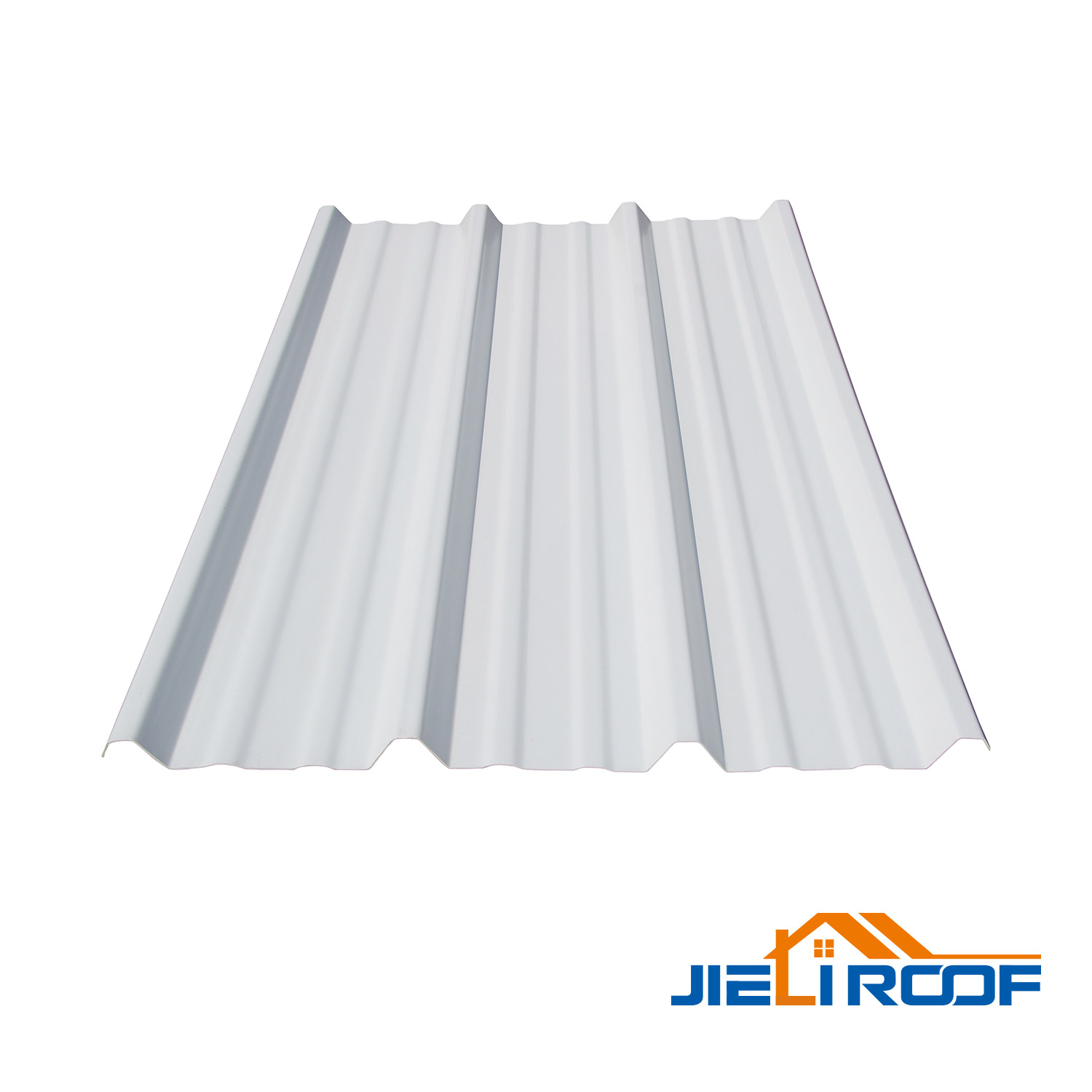
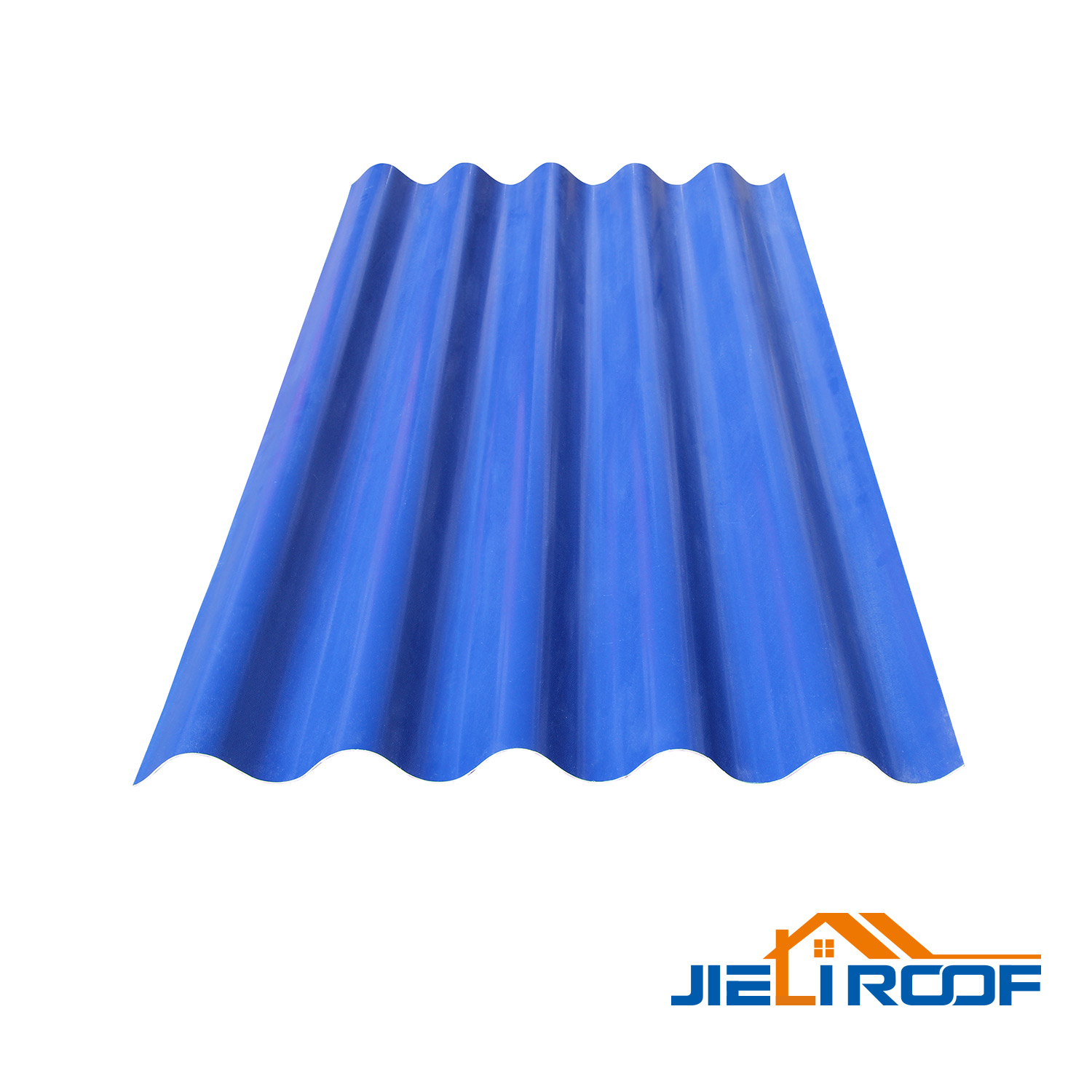
The T940 UPVC roofing sheet profile is a strong starting point where the roof layout is regular and the buyer wants a repeatable quotation. It has a 940 mm width, an 880 mm efficient width, customized length, and common 2.0, 2.5, and 3.0 mm thickness options. Those numbers help contractors calculate sheet count, laps, and transport packing without guessing.
T940 is practical when a farm wants familiar handling and stable coverage across a row of sheds. The sample check should be direct: look at wave shape, surface density, color layer, cut edge, and drilling behavior. A sample that looks neat but feels weak around screw points is not a good start for hot and humid animal housing.
T1130 And BW920 For Wider Or Reinforced Needs
Where wider coverage is useful, the T1130 UPVC roofing sheet offers a 1130 mm width and 1050 mm efficient width, also with customized length and common 2.0, 2.5, and 3.0 mm thickness choices. It can reduce the number of laps on broad roof planes, although handling and roof framing still need to match the project.
For reinforced UPVC, the BW920 glass fiber reinforced UPVC roof sheet uses a glass fiber mesh inside the UPVC structure. The BW920 profile has a 920 mm width and 873 mm efficient width. It is worth checking when the buyer wants better tensile strength, impact resistance, load behavior, and weathering stability.
Buying Checks Before Placing The Order
A useful RFQ should give more than roof size and color. It should mention regional heat, washing frequency, disinfectant use, ventilation style, animal density, and whether the roof is for a new shed or replacement. These details help the supplier suggest an UPVC roof sheet for farm use rather than simply quote the lowest square-meter price.
Keep Warranty And Service Life In The Same Conversation
For UPVC farm roofing, the current warranty reference is 8-10 years, but the buyer should keep warranty, building design, climate, and maintenance habits in the same conversation. A roof in a dry feed store and a roof above a wet animal house do not age in the same way.
Jieli has 22 production lines and a testing setup for raw material, formula, production, and finished-product checks. Buyers reviewing Jieli options can ask for samples, profile drawings, thickness choices, and batch checking details before confirming the final order.
Do Not Let A Cheap Quote Hide Later Repairs
A lower price can be reasonable when the building is low risk. In hot and humid livestock housing, though, the purchase price is only one part of the roof cost. Rust, condensation dripping, animal disturbance, roof cleaning trouble, and Contractor return visits all carry a cost. A heat insulation roofing sheet with corrosion resistance often makes better sense when the farm expects years of stable use.
FAQ
Q1: Is UPVC suitable for sheep farm roofing in hot and humid regions?
A1: Yes, UPVC can fit hot and humid sheep farms because it resists corrosion, slows heat transfer, handles wet cleaning conditions, and does not rust like painted metal sheets.
Q2: Which UPVC profile should buyers compare first?
A2: T940 is a practical starting point for regular sheep house layouts. T1130 can suit wider roof planes, while BW920 is worth checking when reinforcement and impact resistance matter.
Q3: What should be confirmed before ordering livestock roofing sheets?
A3: Confirm profile width, efficient width, thickness, customized length, warranty scope, cleaning exposure, ventilation conditions, and whether samples match the future production batch.






 +86 0535 6278701 / +86 15653505862