HOME>NEWS>Why Should Roof Sheet Manufacturers Choose Customized PVC Compound for Different Markets
Why Should Roof Sheet Manufacturers Choose Customized PVC Compound for Different Markets
2026-08-25 00:00:16
SHARE TO:
A roof sheet factory does not struggle with PVC resin alone. The difficult part is making resin, stabilizers, lubricants, fillers, color materials, and processing settings behave the same way from one batch to the next. When the formula drifts, the line tells the truth quickly: rough surfaces, brittle edges, color difference, weak impact performance, unstable thickness, or too much scrap at startup. For manufacturers entering UPVC roof sheet production or adding new panel ranges for hotter and harsher markets, customized PVC compound can make the production route less uncertain.
Why UPVC Roof Sheet Production Becomes Hard To Control
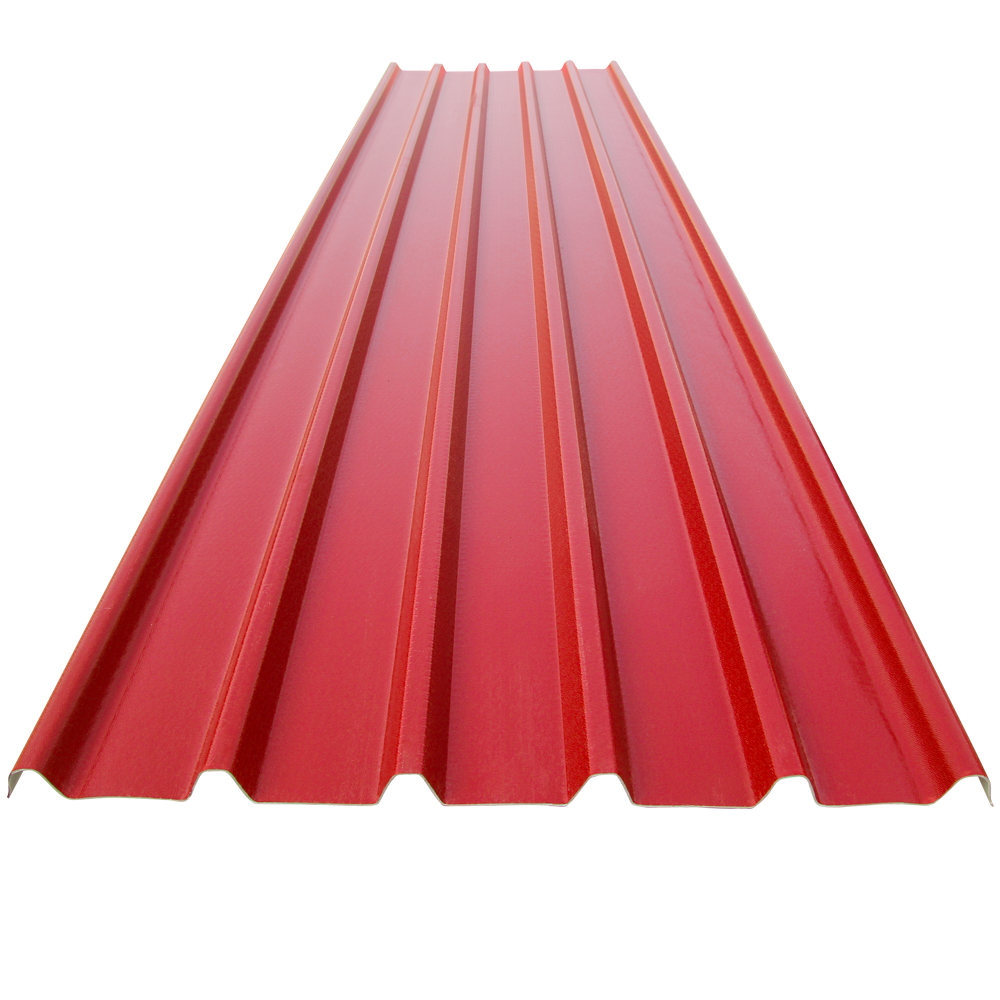
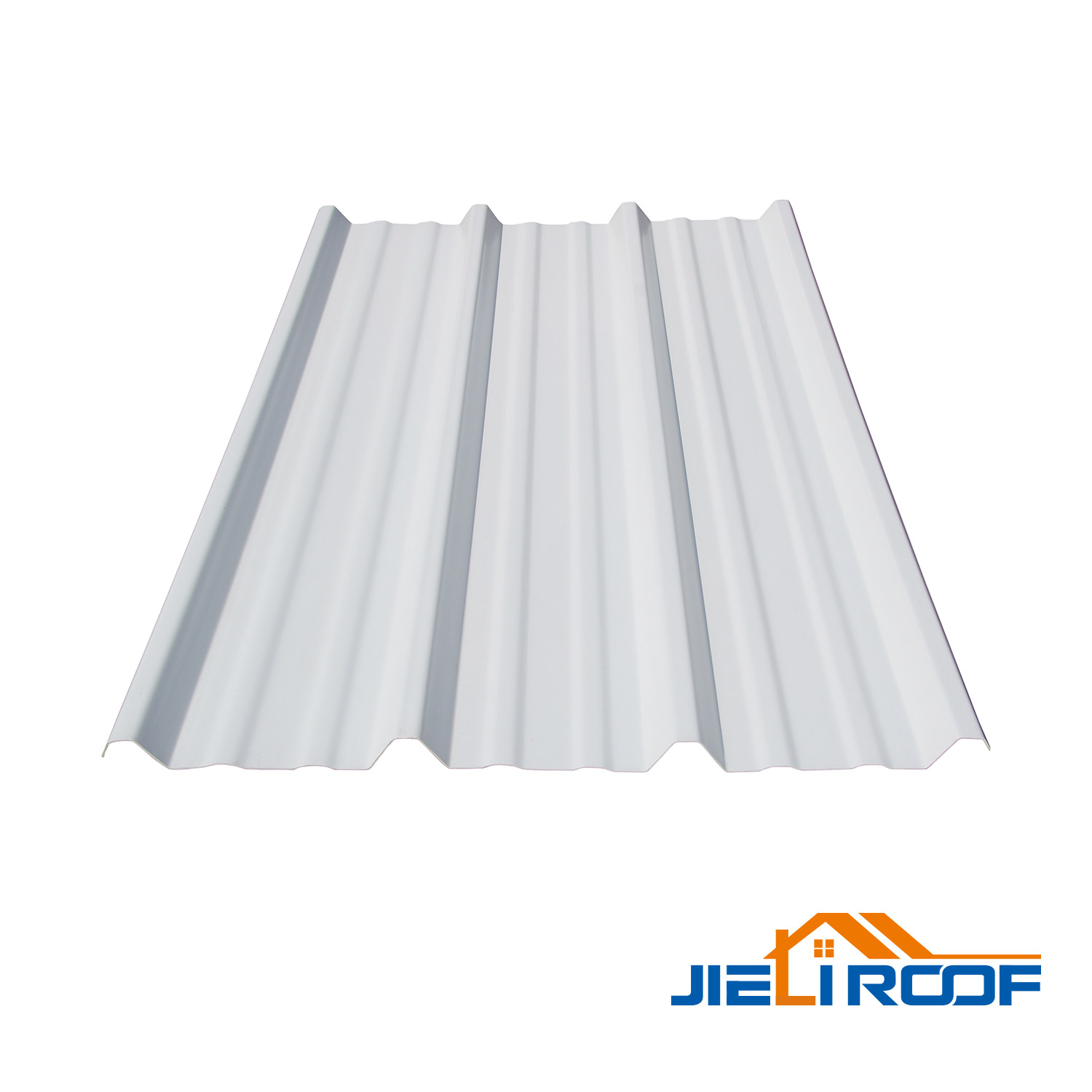
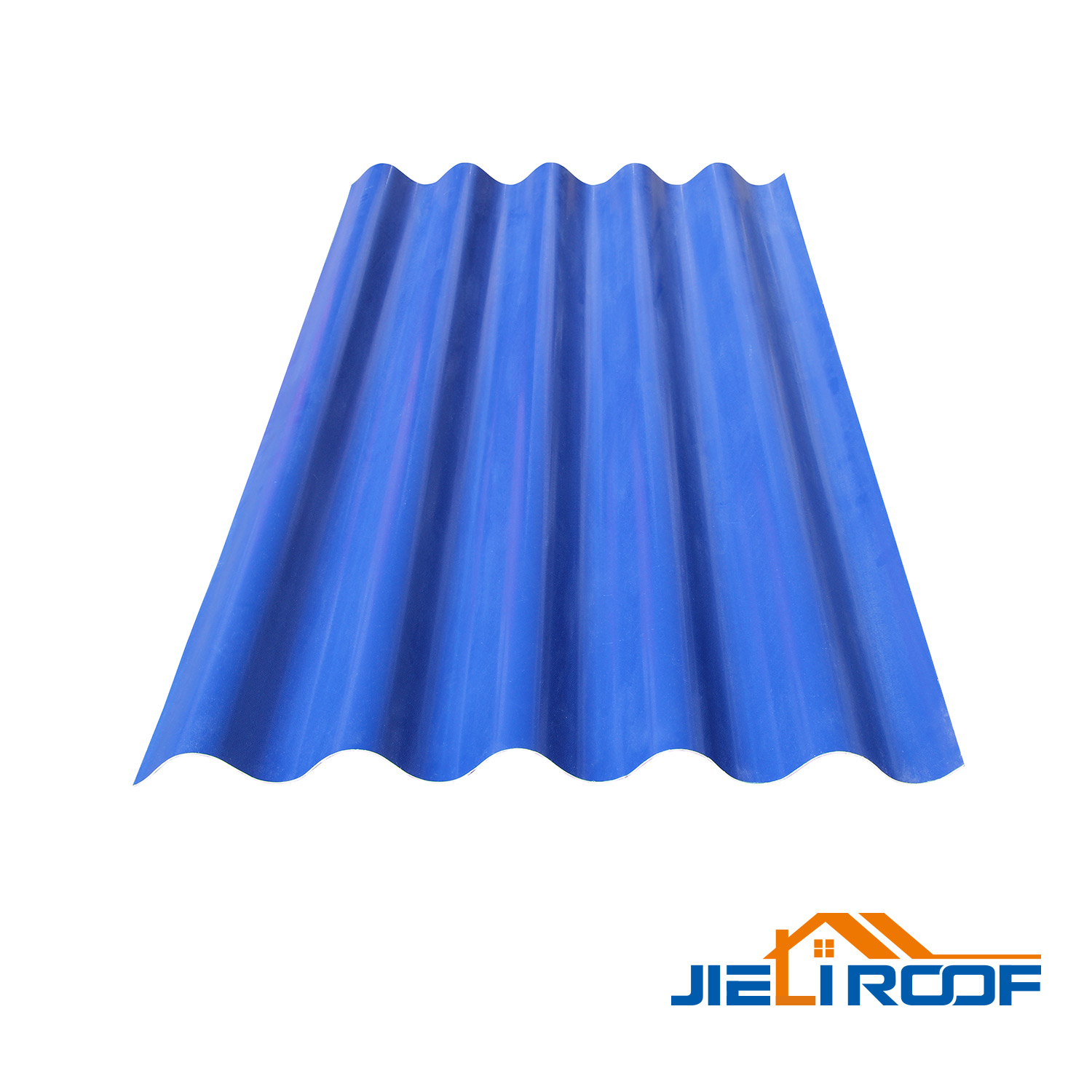
From the outside, a UPVC roof sheet looks like a shaped panel with a colored surface. Inside the factory, it is a formula product. A small change in raw material quality, mixing time, extrusion temperature, or additive balance can show up on the finished sheet.
Formula Work Takes More Than Buying Resin
Many new factories begin by sourcing PVC resin and separate additives. That route gives control, but it also creates many small decisions. The team must choose stabilizers, lubricants, modifiers, fillers, pigments, and sometimes weathering additives. Each decision affects flow, surface quality, sheet toughness, color, and outdoor performance.
A low-cost raw material plan may look good before production starts. During real runs, hidden costs appear through longer trials, repeated formula correction, machine cleaning, rejected panels, and slow output. This is why some manufacturers start asking for a PVC compound for UPVC roof sheets instead of building every formula from loose ingredients.
Batch Drift Shows Up In The Sheet
Batch instability is easy to spot after the line is running. One batch may extrude smoothly, while the next needs more adjustment. Sheet edges may become brittle. Color may shift between orders. A panel may look fine at first, then fail impact checks or show poor weathering after outdoor exposure.
The problem is not always the machine. Often, the formula carries too much variation. Ready material cannot remove every production check, but a stable PVC extrusion compound, selected as a PVC compound for UPVC roof sheets, gives the line a cleaner starting point and leaves fewer variables for the factory to chase.
Different Markets Do Not Need The Same Formula
Roofing markets rarely ask for one standard recipe. Climate, product positioning, building habit, color preference, and buyer budget all push the formulation in different directions. A factory selling into several regions soon learns that one formula may not be enough.
Hot, Sunny, And Humid Regions
Factories supplying Africa, the Middle East, Southeast Asia, or Latin America often need strong outdoor stability. Heat, UV exposure, sudden rain, and humid storage can challenge both processing and finished sheet performance. A formula for these regions may need better weather resistance, stable color behavior, and a processing window that does not become difficult during hot-season production.
Jieli PVC compound can be adjusted for market climate, product positioning, and production requirements. That makes a market-specific compound useful when a manufacturer wants to sell the same roof sheet family into different environments without rebuilding the formula from zero each time.
Standard Lines And Premium Lines
Some factories need a cost-sensitive UPVC roofing panel for local construction projects. Others want a higher-grade panel with stronger impact resistance, smoother surface quality, or better outdoor durability. If both lines use the same raw material plan, one side may suffer. The standard product becomes too expensive, or the premium product does not feel premium enough.
Using PVC granules for roofing sheet production allows the compound to be matched to the product tier. The factory can discuss saleable output, sheet thickness range, color stability, and target performance before production, instead of solving all of that on the shop floor.
Traditional Mixing Vs Ready-To-Use PVC Granules
Both production routes can work. The better choice depends on the factory’s experience, lab capability, staff stability, and tolerance for trial cost. The key is to compare the full production burden, not only the purchase price of raw materials.
In-House Mixing Gives Control But Adds Pressure
A mature factory with experienced technicians may prefer in-house mixing. It can adjust quickly, protect its own formula, and source additives from several vendors. That route, however, requires reliable testing, strong records, and production staff who know how each ingredient behaves during extrusion.
For a new plant, the pressure can be heavy. A formula change may affect output for days. If operators are still learning the line, they may blame the die, temperature, screw speed, or raw material separately without seeing how the formula ties them together.
Ready Material Gives A Cleaner Starting Point
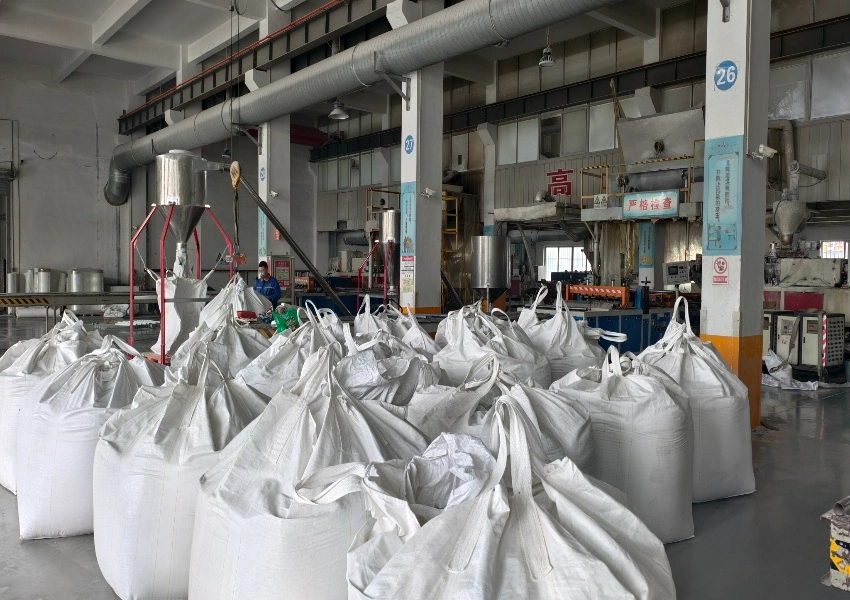
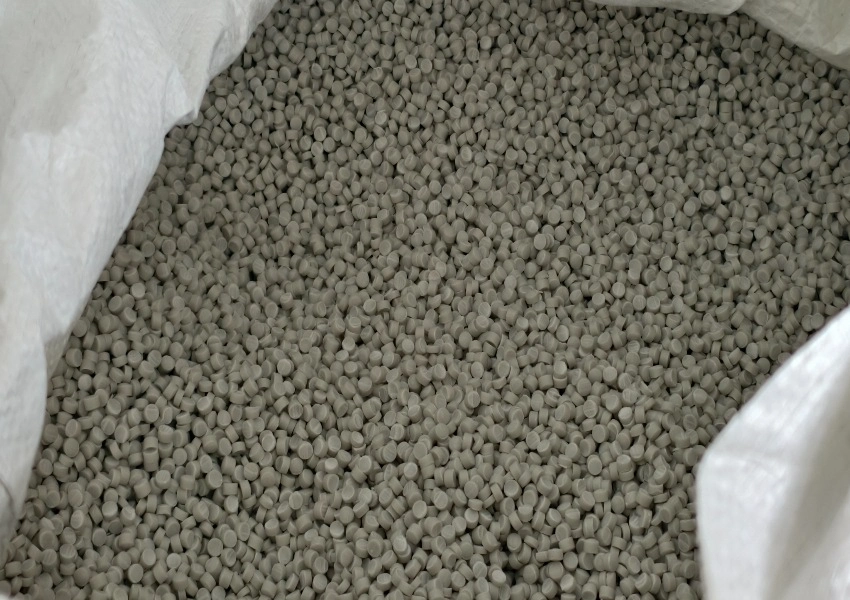
Ready-to-use PVC extrusion compound is made from PVC resin powder with a prepared additive formula, then processed through mixing, extrusion, and granulation. The granules are designed for direct use in production after normal line preparation. Jieli describes the material as uniform, easy to process, and suitable for synthetic resin roof tiles and UPVC roof sheets.
For buyers, the practical value is fewer loose ingredients, less formula pressure, and a more repeatable route into sheet production. The factory still needs trials. It still needs quality control. But the first production question changes from “how do we build the formula?” to “does this compound fit our sheet and market?”
How Customized PVC Compound Supports New Or Growing Factories
The strongest case for a compound is often found in factories that are changing. A new roof sheet line, a new market, or a new product tier can expose gaps in formula experience. A prepared compound helps shorten that learning curve.
For New Roof Sheet Lines
A new factory has enough work already: line setup, die matching, color approval, operator training, packaging, and customer samples. Building a stable formula at the same time can slow the launch. A prepared compound gives the team a tested material base for sheet trials, so the early work can focus on product shape, surface quality, customer samples, and saleable output.
This is especially useful for manufacturers that want to enter UPVC roofing panels quickly but do not yet have a deep formulation team. The compound supplier becomes part of the production support, not only a raw material seller.
For Existing Factories Adding New Products
An established PVC pipe or profile factory may want to add roofing sheets. The extrusion knowledge helps, but roofing panels bring different requirements. Outdoor weathering, panel stiffness, impact behavior, color stability, and sheet width control all matter. A formula that works for one PVC product cannot simply be copied into a roof sheet.
PVC compound / PVC granules for UPVC roof sheet production can support factories that are expanding from familiar PVC processing into roofing material production. Jieli also has long experience in roofing materials, so the discussion can include real roof sheet behavior rather than only resin and additive theory.
What To Check Before Choosing A PVC Compound Supplier
Compound buying should not be treated like a simple commodity purchase. The supplier’s formula knowledge, repeatability, and willingness to support trials can affect the factory’s waste rate and customer complaints later.
Trial Runs And Output Quality
Before a bulk order, test the compound on the actual extrusion line if possible. Check surface smoothness, color stability, sheet thickness, edge toughness, cooling behavior, output speed, and scrap rate during startup. PVC granules for roofing sheet production should be judged as a production material, not only as a bag of granules.
For UPVC and PVC roofing sheetplanning, the manufacturer should also decide whether the target is industrial, agricultural, commercial, or residential roofing. Those markets may use different colors, profiles, thickness positioning, and performance expectations.
Formula Support And Repeat Orders
A good PVC compound supplier should be able to discuss climate, product tier, production requirements, packaging, and repeat batch stability. Jieli has supply experience for customers in South Korea and Nepal, along with support for sample testing. The official product page also points to direct raw material control, mature formula work, and adjustment for climate and product positioning.
For manufacturers, the best purchasing decision is usually not the cheapest compound. It is the material that helps the factory produce saleable sheets more consistently. Jieli can be reviewed when buyers want both raw material support and roofing sheet manufacturing experience behind the formula.
FAQ
Q1: What is PVC compound used for in roof sheet production?
A1: It is used as a prepared raw material for UPVC roof sheets and synthetic resin roof tiles, helping factories reduce formula work and improve batch stability.
Q2: Is PVC compound only for new factories?
A2: No. It can help new factories start production faster and help existing factories add new UPVC roofing panel lines or adjust formulas for different markets.
Q3: What should manufacturers test before buying PVC compound in bulk?
A3: Test extrusion stability, surface finish, color, edge toughness, sheet thickness, impact behavior, scrap rate, and whether the formula fits the target climate and product tier.






 +86 0535 6278701 / +86 15653505862