HOME>NEWS>Cattle Barn Roof Panels: How TSP Steel Sheet Supports Corrosion Resistance and Thermal Stability
Cattle Barn Roof Panels: How TSP Steel Sheet Supports Corrosion Resistance and Thermal Stability
2026-07-28 04:16:13
SHARE TO:
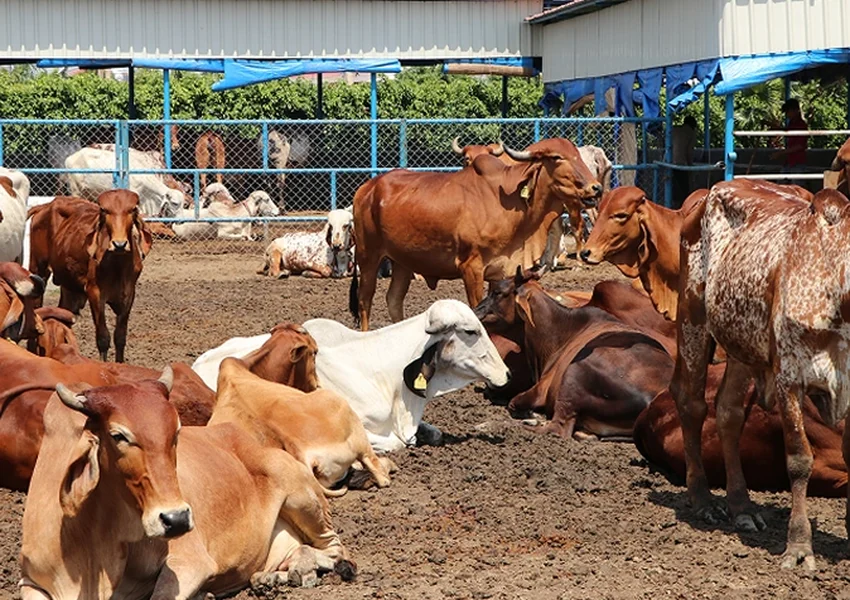
Cattle barns are a rough place for ordinary coated metal. Warm air carries moisture upward, manure gases keep moving through the building, and cleaning chemicals do not politely stay on the floor. A roof panel may look fine at installation, then slowly lose its coating at scratches, edges, fasteners, and laps. TSP Steel Sheet is aimed at that problem. It keeps the strength and familiar handling of a metal roof sheet but adds a modified polyester TSP film on both sides so the steel is better protected from barn chemicals and long-term rust.
Why do Cattle Barn Roof Panels Fail Before the Building is Old?
The short answer is chemistry. Barn air carries ammonia, moisture, hydrogen sulfide, organic acids, and dust. Add repeated washing and disinfectants, and the roof skin becomes part of a chemical exposure zone. Once corrosion starts, the owner is not just dealing with a color problem. Water tightness, panel strength, hygiene, and insulation value can all be affected.
Painted Steel has Weak Points
Color-coated or galvanized steel can work in many buildings, but cattle barns punish any weak spot. If the coating is thin, damaged, or uneven, the metal underneath becomes exposed. In livestock buildings, corrosive farm gases can cause ordinary steel sheets to rust within 3 to 5 years. For buyers comparing livestock roofing sheets, the question is not only whether a sheet is steel. The question is how the steel is protected against ammonia and cleaning chemicals.
Insulated Panels Need Protected Skins
Young animal housing, calf barns, and controlled-temperature areas often use insulated roof or wall panels. The insulation core does the thermal work, but the steel skins protect that core. If the skins corrode, moisture can enter, appearance drops, and the panel may no longer behave as expected. This is why corrosion resistance has to come before any broad thermal claim.
What Makes TSP Different From Ordinary ColoredSteel?
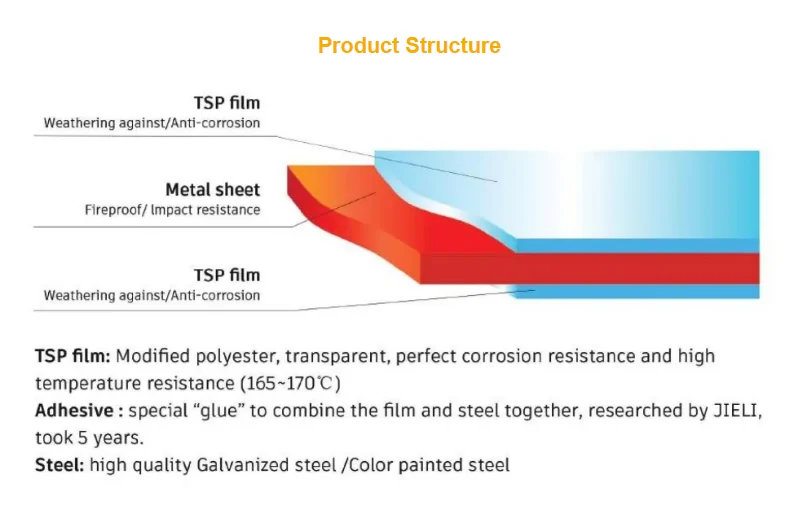
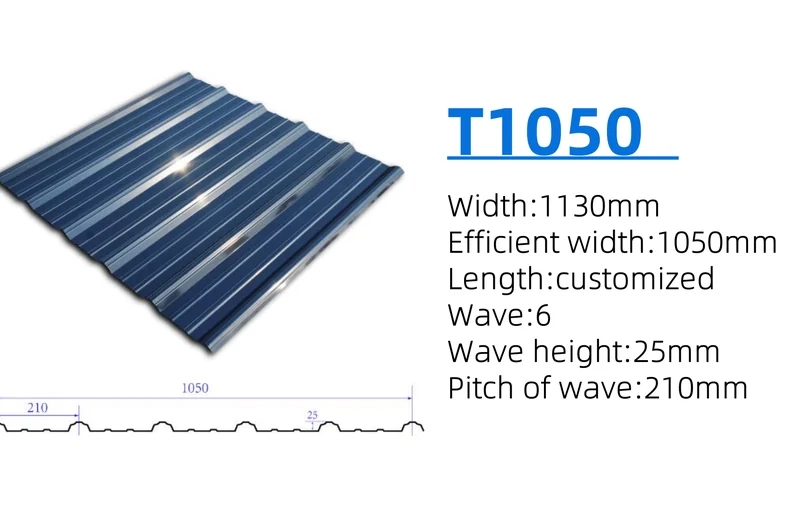
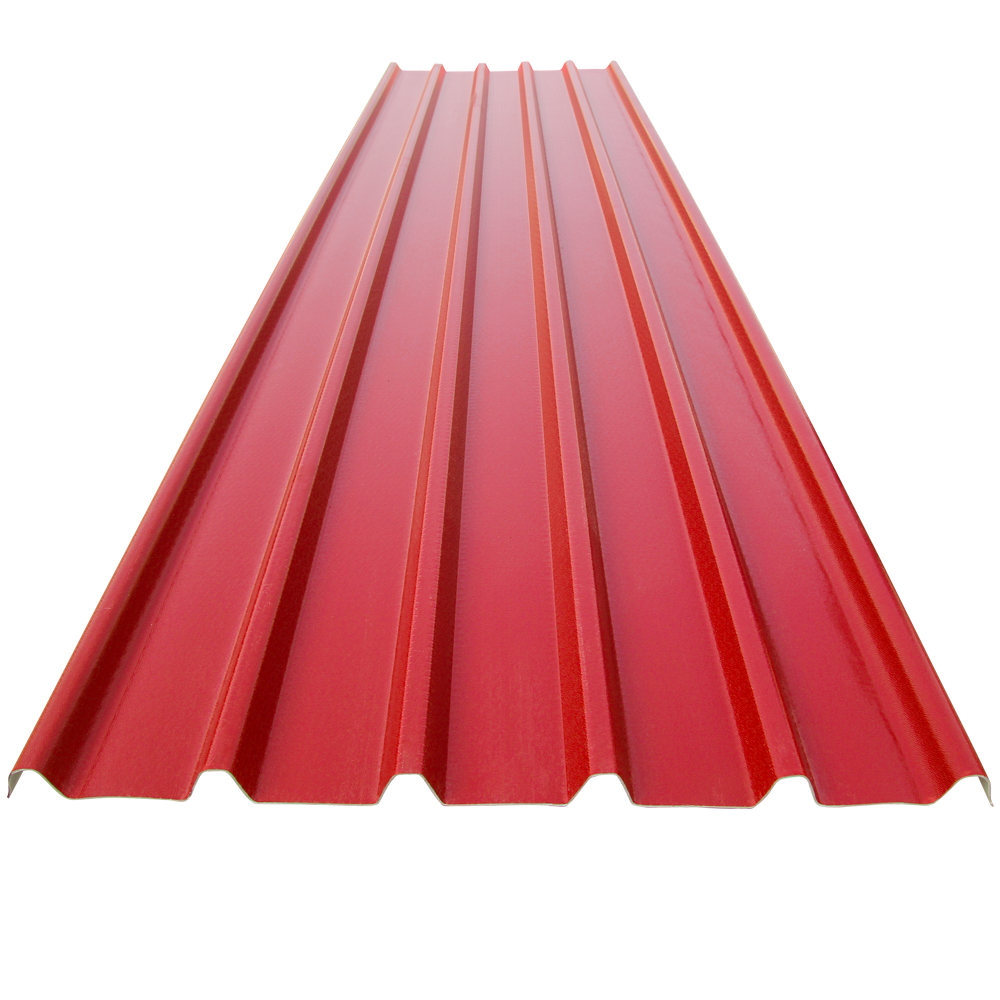
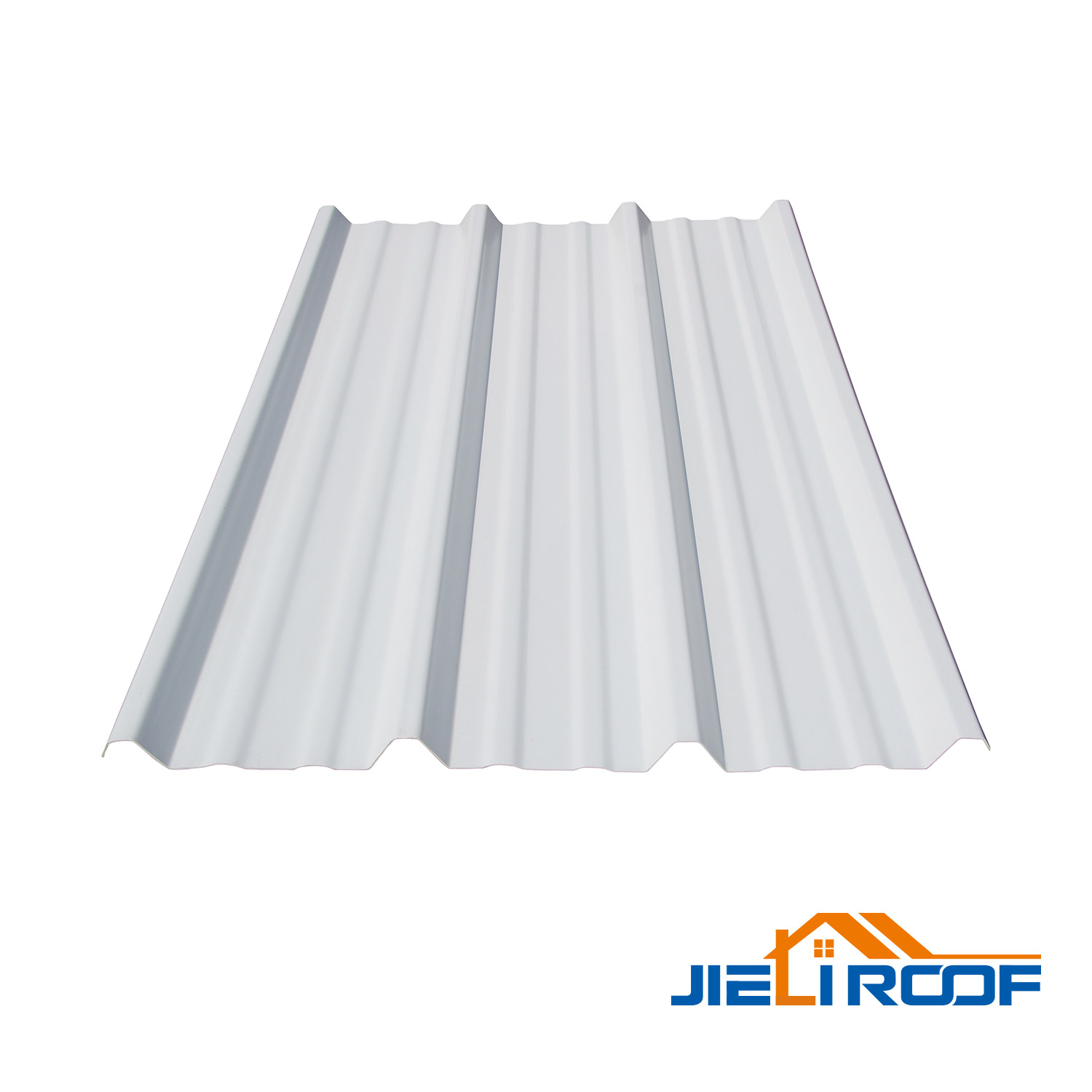
A TSP steel roof sheet is a metal sheet with TSP film coated on the surface and underside. The film is modified polyester, and the core is galvanized steel or color painted steel. This three-layer protection gives the roof sheet a continuous barrier against corrosion, rust, and chemical attack while keeping the strength of a metal roofing profile. It is not a plastic roof sheet, and its main advantage is not standalone heat insulation. TSP is a metal tile route for barns where ordinary steel fails too quickly. The TSP steel sheet trapezoidal 1050 profile lists 1130 mm overall width, 1050 mm cover width, customized length, and 0.5 mm to 0.8 mm thickness options.
How does TSP Resist Barn Chemicals?
The protective film is designed to keep aggressive air away from the steel substrate. TSP testing covers acids, alkalis, salts, ammonia, chlorine, and other harsh media. A key test point is 15% hydrochloric acid for 168 hours, with no cracks, gloss loss, corrosion, or bubbles on the sample surface. That is the kind of detail a cattle barn buyer should care about, because corrosion usually begins quietly and becomes expensive later.
Jieli gives TSP a 15-year warranty. That does not remove the need for good roof detailing, suitable fasteners, ventilation, and reasonable maintenance. It simply means the material starts from a stronger corrosion-resistance position than ordinary painted steel in ammonia-heavy or disinfectant-heavy environments.
Where does Thermal Stability Fit in a TSP Sandwich Panel?
This panel type should be specified honestly. The TSP-coated metal skins protect the panel from corrosion and moisture damage. The insulation core, such as rock wool in Jieli livestock roofing materials, provides the thermal and acoustic function. Put together, the system can support steadier interior conditions because the insulated panel is less likely to be weakened by rusted skins or damp core exposure.
That makes the TSP Sandwich Panel useful for calf housing, young animal areas, and barns where temperature swings create management pressure. The point is not that the TSP film alone insulates a barn. The point is that corrosion-resistant metal skins help the insulated assembly keep doing its job for longer.
What Should be Checked Before Choosing Farm Roofing Materials?
Cattle barn roofing should be specified from the exposure backward. Start with ammonia level, humidity, wash routine, disinfectant type, ventilation, panel span, and whether the roof is a simple sheet or part of an insulated system. A dry shed and a cattle barn should not be treated as the same project just because both use farm roofing materials.
During supplier review, ask whether the sheet is protected on both sides, what chemical testing is available, which warranty applies, and whether samples can be checked before bulk ordering. Jieli’s roofing sheet products include both UPVC and TSP routes. TSP is the coated metal choice for chemical corrosion resistance. For cattle barn projects that need metal strength plus better rust protection, Jieli roofing solutions can support profile matching and sample discussion before quotation.
For replacement jobs, it also helps to inspect where the old roof failed first. Rust near fasteners, lap joints, gutters, ridge areas, or the underside of the sheet tells a useful story. If corrosion began from the barn side, a stronger outer coating alone may not solve the problem. The project may need double-sided protection, better ventilation, and a panel choice that matches the cleaning chemicals used on site.
FAQ
Q1: Is the TSP metal sheet the same as UPVC roofing?
A1: No. TSP is a metal roofing sheet with modified polyester film on both sides. UPVC is a plastic roofing sheet. Their test conditions, warranty, and product advantages should not be mixed.
Q2: When does a cattle barn need a TSP Sandwich Panel?
A2: It fits barns that need insulation plus stronger protection against corrosion. The core provides thermal performance, while the TSP-coated skins help protect the panel system.
Q:3 What makes a TSP steel roof sheet useful for livestock buildings?
A3: It resists ammonia, acids, alkalis, salts, and disinfectant exposure better than ordinary painted steel. That makes it a practical option for livestock roofing sheets in humid cattle barns and other high-corrosion farm buildings.






 +86 0535 6278701 / +86 15653505862