HOME>NEWS>How to Plan Roof Sheet Specifications for Large Livestock Buildings
How to Plan Roof Sheet Specifications for Large Livestock Buildings
2026-08-03 12:25:36
SHARE TO:
Large barns rarely fail because a buyer forgot one single number. More often, the roof starts giving trouble because several small choices were treated as routine: cover width, sheet thickness, airflow under the ridge, cleaning chemicals, and the way humid air moves after a wash-down. For livestock roofing sheets, those details decide whether the building stays dry and calm or becomes a warm, noisy, corrosive space that needs early repair.
Start With the Building, Not the Sheet Catalog
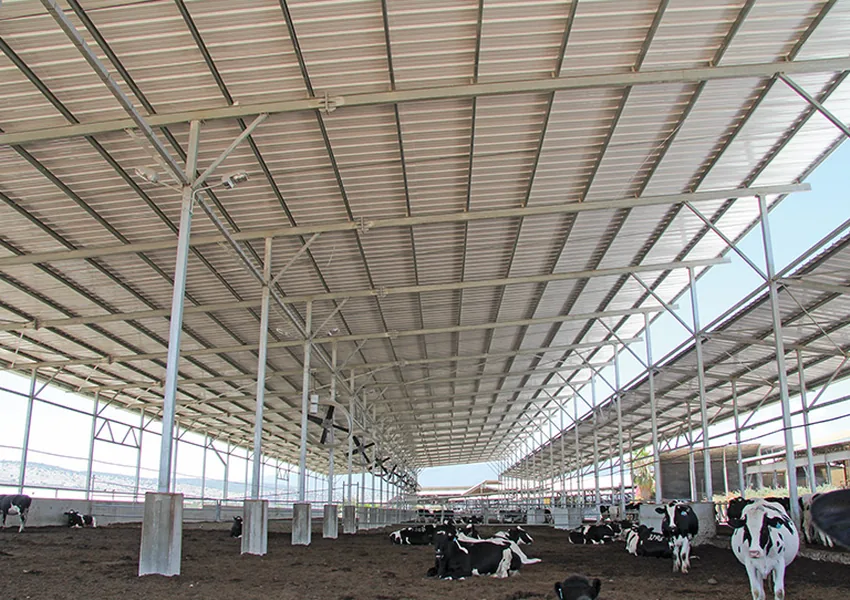
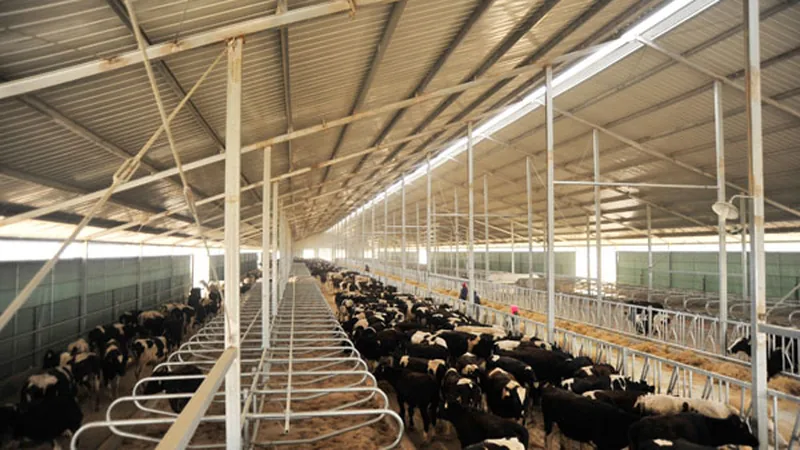
A roof sheet schedule for a 200-meter cattle barn should not be copied from a small storage shed. Large livestock buildings hold more warm air, more animal moisture, and more ammonia. The right farm roofing materials need to match that daily exposure before anyone argues about price per square meter.
Span, Cover Width, and Roof Length
Cover width looks simple on a quotation, but it changes the number of laps, fastener rows, and handling time on site. A wider profile can reduce lap quantity on a long roof, while a narrower one may be easier for contractors to carry around tight steelwork. Compare gross width, efficient width, and customized length together. A cheap sheet with more laps can become expensive once labor and leakage checks are counted.
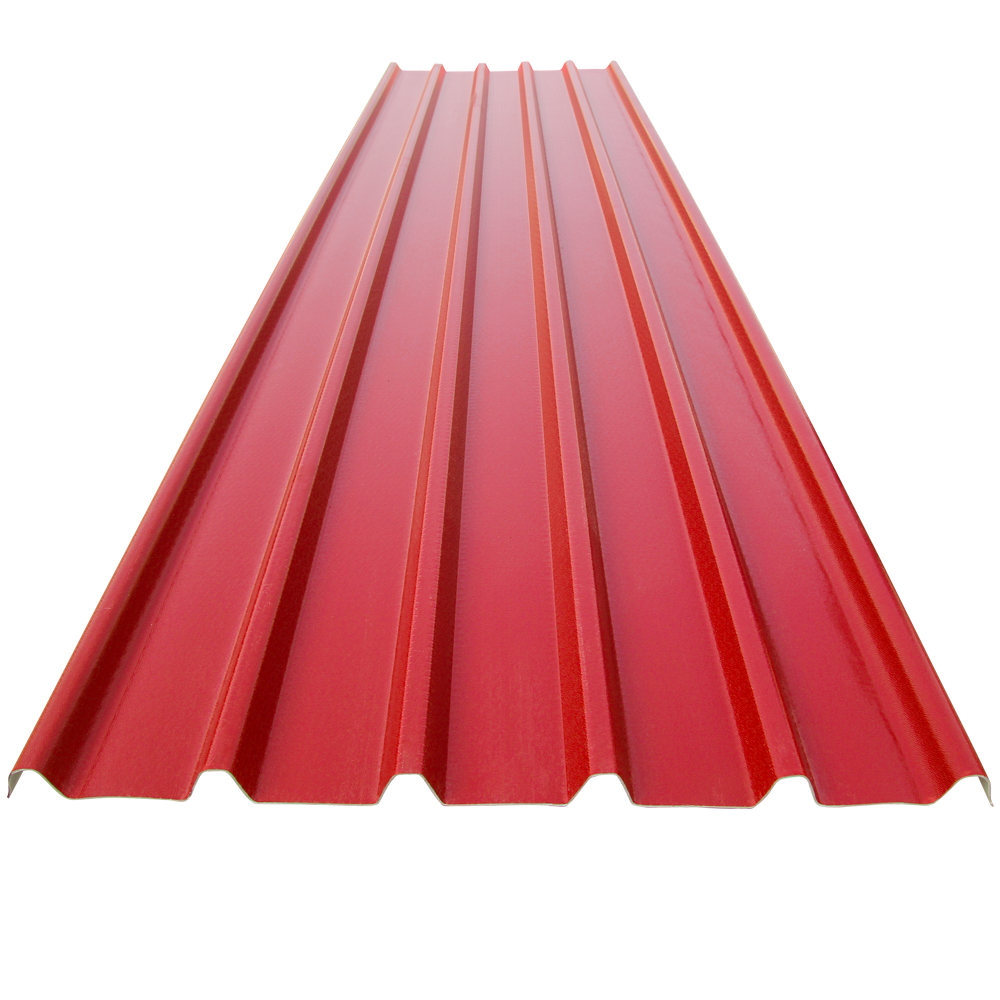
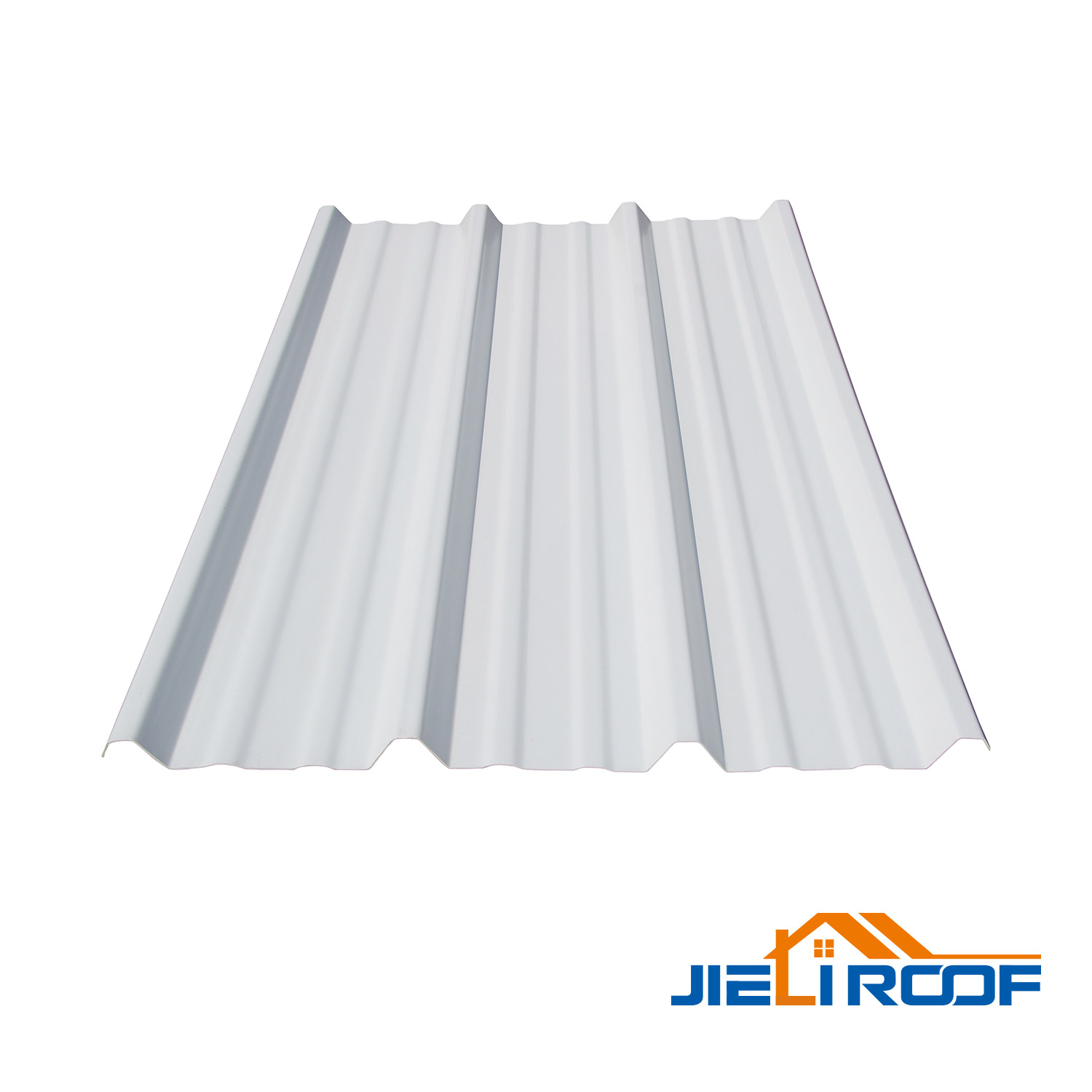
For wide cattle houses and mixed livestock sheds, theT1130 UPVC roof sheet gives a 1130 mm sheet width and 1050 mm efficient width, with customized length and common 2.0, 2.5, and 3.0 mm thickness options. It suits projects where wider coverage matters and the roof grid is already planned for a larger panel.
Thickness Should Follow Exposure, Not Habit
Many farms still buy by habit: the same thickness used in an old workshop gets repeated on a new barn. That shortcut is risky. A calf barn, wash bay side, or humid ridge zone sees different stress from a dry-feed warehouse. UPVC sheets are commonly selected in 2.0, 2.5, and 3.0 mm thicknesses, while thicker options can be considered for heavily corrosive areas.
Humidity, Ammonia, and Washdown Water Change the Roof Brief
A livestock roof lives above a chemical environment. Urine and manure release ammonia; warm air carries moisture upward; washdown water sends alkaline or disinfectant residue toward laps and edges. Livestock house humidity is not just a comfort issue. It is one reason ordinary metal sheets rust early near joints.
Corrosion Starts Where the Roof is Easy to Overlook
The first visible stain may show near a fastener, lap joint, or drip point after cleaning. By then the roof skin had already spent months in damp air. Corrosion-resistant roofing sheets should be judged by their behavior in ammonia pockets and cleaning zones. UPVC does not rust, and its chemical resistance is useful where acids, alkalis, and disinfectants touch the surface during farm cleaning. Jieli’s UPVC corrosion test reference is immersion in 10% sulfuric acid or 10% sodium hydroxide solution. That is the right kind of reference for an anti-corrosion roof sheet used around manure channels, wet alleys, and washing areas.
Heat and Condensation are Separate Checks
Heat transfer and condensation often get bundled into one sales claim. They need separate attention. UPVC has a thermal conductivity of 0.325 W/m.K, while steel is about 53 W/m.K, so the sheet slows heat transfer far better than bare metal. That matters for dairy sheds, where hot roof surfaces can push the indoor environment toward heat stress. Condensation also depends on ventilation, roof pitch, stocking density, and night-time temperature swings.
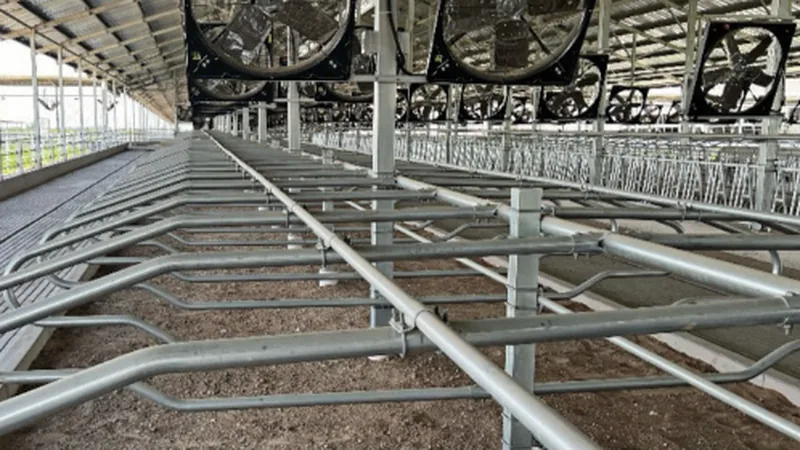
A buyer looking for an UPVC roof sheet for farm use should ask how the roof ridge, side openings, and ceiling or wall panels will move humid air. The roof material helps, but it cannot correct poor airflow by itself. In barns that are washed every day, the practical question is simple: after cleaning, do the lap joints and fastener areas dry out, or do they stay wet until the next milking cycle?
Match UPVC Profiles to Real Livestock Zones
No single profile should be pushed across every building on a farm. A dairy feed area, calf barn, equipment shed, and manure-side wash bay do different jobs. The roof plan should leave room for profile choice, thickness adjustment, and sample checks.
T940 For Common Farm Roofing and Controlled Layouts
The UPVC roofing sheetT940profile is often a practical starting point because it is Jieli’s top-selling UPVC profile. It has a 940 mm width, 880 mm efficient width, customized length, and 2.0, 2.5, or 3.0 mm thickness choices. For farm buildings with a regular purlin layout, it keeps the roof specification easy to price and repeat across multiple houses. T940 is also useful where buyers want familiar handling and a clearer quality comparison between suppliers. Check the sheet surface, wave shape, and cut edge on a sample. A roof that looks fine in the first week but later leaks around joints will create complaints for distributors and maintenance pressure for farm owners.
BW920:Where Reinforcement is Part of the Brief
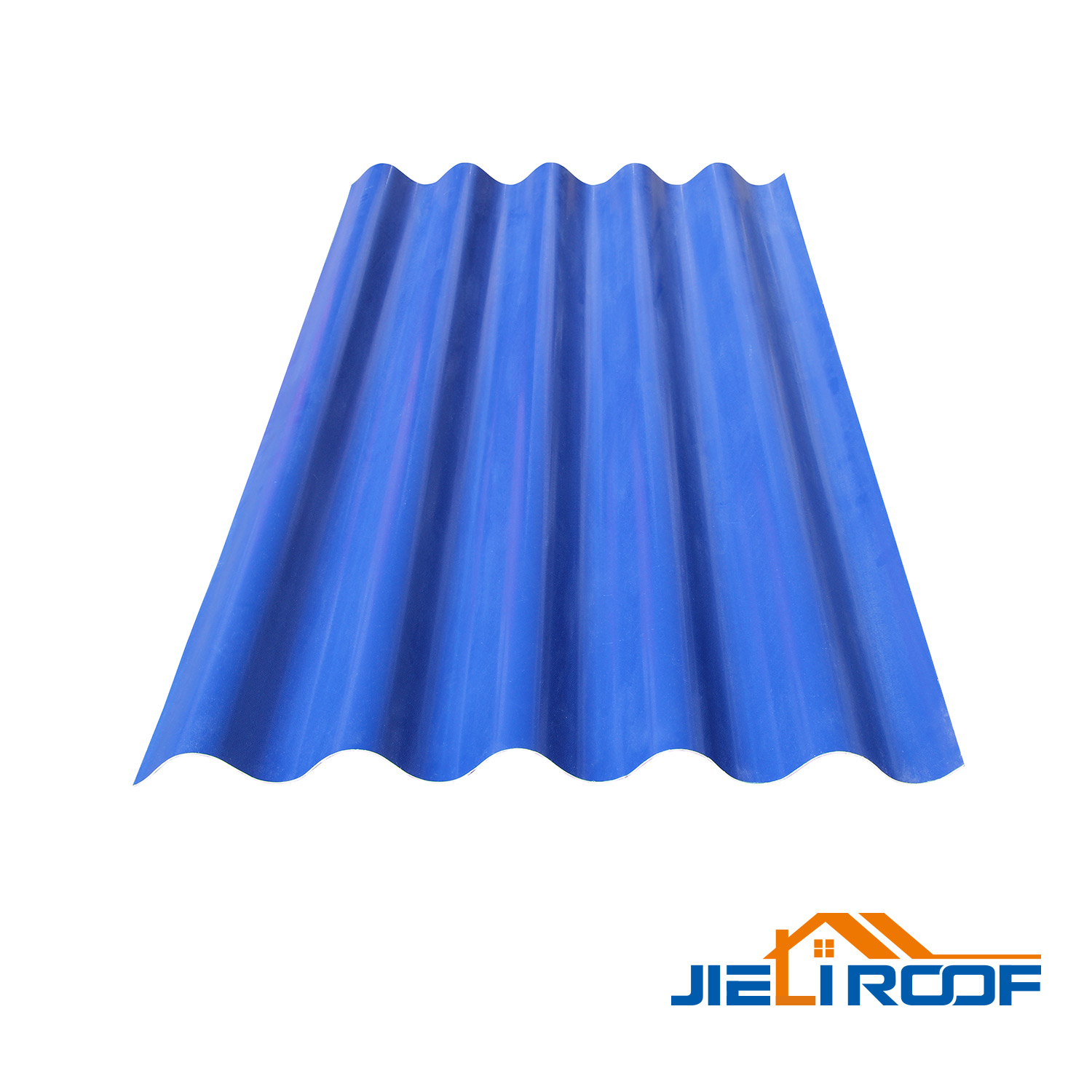
Some projects need a stronger UPVC option rather than just a thicker standard sheet. Glass fiber reinforced UPVC roof sheet BW920adds a glass fiber mesh layer inside the UPVC structure. The BW920 profile has a 920 mm width and 873 mm efficient width. It can be considered where impact resistance, tensile strength, load-bearing behavior, and weathering change resistance are more important than the lowest unit cost. For glass fiber reinforced UPVC, do not assume the same minimum-thickness logic as a standard UPVC roof sheet for farm use. Confirm the available specification with the supplier before putting it into the project schedule.
Cleaning, Noise, and Animal Comfort Should Be Written Into the RFQ
A roof RFQ that only asks for thickness and color leaves too much room for confusion. Large barns need a few field questions written into the inquiry: how often the building is washed, whether acidic or alkaline cleaners are used, where young animals are housed, and which areas collect warm, humid air. These details help suppliers recommend anti-corrosion roof sheet options without guessing.
Noise Matters More in Young Stock and Enclosed Houses
Rain noise is not just a comfort detail for people standing in the aisle. In enclosed houses and young-stock areas, sudden roof noise can affect feeding and rest. UPVC roof sheets can reduce noise by more than 30 dB compared with metal roofs, which is one reason they are used as farm roofing materials in barns, poultry houses, and mixed livestock buildings.
Check Samples Like a Buyer, Not Like a Brochure Reader
A good sample check is plain and slightly boring. Look at the surface gloss, edge density, wave consistency, and screw area after drilling. Put a small cut piece in the cleaning chemical used on the farm if the supplier allows it. For Jieli UPVC farm applications, the standard warranty scope is 8-10 years.
Where Jieli Fits in a Large Farm Roof Schedule
Jieli supplies UPVC and glass fiber-reinforced UPVC profiles for industrial and agricultural roofing, with 22 production lines and a product range that can support repeated project orders. Buyers comparing corrosion-resistant roofing sheets can use Jieli as a supplier reference point, then request samples and project-specific confirmation for profile, color, length, and warranty. For large livestock buildings, the most useful specification is usually not the most complicated one. It is a roof plan that links the animal zone, corrosion exposure, ventilation behavior, and cleaning routine to a real product. The UPVC and PVC roofing sheet range can support roof, wall, and ceiling decisions when buyers want the same material logic across several farm buildings.
Before ordering, send the roof span, house length, purlin layout, cleaning routine, target service environment, and livestock house humidity concerns. Ask for a cut sample, color sample, and written warranty note. That small paperwork step prevents later arguments when several barns need the same livestock roofing sheets across phases.
FAQ
Q1: What thickness is usually suitable for UPVC roofing in large livestock buildings?
A1: Common UPVC roof sheet thicknesses are 2.0, 2.5, and 3.0 mm. Higher exposure zones, such as humid cattle houses or chemical wash areas, may need thicker options after sample and project review.
Q2: Is UPVC a good anti-corrosion roof sheet for barns with ammonia exposure?
A2: Yes. UPVC does not rust and is suitable for ammonia, moisture, and cleaning-related corrosion. For Jieli UPVC, corrosion resistance is checked with a 10% sulfuric acid or 10% sodium hydroxide immersion reference.
Q3: Which Jieli profiles can be checked for a large farm roofing project?
A3: T940 is a common UPVC profile, T1130 gives wider efficient coverage, and BW920 adds glass fiber reinforcement. Buyers can request samples before confirming the full roof sheet schedule.






 +86 0535 6278701 / +86 15653505862