HOME>NEWS>Why Livestock Farm Roofs Rust From the Inside Before Buyers Notice Leaks
Why Livestock Farm Roofs Rust From the Inside Before Buyers Notice Leaks
2026-09-15 00:00:59
SHARE TO:
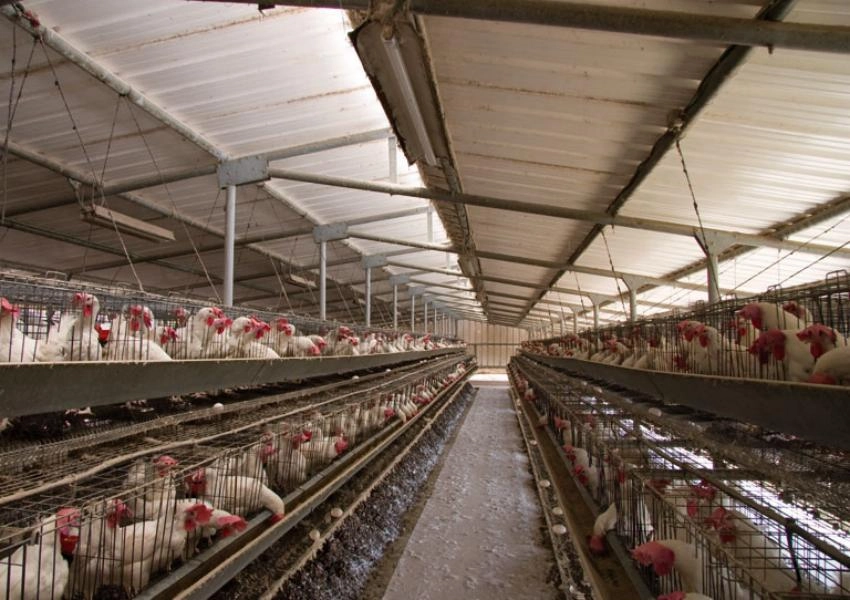
A livestock roof can look sound from the yard while the real damage is already forming underneath. The outer paint may still be intact. Inside the shed, however, warm air rises, moisture settles beneath laps, and ammonia stays trapped around fasteners and ridge details. By the time a visible stain or drip appears, the roof may have been corroding for far longer.
Why The Underside Fails First
The underside is exposed to a different environment from the outer roof face. Sun and rain are obvious outdoors. Inside, the roof has to deal with animal heat, wet air, washdown residue, and corrosive gas that does not disappear when the weather clears.
Warm Air Carries Moisture Upward
In cattle sheds, poultry houses, and pig barns, indoor air carries moisture from animals, bedding, drinkers, manure, and cleaning. It moves upward and meets a cooler roof surface. Condensation then forms where air circulation is weak. Metal panels can remain damp on the underside even after the floor has dried.
This is a common start point for farm roof corrosion. The wet line is often hidden above insulation, near ridge zones, at roof-to-wall junctions, or behind purlin shadows. A buyer checking only the external sheet surface can miss it completely.
Ammonia Finds The Small Gaps
Manure and urine release ammonia and other corrosive gases. This ammonia-corrosion roofing problem becomes worse when the gases sit with damp air, allowing ordinary colored steel to corrode at scratches, screw holes, cut edges, and overlapping joints. The damage is rarely even. One bay stays clean while another develops discoloration along a fastener line.
That pattern explains why inside roof rust often becomes visible only after a leak. Water is the final symptom, not the first event. The earlier signs are peeling coating, rusty screw heads, brown marks on insulation, and damp spots that return after washing. In a crowded livestock building, inside roof rust can stay hidden until a routine inspection catches it.
What A Hidden Corrosion Check Should Include
A proper roof inspection does not need to be theatrical. It needs to look beyond the points that are easy to reach. The aim is to find moisture paths before they become panel replacement work.
Look At Laps, Fasteners, And Ridge Areas
Start with fasteners, side laps, eaves, ridge joints, and roof penetrations. These are places where a small break in a metal coating can lead to localized corrosion. Inspect from inside after a wash cycle or after a humid morning, when dampness is easier to identify.
If insulation has dark patches, compression marks, or a persistent musty smell, the roof cavity deserves a closer look. Those signs do not automatically prove a leak, but they are a good reason to check the metal surface above it.
Separate Condensation From Rain Entry
Rain entry tends to follow a defect and may worsen during storms. Condensation often appears over a wider area and is linked to indoor humidity, temperature shifts, and limited airflow. Both can make metal deteriorate, but the repair decision is different.
For livestock roof maintenance, that distinction matters. A sealant repair may help a localized rain path. It will not solve a roof material that stays in a corrosive, wet indoor atmosphere season after season. Good livestock roof maintenance also records where ammonia-corrosion roofing conditions are strongest, so the next material choice follows evidence instead of guesswork.
Why UPVC Changes The Risk
A change of material is worth considering when corrosion is recurring, not simply when the roof looks old. UPVC does not rely on a painted metal face to remain intact, so it avoids the basic rust mechanism that causes many internal roof failures.
Chemical Resistance Suits Livestock Interiors
An UPVC roofing sheet is inert against the ammonia-heavy conditions found in livestock areas and does not rust. The project test record lists no change after soaking in 5% sulfuric acid or 5% sodium hydroxide solution. That gives purchasers a relevant reference point for farms using acid or alkaline cleaning routines. The UPVC warranty is 8-10 years. With the right application and maintenance conditions, its normal service life can be longer.
Heat And Noise Are Practical Extras
Corrosion is the main reason many farms move away from thin metal in wet animal areas, but heat transfer also affects the choice. UPVC thermal conductivity at about 0.325 W/m. K. This can help reduce rapid heat transfer through the roof in hot periods. The material also has a sound reduction figure around 30 dB. That does not remove the need for sensible building design, yet it can make heavy rain less disruptive than it is under bare metal roofing.
Choose A Profile Around The Building Layout
Profile and size should follow the roof geometry, purlin arrangement, ventilation details, and cleaning zones. A reasonable sheet choice is more useful than chasing a familiar model name without checking how the building actually works.
Use T940 For A Balanced Farm Roof Layout
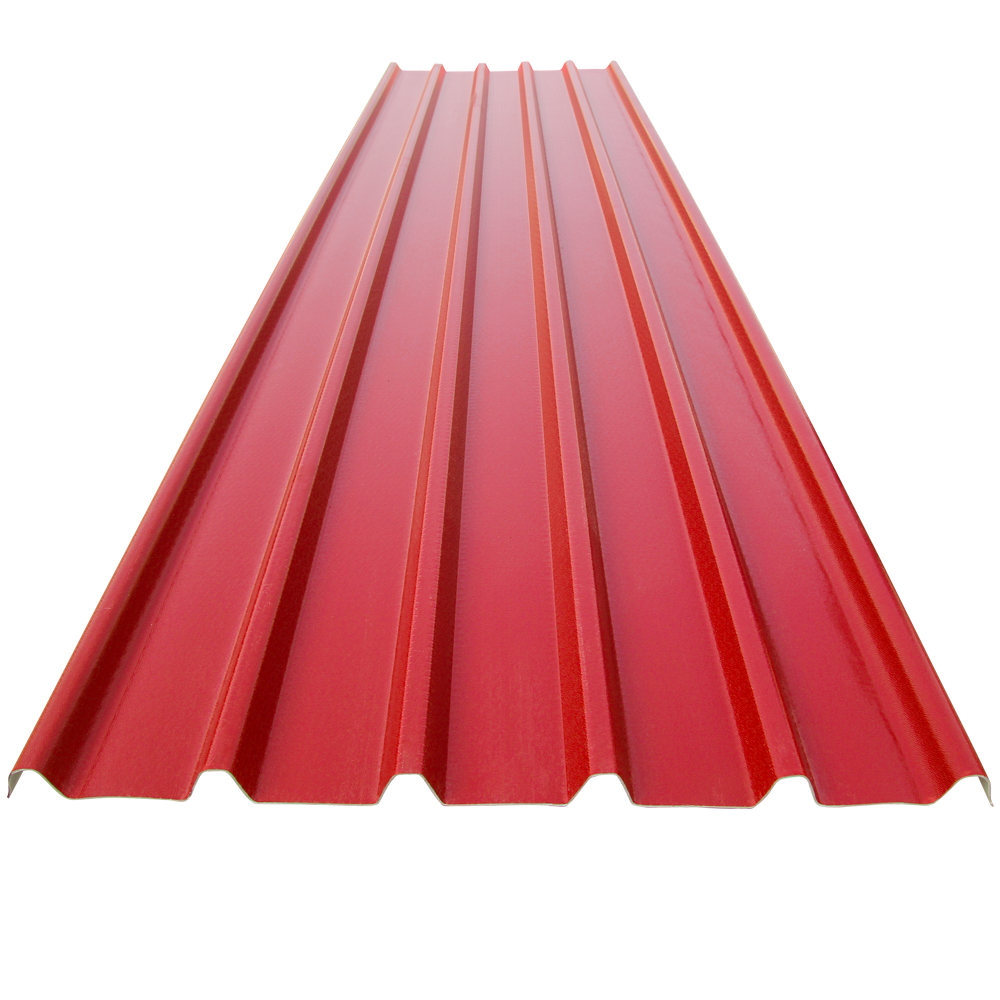
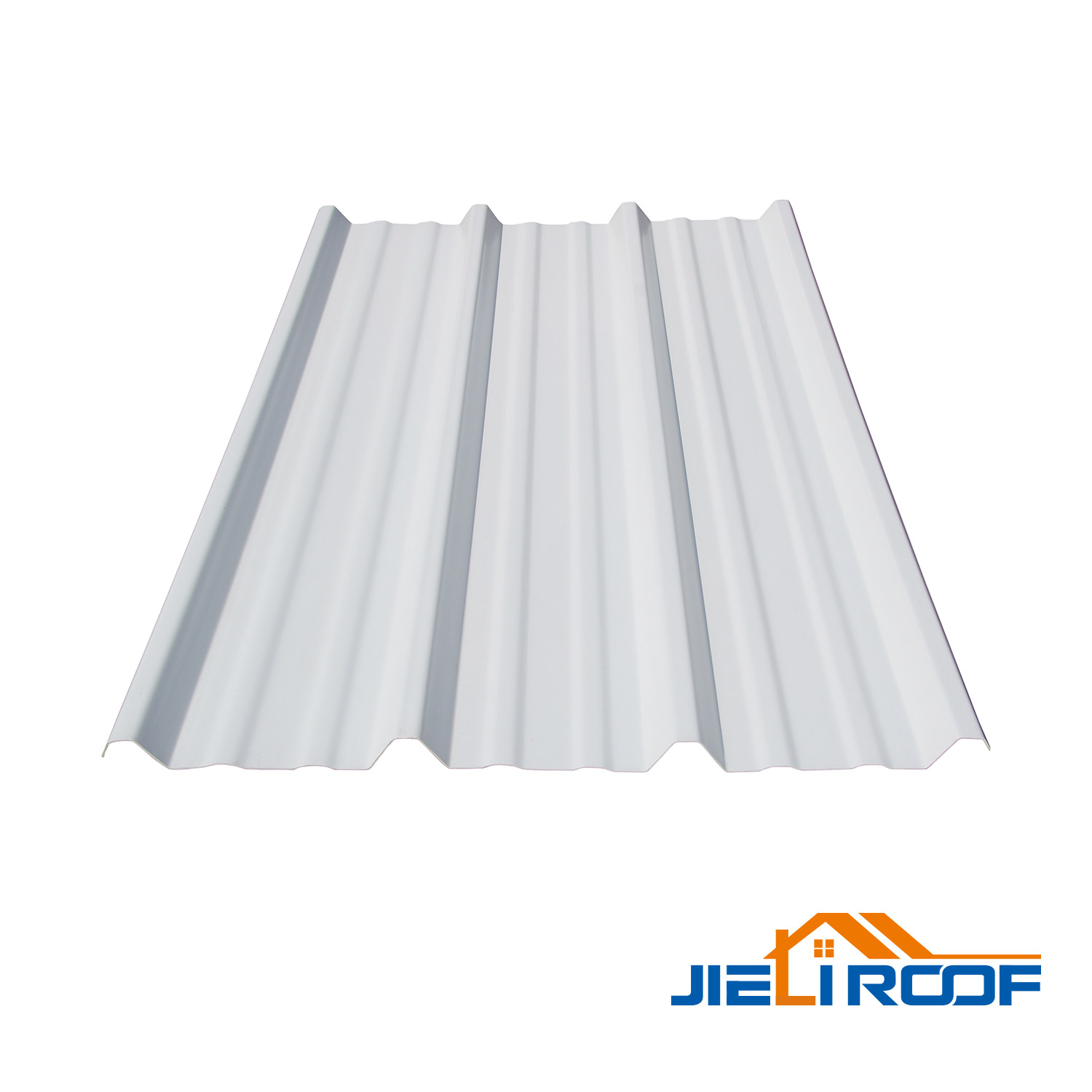
The T940 UPVC roof sheet has a listed width of 940 mm and an efficient width of 880 mm. Customized lengths and common 2.0 mm, 2.5 mm, and 3.0 mm options give buyers a practical starting point for medium roof areas. It is often a sensible profile to review where laps, handling, and coverage need to stay balanced.
Samples should be checked where the farm has its hardest conditions: the damp side of a dairy shed, the wash bay edge, or a poultry ridge that stays humid. A clean sample review is more useful than an abstract claim about durability.
Use Wider Or Reinforced Profiles Where Needed
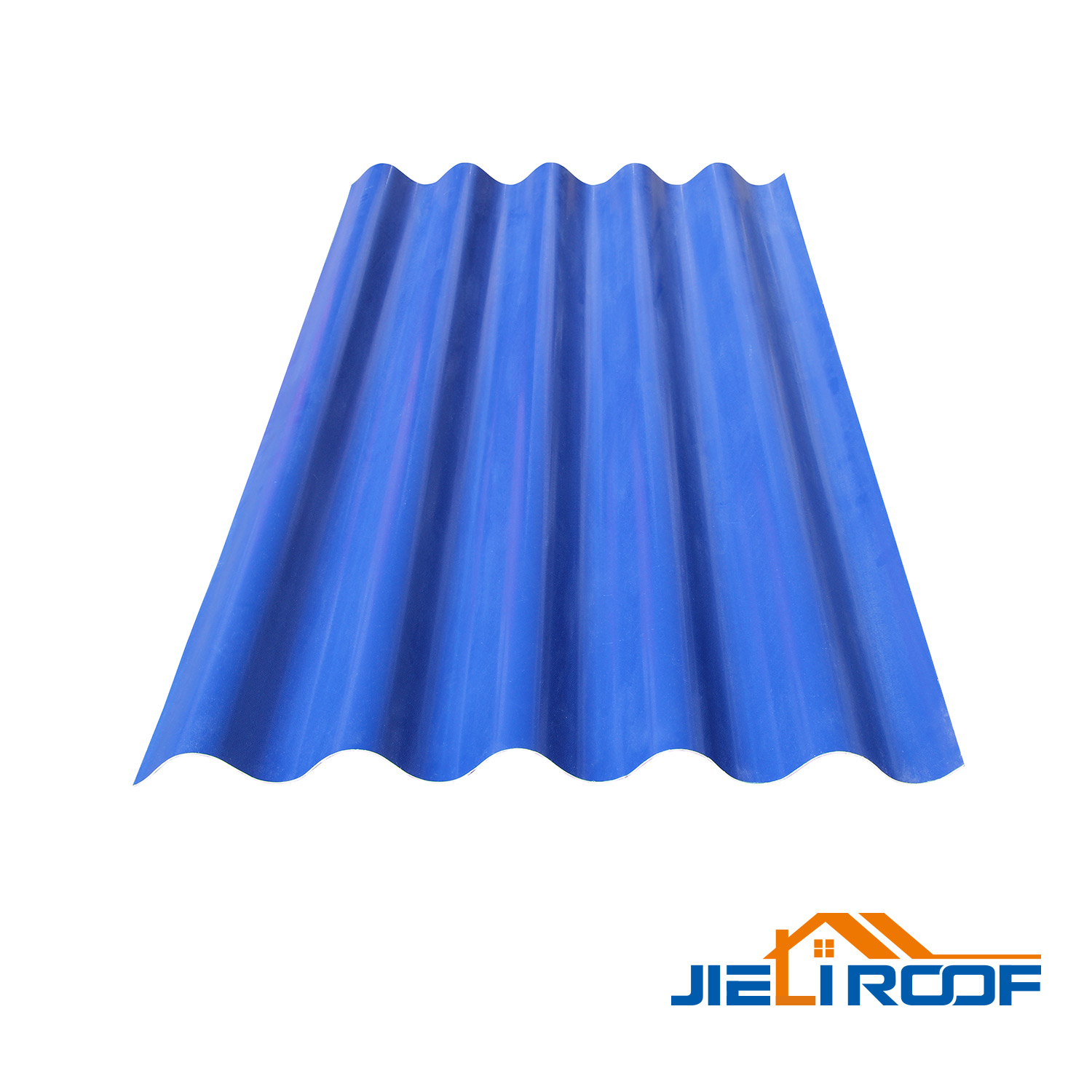
The T1130 UPVC roof sheet has a listed width of 1130 mm and an efficient width of 1050 mm, making it relevant for broader roof planes. For applications that require a reinforced structure, the BW920 glass fiber reinforced UPVC roof sheet can be used. These are product-fit questions, not a promise that one profile solves every farm. The sheet must still match the project conditions and the roof system selected by qualified contractors.
Make Maintenance Part Of The Purchase Decision
A low purchase price can hide the real cost of a roof that needs repeated patching, repainting, or panel replacement. The inside of the building is where that cost often starts to accumulate.
Ask For Evidence Around The Wettest Zone
Before ordering, identify the zones exposed to the most wash water, ammonia, and condensation. Ask for profile dimensions, thickness options, the 8-10 year UPVC warranty wording, and material samples that can be reviewed against those conditions. Buyers can also compare Jieli roof products for roof, ceiling, and wall applications instead of treating every panel as interchangeable.
Jieli has 22 production lines and a product testing capability, but the useful purchasing conversation remains concrete: which area is humid, where does cleaning spray reach, and which roof details have failed before.
Do Not Wait For The First Drip
A roof does not need to be leaking visibly before the material choice deserves review. If the underside is rusting, the structure is already carrying a maintenance burden. A corrosion-resistant UPVC roofing sheet can remove that particular failure path from the farm’s next roof cycle. The goal is not a maintenance-free building. It is a roof that is less likely to surprise the farm after a humid season or a demanding cleaning schedule.
FAQ
Q1: Why does farm roof corrosion often begin on the underside?
A1: Moisture, ammonia, washdown residue, and poor air movement can stay beneath the roof longer than rain stays on the outside surface.
Q2: Can an UPVC roofing sheet be used in ammonia-heavy livestock buildings?
A2: It is suited to corrosive livestock conditions because UPVC does not rust, and the project material includes acid and alkali soaking records.
Q3: What should be inspected before replacing a livestock roof?
A3: Check fasteners, laps, ridge areas, insulation staining, recurring damp spots, cleaning exposure, profile requirements, and the warranty wording.






 +86 0535 6278701 / +86 15653505862