HOME>NEWS>Can UPVC Roof Sheet Reduce Heat Stress in Dairy Cattle and Sheep Housing
Can UPVC Roof Sheet Reduce Heat Stress in Dairy Cattle and Sheep Housing
2026-09-20 00:00:11
SHARE TO:
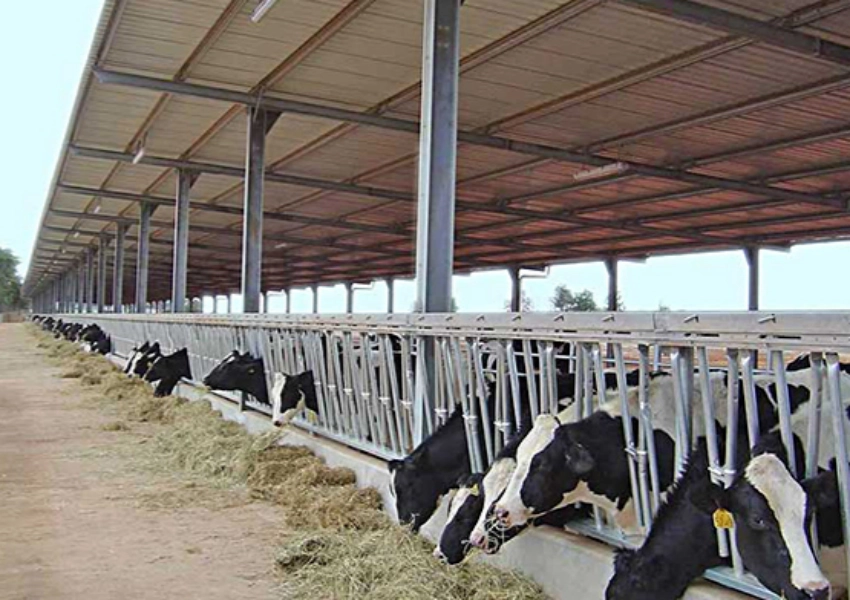
A dairy barn can feel hot long before a thermometer at animal height captures the whole picture. Solar gain through the roof, still air under the ridge, wet floors, animal density, and the timing of feeding all add pressure. Sheep housing has a different rhythm, but a low roof over a crowded pen can create the same problem: warm air sits where the animals live and rest. A sheep housing roof needs the same close look at overhead heat and air movement. A roof sheet cannot replace shade, water, air speed, stocking control, or a sound ventilation design. It can, however, stop the roof from adding as much heat to an already difficult day.
That distinction matters when dairy barn roofing is specified. A buyer who expects a sheet alone to solve heat stress will be disappointed. A buyer who treats the roof as one part of the building envelope can make a far better choice. The material, its profile, the light level below it, and the path for hot air to leave the building should be considered together.
Why A Metal Roof Can Add To The Summer Load
Ordinary metal roofing heats quickly in direct sun and transfers that gain to the air below. In an open cattle shed, the issue is often most obvious over feed alleys and holding areas where cows stand for longer periods. In sheep sheds, it can show up beneath a low eave or in a sheltered bay where cross-ventilation is weak. The result is not always dramatic at first. Contractors may notice hotter steel, a warmer underside, or more moisture on the inner face after a humid night before the farm connects those signs to animal comfort.
For a heat insulation roofing sheet, the useful question is how readily the material conducts heat. UPVC has a thermal conductivity of about 0.325 W/m. K. Steel is commonly cited at about 53 W/m. K. That large difference does not predict a fixed indoor temperature drop because roof color, shade, insulation, vent openings, barn width, and weather all matter. It does explain why a UPVC layer can reduce the direct conductive heat path compared with exposed steel. In that limited but important sense, it is a practical heat insulation roofing sheet for a ventilated livestock building.
Keep Air Movement Separate From Insulation
Roof selection is often tangled up with ventilation decisions. They are related, yet they do different jobs. UPVC slows heat transfer through the roof surface. Ridge openings, sidewall inlets, fans, and the clear route across the building move hot air and moisture away. In a dairy shed, a roof with lower heat transfer but a blocked ridge still leaves stale air overhead. In a sheep house, wide side openings can be useful only when rain protection and animal grouping are also handled properly. The practical brief needs both a roof material decision and an airflow decision.
What UPVC Adds In Wet And Corrosive Housing
Summer heat is rarely the only roof problem on a livestock site. Wash-down areas, humid ridge zones, manure gases, and frequent cleaning put a second demand on the sheet. Steel may be exposed first at cut edges, lap joints, scratches, and fastener areas. UPVC does not rust, and its smooth surface is suited to routine cleaning. In the relevant chemical-stability checks, UPVC samples were soaked in 5% sulfuric acid or 5% sodium hydroxide solution without a reported change. For a UPVC roof sheet for farm use, that is a useful material reference, not a reason to skip checking the chosen disinfectant, concentration, dwell time, and local cleaning practice.
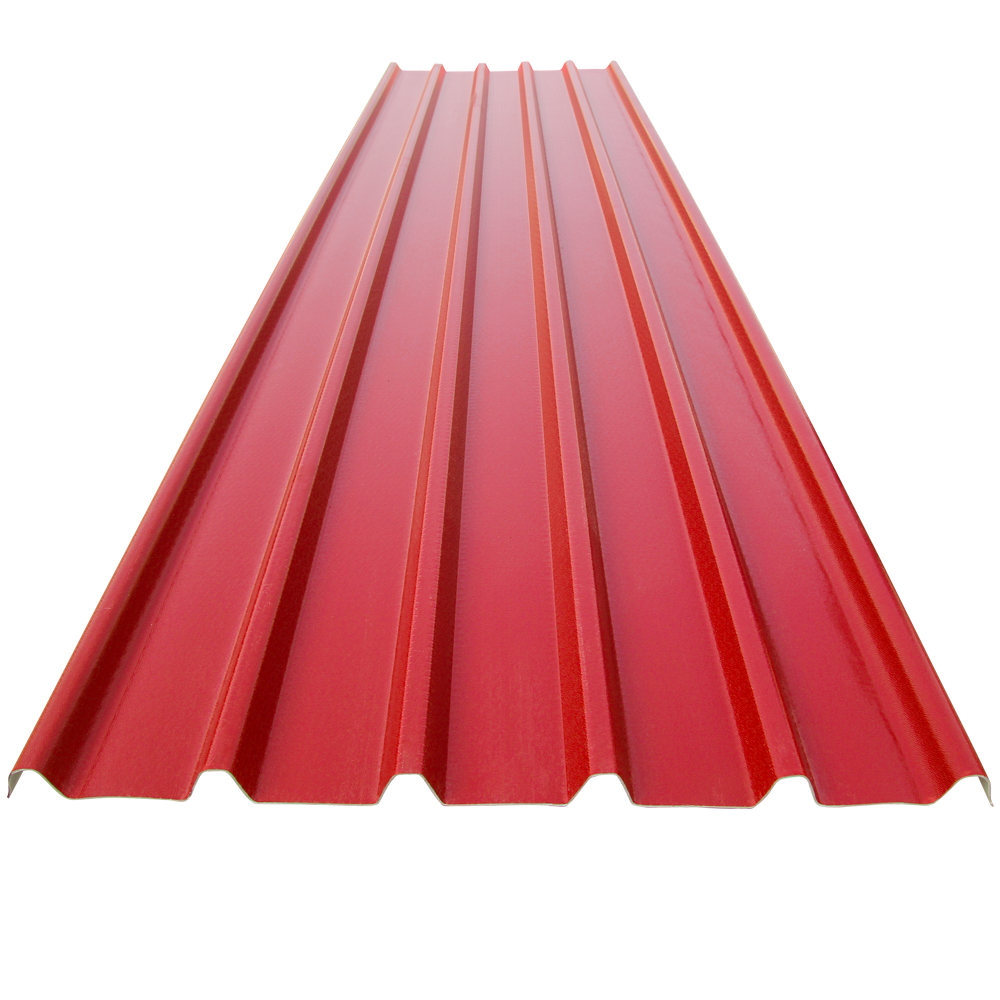
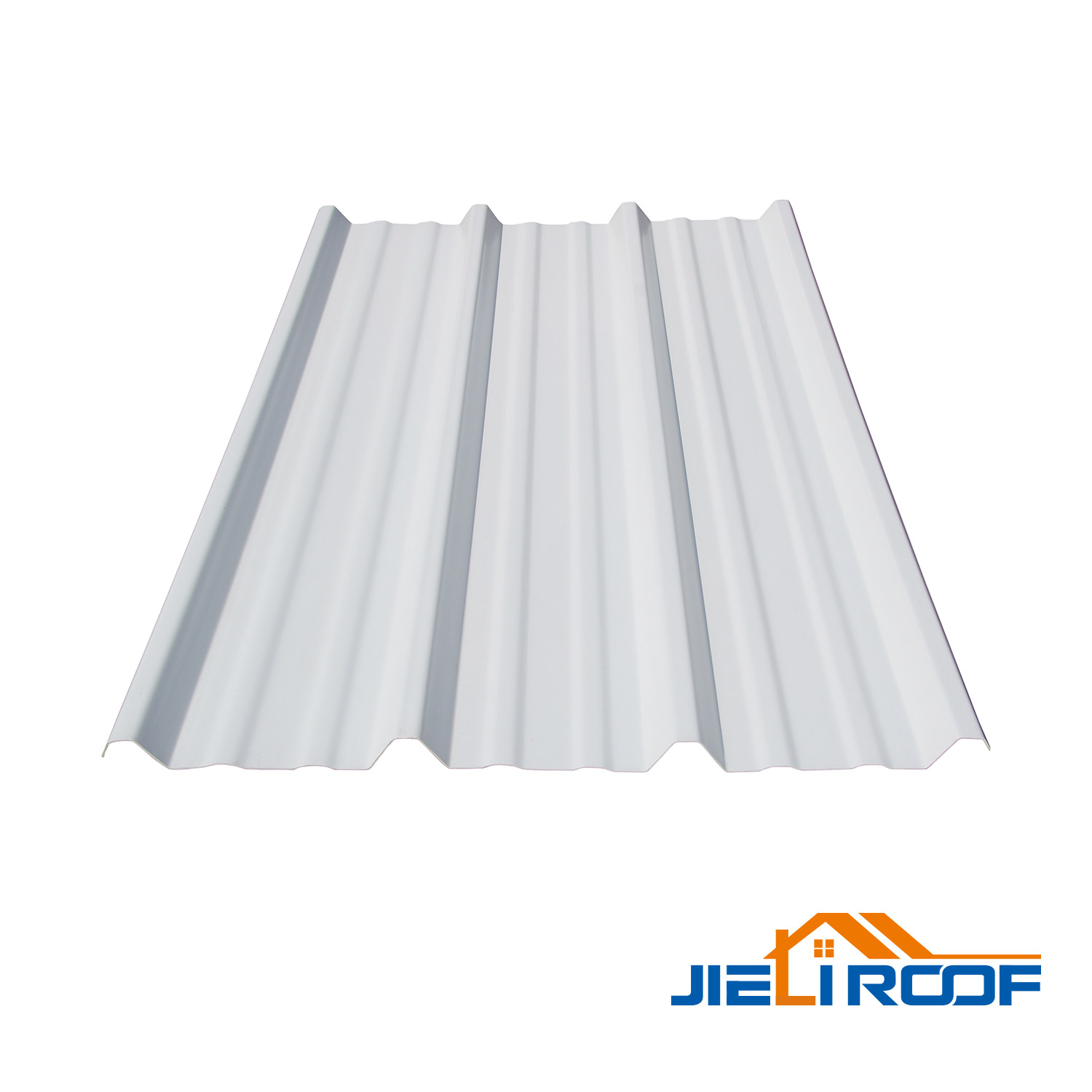
For dairy barn roofing, that corrosion resistance can be as valuable as the thermal property. The wet side of a milking or wash area tends to expose weak points sooner than a dry storage shed. A T940 UPVC roofing sheet gives a 940 mm overall width and 880 mm effective cover, while the length can be tailored to the roof layout. On a longer roof run, reducing unnecessary end laps is often worth discussing with the sheet supplier and the project designer.
Choose The Profile Around The Building, Not A Generic Farm Label
A narrow cattle shed, a high-clearance dairy unit, and a sheep shelter do not need the same profile simply because all three keep livestock. The T1130 UPVC roofing sheet provides 1,130 mm overall width and 1,050 mm effective width, so it may suit layouts where a wider cover and fewer sheet runs make sense. T940 and T1130 are commonly offered in 2.0, 2.5, and 3.0 mm options. Thickness should be selected against span, fixing pattern, roof geometry, local load requirements, and the supported system details rather than chosen by habit.
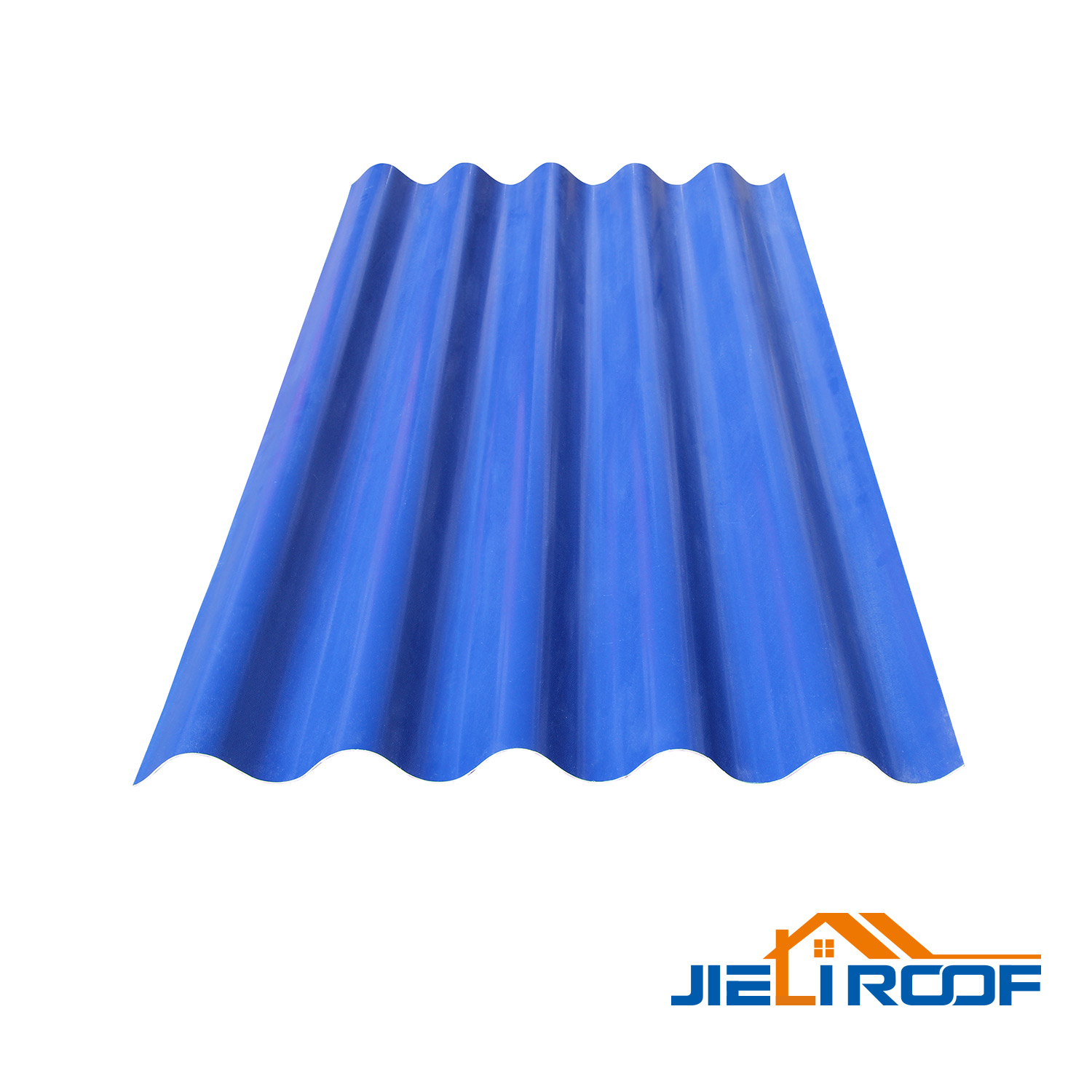
Where a project needs added rigidity in a hot location, glass–fiber reinforced UPVC roof sheet BW920 uses a reinforced construction and is supplied in 2.5-4.0 mm total thicknesses. Its glass-fiber mesh is meant to support strength and dimensional stability. Standard UPVC warranty coverage is 8-10 years.
The Checks That Prevent A Good Sheet From Becoming A Poor Roof
A roof material performs in a system, not as a sample on a desk. Before an order is placed, the farm owner, designer, and contractors should look at the building as it operates after washing, at midday, and during a humid morning. The following checks keep the conversation grounded.
First, inspect the ridge and sidewall route for hot, moist air. A lower-conductivity sheet cannot compensate for an outlet that has been closed by later alterations. Next, map where wash water, disinfectant mist, and ammonia-rich air reach the roof underside. Those locations deserve attention at laps and around fasteners. Then confirm the sheet profile, effective width, length, thickness, and fixing detail against the actual purlin layout. A sample is useful here: check the color, stiffness, cut edge, profile fit, and surface finish before approving a larger quantity.
A UPVC roof sheet can cover roof, wall, and ceiling applications, but each use calls for its own specification. For a farm roof, asking for the expected sheet thickness, profile drawing, quality documentation, and warranty terms is more useful than comparing only price per square meter.
A Better Question For A Hot-Weather Roof Decision
The best question is not whether a roof sheet promises a cooler barn. It is whether the sheet reduces one controllable source of heat while fitting the cleaning, corrosion, moisture, and structural conditions of that particular housing. An UPVC roof sheet for farm buildings is a credible choice where lower heat transfer than steel and a rust-free, washable roof surface are both needed. It still needs to be paired with sensible ventilation and a layout that gives animals relief during peak heat.
For a project comparison, a supplier such as Jieli can review profile options, sample requirements, color, and manufacturing details against the intended application. That conversation is most useful when the buyer arrives with roof dimensions, purlin spacing, the animal group, cleaning conditions, and the location of any recurring condensation.
FAQ
Q1: Can UPVC roofing by itself prevent heat stress in dairy cattle?
A1: No. UPVC can reduce conductive heat gain through the roof compared with steel, but shade, water, air movement, stocking, and ventilation still determine how animals experience hot weather.
Q2: Is a UPVC roof sheet suitable for sheep housing roof areas that are washed regularly?
A2: UPVC is rust-free and resistant to common acidic and alkaline exposure. Confirm the actual disinfectant and cleaning routine with the supplier before specifying a sheet for a heavily washed area.
Q3: What UPVC thickness is common for a livestock roof?
A3: Common roof-sheet options include 2.0, 2.5, and 3.0 mm. The right selection depends on the profile, purlin layout, roof geometry, and local project requirements.






 +86 0535 6278701 / +86 15653505862