HOME>NEWS>Why Do UPVC Livestock Barn Roofs Leak After Heavy Rain?
Why Do UPVC Livestock Barn Roofs Leak After Heavy Rain?
2026-10-20 00:00:06
SHARE TO:
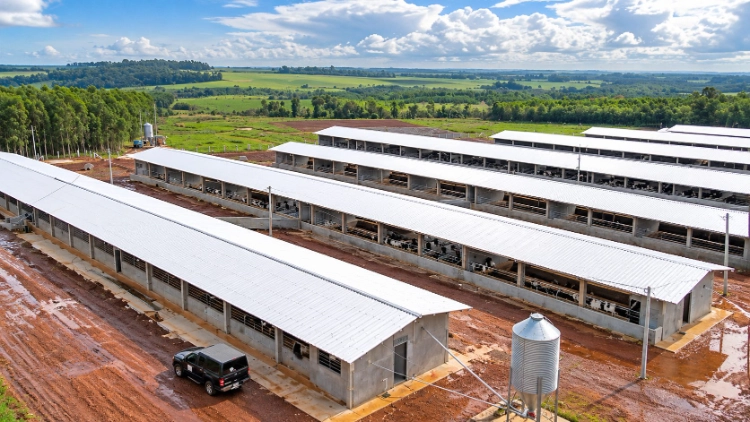
A wet patch beneath a barn purlin can be misleading. Rain may have entered two sheets farther uphill, travelled along a support, and finally dripped above a feeding area. Replacing the panel directly over the stain might leave the original gap untouched. The difficult part of an UPVC roof leak is often finding the entry point, not finding a waterproof material.
The timing gives the first clue. Water appearing during wind-driven rain points toward a different problem from droplets collecting beneath a cool roof before sunrise. Both wet the bedding; only one necessarily comes from outside.
Read the Pattern of Moisture Before Inspecting the Roof
A photograph of a wet floor may miss the cause. Record whether dripping began with rain, continued afterward, or appeared when ventilation was reduced. In pig and poultry housing, warm, humid indoor air can condense on cooler roof surfaces.
Moisture pattern
Likely area to investigate
Distinguishing detail
A drip starts during rain from one direction
Side lap, end lap, ridge or flashing
The affected spot changes with wind direction
Droplets cover a broad underside area on cold mornings
Condensation and ventilation
Moisture appears without rainfall
Water shows up near a fan housing
Penetration flashing or adjoining joint
The leak follows the opening rather than a sheet seam
A recurring stain follows a line of screws
Fastener washers, holes or local sheet movement
Several fixings may show similar wear
The location of a wet patch is also worth comparing with wash-down routines. Water splashed toward a low wall-to-roof junction may appear after cleaning, while rainwater commonly follows the roof’s slope and exposed joints. Moisture caused by wash-down does not necessarily mean the roofing sheets need replacing.
Follow the Slope, Then the Support
A purlin may carry water sideways; a lap can guide it downhill before it reaches an opening. Compare the stain with roof pitch, penetrations, and the last storm’s direction. Exterior access requires safe weather, trained personnel and suitable fall protection; OSHA’s fall-prevention guidance is relevant for US work sites.
The overlap may be intact on one side and open on the other
A lifted side-lap edge can admit wind-driven rain while the neighbouring corrugations remain intact. At an end lap, water runs directly toward the joint. Roof slope, specified overlap and support alignment therefore matter more; an uneven support can leave a pocket where water collects.
Lap repairs must follow the selected profile’s fixing details and the roof’s actual slope and wind conditions. Sealant alone may conceal the reason an edge lifted.
A ventilation opening interrupts the normal drainage path
Fan housings, exhaust ducts and service pipes require flashing shaped to the roof corrugation. Water may gather against an upslope flange, enter at a screw hole and run along the underside until it reaches a support. At the ridge, a poorly fitted cap or a junction with ventilation components can cause similar symptoms. At the eave, overflowing gutters sometimes push water toward joints that normally drain freely.
An exterior photograph can reveal a raised flange, obstructed outlet or separated seal that the interior stain cannot show.
In long barns, the same roof opening may sit above several structural bays. Marking its distance from a ridge or gable end makes photographs far more useful to a contractor than labelling them simply ‘leak near fan.’ The reference helps identify exactly which flashing detail needs attention.
What Failed Around the Fasteners?
Fasteners restrain the sheet while their washers seal the holes. A hardened or split washer may leak around a secure screw. Overtightening distorts the crest; insufficient compression leaves a gap. A screw missing its support may loosen.
UPVC expands and contracts. If a fixing restrains that movement, stress can concentrate around the hole. Elongated holes, cracks and a row of buckled corrugations suggest a wider problem, possibly including misaligned or moving purlins.
A rust-colored mark near a screw does not mean the UPVC has degraded. It may come from a fastener or steel support. Inspecting the washer and purlin separates metal corrosion from a cracked plastic sheet, which calls for a different repair.
One isolated washer can sometimes be replaced with a compatible component. Where the hole has become enlarged or the sheet has cracked, simply driving in a larger screw may introduce further damage. The repair detail must suit the panel and its supporting structure.
Repair the Detail or Replace the Panel?
A local flashing repair may work when the leak comes from one opening and the nearby UPVC remains sound. A failed fixing can also be replaced where an approved detail restores both sealing and restraint. The next rainfall will test that repair more meaningfully than a dry surface on installation day.
Replacement becomes more plausible when several adjacent laps no longer seat correctly, cracking extends across a panel, or fixing holes have failed repeatedly. Persistent distortion may indicate an unsuitable span or a shifting frame; the same replacement sheet may fail again. Wet ceiling insulation, if present, also needs its own moisture assessment; replacing the roofing does not restore soaked insulation.
Repairs above occupied pens need separation from animals and feed. Planned cleaning periods may offer a safer window for overhead work.
If Replacement Is Needed, Which UPVC Sheet Fits?
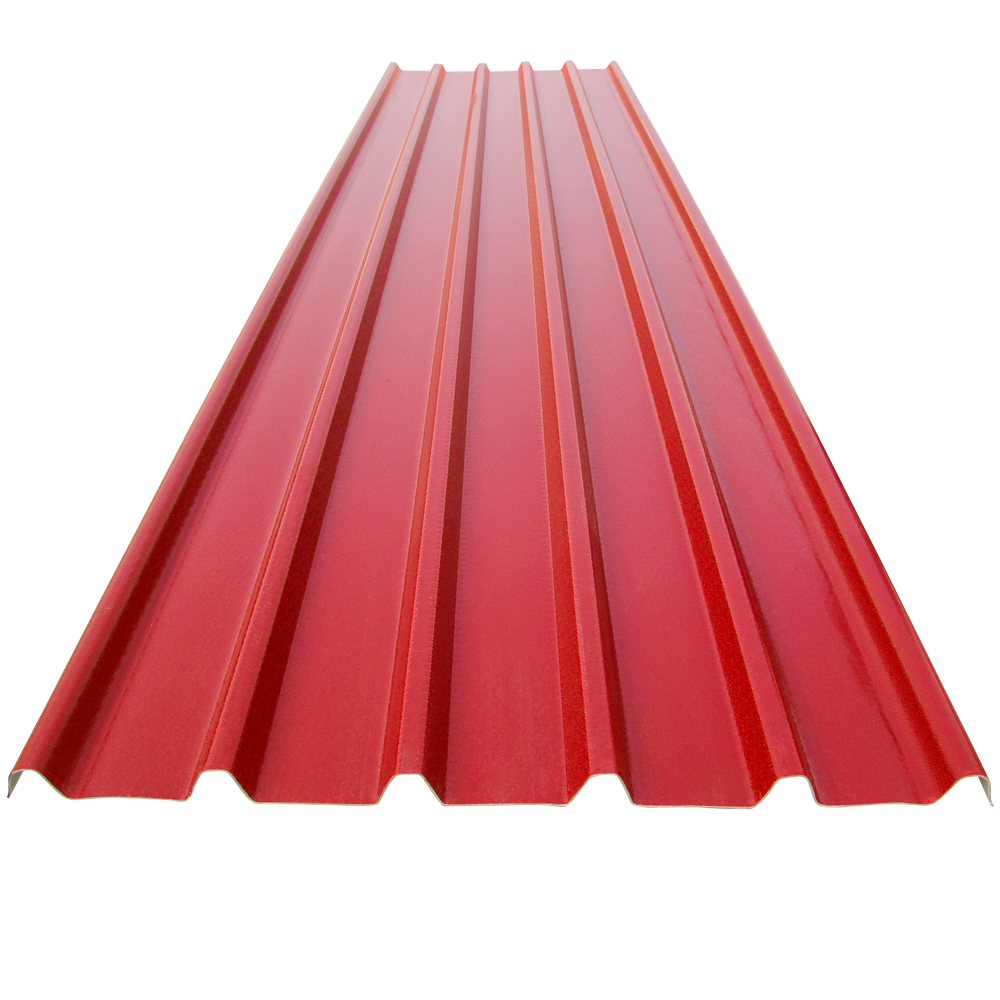
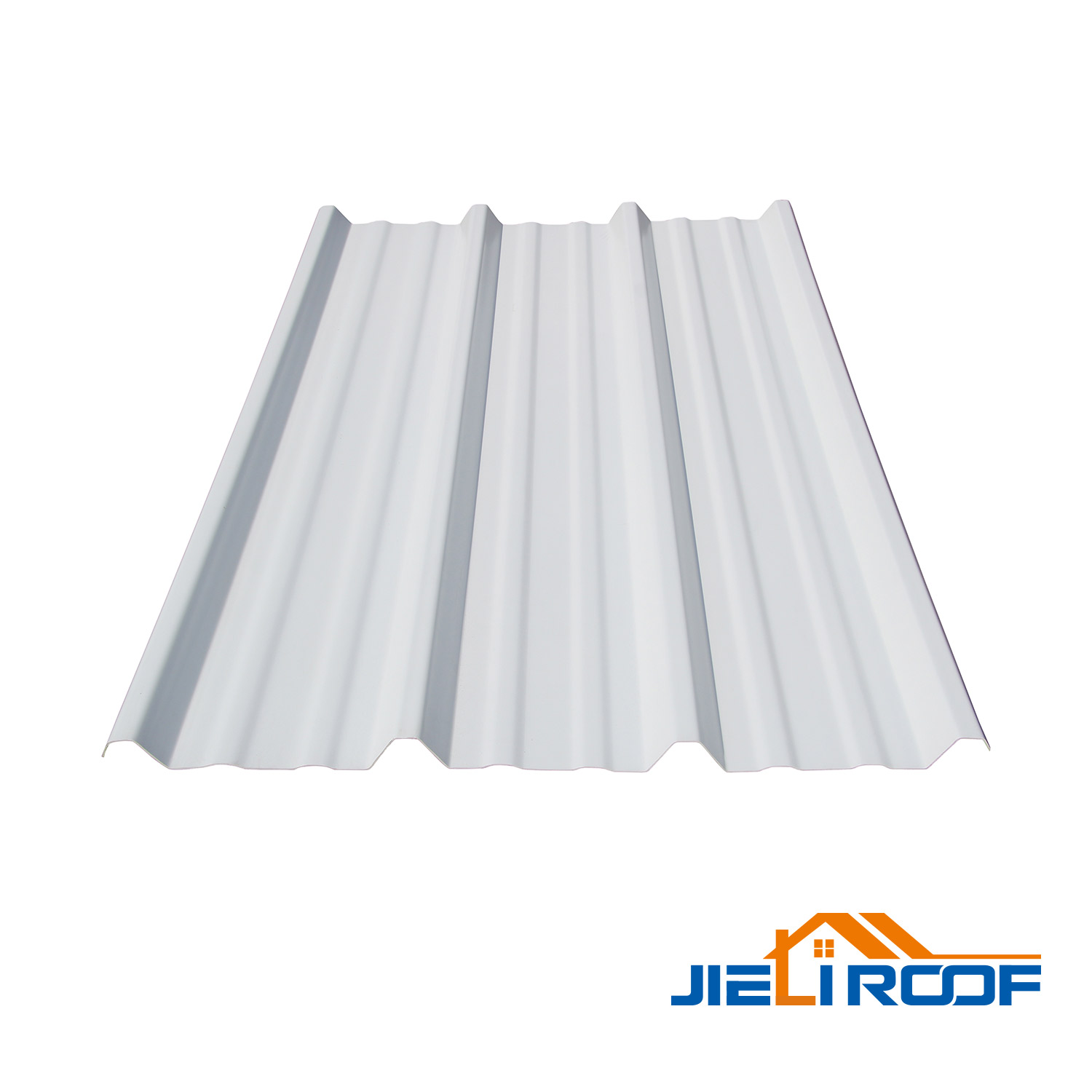
A replacement panel must match more than color. Corrugation shape, effective width, thickness and fixing arrangement determine whether it will connect to the existing roof. JIELI’s T940 UPVC roofing sheet is 940 mm wide with an effective cover of 880 mm. It is offered in 2.0, 2.5 and 3.0 mm thicknesses.
The T1130 UPVC roofing sheet has an overall width of 1,130 mm and an effective width of 1,050 mm, with the same listed 2.0, 2.5 and 3.0 mm options. The wider cover changes sheet counts and lap positions, so it cannot simply be substituted into a T940 run. Both product specifications list purlin distances up to 1,200 mm; actual support spacing still depends on the approved profile arrangement, loading and local conditions.
For a new barn roof exposed to greater impact or structural demands, the glass fiber reinforced UPVC T940 offers a different construction. A glass-fiber mesh within the UPVC improves tensile and impact performance and helps the sheet retain its shape. Its fit and supports still require design review.
For a barn extension, the drawing must locate the last support and eave. A sheet that fits the opening can still put a lap in the wrong place. Ridge and eave accessories must match the corrugation.
Farm Chemicals Affect More Than the Roof Sheet
A UPVC panel does not form rust, which is valuable above manure-handling areas exposed to humid air and ammonia. JIELI UPVC chemical-resistance testing includes 5% acid solutions and a 5% sodium hydroxide solution, with no change under the specified test conditions. Disinfectants vary in composition and concentration, so their compatibility cannot be inferred from those tests alone.
Even where the sheet remains sound, metal fasteners, brackets, flashings and nearby structural elements may corrode. A leak investigation in a livestock barn should examine these components as closely as the plastic roofing. Cleaning spray directed repeatedly at a poorly sealed penetration can expose an otherwise hidden weak point.
JIELI’s standard UPVC sheets carry an 8-year warranty; its glass fiber reinforced UPVC sheets carry a 10-year warranty. Keep the applicable warranty letter and installation drawings together.
Make the Leak Report Useful to the Supplier
A marked-up roof sketch should show building width, slope, current profile, purlin spacing, leak position, storm conditions and nearby laps or penetrations. If the profile is unknown, photograph its cross-section beside a tape measure.
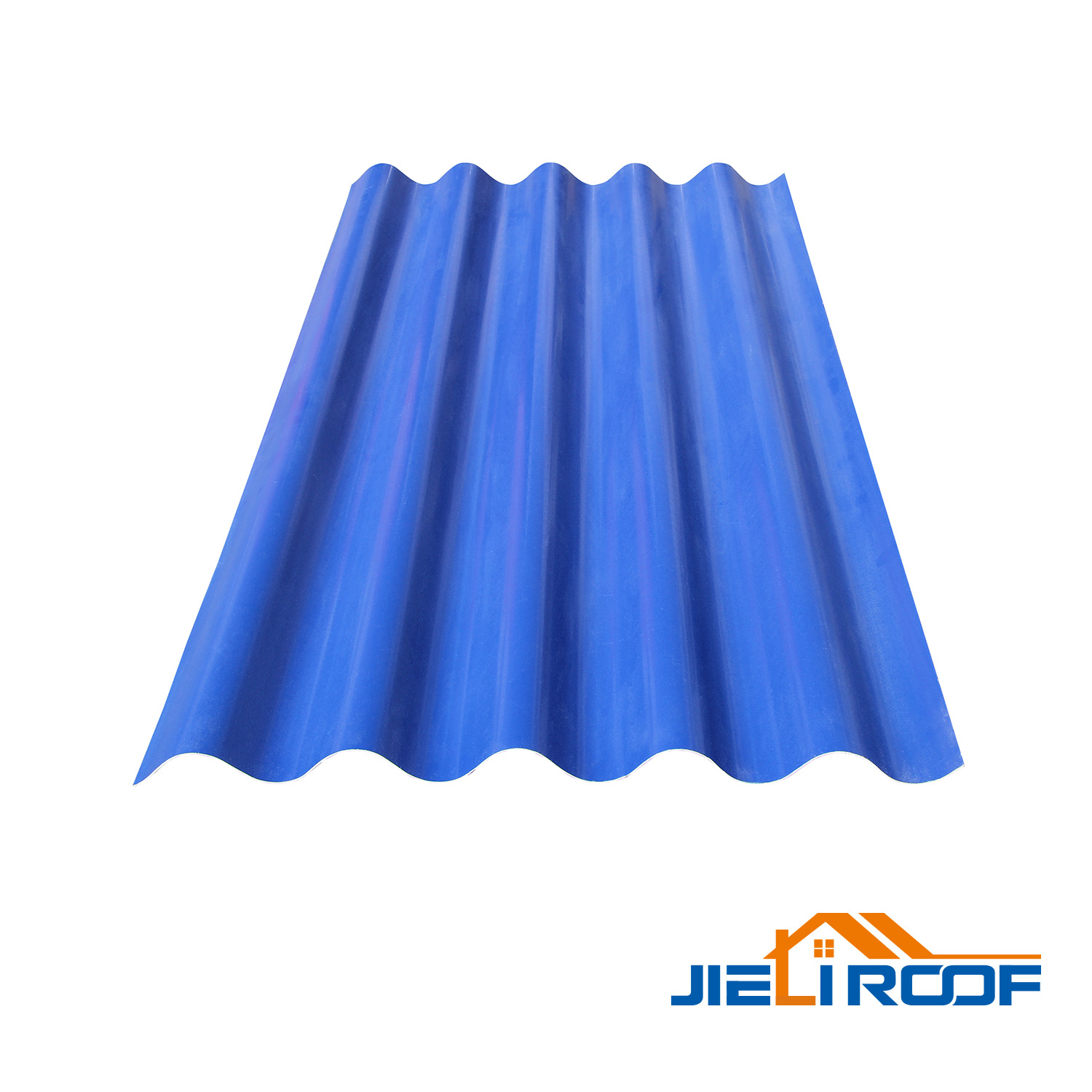
The industrial UPVC roofing range includes corrugations used on agricultural and industrial buildings. Before selecting a replacement, compare crest spacing, effective width and fixing position with the existing sheets. A similar appearance alone does not establish that the side lap will seal.
If the original profile is unavailable, the JIELI ROOF product range can be used to check available alternatives. A substitute with different corrugation geometry may require a new joint detail rather than an overlap with the old roofing.
Send the roof sketch and defect photographs when requesting profile-matching support. Include the number of affected sheets and any ventilation openings beside the damaged area.
Conclusion
A drip beneath a purlin may come from rainwater travelling along the roof structure or from condensation forming on a cooler surface. Once the cause is identified, a lifted lap, failed washer, damaged flashing or shifting support can be assessed for a local repair, sheet replacement or a wider roof correction.
FAQs
Q1: Why does a UPVC barn roof drip when no rain is falling?
A1: Condensation may form when humid indoor air reaches a cooler roof surface. It often appears across a broad area rather than around a single lap or penetration. Review the time of day, indoor humidity and ventilation before treating the symptom as a roof leak.
Q2: Can a leaking UPVC roof be repaired without replacing the whole sheet?
A2: Sometimes. An isolated washer or flashing defect may be repaired with compatible components if the surrounding sheet and support remain sound. Cracked panels, enlarged fixing holes or repeated movement may require replacing a larger section after the underlying cause is identified.
Q3: What warranty does JIELI provide for UPVC farm roofing?
A3: Standard JIELI UPVC sheets have an 8-year warranty; glass fiber reinforced UPVC sheets have a 10-year warranty. Keep the written terms and installation records, since the product warranty and workmanship responsibilities are separate matters.






 +86 0535 6278701 / +86 15653505862