HOME>NEWS>How Do PVC Granules Improve UPVC Roof Sheet Production in 2026 Guide
How Do PVC Granules Improve UPVC Roof Sheet Production in 2026 Guide
2026-05-19 12:27:58
SHARE TO:
For many roofing material manufacturers, the hardest part of UPVC roof sheet production is not only buying an extrusion line. The real challenge often starts with raw material control. A factory may have suitable equipment and market demand, yet still face unstable sheet quality if the formula, mixing process, or material consistency is not well managed.
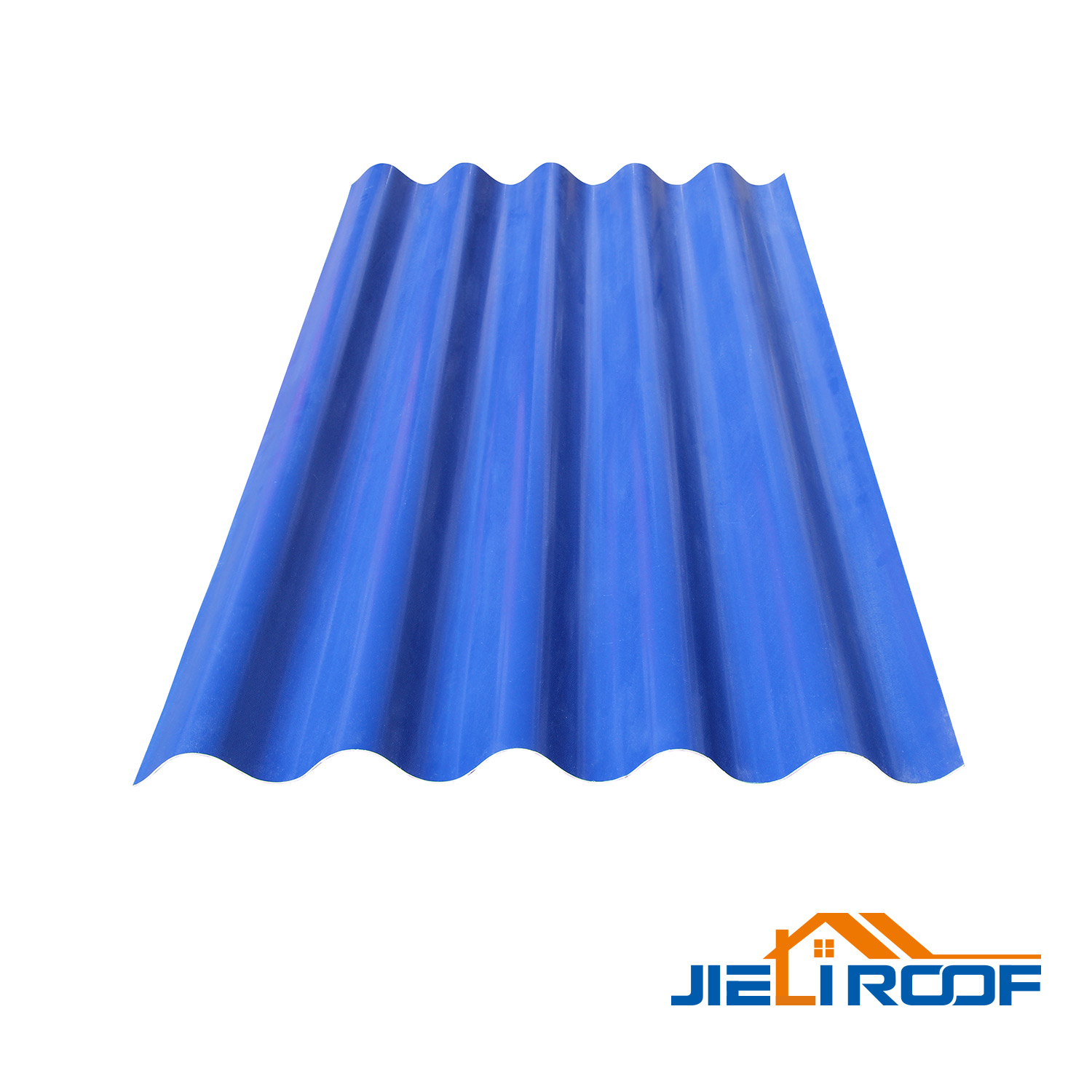
In 2026, more manufacturers are adding UPVC roofing sheets to their product range because these sheets are widely used in factories, warehouses, agricultural buildings, and commercial roofing projects. However, stable production requires more than PVC resin powder. It also depends on stabilizers, lubricants, fillers, processing aids, and weather-resistant additives working together in the right balance.
This is where PVC compound becomes useful. Instead of building every formula from zero, manufacturers can use pre-formulated PVC compound to reduce mixing difficulty, improve extrusion stability, and make sheet production easier to control.
Why UPVC Roof Sheet Production Is Difficult for Many Factories
Before choosing a raw material solution, manufacturers need to identify where production problems usually begin. Many defects do not come from the machine alone. They come from small formula changes, uneven mixing, poor additive dispersion, or unstable feeding.
Formula Control Requires Technical Experience
UPVC roofing sheets need strength, surface stability, weather resistance, and suitable processing performance. A small formula mistake can affect several results at once. Too little lubricant may cause unstable extrusion. Poor dispersion may create rough surfaces. Weak weather-resistant design may increase aging risk in outdoor use.
For a new factory, this creates a heavy technical burden. The team must test different raw material combinations, adjust processing temperatures, compare sheet quality, and correct production issues before reaching stable output.
Batch Stability Affects Long-Term Orders
A good sample is not enough for long-term business. Customers expect every batch to keep similar thickness, surface quality, color stability, and basic performance. If one batch runs smoothly but the next batch has defects, the factory may face complaints, delays, or higher inspection costs.
This is especially important for export manufacturers. Buyers in different markets may use UPVC roofing sheets for industrial roofs, livestock farms, warehouses, or commercial buildings. These applications need consistent quality, not only a low material price.
Hidden Costs Can Reduce Profit
Some factories only compare resin price or additive price. In practice, production cost also includes trial waste, rejected sheets, labor time, machine adjustment, technical staff, and after-sales risk.
A cheaper UPVC raw material system may become expensive if it causes unstable extrusion or repeated quality problems. For manufacturers, predictable production often creates more value than saving a small amount on raw material purchase.
What PVC Compound Does in Roofing Sheet Manufacturing
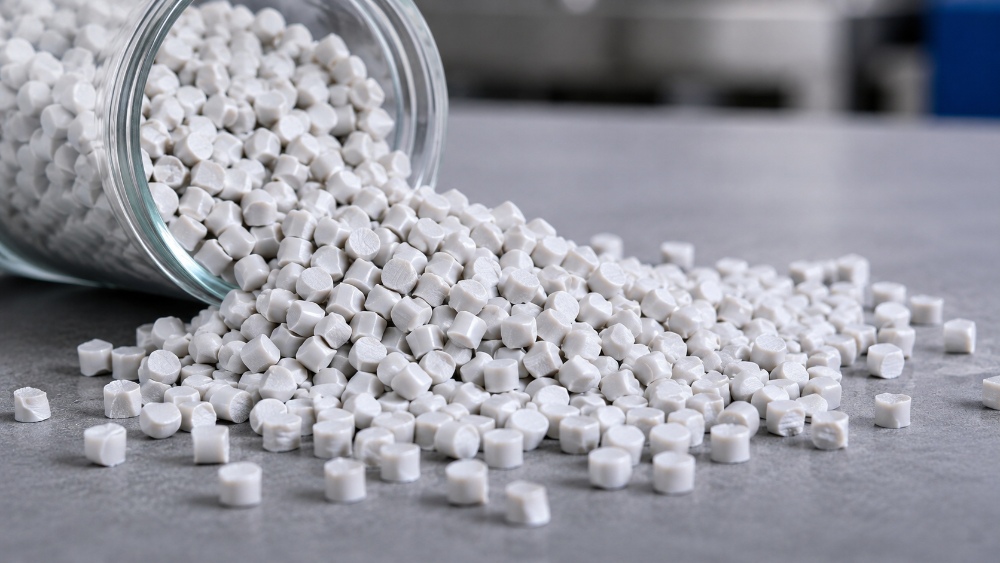
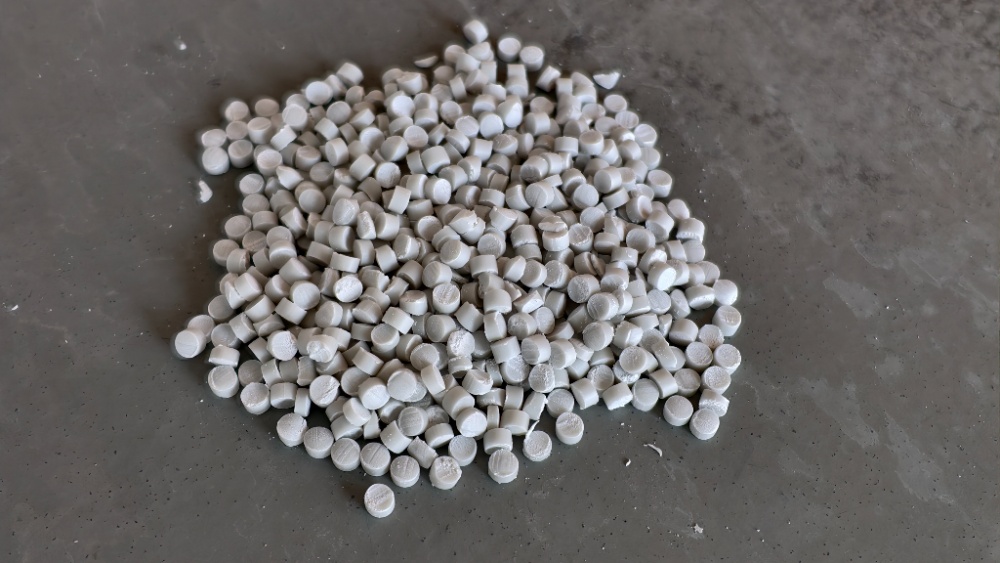
PVC compound is a modified raw material made from PVC resin powder and selected additives. Through mixing, extrusion, and granulation, the material becomes a more uniform compound that can be used directly in PVC product manufacturing.
For roofing sheet factories, PVC Compound is not a finished roof sheet. It is an upstream material prepared for manufacturers that want a more stable base for UPVC sheet extrusion. Its main value is reducing formula difficulty and helping production teams focus more on sheet forming and quality control.
Compared with powder mixing, granules are easier to feed and process. Traditional powder mixing requires accurate weighing, stable blending, and careful production control. If the mixing process is not consistent, the extrusion line may show pressure fluctuation, uneven flow, or surface defects.
PVC granules cannot replace good production management, but they can reduce many early-stage mistakes. For manufacturers starting a new line, this can shorten the path from trial production to repeatable output.
Traditional Mixing vs Pre-Formulated PVC Compound
The choice between self-mixing and pre-formulated compound depends on the factory’s technical level, production goal, and market plan. A mature manufacturer with experienced formulation engineers may want deeper control. A new factory or a company adding roofing sheets may need a simpler route.
Formula control: Traditional mixing requires strong in-house formulation experience, while pre-formulated PVC compound is prepared for easier use and more stable raw material control.
Trial production: Traditional mixing often needs repeated testing and adjustment. Pre-formulated PVC compound can reduce early trial pressure and help factories move toward stable production faster.
Feeding process: Traditional mixing requires powder handling, weighing, and blending before production. PVC granules are easier to feed into the extrusion system and can reduce mistakes during material preparation.
Batch consistency: Traditional mixing depends heavily on weighing accuracy, mixing quality, and operator experience. Pre-formulated PVC compound is more suitable for factories that need stable material control across repeated batches.
Technical demand: Traditional mixing places higher requirements on technical staff. Pre-formulated compound lowers the entry barrier for new production teams, especially when they are still building experience in UPVC roof sheet production.
Market adaptation: Traditional mixing requires the factory to develop and adjust formulas by itself. Pre-formulated PVC compound can be adjusted for different application needs, climate conditions, and target markets.
This comparison does not mean every factory should choose the same method. It means manufacturers should match their material strategy with their real production capacity. If the goal is faster launch, lower technical pressure, and more stable production, a PVC compound can be a practical option.
How PVC Compound Improves the Production Process
A better raw material system should make the production line easier to control. For roofing sheets, this means smoother feeding, more stable extrusion, fewer avoidable defects, and better batch consistency.
More Stable Extrusion
PVC compound for extrusion can help reduce instability caused by poor mixing or uneven additive distribution. Stable extrusion matters because roofing sheets need consistent thickness, smooth surfaces, and reliable profile shape.
When the raw material flows more evenly, workers can manage temperature, screw speed, and forming conditions with fewer sudden changes. This supports a more predictable production rhythm during continuous manufacturing.
Lower Pressure for New Production Lines
New factories usually need to train workers, test molds, confirm profiles, build supplier relationships, and prepare market samples at the same time. If raw material formulation also becomes complicated, the launch period becomes longer.
Pre-formulated PVC granules reduce that pressure. The production team can spend more time improving machine settings and checking finished sheet performance instead of repeatedly correcting basic formula problems.
Better Support for Outdoor Roofing Applications
UPVC roofing sheets face sunlight, rain, heat, humidity, and sometimes corrosive air. A suitable weather-resistant formula helps the finished sheet perform better in its target environment.
This matters for manufacturers selling to Africa, the Middle East, South America, and other climate-sensitive markets. A general formula may not fit every region. A more suitable UPVC raw material plan helps factories produce sheets for real climate conditions.
Where PVC Granules Fit in the Manufacturing Workflow
PVC granules do not change the whole production logic. They simplify the raw material stage, which helps the rest of the workflow run more smoothly.
Material Selection and Feeding
The process begins with choosing the right compound formula for the target sheet type. A manufacturer may need material for standard UPVC roofing sheets, ASA synthetic resin tiles, or other PVC-based building materials. Once the formula is selected, the factory can feed the granules into the extrusion system with less on-site mixing work.
At Jieli, raw material design is closely connected with finished roofing sheet performance. That matters because a formula should support the final product, not exist only as a chemical mixture.
Extrusion and Sheet Forming
During extrusion, material flow, temperature response, and melt stability affect the sheet surface and profile shape. A suitable compound can help the line run with fewer raw-material-related changes. The manufacturer still needs proper machine settings, but the starting point becomes more controlled.
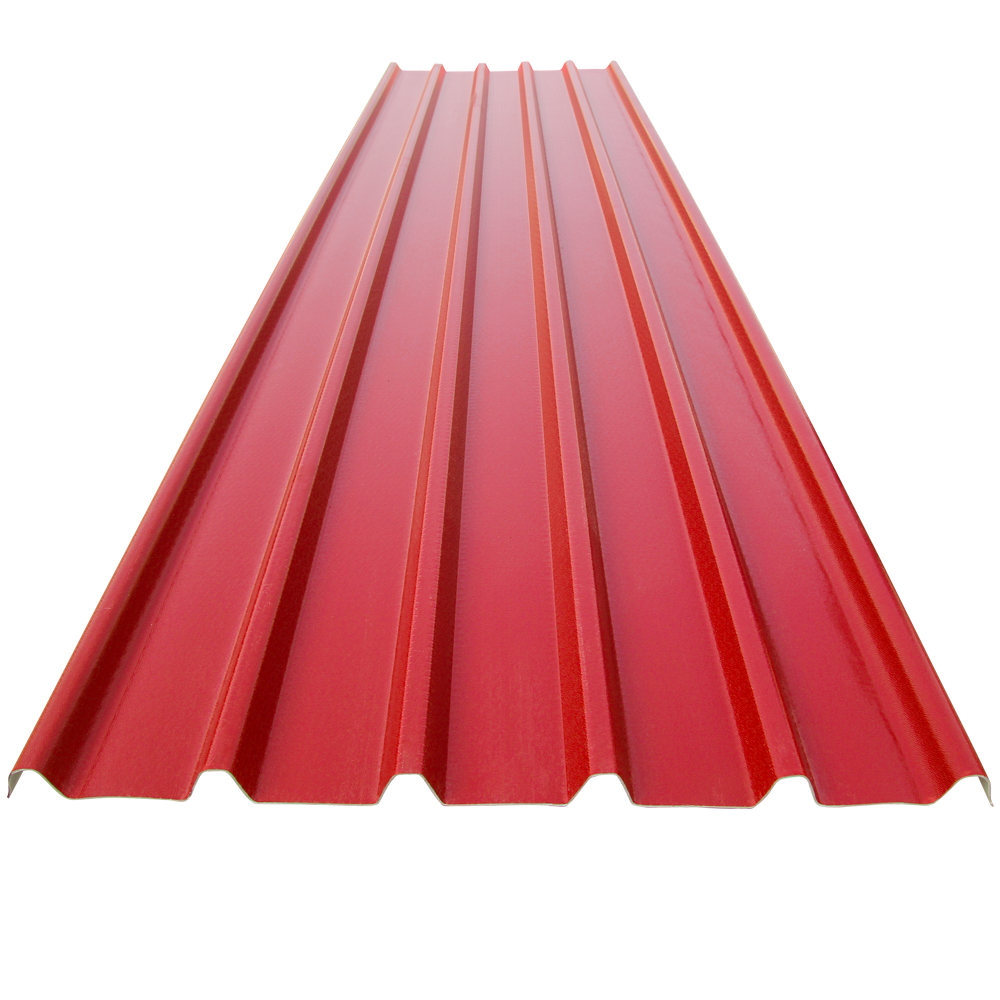
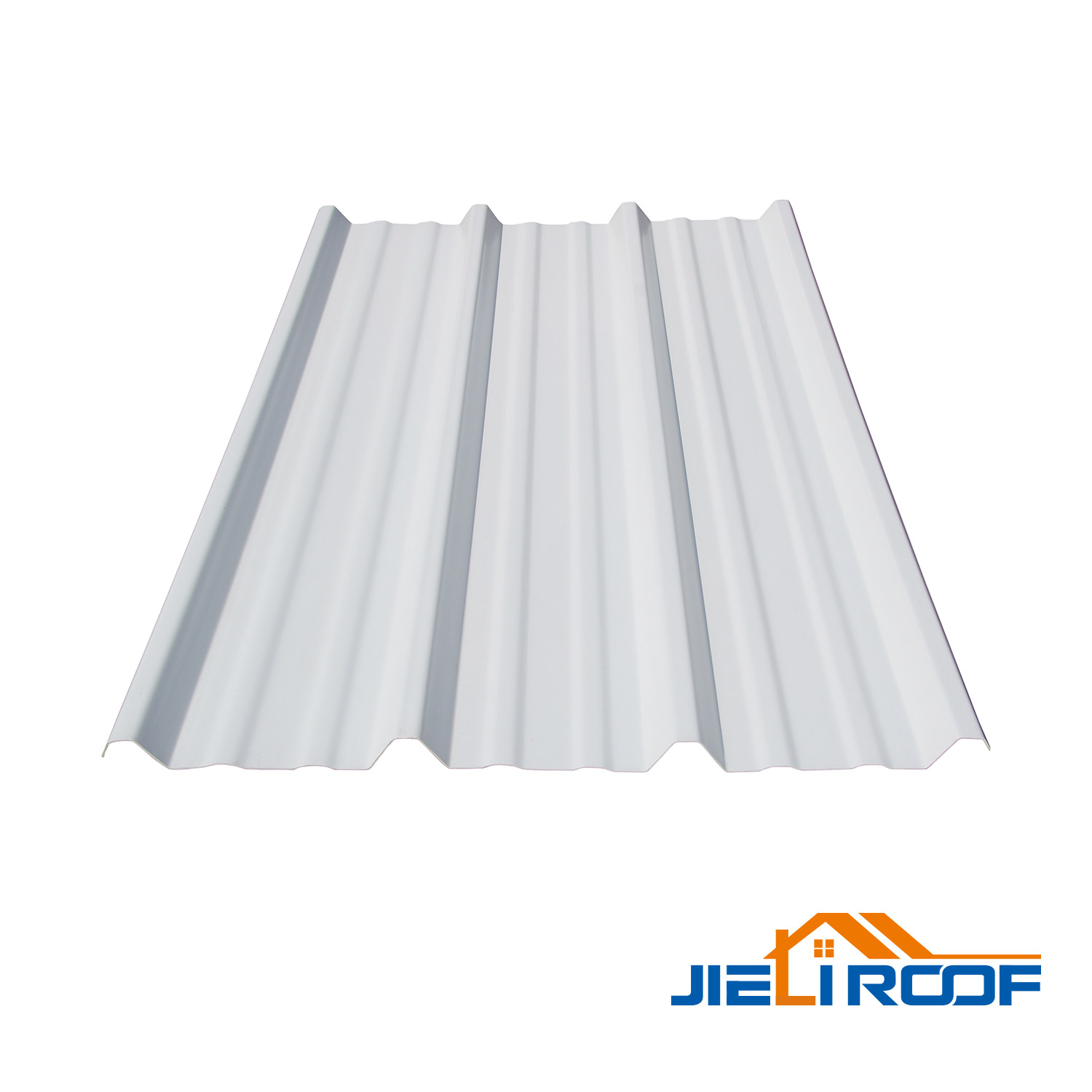
For industrial applications, profile design and end-use environment also matter. Products such as UPVC and PVC industrial corrugated trapezoidal roofing sheetsshow how finished sheets may be used in factories, warehouses, livestock farms, and other large facilities. These application needs should guide raw material selection from the beginning.
Testing Before Bulk Production
Before large-scale production, sample testing is still necessary. Manufacturers should check the sheet surface, thickness, extrusion stability, impact behavior, and weather-related performance. For a new product line, testing helps confirm whether the compound fits the equipment, mold, and target market.
This step is especially important when supplying different regions. A roof sheet used in a hot, dry market may need different material priorities from one used in a humid agricultural project.
Who Should Consider PVC Granules in 2026
PVC granules are especially suitable for factories that want a simpler route into roofing sheet production or want to add UPVC sheets without building a complete formulation team.
New Factories Starting Roofing Sheet Lines
New factories often have equipment and demand but lack mature formulation experience. In this case, a prepared compound can reduce early errors and make worker training easier. The factory still needs correct operation and quality checks, but the raw material stage becomes less difficult.
Existing Manufacturers Adding UPVC Products
Some companies already produce PVC pipes, profiles, or other building materials. When they add roofing sheets, they may find that the formula requirements are different. Roofing sheets need outdoor durability, profile stability, and suitable performance for large-area installation.
For these manufacturers, PVC granules can support product expansion. The factory can test UPVC roofing sheets without spending too much time on raw formula development.
Export Suppliers Serving Different Markets
Factories that serve different climates need more careful formula selection. Strong UV exposure, high heat, humidity, and corrosive environments may all affect roofing sheet performance. A customized compound can help manufacturers match product performance with market conditions.
How to Choose the Right Raw Material Partner
A good supplier should offer more than material shipment. For roofing sheet production, the supplier should help manufacturers reduce trial risk, match formulas with application needs, and support sample testing.
Manufacturers should first check whether the supplier has experience with roofing materials, not only general PVC products. Roofing sheets face outdoor exposure, profile requirements, and project-based quality expectations.
They should also check whether the formula can be adjusted for different markets. A factory targeting hot regions, strong UV environments, or agricultural buildings may need a different formula from a factory serving mild climates.
Sample testing should come before bulk orders. It helps confirm whether the material works with the buyer’s equipment, mold, processing temperature, and finished sheet requirements. For new factories, this step can help reduce expensive mistakes.
Conclusion
UPVC roofing sheet production becomes easier when the raw material stage is more stable. Many factories struggle not because they lack demand, but because formula control, powder mixing, trial waste, and technical adjustment make production harder than expected.
PVC granules offer a more direct path. They help reduce raw material preparation work, support stable extrusion, and lower the technical pressure for manufacturers entering or expanding roofing sheet production.
If you are planning a new roofing sheet line or want to test a better PVC compound formula for your market, discuss your production needs with our team and request sample support before moving into bulk production.
FAQ
Q: Are PVC granules finished roofing sheets?
A: No. PVC granules are raw materials for production. They are used by manufacturers to produce UPVC roof sheets, ASA synthetic resin tiles, and other PVC-based products.
Q: Why use PVC compound instead of mixing raw materials in the factory?
A: PVC compound can reduce formula difficulty, improve feeding control, and lower trial production pressure. It is useful for new factories or manufacturers adding UPVC roofing sheets as a new product line.
Q: Can PVC granules be adjusted for different markets?
A: Yes. The formula can be adjusted based on application needs, climate, processing method, and target product type. This is important for markets with strong UV exposure, high heat, humidity, or demanding roofing applications.






 +86 0535 6278701 / +86 15653505862