+86 0535 6278701 / +86 15653505862
HOME >NEWS >How to Choose the Best Glass Fiber Reinforced UPVC Roofing Sheet for Industrial Roofs in 2026

How to Choose the Best Glass Fiber Reinforced UPVC Roofing Sheet for Industrial Roofs in 2026

2026-05-21 12:28:46

How Do PVC Granules Improve UPVC Roof Sheet Production in 2026 Guide For many roofing material manufacturers, the hardest part of UPVC roof sheet production is not only buying an extrusion line. The real challenge often starts with raw material control. A factory may have suitable equipment and market demand, yet still face unstable sheet quality if the formula, mixing process, or material consistency is not well managed. In 2026, more manufacturers are adding UPVC roofing sheets to their product range because these sheets are widely used in factories, warehouses, agricultural buildings, and commercial roofing projects. However, stable production requires more than PVC resin powder. It also depends on stabilizers, lubricants, fillers, processing aids, and weather-resistant additives working together in the right balance. This is where PVC compound becomes useful. Instead of building every formula from zero, manufacturers can use pre-formulated PVC compound to reduce mixing difficulty, improve extrusion stability, and make sheet production easier to control. Why UPVC Roof Sheet Production Is Difficult for Many Factories Before choosing a raw material solution, manufacturers need to identify where production problems usually begin. Many defects do not come from the machine alone. They come from small formula changes, uneven mixing, poor additive dispersion, or unstable feeding. Formula Control Requires Technical Experience UPVC roofing sheets need strength, surface stability, weather resistance, and suitable processing performance. A small formula mistake can affect several results at once. Too little lubricant may cause unstable extrusion. Poor dispersion may create rough surfaces. Weak weather-resistant design may increase aging risk in outdoor use. For a new factory, this creates a heavy technical burden. The team must test different raw material combinations, adjust processing temperatures, compare sheet quality, and correct production issues before reaching stable output. Batch Stability Affects Long-Term Orders A good sample is not enough for long-term business. Customers expect every batch to keep similar thickness, surface quality, color stability, and basic performance. If one batch runs smoothly but the next batch has defects, the factory may face complaints, delays, or higher inspection costs. This is especially important for export manufacturers. Buyers in different markets may use UPVC roofing sheets for industrial roofs, livestock farms, warehouses, or commercial buildings. These applications need consistent quality, not only a low material price. Hidden Costs Can Reduce Profit Some factories only compare resin price or additive price. In practice, production cost also includes trial waste, rejected sheets, labor time, machine adjustment, technical staff, and after-sales risk. A cheaper UPVC raw material system may become expensive if it causes unstable extrusion or repeated quality problems. For manufacturers, predictable production often creates more value than saving a small amount on raw material purchase. What PVC Compound Does in Roofing Sheet Manufacturing PVC compound is a modified raw material made from PVC resin powder and selected additives. Through mixing, extrusion, and granulation, the material becomes a more uniform compound that can be used directly in PVC product manufacturing. For roofing sheet factories, PVC Compound is not a finished roof sheet. It is an upstream material prepared for manufacturers that want a more stable base for UPVC sheet extrusion. Its main value is reducing formula difficulty and helping production teams focus more on sheet forming and quality control. Compared with powder mixing, granules are easier to feed and process. Traditional powder mixing requires accurate weighing, stable blending, and careful production control. If the mixing process is not consistent, the extrusion line may show pressure fluctuation, uneven flow, or surface defects. PVC granules cannot replace good production management, but they can reduce many early-stage mistakes. For manufacturers starting a new line, this can shorten the path from trial production to repeatable output. Traditional Mixing vs Pre-Formulated PVC Compound The choice between self-mixing and pre-formulated compound depends on the factory’s technical level, production goal, and market plan. A mature manufacturer with experienced formulation engineers may want deeper control. A new factory or a company adding roofing sheets may need a simpler route. Traditional Mixing Pre-Formulated PVC Compound Formula control Requires strong in-house experience Formula is prepared for easier use Trial production Often needs repeated adjustment Can reduce early trial pressure Feeding process Powder handling and mixing required Granules are easier to feed Batch consistency Depends heavily on mixing accuracy More suitable for stable control Technical demand Higher Lower for new production teams Market adaptation Requires formula development Can be adjusted for different needs This comparison does not mean every factory should choose the same method. It means manufacturers should match their material strategy with their real production capacity. If the goal is faster launch, lower technical pressure, and more stable production, a PVC compound can be a practical option. How PVC Compound Improves the Production Process A better raw material system should make the production line easier to control. For roofing sheets, this means smoother feeding, more stable extrusion, fewer avoidable defects, and better batch consistency. More Stable Extrusion PVC compound for extrusion can help reduce instability caused by poor mixing or uneven additive distribution. Stable extrusion matters because roofing sheets need consistent thickness, smooth surfaces, and reliable profile shape. When the raw material flows more evenly, workers can manage temperature, screw speed, and forming conditions with fewer sudden changes. This supports a more predictable production rhythm during continuous manufacturing. Lower Pressure for New Production Lines New factories usually need to train workers, test molds, confirm profiles, build supplier relationships, and prepare market samples at the same time. If raw material formulation also becomes complicated, the launch period becomes longer. Pre-formulated PVC granules reduce that pressure. The production team can spend more time improving machine settings and checking finished sheet performance instead of repeatedly correcting basic formula problems. Better Support for Outdoor Roofing Applications UPVC roofing sheets face sunlight, rain, heat, humidity, and sometimes corrosive air. A suitable weather-resistant formula helps the finished sheet perform better in its target environment. This matters for manufacturers selling to Africa, the Middle East, South America, and other climate-sensitive markets. A general formula may not fit every region. A more suitable UPVC raw material plan helps factories produce sheets for real climate conditions. Where PVC Granules Fit in the Manufacturing Workflow PVC granules do not change the whole production logic. They simplify the raw material stage, which helps the rest of the workflow run more smoothly. Material Selection and Feeding The process begins with choosing the right compound formula for the target sheet type. A manufacturer may need material for standard UPVC roofing sheets, ASA synthetic resin tiles, or other PVC-based building materials. Once the formula is selected, the factory can feed the granules into the extrusion system with less on-site mixing work. At Jieli, raw material design is closely connected with finished roofing sheet performance. That matters because a formula should support the final product, not exist only as a chemical mixture. Extrusion and Sheet Forming During extrusion, material flow, temperature response, and melt stability affect the sheet surface and profile shape. A suitable compound can help the line run with fewer raw-material-related changes. The manufacturer still needs proper machine settings, but the starting point becomes more controlled. For industrial applications, profile design and end-use environment also matter. Products such as UPVC and PVC industrial corrugated trapezoidal roofing sheets show how finished sheets may be used in factories, warehouses, livestock farms, and other large facilities. These application needs should guide raw material selection from the beginning. Testing Before Bulk Production Before large-scale production, sample testing is still necessary. Manufacturers should check the sheet surface, thickness, extrusion stability, impact behavior, and weather-related performance. For a new product line, testing helps confirm whether the compound fits the equipment, mold, and target market. This step is especially important when supplying different regions. A roof sheet used in a hot, dry market may need different material priorities from one used in a humid agricultural project. Who Should Consider PVC Granules in 2026 PVC granules are especially suitable for factories that want a simpler route into roofing sheet production or want to add UPVC sheets without building a complete formulation team. New Factories Starting Roofing Sheet Lines New factories often have equipment and demand but lack mature formulation experience. In this case, a prepared compound can reduce early errors and make worker training easier. The factory still needs correct operation and quality checks, but the raw material stage becomes less difficult. Existing Manufacturers Adding UPVC Products Some companies already produce PVC pipes, profiles, or other building materials. When they add roofing sheets, they may find that the formula requirements are different. Roofing sheets need outdoor durability, profile stability, and suitable performance for large-area installation. For these manufacturers, PVC granules can support product expansion. The factory can test UPVC roofing sheets without spending too much time on raw formula development. Export Suppliers Serving Different Markets Factories that serve different climates need more careful formula selection. Strong UV exposure, high heat, humidity, and corrosive environments may all affect roofing sheet performance. A customized compound can help manufacturers match product performance with market conditions. How to Choose the Right Raw Material Partner A good supplier should offer more than material shipment. For roofing sheet production, the supplier should help manufacturers reduce trial risk, match formulas with application needs, and support sample testing. Manufacturers should first check whether the supplier has experience with roofing materials, not only general PVC products. Roofing sheets face outdoor exposure, profile requirements, and project-based quality expectations. They should also check whether the formula can be adjusted for different markets. A factory targeting hot regions, strong UV environments, or agricultural buildings may need a different formula from a factory serving mild climates. Sample testing should come before bulk orders. It helps confirm whether the material works with the buyer’s equipment, mold, processing temperature, and finished sheet requirements. For new factories, this step can help reduce expensive mistakes. Conclusion UPVC roofing sheet production becomes easier when the raw material stage is more stable. Many factories struggle not because they lack demand, but because formula control, powder mixing, trial waste, and technical adjustment make production harder than expected. PVC granules offer a more direct path. They help reduce raw material preparation work, support stable extrusion, and lower the technical pressure for manufacturers entering or expanding roofing sheet production. If you are planning a new roofing sheet line or want to test a better PVC compound formula for your market, discuss your production needs with our team and request sample support before moving into bulk production. FAQ Q: Are PVC granules finished roofing sheets? A: No. PVC granules are raw materials for production. They are used by manufacturers to produce UPVC roof sheets, ASA synthetic resin tiles, and other PVC-based products. Q: Why use PVC compound instead of mixing raw materials in the factory? A: PVC compound can reduce formula difficulty, improve feeding control, and lower trial production pressure. It is useful for new factories or manufacturers adding UPVC roofing sheets as a new product line. Q: Can PVC granules be adjusted for different markets? How Do PVC Granules Improve UPVC Roof Sheet Production in 2026 Guide For many roofing material manufacturers, the hardest part of UPVC roof sheet production is not only buying an extrusion line. The real challenge often starts with raw material control. A factory may have suitable equipment and market demand, yet still face unstable sheet quality if the formula, mixing process, or material consistency is not well managed. In 2026, more manufacturers are adding UPVC roofing sheets to their product range because these sheets are widely used in factories, warehouses, agricultural buildings, and commercial roofing projects. However, stable production requires more than PVC resin powder. It also depends on stabilizers, lubricants, fillers, processing aids, and weather-resistant additives working together in the right balance. This is where PVC compound becomes useful. Instead of building every formula from zero, manufacturers can use pre-formulated PVC compound to reduce mixing difficulty, improve extrusion stability, and make sheet production easier to control. Why UPVC Roof Sheet Production Is Difficult for Many Factories Before choosing a raw material solution, manufacturers need to identify where production problems usually begin. Many defects do not come from the machine alone. They come from small formula changes, uneven mixing, poor additive dispersion, or unstable feeding. Formula Control Requires Technical Experience UPVC roofing sheets need strength, surface stability, weather resistance, and suitable processing performance. A small formula mistake can affect several results at once. Too little lubricant may cause unstable extrusion. Poor dispersion may create rough surfaces. Weak weather-resistant design may increase aging risk in outdoor use. For a new factory, this creates a heavy technical burden. The team must test different raw material combinations, adjust processing temperatures, compare sheet quality, and correct production issues before reaching stable output. Batch Stability Affects Long-Term Orders A good sample is not enough for long-term business. Customers expect every batch to keep similar thickness, surface quality, color stability, and basic performance. If one batch runs smoothly but the next batch has defects, the factory may face complaints, delays, or higher inspection costs. This is especially important for export manufacturers. Buyers in different markets may use UPVC roofing sheets for industrial roofs, livestock farms, warehouses, or commercial buildings. These applications need consistent quality, not only a low material price. Hidden Costs Can Reduce Profit Some factories only compare resin price or additive price. In practice, production cost also includes trial waste, rejected sheets, labor time, machine adjustment, technical staff, and after-sales risk. A cheaper UPVC raw material system may become expensive if it causes unstable extrusion or repeated quality problems. For manufacturers, predictable production often creates more value than saving a small amount on raw material purchase. What PVC Compound Does in Roofing Sheet Manufacturing PVC compound is a modified raw material made from PVC resin powder and selected additives. Through mixing, extrusion, and granulation, the material becomes a more uniform compound that can be used directly in PVC product manufacturing. For roofing sheet factories, PVC Compound is not a finished roof sheet. It is an upstream material prepared for manufacturers that want a more stable base for UPVC sheet extrusion. Its main value is reducing formula difficulty and helping production teams focus more on sheet forming and quality control. Compared with powder mixing, granules are easier to feed and process. Traditional powder mixing requires accurate weighing, stable blending, and careful production control. If the mixing process is not consistent, the extrusion line may show pressure fluctuation, uneven flow, or surface defects. PVC granules cannot replace good production management, but they can reduce many early-stage mistakes. For manufacturers starting a new line, this can shorten the path from trial production to repeatable output. Traditional Mixing vs Pre-Formulated PVC Compound The choice between self-mixing and pre-formulated compound depends on the factory’s technical level, production goal, and market plan. A mature manufacturer with experienced formulation engineers may want deeper control. A new factory or a company adding roofing sheets may need a simpler route. Traditional Mixing Pre-Formulated PVC Compound Formula control Requires strong in-house experience Formula is prepared for easier use Trial production Often needs repeated adjustment Can reduce early trial pressure Feeding process Powder handling and mixing required Granules are easier to feed Batch consistency Depends heavily on mixing accuracy More suitable for stable control Technical demand Higher Lower for new production teams Market adaptation Requires formula development Can be adjusted for different needs This comparison does not mean every factory should choose the same method. It means manufacturers should match their material strategy with their real production capacity. If the goal is faster launch, lower technical pressure, and more stable production, a PVC compound can be a practical option. How PVC Compound Improves the Production Process A better raw material system should make the production line easier to control. For roofing sheets, this means smoother feeding, more stable extrusion, fewer avoidable defects, and better batch consistency. More Stable Extrusion PVC compound for extrusion can help reduce instability caused by poor mixing or uneven additive distribution. Stable extrusion matters because roofing sheets need consistent thickness, smooth surfaces, and reliable profile shape. When the raw material flows more evenly, workers can manage temperature, screw speed, and forming conditions with fewer sudden changes. This supports a more predictable production rhythm during continuous manufacturing. Lower Pressure for New Production Lines New factories usually need to train workers, test molds, confirm profiles, build supplier relationships, and prepare market samples at the same time. If raw material formulation also becomes complicated, the launch period becomes longer. Pre-formulated PVC granules reduce that pressure. The production team can spend more time improving machine settings and checking finished sheet performance instead of repeatedly correcting basic formula problems. Better Support for Outdoor Roofing Applications UPVC roofing sheets face sunlight, rain, heat, humidity, and sometimes corrosive air. A suitable weather-resistant formula helps the finished sheet perform better in its target environment. This matters for manufacturers selling to Africa, the Middle East, South America, and other climate-sensitive markets. A general formula may not fit every region. A more suitable UPVC raw material plan helps factories produce sheets for real climate conditions. Where PVC Granules Fit in the Manufacturing Workflow PVC granules do not change the whole production logic. They simplify the raw material stage, which helps the rest of the workflow run more smoothly. Material Selection and Feeding The process begins with choosing the right compound formula for the target sheet type. A manufacturer may need material for standard UPVC roofing sheets, ASA synthetic resin tiles, or other PVC-based building materials. Once the formula is selected, the factory can feed the granules into the extrusion system with less on-site mixing work. At Jieli, raw material design is closely connected with finished roofing sheet performance. That matters because a formula should support the final product, not exist only as a chemical mixture. Extrusion and Sheet Forming During extrusion, material flow, temperature response, and melt stability affect the sheet surface and profile shape. A suitable compound can help the line run with fewer raw-material-related changes. The manufacturer still needs proper machine settings, but the starting point becomes more controlled. For industrial applications, profile design and end-use environment also matter. Products such as UPVC and PVC industrial corrugated trapezoidal roofing sheets show how finished sheets may be used in factories, warehouses, livestock farms, and other large facilities. These application needs should guide raw material selection from the beginning. Testing Before Bulk Production Before large-scale production, sample testing is still necessary. Manufacturers should check the sheet surface, thickness, extrusion stability, impact behavior, and weather-related performance. For a new product line, testing helps confirm whether the compound fits the equipment, mold, and target market. This step is especially important when supplying different regions. A roof sheet used in a hot, dry market may need different material priorities from one used in a humid agricultural project. Who Should Consider PVC Granules in 2026 PVC granules are especially suitable for factories that want a simpler route into roofing sheet production or want to add UPVC sheets without building a complete formulation team. New Factories Starting Roofing Sheet Lines New factories often have equipment and demand but lack mature formulation experience. In this case, a prepared compound can reduce early errors and make worker training easier. The factory still needs correct operation and quality checks, but the raw material stage becomes less difficult. Existing Manufacturers Adding UPVC Products Some companies already produce PVC pipes, profiles, or other building materials. When they add roofing sheets, they may find that the formula requirements are different. Roofing sheets need outdoor durability, profile stability, and suitable performance for large-area installation. For these manufacturers, PVC granules can support product expansion. The factory can test UPVC roofing sheets without spending too much time on raw formula development. Export Suppliers Serving Different Markets Factories that serve different climates need more careful formula selection. Strong UV exposure, high heat, humidity, and corrosive environments may all affect roofing sheet performance. A customized compound can help manufacturers match product performance with market conditions. How to Choose the Right Raw Material Partner A good supplier should offer more than material shipment. For roofing sheet production, the supplier should help manufacturers reduce trial risk, match formulas with application needs, and support sample testing. Manufacturers should first check whether the supplier has experience with roofing materials, not only general PVC products. Roofing sheets face outdoor exposure, profile requirements, and project-based quality expectations. They should also check whether the formula can be adjusted for different markets. A factory targeting hot regions, strong UV environments, or agricultural buildings may need a different formula from a factory serving mild climates. Sample testing should come before bulk orders. It helps confirm whether the material works with the buyer’s equipment, mold, processing temperature, and finished sheet requirements. For new factories, this step can help reduce expensive mistakes. Conclusion UPVC roofing sheet production becomes easier when the raw material stage is more stable. Many factories struggle not because they lack demand, but because formula control, powder mixing, trial waste, and technical adjustment make production harder than expected. PVC granules offer a more direct path. They help reduce raw material preparation work, support stable extrusion, and lower the technical pressure for manufacturers entering or expanding roofing sheet production. If you are planning a new roofing sheet line or want to test a better PVC compound formula for your market, discuss your production needs with our team and request sample support before moving into bulk production. FAQ Q: Are PVC granules finished roofing sheets? A: No. PVC granules are raw materials for production. They are used by manufacturers to produce UPVC roof sheets, ASA synthetic resin tiles, and other PVC-based products. Q: Why use PVC compound instead of mixing raw materials in the factory? A: PVC compound can reduce formula difficulty, improve feeding control, and lower trial production pressure. It is useful for new factories or manufacturers adding UPVC roofing sheets as a new product line. Q: Can PVC granules be adjusted for different markets? A: Yes. The formula can be adjusted based on application needs, climate, processing method, and target product type. This is important for markets with strong UV exposure, high heat, humidity, or demanding roofing applications.

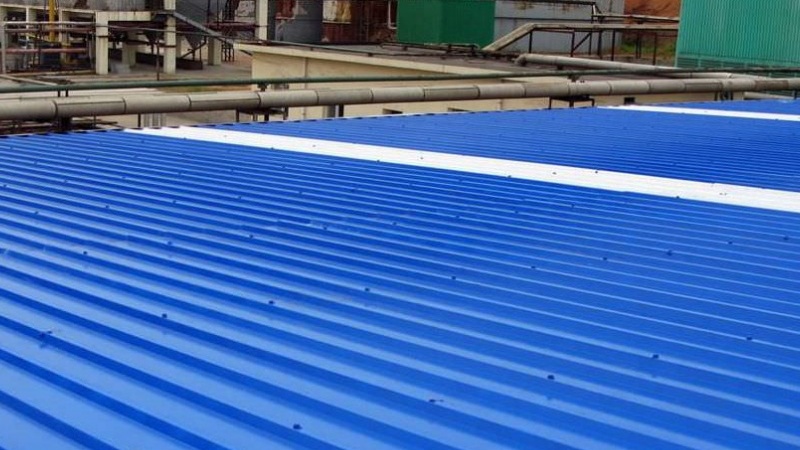
Industrial roofs are no longer assessed merely on the basis of their ability to protect a structure. By 2026, structures like factories, warehouses, workshops, farms, and processing plants demand roofing solutions that can withstand heat, rain, chemical exposure, wind pressure, impact, and extended service cycles. A roof sheet which functions adequately in a modest commercial environment might not consistently demonstrate sufficient durability for a challenging industrial setting.

This explains why numerous project purchasers are now directing greater focus toward the glass fiber reinforced UPVC roofing sheet. In contrast to a conventional UPVC roof sheet, this strengthened version is engineered to deliver enhanced dimensional stability, elevated impact resistance, more solid tensile performance, and superior load-bearing capacity. In the context of industrial roofs, an appropriate selection can alleviate maintenance burdens. Moreover, it can assist the complete roofing arrangement in maintaining dependability over an extended period.

Why Industrial Roofs Need Stronger Sheet Materials

Industrial roofing has different priorities from residential roofing. A factory roof may face high indoor temperatures, chemical vapors, large roof spans, strong sunlight, heavy rain, or frequent seasonal changes. A warehouse roof may need better sound control, while an agricultural building may need corrosion resistance against moisture and animal waste.

Industrial roofing is exposed to harsher conditions

Metal roofing is still common in many industrial projects, but it can transfer heat quickly and create strong rain noise. In coastal, chemical, or livestock environments, corrosion can also become a serious issue. Once rust starts around fasteners, overlaps, or damaged coating areas, leaks and structural weakness may follow.

A UPVC roofing sheet offers a different performance direction. It is valued for corrosion resistance, heat insulation, sound insulation, water resistance, and lower maintenance needs. For buildings where chemical corrosion or high humidity is a concern, UPVC can be a practical alternative to traditional color steel sheets.

Buyers need more than a low purchase price

Low initial cost can be attractive, but industrial roofing should be reviewed by the total use cost. A cheaper sheet may need more repairs, shorter replacement cycles, or tighter purlin spacing. These hidden costs can affect the project budget later.

A better purchasing decision should compare roof sheet structure, thickness, profile design, weather resistance, load-bearing performance, warranty terms, and suitable application areas. This is especially important when choosing a glass fiber reinforced UPVC roofing sheet for industrial roofs with large spans or demanding site conditions.

What Makes Glass Fiber Reinforced UPVC Different

A reinforced UPVC roof is not simply a thicker plastic sheet. Its performance comes from the material structure. The fiberglass layer works like a built-in reinforcing network, helping the roof sheet keep its shape and strength under changing temperatures, impact, and roof load.

Triple-Layer structure with fiberglass reinforcement

The structural composition should be described as Triple-Layer Co-extrusion Technology + Fiberglass Layer. These sheets have four useful layers built in. The top UV-resistant surface layer helps protect the sheet from sunlight damage and supports long-term color stability.The second layer is UPVC, which offers outstanding strength, impact resistance, heat insulation, and sound insulation performance.

The third layer is a fiberglass reinforcing layer, which enhances high-temperature resistance, strength, impact resistance, tensile resistance, and load-bearing performance. The bottom layer is UPVC, which is corrosion-resistant, moisture-proof, and improves structural stability.

This structure helps the sheet perform better than a basic PVC roof sheet in projects that need stronger stability. The fiberglass mesh is evenly distributed through the reinforced layer, giving the sheet a “soft steel bar” effect without changing the lightweight advantage of UPVC roofing material.

Better stability for demanding roof designs

Industrial buildings often use larger roof areas and longer purlin distances. If the sheet is not stable enough, thermal expansion, deflection, or long-term deformation may become a concern. The fiberglass layer helps improve tensile strength and load performance, making the sheet more suitable for larger industrial roof surfaces.

For projects that need both roof and wall cladding options, buyers can also compare broader UPVC and PVC industrial corrugated trapezoidal roofing sheet profiles to match building type, span, and project environment.

Key Factors When Choosing a UPVC Roofing Sheet

the most suitable material is not always the strongest one on paper. It should match the building, climate, roof structure, and maintenance expectations. Before choosing a UPVC roofing sheet, project buyers should review several technical factors together.

Check the application environment first

A warehouse, chemical workshop, livestock farm, food processing plant, and coastal building may all need different roofing priorities. In high-corrosion environments, rust-free performance matters more. In hot regions, heat insulation becomes more important. In rainy regions, water resistance and sound insulation may influence the user experience inside the building.

Glass fiber reinforced UPVC is often suitable for factories, warehouses, high-temperature workshops, agricultural buildings, and wall panel applications. Its corrosion resistance also makes it useful in environments exposed to acid, alkali, salt, moisture, and industrial air pollutants.

Review thickness, profile, and purlin distance together

Thickness is important, but it should not be the only decision point. A thicker sheet with a weak structure may not perform as well as a reinforced sheet with a suitable profile. Buyers should check the full roof system, including sheet width, effective width, thickness options, profile design, purlin distance, and fastening compatibility.

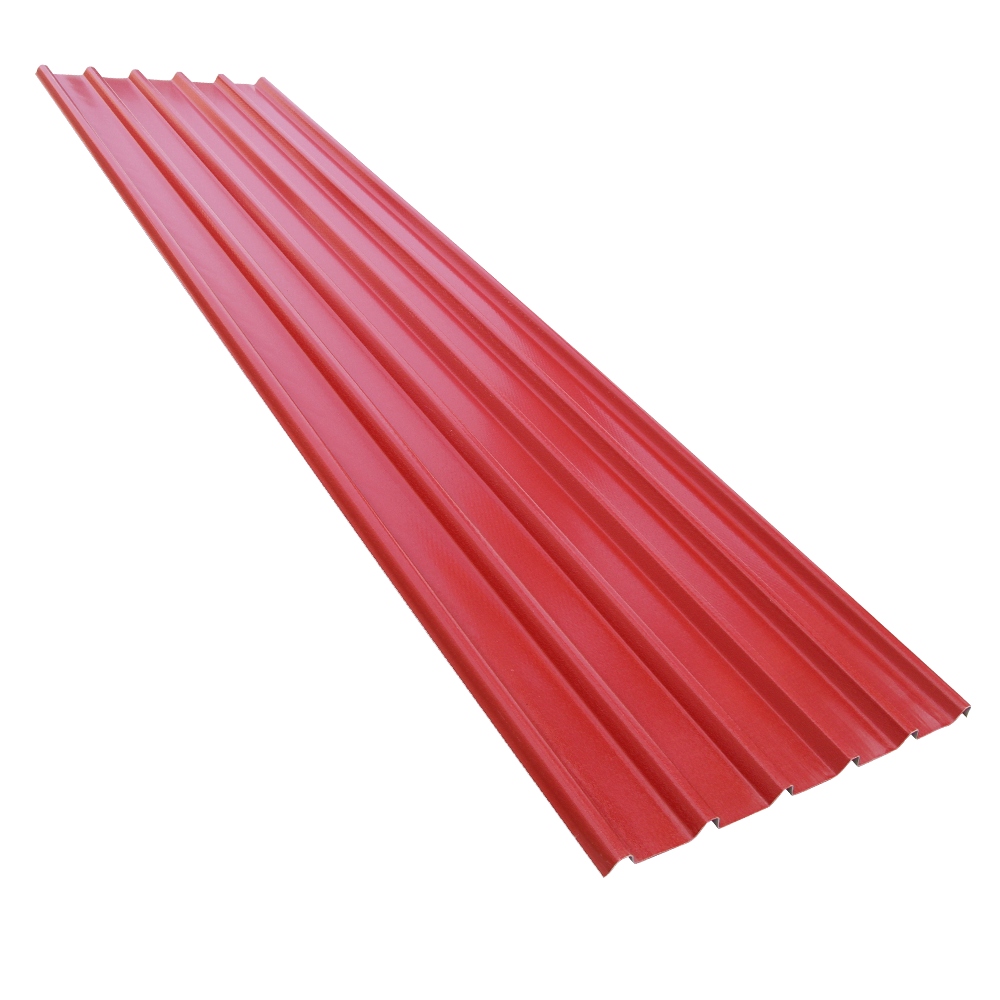
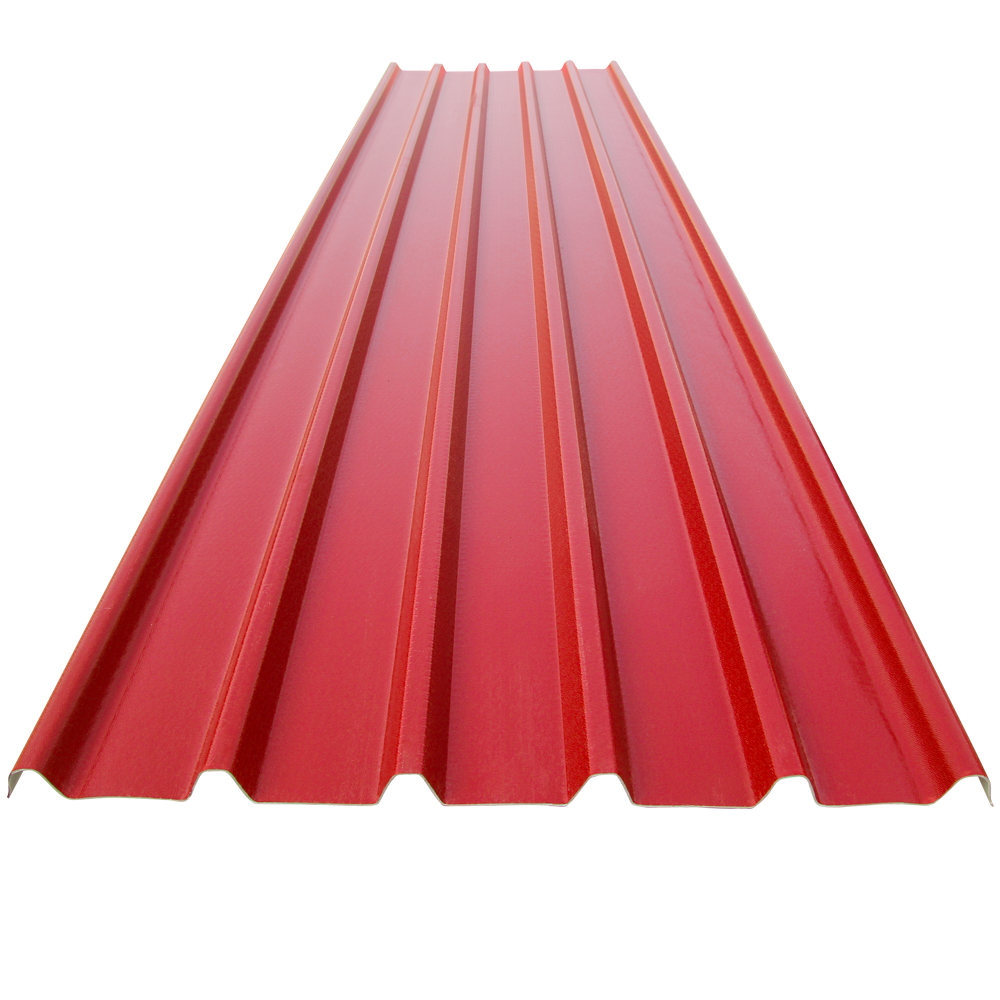
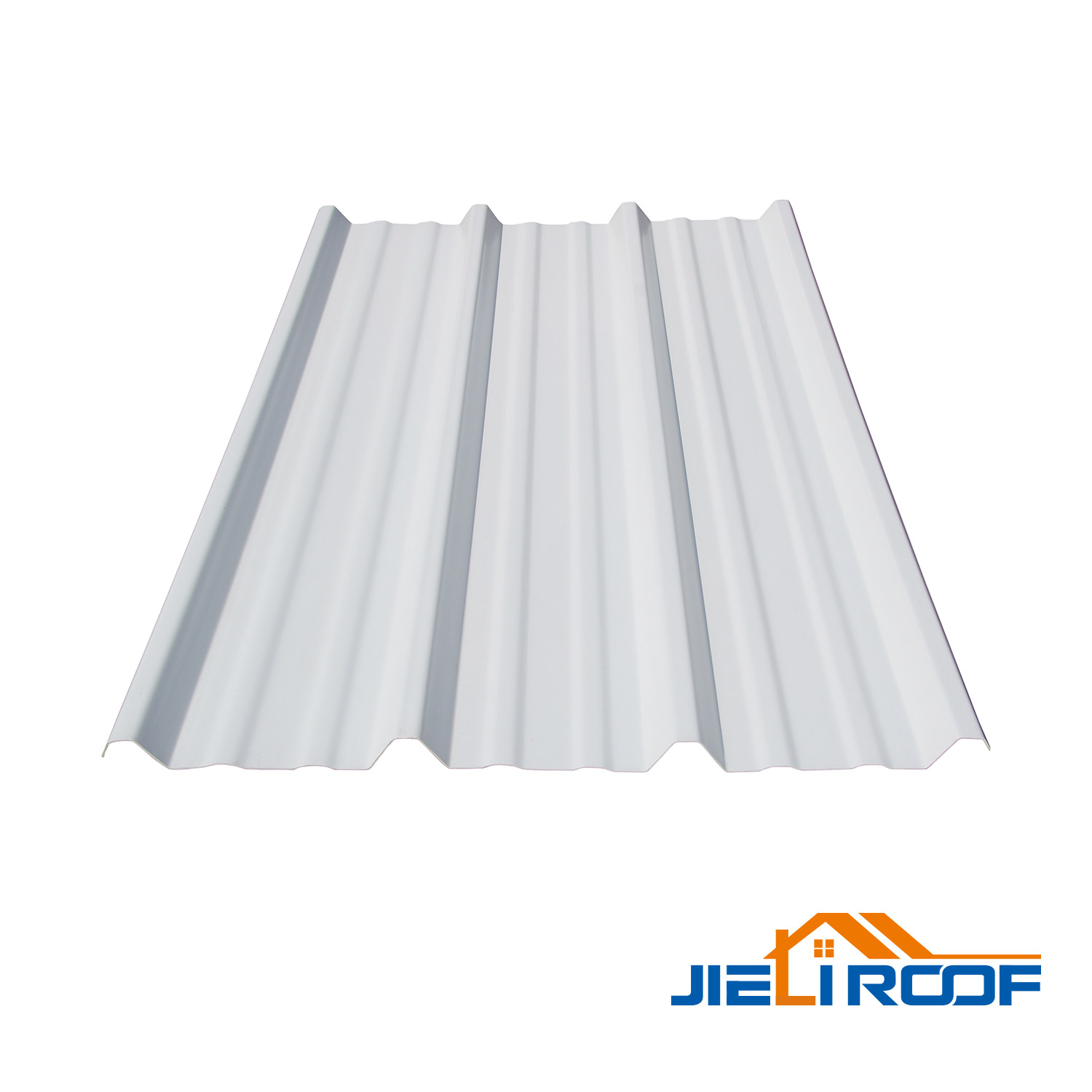
For example, trapezoidal profiles are often used in industrial buildings because they support practical drainage, wider coverage, and easier matching with steel structures. The profile should match the roof slope, span, wind load, and application type.

Compare impact resistance and load-bearing capacity

Industrial roofs may face impact during transport, handling, installation, hail, falling branches, or later maintenance. A roof sheet with stronger impact resistance can reduce cracking risk and improve project reliability.

The fiberglass reinforcing layer improves tensile resistance, impact resistance, and load-bearing performance. This makes the material especially useful for roofs that need better strength without switching back to heavy metal roofing.

Consider insulation, noise, and condensation

Roofing affects the indoor environment. A roof that transfers too much heat may increase cooling pressure. A roof that creates strong rain noise may make the building uncomfortable. Condensation can also cause trouble in storage, livestock, or processing environments.

UPVC offers useful heat insulation and sound insulation performance. It also does not rust and does not form condensation in the same way as many metal roof sheets. For industrial buildings where indoor comfort, goods protection, and lower maintenance matter, these performance points can be more valuable than a small difference in material price.

Where T940 Fits in Industrial Roofing Selection

After the basic selection factors are clear, buyers can compare specific product options. This is the right stage to review a product, rather than starting the article with a sales pitch. A product should be judged by how well it fits the project.

Jieli develops roofing materials for industrial, agricultural, commercial, and residential applications, but the focus here remains the roofing problem itself: how to select a stronger sheet for demanding industrial roofs.

A practical reference for reinforced UPVC roofing

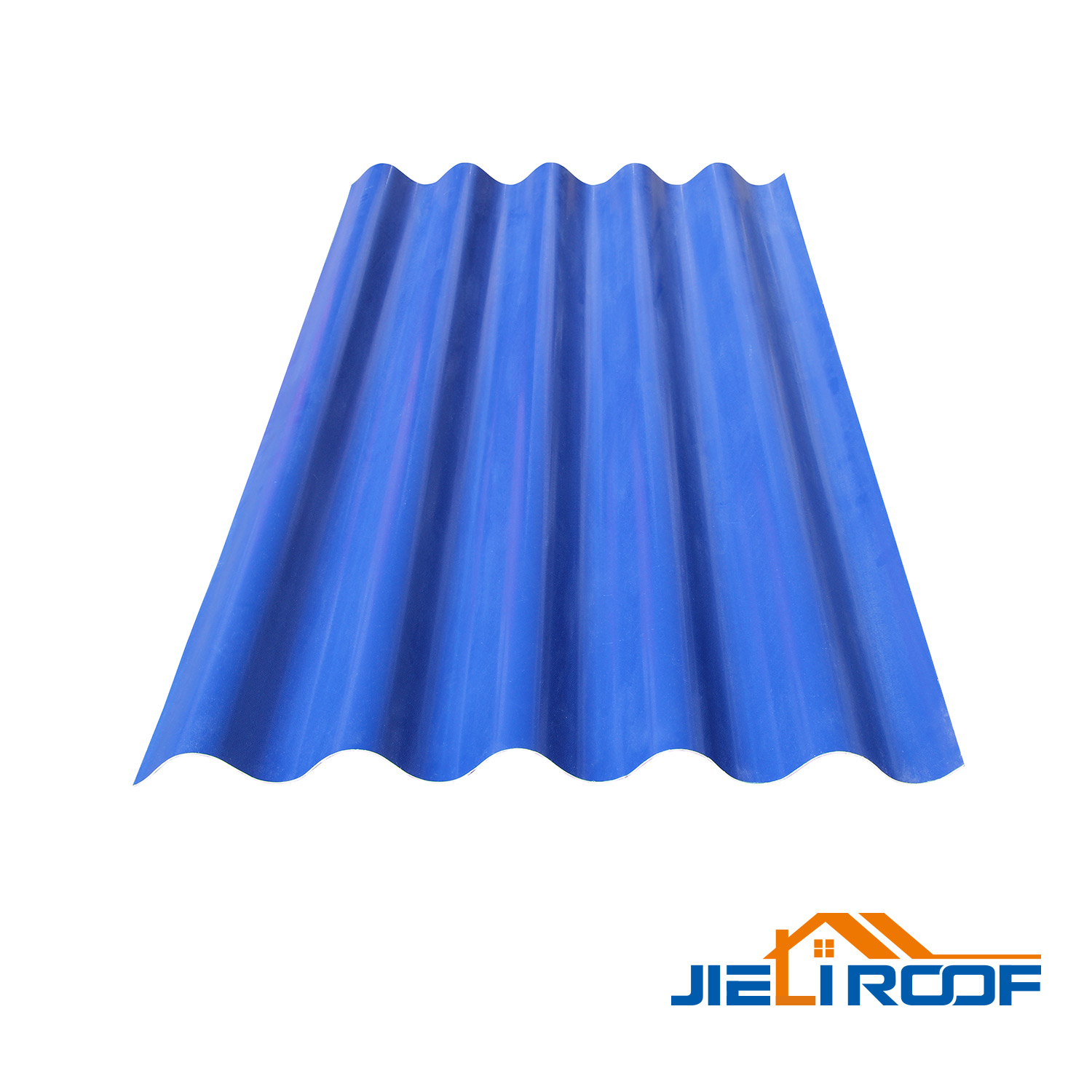
For projects that need stronger stability than a standard UPVC roof sheet, Glass Fiber Reinforced UPVC Roof Sheet T940 is a suitable product reference. It uses ASA, UPVC, fiberglass mesh, and resin materials. The product has a 940mm total width, 880mm effective width, and thickness options of 2.5mm, 3.0mm and 4.0mm. Length can be customized, with container-related length limits based on shipping requirements.

T940 is designed for roofing, ceiling, and wall panel applications. Its performance advantages include anti-corrosion, heat insulation, light weight, fire prevention, color stability, anti-UV performance, anti-impact strength, sound insulation, environmental protection, and waterproof performance.

Glass Fiber Reinforced UPVC Roof Sheet

Suitable temperature range and service expectations

Glass fiber reinforced resin tile made with UPVC can be used in a temperature range from -40°C to 80°C. In suitable industrial and corrosive environments, reinforced UPVC roofing can offer a much longer use cycle than traditional color steel sheet, often positioned at 3–5 times the service life of common color steel roofing under comparable demanding conditions.

For buyers, this does not mean every project should choose the highest specification. It means the roof sheet should match the environment. If a project has high corrosion, strong sunlight, large roof spans, or impact concerns, reinforced UPVC deserves closer review.

Common Mistakes When Selecting Industrial Roof Sheets

A good roofing decision depends on both material data and project reality. Many roofing problems come from choosing based on a single factor, such as price, thickness, or appearance.

Choosing only by thickness

Thickness can support strength, but it does not explain the full performance of a roof sheet. Material structure, reinforcement layer, profile height, purlin distance, UV layer, and corrosion resistance all matter. A glass fiber reinforced UPVC roofing sheet can be a better choice when the project needs improved impact resistance and structural stability.

Ignoring chemical and moisture exposure

Some industrial buildings look normal from the outside, but face strong corrosive conditions inside. Animal houses, food factories, chemical workshops, seaside buildings, and water treatment facilities may expose the roof to moisture, salt, acid, alkali, or ammonia. In these cases, a standard metal sheet may age faster if the coating fails.

A corrosion-resistant UPVC roof sheet can reduce this risk because the material itself does not rust. For this reason, anti-corrosion performance should be checked early during product selection.

Treating installation as a minor detail

This article does not provide on-site installation guidance, but installation compatibility should still be reviewed before purchasing. Buyers should confirm the sheet profile, accessories, screws, ridge covers, flashing, slope requirements, and project drawings with qualified contractors. Good material can still fail if the system design and fixing plan do not match the building.

Final Checklist Before Purchasing

Before placing an order, industrial buyers can use a simple checklist to avoid unsuitable material choices.

Check the building type first. A factory, warehouse, farm, workshop, or wall cladding project may need a different profile. Then confirm the roof environment, including sunlight, rain, wind, temperature, chemical exposure, and humidity. Next, review sheet width, effective width, thickness, length, purlin distance, and profile design.

Buyers should also compare impact resistance, tensile performance, loading capacity, heat insulation, sound insulation, corrosion resistance, waterproof performance, fire performance, and warranty terms. Accessories should not be ignored, because ridge covers, side ridges, eaves, flashing, and fixing parts affect the final roof system.

For large projects, it is also useful to request samples before bulk purchasing. A sample review can help buyers check surface quality, rigidity, color, profile shape, and basic handling feel before final confirmation.

Conclusion

Choosing the best glass fiber reinforced UPVC roofing sheet for industrial roofs in 2026 requires more than comparing price or thickness. The right material should match the building environment, roof span, corrosion level, thermal conditions, impact risk, and expected service life.

A reinforced UPVC structure with Triple-Layer Co-extrusion Technology + Fiberglass Layer can provide a strong balance of corrosion resistance, weather stability, impact resistance, heat insulation, sound insulation, and load-bearing performance. For factories, warehouses, agricultural buildings, and demanding industrial sites, this material offers a practical path between lightweight roofing and stronger structural reliability.

If your project needs a stronger industrial roofing option, you can request project-based roof sheet recommendations or sample support before making a final specification decision.

FAQ

Q: What is the main advantage of a glass fiber reinforced UPVC roofing sheet?
A: The primary benefit lies in the fiberglass reinforcing layer within the UPVC framework. This element boosts overall strength and impact resistance. It also enhances tensile resistance, load-bearing performance, and dimensional stability. Consequently, such a sheet proves far more appropriate for rigorous industrial roofs when compared to a standard UPVC sheet.

Q: Is UPVC roofing suitable for corrosive industrial environments?
A: Yes. UPVC roofing remains free from rust. It provides solid resistance against moisture, acid, alkali, and salt conditions. People frequently apply it in factories, farms, warehouses, coastal structures, and similar ventures. In these settings, conventional metal roofing could encounter corrosion issues.

Q: How should buyers choose the right UPVC roof sheet for an industrial building?
A: Buyers need to evaluate the building category, roof span, and purlin spacing. They should also consider corrosion levels, temperature variations, and impact hazards. Insulation requirements, sheet design, thickness, accessories, and warranty details matter too. When strength and stability represent primary issues, a reinforced option fits better.




How to Choose the Best Glass Fiber Reinforced UPVC Roofing Sheet for Industrial Roofs in 2026