HOME>NEWS>Why Color Coated Roofing Sheets Face Corrosion Risks in Coastal Factories
Why Color Coated Roofing Sheets Face Corrosion Risks in Coastal Factories
2026-06-03 16:02:09
SHARE TO:
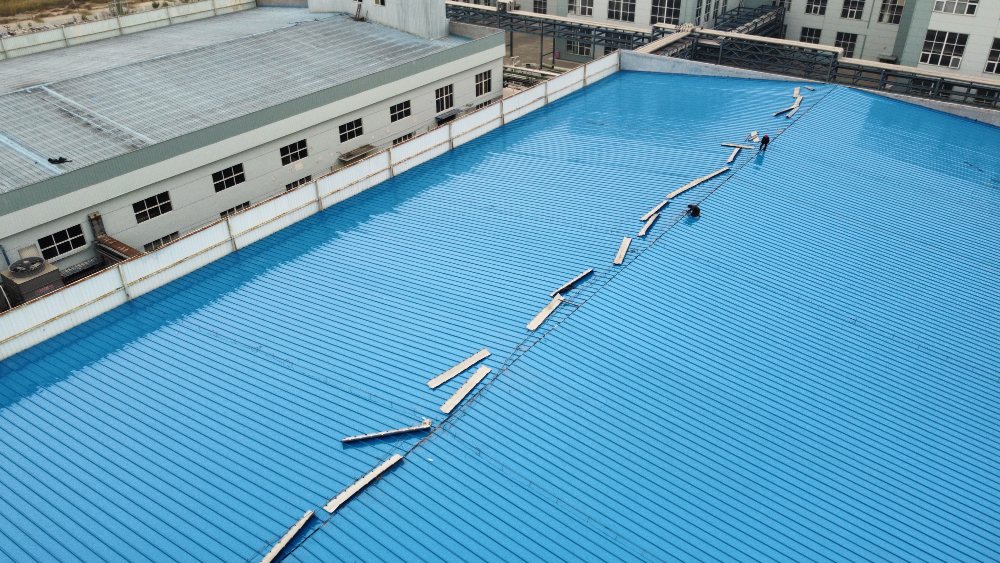
Coastal factories put roofing materials under pressure from the first day of installation. Salt air, high humidity, rain, sunlight, and industrial pollutants all work against the roof surface. Color coated roofing sheets are common because they are easy to source, simple to install, and suitable for many standard buildings. In coastal factories, however, small coating damage can turn into rust around cut edges, screw holes, overlaps, and scratched areas.
The issue is not that every coated steel roof will fail. The real question is whether the material fits the site. A warehouse far from the sea has different needs from a chemical workshop, food plant, fishery facility, or water treatment building near the coast. For these projects, color coated steel sheet, ppgi roofing sheet, galvanized roofing sheets, and prepainted steel sheet should be compared by corrosion risk, not only by initial price.
Why Coastal Factory Roofs Face Higher Corrosion Pressure
A roof near the sea does not face one single problem. It faces a mix of salt, moisture, heat, pollutants, and temperature change. These conditions collect most easily at fasteners, laps, edges, gutters, and low-slope areas. Once moisture stays in these points, corrosion can start quietly before it becomes visible.
Salt Air and Humidity Attack Weak Points
Marine salt is highly aggressive to metal roofing systems. Chloride ions can damage protective layers and create pitting or crevice corrosion. High humidity then keeps the surface wet for longer periods, which supports oxidation and speeds up local damage.
This is why color coated roofing sheets need careful inspection in coastal projects. Even if the main surface looks good, exposed cuts and drilled holes may become weak areas. Galvanized roofing sheets also need proper detailing because zinc protection can be affected by scratches, edge exposure, and long-term salt deposits.
Rain, UV, and Pollution Make the Roof Work Harder
Rain can clean part of the roof, but it can also push salt and pollutants into joints and overlaps. UV exposure may reduce the protection of some organic coatings over time. In industrial zones, acidic or alkaline substances may further increase corrosion pressure.
For a coastal factory, the roof must resist more than ordinary weather. It must handle a combined environment, which is why material structure and installation quality matter as much as appearance.
Why Color Coated Steel Sheet Can Lose Protection
Color coated steel sheet depends on its surface coating to protect the steel base. In ordinary buildings, this can work well. In coastal and industrial roofs, the coating is more likely to face damage during transport, cutting, drilling, installation, and years of outdoor exposure.
Small Coating Breaks Can Become Rust Points
Early corrosion often begins from small defects. A scratch, unprotected edge, screw hole, or thin coating area can allow moisture and salt to reach the metal. Once corrosion starts, it may spread under the coating and become harder to repair.
This is also a concern for prepainted steel sheet in corrosive environments. Painted and sprayed coating systems may have uneven areas or microscopic defects. In mild locations, this may not cause serious problems, but in coastal factory roofing, these weak points can shorten the maintenance cycle.
Pitting Corrosion Is More Serious Than Color Fading
Many buyers notice fading first, but pitting corrosion is often more damaging. Small pits around fasteners or seams can grow into leakage points and reduce roof strength. Repairs also cost more when the building is active, because roof work may interrupt production, affect storage areas, or expose equipment to moisture.
This is why the lowest material price is not always the lowest project cost. For coastal factories, life-cycle performance should guide the final roofing choice.
PPGI Roofing Sheet and Galvanized Roofing Sheets Need the Right Site
PPGI roofing sheets and galvanized roofing sheets are widely used because they are practical and familiar. They can still be good choices when the building environment is moderate. The problem appears when a standard product is used in a site with stronger corrosion pressure.
Where PPGI Roofing Sheet Still Works
A ppgi roofing sheet can fit inland warehouses, general workshops, temporary structures, and buildings with limited chemical exposure. It is also suitable when the roof is easy to inspect, and the owner accepts a normal maintenance cycle.
For coastal factories, the selection should be stricter. Salt accumulation, high humidity, and stronger UV exposure can make a standard ppgi roofing sheet work harder. If the factory also involves chemicals, food processing, livestock, fishery, or wastewater treatment, the roof needs better corrosion resistance.
Where Galvanized Roofing Sheets May Need Extra Protection
Galvanized roofing sheets use zinc protection to reduce steel corrosion, but zinc layers are not immune to harsh environments. Cut edges, scratches, and fastener holes can still become vulnerable points. In coastal and industrial buildings, these details often decide the real service performance.
A good material review should ask where corrosion may begin, how fast it may spread, and how difficult it will be to repair after installation. These questions are more useful than judging roofing sheets by surface color alone.
Why Film Coated Steel Sheet Is a Stronger Direction
A film coated steel sheet protects the steel base in a different way from ordinary painted panels. Instead of depending only on a sprayed paint layer, it uses a bonded film to reduce direct contact between steel and corrosive media.
Film Protection Helps Block Corrosive Media
The key value of film protection is sealing. When the film is closely bonded to the steel surface, it helps block salt, moisture, acids, alkalis, and pollutants from reaching the metal base. This makes it more suitable for roofs that face chemical corrosion, coastal air, and frequent humidity.
This difference matters when comparing prepainted steel sheet with film coated steel sheet. Prepainted steel sheet may be enough for normal buildings, but a sealed film structure is more suitable when corrosion resistance is the main concern. Buyers comparing roofing categories can first review the TSP roof sheet range before deciding on a profile.
Chemical Resistance Matters in Industrial Roofs
Coastal factories often face mixed corrosion. A food factory may need frequent cleaning. A chemical plant may face acid or alkali exposure. A water treatment plant may have humidity and chemical vapor. A farm or fishery building may expose the roof to waste, salt, and moisture.
In these cases, a corrosion resistant roofing sheet should be selected by the working environment. If the roof only handles normal rain and sunlight, a standard coated panel may be acceptable. If it must resist salt, acid, alkali, and heat for years, the surface structure becomes a key decision.
Where TSP Steel Sheet Trapezoidal 1050 Fits
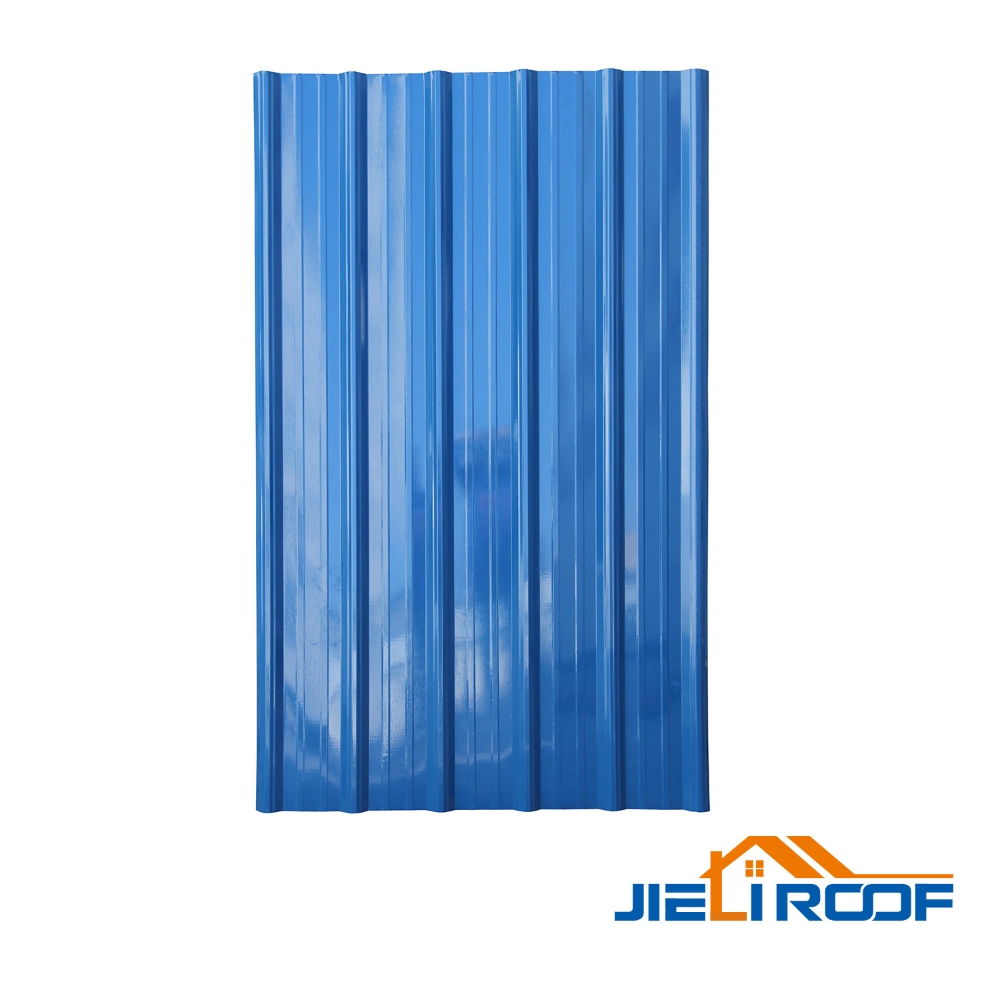
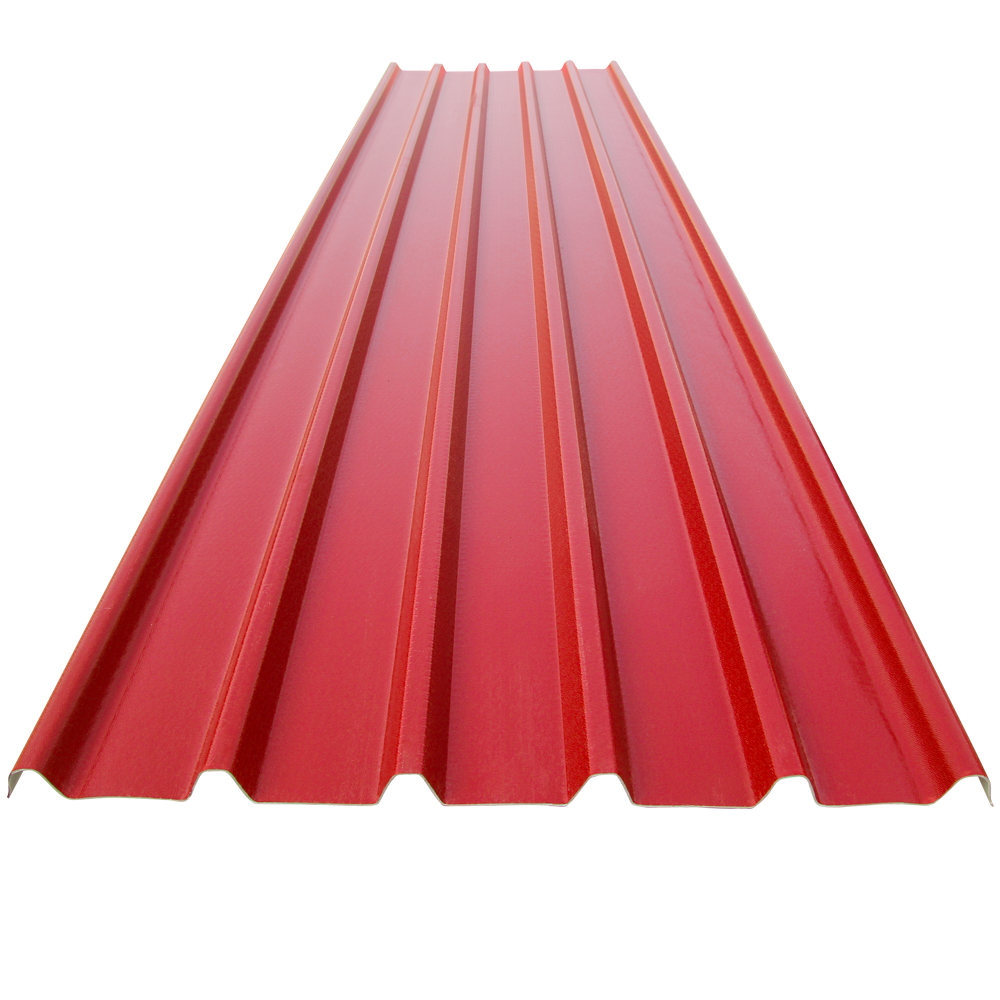
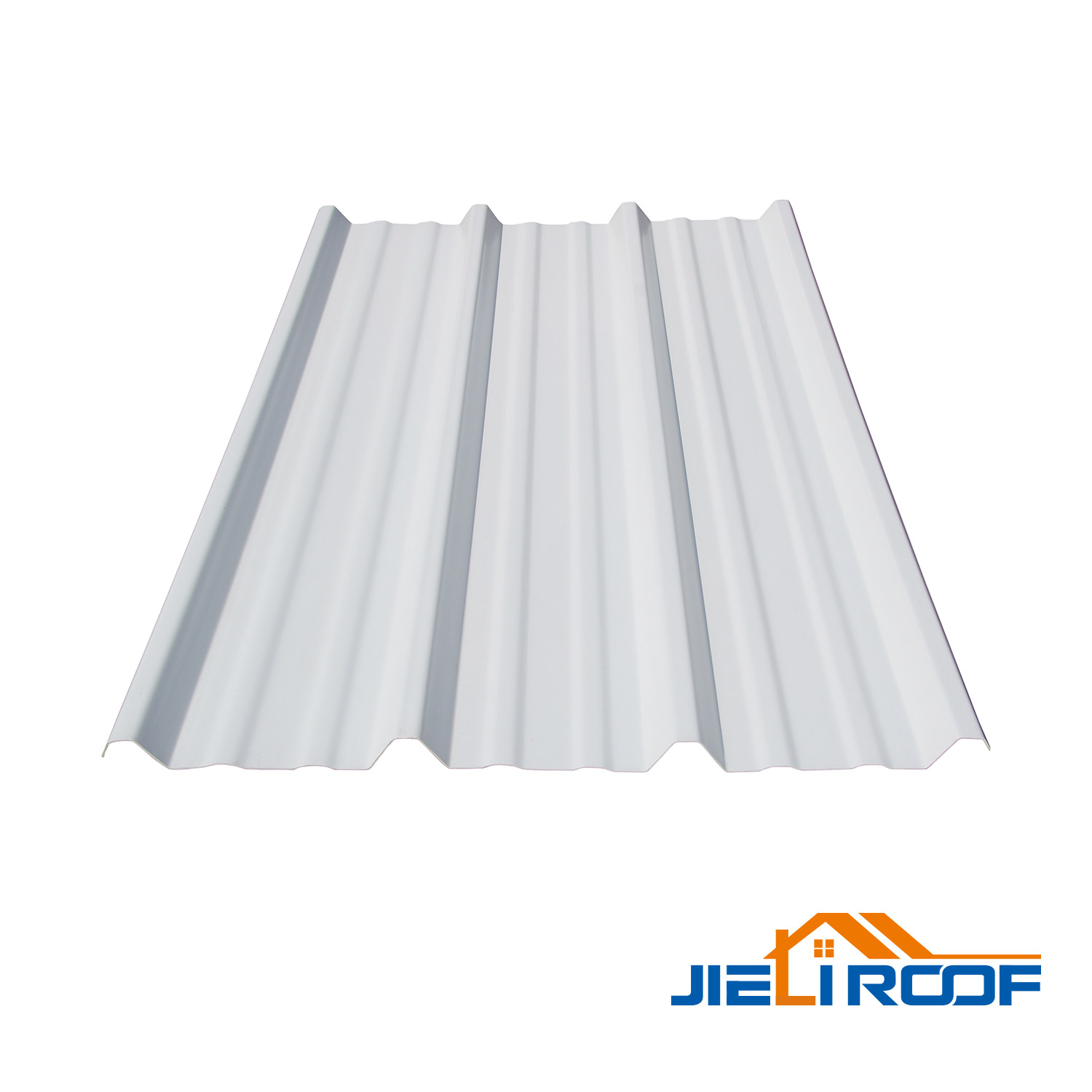
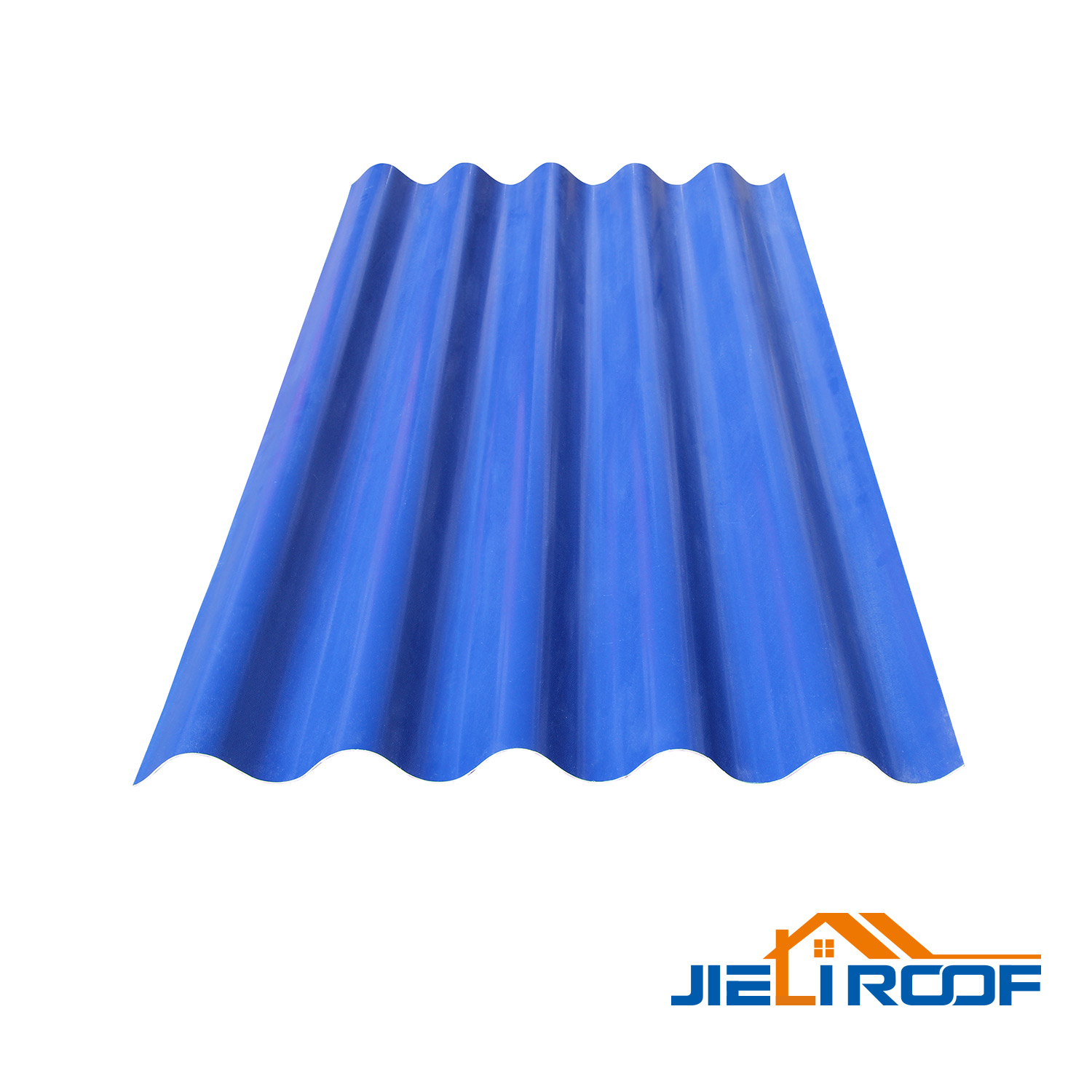
At this stage, the product choice becomes more specific.TSP Steel Sheet Trapezoidal 1050 uses TSP film on both sides of a galvanized steel sheet. This structure combines the strength of steel with the protection of modified polyester film, making it suitable for coastal buildings, factories, warehouses, chemical facilities, farms, and other industrial roofs with higher corrosion risk.
The model has a width of 1130mm and a cover width of 1050mm. Length can be customized, and common thickness options include 0.5mm, 0.6mm, 0.7mm, and 0.8mm. The purlin distance is commonly planned around 1.2m to 1.5m, depending on project conditions. It also has 15 years of quality assurance, while service performance should still be matched with installation quality, drainage, overlap design, and maintenance.
Jieli focuses on roofing materials for commercial, industrial, and residential buildings, including UPVC roof sheets, ASA synthetic resin roof tiles, fiber glass reinforced roof sheets, and steel-based roofing solutions. In this topic, the product matters because coastal projects need material matching, not only panel supply.
How to Choose Roofing Sheets for a Coastal Factory
The best choice begins with the site. Before comparing prices, buyers should check distance from the sea, humidity level, chemical exposure, roof slope, drainage, fastening method, maintenance access, and expected service life.
If the building faces normal weather, color coated roofing sheets may still be practical. If the roof faces salt spray, acidic gas, alkaline cleaning, animal waste, or industrial steam, a higher level of corrosion protection is safer. A better-matched material can help reduce repair frequency, leakage risk, and production disruption.
For projects that need a more suitable roofing plan, you can discuss your building conditions with our team and compare options based on corrosion source, roof structure, and long-term maintenance needs.
Conclusion
Color coated roofing sheets are useful in many standard buildings, but coastal factories create a tougher test. Salt air, humidity, UV exposure, pollutants, and temperature change can expose coating weaknesses and speed up corrosion. PPGI roofing sheet, galvanized roofing sheets, prepainted steel sheet, and film coated steel sheet all have suitable uses, but they should not be treated as equal choices in high-corrosion projects.
For coastal factories, the better decision is to match the roof to the real environment. When the project needs chemical resistance, salt resistance, steel strength, and lower maintenance pressure, TSP Steel Sheet Trapezoidal 1050 offers a practical direction for industrial roofing.
FAQ
Q:Are color coated roofing sheets suitable for coastal factories? A:They can work in mild coastal conditions, but strong salt air, humidity, chemical exposure, or frequent washing may require a more corrosion resistant roofing sheet.
Q:What is the difference between ppgi roofing sheet and film coated steel sheet? A:A ppgi roofing sheet usually depends on a painted coating, while film coated steel sheet uses a bonded protective film to avoid direct contact between steel and corrosive media.
Q:Why choose TSP Steel Sheet Trapezoidal 1050 for industrial roofing? A:It combines galvanized steel with TSP film on both sides, giving coastal and industrial projects better resistance to corrosion, chemicals, weather, and long-term maintenance pressure.






 +86 0535 6278701 / +86 15653505862