HOME>NEWS>UPVC Roofing Sheet vs Metal Roofing Sheet Which Offers Better Value for Industrial Roofs in 2026?
UPVC Roofing Sheet vs Metal Roofing Sheet Which Offers Better Value for Industrial Roofs in 2026?
2026-06-16 07:15:42
SHARE TO:
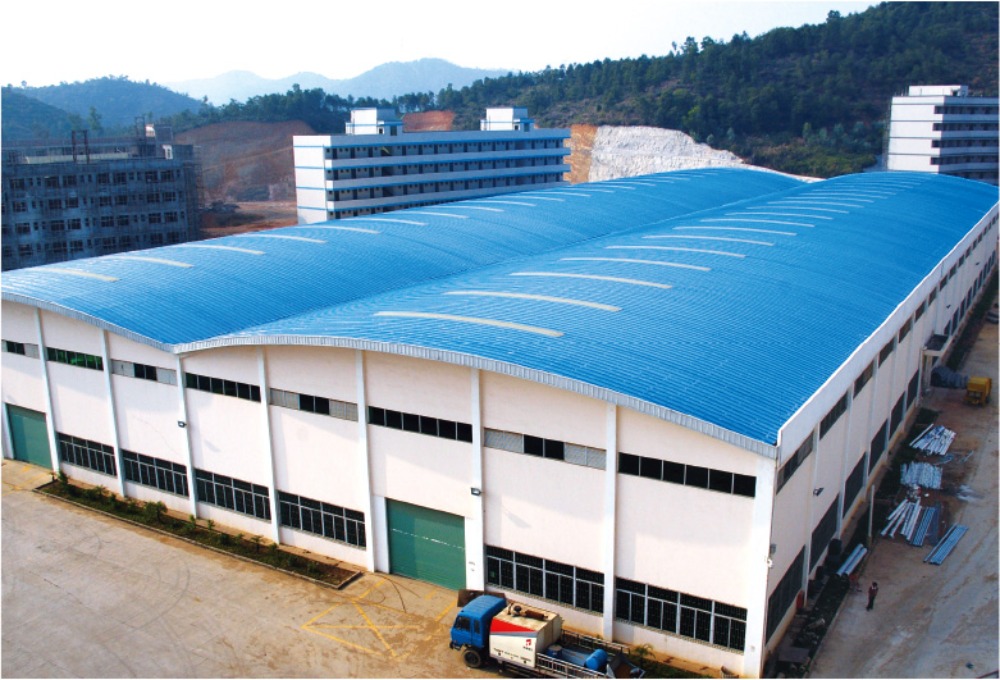
For industrial roofs in 2026, better value is not always the lowest purchase price. A roof over a factory, warehouse, farm building, or processing workshop must deal with heat, rain, noise, chemical fumes, humidity, salt air, and maintenance pressure for many years. In these conditions, an UPVC roofing sheet can offer stronger long-term value than a standard metal roofing sheet, especially when corrosion resistance and indoor comfort matter.
Metal roofing still has its place. It can be suitable for projects that need high structural strength, long spans, or familiar steel-frame construction. The real question is not which material is “better” in every case. The better question is which roof sheet fits the building environment, budget, lifespan target, and maintenance plan.
Why Industrial Roof Buyers Are Comparing UPVC and Metal Sheets in 2026
Industrial roofing decisions have changed. Buyers are no longer looking only at the material cost per square meter. They are also looking at roof failure risk, replacement cycles, worker comfort, insulation performance, and how much maintenance the roof may need after installation.
A metal roofing sheet may look cost-effective at the beginning. It is familiar, widely available, and easy for many contractors to install. But in corrosive environments, its protective coating becomes critical. Once the coating is scratched, aged, or poorly formed, moisture and chemicals can reach the metal layer. Rust then becomes a maintenance issue, not only a surface problem.
An UPVC roof sheet works differently. It does not rely on a metal base, so rust is not the main concern. For roofs exposed to acid, alkali, salt, humid air, or animal waste fumes, this becomes a practical advantage. That is why UPVC roof sheet for industrial roofing is often considered for workshops, warehouses, livestock buildings, coastal facilities, and chemical-related spaces.
UPVC Roofing Sheet vs Metal Roofing Sheet at a Glance
A quick comparison helps buyers see where each material performs well. The goal is not to reject metal roofing, but to match each option to the right project.
Factor
UPVC roofing sheet
Metal roofing sheet
Corrosion resistance
Strong performance in humid, salty, acidic, and alkaline environments
Depends heavily on coating quality and surface protection
Heat transfer
Helps reduce heat transfer into the building
Transfers heat faster
Rain noise
Quieter during heavy rain
Usually louder during rain and wind
Rust risk
No rust from the sheet body
Can rust when coating is damaged
Maintenance
Lower rust-related maintenance
May need repainting, coating repair, or replacement
Structural strength
Suitable for many industrial and agricultural roofs
Often stronger for long-span or heavy-load structures
Best fit
Factory roofs, farms, warehouses, coastal buildings, chemical environments
Large-span steel structures, heavy-load roofs, standard low-corrosion buildings
For many buyers, the decision becomes a value comparison rather than a simple price comparison. If the roof faces aggressive corrosion or heat, UPVC sheets may reduce future repair pressure. If the project requires longer spans or higher load capacity, metal or a composite steel solution may still be more suitable.
Why UPVC Sheet Price Is Only Part of the Decision
Many buyers start by asking for the UPVC sheet price, which is reasonable. Budget matters in every industrial project. But price alone does not show the real cost of a roofing system.
A cheaper roof sheet can become expensive if it creates frequent leaks, rust stains, heat problems, or early replacement. For factories, the cost may also include halted production, damaged goods, repair labor, and repeated maintenance. A higher-quality sheet may cost more at the beginning, but it can reduce these hidden costs over time.
When comparing UPVC sheet price with metal roofing cost, buyers should check:
Thickness and effective width
Surface layer quality
Formula stability
Application environment
Accessories and fastening system
Installation method
Expected maintenance cycle
Supplier support for project calculation
This is especially important for distributors and contractors. A low initial quote may help win one order, but poor roof performance can damage repeat business. In 2026, industrial buyers are becoming more careful about lifecycle value, not just the first invoice.
Corrosion Resistance Is the Main Reason Many Factories Choose UPVC
Corrosion is one of the biggest problems in industrial roofing. It is common in coastal regions, chemical plants, food processing workshops, livestock farms, water treatment plants, mines, and high-humidity warehouses. In these places, the roof is not only exposed to rain. It may also face salt, ammonia, acid gas, alkali, and temperature changes.
Standard metal sheets depend on paint, coating, or galvanizing to resist corrosion. Once the protective layer weakens, corrosion can spread from small points. This is why pitting, edge rust, screw-hole rust, and coating failure often appear first around damaged areas.
UPVC has a different advantage. It is naturally rust free, and good-quality UPVC sheets can resist acid, alkali, salt, and moisture better than ordinary painted metal sheets. For a corrosion resistant UPVC roof sheet, this makes the material suitable for factory roofing material selection where chemical exposure is a real concern.
Still, project matching matters. In very high-temperature buildings or roofs that need a long purlin distance, standard UPVC may not be the only answer. Buyers should compare temperature, span, load, and chemical exposure together before choosing.
Heat and Rain Noise Also Affect Long-Term Value
Roofing value is not only about whether the roof leaks. It also affects the working environment under the roof. In hot regions or workshops with internal heat sources, fast heat transfer can make the space harder to manage. Metal roofing conducts heat quickly, so the indoor temperature can rise faster under strong sunlight.
A heat-insulating roofing sheet can reduce this pressure. UPVC material helps slow heat transfer, which can make workshops, warehouses, farms, and storage spaces more stable in hot weather. It does not replace a full insulation system in every project, but it can improve roof comfort compared with ordinary metal sheets.
Rain noise is another practical issue. Metal roofing can become loud during heavy rain, especially over large open spaces. In warehouses, livestock buildings, and production areas, noise affects workers, animals, and communication. A sound insulation roof sheet can reduce this problem and create a more comfortable interior environment.
This is one reason the UPVC roof sheet is often used in agricultural and industrial buildings, where heat and noise are not minor details. They influence daily operation.
What Makes Glass Fiber Reinforced UPVC Different?
Standard UPVC has clear corrosion and insulation advantages, but some projects need stronger performance. This is where reinforced structure becomes important.
The structural composition uses Triple-Layer Co-extrusion Technology+Fiberglass Layer. These sheets have four useful layers built in. The top layer gets treated with ASA to fight UV harm and keep bright colors. The second layer is UPVC, which offers outstanding strength, impact resistance, heat insulation, and sound insulation performance. The third layer is a Fiberglass reinforcing layer, which enhances high-temperature resistance, strength, impact resistance, tensile resistance, and load-bearing performance. The bottom layer is UPVC, which is corrosion-resistant, moisture-proof, and enhances structural stability.
This type of glass fiber-reinforced UPVC resin tile is designed for tougher roofing conditions. It can be suitable for temperatures from -40°C to 80°C. In proper applications, its service life can reach 3 to 5 times that of traditional color steel tiles. It is also used as an anti-corrosion roofing option because it helps resist corrosion, temperature change, aging, rust, fading, condensation, water, fire risk, and impact from harsh weather.
The fiberglass mesh is evenly distributed inside the resin tile, acting like built-in soft reinforcement. This helps improve impact resistance, aging resistance, acid resistance, alkali resistance, and structural stability. For buyers who want a more secure alternative to ordinary sheets, this reinforced design offers a stronger direction. It also uses patented glass fiber reinforced technology and can support a 10-year warranty for suitable applications. Free samples can be arranged for project evaluation when buyers need to test material performance before a larger order.
Installation and Roof Design Should Not Be Ignored
Even a good material can fail if the roof design is wrong. Industrial buyers should review roof slope, purlin distance, wind zone, local rainfall, fastening method, overlap direction, and worker safety before installation.
For UPVC and metal roofing, overlap details matter. In windy climates, the overlap should be planned more carefully. In low-slope roofs, lengthwise overlap may need more attention to reduce leakage risk. Fasteners should be suitable for the purlin type, and screw tightness should be controlled. Too loose may reduce the fixing strength. Too tight may damage the sheet or washer.
At Jieli, we usually recommend selecting shape, thickness, color, and quantity based on project conditions rather than only on a standard catalog. Buyers can also review our industrial corrugated and trapezoidal roofing sheet options when comparing roof sheets for factory or warehouse use.
Where UPVC Roofing Sheet T940 Fits Industrial Projects
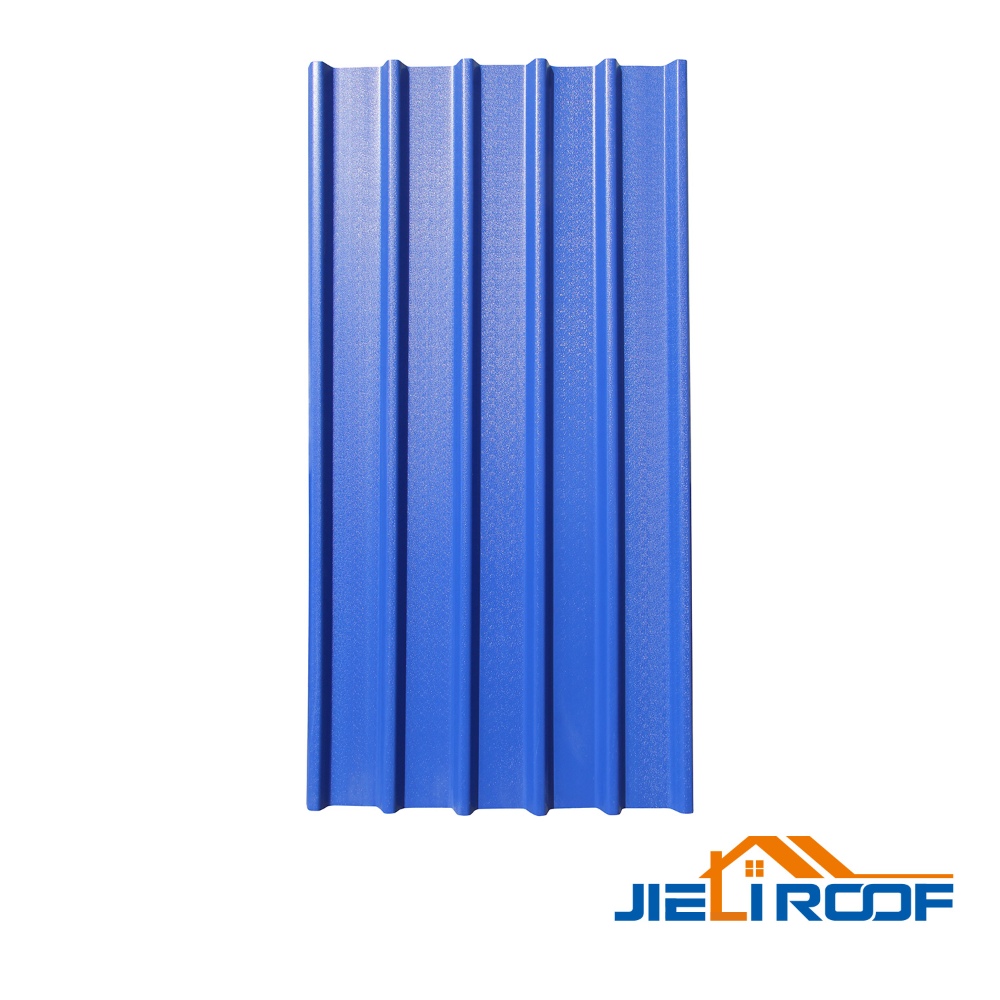
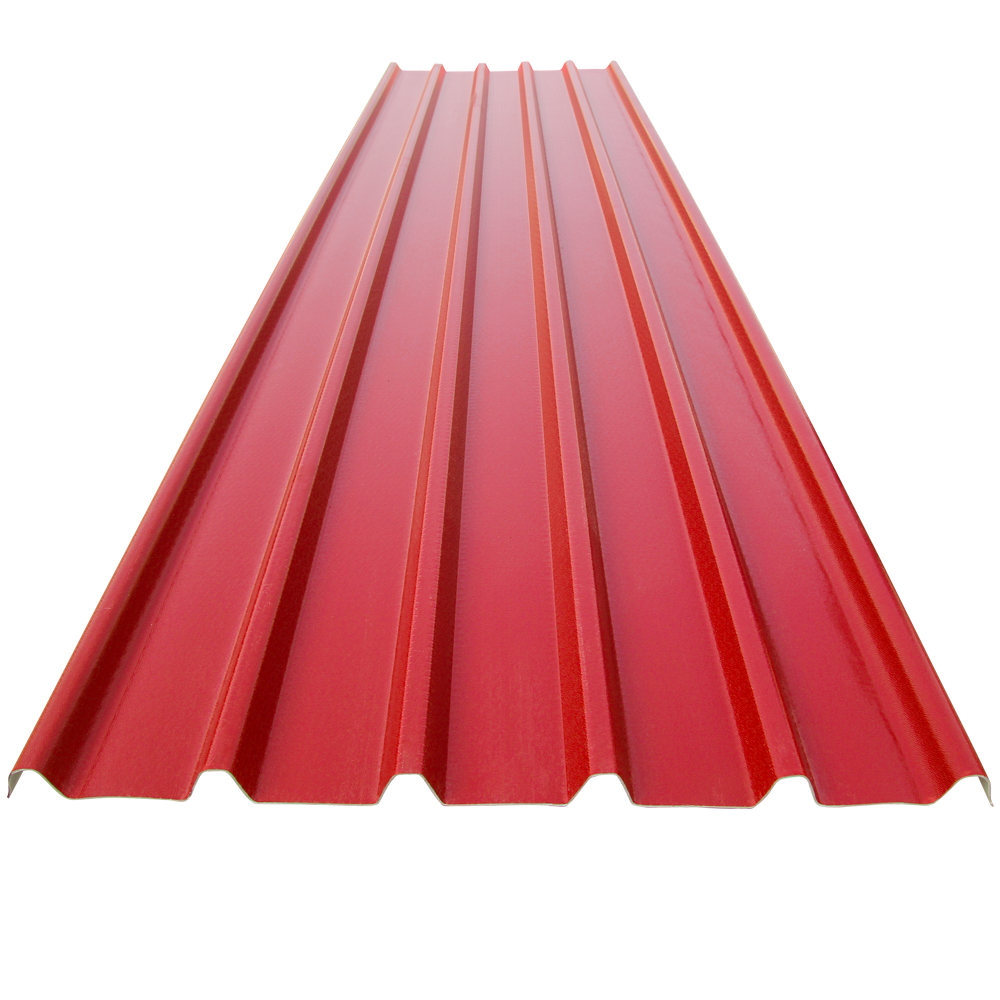
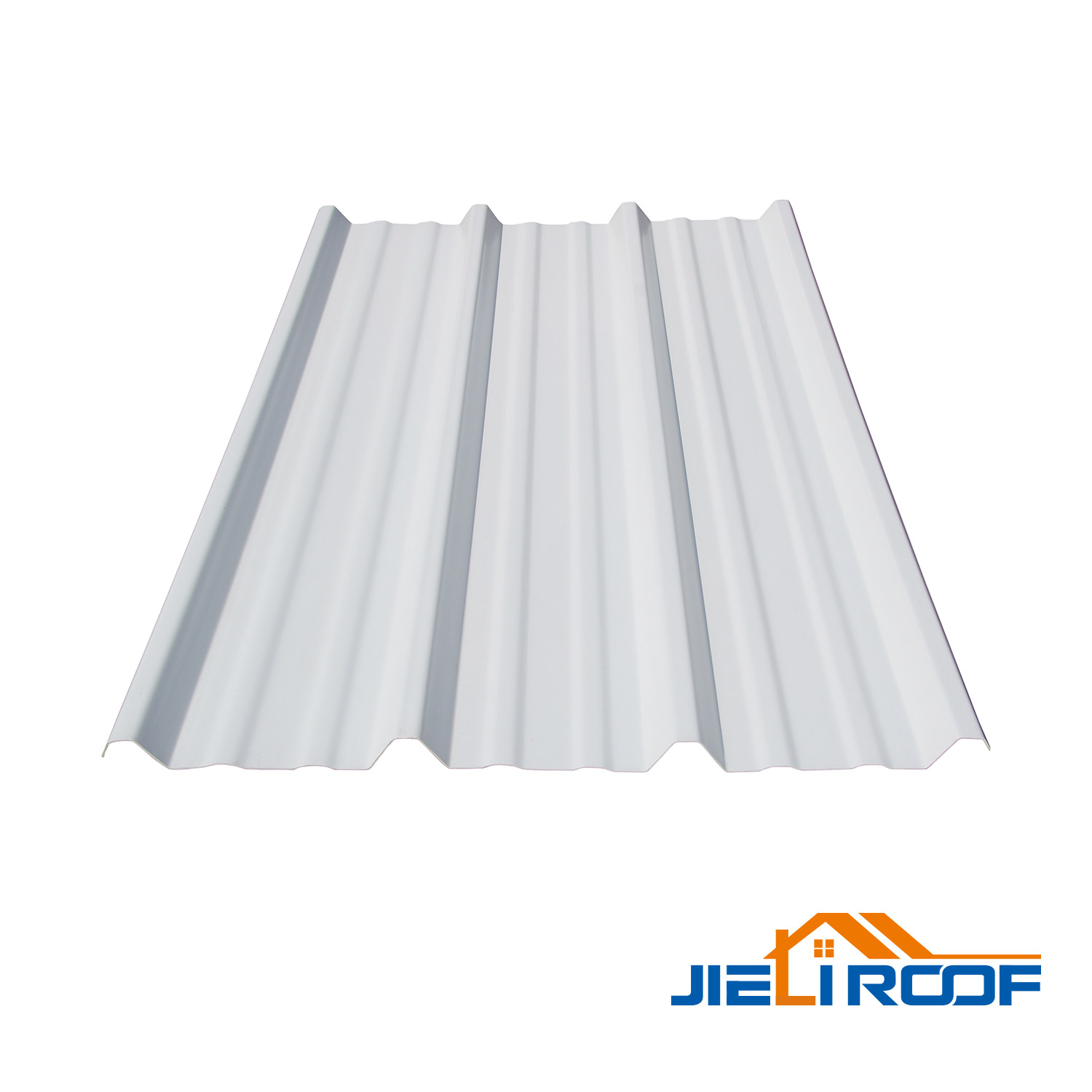
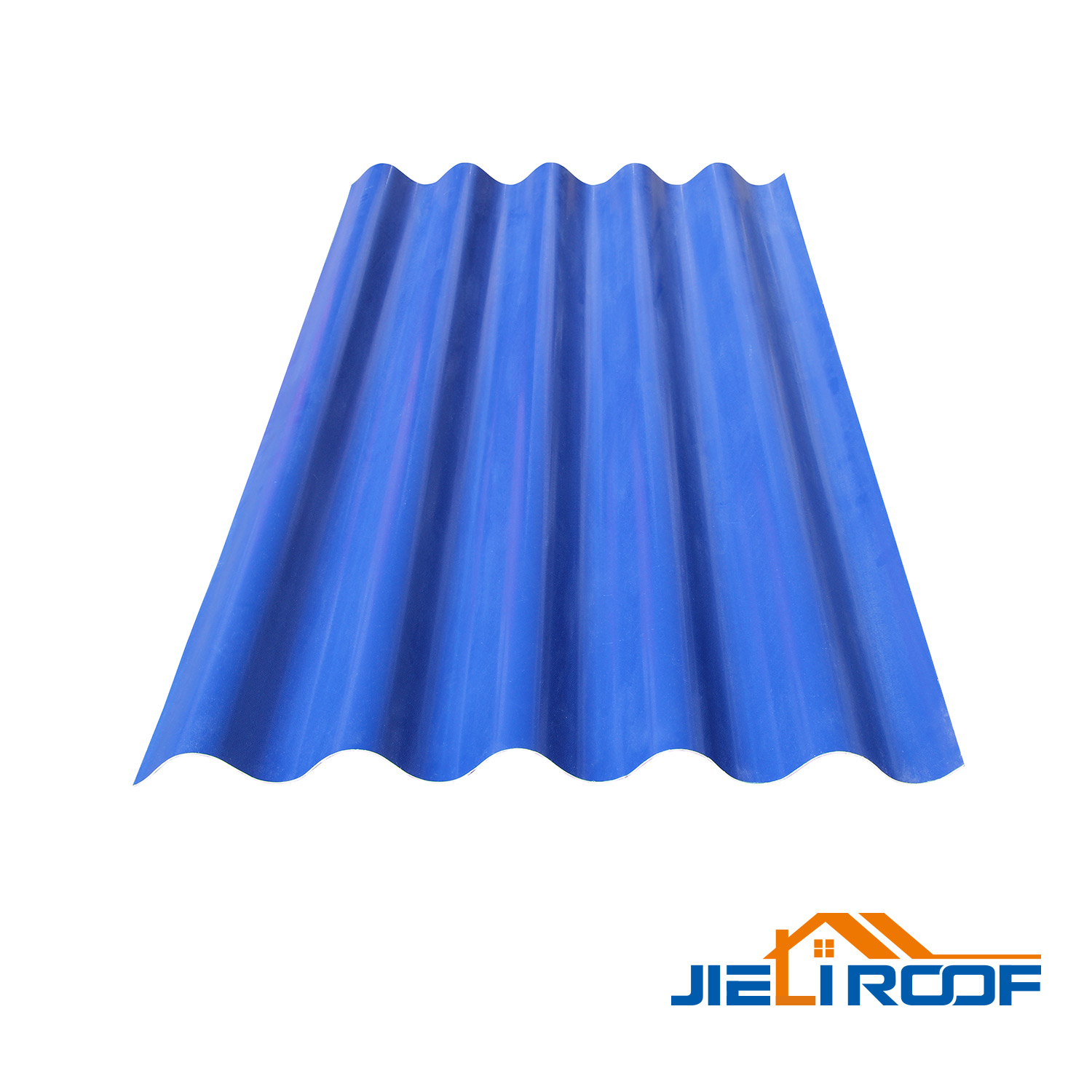
For factory, warehouse, ceiling, and wall panel applications, UPVC Roofing Sheet T940 is one practical option in the industrial roofing range. It is a trapezoidal profile with 940mm width and 880mm effective width. The available thickness options are 2.5mm, and 3.0mm. Length and color can be customized for different project needs.
T940 is designed for industrial roofing applications where chemical corrosion resistance, color stability, sound absorption, heat insulation, water resistance, fireproof resistance, impact resistance, lightweight structure, and no-rust performance are important. It is not necessary to choose this profile for every building, but it can be a suitable choice for factory roofs, warehouses, farms, and other projects where ordinary metal roofing may face faster corrosion or comfort problems.
The right choice still depends on the building. A small farm building, a chemical workshop, and a coastal warehouse may all need different thicknesses, lengths, accessories, and installation plans.
When Metal Roofing Sheet May Still Be the Better Choice
A fair comparison should also include the strengths of metal roofing. Metal may still be the better option when the project needs a higher load capacity, a longer structural span, or a roof system already designed around steel materials.
Some industrial buildings need heavy equipment support, large open spans, or strict fire-performance requirements. In those cases, metal roofing sheets or advanced coated steel products may fit better than standard UPVC. For projects that combine high corrosion, high temperature, high impact, and long-span demand, buyers may also need to compare reinforced UPVC, film-coated steel, or composite steel solutions.
The key point is simple: do not choose by material name alone. Choose by environment, structure, and lifecycle cost.
Final Buying Tips for Industrial Roof Projects in 2026
Before placing an order, buyers should avoid comparing only the unit price. A proper roofing decision should start with the building’s real conditions.
Check the corrosion source first. Salt air, ammonia, acid gas, and strong moisture all change the material choice. Then check temperature, roof slope, span, local wind, rainfall, and indoor comfort needs. If the project needs a roof sheet for warehouse storage, heat control may matter. If it is for livestock or food processing, chemical resistance and easy maintenance may matter more.
Also, check the supplier’s ability to support the project. Industrial roofing is not only a product sale. It involves quantity calculation, sheet length planning, accessories, loading, installation guidance, and after-sales response.
For many factories in 2026, UPVC sheets vs metal sheets is not a one-answer question. UPVC can offer better value in corrosive, noisy, humid, and hot environments. Metal can still fit large-span and heavy-load structures. The best result comes from matching the roof sheet to the actual site.
Need a Practical Roof Sheet Recommendation for Your Project?
If you are comparing metal roofing options, UPVC sheet price, or a corrosion-resistant roof sheet for a factory, warehouse, farm, or coastal building, share your roof size, application environment, slope, and preferred thickness. Our team can help review the project conditions and suggest a suitable profile and material direction.
For a more accurate recommendation, send your roof details to Jieli and compare the options before confirming your next roofing order.
FAQ
Q:Is UPVC roofing sheet better than metal roofing sheet for factories? A:It depends on the factory environment. UPVC roofing sheet is often a better choice for factories with humidity, chemical fumes, salt air, rain noise, or heat problems. Metal roofing sheets may be better for projects that need higher structural strength, longer spans, or heavy-load support.
Q:What affects UPVC sheet price the most? A:UPVC sheet price is affected by thickness, effective width, length, color, surface layer, formula quality, order quantity, accessories, and shipping requirements. For industrial projects, buyers should compare total lifecycle cost instead of only the lowest unit price.
Q:Can UPVC sheets be used in coastal or chemical environments? A:Yes, UPVC sheets can be suitable for coastal buildings, chemical workshops, farms, warehouses, and other corrosive environments. The final selection should still consider temperature, roof design, wind conditions, purlin distance, and installation details.






 +86 0535 6278701 / +86 15653505862