HOME>NEWS>Corrugated UPVC Roofing Sheet Thickness Comparison for Factory Roof Projects
Corrugated UPVC Roofing Sheet Thickness Comparison for Factory Roof Projects
2026-05-26 15:41:33
SHARE TO:
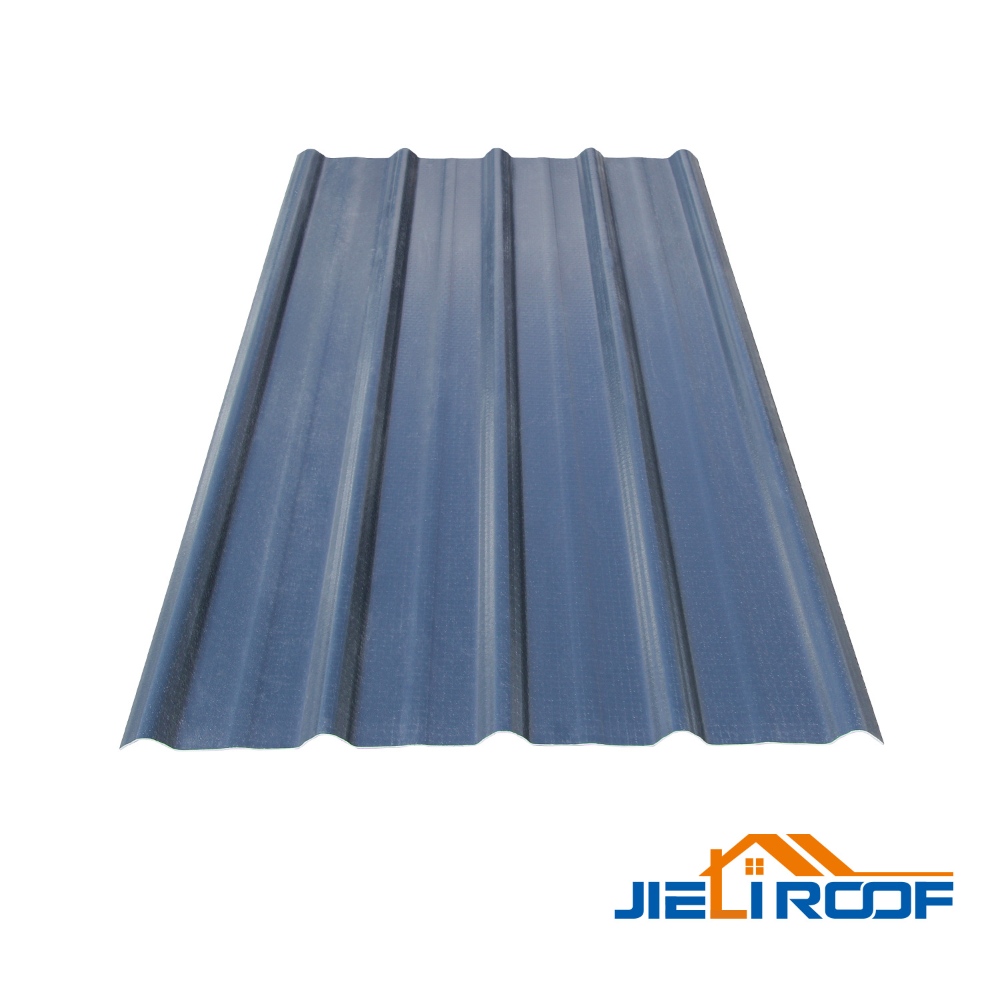
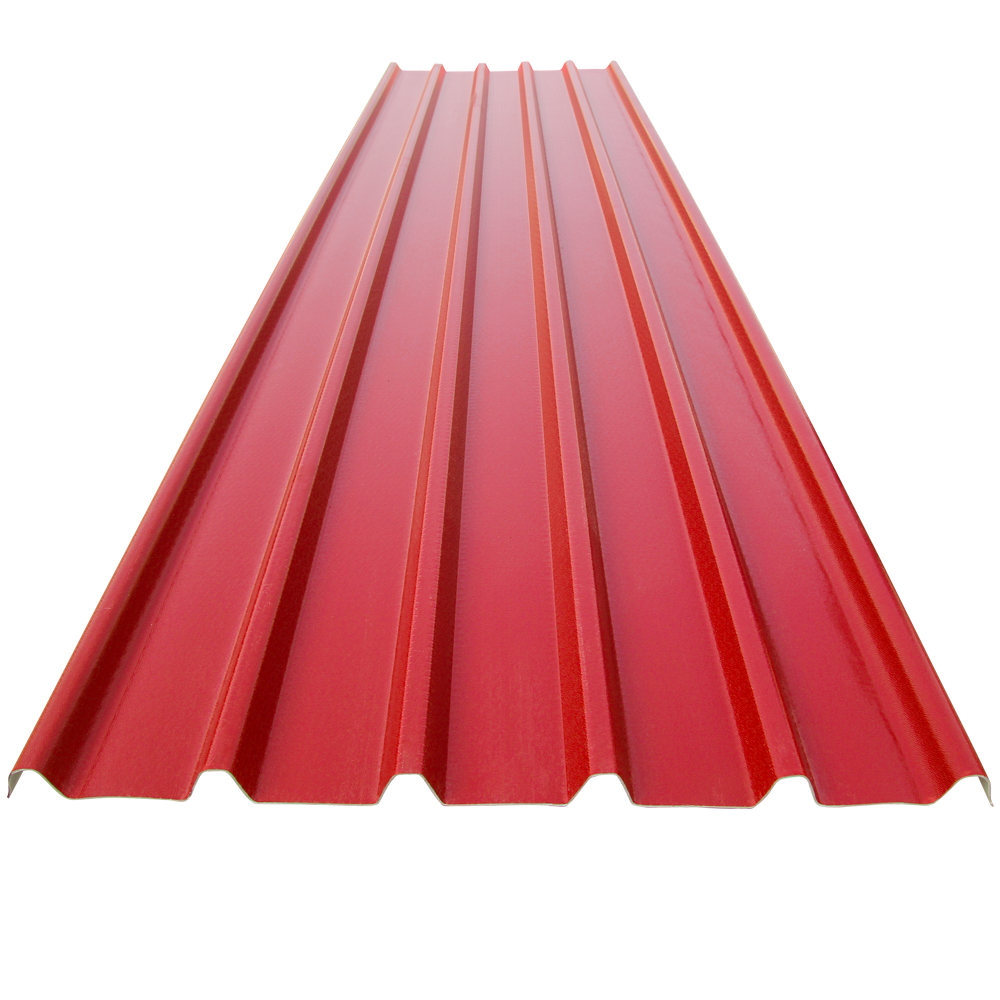
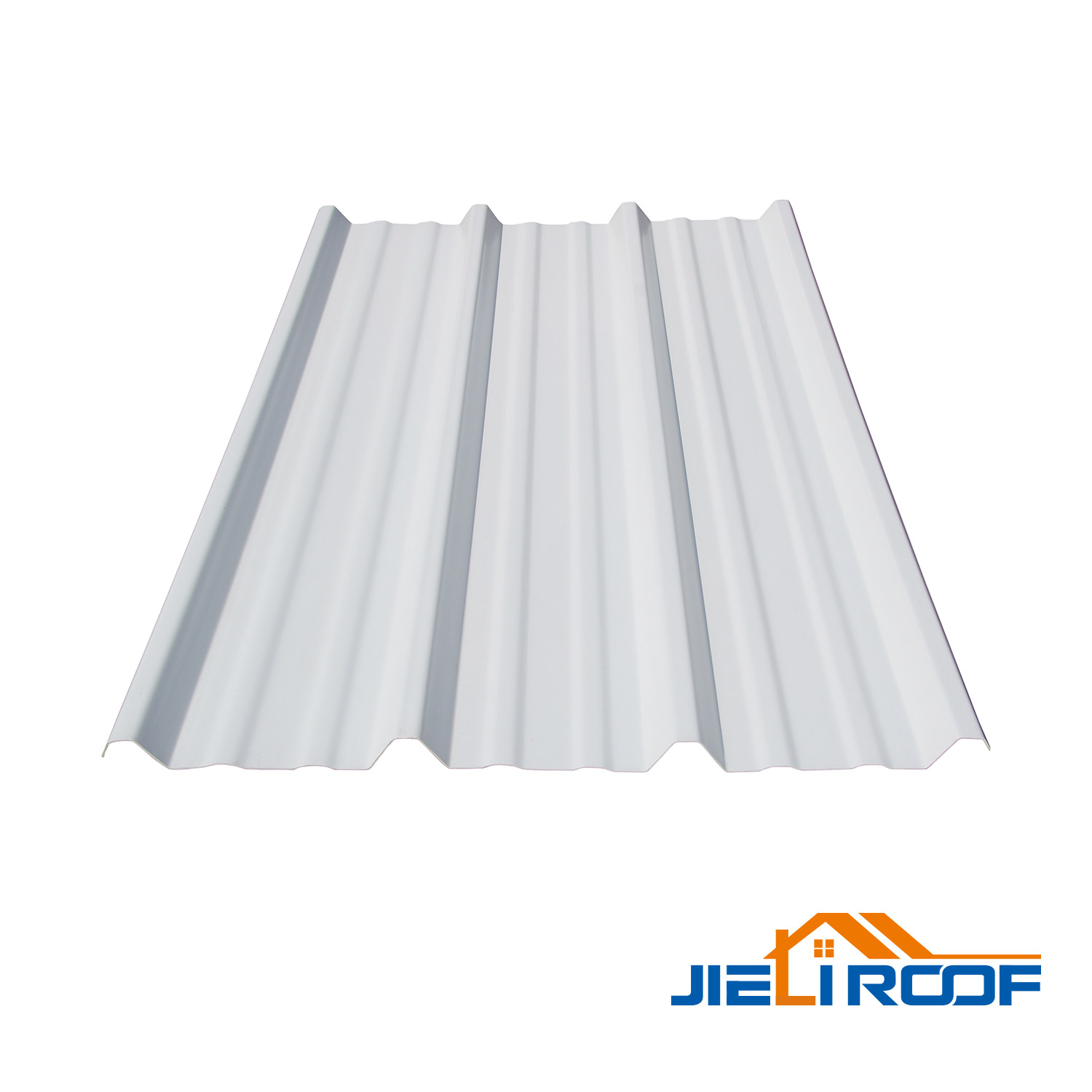
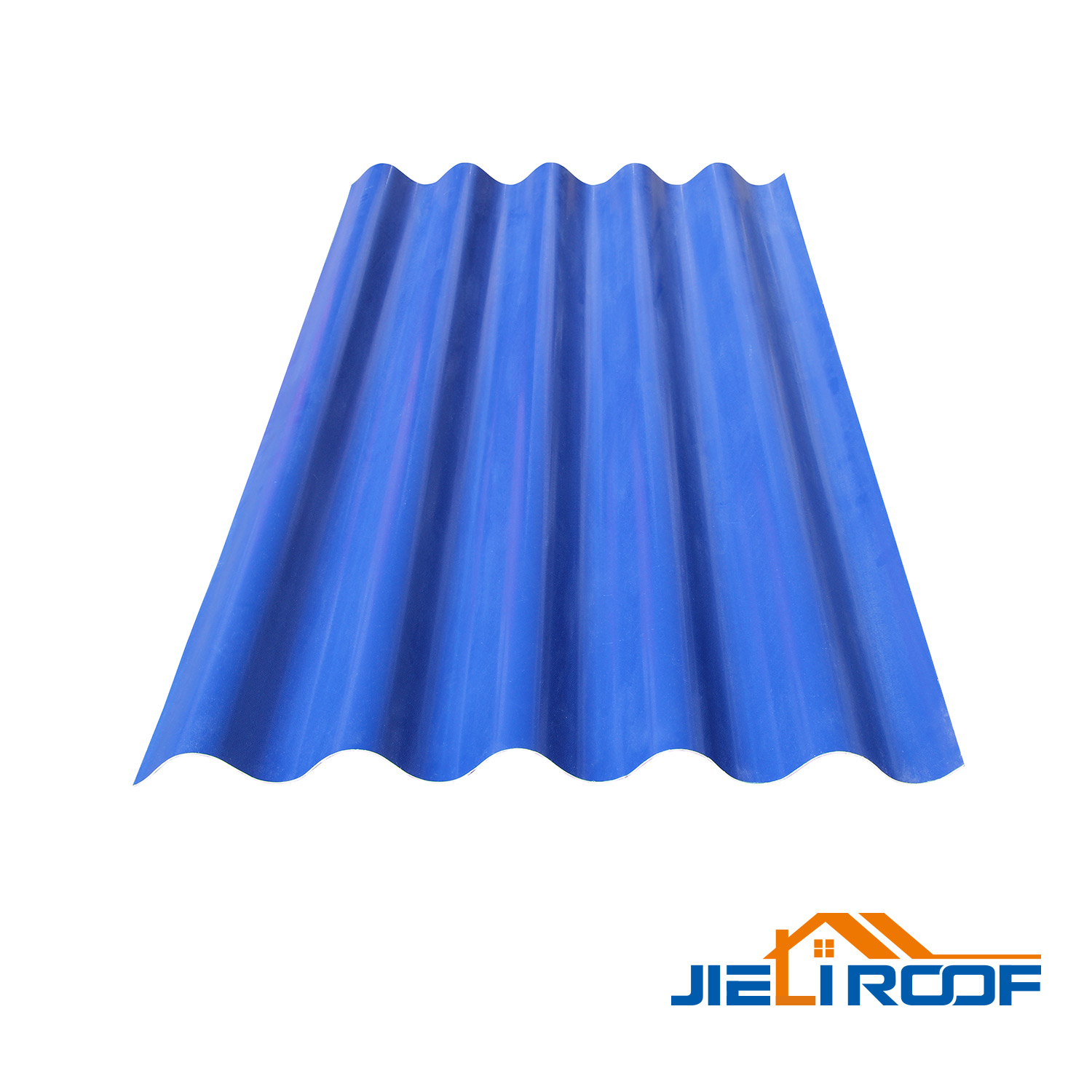
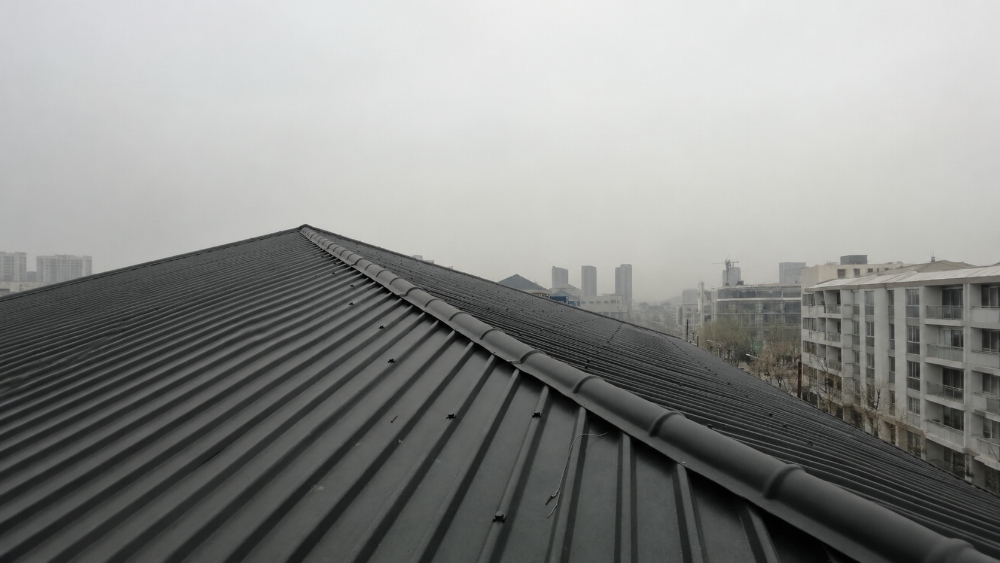
Choosing a corrugated upvc roofing sheet for factory roof projects is not only a question of thickness. The better decision comes from matching sheet strength, roof span, local climate, corrosion risk, installation design, and long-term maintenance cost. A thinner panel may control the first purchase cost, while a thicker panel may give better stability when the roof faces wind, rain, heat, or regular maintenance access.
For industrial buyers, the real question is simple: which upvc roofing sheet thickness gives enough performance without unnecessary spending? In most factory projects, 2.0mm, 2.5mm, and 3.0mm sheets serve different purposes. Comparing them only by unit price can lead to wrong choices, especially when the roof covers a large area or works in a high-humidity, chemical, coastal, or high-temperature environment.
Why Thickness Matters in Factory Roofing
Factory roofs are different from small residential roofs. They usually cover larger spans, carry more fasteners and accessories, and face stronger daily exposure. Rain noise, thermal movement, corrosion, impact, and wind pressure can all affect long-term roof performance. That is why thickness should be compared together with profile design, effective width, purlin spacing, and reinforcement structure.
A 2.0mm sheet may suit cost-sensitive projects where the roof structure is well supported and the exposure level is moderate. A 2.5mm sheet often works as a balanced option for many factory roofs because it gives more rigidity without moving too far away from budget control. A 3.0mm sheet is usually selected when the project needs stronger resistance to impact, weather change, or heavier roof conditions.
Thickness alone does not decide quality, but it strongly affects how the sheet behaves after years of use. Contractors and buyers should also consider whether the sheet has an ASA surface, UPVC body layers, and internal reinforcement. These structural details often matter more than a simple number on a quotation.
Comparing 2.0mm, 2.5mm, and 3.0mm Sheets
Before checking upvc roofing sheets price, buyers should define the roof environment. A light-duty warehouse in a mild climate does not need the same specification as a coastal factory, livestock building, or chemical workshop. The best choice is the one that fits both the load demand and the service environment.
2.0mm for controlled-cost projects
A 2.0mm panel can be suitable when the project has tight cost control, and the roof frame provides enough support. It is often considered for standard industrial buildings, wall panels, ceilings, and areas where the roof does not face heavy impact or extreme weather. The main advantage is lower material cost and lighter handling.
However, buyers should not treat 2.0mm as a universal low-cost answer. If the roof span is wide, the site has strong wind, or the project needs better long-term stability, a thicker option may reduce maintenance pressure later.
2.5mm for balanced factory use
A 2.5mm panel is often the practical middle choice. It gives better rigidity than 2.0mm while keeping the project cost more controlled than 3.0mm. For many factory roof projects, this thickness gives a reasonable balance between performance, weight, and budget.
This option works well when buyers want stronger roof performance but do not need the heaviest available sheet. It is also easier to justify when the roof must support normal industrial use, daily weather exposure, and moderate maintenance access.
3.0mm for heavier-duty roof conditions
A 3.0mm panel is usually considered when the roof needs higher stability. Projects in areas with stronger wind, heavy rain, hail risk, high heat, or frequent roof access may benefit from the added thickness. The upfront cost is higher, but the long-term value may be stronger when replacement, leakage risk, and maintenance interruption are part of the calculation.
For large industrial roofs, choosing a thicker sheet can be more economical than replacing weak panels earlier than expected. This is especially true when the facility cannot easily stop production for roof repair.
How Size and Specification Affect Total Cost
Thickness is only one part of the purchase decision. The upvc roofing sheet size also changes the final project budget. A panel with a larger nominal width may not always cover more roof area if the effective width is reduced by overlap. For factory projects, effective width is the number that affects actual coverage and quantity calculation.
The T900 profile has a width of 900mm and an effective width of 840mm. It is available in 2.0mm, 2.5mm, and 3.0mm, with customized length and a recommended purlin distance below 1200mm. These details are important when calculating roof coverage, sheet quantity, overlap loss, and frame compatibility.
A clear upvc roofing sheets specification should include at least thickness, width, effective width, length, weight, color, profile, purlin distance, and application. Without these details, two quotations may look similar but deliver different project value. This is why a low square-meter price can be misleading when one option uses a weaker structure or creates more waste during installation planning.
Customized length can also help reduce unnecessary cutting and overlap. For large factory roofs, this may improve material use and support cleaner project planning. Buyers should confirm the roof size before ordering rather than using standard lengths without calculation.
Why Reinforced Structure Changes the Thickness Decision
A standard panel and a reinforced panel with the same thickness may not perform the same way. This is where material structure becomes important. These sheets have four useful layers built in through Triple-Layer Co-extrusion Technology plus a Fiberglass Layer. The top layer gets treated with ASA to resist UV harm and help maintain bright colors. The second layer is UPVC, which offers strength, impact resistance, heat insulation, and sound insulation. The third layer is a fiberglass reinforcing layer, which improves high-temperature resistance, strength, impact resistance, tensile resistance, and load-bearing performance. The bottom layer is UPVC, which is corrosion-resistant, moisture-proof, and helps structural stability.
This layered structure makes the panel more than a simple plastic roof sheet. The fiberglass mesh works like a soft reinforcement inside the sheet, helping the material keep its shape under temperature change and external force. For buyers comparing thickness, this means a reinforced 2.5mm or 3.0mm sheet may offer better project value than a non-reinforced sheet selected only for low price.
For buyers who need a reinforced option for factory roofing,Jieli’s Glass Fiber Reinforced UPVC Roof Sheet T900fits this type of decision. It uses ASA, PVC, fiberglass mesh, and resin materials, the 2.5mm option about 5.5kg/㎡, and the 3.0mm option about 6.5kg/㎡. It is designed for roof, ceiling, and wall panel applications, which gives buyers flexibility when planning industrial building projects.
How to Compare Prices Without Choosing the Cheapest Sheet
Many buyers search for upvc roofing sheets price before they confirm the roof environment. That is natural, but price should come after specification. A useful comparison should include sheet thickness, weight, reinforcement, ASA surface quality, effective coverage, accessories, expected service life, and warranty support.
In corrosive factory environments, traditional color steel sheets may face rust, coating damage, condensation, and faster aging. A fiberglass reinforced UPVC roof sheet is used as an anti-corrosion roofing choice because it does not rust and has better resistance to acid, alkali, moisture, aging, and weather exposure. Under suitable project conditions, this kind of resin roofing sheet can offer a longer service cycle than traditional color steel sheets in corrosive or high-humidity environments.
Fire-resistant, waterproof, impact-resistant, anti-aging, color-stable, and non-condensation performance also affect long-term value. For a factory owner, the cheapest panel is not always the lowest-cost roof. If a sheet reduces corrosion risk, heat transfer, rain noise, and replacement pressure, it may support better lifecycle value.
Buyer Checklist Before Ordering
Before confirming an order, buyers should prepare the basic project information. The list does not need to be complicated, but it should be complete enough for technical selection.
Confirm the roof environment
Check whether the site has coastal humidity, chemical gas, high heat, strong wind, hail, heavy rain, or large temperature changes. These factors affect thickness choice and reinforcement demand.
Confirm size and support structure
Check nominal width, effective width, sheet length, thickness, purlin distance, and overlap design. For T900, the 900mm width, 840mm effective width, and a purlin distance below 1200 mm are key figures for planning.
Confirm accessories and service needs
A complete roofing order may also need ridge covers, side ridges, eaves, cladding, flashing, and other accessories. Buyers can also request samples before bulk orders when they need to test color, rigidity, or project suitability.
Conclusion
A corrugated upvc roofing sheet should be selected by project conditions, not by thickness alone. A 2.0mm sheet may suit controlled-cost projects, a 2.5mm sheet often gives a practical balance, and a 3.0mm sheet is better for heavier-duty factory roof demands. For industrial buyers, the stronger decision comes from comparing thickness, reinforcement, effective width, purlin distance, and long-term cost together.
When a project needs anti-corrosion performance, heat insulation, sound insulation, impact resistance, and stable service life, fiberglass reinforced UPVC becomes a strong option. If your project team needs help matching roof size, purlin distance, climate conditions, and budget with the right sheet thickness, contact Jieli to discuss a suitable specification before ordering.
FAQ
Q: Which thickness is better for factory roof projects, 2.0mm, 2.5mm, or 3.0mm? A: It depends on roof span, climate, budget, and load demand. 2.0mm is suitable for controlled-cost projects, 2.5mm is a balanced choice, and 3.0mm is better for stronger roof conditions.
Q: Why does the upvc roofing sheet size matter in project cost calculation? A: The effective width affects actual roof coverage. A sheet with 900mm nominal width and 840mm effective width must be calculated by coverage area, not only by visible sheet width.
Q: What should buyers check in the UPVC roofing sheets specification before ordering? A: Buyers should check thickness, weight, width, effective width, length, profile, purlin distance, color, accessories, application, and reinforcement structure before comparing the final price.






 +86 0535 6278701 / +86 15653505862

 Choosing a corrugated upvc roofing sheet for factory roof projects is not only a question of thickness. The better decision comes from matching sheet strength, roof span, local climate, corrosion risk, installation design, and long-term maintenance cost. A thinner panel may control the first purchase cost, while a thicker panel may give better stability when the roof faces wind, rain, heat, or regular maintenance access.