HOME>NEWS>TSP Steel Sheet vs Painted Steel for Farm Buildings: Corrosion, Noise, and Maintenance Cost
TSP Steel Sheet vs Painted Steel for Farm Buildings: Corrosion, Noise, and Maintenance Cost
2026-08-11 01:42:46
SHARE TO:
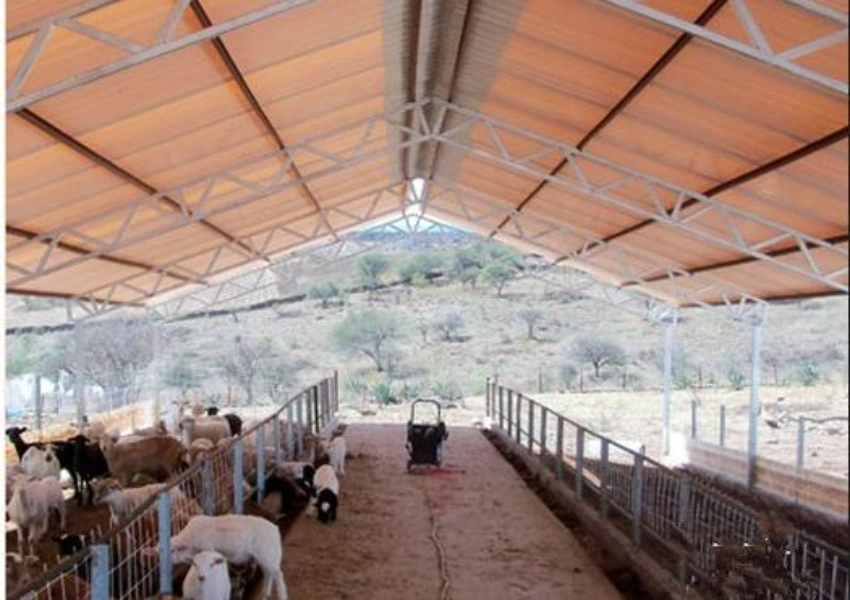
Painted steel is familiar in farm construction because it is easy to quote and widely available. The trouble starts when livestock air, wet cleaning, scratches, and rain noise are treated as minor details. A TSP steel roof sheet comparison becomes more useful when it looks at roof behavior after several seasons, not only at the delivered sheet price for livestock-roofing sheets.
Farm buildings often run warm and damp, and the roof sits above the worst mix of ammonia, water vapor, disinfectant residue, and daily movement. For livestock roofing sheets, the surface layer is not decoration. It is the part that decides whether steel remains protected or starts rusting at edges, laps, and fasteners.
Why Painted Steel Often Fails Early On Farms
Painted steel can perform well in ordinary warehouses. A farm roof is a different setting. Moisture stays longer, air carries corrosive compounds, and cleaning routines can push chemical residue into small openings. Once the coating is cut, scratched, or chipped, corrosion can creep under the paint film.
Scratches, Edges, And Chemical Air
A painted sheet usually looks acceptable when it is new. The weak points appear after handling, drilling, cutting, and a few seasons of roof movement. Cut edges and fastener holes are exposed first. In poultry and cattle houses, ammonia and moisture then do the patient work that turns a small mark into a spreading rust line.
This is why a corrosion-resistant roof sheet should be judged by the protection system, not only by paint color or steel thickness. If the surface barrier has microholes, uneven spray areas, or damage from handling, a corrosive farm atmosphere finds those weak points quickly.
Noise And Repeated Maintenance Visits
Noise is not the main reason painted steel corrodes, but it becomes part of the maintenance discussion. Thin metal roofs amplify heavy rain and hail, especially in enclosed livestock houses. When the same roof also needs patching or repainting, farm managers face two costs at once: animal stress during storms and practical disruption during repairs.
What TSP Film–Coated Steel Sheet Changes
TSP is still a metal roofing product. The point of TSP film-coated steel sheets is corrosion control: a bonded thermoplastic film covers the steel and creates a continuous protective barrier against chemical media.
A Film Barrier Instead Of A Painted Surface
Paint is applied as a coating. Jieli’s TSP system uses a modified polyester film bonded to galvanized or colored steel with a special adhesive layer. The film is designed to seal the steel surface and reduce the chance that corrosive gases, acid, alkali, salt, or disinfectant exposure can reach the metal substrate.
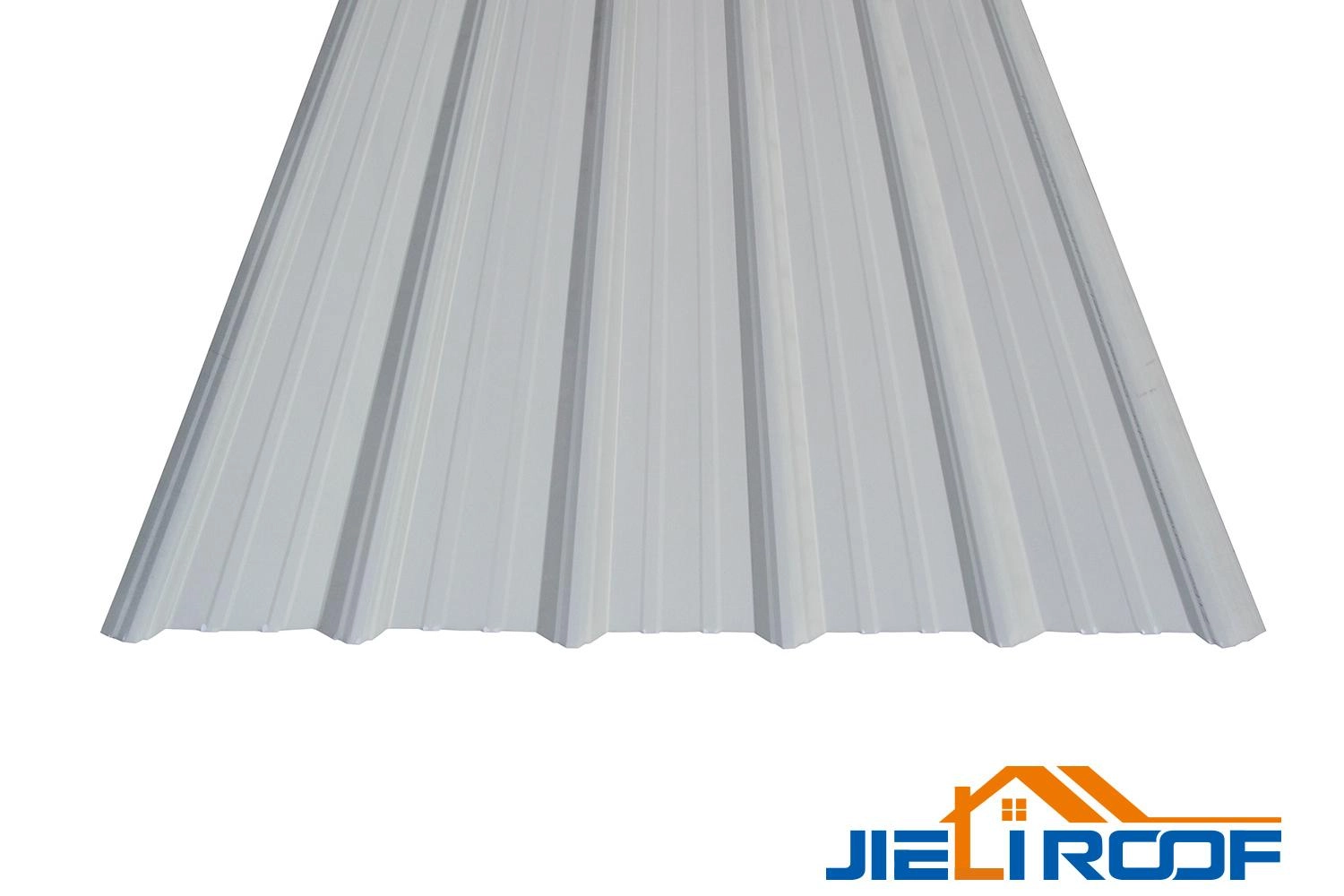
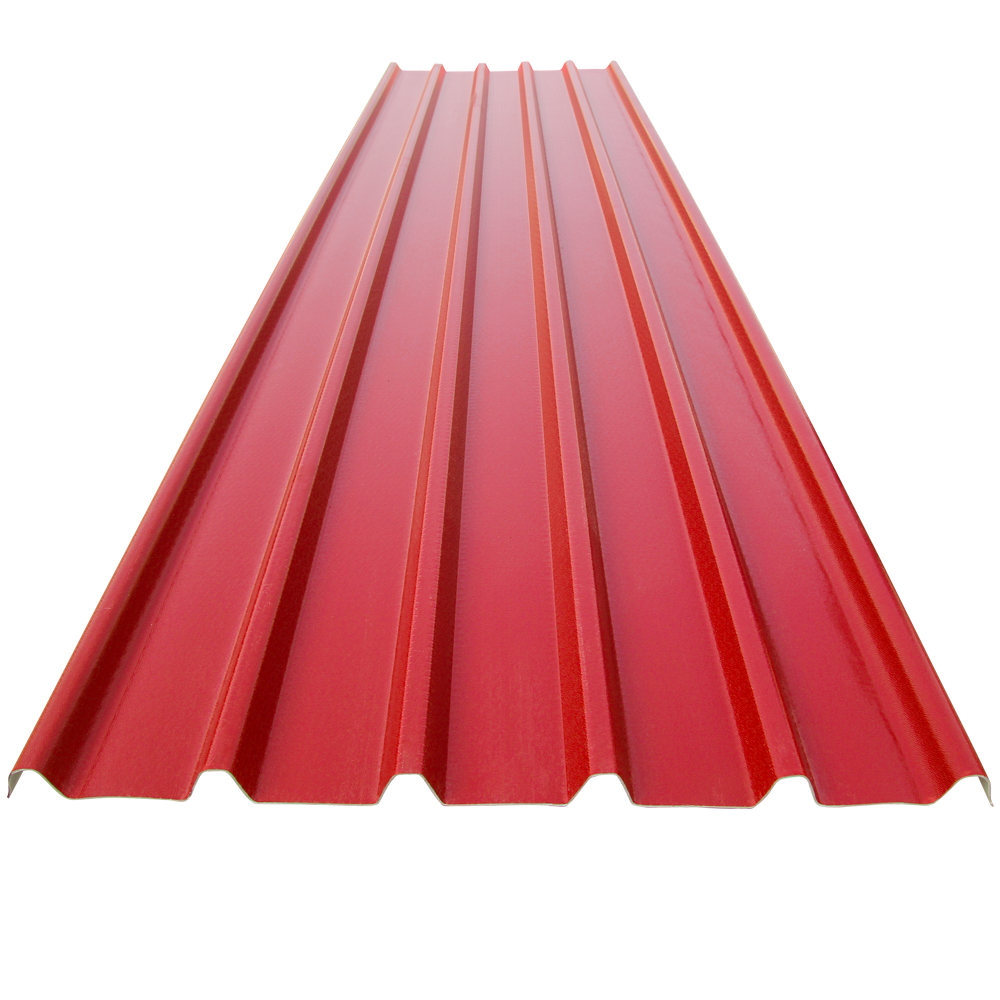
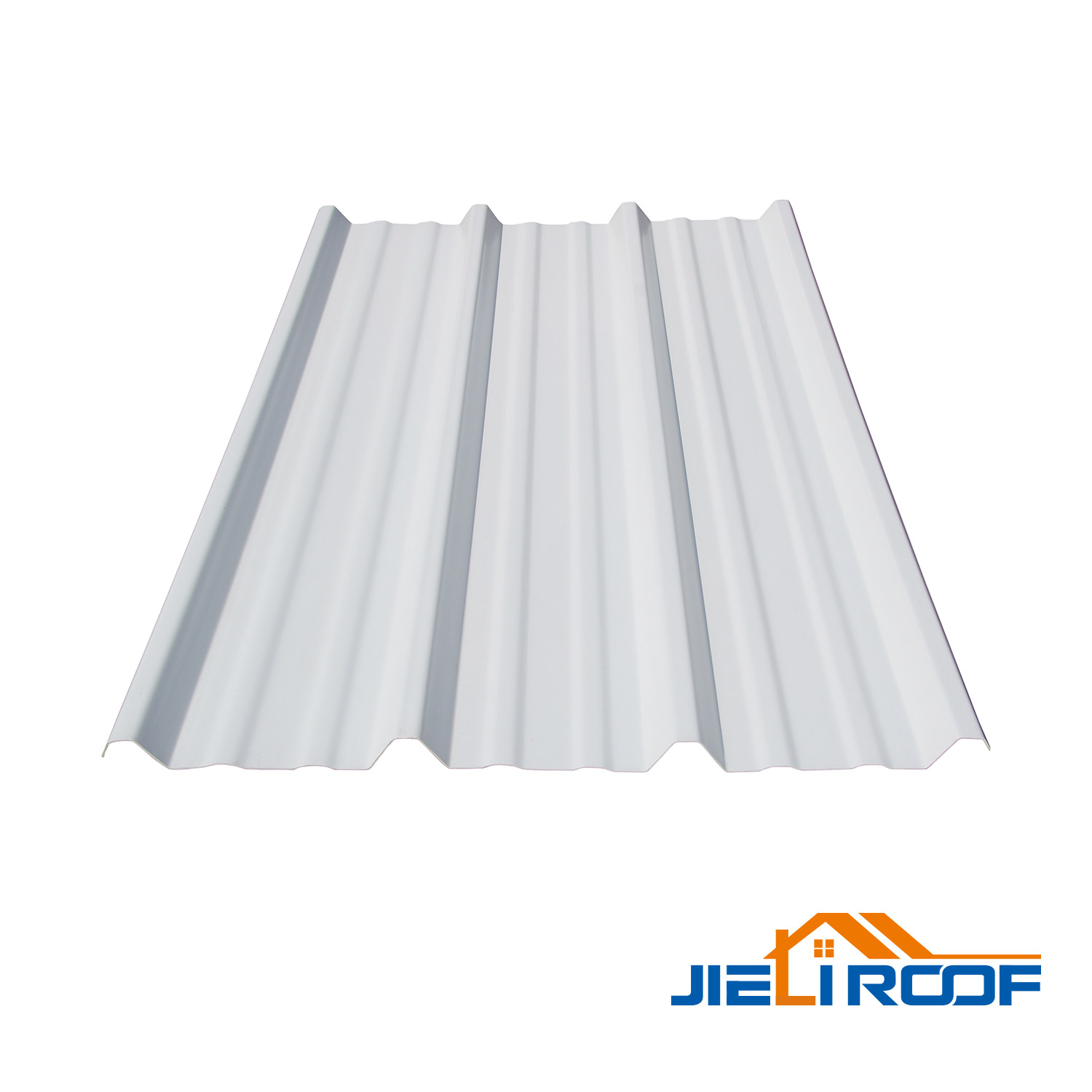
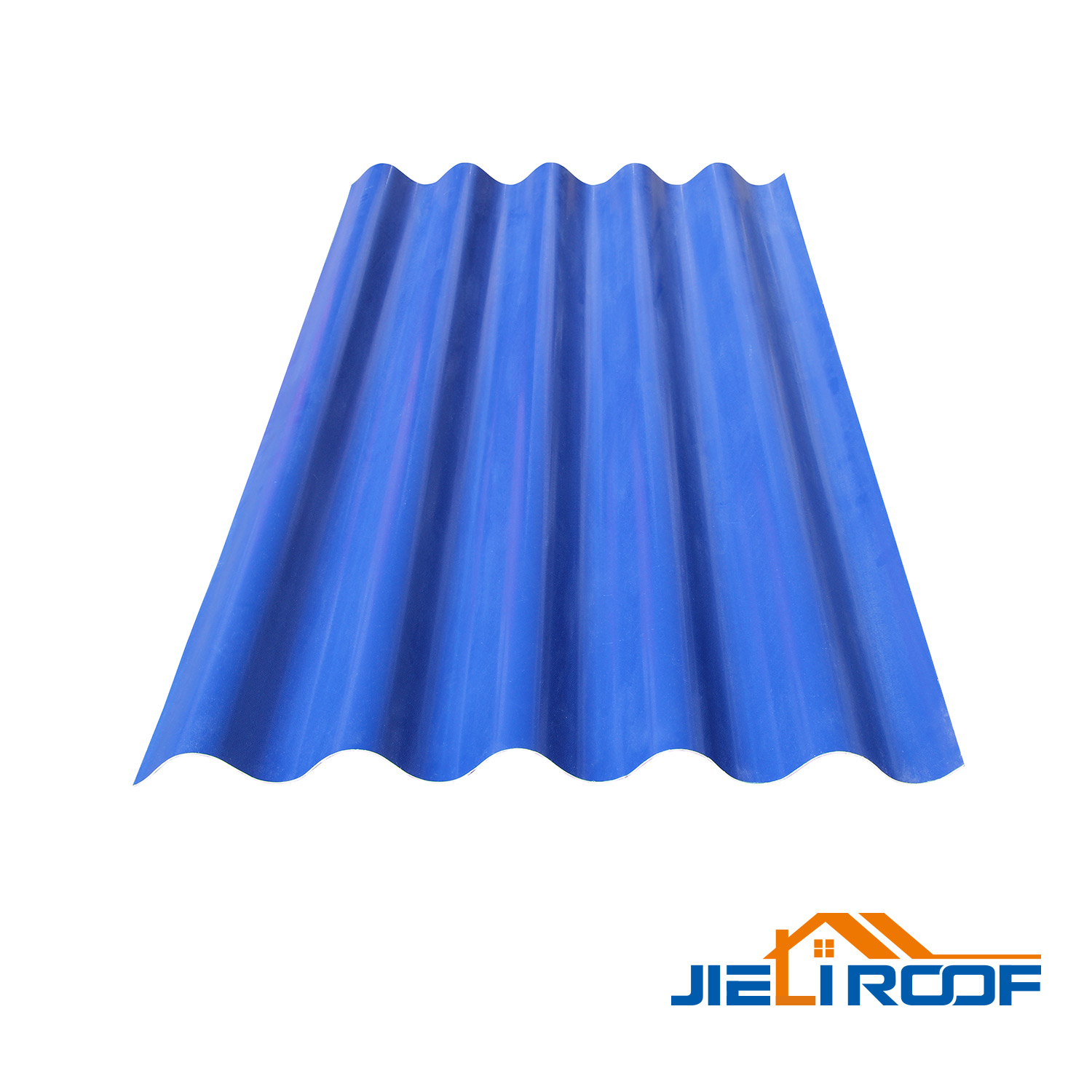
The TSP steel sheet trapezoidal 1050 carries the same practical idea: a metal sheet protected by a film barrier rather than a normal painted finish. For farm roofing materials, that difference matters around cut edges, roof overlaps, and zones where cleaning moisture hangs in the air.
Warranty And Test Points Should Stay With TSP
For TSP, the key farm-roofing reference is chemical corrosion resistance, including a 15% hydrochloric acid test point. The warranty reference is 15 years. TSP steel-plastic sheet should normally be specified from a practical minimum thickness of 0.4 mm for livestock projects.
Jieli’s TSP test references include 168 hours in several chemical solutions, with 15% HCl among the listed resistance tests, and a 1000-hour salt spray reference. Those details support the main claim: TSP is for metal-roof applications that need better protection against rust in aggressive environments.
Corrosion, Noise, And Maintenance Cost In A Real Comparison
Painted steel may be acceptable for low-humidity storage or short-service buildings. A film-coated steel roof is more relevant where chemical air, roof washing, animal density, or service life expectations make rust risk expensive.
Corrosion Cost Comes From More Than Rust Marks
Rust marks are the visible part. The larger cost is what follows: sealing work, replacing sheets near laps, moving animals during repair, checking insulation below old panels, and dealing with complaints from farm owners. In a poultry house, a corroded roof can also create condensation dripping, wet litter, and hygiene pressure.
An ammonia-resistant roofing sheet does not remove the need for ventilation or roof inspection. It does, however, reduce one major failure path. When ammonia, moisture, and disinfectant residue are normal working conditions, the extra protection of TSP can be easier to defend than a low-price painted sheet that may rust within a few years.
Noise Is A Sheet-And-System Question
TSP test data includes an acoustic insulation reference of Rw(C,Ctr) of 25-30 (-1, -3) dB. That can help when rain noise is part of the buying brief. Still, the full sound result depends on the building system, purlins, enclosed air volume, and whether the roof is a single sheet or part of a sandwich panel assembly.
If the project is replacing a failed sandwich roof, keep the claims separate. TSP single sheet is chosen mainly for corrosion resistance and rust prevention. A TSP sandwich panel can bring thermal and acoustic support through its core and sealed system, but that is a panel-system benefit, not the core selling point of a standalone TSP sheet.
When TSP Costs More Up Front But Less Over Time
The lowest painted-steel quote may still win in a dry, low-risk building. On farms, the buying team should price the likely service cycle. If a painted roof needs patching or partial replacement every few years, the saving can disappear quickly. Maintenance access, animal movement, wet litter risk, and Contractor return visits all belong in the cost model.
Use TSP Where Rust Would Be Expensive
TSP is a stronger fit for poultry houses, cattle barns, food-processing side buildings, water-treatment areas, and coastal or chemical-exposure projects. The broader TSP roofing product range can be reviewed when buyers need different profiles, coils, or project matching for farm roofing materials. The important step is to connect the profile to the corrosion environment, not just to a drawing habit.
For farm channels and distributors, this also protects after-sales margin. A sheet that resists rust in ammonia and cleaning exposure can reduce complaints, claim handling, and emergency shipment of replacement material. That is why a TSP film-coated steel sheet may carry a higher initial quote but still lower the longer maintenance burden.
Samples Should Be Checked Around The Weak Points
A sample review should focus on the film surface, edge behavior, bending area, and fastener zone. Ask how the film is bonded, what thickness is being quoted, and whether the supplier can keep the same surface quality across the order. A good sample is not just pretty; it helps predict how the roof will behave after contractors cut, drill, and handle it on a real project.
Buying Checks Before Choosing Between TSP And Painted Steel
Before final selection, list the actual farm risks: ammonia level, cleaning frequency, disinfectants, humidity, roof pitch, ventilation, and expected service period. Then compare the two materials with the same assumptions. If the roof is above livestock, a corrosion-resistant roof sheet is often easier to justify than a low-cost painted panel with a short repair cycle.
Jieli has 22 production lines and a material testing center for raw material, formula, production, and finished-product checks. Buyers canrequest samples and discuss profiles through Jieli when they need a TSP specification that matches farm building conditions rather than a generic painted-steel quote.
Painted steel belongs in lower-risk roofs. TSP belongs where the buyer wants metal-sheet strength with stronger chemical corrosion protection, an ammonia-resistant roofing sheet option, a 15-year warranty reference, and less appetite for rust-driven maintenance.
FAQ
Q1: Is TSP steel roof sheet the same as painted steel?
A1: No. Painted steel uses a paint coating, while TSP uses a bonded thermoplastic film over steel. The TSP structure is designed to protect the metal from corrosive farm air, moisture, and chemical exposure.
Q2: Is TSP mainly an insulation product for farm buildings?
A2: No. TSP single sheet is mainly selected for chemical corrosion resistance and rust prevention. Thermal or acoustic benefits in a TSP sandwich panel come from the panel core and full assembly.
Q3: When should buyers choose TSP instead of painted steel?
A3: TSP is worth checking when the roof faces ammonia, disinfectant residue, coastal air, repeated cleaning, or high maintenance costs. Painted steel may still suit dry, lower-risk farm buildings.






 +86 0535 6278701 / +86 15653505862