HOME>NEWS>When Should Livestock Farms Replace Color Steel Roofs With TSP Film Coated Steel
When Should Livestock Farms Replace Color Steel Roofs With TSP Film Coated Steel
2026-09-01 00:00:10
SHARE TO:
A colored steel roof does not fail on one day. It wears out in stages. First, the surface fades or scratches. Then rust reaches fasteners, laps, and cut edges. Later, leaks show up after rain or cleaning, and the roof starts demanding repeated patchwork. At that point, replacing the livestock roof becomes a cost decision, not just a maintenance issue. TSP film coated steel sheet is worth serious attention when a farm has moved past the repair stage.
Signs The Roof Has Left The Repair Stage
Many farms keep fixing the same roof because each repair looks cheaper than a new one. That can work for a short time. It stops working when leaks become frequent, rust spreads, and the building needs regular contractor visits just to stay usable.
Rust At Fasteners And Cut Edges
The first serious warning is often rust around screws, overlap lines, and exposed edges. Those are the spots where ordinary coatings fail first. Once rust forms there, the roof is no longer just aging. It is already losing material at the points that matter most. A rusted-color steel roof can still stand for a while, but it stops behaving like a predictable building envelope. The roof begins to leak, stain, and shed small flakes that make upkeep harder.
Repeated Leaks After Rain Or Cleaning
If the same roof leaks after every wet season or after washing, the patch cycle is already too long. The farm may still pay less today by delaying replacement, but the total budget usually climbs later through repainting, temporary sealing, and downtime. That is why the replacement decision should be judged by repetition. One leak is a repair. Three or four return visits is usually a replacement signal.
Why Colored Steel Breaks Down Faster In Livestock Buildings
Livestock housing is rougher on metal than most people expect. Ammonia, dust, wash water, and enclosed humidity keep attacking the same roof. If the coating is not built for that environment, it does not stay strong for long.
Ammonia, Wash Water, And Humidity
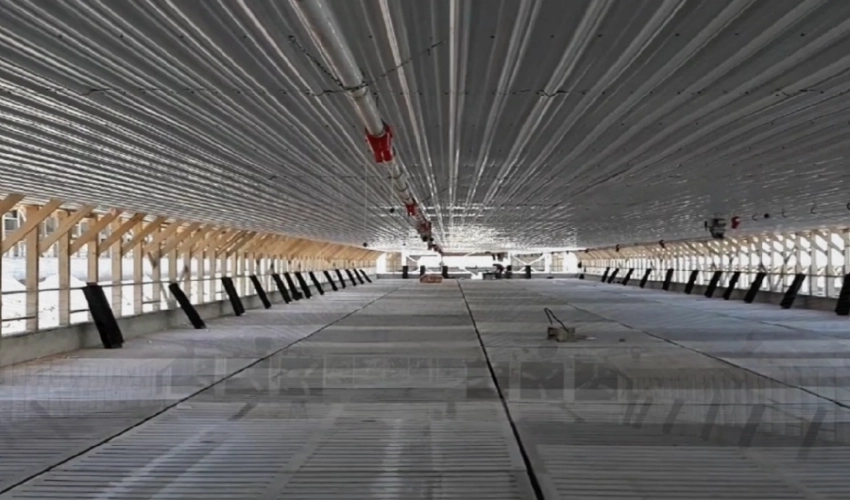
Manure and urine release ammonia. Cleaning adds more moisture. In a closed or semi-closed house, the roof surface can sit in that atmosphere day after day. That is where a standard sheet loses its edge and a farm roof retrofit starts to make sense. A corrosion-resistant roof sheet does not need to be dramatic. It needs to keep the steel isolated from the corrosive air that lives inside the barn.
Maintenance Costs Spread Beyond The Roof
Roof damage is rarely limited to the panels. Leaks reach insulation, ceilings, stored feed, or electrical zones. A small roof problem can turn into a bigger hygiene problem if wet spots keep coming back. That is the point where the farm is no longer dealing with a roof as a roof. It is dealing with a maintenance chain that touches labor, cleanliness, and animal comfort.
Why TSP Changes The Replacement Decision
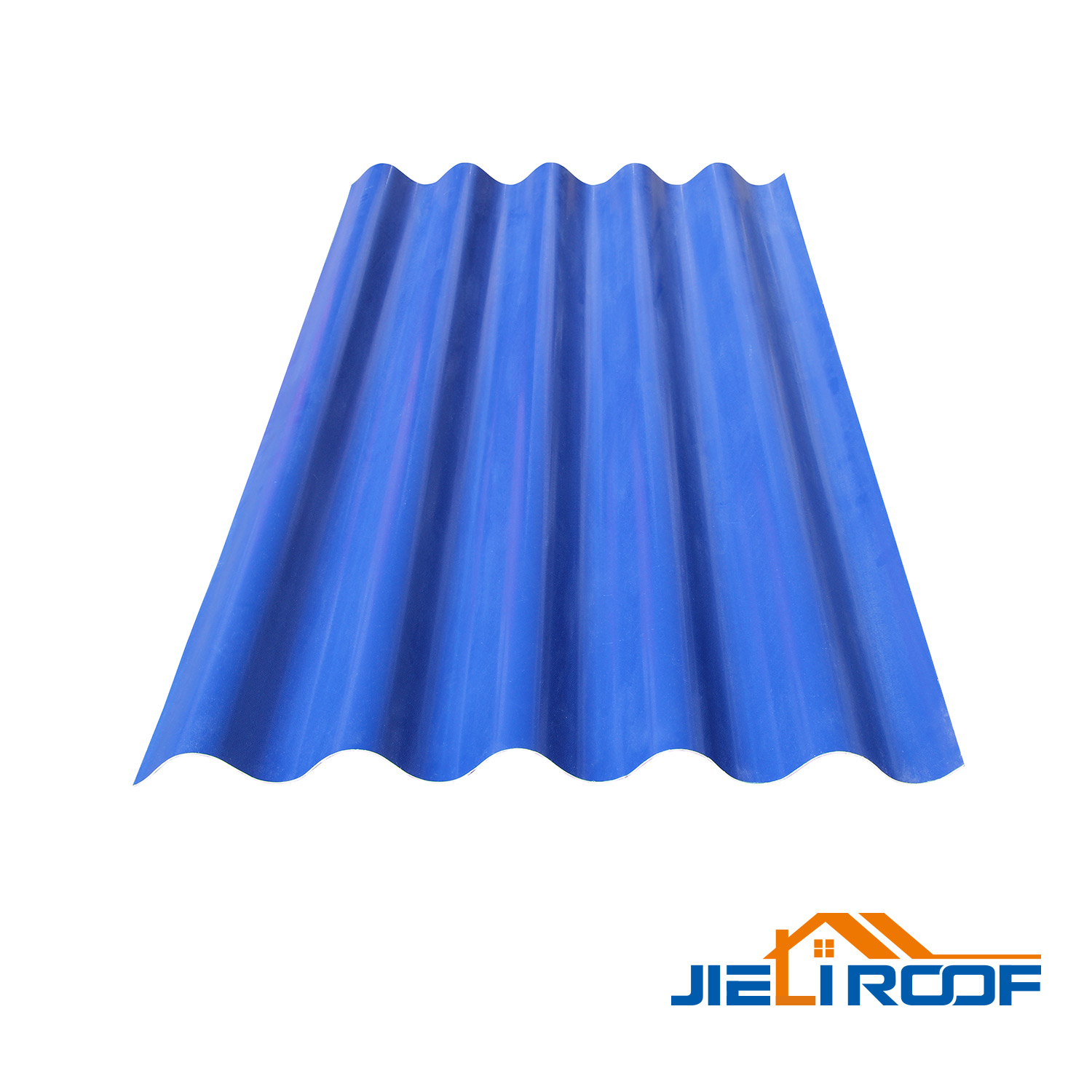
TSP film coated steel sheet is not a painted sheet with a little extra marketing on top. The film layer is the part that matters. It creates a sealed barrier over the steel, which is useful when the roof sits in a corrosive farm atmosphere.
Film Protection Over The Steel
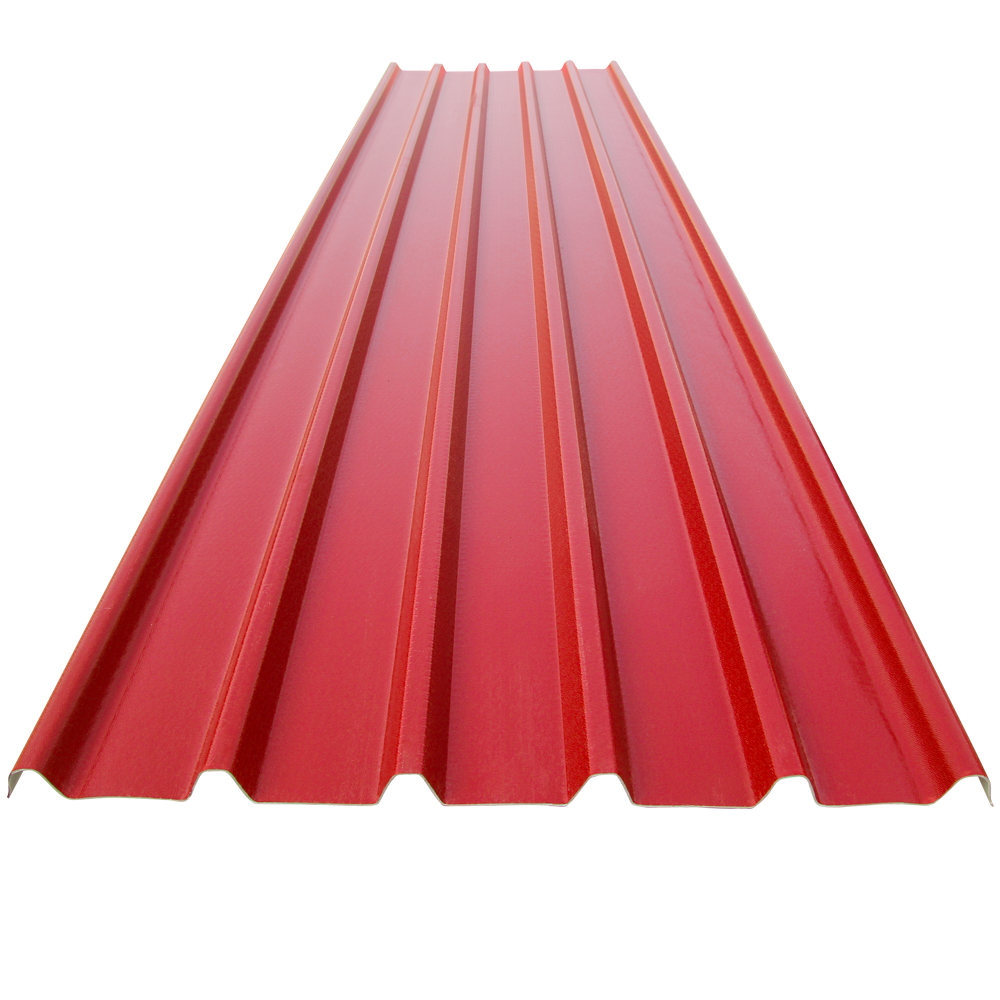
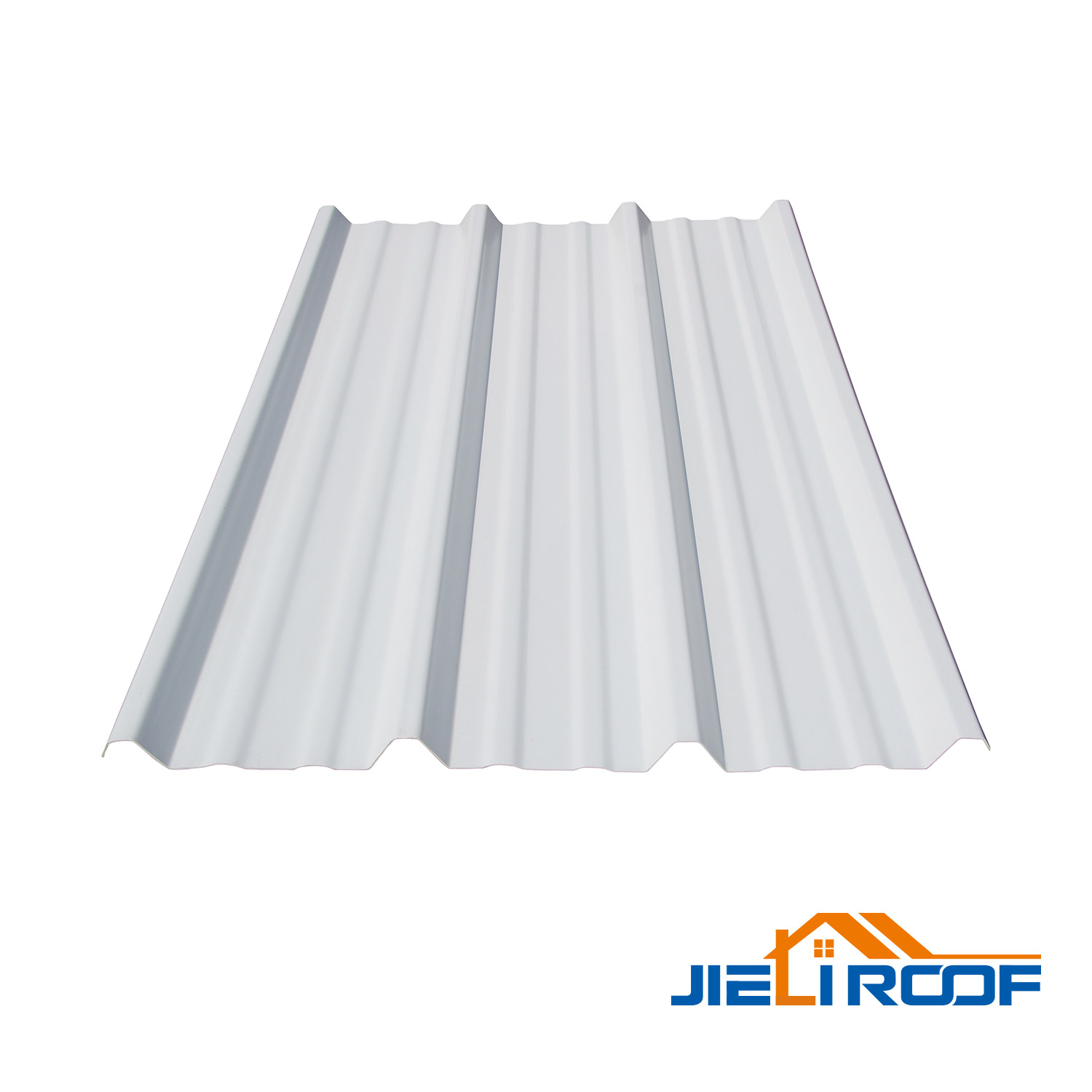
The TSP structure uses modified polyester film bonded to galvanized or colored steel. The film is airtight sealed, with no microholes, so the surface has a better chance of holding off corrosive media. That is the practical difference buyers care about when they compare a new sheet against a rusted-colored steel roof. The value is not only in durability. It is also in reducing the need to keep revisiting the same leakage points.
Test Data Buyers Can Ask For
TSP steel sheet has a 15% hydrochloric acid test, 168-hour chemical resistance exposure, 1000-hour salt spray performance, and a 15-year warranty. The sheet thickness range is in the 0.4-0.8mm band. That gives buyers a clearer comparison point than a general promise about being rust-resistant. If a farm is comparing corrosion-resistant roof sheet options, those numbers help separate a real product data sheet from a vague claim.
When Replacement Makes More Sense Than Patching
The right time to replace is usually when repair cost starts repeating faster than planned. The decision does not need to be perfect. It only needs to be honest about how often the roof is already asking for attention.
Repair Frequency Is The Key Signal
A farm roof retrofit starts to win when patching becomes routine. If screws, sealant, or roof coating are being used again and again, the old roof is no longer saving money. It is consuming it slowly. At that point, replacement gives the farm a chance to reset the maintenance cycle instead of feeding the same cycle for another season.
Downtime And Cleanliness Matter Too
A livestock building cannot always stop for long repairs. Even short interruptions matter when animals, feeding, or cleaning schedules are involved. A replacement roof that lasts longer and needs fewer repeat visits often beats a cheaper patch job over time. That is why livestock roof replacement should be read as an operating decision, not just a materials decision.
What To Ask Before Ordering TSP
A buyer does not need a long engineering file to make a sensible order. A short set of questions is usually enough to decide whether the product fits the building and the maintenance plan.
Check The Match Between Roof And Farm Use
Ask whether the profile fits the current building, whether the sheet is meant for roof or retrofit work, and whether the farm needs extra help on sample review or product selection. That keeps the purchasing stage practical instead of abstract.
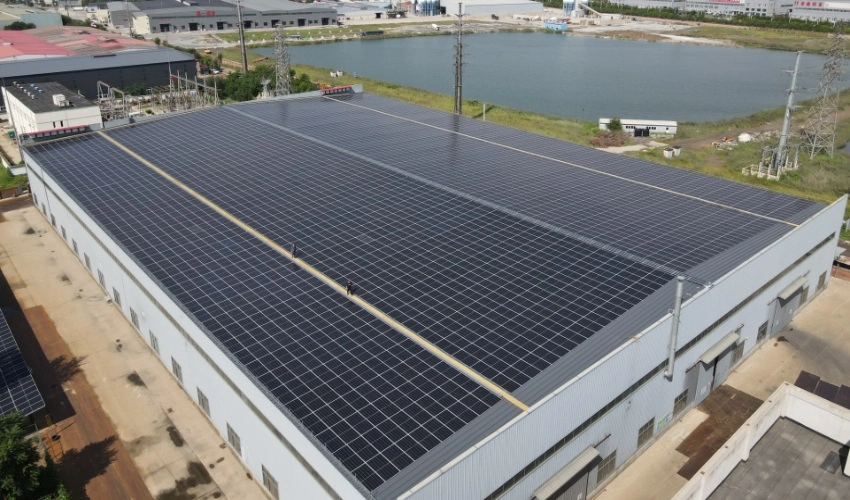
Jieli can support the discussion with product references, sample checks, and a clear explanation of where TSP steel sheet is the better answer and where another roof system may fit better. For a wider retrofit roof, the TSP steel sheet trapezoidal 1050 profile is also worth checking against the existing structure.
A Better Decision Point
If the roof is rusting, leaking, and calling for repeated patchwork, the farm has probably already crossed the line into replacement territory. TSP gives that replacement a better corrosion-control base. It is a good fit when the building still needs metal strength but no longer wants a plain painted roof fighting farm air. That is the moment when the choice stops being cosmetic and starts being financial.
FAQ
Q1: When should livestock roof replacement move ahead instead of patching again?
A1: When rust, leaks, and repeat repairs keep coming back, the roof is usually past the repair stage and ready for replacement.
Q2: Why is TSP film–coated steel sheet better for a rusted–color steel roof?
A2: The film layer creates a sealed barrier over the steel, which helps reduce contact with ammonia, moisture, and other corrosive media.
Q3: What should buyers confirm before a farm roof retrofit order?
A3: Check the thickness range, warranty, chemical test data, profile fit, and whether the supplier can support sample review and product selection.






 +86 0535 6278701 / +86 15653505862